

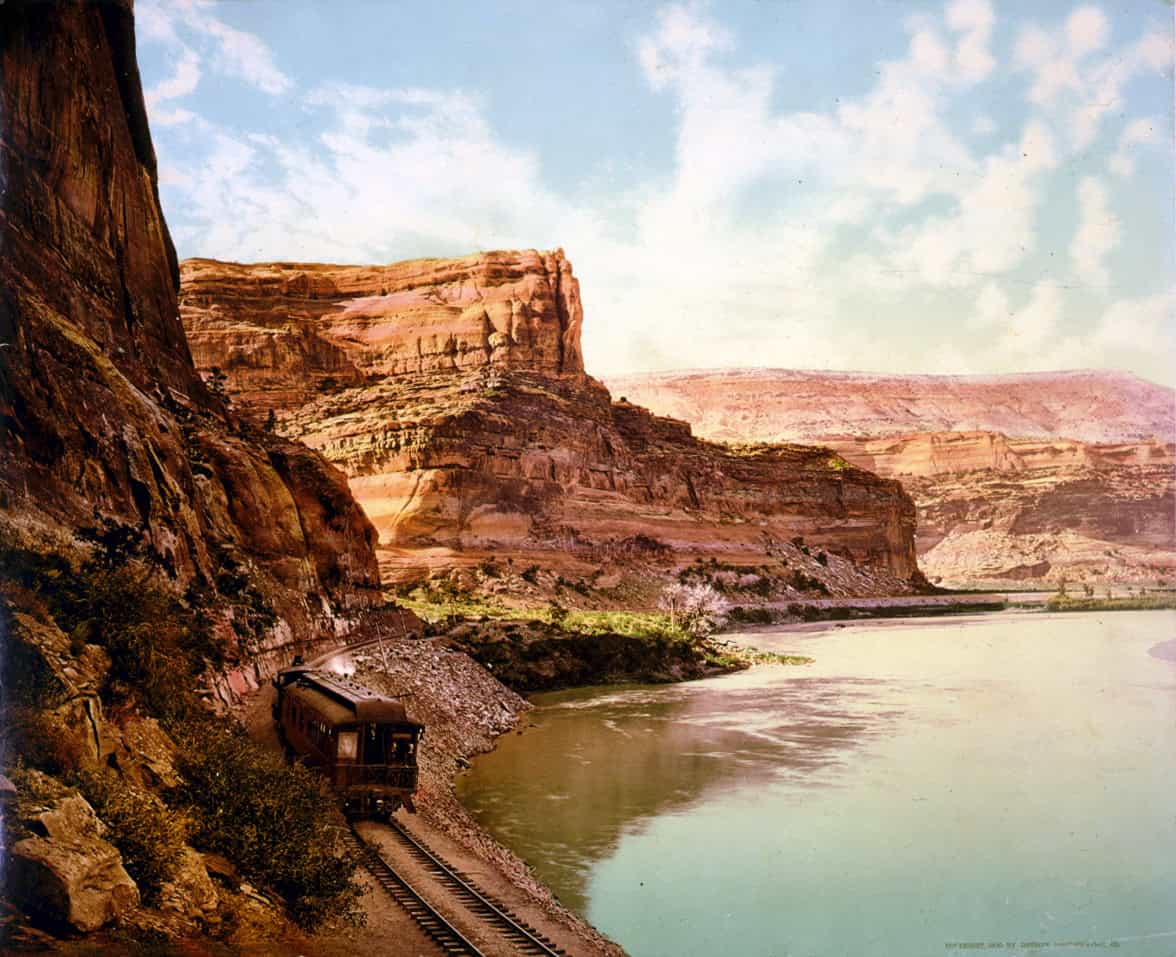
The Colorado River, once a mighty flow stretching from the Rocky Mountains into Mexico, faces a perilous future. With projections indicating it might not reach the ocean by 2045, the challenges facing this vital waterway are urgent and multifaceted. This article explores the reasons behind this looming crisis and the broader implications for the environment and millions of people who rely on its waters.
Historical Significance
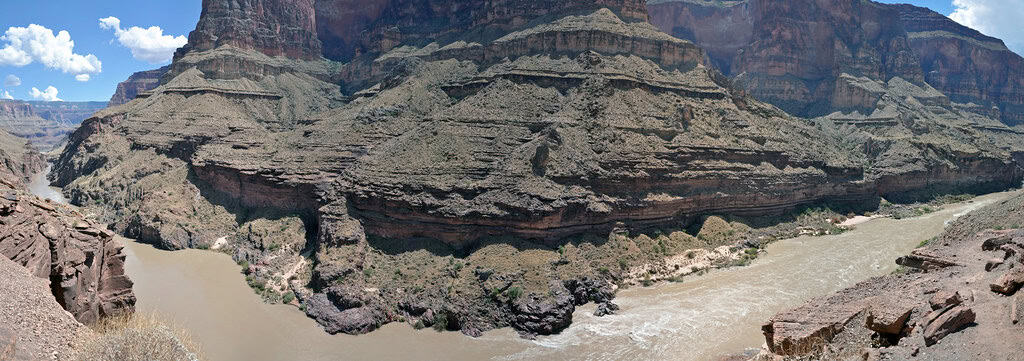
For centuries, the Colorado River has been a lifeline for Native American tribes, settlers, and wildlife. Spanning over 1,450 miles, it nourishes a vast region through seven U.S. states and Mexico. Historically, the river reached the Gulf of California, supporting a rich delta ecosystem. This natural force shaped communities, providing water for drinking, agriculture, and industry, helping to build the American Southwest as we know it today.
Modern-Day Demand
The Colorado River is a critical water source for nearly 40 million people and 5 million acres of farmland. This increasing demand is straining its flow. Cities like Los Angeles, Las Vegas, and Phoenix heavily depend on its resources. As urban areas grow, the demand for water surpasses the natural replenishment rates, exacerbating the river’s dwindling flow.
Climate Change Impact
Climate change is a significant contributor to the river’s current predicament. Rising temperatures lead to increased evaporation rates and reduced snowpack in the Rocky Mountains, which serve as the river’s primary water source. These changes result in decreased flow levels and an altered hydrological cycle, further diminishing the Colorado River’s ability to sustain its previous reach.
Increasing Drought Conditions

The southwestern United States is experiencing some of the worst droughts in recorded history. Persistent droughts reduce inflow to the river, leading to lower reservoir levels. With reduced storage capacity, the river’s ability to cope with dry spells diminishes, aggravating the problem of water scarcity.
Legal and Political Complications

The management of the Colorado River is subject to complex legal agreements among seven U.S. states, two Mexican states, and multiple Native American tribes. These agreements, collectively known as the “Law of the River,” allocate water rights but often lack flexibility to adapt to the current climatic challenges. Political disputes over water rights and allocations complicate efforts to manage the river sustainably.
Environmental Consequences
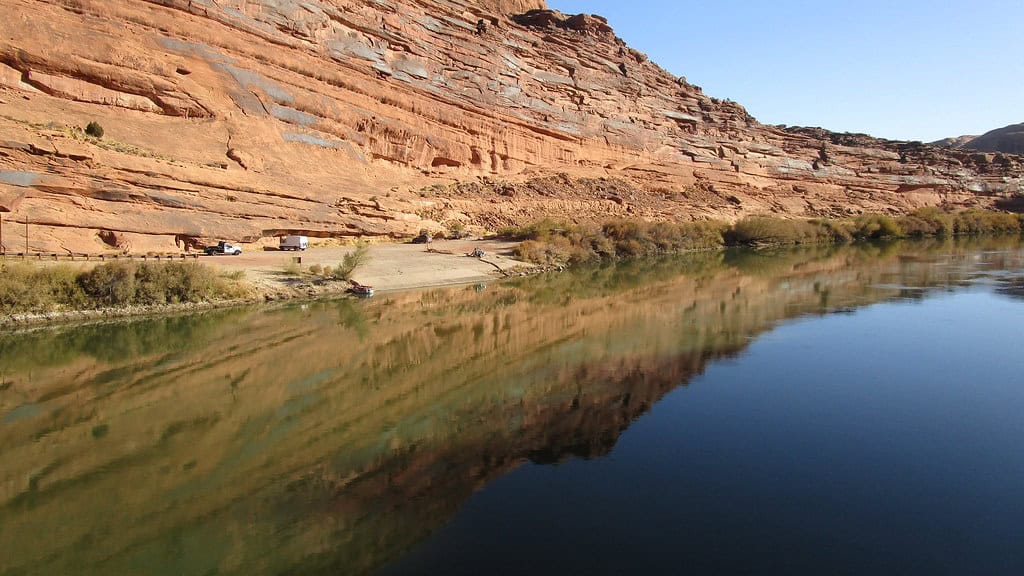
The diminishing flow of the Colorado River threatens the ecosystems it supports. Wetlands, riverine habitats, and delta ecosystems suffer from reduced water availability. This loss of habitat endangers hundreds of species, disrupting biodiversity and ecological balance. The river’s inability to reach the sea spells catastrophe for the once-vibrant delta region in Mexico.
Economic Implications
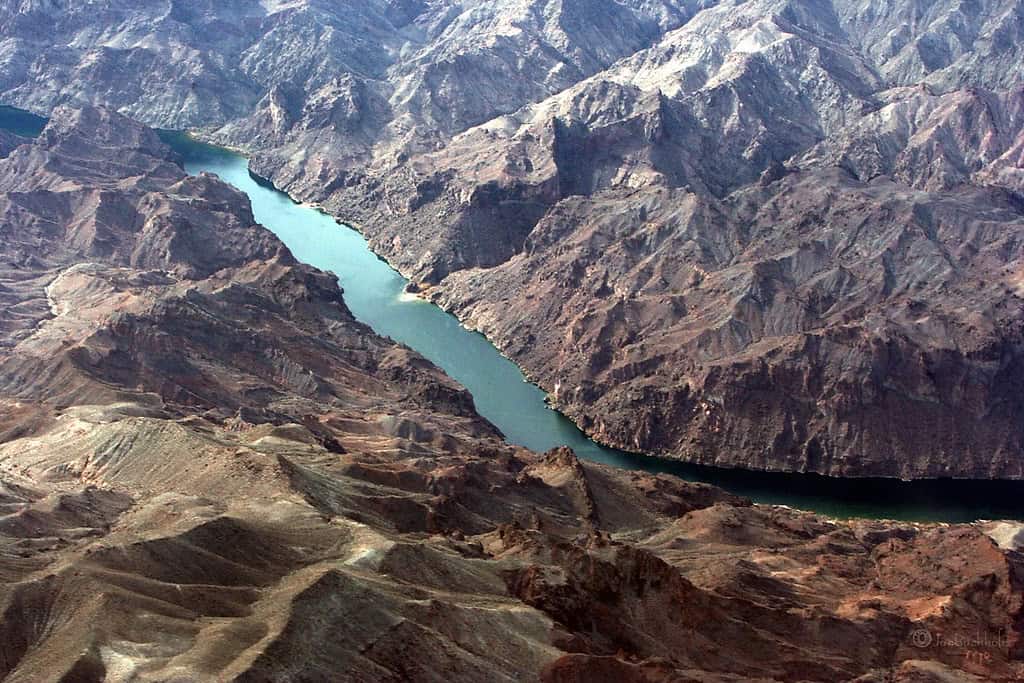
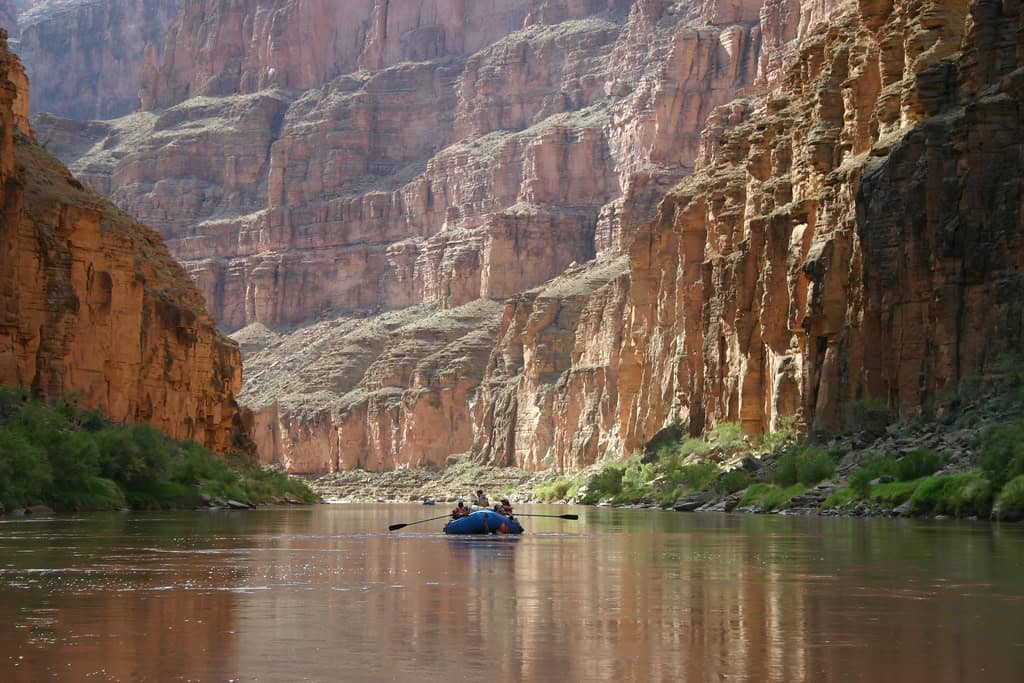
The economic impact of a shrinking Colorado River is profound. Agriculture, heavily reliant on the river, faces water shortages that threaten crop yield and food security. Tourism, another significant economic driver, could also suffer. From river rafting to natural parks, outdoor recreational activities depend on a healthy river system.
Conservation and Restoration Efforts
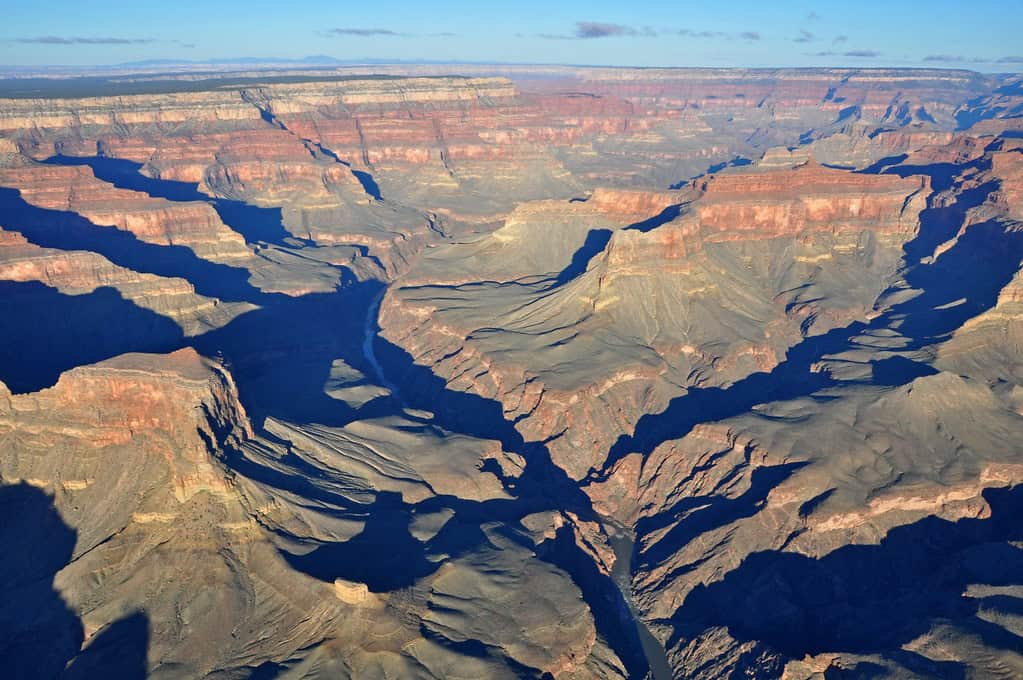
Various initiatives aim to conserve and restore the Colorado River. Water-saving technologies, policy reforms, and habitat restoration projects attempt to stabilize the river’s flow. International collaborations seek to balance consumption with environmental preservation, but such efforts require large-scale cooperation and commitment.
Innovative Water Management Solutions

Adopting innovative water management strategies is critical. These include demand management programs, desalination plants, and water recycling. Technologies like drip irrigation help optimize agricultural water use. Collaborative efforts to redistribute water more equitably could mitigate shortages and ensure sustainable usage.
Community Engagement and Education
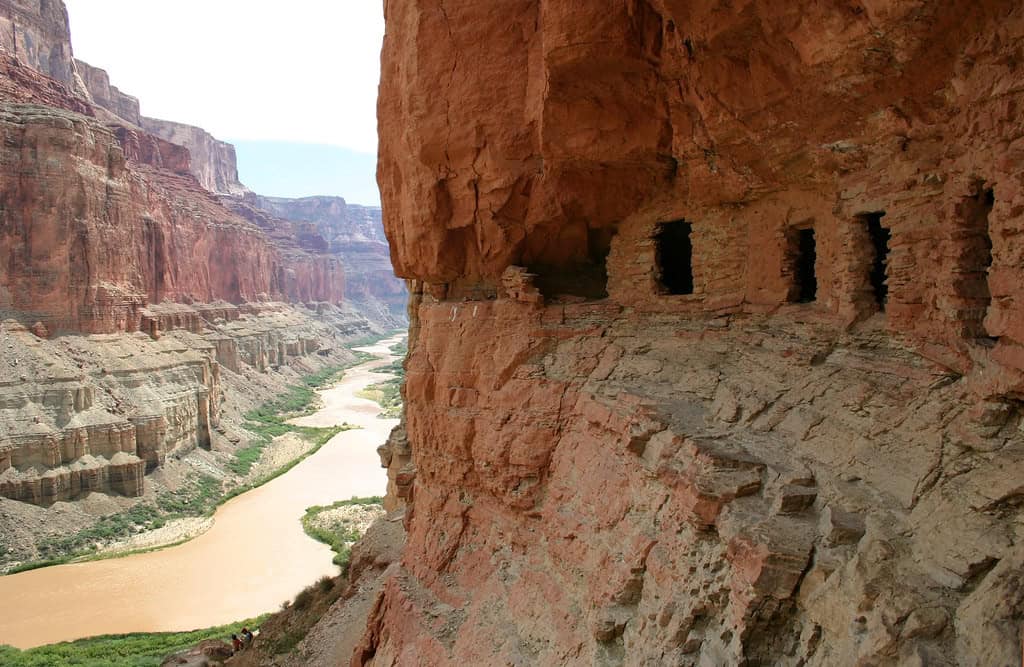
Raising awareness and engaging communities in water conservation practices is essential. Educational campaigns focused on the importance of the Colorado River can foster a sense of responsibility and stewardship. Involving local communities in decision-making processes ensures that policies reflect diverse needs and promote sustainable solutions.
International Cooperation
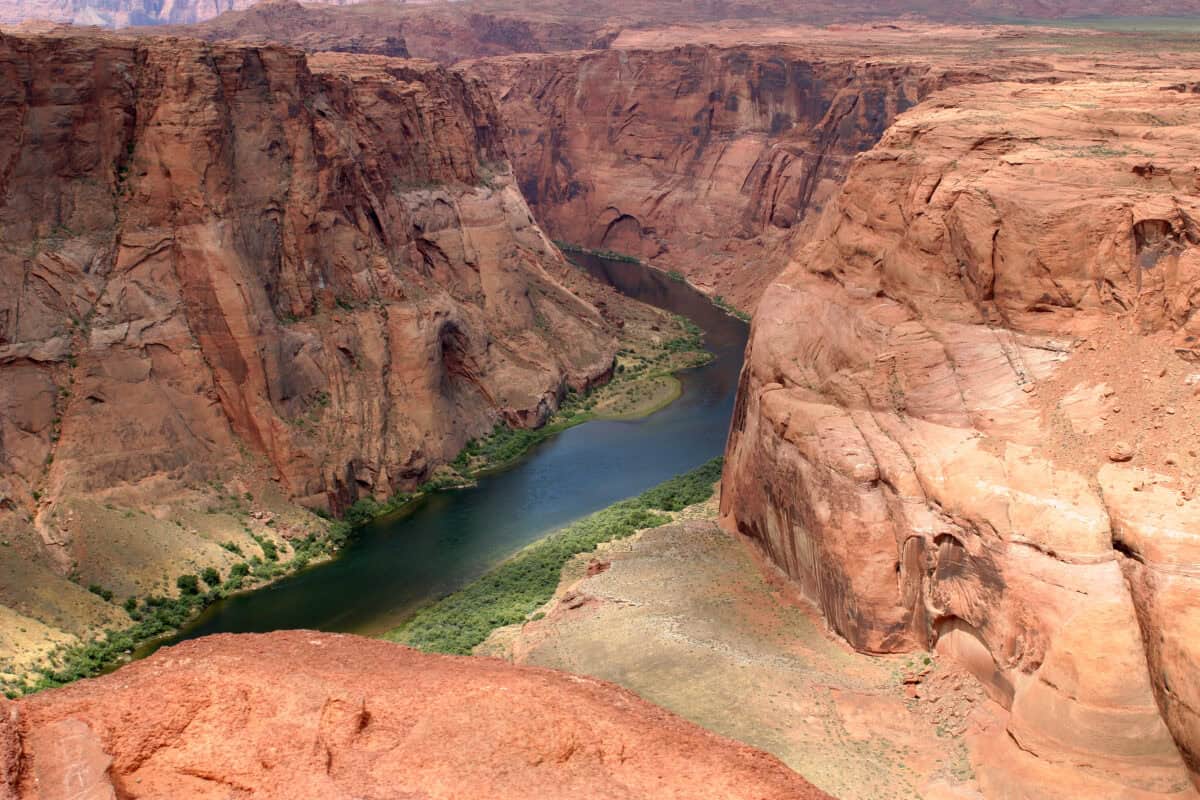
Effective management of the Colorado River requires international collaboration. U.S. and Mexican authorities must work together to address cross-border water issues. Shared goals and cooperative frameworks can facilitate sustainable water distribution, helping ensure the river’s longevity and health.
The Path Forward
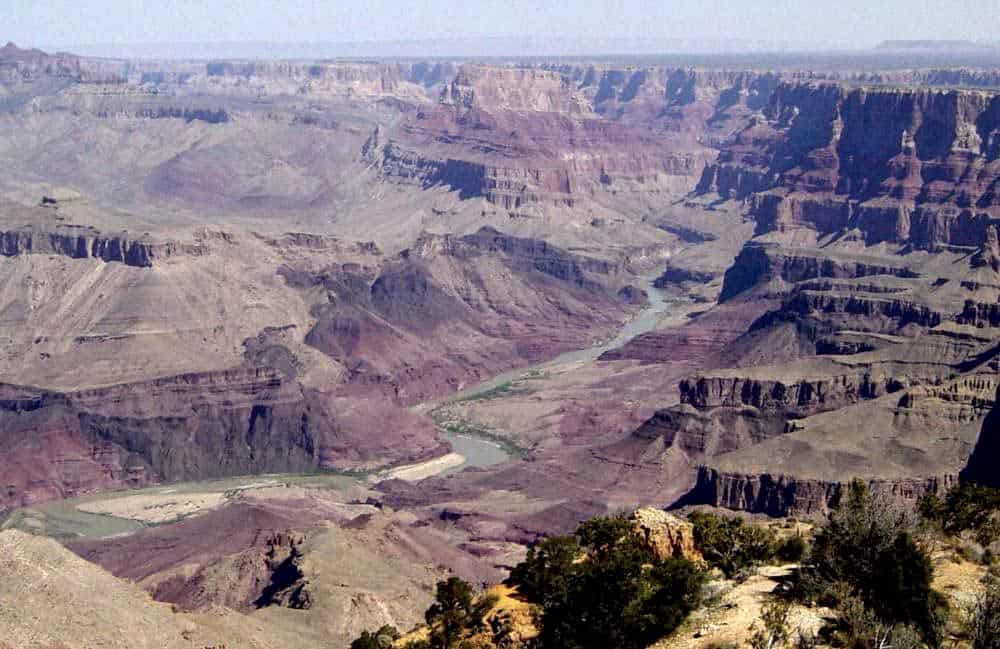
Addressing the challenges facing the Colorado River requires a multifaceted approach, combining conservation efforts, policy reform, technological innovation, and international cooperation. By understanding and acting on the threats to this pivotal water source, there is hope to avert the dire prediction of the river ceasing to reach the Gulf of California by 2045. Protecting this vital resource ensures the continued prosperity and ecological health of the regions reliant on it.
The fate of the Colorado River is intertwined with the health and prosperity of a significant segment of North America. Without concerted efforts, the river might not meet the ocean once again, underscoring the urgent need for action to preserve and restore this iconic waterway for future generations.

From exploring the marine wonders in the Azores and witnessing the vast savannas of Kenya, to delving deep into the rich biodiversity of South Africa and traversing iconic landscapes in Australia and the US like Yellowstone, Chris's experiences are vast.
With a penchant for diving alongside sharks, the ocean holds a special place in his heart.
Through his academic insights, he champions wildlife conservation, striving with 'Animals Around The Globe' to cultivate a profound connection between humans and animals, enhancing our mutual appreciation.
Connect with him at Feedback@animalsaroundtheglobe.com.
- Rhino vs. Hippo - July 26, 2026
- Could Your Cat Actually Understand Your Emotions? - July 26, 2026
- Wolves Reintroduced in Michigan Sparked Heated Debate, Why? - July 26, 2026