
There’s something haunting about structures that once commanded reverence but now stand in silence, their original meanings slipping through the cracks of collective memory. Around the world, monuments built with profound purpose have faded from public consciousness, their stories nearly lost to the relentless march of time. These aren’t necessarily ruins, mind you. Many are still standing, still accessible, yet few know what they truly represent anymore.
Think about it. Every monument was erected for a reason, carved with intention, designed to communicate something vital to future generations. Yet memory is fragile. Wars erase context, regimes rewrite narratives, and the simple passing of centuries can transform a sacred site into just another stone structure tourists walk past without a second glance. Let’s dive into these forgotten giants and uncover what time nearly took from us.
The Unfinished Obelisk of Aswan
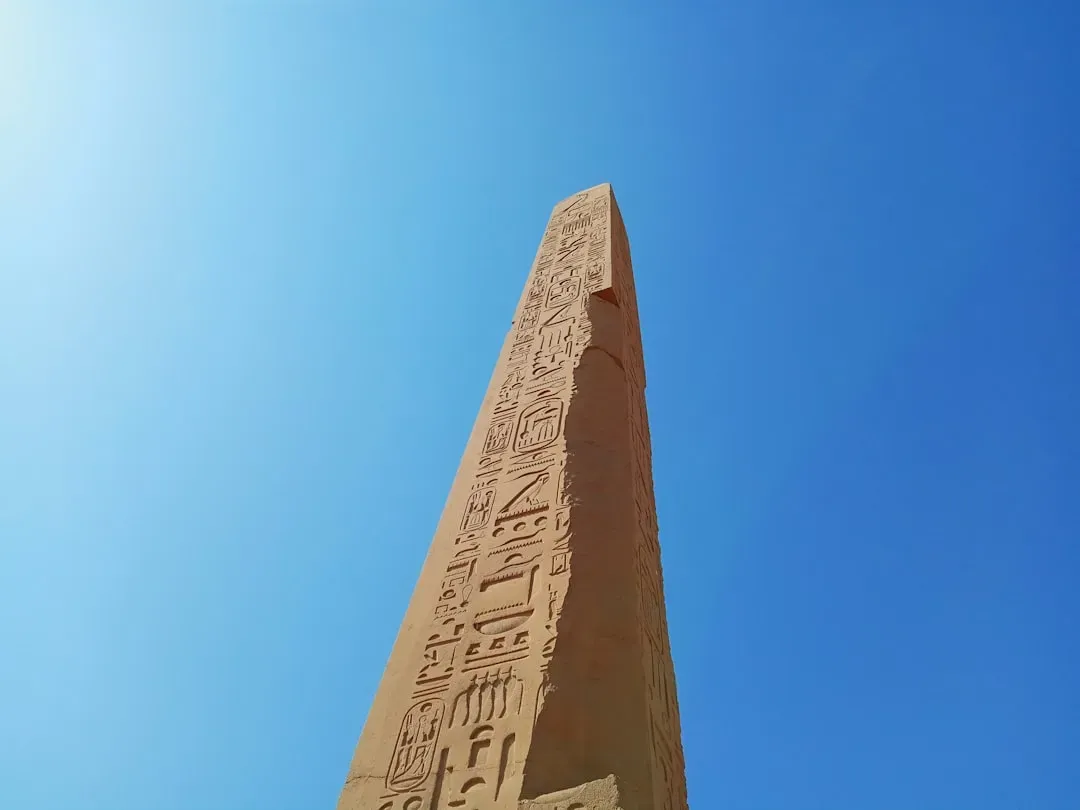
In an ancient Egyptian quarry, a massive obelisk remains half-carved into the bedrock, abandoned mid-construction and would have been the largest ever erected if completed. This isn’t just an incomplete project. It’s a frozen moment in ancient engineering, a glimpse into techniques that built an empire.
The stone shows a flaw, which some believe caused workers to abandon it. Others think differently, suggesting it holds clues to lost Egyptian methods that modern archaeologists are still trying to decode. The sheer ambition is staggering when you stand beside it.
The unfinished monument offers a rare glimpse into the secrets of ancient stonework. Here’s the thing: most monuments show us the finished product, the polished achievement. This one shows us the process, the struggle, the moment when even the greatest civilization had to walk away. Sometimes what’s incomplete teaches us more than what’s perfect.
What makes this particularly fascinating is how it challenges our assumptions about ancient capabilities. The scale they attempted suggests confidence in techniques we’re still not entirely sure about. The abandonment suggests limitations we rarely see acknowledged in their completed works.
Yongmyong Temple’s Silent Absence
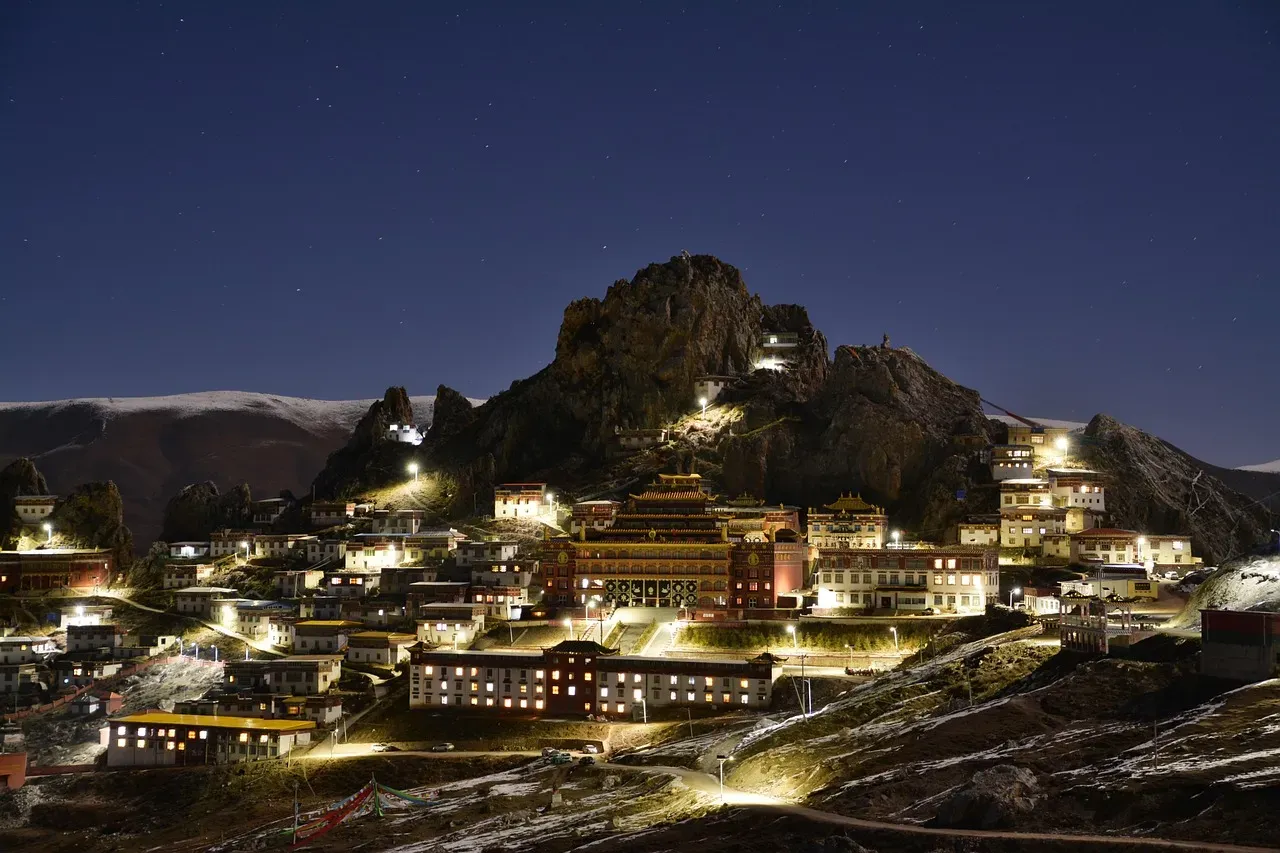
Though exact construction dates remain unknown, popular theory places Yongmyong Temple around the time of the Goguryeo kingdom in 400 BC, and for centuries it remained an elegant part of the Pyongyang skyline, reminding locals and international admirers of North Korea’s Buddhist history. This monument embodied centuries of spiritual continuity. Then it vanished.
During the Korean War of the 1950s, the ancient Buddhist temple was destroyed by U.S. bombs. What stood for more than two millennia disappeared in moments. The meaning it carried, the daily rituals performed there, the architectural knowledge encoded in its construction, all gone.
Now it exists only in photographs and memories. Few people today remember what it looked like or what it meant to the community that cherished it. War doesn’t just destroy buildings; it erases the living connection between people and their heritage, leaving only academic knowledge where once there was visceral understanding.
The loss here isn’t just physical. It’s the severance of continuity, the breaking of a thread that connected modern Koreans to their ancient past through daily interaction with sacred space.
Carnac Stones: Europe’s Mysterious Rows
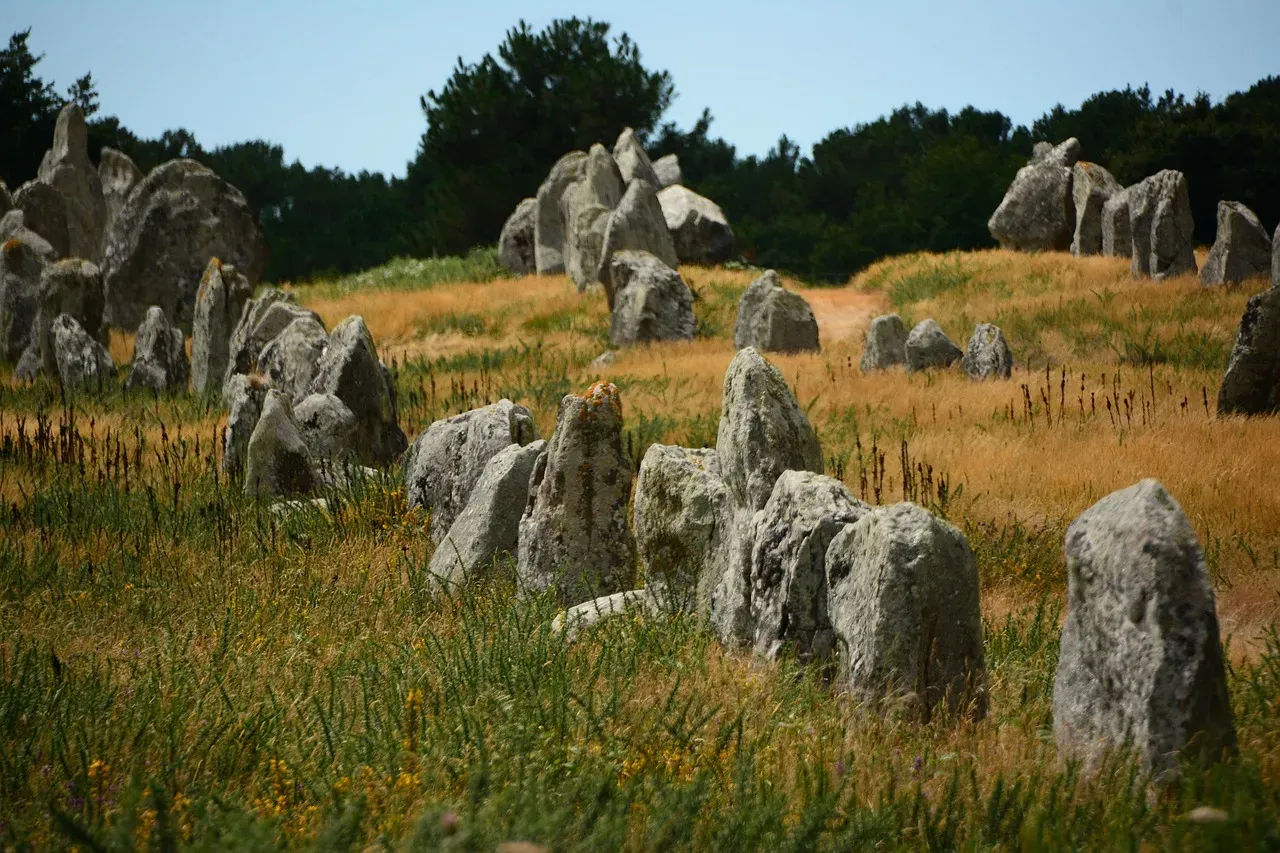
Near French beaches, over 3,000 standing stones or menhirs were put there during the Neolithic Period. They stretch across the landscape in three massive alignments, creating patterns that must have meant something profound to their creators. Trouble is, nobody’s quite sure what.
Archaeologists are uncertain what these stones stood for, which makes this place so mysterious and fascinating, with taller stones to the west getting shorter as one follows them east. The gradation is deliberate, clearly, but its significance remains locked in prehistory. Was it astronomical? Ritual? A calendar of sorts?
The Carnac stones are the largest collection of menhirs in the world. Yet most travelers flock to Stonehenge instead, leaving these relatively unknown despite their scale and mystery. The original meaning has been so thoroughly forgotten that modern interpretations range from plausible to wild speculation.
Walking among them, you can’t help but feel the weight of lost knowledge. Someone understood these patterns completely once. Communities gathered here with clear purpose. Now we’re left guessing, trying to reconstruct meaning from silent stones.
The Pearl Roundabout: Democracy’s Brief Symbol
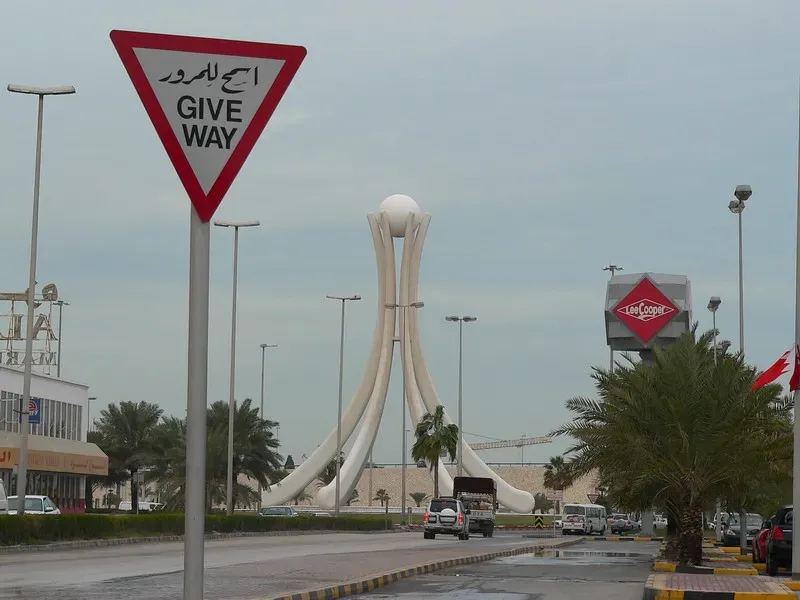
In a strange way, the Pearl Roundabout became a symbol of democracy in Bahrain, with the monument standing 300 feet tall and erected in 1982. It wasn’t ancient, but it accumulated meaning rapidly during the Arab Spring protests that transformed it into an icon of hope and resistance.
Then it was demolished. Not by time or natural disaster, but by deliberate governmental action to erase what it had come to represent. The space where protesters gathered, where a monument stood as a rallying point for democratic aspirations, was cleared and rebuilt as something else entirely.
This is perhaps the most unsettling type of forgetting. The monument existed within living memory, its meaning was crystal clear to those who gathered beneath it, yet it was intentionally removed from the landscape to encourage collective amnesia. How do you remember what was deliberately erased?
Photographs exist, of course, and memories persist in the minds of those who were there. Still, without the physical presence, the monument’s power to inspire and remind fades with each passing year. Future generations will know it only as history, not as lived experience.
Chan Chan: The Planned City Forgotten

Located in Peru, Chan Chan was the capital of Chimu people, whose kingdom reached its highest point in the 15th century before being conquered by the Incas. This wasn’t just a ceremonial center but a thriving urban metropolis, carefully designed and executed.
The site features close and well-planned layout divided into nine citadels containing temples, burial grounds, palaces, and public places, with the main complex spread over six square kilometers punctuated by carefully outlined industrial, agricultural, and water management systems. The sophistication is remarkable, yet few outside Peru have heard of it.
The Incas conquered it, the Spanish ignored it, and time weathered its adobe structures into ambiguous mounds that barely hint at their former grandeur. The genius of Chimu urban planning, their administrative systems, their artistic achievements, all nearly forgotten in favor of the more famous Incan sites.
What’s particularly tragic is how close it came to complete disappearance. Only in recent decades has serious archaeological work revealed the extent of what existed here. Imagine what we almost lost completely to erosion and neglect.
Göbekli Tepe: Rewriting Human History
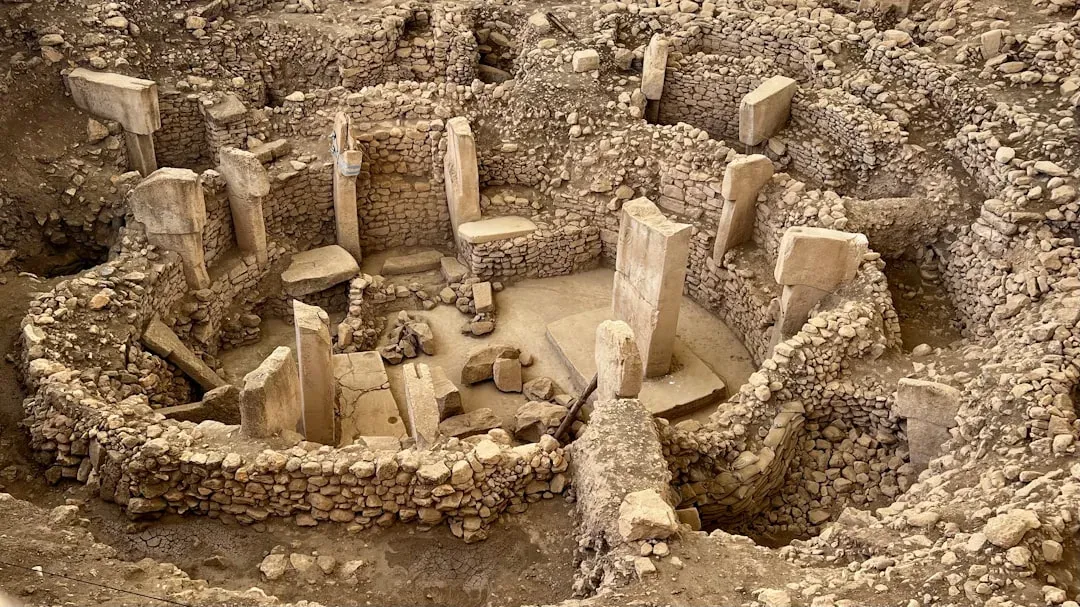
Göbekli Tepe in Turkey stands out as the oldest known religious site, over 11,000 years old, with massive pillars giving us a peek into ancestors’ spiritual lives. This discovery fundamentally challenged assumptions about human civilization, pushing organized religion back thousands of years before agriculture.
Buried deliberately in ancient times, it lay forgotten until its rediscovery in the 1990s. Why was it buried? Who decided to preserve it that way? The questions multiply faster than answers. This mysterious and huge monument in southeastern Turkey predates Stonehenge by 6000 years.
The implications are staggering. Everything we thought about the sequence of human development, agriculture before temples, had to be reconsidered. This monument suggests sophisticated spiritual communities existed before settled farming, inverting our understanding of cause and effect in civilization’s development.
It nearly remained lost forever, just another hill in the Turkish landscape. How many other sites are still buried, waiting to rewrite what we think we know about our ancestors?
Samarkand’s Silk Road Glory
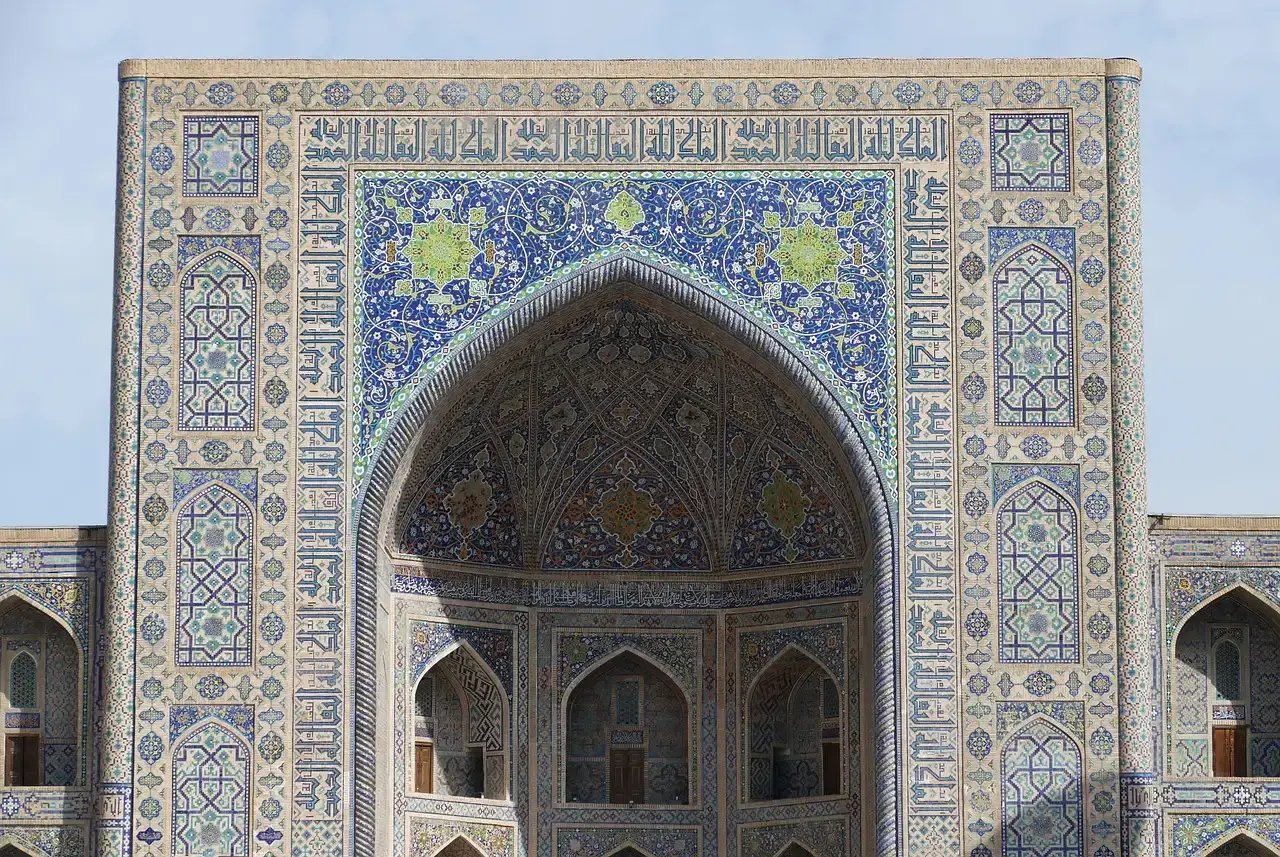
Samarkand was and is still an important city in Uzbekistan, dated to around the 5th century BC as one of the oldest in the world, holding prominence due to its location on the antiquated Silk Route. This was where East met West, where ideas and goods flowed between civilizations.
The site is redolent with beautiful monuments and landmarks such as Bibi Khanym Mosque, Gur-e-Amir, Shah-i-Zinda, reminiscent of lost glory. These structures embodied the wealth and cultural synthesis of Silk Road trade, yet most Western tourists couldn’t locate Samarkand on a map if pressed.
The meanings embedded in its architecture, the cultural exchanges it represented, the cosmopolitan sophistication it achieved, all of this has faded from global consciousness. It’s become a name in history books rather than a living symbol of what international cooperation and trade can achieve.
Modernity surrounds the ancient monuments now, and while restoration efforts continue, the original context of Samarkand as a vital crossroads has been lost to changed trade routes and political boundaries. The monuments remain, but their meaning as connectors of civilizations has dimmed considerably.
Heart of Neolithic Orkney
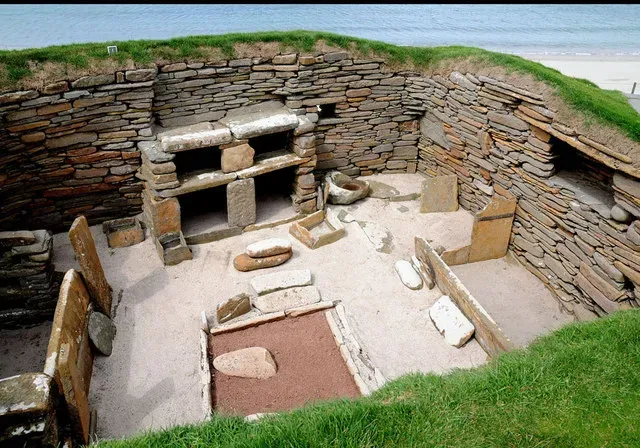
Located in Scotland, this group of Neolithic monuments is Europe’s most thorough village of the Neolithic age, consisting of a large chambered tomb and two ceremonial stone circles together with a settlement about 5,000 years old. Skara Brae, part of this complex, shows us domestic life in stunning detail.
It includes Skara Brae, a well-preserved and accessible prehistoric site which is a domestic settlement containing stone walls, stone furnishings such as beds, and a passageway. You can literally see where people slept, where they stored their possessions, how they organized their homes five millennia ago.
The remoteness has preserved it but also kept it from wider recognition. While Stonehenge draws millions, these Orkney sites remain comparatively unknown despite being arguably more informative about actual Neolithic life. The meaning here isn’t just ceremonial but deeply human and relatable.
Standing in those stone rooms, you feel the presence of the families who lived there in ways abstract monuments don’t convey. Yet this intimate connection to our ancient past remains largely forgotten outside archaeological circles.
Copán: The Maya’s Paris
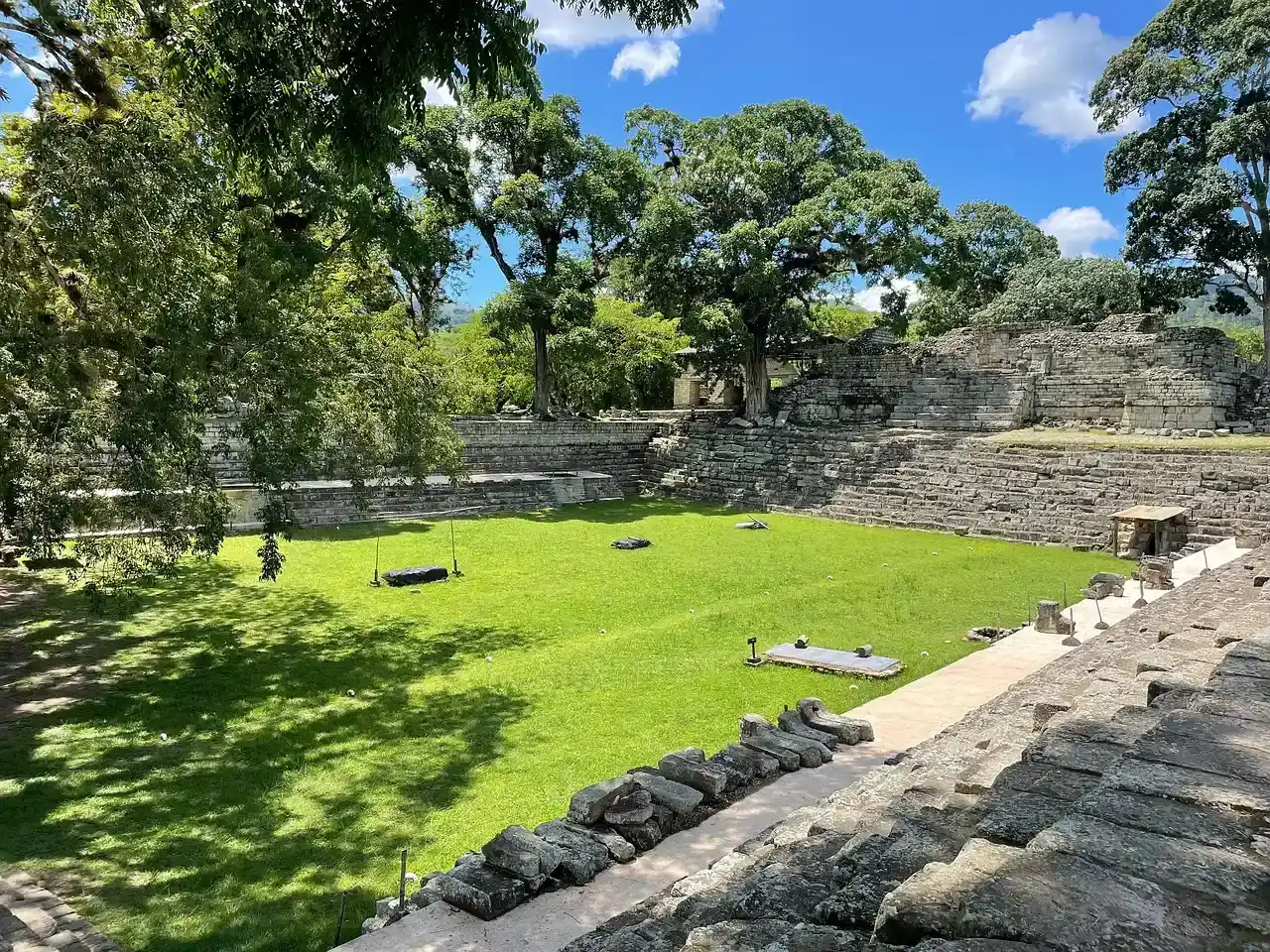
Nicknamed the Paris of the Mayan World, Copán is known for its large and beautiful structures including temples, altars, and a ball court, with a grand staircase covered in hieroglyphics believed to feature the third-largest inscription in the world. The artistry here rivals anything the Maya produced.
Copán is home to many delicately carved statues and monuments, and as a lesser-known Central American historical site, it remains very quiet with fewer visitors. While Chichen Itza and Tikal dominate Maya tourism, Copán’s sophisticated artworks go largely unnoticed by the broader public.
The hieroglyphic stairway alone represents an enormous historical text, a narrative carved in stone that communicates directly from ancient Maya scribes to modern readers. Yet how many people even know it exists? The meaning encoded in those glyphs nearly disappeared entirely when the script couldn’t be read.
Thanks to modern epigraphers, we can now understand much of what was written, but the monument came perilously close to being merely decorative rather than communicative. The recovery of that meaning feels like resurrection.
The Great Buddha of Kamakura’s Exposure
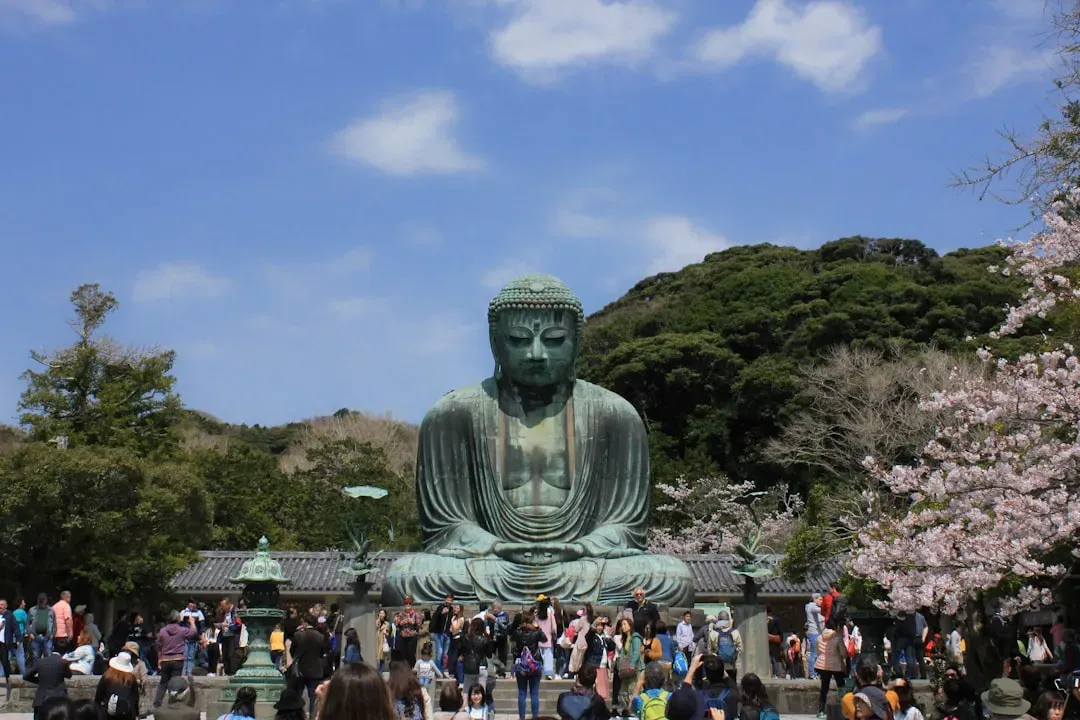
The Great Buddha of Kamakura is a monumental outdoor bronze statue of Amitabha Buddha located in Japan, standing at approximately 43.8 feet tall, originally constructed in 1252 and housed within a temple. It was meant to be sheltered, protected, contemplated within sacred walls.
The original temple housing the statue was destroyed in a 15th-century tsunami, exposing the Buddha to the elements. What was supposed to be an interior focal point became an outdoor monument by disaster rather than design. The meaning shifted from enclosed mystery to open serenity.
Interestingly, this unintended transformation created the iconic image we know today. The Buddha sits calmly beneath open sky, weathering storms with patient endurance, which wasn’t the original intention but has become its own powerful statement. Sometimes lost context creates new meaning.
Still, the original purpose, the architectural frame that shaped how devotees approached and experienced the statue, that’s been forgotten. We see what remains, not what was intended, and most visitors don’t realize they’re experiencing a monument fundamentally altered by catastrophe.
Herculaneum: Pompeii’s Forgotten Twin
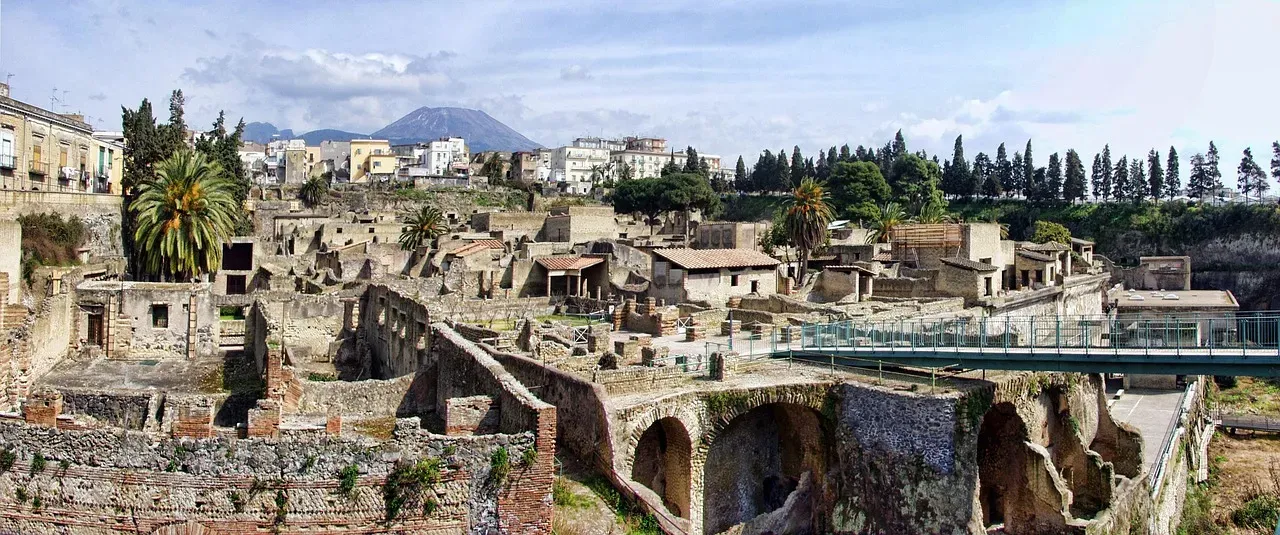
Herculaneum is a lesser-known alternative to visiting Pompeii, but deserves to be on more tourists’ radars, as the Roman town was destroyed in the same eruption of Mount Vesuvius as Pompeii. Same disaster, similar preservation, yet vastly different levels of recognition.
What makes this forgetting particularly odd is that Herculaneum is often better preserved than Pompeii. The pyroclastic flow that buried it created different conditions, protecting organic materials like wood and fabric that disappeared at Pompeii. You can see actual Roman furniture, architectural details, even food.
Yet Pompeii’s name dominates, its narrative of sudden destruction overshadowing its neighbor’s equally tragic and more completely preserved fate. Herculaneum’s meaning as a window into Roman daily life is arguably clearer, yet it remains in Pompeii’s shadow.
The forgetting here isn’t complete, but it’s selective. Scholarly attention exists, but public consciousness fixates elsewhere. Sometimes one monument’s fame dooms its neighbors to relative obscurity regardless of merit.
Luang Prabang: The Forgotten Royal Capital
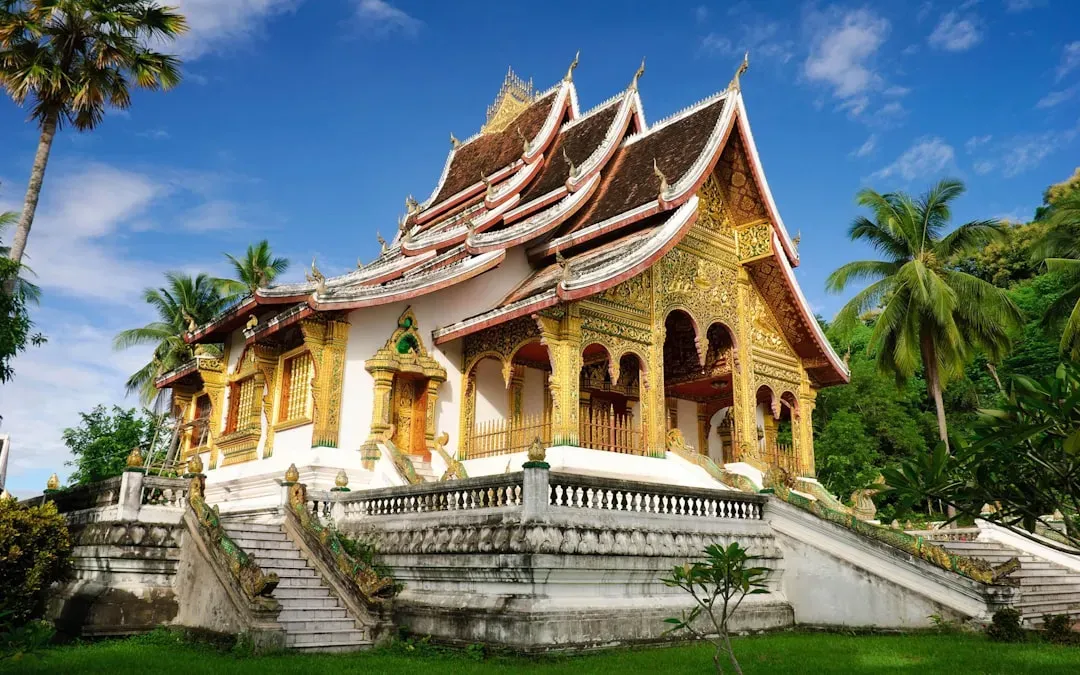
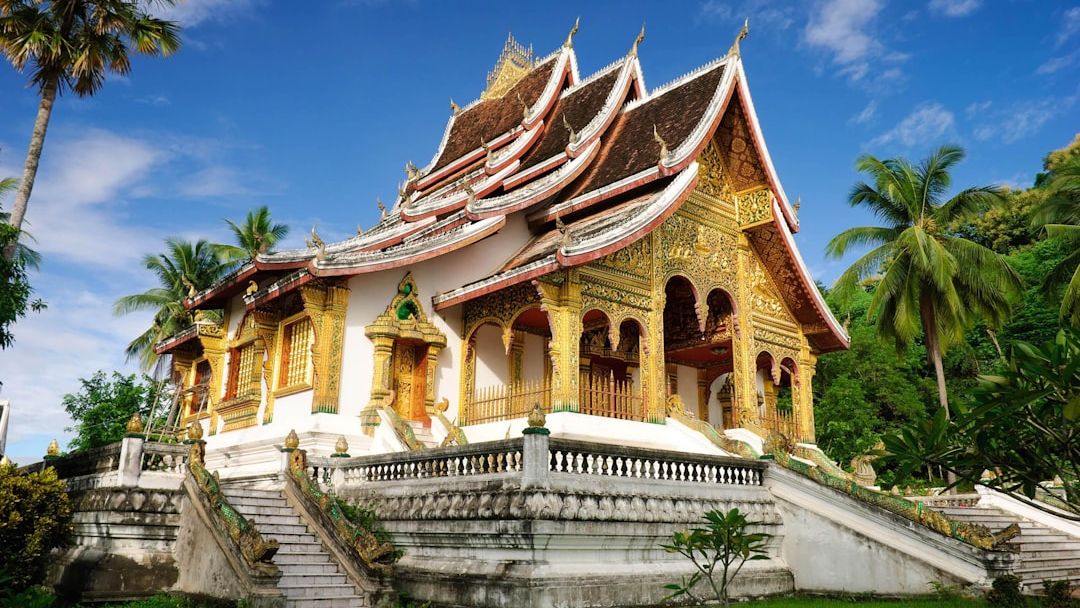
Recently tourists have begun to flock to Luang Prabang, a leading tourism destination known for its rich history and insurmountable beauty, founded approximately 1,200 years ago as the ancient capital of Lan Xang, the land of one million elephants. This was a major Southeast Asian power, now barely remembered.
One of only 3 UNESCO World Heritage sites in Laos, Luang Prabang was awarded this honor in 1995. Recognition came late, after decades of war and isolation kept it from international awareness. The monuments that embodied royal power and Buddhist devotion languished in obscurity.
The French colonial period altered its character, adding another layer of meaning that both preserved and transformed the original Lao identity. That complexity makes it fascinating but also harder to interpret. What are we looking at, exactly? Lao heritage, French influence, or some hybrid?
The rediscovery is ongoing, but much has been genuinely forgotten. Rituals once performed at these sites, the specific meanings of architectural details, the names and stories of historical figures, all faded during years of conflict and isolation. We’re rebuilding understanding from fragments.
The Colossi of Memnon’s Lost Voice
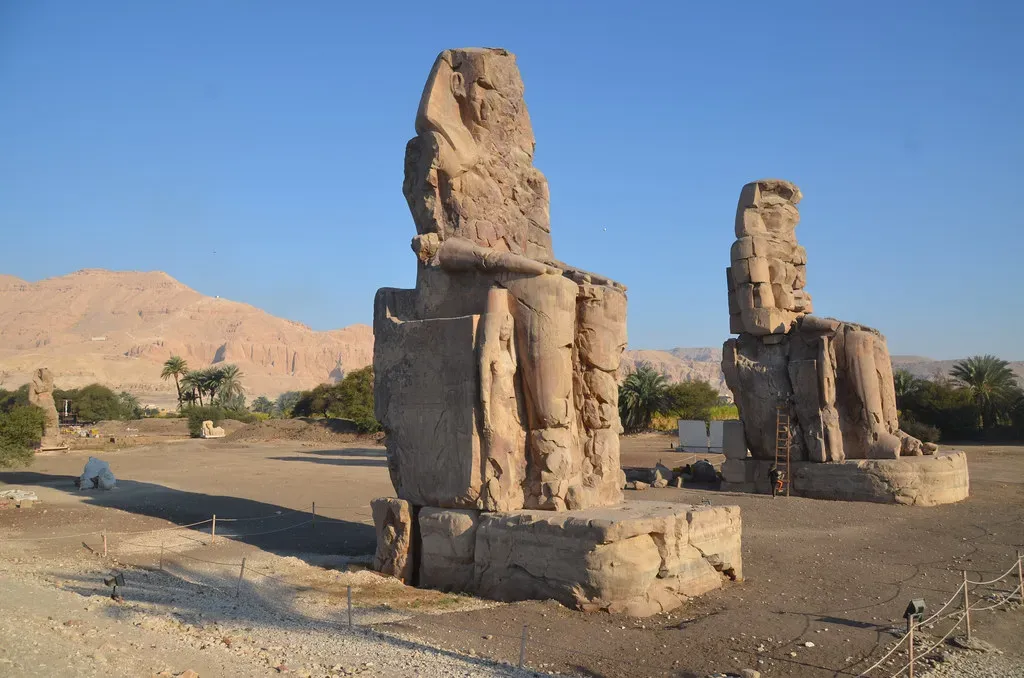
The Colossi of Memnon are two massive stone statues located on the west bank of the Nile River near Luxor, each about 18 meters high depicting Pharaoh Amenhotep III, originally part of his mortuary temple and having suffered significant damage due to natural disasters including earthquakes. Once they guarded a temple complex that rivaled Karnak in scale.
The most notable event occurred in 27 BC when an earthquake caused the northern statue to crack, producing a ‘singing’ sound at dawn. This phenomenon made it famous in antiquity, drawing tourists even in Roman times who interpreted the sound as the legendary Memnon greeting his mother, the dawn goddess.
Then it was repaired, the crack sealed, and the singing stopped. The meaning it had acquired, this oracular quality that drew pilgrims and inspired poetry, vanished with restoration. Now they’re just statues again, impressive but silent, and most visitors don’t know about their vocal past.
The temple they guarded is gone, reduced to scattered stones and foundation traces. Their original purpose as guardians is nearly forgotten, replaced by their interim fame as singing statues, which is itself now forgotten. Layers of meaning, all fading.
Antequera Dolmens: Megalithic Mysteries
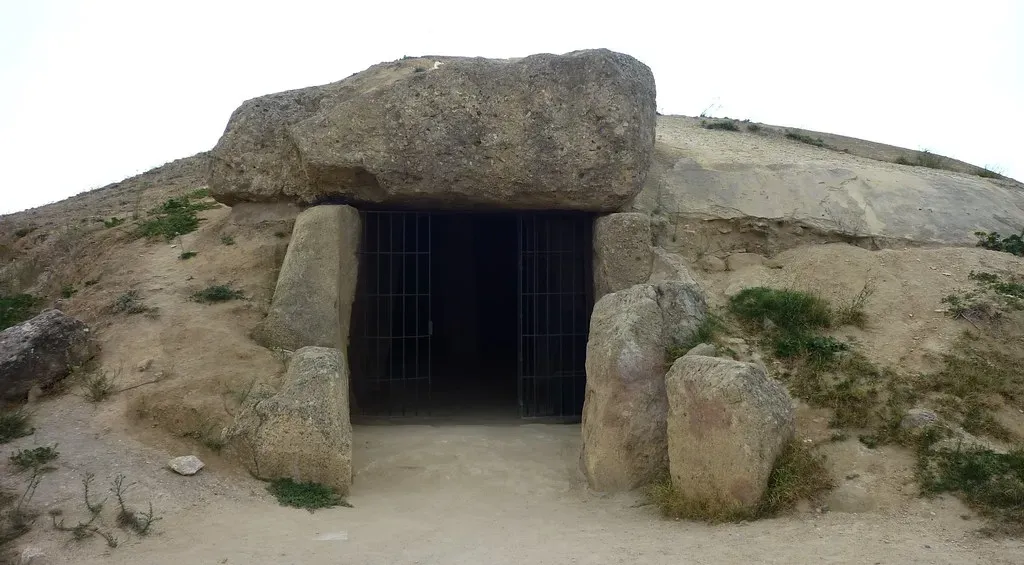
La Peña de los Enamorados is a dramatic rock formation that resembles a human face, and El Torcal is a karstic landscape of limestone pillars and rocks. These natural monuments align with the megalithic tombs of Antequera in ways that suggest deliberate astronomical and symbolic relationships.
If you are interested in history or archaeology, Antequera Dolmens is a must-visit destination offering a fascinating journey through time and a unique opportunity to experience the natural wonders of European megalithism. Yet it remains relatively unknown despite its sophistication and UNESCO status.
The people who built these understood landscape, astronomy, and death rituals in ways we’re only beginning to reconstruct. They integrated natural and constructed monuments into unified sacred geography. That holistic understanding has been completely lost, surviving only as archaeological hypothesis.
We see the stones, measure the alignments, note the orientations, but the lived experience of these places, the ceremonies performed, the beliefs that motivated such enormous labor, those are gone. We’re tourists in a landscape whose language we’ve forgotten.
Mahabalipuram: Shore Temples Submerged
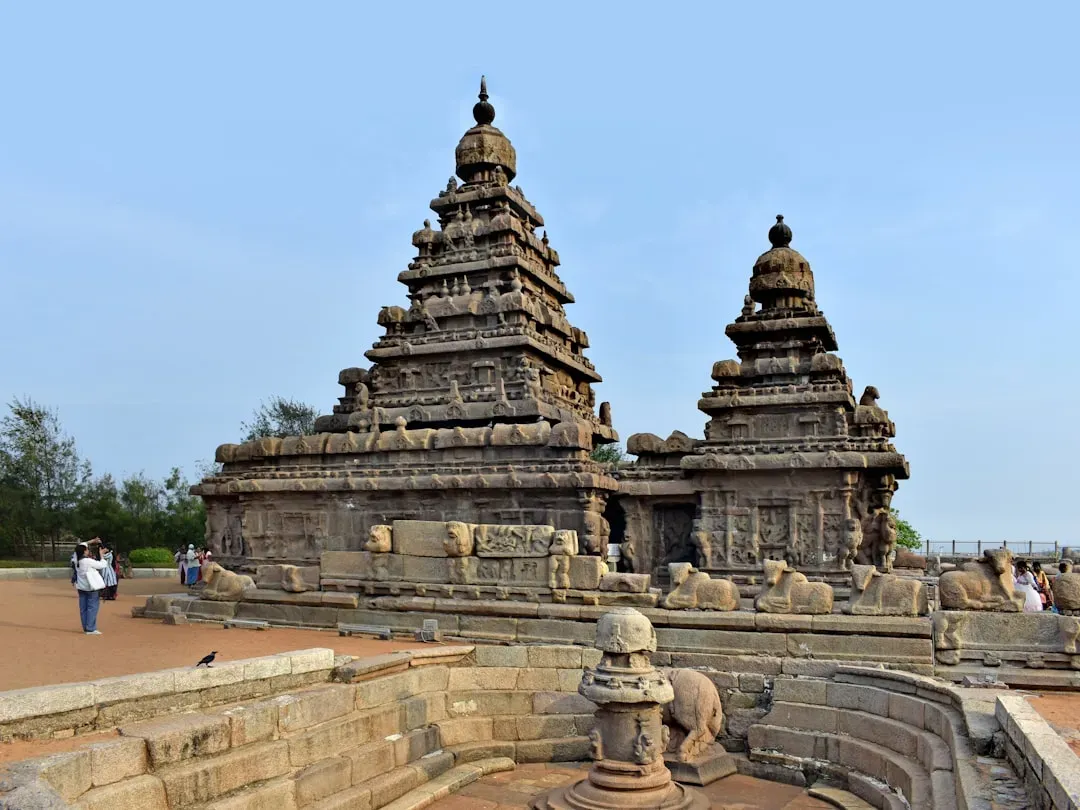
The Mahabalipuram Group of Monuments is a fascinating place that history lovers will love. These ancient Tamil temples on India’s coast represent early Dravidian architecture, carved from solid rock or built from granite blocks brought from elsewhere.
What’s particularly haunting is the local legend of six shore temples, of which only one survives above water. Recent underwater archaeology has confirmed structures beneath the waves, suggesting the legends have basis in fact. Rising seas or subsidence has literally submerged most of this complex.
The meaning encoded in the visible monuments is remarkable enough, depicting Hindu mythology in intricate relief panels. Imagining the lost temples, their carvings unseen for centuries beneath the Bay of Bengal, adds another dimension of forgetting. Nature itself has hidden meanings we struggle to recover.
Relatively few international tourists make it here compared to India’s more famous sites. The sophistication of seventh-century Pallava art and architecture remains underappreciated, its meanings not quite forgotten but certainly not as celebrated as they deserve.
Carcassonne: The Fortress Time Forgot
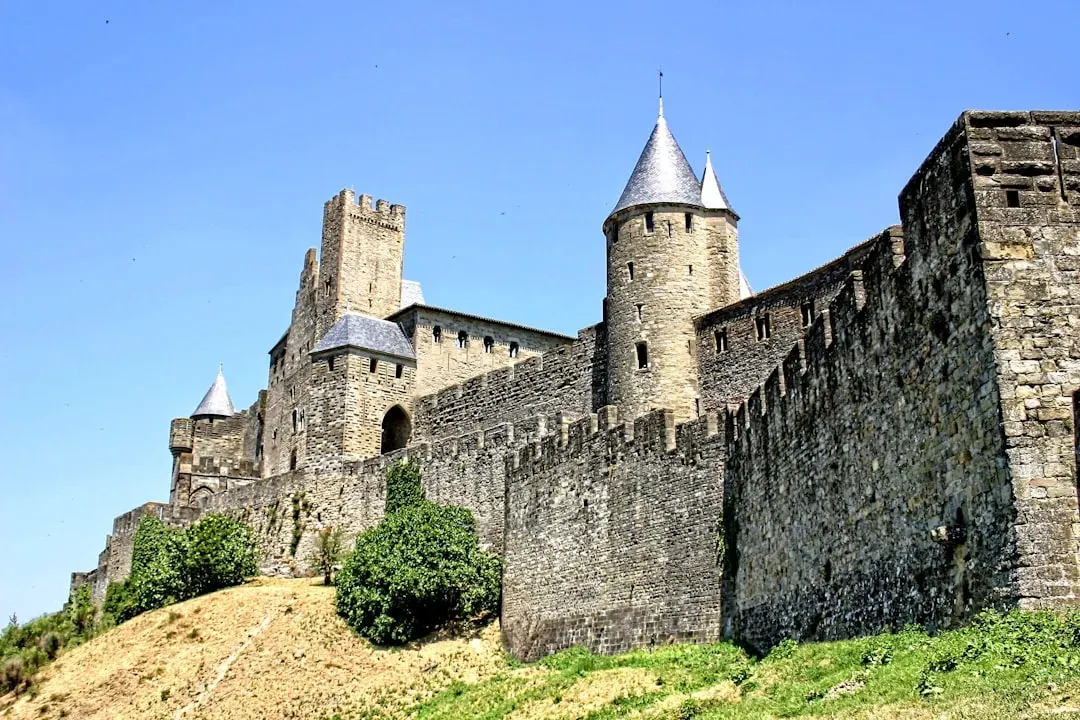
Carcassonne is the capital of the Aude department in Southwest France, with origins dating back to around 100 BC when Romans first fortified the hilltop, with the most significant expansion occurring in the 13th century under King Louis IX after the Albigensian Crusade. This double-walled fortress became impregnable, a military marvel.
It transformed into one of the most impregnable strongholds of the era with no less than 52 towers, and has been a UNESCO World Heritage site since 1997. Yet by the 19th century it was crumbling and slated for demolition, its military meaning obsolete, its historical significance unrecognized.
Restoration saved it, but also romanticized it. The fortress we see today reflects as much about 19th-century ideas of medieval architecture as actual medieval reality. Some of the meaning was reconstructed rather than preserved, which raises questions about authenticity versus accessibility.
Still, without that controversial restoration, it would be gone entirely. Sometimes imperfect preservation beats no preservation. The fortress stood on the edge of complete forgetting before Victorian romanticism gave it new meaning, though not quite its original one.
Conclusion
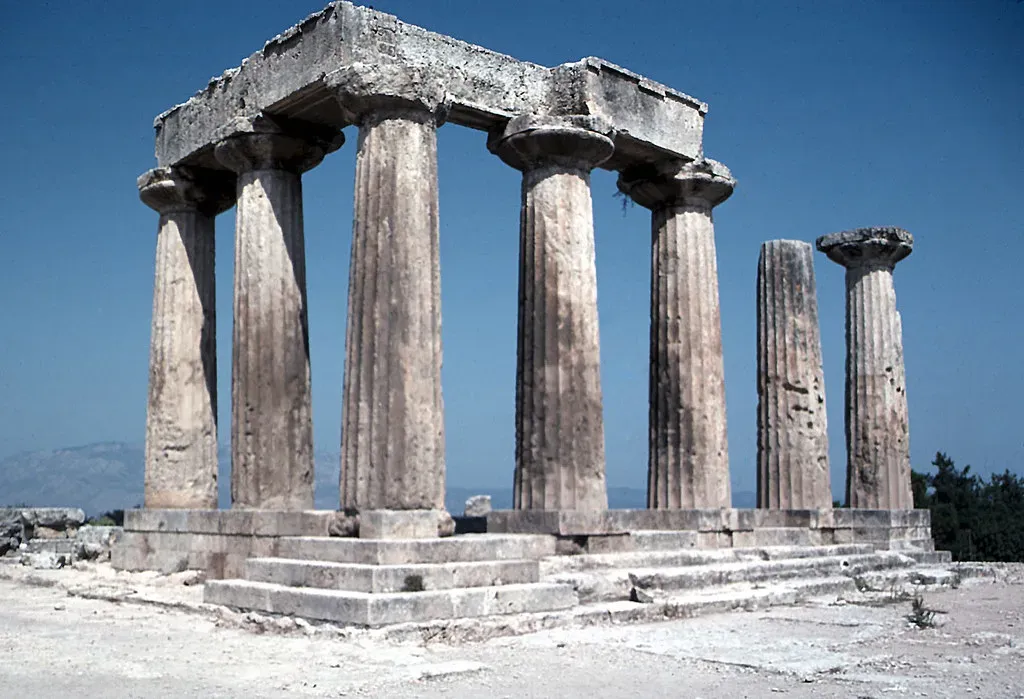
These fifteen monuments remind us that memory requires active maintenance. Monuments embody the collective memory and culture of entire peoples, yet many have teetered on the brink of destruction, threatened by wars, natural disasters, and the slow decay of time. The meanings their builders encoded weren’t guaranteed to survive.
Some were forgotten through catastrophe, others through changing values, still others through simple geographical remoteness. Each loss represents severed connections to ancestors who had something they desperately wanted us to remember. When we let monuments fade from consciousness, we lose more than stones; we lose dialogues across time.
The recovery efforts, the archaeological detective work, the restoration projects, these represent humanity’s counter-movement against forgetting. Not always perfect, sometimes adding new layers of interpretation, but fundamentally driven by the belief that these meanings matter enough to fight for.
What other monuments are out there, still forgotten, still waiting for someone to remember what they mean? Did any of these surprise you? Let us know your thoughts in the comments.

- 8 Reasons Cedar Waxwings Pass Berries From Beak to Beak - July 26, 2026
- 8 Backyard Trees That Owls Prefer After Sunset - July 26, 2026
- 9 Things Chickadees Remember About Reliable Backyard Feeders - July 26, 2026