
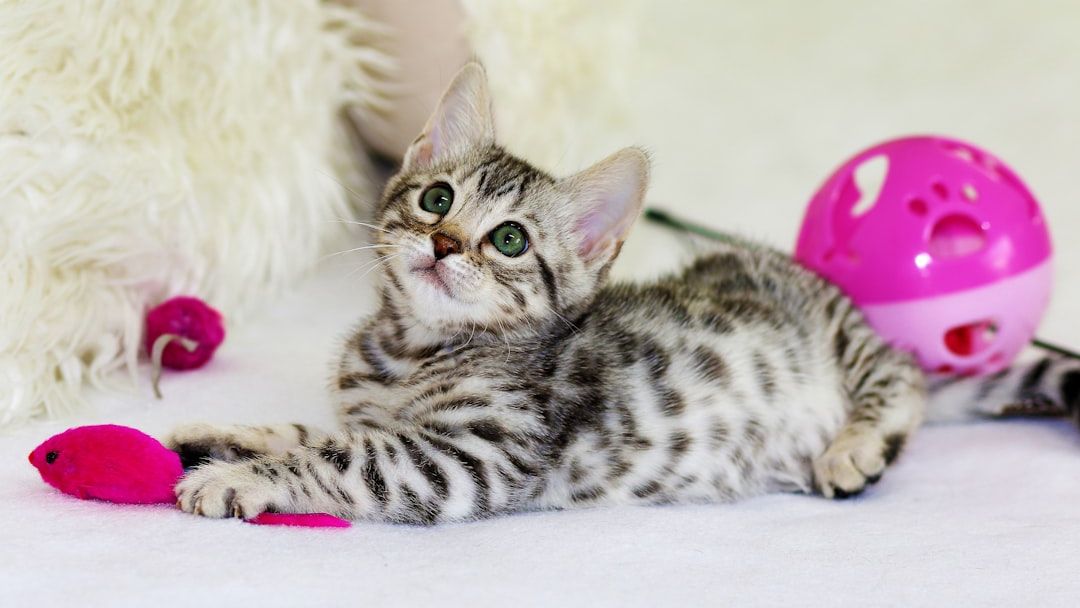
Have you ever caught your indoor cat staring blankly at the wall, looking absolutely bored out of their mind? It’s a sight that makes any caring cat owner wonder if they’re doing enough. The thing is, cats are natural hunters and explorers. When they’re confined indoors without proper stimulation, boredom can creep in fast.
That lack of natural stimulation can lead to boredom, weight gain, anxiety, and even behavioral problems. You might notice your feline friend scratching furniture, waking you up at three in the morning with zoomies, or grooming themselves excessively. Let’s be real, nobody wants a restless, unhappy cat. The good news? There are plenty of creative ways to turn your home into an exciting playground that satisfies your cat’s instincts and keeps their mind sharp. So let’s dive in and discover how to transform your indoor space into a feline paradise.
Interactive Puzzle Feeders Turn Mealtime Into Mental Exercise
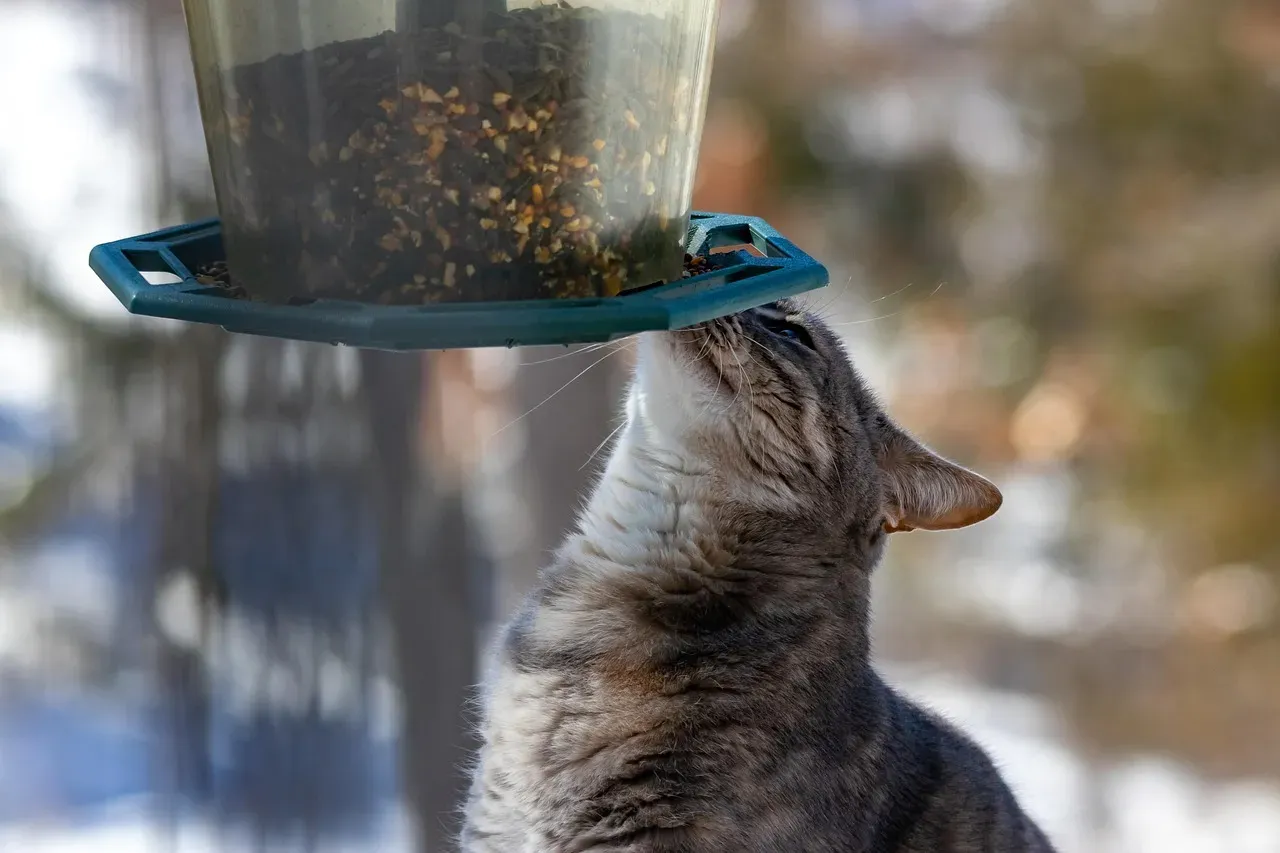
Puzzle feeders and interactive toys encourage mental stimulation by making your cat work for their food. Puzzle feeders dispense small amounts of kibble when your cat interacts with them, stimulating their hunting instincts and providing a rewarding challenge. Instead of simply placing food in a bowl, think of mealtime as an opportunity for engagement.
These toys require cats to work for their food, providing both mental stimulation and slowing down eating, which is beneficial for digestion and weight management. You don’t even need to buy expensive commercial products. Honestly, you can create your own by cutting holes in a clean plastic bottle or hiding kibble inside empty toilet paper rolls. The satisfaction your cat gets from successfully extracting those treats is worth the minimal effort.
Some cats take to puzzle feeders immediately, while others need a bit of encouragement. Start with easier puzzles and gradually increase the difficulty as your cat becomes more skilled. It’s fascinating to watch them figure out the mechanics.
Engage your cat’s natural hunting abilities by playing hide-and-seek games. Hide small treats or toys around the house, encouraging your cat to search and discover them. This taps into their predatory nature and keeps them busy for extended periods.
Window Perches Create Entertainment Centers for Endless Viewing
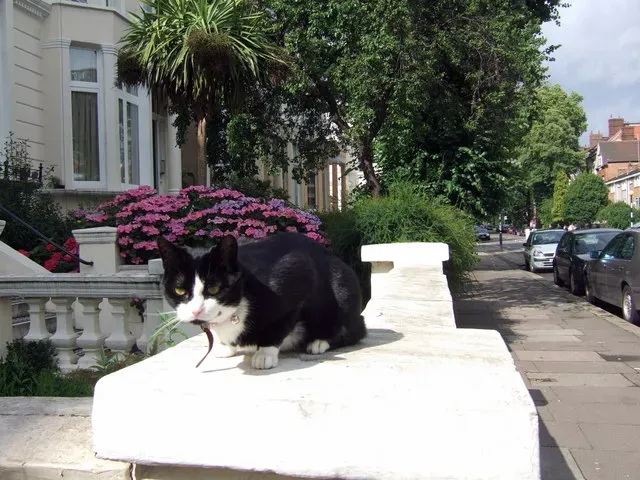
Set up a comfortable perch near a window to create a front-row seat to the outside world. Cats are fascinated by bird activity, passing wildlife, and changing scenery. By providing a window view, you enable them to engage with the sights and sounds of the outdoors, stimulating their senses and preventing boredom. Think of it as television for cats, except way better.
Setting up a perch near a sunny window allows your cat to watch birds, squirrels, and passersby – a natural source of endless entertainment. I think the investment in a sturdy window perch is one of the simplest yet most effective enrichment strategies you can provide. Your cat will spend hours watching the world go by, tracking every movement with intense focus.
To make this setup even more engaging, consider placing a bird feeder just outside the window. The constant activity of visiting birds will keep your cat captivated. Just make sure the feeder is positioned at a safe distance so the birds don’t feel threatened by your cat’s presence through the glass.
Even winter offers visual stimulation through birds, falling snow, and occasional wildlife. So this entertainment option works year-round, no matter the season.
Dedicated Daily Play Sessions Release Energy and Build Bonds
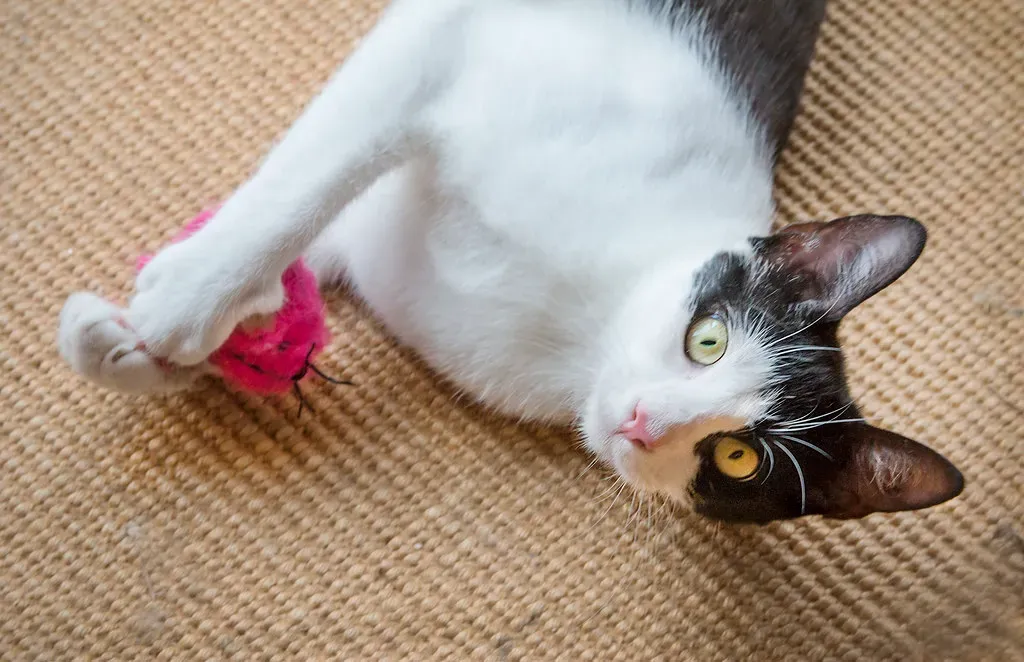
Regular interactive play sessions with your indoor cat are vital for their physical and mental well-being. Use a variety of toys, such as wand toys or feather teasers to mimic prey-like movements. Engage in play sessions that encourage jumping, pouncing, and chasing, allowing your cat to release energy and express their natural hunting instincts. Here’s the thing: cats aren’t marathon runners like dogs. They’re sprinters who need short, intense bursts of activity.
Play sessions with your cat should only be about 10–15 minutes long. Make time for two to three daily play sessions for older cats to up to 10 sessions for kittens and younger cats. The key is consistency rather than marathon play sessions that exhaust both of you.
During playtime, make the toy act like prey. Don’t just dangle it in front of your cat’s face. Move it away, hide it behind furniture, let it freeze in place. This mimics the behavior of real prey animals and triggers your cat’s hunting instincts more effectively. Always end the session by letting your cat “catch” the prey and follow it up with a small treat.
Aim for 10–20 minutes twice a day, especially during her natural hunting times (early morning and dusk). Aligning playtime with your cat’s natural activity rhythms makes the sessions more engaging and satisfying for them.
Vertical Spaces Satisfy Climbing Instincts and Provide Security
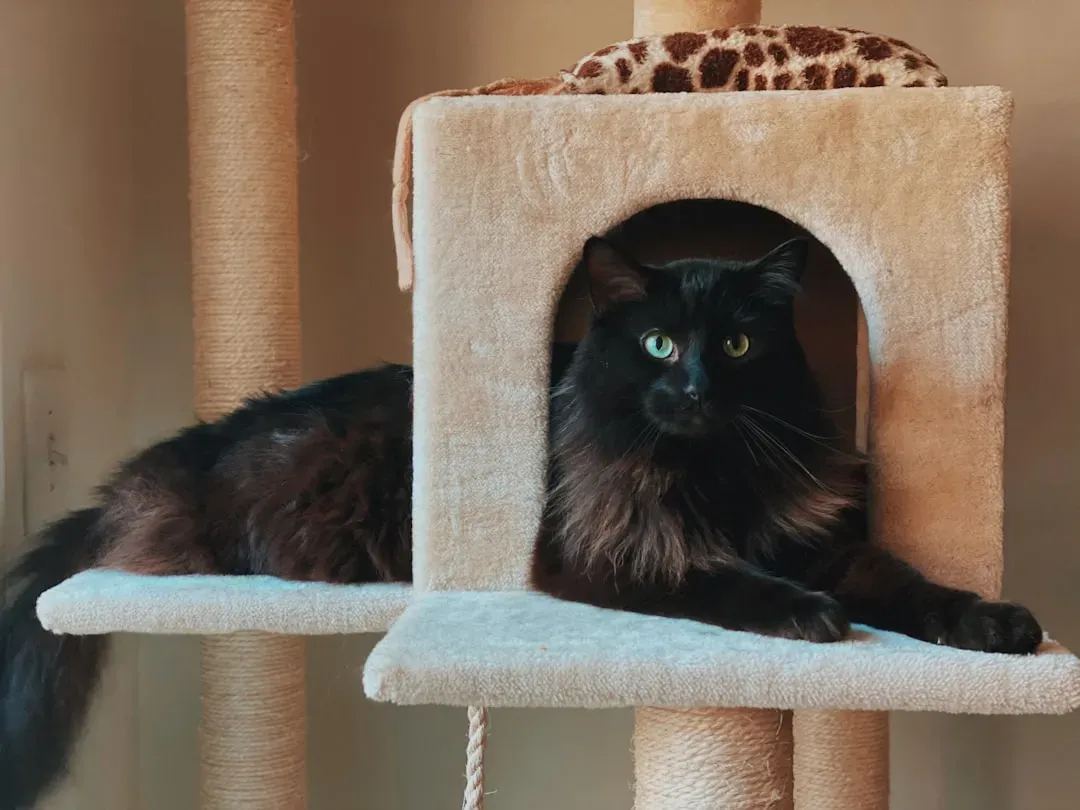
Vertical spaces not only offer exercise opportunities but also allow cats to observe their territory, providing mental stimulation and a sense of security. Cats feel safer when they can survey their environment from above, and climbing is hardwired into their DNA.
Cat trees, wall-mounted shelves, and tall scratching posts give your cat the ability to climb, perch, and survey their kingdom. If you’re handy, you can even create custom wall installations with varying heights and resting platforms. The more vertical territory you provide, the larger your cat’s world becomes, even within the confines of your home.
Install cat trees, window perches, or wall-mounted shelves. Cats love to climb and observe from up high. This isn’t just about physical exercise. Being elevated gives cats confidence and reduces stress, especially in multi-cat households where territorial disputes can arise.
Some cats are natural climbers and take to vertical spaces immediately. Others might need gentle encouragement. Try placing favorite toys or treats on different levels to entice them upward. Once they discover the joy of a high vantage point, they’ll claim it as their favorite spot.
Toy Rotation Keeps Interest High and Prevents Boredom
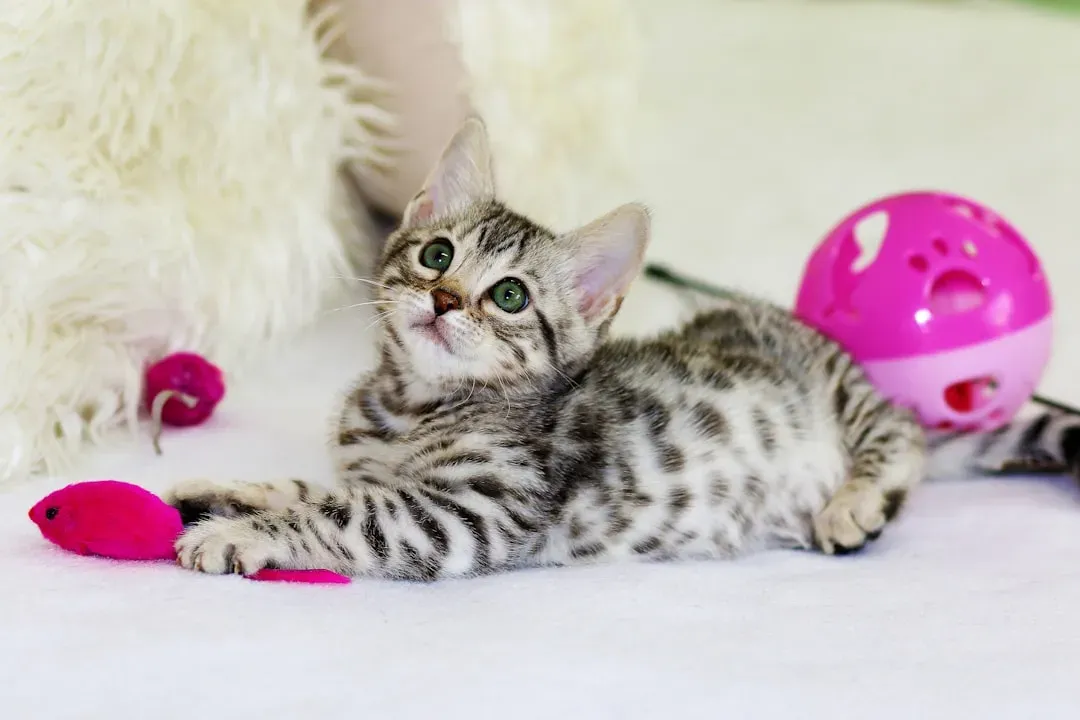
Rotate toys regularly to keep things fresh and exciting. I know it sounds crazy, but cats can actually get bored with toys that are constantly available. It’s hard to say for sure, but I think they appreciate novelty just as much as we do.
Instead of leaving every toy scattered around your home all the time, keep some put away and bring them out on rotation. This simple strategy makes old toys feel new again and maintains your cat’s interest. Rotate them weekly to make old toys feel new again.
Stock up on different types of toys to keep variety in your rotation. Feather wands, catnip mice, crinkle balls, and motorized toys all appeal to different play styles. Some cats love batting small objects across the floor, while others prefer toys that dangle and flutter. Pay attention to what your cat gravitates toward and adjust accordingly.
You don’t need to spend a fortune either. Homemade toys like crumpled paper balls, paper bags with the handles removed for safety, or cardboard boxes can provide just as much entertainment as expensive store-bought options. Simple paper grocery bags (with handles removed for safety) provide surprising amounts of entertainment. Cats love the crinkle sounds, the enclosed space, and the opportunity to hide and pounce.
Training Sessions Offer Mental Challenges and Strengthen Your Bond

Teaching cues and tricks can provide great mental stimulation for pets. Cats can be taught to respond to any number of cues, from “sit” to “down” to “wave.” Using positive reinforcement is a great way to be successful with training your cat. Yes, you read that right. Cats can absolutely be trained, and it’s actually easier than many people assume.
Clicker training provides exceptional mental stimulation and strengthens your bond with your cat. Start with simple behaviors like “sit” or “touch” (touching their nose to your hand), using treats as rewards. Training sessions should be brief (5-10 minutes) but can occur multiple times daily. The beauty of training is that it engages your cat’s brain in a completely different way than physical play.
Start with basic commands and work your way up to more complex tricks. Some cats can learn to jump through hoops, give high-fives, or even walk on a leash. The process builds trust between you and your cat while giving them a satisfying mental workout.
Keep sessions short, positive, and always end on a successful note. If your cat seems frustrated or disinterested, take a break and try again later. The goal is to make training fun, not stressful.
Safe Outdoor Access Through Catios Brings Nature Indoors
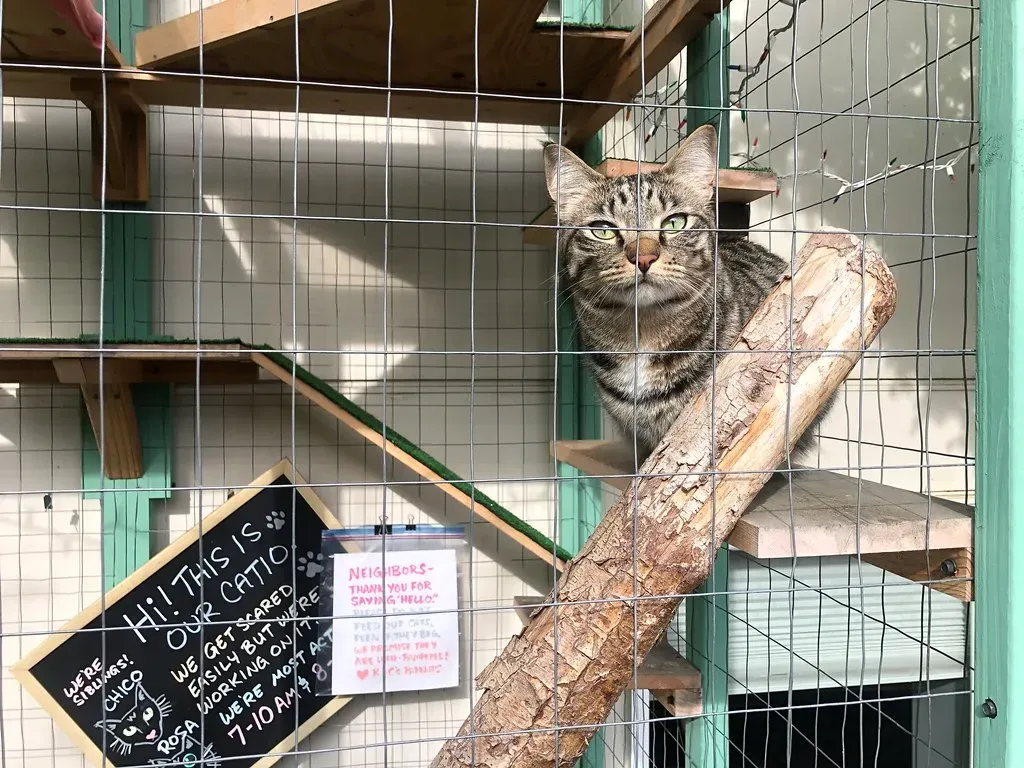
If you have the space and resources, consider building a cat enclosure that allows your indoor cat to experience the outdoors safely. A catio can be a small window box or a larger, enclosed area connected to your home or placed in your backyard. It provides cats with fresh air, sunshine, and the opportunity to engage with nature while protecting them from potential hazards like traffic or predators.
Think of a catio as the ultimate compromise between indoor safety and outdoor enrichment. Catios often feature perches, climbing structures, and interactive toys to keep your feline friend entertained. Not only does a catio offer enrichment and stimulation, but it also provides peace of mind knowing that your cat can enjoy the outdoors in a secure environment.
Catios come in all shapes and sizes, from elaborate custom structures to simple window boxes that attach to an existing window. Even a small enclosed space can make a huge difference in your cat’s quality of life. The sensory experience of feeling the breeze, hearing outdoor sounds, and smelling fresh air is incredibly enriching.
If building a permanent structure isn’t feasible, consider other options. With patience and the right harness, many cats enjoy supervised outdoor walks. Start indoors with harness training and gradually work up to short outdoor excursions. It takes time and patience, but many cats eventually love their leash walks.
Conclusion
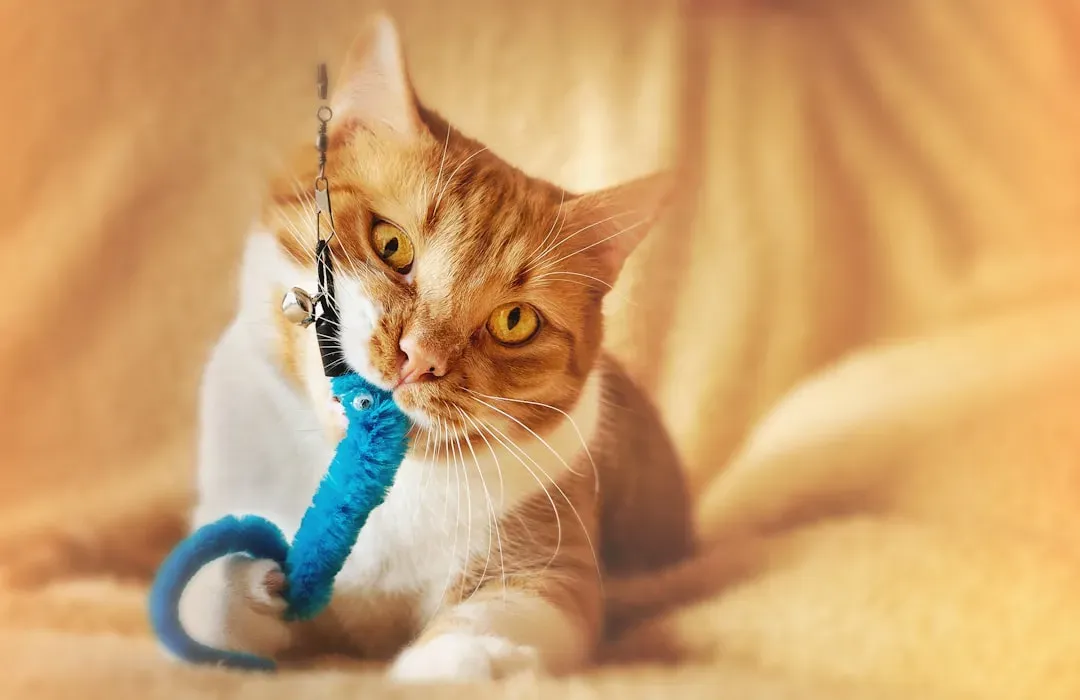
Keeping doesn’t require expensive equipment or hours of your time. What it does require is creativity, consistency, and an understanding of your cat’s natural instincts. From puzzle feeders to window perches, daily play sessions to vertical spaces, each strategy taps into different aspects of feline behavior.
With creative use of household items, strategic toy rotation, and daily interactive play, you can keep your feline companion mentally sharp, physically active, and emotionally content. Even 15-20 minutes of focused enrichment daily can prevent behavioral problems, maintain healthy weight, and strengthen the bond you share with your cat.
The beautiful thing about indoor cat enrichment is that it benefits everyone. Your cat becomes happier and healthier, and you get to enjoy watching them thrive. Start with one or two strategies that seem most appealing to you and your cat, then gradually incorporate others. What enrichment activities does your cat enjoy most? We’d love to hear your experiences in the comments below.

- 12 Tender Things a Senior Dog Does Only for the Person It Loves Most - July 30, 2026
- 22 Horse Breeds Vets Refuse to Let Their Own Children Ride - July 30, 2026
- 22 Horse Breeds Vets Refuse to Let Their Own Children Ride - July 30, 2026