
The animal kingdom harbors secrets that sound more like science fiction than biological reality. We’re talking about animals that literally feel electricity, see heat signatures, and navigate using Earth’s magnetic fields. These aren’t supernatural powers or myths passed down through folklore. They’re real, measurable abilities that have been shaped by millions of years of evolution.
Think about it for a second. Right now, electromagnetic waves are passing through your body. Magnetic field lines from the planet’s core run all around you. Electrical impulses from every living creature nearby pulse through the air and water. Yet you notice none of it. Some animals, though, have evolved specialized organs and neural pathways to detect these hidden signals, giving them what scientists call a sixth sense.
The Electric Hunters Beneath the Waves
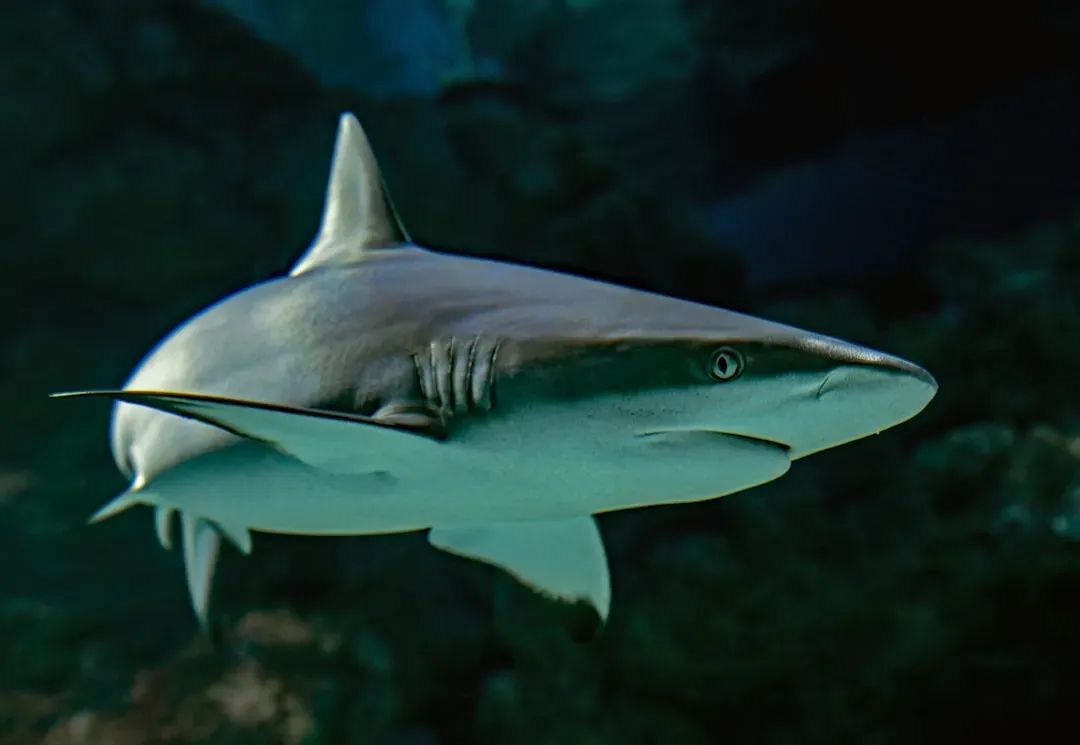
Sharks can detect the faint electric fields given off by living things using special organs called ampullae of Lorenzini, jelly-filled pores that line their snouts and let them locate hidden prey even under sand or in complete darkness. Imagine possessing biological radar so sensitive that you could sense someone’s heartbeat from across a room.
Sharks are the most electrically sensitive animals known, responding to direct current fields as low as 5 nV/cm. To put that in perspective, that’s like detecting the voltage from two tiny batteries placed a thousand miles apart. They possess tiny, gel-filled organs that allow them to detect the faint electrical signals given off by living creatures, meaning a shark can sense the heartbeat of a fish hiding beneath the sand long before it ever sees or smells it.
This electroreception isn’t limited to sharks alone. Among the monotremes, the platypus has the most acute electric sense, localizing its prey using almost forty thousand electroreceptors arranged in front-to-back stripes along the bill. The platypus hunts in murky Australian rivers where visibility drops to nearly zero at night. Electroreception allows platypuses to hunt for small shrimp, fish and crustaceans in these murky environments without using their senses of sight, hearing or smell.
Honestly, if you think that’s impressive, consider this. The platypus appears to use electroreception along with pressure sensors to determine the distance to prey from the delay between the arrival of electrical signals and pressure changes in water. It’s basically doing complex physics calculations in real time while paddling along a riverbed in total darkness.
Earth’s Invisible Compass in Bird Brains

Many migratory birds navigate across continents by sensing Earth’s magnetic field. Let’s be real, we need GPS satellites to figure out where we’re going half the time. Birds? They were born with an internal compass far more sophisticated than anything humans invented until recently.
A February 2025 study published in Nature found that loggerhead sea turtles can learn and remember certain magnetic signatures thanks to their two magnetic senses, using Earth’s magnetic field to migrate with the help of their internal map and travel long distances with remarkable accuracy. These turtles hatch on a beach, swim into the ocean, and decades later return to the exact same stretch of sand. Think about that.
Using whole-brain imaging, researchers found that pigeons detect Earth’s magnetic field through specialized cells in their inner ears; when a pigeon moves its head through a magnetic field, tiny electric currents form in the ear fluid which these cells detect. A recent study from November 2025 confirmed this groundbreaking discovery. The system works equally well in complete darkness, ruling out light-dependent theories that suggested birds use eye proteins to sense magnetic fields.
The mechanism involves something called cryptochromes. Experiments on migratory birds provide evidence that they make use of a cryptochrome protein in the eye, relying on the quantum radical pair mechanism to perceive magnetic fields. Yes, quantum mechanics is happening inside bird eyeballs to help them navigate. Nature was doing quantum computing before Silicon Valley even existed.
Seeing Sound in Three Dimensions
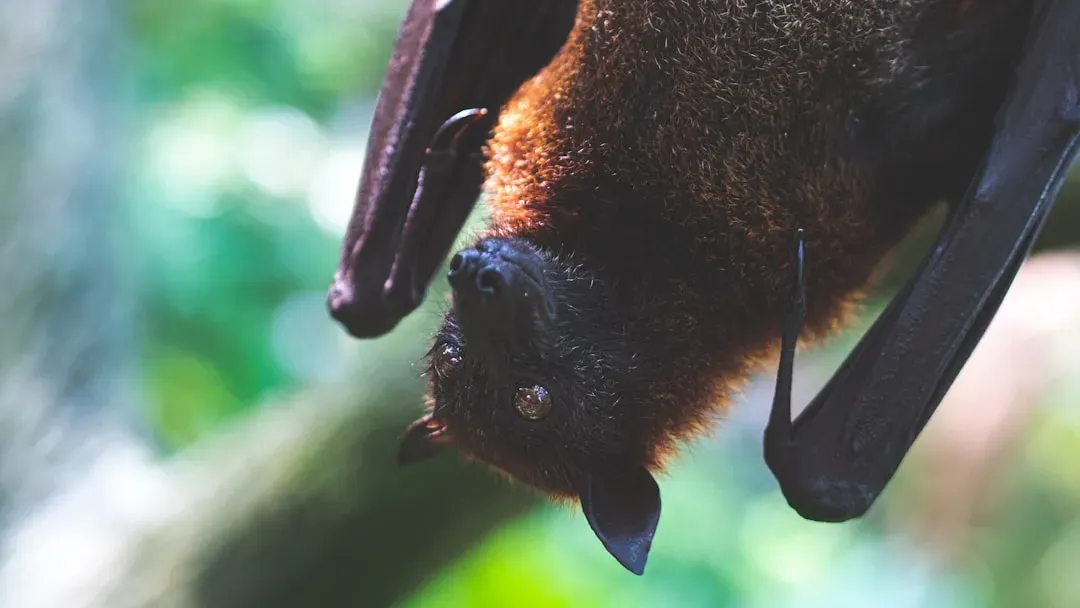
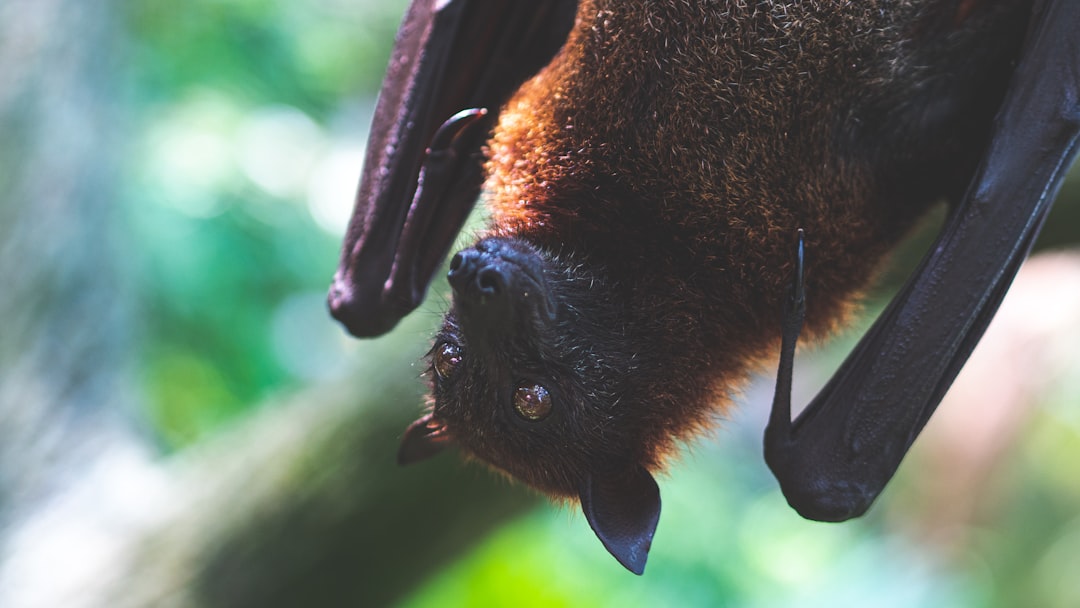
Bats use echolocation to navigate and hunt with extreme accuracy by emitting high-frequency sounds and listening to the echoes bouncing back, painting a detailed picture of their surroundings in total darkness with their sonar-like system that lets them dodge branches, catch insects mid-air, and fly with unmatched nocturnal precision. It sounds crazy, but it’s essentially biological sonar.
Here’s the thing. Dolphins do it too, and they evolved this ability completely independently from bats. A study shows that this ability arose independently in each group of mammals from the same genetic mutations, suggesting that evolution sometimes arrives at new traits through the same sequence of steps even in very different animals. Both groups evolved mutations in the same hearing protein despite being separated by vastly different habitats and sixty million years of evolutionary history.
More than sixty-five species of toothed whales use sonar, as do more than seven hundred species of bats; the Atlantic bottlenose dolphin and the big brown bat have been the most experimentally studied. Sound travels about four times faster in water than in air, giving toothed whales a significant advantage in echolocation; for instance, a bottlenose dolphin can locate potential prey from an impressive distance of three hundred sixty-one feet away.
The precision is astounding. Dolphins can discriminate the shape, size, material composition and internal structure of targets from the echoes; the broadband, short duration properties of the signal allow the echoes to have high temporal resolution so that within the structure of the echoes a considerable amount of information on the properties of the target can be conveyed. They’re essentially creating high-definition images using only sound waves.
Heat Vision Beyond Human Comprehension
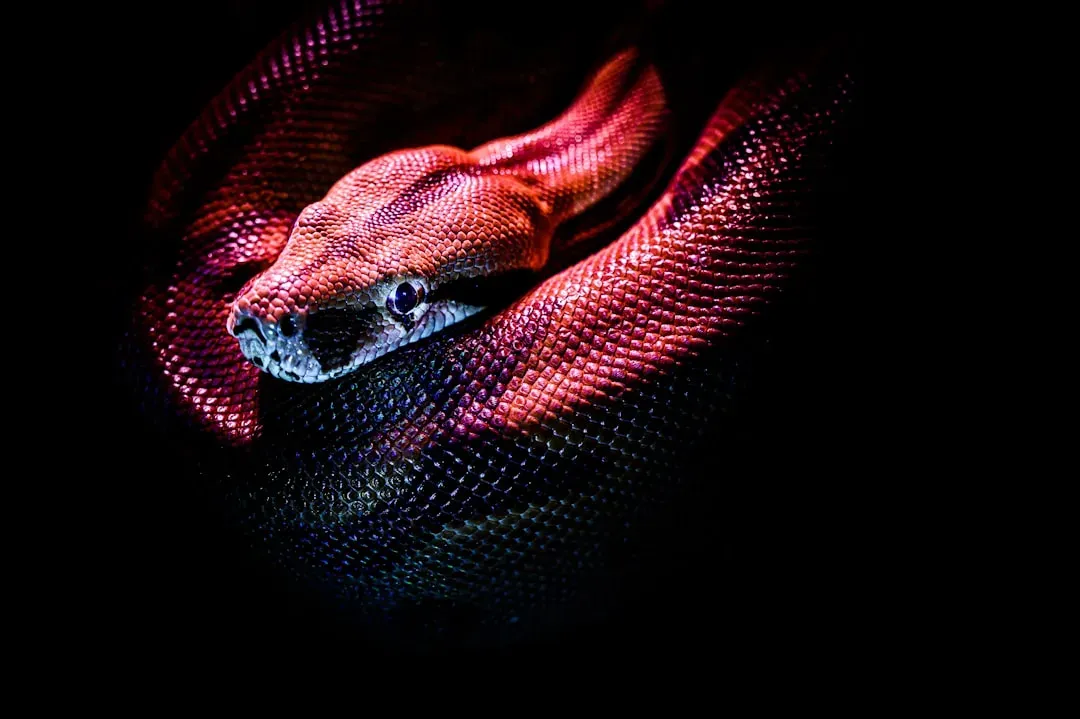
The ability to sense infrared thermal radiation evolved independently in three different groups of snakes consisting of the families of Boidae, Pythonidae, and the subfamily Crotalinae; what is commonly called a pit organ allows these animals to essentially see radiant heat at wavelengths between five and thirty micrometers, and the more advanced infrared sense of pit vipers allows them to strike prey accurately even in the absence of light and detect warm objects from several meters away.
Picture a mouse scurrying through complete darkness. To us, it’s invisible. To a rattlesnake moving in the dark, the heat of a tiny mouse is a bright beacon signaling its next meal. Venomous pit vipers detect warm-blooded prey through their ability to sense infrared radiation; superimposition of thermal and visual images within the snake’s brain enables it to track animals with great precision and speed, and biophysical studies suggest this system is exquisitely sensitive such that vipers can detect prey at distances up to one meter.
The mechanics are fascinating. TRPA1 orthologues from pit bearing snakes are the most heat sensitive vertebrate ion channels thus far identified, consistent with their role as primary transducers of infrared stimuli; snakes detect infrared signals through a mechanism involving radiant heating of the pit organ rather than photochemical transduction. It’s not like vision at all. The organ literally heats up from infrared radiation, and that temperature change triggers nerve signals.
Non-venomous snakes such as boa constrictors and pythons also have heat-sensitive pit organs they use to hunt; while boas and pythons have smaller and slightly less heat-sensitive organs located along their lips, they have more of them, in some cases over a dozen. Evolution found multiple solutions to the same problem across different snake families.
The Seismic Detectives Walking Among Us
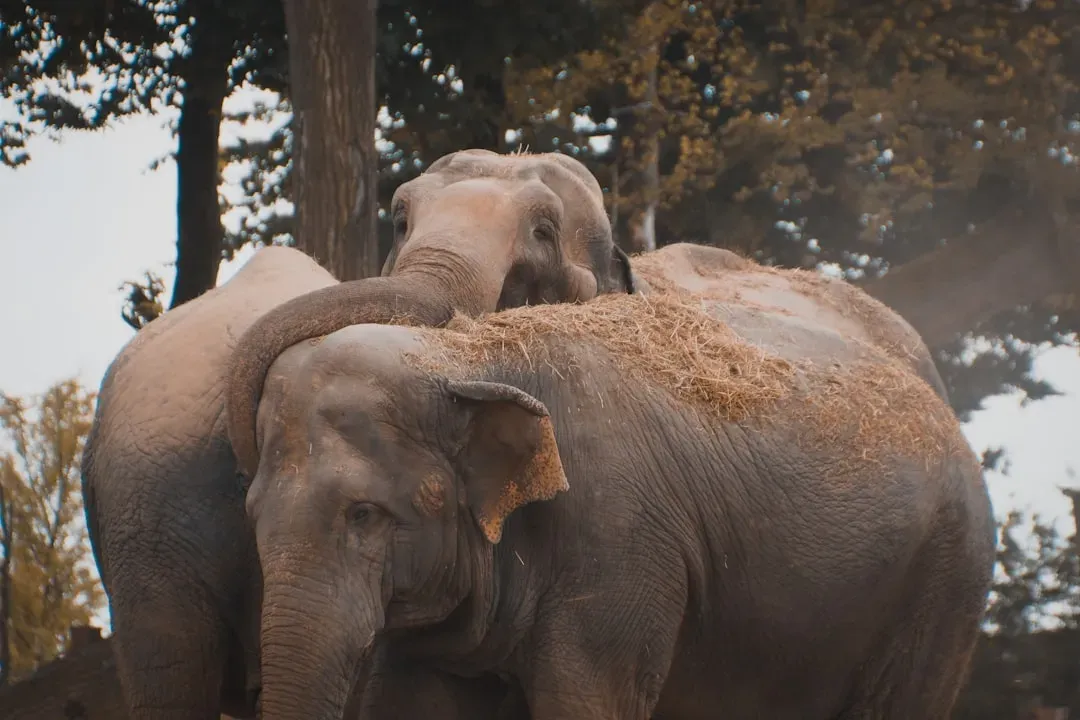
Elephants are masters of seismic sensitivity, detecting low-frequency rumbles and ground vibrations through their feet and trunks; these vibrations, sometimes caused by distant thunder or other elephants, travel long distances and act as a silent communication network, a powerful sixth sense that keeps herds in sync. They’re basically feeling conversations happening miles away through the ground itself.
These huge animals can detect approaching storms up to one hundred fifty miles away according to a 2014 study; researchers found that elephants could sense incoming storms even several days before the downpour and would adjust their patterns to prepare for the weather. Imagine knowing about a storm days before meteorologists with all their satellites and computer models figure it out.
The ability to sense vibrations isn’t unique to elephants. Tarantulas have thousands of tiny hairs on their legs that can pick up even the smallest ground vibrations acting like ultra-sensitive motion detectors that help them sense approaching predators or unsuspecting prey before they come into view; this ability is crucial for survival especially since tarantulas often live in burrows and need to detect movement from above ground, and by feeling the vibrations of a nearby insect a tarantula knows exactly when and where to strike.
The Molecular Machinery Behind the Magic
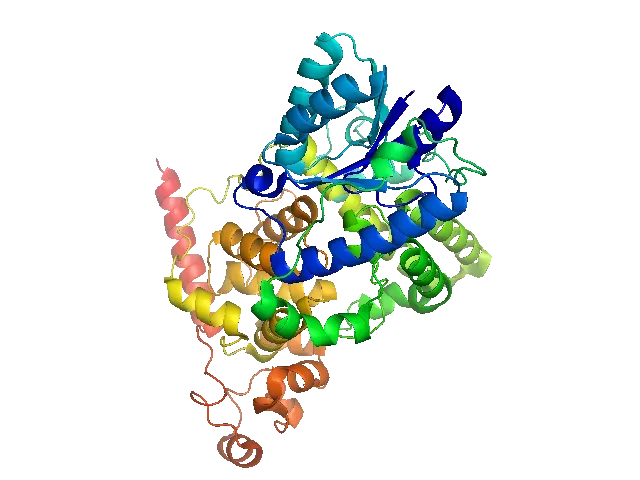
A study using fruit flies led by researchers at the Universities of Manchester and Leicester suggested that the animal world’s ability to sense a magnetic field may be more widespread than previously thought; the paper published in Nature makes significant advances in understanding how animals sense and respond to magnetic fields in their environment, and this new knowledge could enable the development of novel measurement tools where the activity of biological cells can be selectively stimulated using magnetic fields.
Research published in Nature in 2023 found that many more animals than we previously thought may be able to sense Earth’s magnetic field; the team found that a molecule called Flavin Adenine Dinucleotide which is present in many living cells plays a role in magnetic sensitivity when it is part of certain proteins called cryptochromes, and these proteins are believed to help animals like pigeons and turtles navigate long distances by sensing Earth’s magnetic field, and experts now believe that many living things may have this molecule.
It’s hard to say for sure, but the implications are staggering. If this molecule exists in so many cells, how many species possess magnetic sensitivity that we haven’t even discovered yet? Understanding the molecular machinery that allows a cell to sense a magnetic field provides better ability to appreciate how environmental factors like electromagnetic noise from telecommunications may impact animals that rely on a magnetic sense to survive; the magnetic field effects on FAD also provide a clue as to the evolutionary origins of magnetoreception.
The convergent evolution across species tells us something profound about physics and biology. When the same ability evolves independently in completely unrelated animals, in radically different environments, using different starting materials, it suggests that the solution is so advantageous that natural selection repeatedly finds it. Whether it’s detecting electricity in water, sensing magnetic fields for navigation, or imaging heat in darkness, these sixth senses aren’t biological accidents. They’re survival tools refined over millions of years.
Conclusion

The natural world operates on frequencies and signals completely invisible to human perception. While we’ve built technology to detect some of these phenomena, animals evolved biological sensors long before we understood the physics involved. From sharks hunting with electrical fields to birds navigating continents using quantum effects in their eyes, these abilities challenge our human-centered view of reality.
What’s truly humbling is recognizing how limited our direct experience of the world actually is. We exist in a narrow slice of the electromagnetic spectrum, detect only a fraction of the vibrations around us, and remain oblivious to magnetic fields running through our bodies every moment. Meanwhile, countless creatures navigate an entirely different sensory landscape that overlaps with but vastly exceeds our own perceptual bubble.
These discoveries aren’t just fascinating biology trivia. They’re reshaping how we understand consciousness, perception, and what it means to experience reality itself. They remind us that the universe contains infinitely more information than any single species can process. The next time you see a bird flying overhead or watch a snake slither past, remember that it’s experiencing a version of the world you can barely imagine.
What do you think about these extraordinary abilities? Does it change how you view the animals around you?
