
When most people think about Native American tribes, they often picture generic depictions from old Westerns or vague mentions in school textbooks. The reality is that Native American history runs deeper and richer than most realize. Hundreds of distinct nations existed across this continent long before European settlers arrived, each with their own languages, customs, and innovations that continue to shape modern America in ways many don’t fully understand.
Let’s be real: the mainstream narrative often skips over the complex realities of Indigenous cultures. While we all learned about Thanksgiving and the Trail of Tears, there’s a whole universe of fascinating details that rarely make it into classroom discussions. From ancient democracies that influenced the Constitution to agricultural innovations that feed billions today, Native tribes contributed enormously to civilization as we know it. What follows are fourteen aspects of tribal life and legacy that might just surprise you.
The Iroquois Confederacy Helped Shape American Democracy
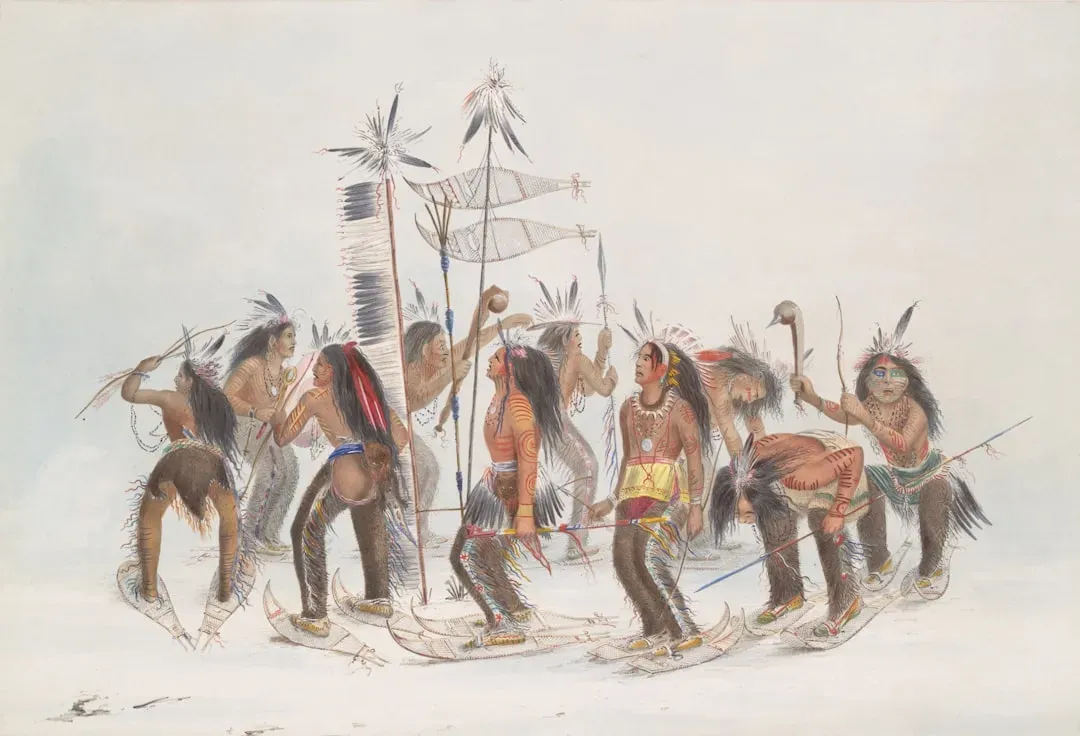
The Iroquois Confederacy, founded by the Great Peacemaker in 1142, is the oldest living participatory democracy on earth. Long before the Constitutional Convention gathered in Philadelphia, the Haudenosaunee people had created a sophisticated federal system of governance. Think about that for a moment. While Europe was still mired in feudalism and monarchies, Indigenous nations in North America had developed representative government based on consensus.
In 1744, Canasatego, leader of the Onondaga nation, advised the British colonists that wise forefathers established union and amity between the Five Nations, making them formidable and giving them great weight and authority. Benjamin Franklin was reportedly fascinated by this model. Oren Lyons went to the Senate Select Committee on Indian Affairs, and in 1988 Congress passed a resolution formally acknowledging the influence of the Iroquois Confederacy on the U.S. Constitution, reaffirming the continuing government-to-government relationship between Indian tribes and the United States.
The Great Law of Peace established principles that sound remarkably familiar to American ears: separation of powers, checks and balances, and representative decision-making. Consensus decision-making, the process where all parties must agree on major decisions, was central to Haudenosaunee governance. Honestly, it’s hard to overstate how much this influenced early American political thinkers who were searching for alternatives to monarchy.
What makes this even more remarkable is how the Iroquois approached leadership itself. Power wasn’t inherited in the way European royalty passed down crowns. The Iroquois constructed their government under matrilineal societies, and headmen were not elected, but rather clan mothers chose them. Women held significant political authority in ways that would have been unthinkable in colonial European society.
Native Americans Created Much of the Modern Food Supply
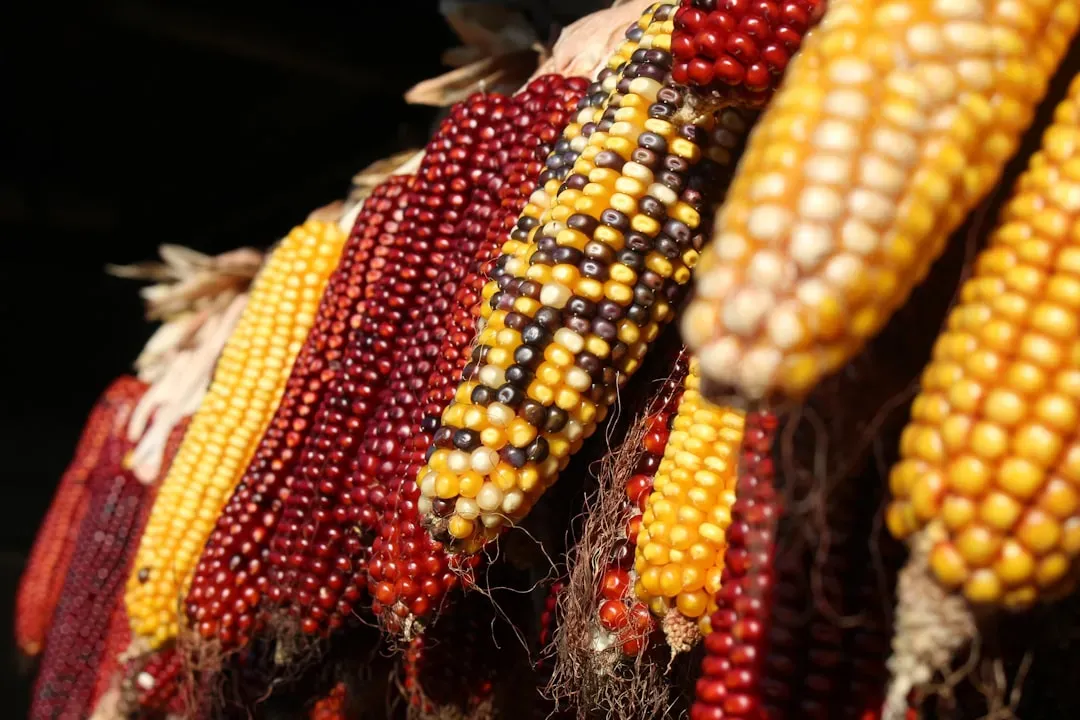
Walk through any grocery store and you’re surrounded by the agricultural genius of Indigenous peoples. Many Native American tribes practiced agriculture, domesticating crops, and it was estimated that as much as 60 percent of the global food supply was based on crops that originated in North America. That’s not a typo. More than half of what the world eats today came from Native American farmers.
Corn was created by Indigenous farmers in southern Mexico and Guatemala perhaps 10,000 years ago, and by the time European colonists arrived, Native Americans had been growing it for thousands of years, also cultivating beans, squash, potatoes and tomatoes. These weren’t just random plants people stumbled upon. They were carefully bred and selected over thousands of years to become the productive crops we depend on today.
Consider the tomato. Italian cuisine is unthinkable without it, yet tomatoes came from the Americas. Same with potatoes, which became a staple across Europe and prevented countless famines. Native agricultural knowledge transformed the entire planet’s diet, though this contribution rarely gets the credit it deserves.
The indigenous people of the Americas first domesticated the strain of maize which produces popcorn thousands of years ago, and popcorn artifacts dating back to 6,700 years ago were discovered in Peru. Even your movie theater snack has ancient Indigenous roots. The sophistication required to develop these crops demonstrates advanced understanding of plant genetics and selective breeding that rivals modern agricultural science.
Pre-Columbian American Cities Rivaled European Metropolises
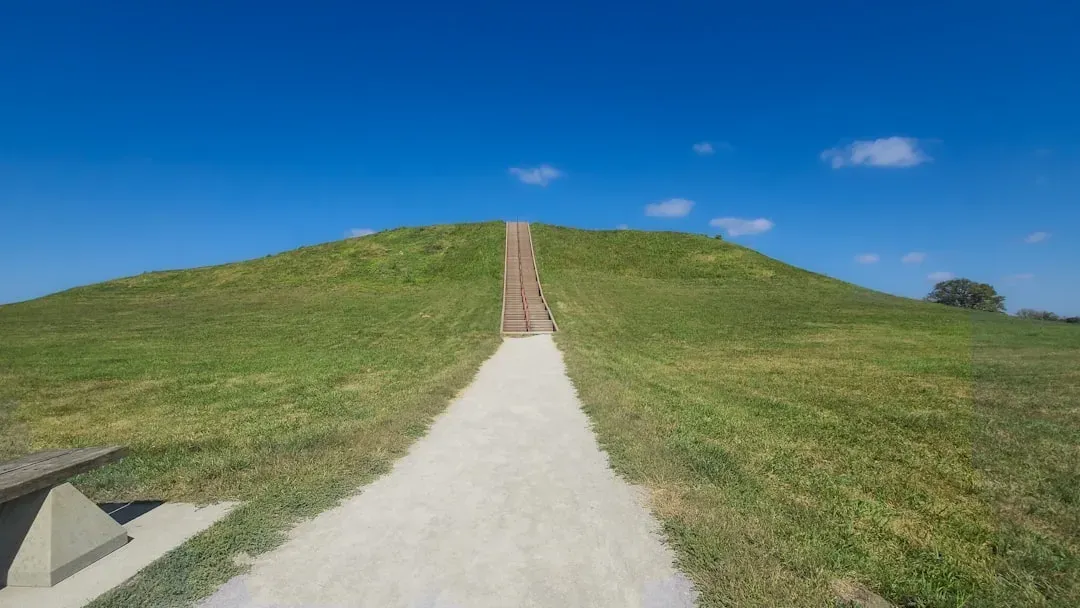
Prior to European colonization, there were many cities in the Americas that were larger than many major European cities. This contradicts the common misconception of pre-contact America as an untamed wilderness populated by small wandering bands. The truth is far more impressive.
Cahokia, in modern-day Illinois, dates to c. 600 to c. 1350 CE and was once the largest urban center in North America, a major religious site and trade hub covering 2,200 acres including residences, a large commercial district, ball courts and playing fields. Imagine a thriving city with sophisticated urban planning, ceremonial spaces, and recreational facilities all built centuries before Columbus set sail. Archaeological evidence shows engineering prowess that rivals anything happening in medieval Europe at the same time.
Before European contact, the temperate California area had more people than any other North American landscape, with approximately 300,000 people in the mid-16th century, with approximately 100 different tribes and groups speaking more than 200 dialects. The population density in certain regions was staggering, supported by complex trade networks and resource management systems.
These weren’t primitive settlements. They were organized urban centers with social hierarchies, specialized labor, extensive trade routes, and architectural achievements. The idea that Europeans brought civilization to an empty continent is not just wrong – it’s almost laughably inaccurate when you look at the archaeological evidence.
Cherokee Developed Their Own Written Language
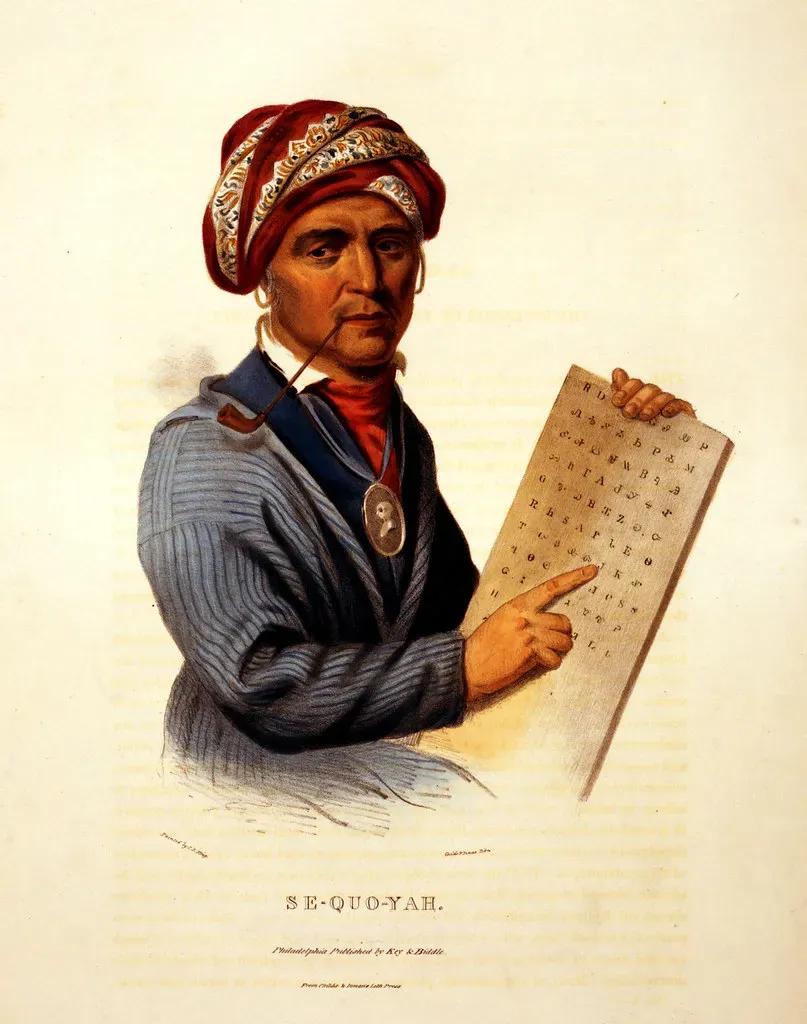
In 1821 the Cherokee developed a written language, and by 1828 the Cherokee Phoenix, the first Native American newspaper, began publication, with the Cherokee also establishing a strong central government with a constitution based on the U.S. constitution. Sequoyah, a Cherokee silversmith, created an entire syllabary of 85 characters representing all the sounds in the Cherokee language. Within just a few years, the majority of the Cherokee Nation had become literate in their own language.
Think about the intellectual achievement this represents. Sequoyah wasn’t formally educated and didn’t speak English fluently, yet he independently created a writing system that proved remarkably effective. The Cherokee syllabary was so successful that literacy rates among the Cherokee in the 1820s exceeded those of surrounding white populations. That’s an inconvenient truth that challenges a lot of assumptions about who was civilized and who wasn’t.
Among Cherokee speaking people today, around 2,000 people are capable of speaking the language, which is less than 0.005 percent of the population of all recognized Cherokees, prompting a state of emergency declaration regarding Cherokee language preservation. The subsequent policies of forced assimilation and removal devastated Cherokee language transmission, but efforts continue to revitalize it.
The Cherokee Phoenix printed news, laws, and literature in both Cherokee and English. This wasn’t just a cultural achievement; it was a political statement demonstrating that the Cherokee were a sovereign nation with their own systems of communication and governance. Some members of these southeastern tribes had adopted European clothing, spoke English, practiced Christianity, and even owned slaves. They adapted to changing circumstances while maintaining their identity.
Navajo Code Talkers Provided an Unbreakable Code in WWII
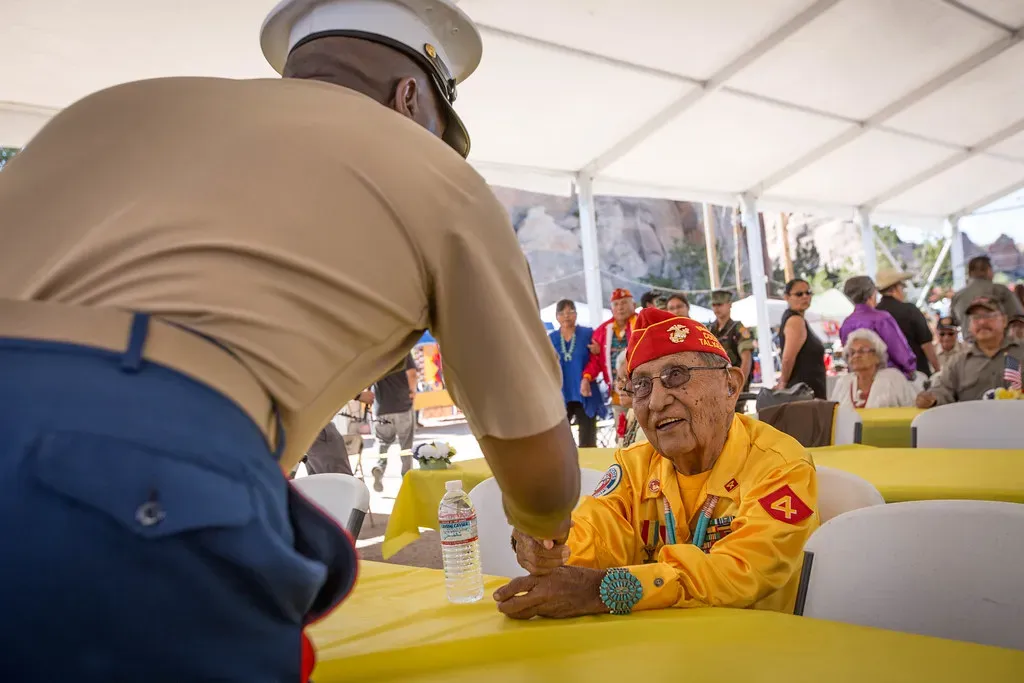
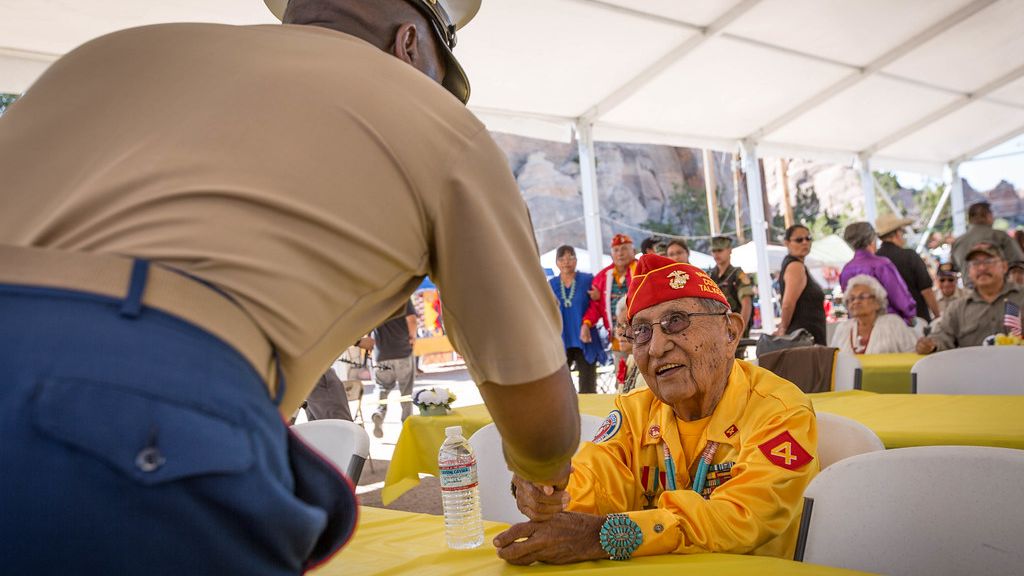
Until 2002, the heroic service many Native Americans Code Talkers performed remained classified, and after Congress passed the Code Talkers Recognition Act, their story was told: in both World War I and World War II, Native American servicemen relayed messages behind enemy lines in their native languages and dialects in dangerous work, and their codes were never broken, giving the United States a huge advantage.
Here’s the thing that makes this both remarkable and deeply ironic: The United States Government benefited from the Navajo Code Talkers despite the fact that it had attempted to eradicate the language only 80 years before, and there is undeniable irony in the fact that the United States’ victory in WWII was attributable in part to a group of people they tried to erase. For decades, Native children had been forcibly sent to boarding schools where speaking their native languages resulted in severe punishment. Then suddenly, those same languages became vital to national security.
The code these men developed not only remained unbroken, but proved to be the fastest and most accurate code used during WWII, and by the end of WWII, the code consisted of a total of 411 words. Japanese cryptographers, who had broken every other American code, couldn’t crack the Navajo language. It was simply too different from any language structure they understood.
The Navajo language is the most widely spoken Native language in North America. Today it remains a living connection to centuries of cultural continuity. The Code Talkers’ contribution wasn’t just linguistic – it was about loyalty to a country that had repeatedly broken promises to their people. That kind of patriotism deserves more recognition than it typically receives in American history classes.
Pueblo Architecture Represents Engineering Excellence
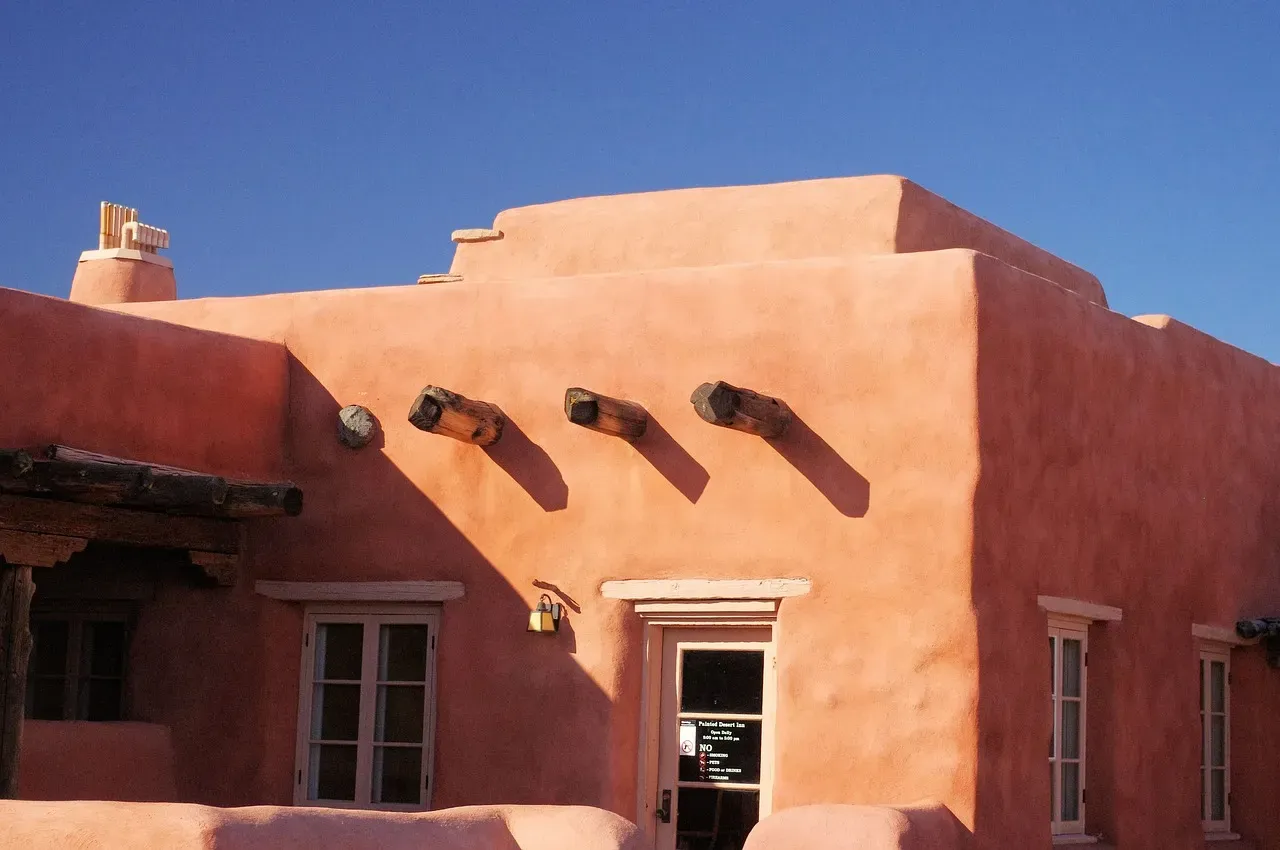
Ancestral Puebloan people first began building pueblo structures during the Pueblo I Period (750–900 CE), and when Spanish colonists arrived beginning in the late 1500s, they learned local construction techniques from the Pueblo people and adapted them to fit their own building types, with the Pueblo people also adopting some Spanish innovations including the manufacturing of sun-baked adobe bricks. These structures weren’t simple mud huts – they were sophisticated multi-story buildings designed for the harsh desert environment.
Traditional pueblo construction used limestone blocks or large adobe bricks made from clay and water, and in a typical pueblo building, adobe blocks form the walls with buildings up to five stories tall, where each floor is set back from the floor below resembling a stepped pyramid, enabling the roof of each level to serve as a terrace for the level above. The engineering knowledge required to build stable multi-story structures without modern materials or tools was extraordinary.
The thermal properties of adobe are perfectly suited to the desert climate. Pueblo structures were primarily built using adobe due to abundant clay and straw materials found in the Southwest, which provided excellent insulation against extreme temperatures. These buildings stay cool during scorching summer days and retain warmth during cold desert nights – a natural climate control system that modern builders are now trying to replicate with expensive technology.
The finest examples of stone masonry architecture are found at Chaco Canyon in New Mexico, where Ancestral Puebloans built their Great Houses with planned layouts and multi-story masonry construction, including Pueblo Bonito built between 850 and 1150 CE, with Chacoans as master masons building core-and-veneer walls with carefully selected and shaped stones. These weren’t temporary structures. Many have survived for over a thousand years, which says everything about their construction quality.
Native Trade Networks Spanned the Entire Continent
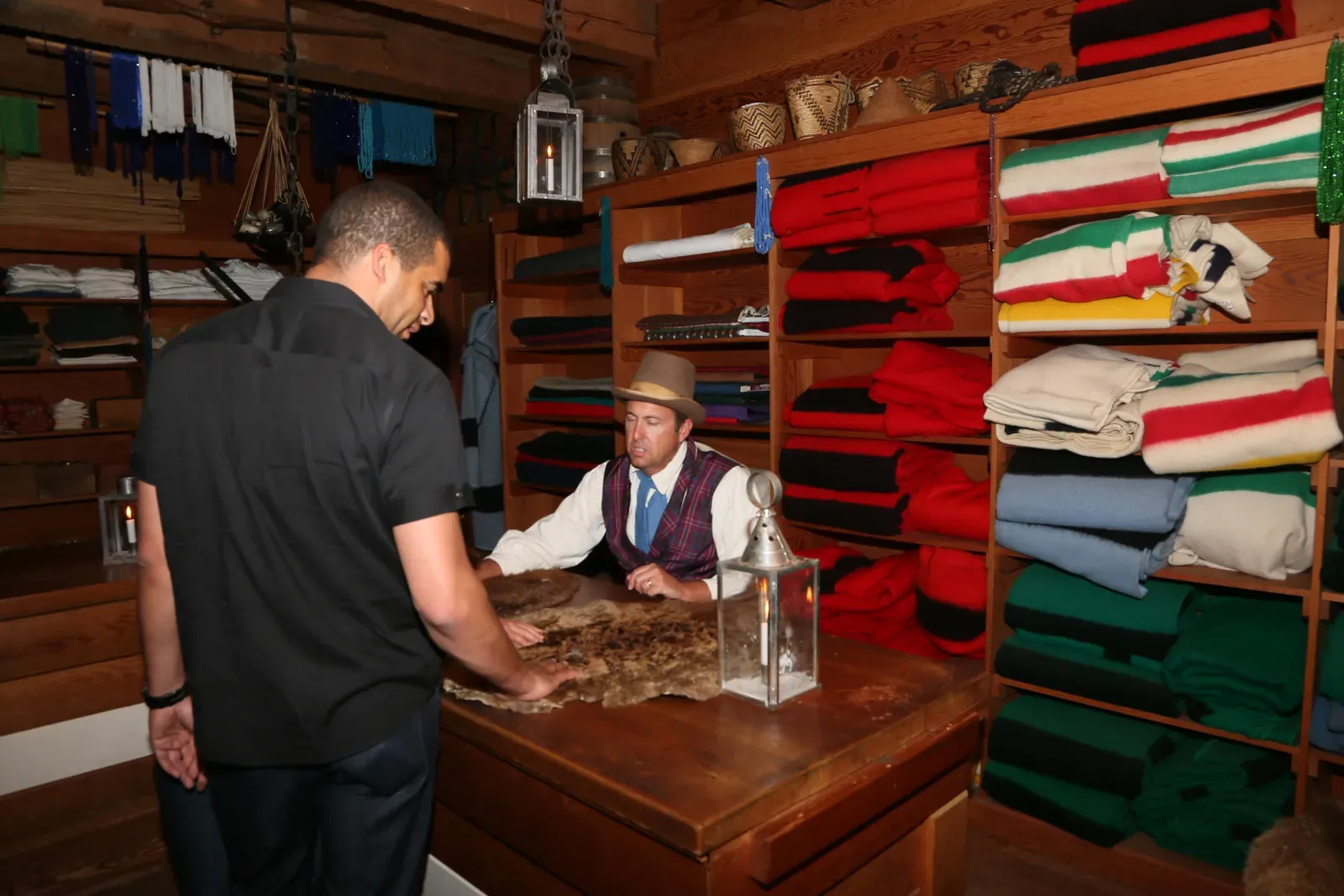
American Indians developed economic systems that reflected their cultures, and prior to European arrival, they produced and traded goods and technologies using well-developed systems of trails and widespread transcontinental intertribal trade routes, operating vast trade networks throughout the Western Hemisphere for thousands of years, exchanging goods, foods, technologies, domestic animals, ideas, and cultural practices. These networks were massive in scale and complexity.
Archaeologists have found seashells from the Pacific Ocean in burial sites in the Great Lakes region. They’ve discovered obsidian from the Rocky Mountains in settlements on the East Coast. Copper from Lake Superior has turned up in the Southeast. These items didn’t magically teleport across thousands of miles – they moved through extensive trade relationships that connected diverse peoples across vast distances.
The sophistication of these networks challenges the notion that pre-contact Native Americans were isolated or primitive. Trade required trust, standardized systems of exchange, diplomatic relationships, and detailed knowledge of geography. Routes had to be established and maintained. Trading hubs developed where different groups could meet and exchange goods safely.
Inter-tribelet relationships, based on well-established systems of trade and common rights, were generally peaceful. While conflict certainly existed, cooperation and commerce were equally common. The stereotype of constant warfare between tribes is largely a Hollywood invention. Economic interdependence actually encouraged peaceful relationships in many regions, much like trade relationships do today.
Cherokee Nation Is the Largest Federally Recognized Tribe
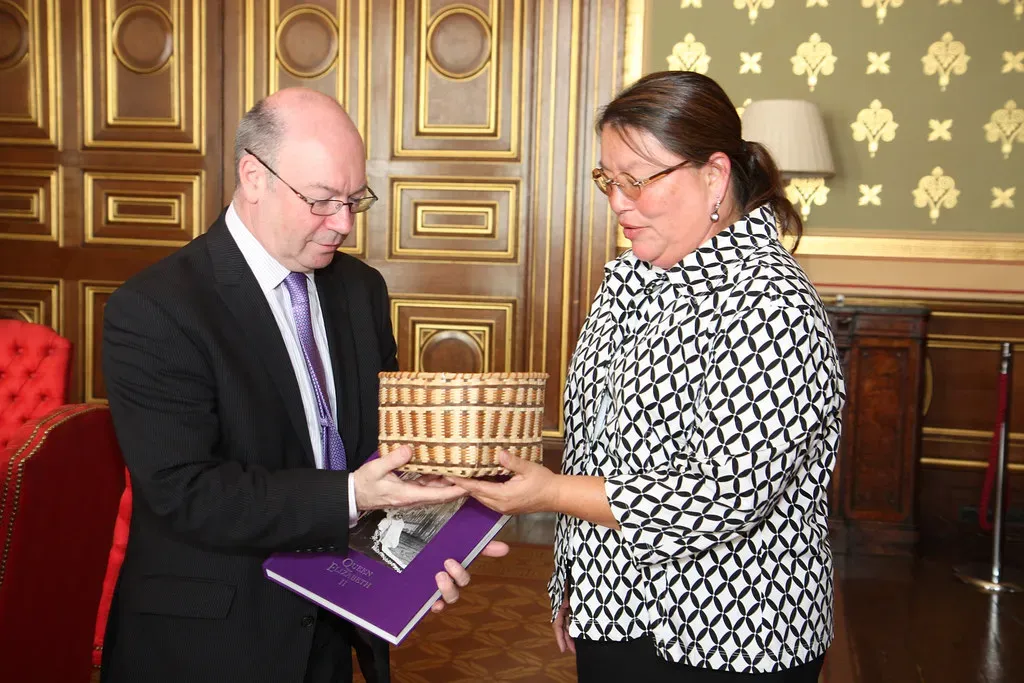
The Cherokee Nation holds the title for the largest tribe in the United States by population, with over 450,000 tribal citizens worldwide, testifying to the resilience and continued growth of Native American people. This is remarkable considering the devastation the Cherokee endured during the Trail of Tears and subsequent policies aimed at cultural eradication.
The 2010 census counted 284,247 Cherokee, with a total of 819,105 people claiming some Cherokee ancestry, and in 2011, the Oklahoma Indian Affairs Commission showed a tribal enrollment of 299,862 for the Cherokee Nation. These numbers represent not just population but political power and cultural continuity. The Cherokee Nation has its own government, court system, businesses, and institutions that serve their citizens.
Most scholars agree that the Cherokees have lived in what is today the Southeastern United States since at least A.D. 1000, with well-established social and cultural traditions when Europeans first encountered them in the mid-16th century, living in small towns and belonging to matrilineal clans, with Cherokee women enjoying great political and social power.
The Cherokee Nation’s influence today extends far beyond Oklahoma. The Cherokee Nation has citizens scattered across the globe due to historical factors like the Trail of Tears, and their size allows greater political leverage, enabling them to advocate for rights and resources more effectively at state and federal levels, while helping maintain and preserve their unique culture including the Cherokee language, traditions, and art forms. They’ve transformed historical trauma into contemporary strength.
Navajo Nation Covers Territory Larger Than Ten States
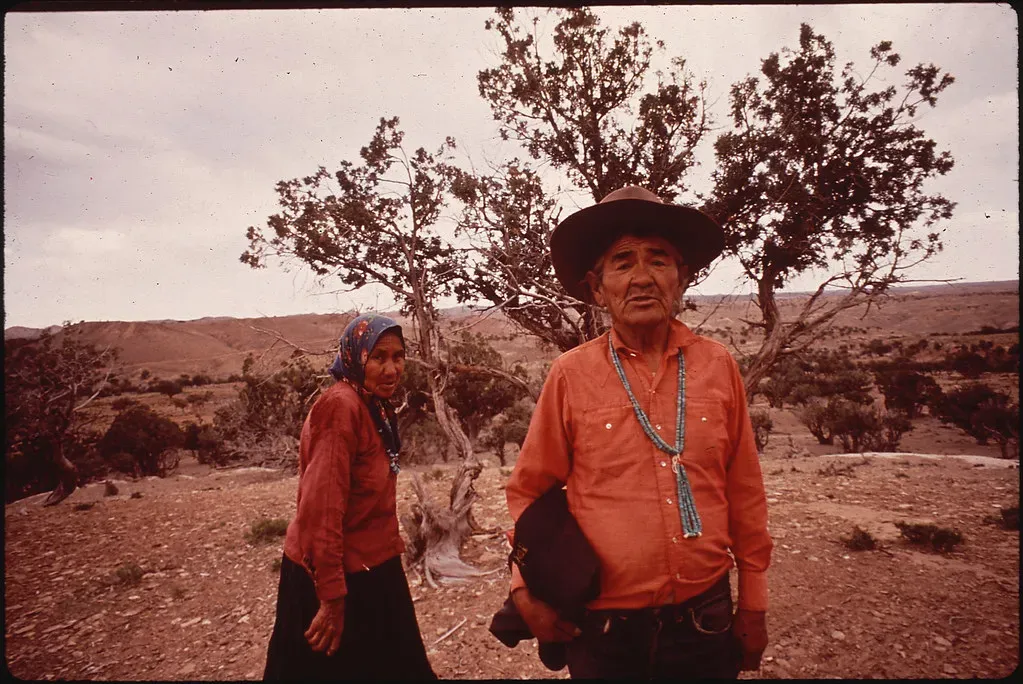
While the Cherokee Nation claims the largest population, the Navajo Nation holds the title for the largest landmass among Native American tribes, encompassing approximately 27,000 square miles sprawling across portions of Arizona, New Mexico, and Utah, reflecting profound historical and cultural significance for Navajo people who have called this land home for centuries. To put that in perspective, the Navajo Nation is larger than West Virginia.
The forced removal of Navajos from their lands in the 1860s is called “the Long Walk,” and after an 1868 treaty, the US government allowed members to return to tribal lands, making this unique in US history, with Navajo territory notable for being one of the few indigenous territories still held by its original residents. This makes the Navajo situation somewhat different from most other tribes who were permanently displaced.
With more than 399,494 enrolled tribal members as of 2021, the Navajo Nation is not just a land of immense physical beauty but a vital center for indigenous life, and the sheer size gives it significant influence over natural resources and environmental issues, with management of lands encompassing everything from water rights to mineral extraction. The Nation functions essentially as a state within states, with its own president, legislature, and supreme court.
The Navajo Nation represents sovereignty in action. It manages schools, police forces, healthcare systems, and economic development programs. The Navajo language is the most widely spoken Native language in North America with around 170,000 speakers. Despite centuries of pressure to assimilate, Navajo language and culture remain vibrant and vital.
Native Americans Developed Sophisticated Medical Knowledge
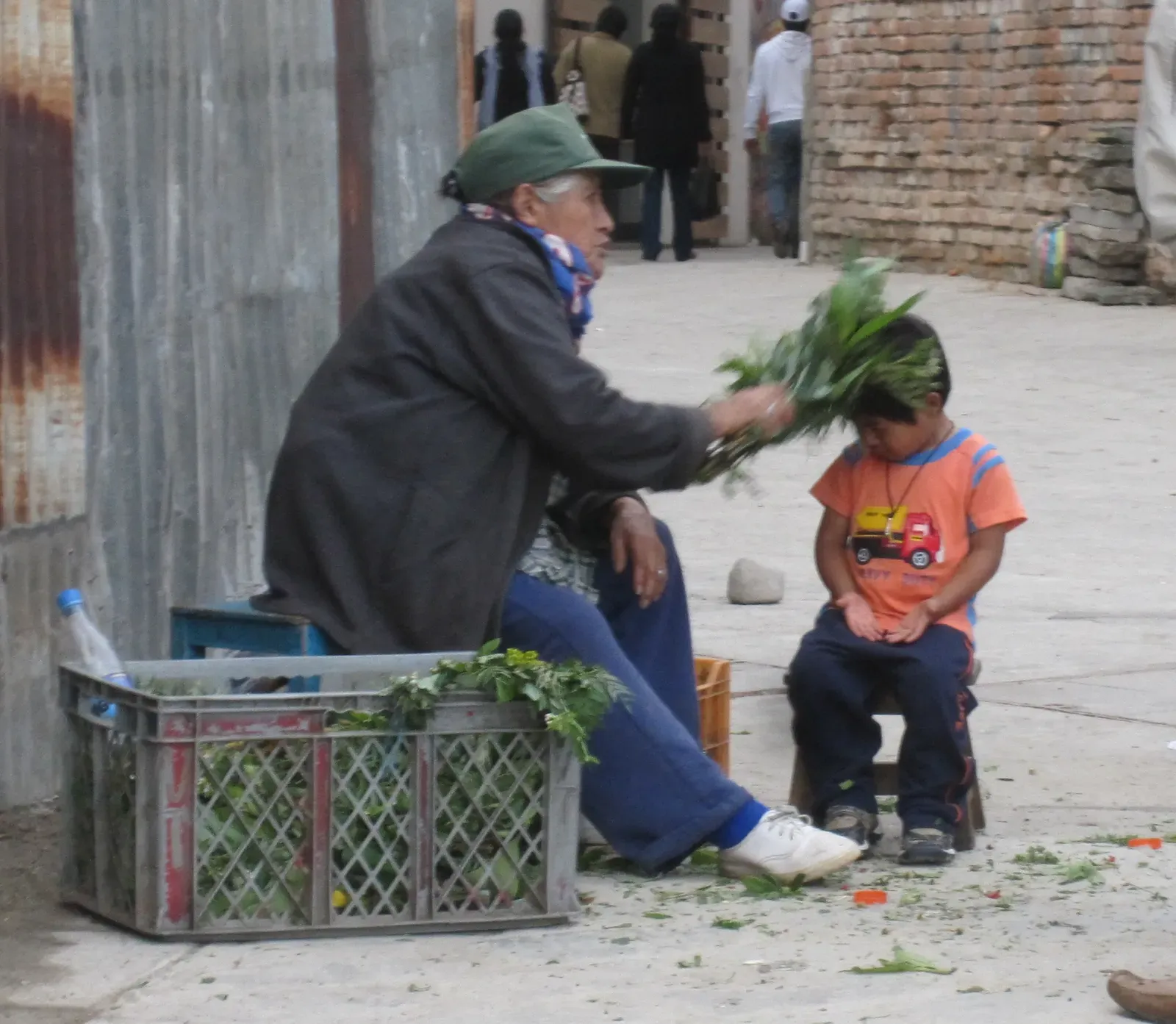
Native Americans were some of the first developers of anesthetics, using coca, peyote, datura and other plants for partial or total loss of sensation or consciousness during surgery, with immigrant doctors who came to America unaware of these techniques until the mid-19th century. Western medicine eventually caught up, but Indigenous healers had been performing complex procedures with pain management for centuries.
The pharmacological knowledge of Native American healers was extensive and precise. They understood which plants could reduce fever, which could fight infection, which could aid digestion, and which could alter consciousness for spiritual purposes. This wasn’t superstition – it was botanical science based on centuries of careful observation and experimentation.
Many modern medicines have their origins in plants first used by Indigenous peoples. Willow bark, which contains the active ingredient in aspirin, was used by various tribes for pain and fever. The Madagascar periwinkle, used by traditional healers, became the source of drugs for treating leukemia and Hodgkin’s disease. Roughly a quarter of modern pharmaceutical drugs have botanical origins, and many were first identified by Indigenous peoples.
The medical traditions weren’t just about individual treatments. They encompassed holistic approaches to health that considered mental, physical, spiritual, and community wellbeing as interconnected. Many Plains tribes have sweatlodge ceremonies though the specifics vary among tribes, and fasting, singing and prayer in ancient languages, and sometimes drumming and dancing are also common. These practices served both therapeutic and preventative functions.
The Haudenosaunee Practiced the Seventh Generation Principle
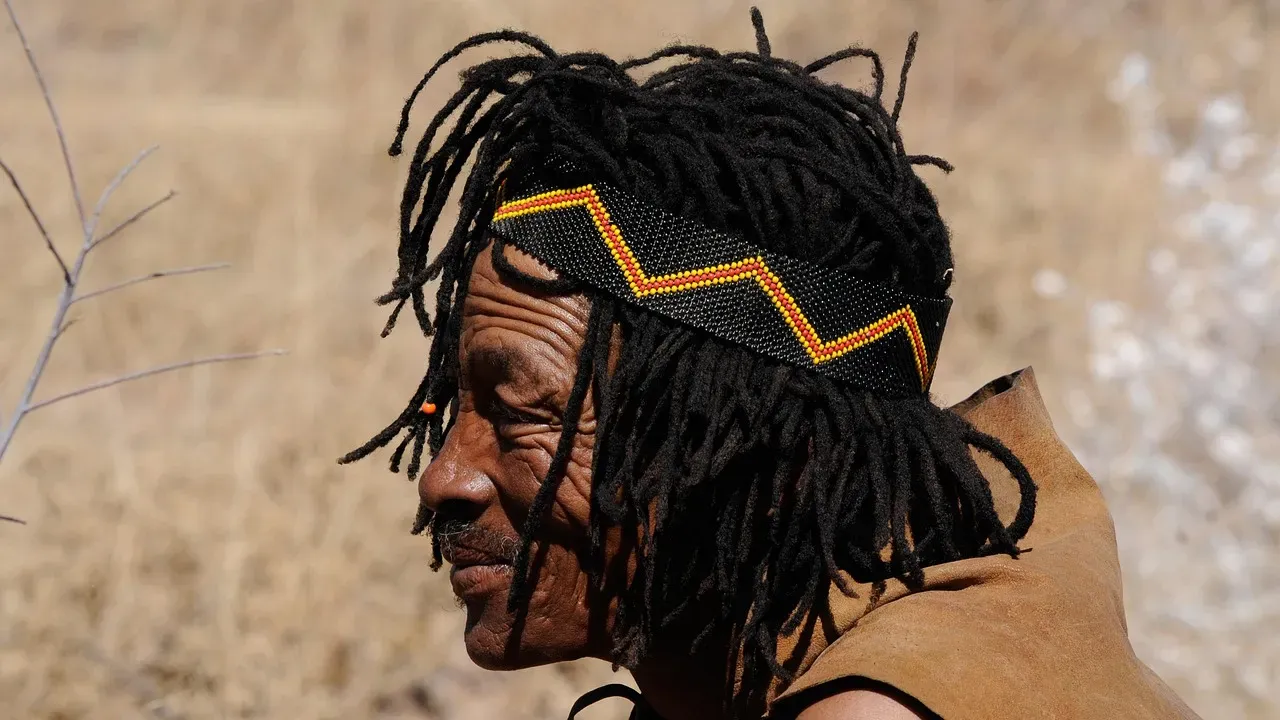
The Native American model of governance that is fair and will always meet the needs of the seventh generation is taken from the Iroquois Confederacy, with the seventh generation principle dictating that decisions made today should lead to sustainability for seven generations into the future. This concept represents perhaps the most profound difference between Indigenous and European-descended approaches to resource management and governance.
Imagine if modern politicians and corporate executives had to consider how their decisions would affect people 200 years from now. A core tenet of the Iroquois Confederacy that has spread to other Native American models of governance focuses on the “seventh generation” when enacting any new policy, dictating that decisions must be designed for sustainability to yield benefit for at least seven generations into the future, meaning Native Americans’ core values for governance inherently consider and aspire to protect against climate change.
This isn’t just environmental wisdom – it’s a fundamentally different worldview about human responsibility and temporal thinking. Western governance typically operates on election cycles of two to six years. Corporate quarterly earnings reports drive business decisions. The seventh generation principle asks people to think across multiple human lifetimes about the consequences of their actions.
In practice, this meant that decisions about hunting, agriculture, forest management, and settlement patterns all considered long-term sustainability. Resources weren’t exploited for short-term gain at the expense of future availability. There is a long-standing and deeply rooted relationship between Native people and their lands with strong personal sense of belonging, and Native knowledge systems resulted from long-term occupation and observation of tribal homelands, with Native Americans understanding and valuing the relationship between local environments and cultural traditions, recognizing that human beings are part of the environment.
Five Civilized Tribes Were Forcibly Removed Despite Assimilation
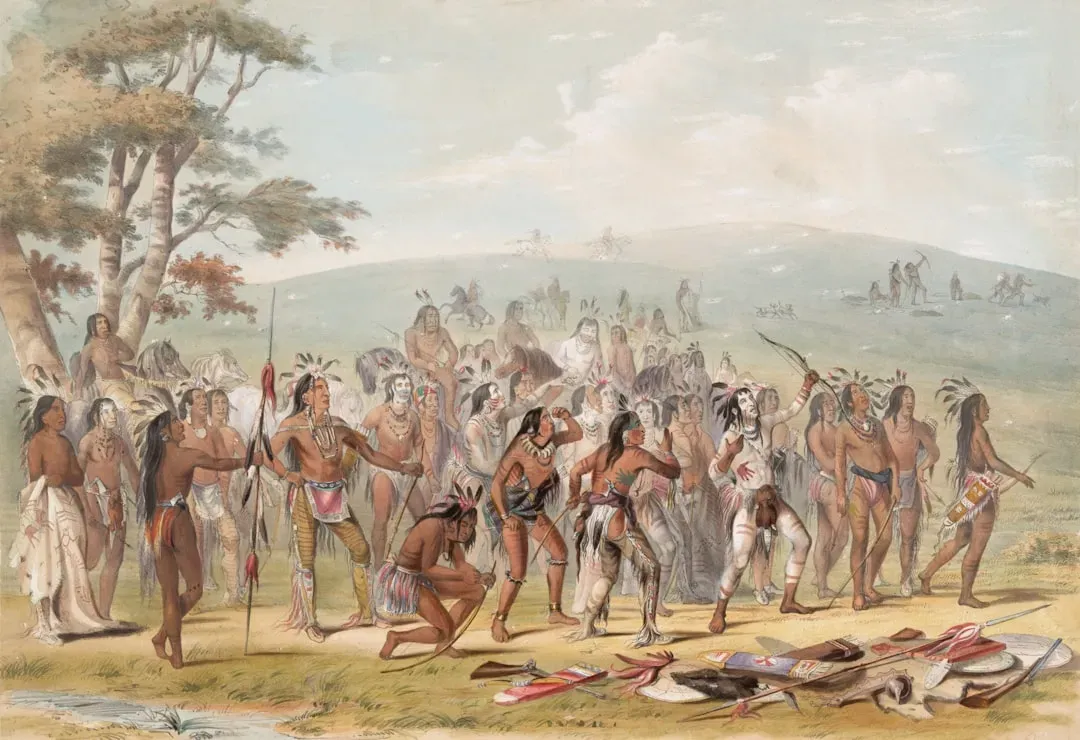
Perhaps the most familiar of Southeastern Indigenous peoples are the Cherokee, Chickasaw, Choctaw, Creek and Seminole, sometimes called the Five Civilized Tribes, and in 1830, the federal Indian Removal Act compelled the relocation of what remained of these tribes so that white settlers could have their land. The designation of these tribes as “civilized” speaks volumes about the racism and hypocrisy of the era.
The word civilized was applied to these five tribes because they had developed extensive economic ties with whites or had assimilated into American settler culture, with some members adopting European clothing, speaking English, practicing Christianity, and even owning slaves. They did everything white society asked of them – adopted European-style government, education systems, and economic practices. It didn’t matter.
The process of forced removal came to be known as the Trail of Tears due to the unnecessary death and hardship that characterized it, with survivors relocated to large adjoining tracts of land in the eastern part of Indian Territory. Thousands died during forced marches in winter without adequate supplies. This wasn’t collateral damage – it was ethnic cleansing driven by greed for land, particularly after gold was discovered in Cherokee territory.
The tragedy of the Five Civilized Tribes demonstrates that assimilation was never truly an option for survival. The goalposts kept moving. Even when Native peoples adapted to every demand made of them, it wasn’t enough. The 1830s forced removal of Cherokees from their southeastern homeland became the most famous event in Indian history of the American South, an episode taken to exemplify a broader experience of injustice suffered by Native peoples.
Native Languages Face Critical Endangerment
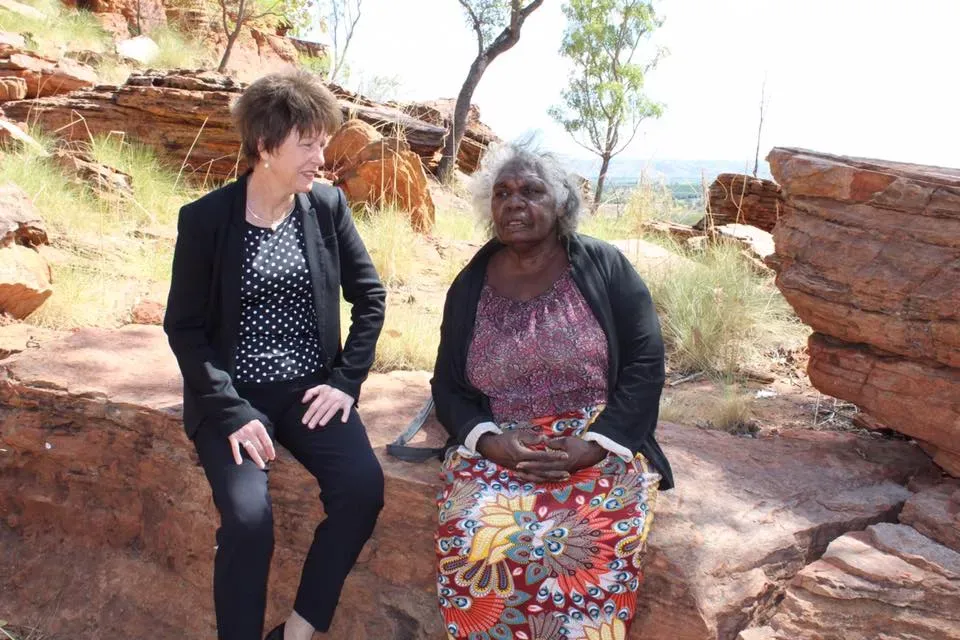
North America was home to more than 300 spoken languages prior to colonization with as many as 500 across the continent, but many languages have disappeared as a result of assimilation policies by the government, with President Ulysses S. Grant declaring that their barbarous dialect should be blotted out and the English language substituted. This wasn’t accidental language loss – it was deliberate cultural genocide through policy.
Beginning in the 1800s, Native Americans were displaced from communities and moved onto reserves, with children taken to Indian boarding schools and educated in English, and it wasn’t until 1972, when Congress passed the Indian Education Act, that Native American tribes were permitted to teach their own languages. Multiple generations of children were forcibly separated from their families specifically to break the transmission of language and culture.
In 1990, Congress passed the Native American Language Act, which provides support for Native American language preservation and revitalization, with this support critical since all but two Native American languages are in danger of disappearing altogether by 2050. The crisis is acute. When a language dies, entire ways of understanding the world, complex cultural knowledge, and unique perspectives on existence vanish.
As of 2013 there were at least 169 Native languages spoken in the United States, with many of them having very small numbers of speakers. Efforts to preserve and revitalize these languages face enormous challenges. Creating immersion programs, developing teaching materials, and reversing generations of language suppression requires resources and commitment that haven’t always been forthcoming.
Kinship Systems Structured Complex Societies
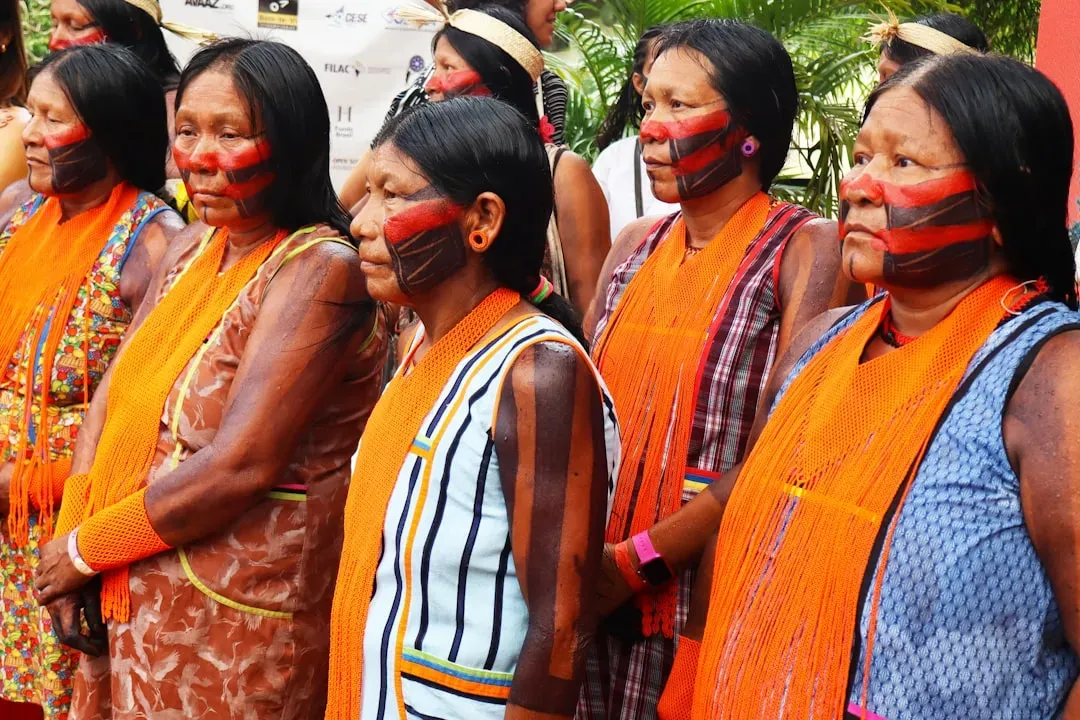
Kinship and extended family relationships have always been and continue to be essential in the shaping of American Indian cultures. Western observers often failed to understand the sophisticated social structures built around kinship, viewing them as primitive compared to European class systems. In reality, kinship networks provided social organization, economic cooperation, political alliances, and identity in ways that were remarkably effective.
Gender roles varied significantly between tribal nations with patriarchal, matriarchal, and egalitarian traditions among the 574 federally-recognized tribes, with many tribes such as the Haudenosaunee and Southeast Muskogean tribes being traditionally matrilineal with property and hereditary leadership passed through maternal lines and children belonging to their mother’s clan, while others like the Omaha were patrilineal.
The diversity of kinship systems across Native America demonstrates the sophistication of these societies. Some tribes traced descent matrilineally, others patrilineally, and some combined both systems. Women held positions of authority in many societies that would have been impossible in contemporary European cultures. Cherokee people lived in small towns and belonged to matrilineal clans, with Cherokee women enjoying great political and social power in Cherokee society, where children inherited the clan identity of their mother, and women oversaw adoption of captives and outsiders into clan membership.
These kinship systems weren’t just about family trees. They determined property rights, political representation, marriage possibilities, and social responsibilities. They created intricate webs of reciprocal obligations that held communities together and ensured that resources were distributed and that vulnerable members were cared for. The systems worked so well that they sustained complex societies for thousands of years.
Modern Native Peoples Continue Resilience and Renewal
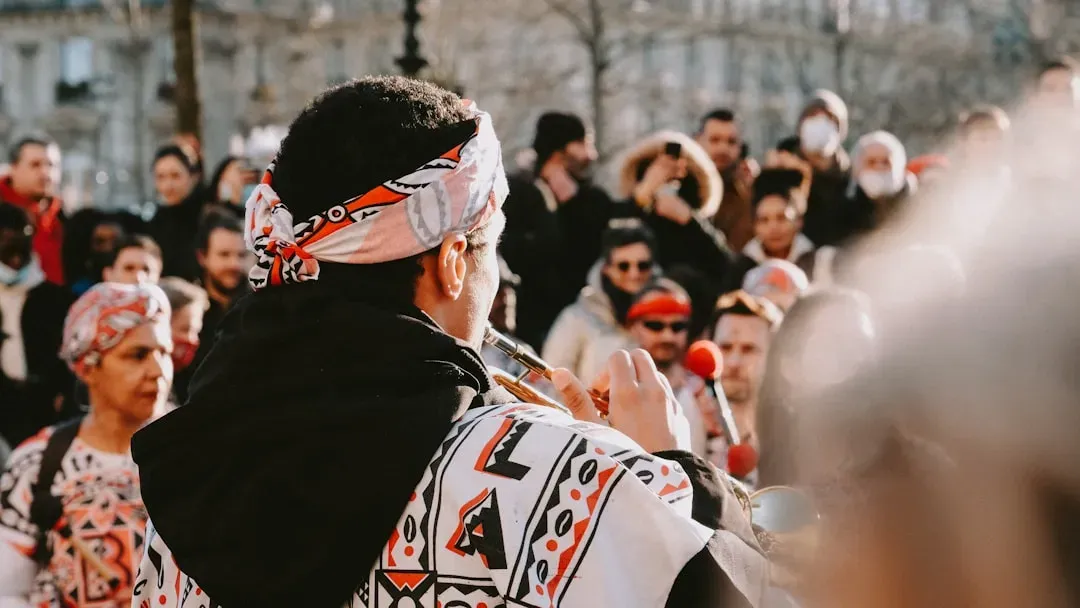
Native peoples have been among the most active and successful in effecting political change and regaining autonomy in areas such as education, land ownership, religious freedom, the law, and the revitalization of traditional culture. Despite centuries of policies explicitly designed to eliminate them, Native American peoples and cultures persist and increasingly thrive.
The 2020 U.S. Census listed the American Indian and Alaska Native population as 3.7 million people, and as a result of people identifying as more than one race, 9.2 million people identified themselves as American Indian or Alaska Native in combination with other races. These numbers represent not defeat but survival and resurgence.
Traditional Native American ceremonies are still practiced by many tribes and bands, and the older theological belief systems are still held by many traditional people. Languages are being revitalized, traditional arts are flourishing, tribal governance is strengthening, and cultural knowledge is being transmitted to younger generations. After everything – disease, warfare, forced removal, boarding schools, termination policies, relocation programs – Native peoples remain.
The story doesn’t end with historical trauma. Contemporary Native Americans are artists, scientists, politicians, writers, educators, and activists shaping the modern world. Tribal nations operate businesses, manage natural resources, run schools and healthcare systems, and assert sovereignty. The Native Peoples of North America survived and still form vital communities observing traditional rites, telling ancient stories, and teaching their language and customs to their youth.
What do you think about these lesser-known aspects of Native American history and culture? The complexity and sophistication of Indigenous American societies challenges so many assumptions embedded in mainstream narratives. These tribes weren’t passive victims of history – they were active agents who built civilizations, influenced American democracy, contributed essential crops to global food security, developed sophisticated medical knowledge, and maintained cultural continuity against incredible odds. Their legacy isn’t confined to the past; it’s woven into the fabric of modern America in ways we’re only beginning to fully recognize and honor.
