

Ever notice how your dog seems to know exactly when you need comfort? That uncanny ability to sense your mood isn’t just coincidence or wishful thinking. Scientists are discovering that dogs possess emotional intelligence far more sophisticated than most of us ever imagined. They’ve evolved specialized brain regions to decode our feelings, and frankly, they might be better at reading us than we are at reading them.
The relationship between humans and dogs goes back thousands of years. Yet despite all that time together, we’re only now beginning to grasp just how deeply our four-legged companions understand what’s going on inside our heads and hearts. Let’s dive in.
They’re Watching Your Face More Closely Than You Think
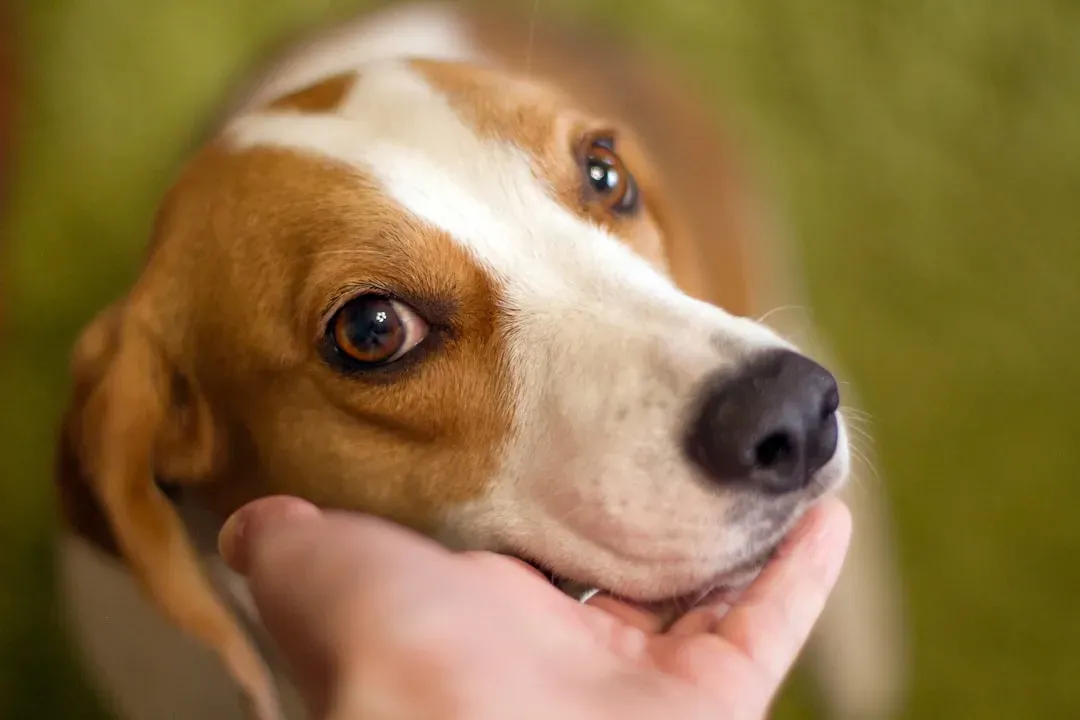
Dogs preferentially look at the eye region of human faces and examine eyes longer than other facial features. That intense stare isn’t just adorable. It’s your dog actively gathering information about your emotional state.
When shown images of human faces, dogs exhibit increased brain activity, and seeing a familiar human face activates a dog’s reward centres and emotional centres. Honestly, this means your dog’s brain lights up when they see you, processing not just recognition but genuine emotional connection.
Experiments demonstrate that pet dogs can distinguish a smiling face from an angry face, even in photos. They don’t need context clues or body language. The facial expression alone tells them what they need to know.
Dogs possess specialized brain regions dedicated to processing human faces and voices, allowing them to interpret subtle emotional cues that even some primates cannot detect. This is remarkable when you think about it. Dogs evolved these abilities specifically to connect with us.
Their focus on our faces goes beyond simple observation. Only 10% of what humans communicate is actually verbal, with 90% communicated through non-verbal posture, gestures, and facial expressions, which dogs monitor closely.
The Chemical Connection Between You and Your Dog
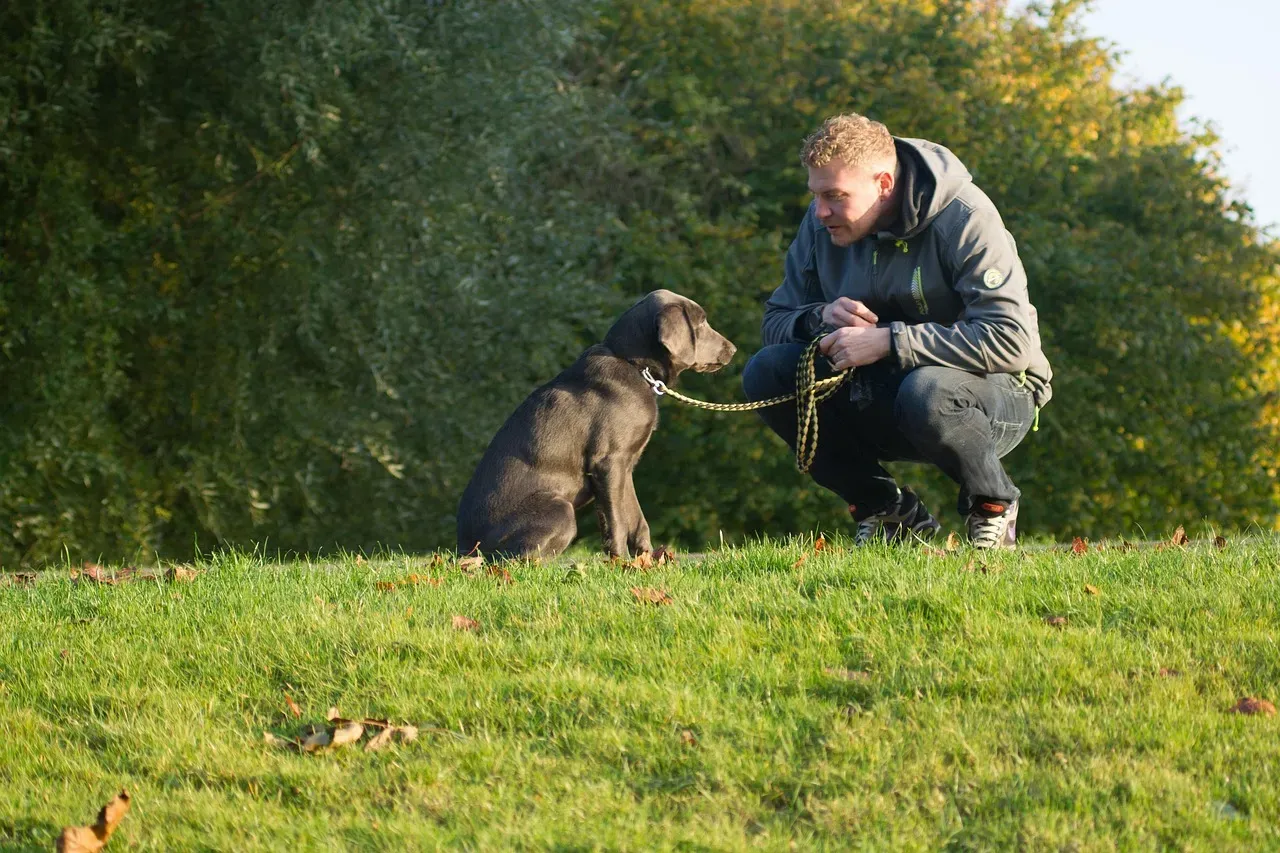
Here’s where things get really interesting. When dogs and humans make gentle eye contact, both partners experience a surge of oxytocin, and owners who held long mutual gazes with their dogs had significantly higher oxytocin levels afterwards. This is the same bonding hormone that flows between mothers and infants.
This oxytocin feedback loop reinforces bonding, much like the gaze between a parent and infant, and this effect is unique to domesticated dogs as hand-raised wolves did not respond the same way to human eye contact. It’s hard to say for sure, but this suggests domestication fundamentally rewired dogs to connect with us on a hormonal level.
A dog’s powerful sense of smell plays a crucial role in their emotional intelligence, and dogs’ brains respond most strongly to their owners’ scents, detecting subtle chemical changes in human bodies that occur with different emotional states. Your stress, fear, or happiness creates tiny shifts in your body chemistry that your dog can literally smell.
Think about what this means. Your dog isn’t just guessing how you feel. They’re reading chemical signals you didn’t even know you were broadcasting.
Using MRI scans, researchers found that dogs’ brains are activated in a manner akin to ours when they hear happy sounds. The neural pathways for processing emotion are surprisingly similar between our species.
Dogs Distinguish Real Emotions From Fake Ones

Most studies on canine emotional intelligence used simulated or recorded expressions. A new study published in Animal Cognition closes an important gap by testing how dogs respond in real time to genuine human emotions. The results? Dogs absolutely know the difference.
Dog owners were manipulated to genuinely experience emotions of happiness, sadness, and neutrality, and researchers measured how dogs responded to their owners’ authentic emotions in different natural situations. No acting required.
Dogs behaved differently depending on the owner’s emotional state: they gazed and jumped less at owners when they were sad, and their compliance with the ‘sit’ command was also diminished. The dogs picked up on subtle shifts even though owners themselves believed the study was about training tasks.
Dogs performed better at a training task with a happy owner. Your emotional state directly influences your dog’s performance and behavior. They’re not just aware of your feelings – they’re affected by them.
This wasn’t about obvious behavioral cues. Owners stated that the emotions were successfully induced, yet researchers did not notice any obvious behavioral changes in the owners between sessions. The dogs sensed something imperceptible to human observers.
The Surprising Ways We Misread Our Dogs
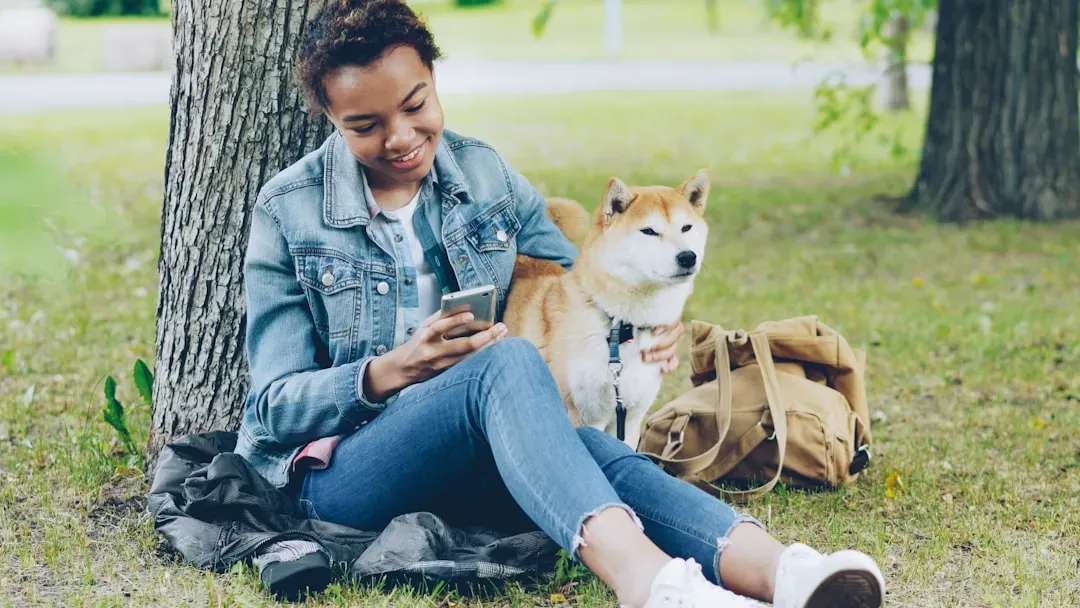
Let’s be real: while dogs excel at reading us, we’re surprisingly bad at reading them. Research from Arizona State University revealed that people often do not perceive the true meaning of their pet’s emotions and can misread their dog due to a bias towards projecting human emotions onto our pets.
Humans typically do not have a good understanding of the emotional state of their dog because they judge the dog’s emotions according to the context of the event they witness rather than looking at what the dog is doing. We see a dog at the park and assume happiness. We see bath time and assume distress. Sometimes we’re right, but often we’re just guessing based on how we’d feel.
Several studies have shown that dogs are remarkably good at recognizing human emotional expressions, yet where our comprehension of dogs’ emotions is so weak, their understanding of us is remarkably strong. The communication gap is decidedly one-sided.
Our ability to read a dog’s emotions may be heavily influenced by our own mood, which means we sometimes misinterpret what they’re experiencing. When we’re happy, we might see our dogs as sadder, and vice versa.
Even tail wagging gets misunderstood. Dogs show their emotional state not simply by how much they wag their tails but also by the side of the body they wag their tails toward, a detail most humans completely miss.
Emotional Contagion Works Both Ways
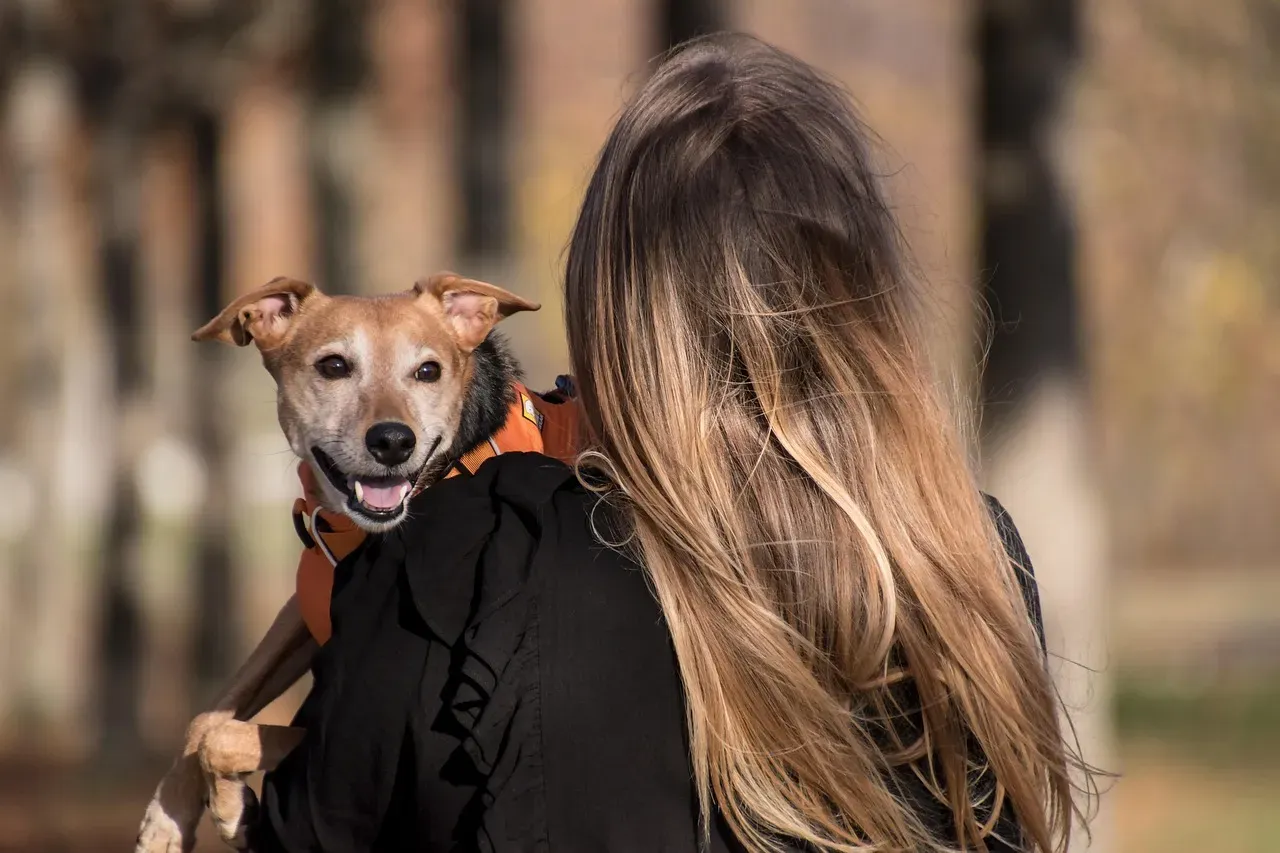
Dogs don’t just observe your emotions; they can “catch” them too through emotional contagion, a basic form of empathy where one individual mirrors another’s emotional state. If you’re anxious, your dog becomes anxious. If you’re relaxed, so are they.
A 2019 study found that some dog-human pairs had synchronised cardiac patterns during stressful times, with their heartbeats mirroring each other. Your hearts literally beat in sync during moments of stress. I know it sounds crazy, but the data backs it up.
Dogs have a remarkable ability to mirror human emotions, particularly distress and happiness, responding more strongly to the cries of humans than to other environmental sounds. That’s not learned behavior – that’s genuine emotional response.
This emotional contagion doesn’t require complex reasoning; it’s more of an automatic empathy arising from close bonding, with empathetic yawns or whines probably due to learned association and emotional attunement. Simple? Maybe. Profound? Absolutely.
Dogs’ emotional intelligence influences their ability to form close relationships with humans, with some studies indicating that dogs can even detect and respond to their owner’s stress levels. They’re not just companions. They’re emotional barometers.
Evolution Shaped Dogs to Love Us

Dogs became remarkably attuned to human emotions through their evolutionary journey alongside us, with dogs having smaller brains than their wild wolf ancestors but brains that may have rewired to enhance social and emotional intelligence. Domestication didn’t make dogs dumber – it made them different smart.
Foxes bred for tameness showed increased grey matter in regions related to emotion and reward, challenging the assumption that domestication makes animals less intelligent and suggesting that breeding animals to be friendly and social can enhance brain pathways that help them form bonds. The capacity for emotional connection is wired right into their neural architecture.
Thousands of years living as our companions have fine-tuned brain pathways for reading human social signals, and while your dog’s brain may be smaller than a wolf’s, it may be uniquely optimised to love and understand humans. They traded some cognitive abilities for social ones – a fair exchange considering their role in our lives.
Dogs’ ability to combine emotional cues may be intrinsic, and as a highly social species, such a tool would have been advantageous, with the detection of emotion in humans potentially selected for over generations of domestication. Understanding us became a survival strategy that eventually became love.
The next time your dog looks at you with those knowing eyes, remember they’re doing more than begging for treats. They’re reading your face, sensing your chemical signals, synchronizing with your heartbeat, and processing your emotional state through specialized brain regions that evolved specifically to understand you. We may have domesticated dogs, but in many ways, they’ve domesticated us too – teaching us about loyalty, presence, and unconditional connection.
What do you think about it? Does this change how you see your relationship with your dog?

- What It Means When Your Cat Stares at the Same Empty Corner at the Same Time Every Night – and the Three Explanations Competing for It - July 19, 2026
- What It Means When a Snake Crosses Your Path From Left to Right According to Every Southern Appalachian Tradition That Recorded It - July 19, 2026
- What It Means When Deer Stop Coming to an Area They Have Visited for Years – and What Wildlife Biologists Say They Are Detecting - July 19, 2026