

Have you ever caught your dog staring at you with those knowing eyes, almost as if they can sense exactly what you’re feeling? Maybe you’ve had a rough day and walked through the door to find your furry companion acting unusually gentle, offering comfort without you saying a word. It’s one of those moments that makes you wonder just how much they really understand.
Recent science is revealing something remarkable. Our dogs aren’t just reacting to treats or walks. They’re reading us, decoding the subtle shifts in our moods, expressions, and even our scent. The emotional intelligence of our canine companions goes far deeper than we ever suspected, and the latest research is painting a picture that might surprise even the most devoted dog lover.
Dogs Can Distinguish Authentic Human Emotions in Real Time

Let’s be honest, most of us have suspected our dogs know when we’re upset. Turns out, we were right. Recent research shows that dogs indeed perceive differences in human emotion and behave differently depending on their owner’s emotional state. The fascinating part? A new study published in Animal Cognition closes an important gap by testing how dogs respond in real time to genuine human emotions.
In these experiments, researchers manipulated owners to genuinely experience happiness, sadness, or neutrality through video clips. The dogs didn’t need context clues or verbal commands. Dogs behaved differently depending on the owner’s emotional state: they gazed and jumped less at owners when they were sad, and their compliance with the ‘sit’ command was also diminished. This wasn’t about trained responses. It was about dogs picking up on something much more subtle.
What makes this even more intriguing is that the owners didn’t even know the true purpose of the study. Researchers found that dogs behaved differently depending on their owner’s emotion, performing better at a training task with a happy owner. They were responding to authentic emotional shifts, not theatrical performances. Our dogs are essentially emotional detectives, constantly monitoring us for clues about how we’re feeling.
The Brain Science Behind Canine Emotional Recognition

Here’s where things get really interesting. Dogs aren’t just guessing when they read our emotions. Researchers found that dogs possess voice-processing regions in their temporal cortex that light up in response to vocal sounds, and dogs respond not just to any sound, but to the emotional tone of your voice. Their brains have evolved specific regions dedicated to processing human faces and voices.
Think about that for a moment. Dogs have a dedicated region of the brain for processing human faces, which helps explain their exquisite sensitivity to human social cues. This isn’t just general mammalian wiring. It’s specialized neural machinery that developed specifically for understanding us.
Even more remarkable, brain imaging studies show that when dogs hear emotional sounds or see facial expressions, their neural responses mirror those observed in human brains, particularly in areas associated with emotional processing and social communication. They’re not just seeing our faces. They’re processing them in ways that parallel our own emotional experience. Dogs may have smaller brains than their wolf ancestors, but domestication appears to have fine-tuned pathways specifically for decoding human emotions.
How Dogs Read Our Facial Expressions

Dogs pay exceptionally close attention to human faces. Recent studies suggest that dogs may have a natural inclination to focus on the left side of the human face, and when dogs look at human faces to determine emotions, they tend to gaze more at the left side (from their perspective) of the face rather than the right side. Why does this matter? The left side of the human face is controlled by the right hemisphere of the brain, which processes emotions more intensively.
Dogs can distinguish between different emotional expressions with surprising accuracy. Scientific studies have confirmed that dogs can differentiate between human emotional expressions, and they show particular skill in distinguishing between happy and angry faces, even when shown only half of a face. It’s not about reading the whole picture. They’re picking up on specific facial cues that signal our emotional state.
Dogs mouth-licked when they saw images of angry human faces, but not when they heard angry voices, emphasizing the importance of the visual cues, and mouth-licking can be an appeasement signal during dog-dog communications. They’re responding to what they see in our faces, adjusting their own behavior accordingly. When I’m stern with my dog, she immediately picks up on my expression and responds before I’ve even finished speaking.
The Surprising Truth About How We Misread Dogs
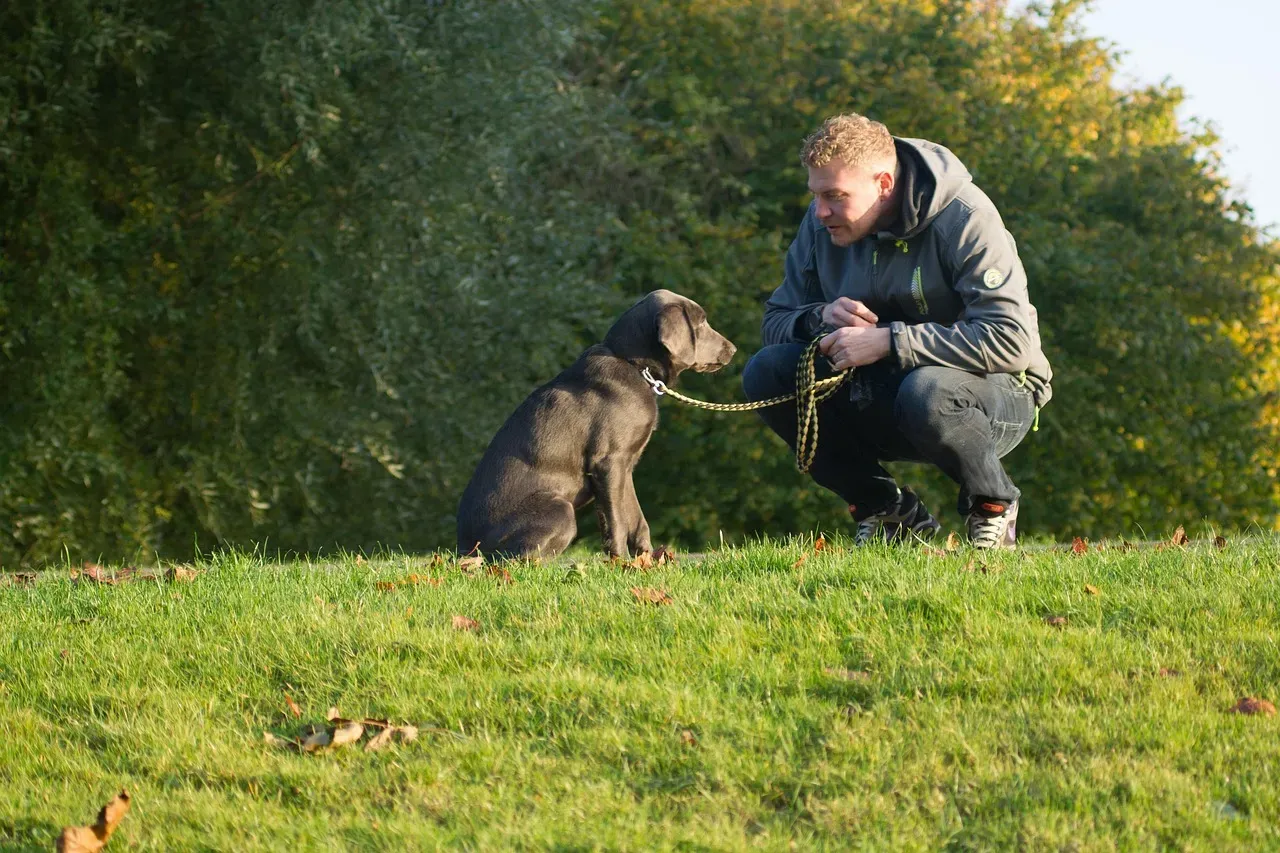
Now here’s the twist that honestly threw me. While dogs excel at reading our emotions, we’re surprisingly terrible at reading theirs. Humans typically do not have a good understanding of the emotional state of their dog because they judge the dog’s emotions according to the context of the event they witness, and people do not look at what the dog is doing, instead they look at the situation surrounding the dog.
Despite intense intuitions, people are poor at recognizing the emotional states of dogs, and instead, we look at everything around the dog to guess what our pet must be feeling but fail to look closely at the animal itself. We see a dog getting a treat and assume happiness, or witness a dog near a vacuum cleaner and project fear. Yet we’re often wrong about what the dog is actually experiencing.
Even stranger, Several studies have shown that dogs are remarkably good at recognizing human emotional expressions, and where our comprehension of dogs’ emotions is so weak, their understanding of us is remarkably strong. This creates an imbalanced relationship where our dogs understand us far better than we understand them. It’s almost comical when you think about it.
Dogs Can Smell Our Emotions
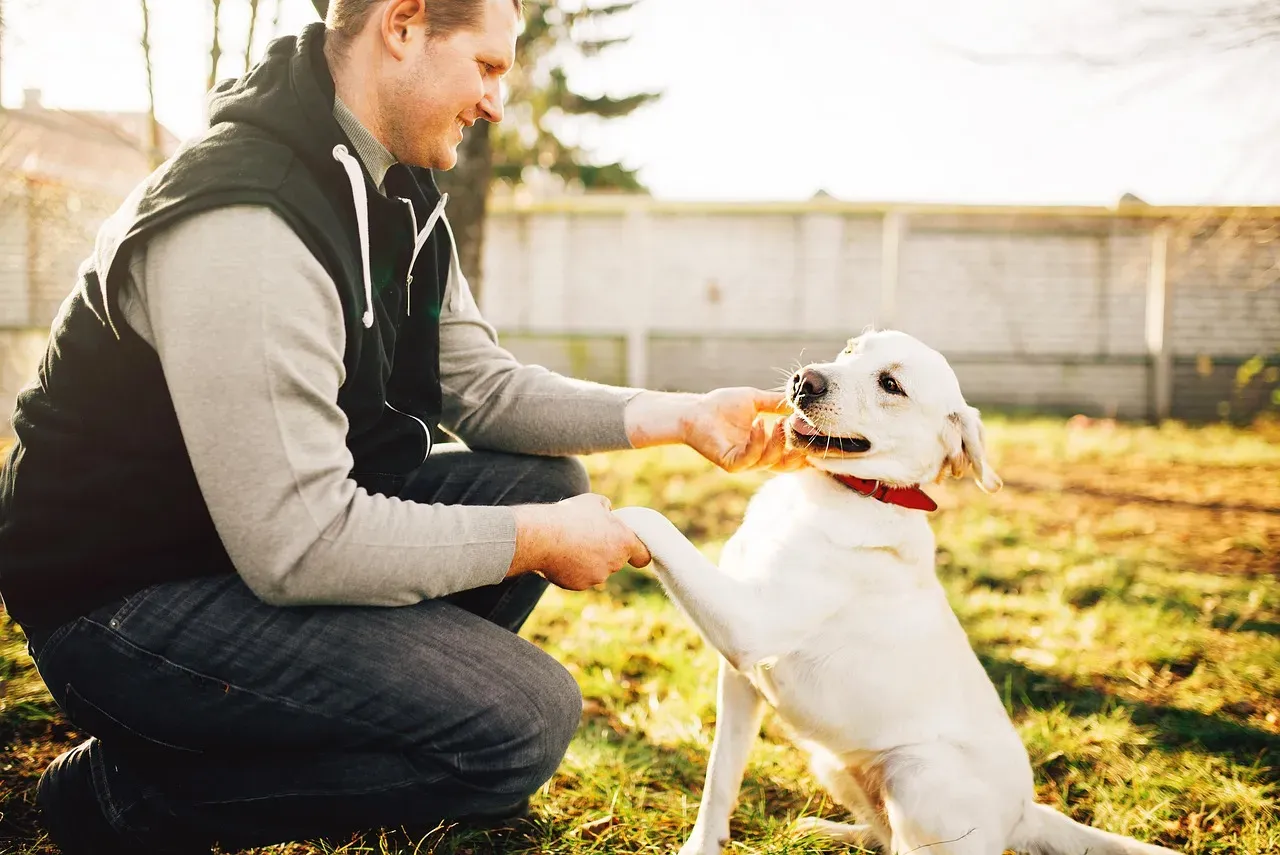
Vision isn’t the only tool dogs use to decode our emotional states. Their sense of smell plays a massive role. Studies at Emory University have shown that dogs’ brains respond most strongly to their owners’ scents, and they can detect subtle chemical changes in human bodies that occur with different emotional states. When you’re stressed, anxious, or happy, your body releases different chemical signatures.
In a 2018 study, dogs exposed to sweat from scared people exhibited more stress than dogs that smelled “happy” sweat, and in essence, your anxiety smells unpleasant to your dog, whereas your relaxed happiness can put them at ease. This explains why dogs often seem to know you’re upset even before you’ve shown any visible signs. They’re literally smelling the emotional shift in your biochemistry.
This olfactory ability is part of why dogs make such effective emotional support animals. They’re not just responding to what they see or hear. They’re gathering information from multiple sensory channels simultaneously, creating a complete picture of your emotional landscape. It’s hard to hide anything from a creature with that level of perceptual sophistication.
The Emotional Bond Between Humans and Dogs
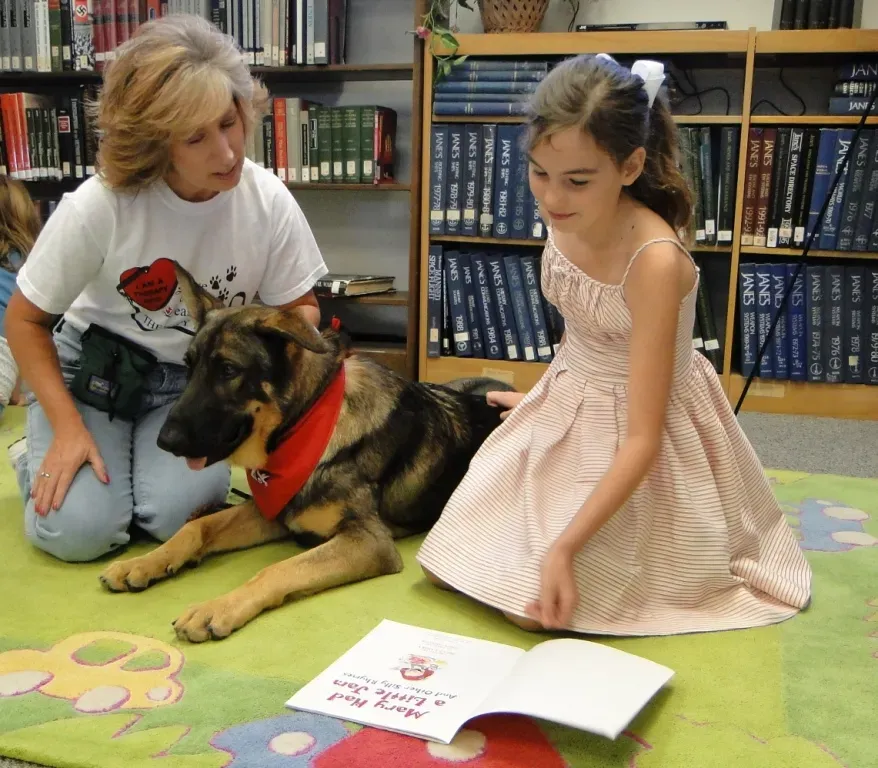
What really seals the deal is oxytocin, often called the love hormone. When dogs and humans make eye contact, both experience a surge of oxytocin. This creates a positive feedback loop that strengthens the emotional bond between species. Studies have revealed that dogs possess oxytocin responses similar to humans, underlying their capacity for forming strong emotional connections.
A 2019 study found that some dog-human pairs had synchronized cardiac patterns during stressful times, with their heartbeats mirroring each other, and this emotional contagion doesn’t require complex reasoning – it’s more of an automatic empathy arising from close bonding. Our hearts literally beat in sync during moments of stress. That’s not just metaphorical connection. It’s physiological synchronization.
Dogs may not be empathetic in the way humans define empathy, but their ability to perceive and distinguish human emotions is still highly valuable, and further research holds the potential to provide deeper insights into this dynamic with regard to many areas of the human-dog relationship, particularly the training of assistance dogs. Whether or not dogs experience true empathy in the cognitive sense, the practical result is the same. They connect with us on an emotional level that few other species can match.
Conclusion: A Two-Way Street That Needs Better Balance

The evidence is clear. Dogs possess a remarkable ability to understand human emotions, far surpassing what most of us imagined. They’ve evolved specialized brain regions, refined sensory abilities, and developed behavioral responses specifically tuned to decode our emotional states. Dogs are remarkably good at recognizing human emotional expressions, and they can tell what emotion a human face is showing or respond with empathetic concern to a weeping person.
Yet here’s the thing that keeps nagging at me. While our dogs work so hard to understand us, we often fail to return the favor. We project our own emotions onto them, misread their signals, and judge their feelings based on context rather than actually observing their behavior. If we truly want to honor the incredible emotional intelligence our dogs bring to the relationship, we need to become better students of their language.
So next time your dog gazes at you with those knowing eyes, remember they’re reading you like a book you didn’t know you were writing. Maybe it’s time we learned to read them with the same dedication they show us. What do you think – are you ready to start paying closer attention to what your dog is really telling you?
