

You probably don’t give much thought to the animals you see wandering through your backyard every day. They’re just there, right? Scurrying around, nibbling on seeds, or rustling through the bushes. Honestly, we tend to overlook them entirely, dismissing them as ordinary creatures going about their ordinary business. Yet these familiar animals harbor astonishing abilities that scientists are only beginning to fully understand.
Some of these talents sound like they belong in a science fiction novel rather than your local ecosystem. From memory feats that rival our own capabilities to immune systems that could revolutionize medicine, these backyard residents are far more extraordinary than you’d imagine. Let’s dive in and discover what makes these common creatures anything but ordinary.
Squirrels: Memory Masters with Cognitive Maps
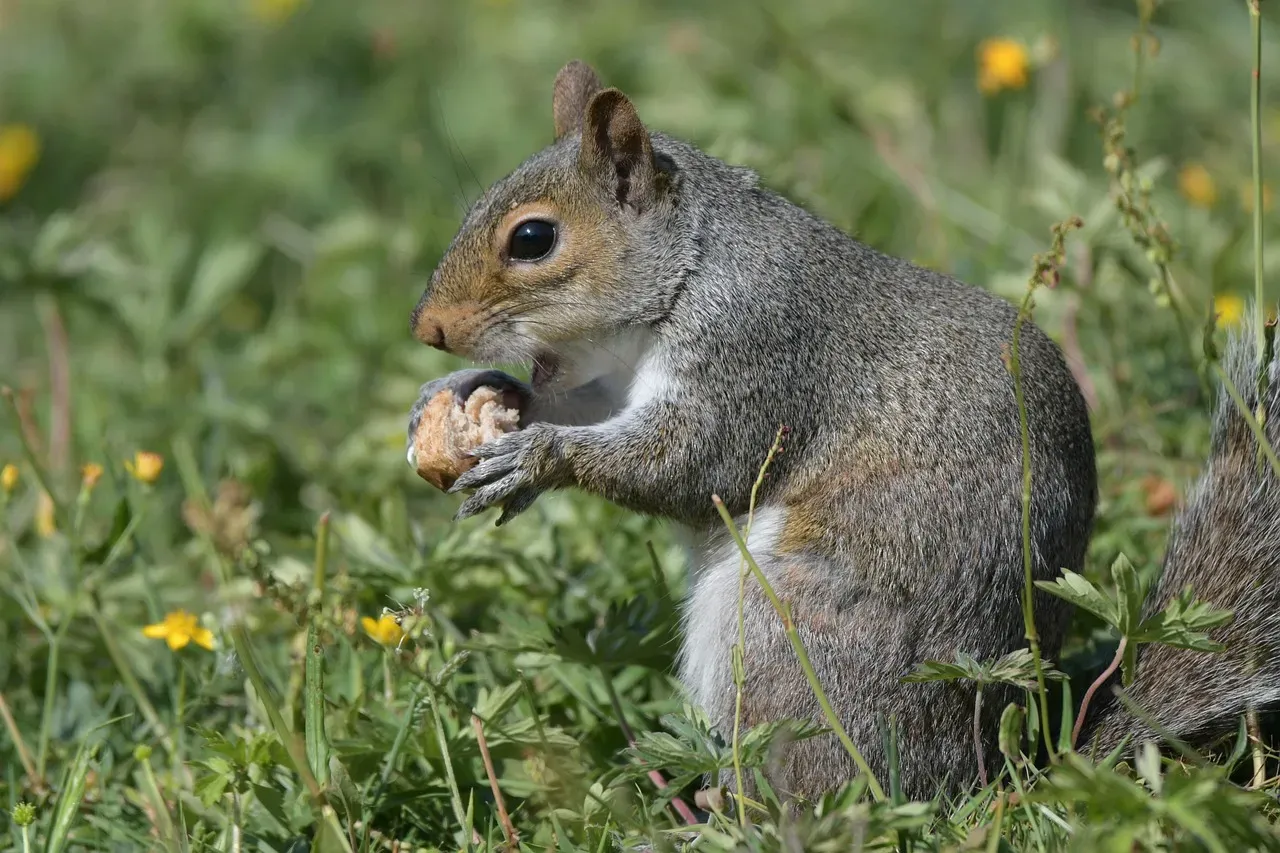
Here’s the thing about squirrels. They’re not just frantic furballs racing up trees. These bushy-tailed acrobats possess cognitive maps to remember where they’ve stashed their nuts. Think about that for a second. A single squirrel can bury thousands of nuts across vast areas each autumn, yet somehow manage to locate most of them months later when food becomes scarce.
They can remember the locations of hundreds of buried nuts, optimizing their foraging strategies throughout brutal winter months. That’s not simple luck or random digging. Grey squirrels are known to have good long-term memory — they are “scatter-hoarders,” collecting and hiding thousands of nuts every autumn, which demands remarkable spatial awareness.
What really blows my mind is their problem-solving retention. Scientists observed how these animals could recall problem-solving techniques nearly two years after their initial exposure, taking only a few seconds to succeed when presented with the same puzzle. Imagine remembering how to solve a complex task almost two years later without any practice in between.
Squirrels use spatial chunking, segregating nuts by type when they bury them. It’s the same strategy humans use to organize information, grouping similar items together to boost memory capacity. They’re essentially creating mental filing systems in nature. Part of the hippocampus increases in male squirrels specifically during the caching season in the fall, showing their brains physically adapt to support these memory demands.
Researchers studying squirrel cognition have found these critters can not only remember tricks for getting food but can apply those skills in new situations. This cognitive flexibility means they’re constantly outsmarting bird feeders and adapting to human environments. No wonder your supposedly squirrel-proof feeder never quite lives up to its name.
Crows: Problem-Solving Geniuses Who Craft Their Own Tools
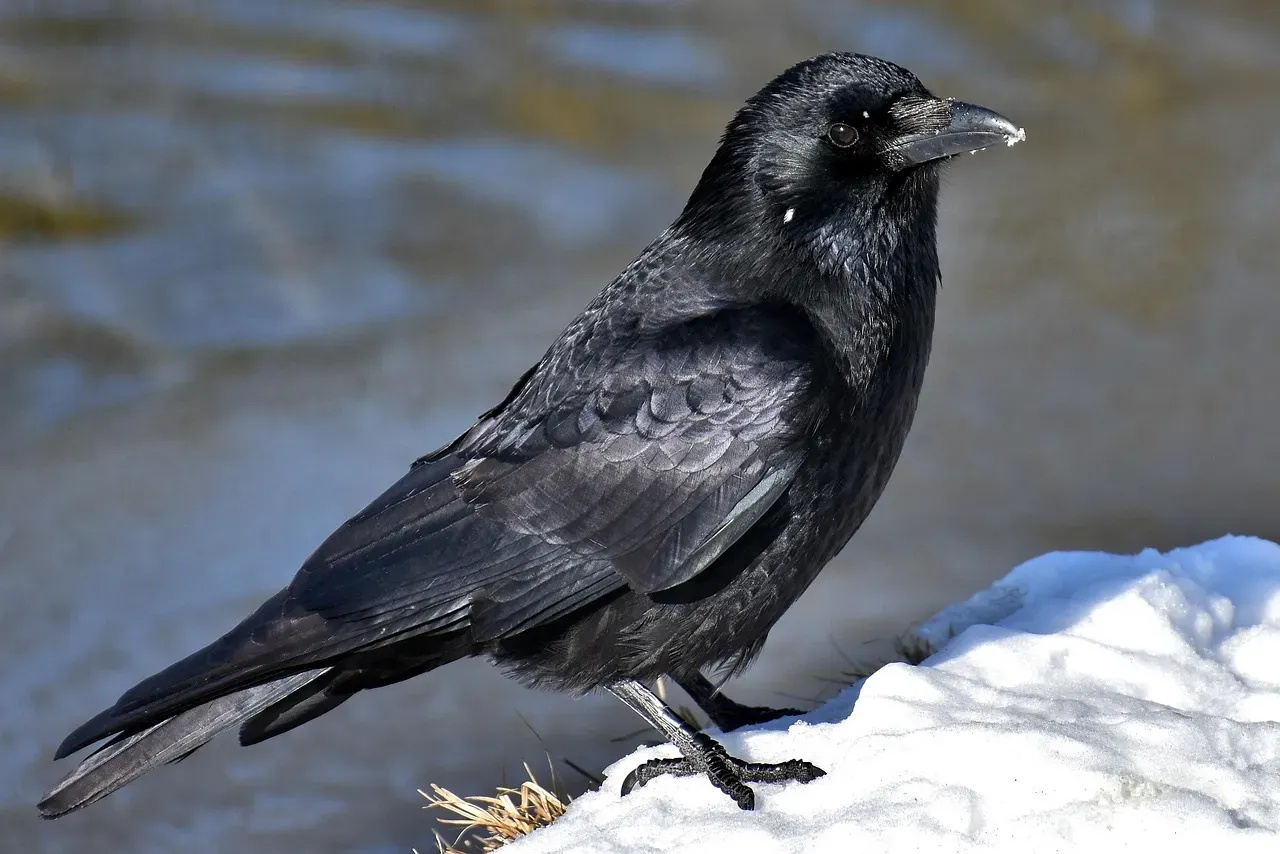
Some say their intelligence can be comparable to that of a seven-year-old child. Let that sink in. The black bird cawing outside your window might possess cognitive abilities rivaling a second grader. Crows aren’t just smart for birds; they’re genuinely intelligent creatures by almost any measure.
These feathered geniuses don’t merely use tools. They fashion tools from twigs, forming them into the right shape for the job, making hooked tools to snag food. New Caledonian crows are smart enough to create their own tools – in the wild and the lab – by shaping one end of a stick or wire into a hook to retrieve otherwise unreachable food. Researchers have described this technology as analogous to early human innovation.
Crows kept in mind the location and identities of out-of-sight tools and apparatuses while planning and performing a sequence of tool behaviors. They’re mentally representing problems, planning multiple steps ahead like chess players contemplating future moves. This isn’t instinct or simple conditioning at work.
Crows and other corvids exhibit remarkable intelligence – including tool use, problem-solving, memory and even social awareness. Studies have shown that some species of crows can recognize human faces, use tools, play games, and even hold funerals. Yes, you read that correctly. They hold what appear to be funeral gatherings for deceased members of their group.
Crows cache food, and will move it if another creature sees them hiding it, demonstrating awareness that other beings have their own perspectives and knowledge. That’s theory of mind, a cognitive skill once thought exclusive to humans and a few primate species. Pretty remarkable for a bird you might’ve shooed away from your trash can this morning.
Rabbits: Silent Communicators with Complex Language

Rabbits seem simple enough. Fluffy, quiet, hopping around nibbling grass. Yet these seemingly reserved creatures possess a combination of body language signals and vocalizations that allow them to develop a hierarchy and exhibit affection and displeasure within their social groups.
The number one way that rabbits talk with each other is through their body language, far more common than sounds. Even the speed of a rabbit’s nose wiggle can communicate a lot, telling other rabbits that they are hot, stressed, relaxed, or even when they are asleep. Every twitch and position carries meaning in their silent conversations.
In the world of rabbits, thumping is used in burrows to announce danger to the other rabbits. This alarm signal can travel through ground vibrations, warning an entire warren of approaching threats. It’s an elegant early warning system that’s served rabbits for millennia.
Rabbits combine visual signals and subtle noises to communicate with both humans and fellow rabbits. They’re reading each other constantly through ear positions, body posture, and the tiniest behavioral cues. A rabbit approaching another with ears forward may be curious and cautious, while a rabbit who throws their ears back at a 45º angle is giving the other rabbit an aggressive warning.
What’s fascinating is how quickly they can convey complex emotional states. A content rabbit might suddenly become alert, communicating danger, then return to relaxation all within moments. Their communication system is remarkably efficient for creatures many people assume have limited social complexity. Next time you see a rabbit in your yard, watch those ears closely. There’s a whole conversation happening.
Opossums: Immune System Superpowers Against Deadly Diseases
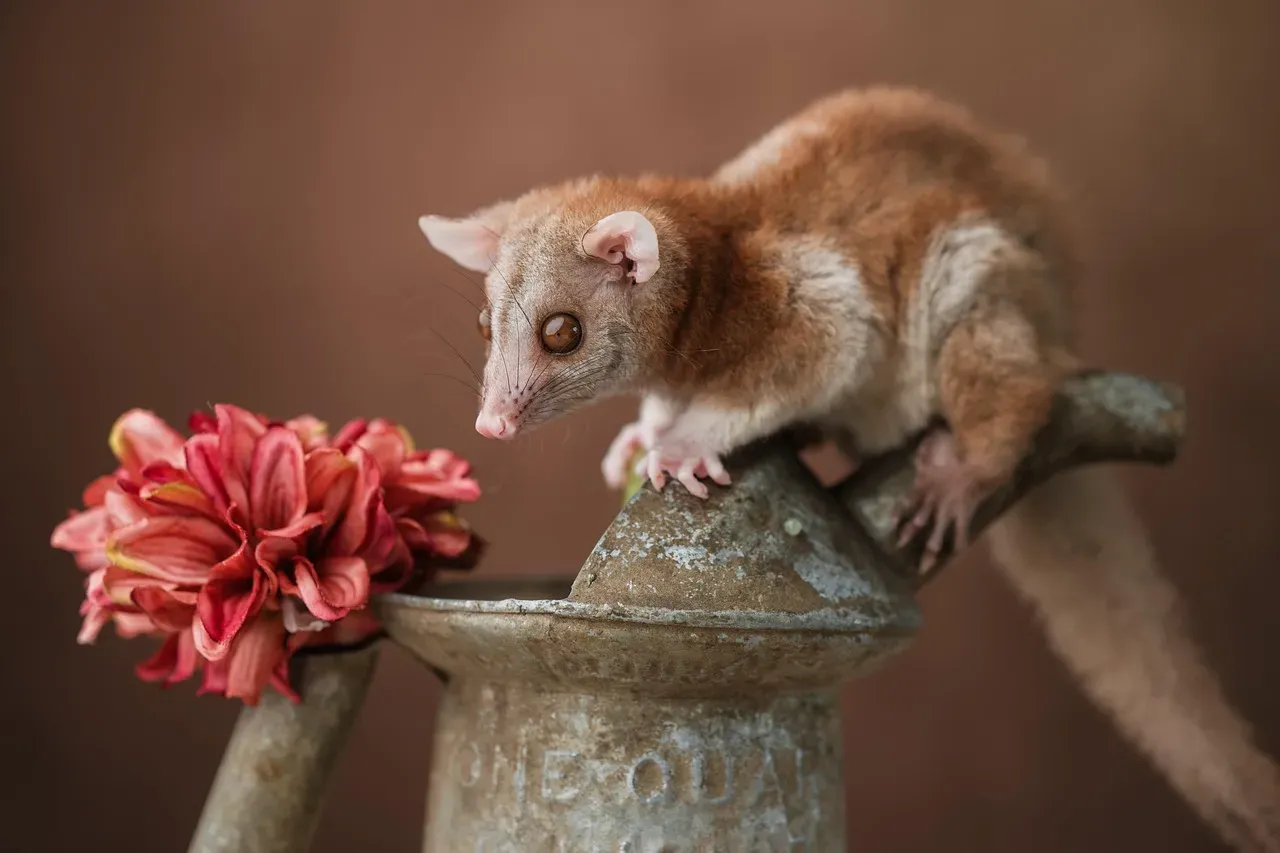
Opossums get a bad reputation, often seen as ugly, slow, or disease-ridden. The reality couldn’t be more different. These misunderstood marsupials possess perhaps the most remarkable immune system in your backyard.
They are nearly impervious to rabies because their body temperature is too low to host the rabies virus. While other mammals fall victim to this deadly disease, opossums simply walk away unaffected. They also rarely catch Lyme disease from tick bites, and are immune to the stings of honeybees and scorpions, botulism toxin, and snake venom.
Opossums have a special protein called Lethal Toxin-Neutralizing Factor (LTNF) that can neutralize snake venom, rabies virus, and even the bacteria that cause botulism. This protein is not found in any other animal, making opossums the only known mammal that is immune to venomous snakebites. Think about that. A creature you might find rummaging through your compost could survive a rattlesnake bite that would kill your dog.
Opossum peptides have been found to be effective against a wide range of pathogens, including the bacteria that cause Lyme disease. Researchers are exploring these peptides as potential new antibiotics against drug-resistant infections. They can kill up to 5,000 ticks in one season, helping to reduce their number and therefore the possibility of infection for other animals and humans alike.
Scientists are studying opossums’ immune systems to develop treatments for human diseases. Researchers have already used LTNF to successfully treat mice infected with the deadly Ebola virus. That awkward creature shuffling through your backyard at night might hold keys to fighting some of humanity’s most dangerous infections. Pretty impressive for an animal most people try to chase away.
Pigeons: Navigation Experts with Built-In Compasses
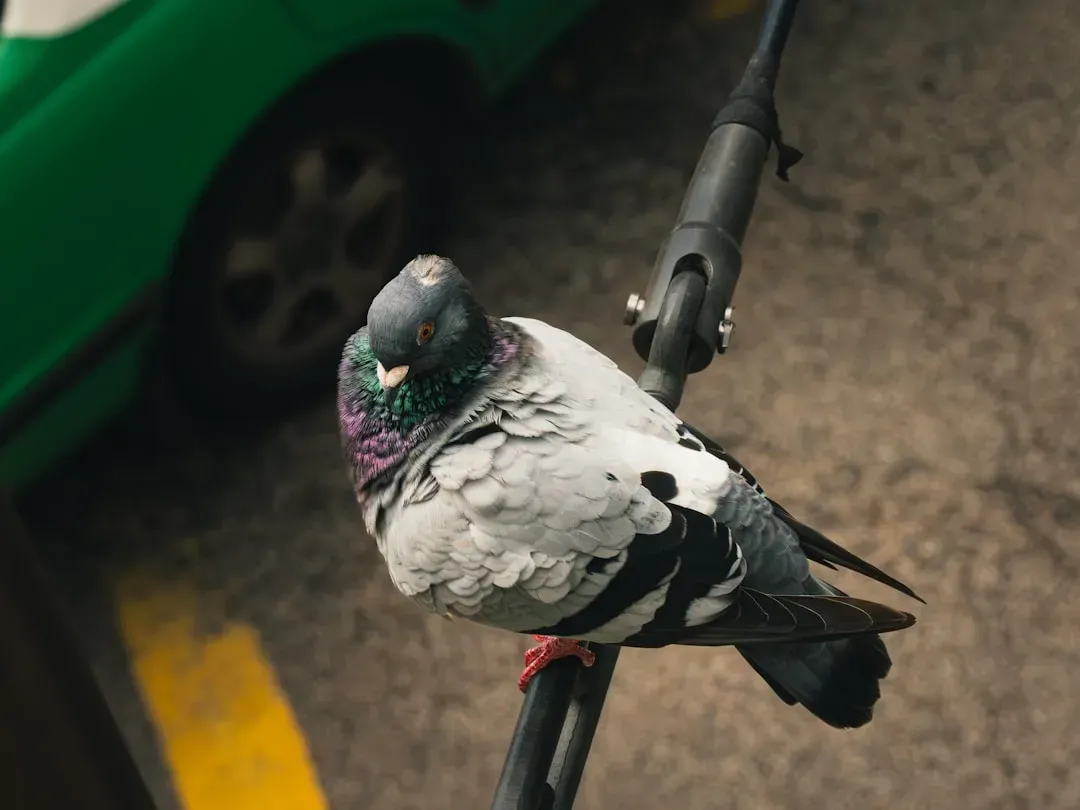
City pigeons might seem like flying rats to some, but these birds are extraordinary navigators. Homing pigeons possess an extraordinary gift: the ability to find their way home over vast distances using Earth’s magnetic fields, the position of the sun, and even specific landmarks. This multi-sensory navigation system rivals anything humans have engineered.
Pigeons can detect the Earth’s magnetic field through specialized cells containing magnetite crystals in their beaks. It’s like having a biological GPS and compass combined. They integrate information from multiple sources simultaneously, creating complex mental maps that guide them across unfamiliar terrain.
This impressive ability has been admired and utilized by humans throughout history, notably for carrying messages during wartime. Before radio and satellite communications, militaries relied on these birds to carry crucial information across enemy lines. Pigeons received medals for their service, saving countless lives through their navigation prowess.
What makes this even more remarkable is their ability to navigate in conditions that would confuse modern technology. Overcast skies, unfamiliar landscapes, even being transported to completely unknown locations hundreds of miles away won’t stop a pigeon from finding home. They continuously recalibrate their internal navigation system based on available information.
Research suggests pigeons also use olfactory cues, detecting subtle differences in atmospheric odors to orient themselves. They’re processing an incredible amount of sensory data constantly, integrating it into actionable navigation decisions. The next time you see pigeons pecking around your driveway, remember they could probably find their way home from farther away than you could without your smartphone.
Dogs: Thermal Vision Through Their Noses
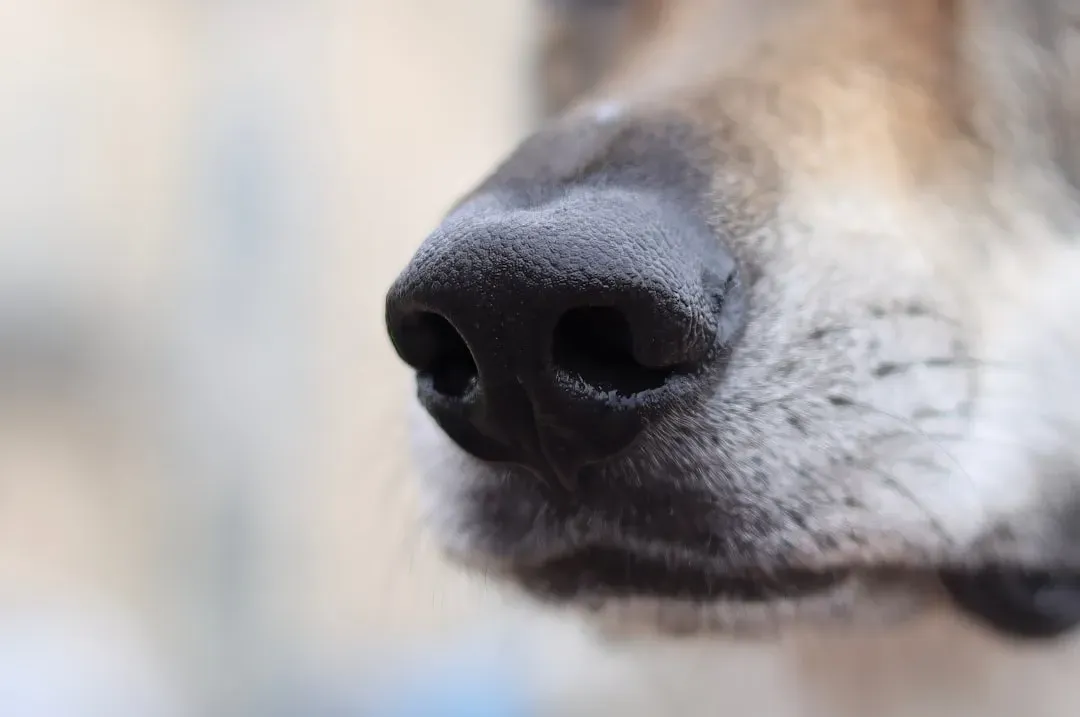
Dogs have a special patch of skin on their noses that can detect subtle changes in thermal radiation, giving them the ability to “see” warmth from a distance – like a living heat sensor. This discovery, made in recent years, reveals capabilities we never suspected our canine companions possessed.
This ability may help them track warm-blooded prey, even without sight or scent cues. It explains why dogs can detect living creatures in complete darkness or through barriers that block other sensory information. They’re literally sensing the heat signature of life itself.
Combined with their already legendary sense of smell, this thermal detection creates an incredibly sophisticated sensory system. Dogs aren’t just smelling the world differently than us – they’re perceiving temperature variations we can’t even imagine. Every warm body leaves a thermal signature they can detect and interpret.
This explains some behaviors that previously puzzled researchers and dog owners alike. How dogs can find hidden animals, detect people on the other side of closed doors, or track prey through challenging conditions. They’re operating with an additional sense we simply don’t possess.
Think about search and rescue dogs finding people buried under rubble or trapped in collapsed buildings. That thermal sensing ability, working alongside their incredible olfactory system, makes them irreplaceable in disaster response. Your family dog playing in the backyard is equipped with sensory capabilities that make sophisticated thermal imaging cameras look primitive by comparison. Not bad for a creature that still gets excited about squirrels.
Bees: Mathematical Geniuses Who Understand Zero
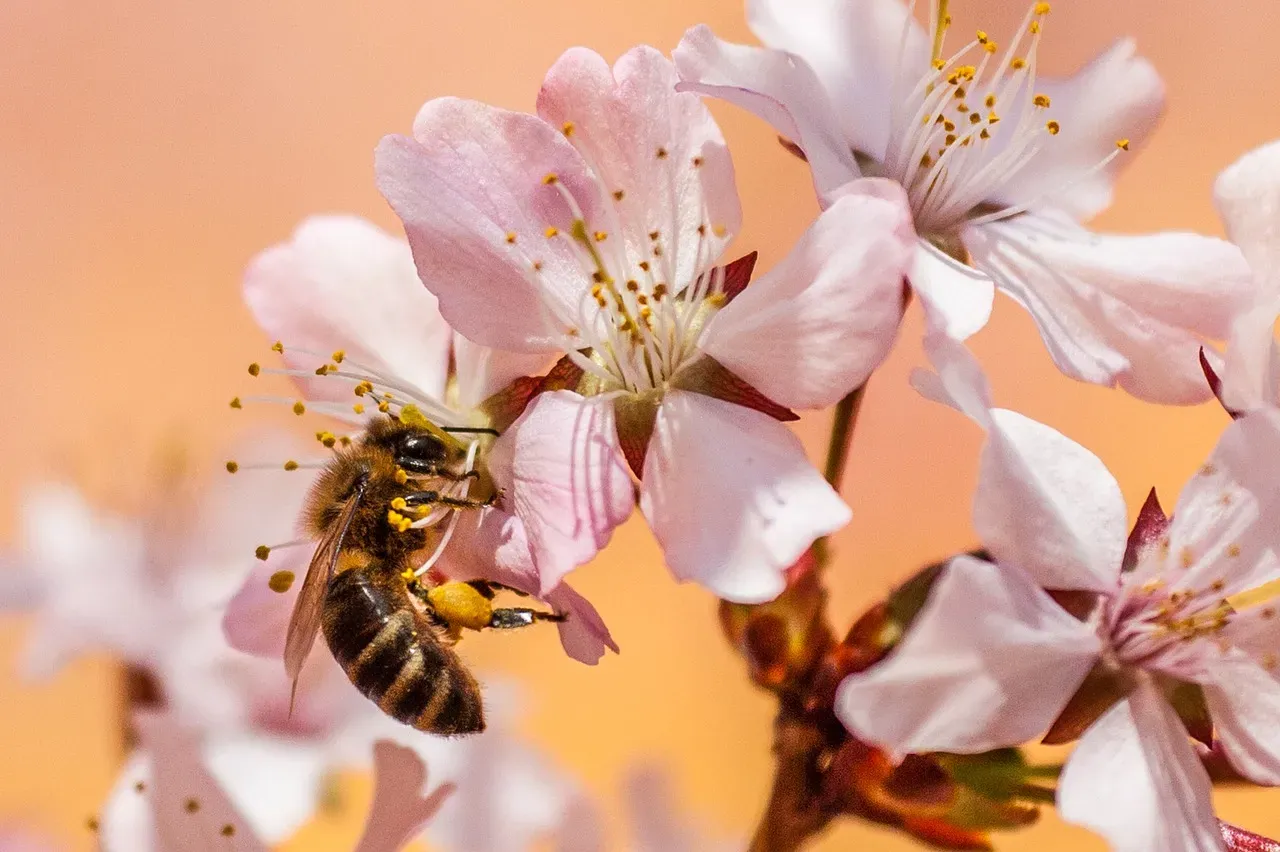
Bees could rank numbers and even grasp the concept of “none,” consistently recognizing that zero was the smallest when given a choice between cards showing zero vs. other quantities. Understanding zero as a mathematical concept is incredibly sophisticated. Many human cultures throughout history lacked a concept of zero, yet honeybees figured it out.
These tiny insects with brains smaller than a pinhead are performing abstract mathematical reasoning. They’re not just counting objects; they’re understanding numerical relationships and the absence of quantity as a distinct concept. That requires a level of abstraction most people wouldn’t associate with insects.
Bees use these mathematical abilities constantly when foraging. They calculate the most efficient routes between flowers, estimate distances, and even perform cost-benefit analyses about whether a flower patch is worth visiting based on nectar concentration and travel time. It’s operational research happening in a brain that weighs less than a milligram.
Researchers studying bee cognition continue discovering new layers of complexity in these insects’ mental capabilities. They can learn, remember, communicate complex information through dance, and teach each other. They recognize individual human faces and can categorize objects based on abstract concepts.
The bee buzzing around your garden isn’t just a simple pollination machine. It’s a sophisticated problem-solver performing calculations and making decisions based on complex mathematical concepts. When you see bees working your flowers this spring, you’re watching tiny mathematicians at work, each one capable of conceptual thinking that challenges our assumptions about intelligence itself.
Conclusion
The animals sharing your backyard are living proof that extraordinary abilities hide in plain sight. These aren’t exotic species from distant rainforests or deep oceans. They’re the creatures you see every day, the ones you’ve probably stopped noticing altogether. Yet each possesses talents that continue surprising scientists and challenging what we think we know about animal intelligence and adaptation.
From squirrels building mental maps that rival GPS systems to opossums with immune superpowers that could revolutionize medicine, nature has engineered remarkable solutions right outside your window. These animals deserve far more respect and appreciation than we typically give them. Their abilities reveal the incredible complexity and sophistication of life adapting to survive and thrive.
Maybe it’s time to look at your backyard wildlife differently. Those aren’t just random critters making noise or raiding your bird feeder. They’re cognitive specialists, immune system superheroes, mathematical geniuses, and communication experts. What other secrets are they keeping? Which backyard neighbor surprised you the most?
