
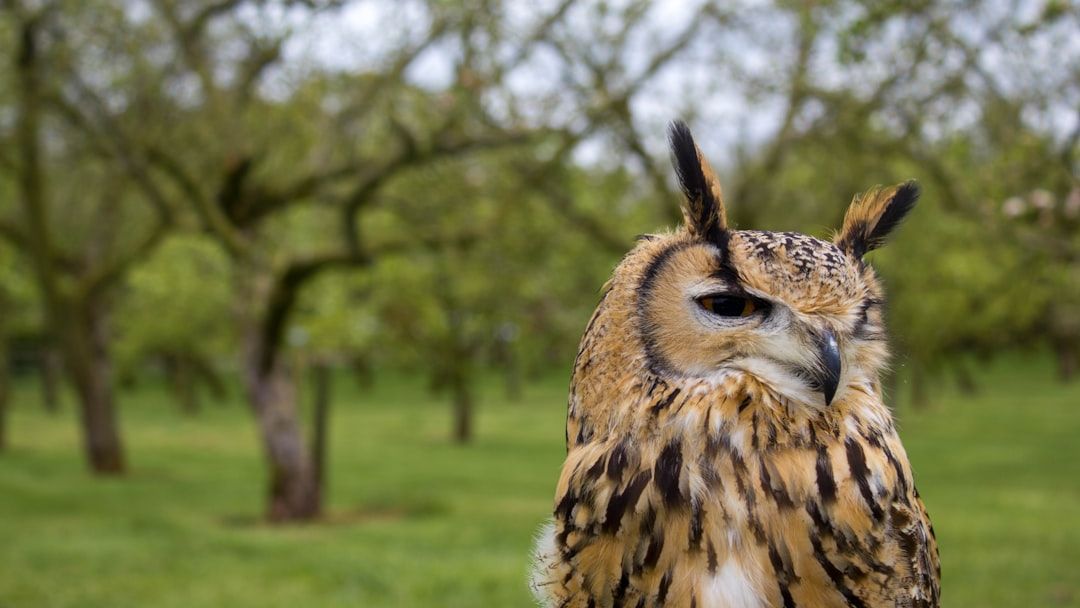
Picture this: the sun has vanished beyond the horizon, and darkness swallows the landscape completely. You’d stumble over every root, miss every rock, and likely become hopelessly lost within minutes. Yet somewhere in that same blackness, a bat is snatching mosquitoes from midair with surgical precision. An owl swoops silently toward prey it somehow pinpointed beneath six inches of snow. A rattlesnake strikes at a scurrying mouse it never actually saw.
How is any of that possible? The secret world of nocturnal hunting is stranger and more fascinating than most people realize. These creatures aren’t just “seeing better” in the dark – many have evolved entirely different sensory systems that turn the night into something we can barely imagine. From sound maps to heat vision, the ways animals navigate total darkness reveal nature at its most inventive. Let’s dive in.
Enhanced Night Vision: More Than Just Big Eyes
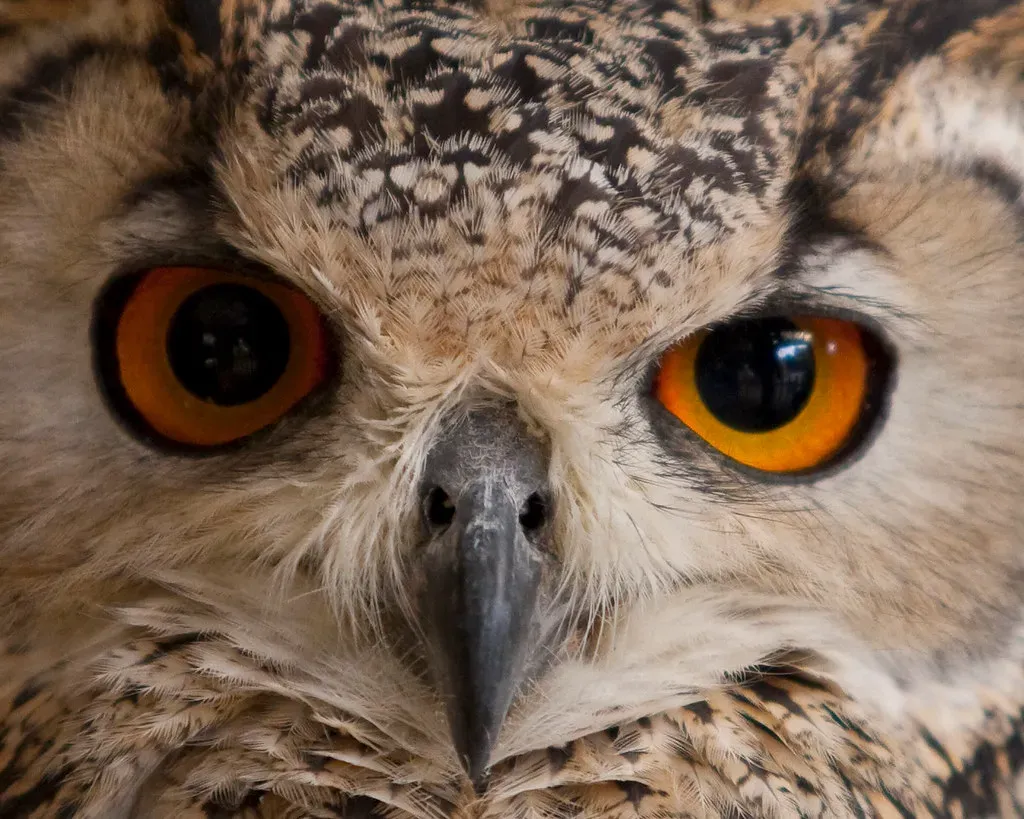
Many nocturnal animals have significantly larger eyes relative to their body size, containing a higher concentration of rod cells specialized for low-light conditions. Think about an owl’s eyes for a moment. They’re so massive they actually make up roughly three percent of the bird’s total body weight, which is a thousand times greater than the eye-to-body ratio in humans.
Those oversized peepers aren’t just for show. Nocturnal animals typically have a much higher proportion of rods compared to cones, allowing them to detect shapes, shadows, and motion in conditions where human eyes would register only darkness. A domestic cat, for instance, has six to eight times more rod cells than we do. This means they can see in light levels roughly one-sixth as bright as what people require.
Here’s the really clever part: many nocturnal predators possess a reflective layer behind their retina called the tapetum lucidum, which acts like a mirror to bounce light back through the retina a second time, effectively doubling their ability to capture available light. This is exactly why cats’ eyes glow eerily when you shine a flashlight at them. The light isn’t coming from inside – it’s reflecting back out after getting a second chance to stimulate those precious photoreceptors.
Still, there’s a trade-off. Night vision prioritizes sensitivity over sharpness and color perception. The trade-off is reduced color vision and less detail compared to diurnal animals, as night vision prioritizes sensitivity over sharpness. For a nocturnal hunter, though, detecting movement and shapes matters infinitely more than admiring the vibrant hues of a sunset they’ll never see anyway.
Rodents, owls and badgers have home ranges in which they remain all their lives, and such animals soon learn all the nooks and crannies in their patches, gaining information by day, dusk or on moonlit nights, and know them like the back of their hands, even in complete darkness. Local knowledge becomes a sixth sense all its own.
Echolocation: Seeing With Sound
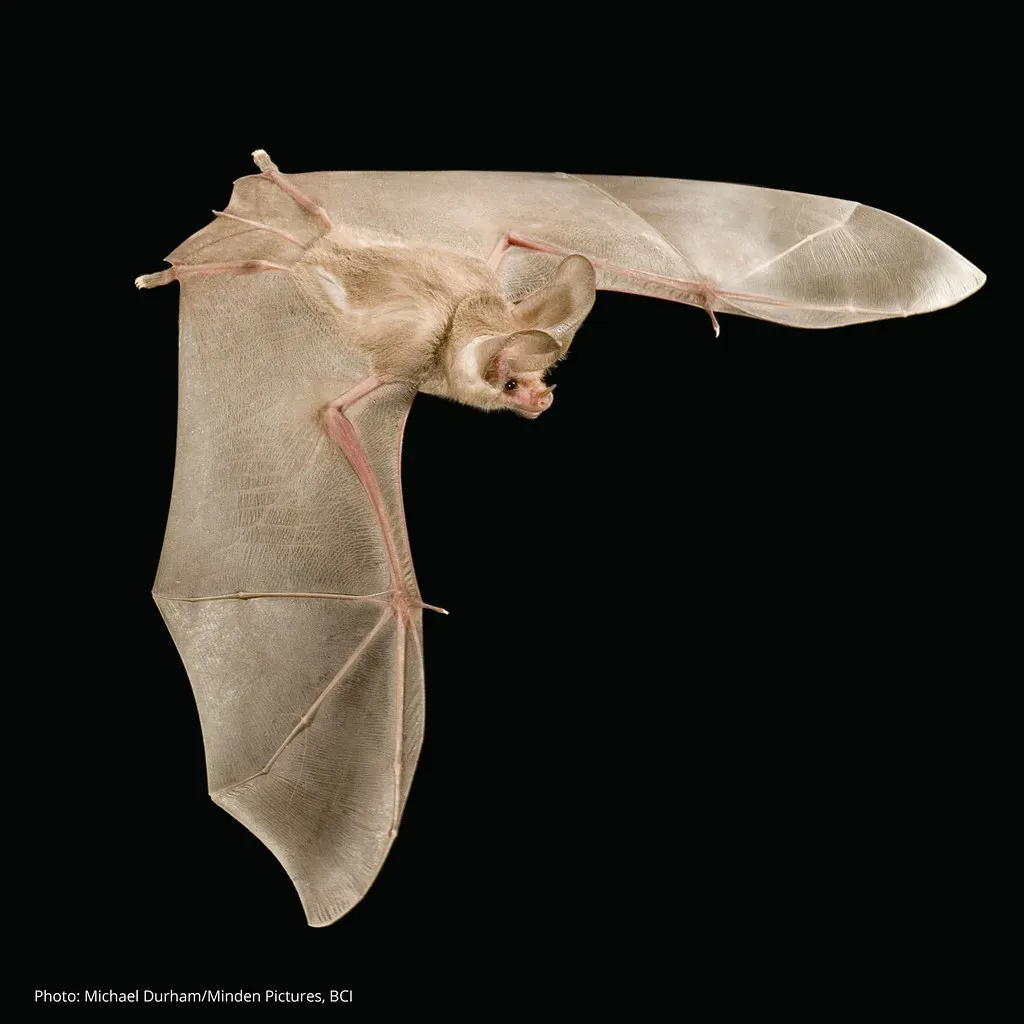
Let’s be real – echolocation sounds like science fiction. Yet it’s one of the most sophisticated biological systems on the planet. Most insectivorous bats use echolocation, emitting high-frequency calls and listening for the echoes bouncing back from objects and prey, allowing them to build a three-dimensional sound picture of their environment with astonishing detail, detecting insects as small as mosquitoes in complete darkness.
Bats can detect an insect up to 5 meters away, work out its size and hardness, and can also avoid wires as fine as human hairs. As the bat closes in on its target, it cranks up the frequency of its calls to pinpoint the prey with even greater accuracy. To avoid being deafened by its own shrieks, the bat temporarily turns off its middle ear just before calling, restoring its hearing a split second later to catch the returning echoes.
The precision is frankly mind-blowing. Scientists determined echolocation to be twice as effective as vision when it comes to finding prey in dim or dark conditions, with vision detecting insects up to 20 feet away but echolocation detecting them 40 feet away. Echolocation isn’t hindered by trees, brush, or environmental clutter the way vision can be.
I think what’s most fascinating is how versatile this system is. Different bat species have evolved specialized calls optimized for their specific hunting environments. Those hunting in open spaces use lower frequency calls that travel farther, while bats navigating dense forests use higher frequencies that provide more detail at shorter ranges.
Bats aren’t alone in this talent. Dolphins and toothed whales use the same principle underwater, and on land, a few nocturnal birds, such as oilbirds and swiftlets, also use echolocation to navigate dark caves. The convergent evolution of this ability across such different species tells you just how effective it is.
Thermal Sensing: Hunting by Heat Signature
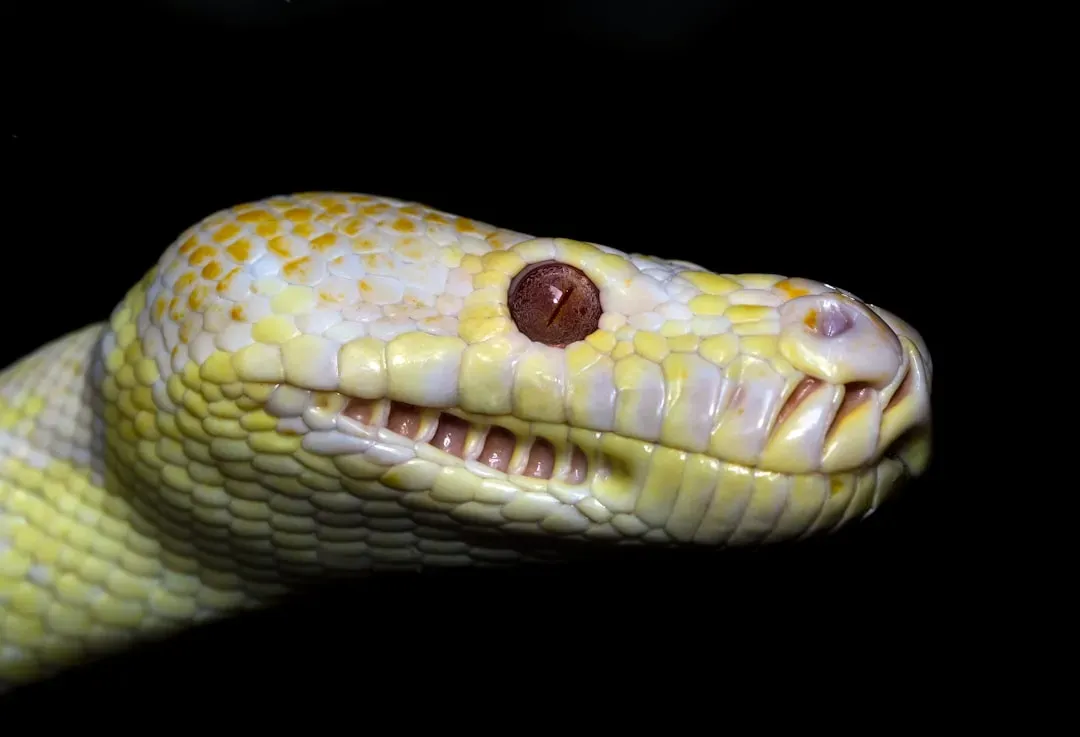
If echolocation seems otherworldly, infrared detection takes things to another level entirely. Some snakes have heat-sensing pit organs that detect the infrared radiation emitted by warm-blooded prey, allowing them to “see” heat signatures in complete darkness. Pit vipers – including rattlesnakes – possess specialized facial pits located between their eyes and nostrils that function as thermal detectors.
Venomous pit vipers detect warm-blooded prey through their ability to sense infrared radiation, and superimposition of thermal and visual images within the snake’s brain enables it to track animals with great precision and speed. These pit organs are so sensitive they can detect temperature differences as small as 0.001 degrees Celsius. To a rattlesnake moving through the desert night, a tiny mouse radiates like a beacon of warmth against the cooler ground.
The evolutionary ingenuity here is remarkable. The ability to sense infrared thermal radiation evolved independently in three different groups of snakes, consisting of the families of Boidae (boas), Pythonidae (pythons), and the subfamily Crotalinae (pit vipers). This is convergent evolution at its finest – nature solving the same problem in similar ways across unrelated lineages.
The more advanced infrared sense of pit vipers allows these animals to strike prey accurately even in the absence of light, and detect warm objects from several meters away. Recent research suggests these organs aren’t just for hunting. Recent evidence suggests that the pit organ is also used for thermoregulation, as in experiments testing snakes’ abilities to locate a cool thermal refuge in an uncomfortably hot maze, all pit vipers were able to locate the refuge quickly while true vipers were unable to do so.
Honestly, the idea that a snake can essentially “see” in infrared while simultaneously processing visual information is almost too cool to believe. The brain integrates both sources into a unified perception of the world – talk about sensory superpowers.
Supersonic Hearing: Triangulating in Total Darkness
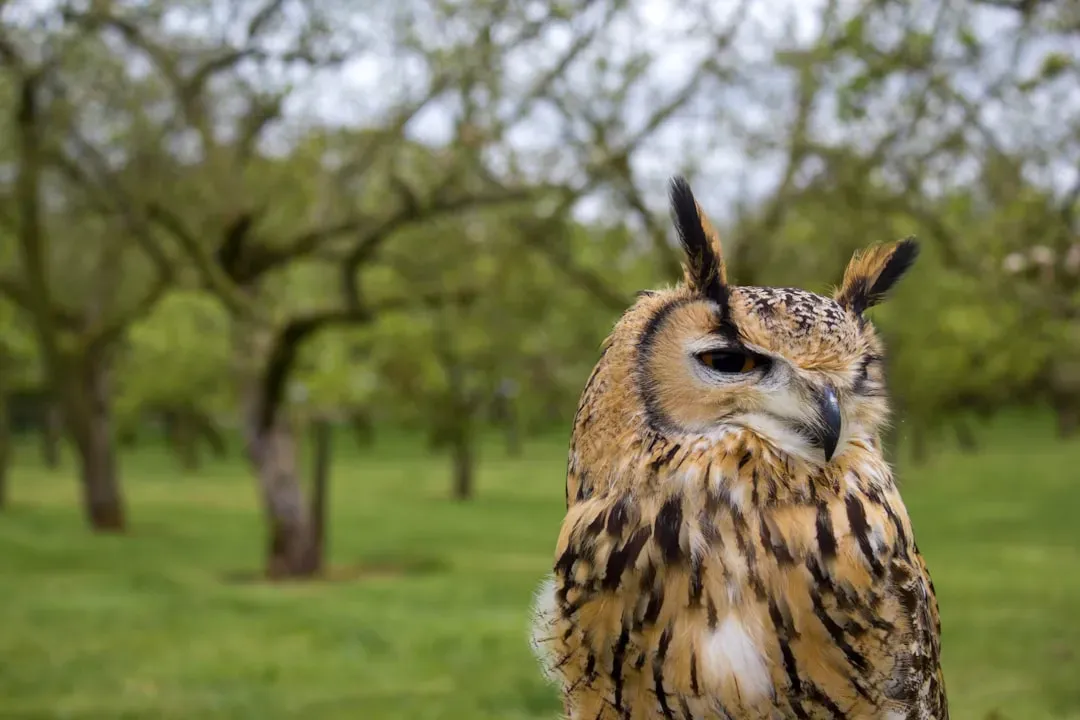
Vision and echolocation get most of the attention, but hearing is equally crucial for many nocturnal hunters. Owls have asymmetrical ear placement that allows them to pinpoint the exact location of a mouse rustling in grass with terrifying accuracy. One ear sits slightly higher than the other, creating a three-dimensional sound map that lets the owl calculate both horizontal and vertical positioning of prey.
Technical measurements have shown that a tawny owl sees 2.7 times better in the dark than a dark-adapted human. Yet their hearing is the real secret weapon. The heart-shaped facial discs reflect sound toward the ears and the ears themselves are asymmetrical in the vertical plane, allowing for three-dimensional hearing. An owl can hear a mouse moving under snow or leaf litter and strike with deadly accuracy without ever seeing it.
The sophistication doesn’t end there. Owls can hear “faster” and more “precisely”, so noise can be discerned more clearly – an owl could clearly tell the sound of a branch falling from a creature moving in the brush, whereas humans would only hear an indistinct rustle. They’re essentially processing audio information at a resolution we can barely comprehend.
Other nocturnal animals rely heavily on auditory cues as well. Mammals such as wolves and foxes rely heavily on scent trails to hunt, and their noses can pick up the faint odors left behind by prey, even hours after an animal has passed. Scent and sound work together, creating a multisensory perception of the environment that compensates beautifully for limited visibility.
Touch and Vibration Detection: Feeling the World in Darkness
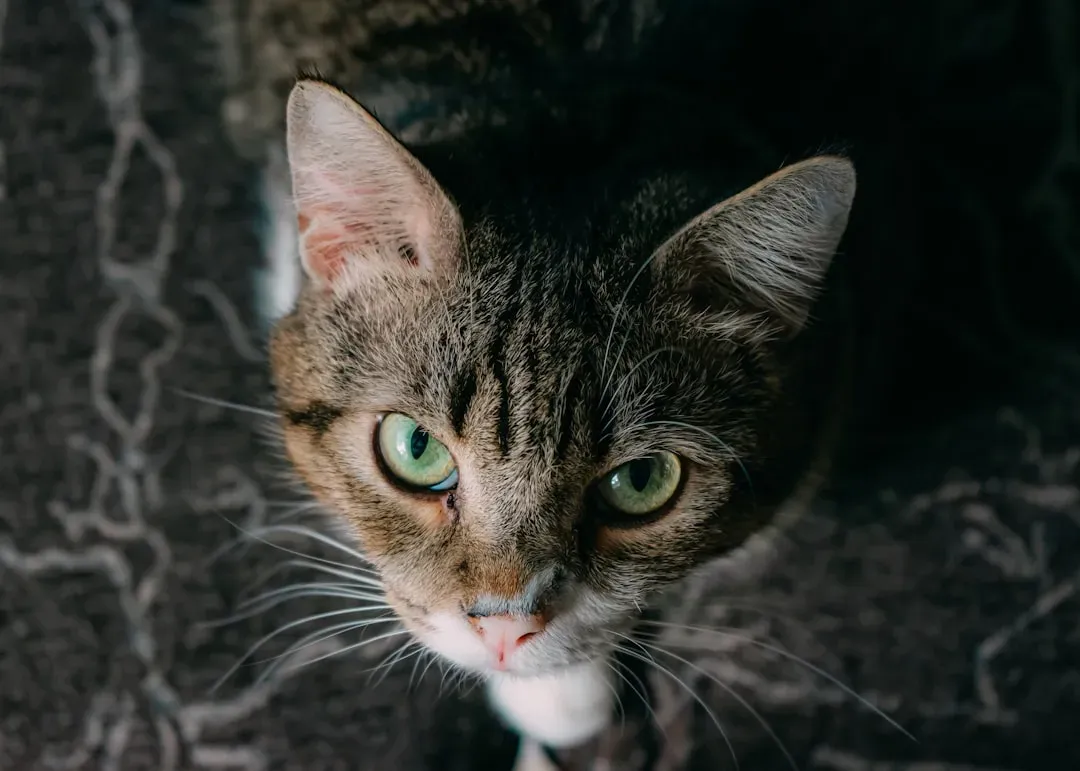
Never underestimate the power of touch when navigating the night. Specialized hairs called vibrissae, more commonly known as whiskers, act as highly sensitive tactile sensors, with each whisker connected to nerves at its base, allowing animals to detect even the slightest air movements or vibrations in their environment. Cats, foxes, and many rodents use their whiskers like radar antennae, detecting obstacles and prey through minute changes in air currents.
Whiskers provide a form of spatial awareness that vision cannot match in darkness, offering close-range detail and helping animals avoid collisions, locate food, or detect predators that might be too close for sight to register, and unlike night vision, which weakens in total darkness, whiskers remain reliable in any environment. This makes them invaluable for animals moving through cluttered environments like dense underbrush or rocky terrain.
Some species take tactile sensing to extraordinary extremes. The star-nosed mole has a nose ringed by 22 fleshy protuberances that literally feel the world around them as they dig through the dirt, and this hypersensitive organ can detect subtle movements of insects and worms in the mole’s burrow and quickly pluck them out of the darkness through the sense of touch alone. It’s hard to say for sure, but this might be one of nature’s strangest-looking adaptations – yet it works brilliantly.
Naked mole rats have similarly sensitive adaptations, covered in movement-sensitive hairs that help them navigate underground in perpetual darkness. Touch becomes vision when light is entirely absent.
Combining Senses: The Multisensory Advantage
Here’s the thing most people miss: nocturnal animals rarely rely on just one sense. Nocturnal predators often rely on a combination of enhanced senses working together to create a complete picture of their environment. A hunting owl uses vision, hearing, and even specialized feathers to fly silently. A bat integrates echolocation with vision. Snakes combine infrared detection with visual and chemical cues.
Vision performed better at detecting large objects such as trees, whereas echolocation worked better in the detection of small objects, disregarding light levels. So why not just pick one superior sense? Because each modality has advantages and limitations. Vision has advantages such as not suffering from interference and granting animals a larger detection range when perceiving a large object, because light attenuates slower than sound.
The integration of multiple sensory streams creates something greater than the sum of its parts. Many nocturnal predators have developed the ability to move almost silently – owls have specialized feathers with soft, serrated edges that break up the airflow over their wings, muffling the sound of their flight, while on the ground, predators like foxes and cats have soft paw pads that cushion their steps. Silent movement combined with acute hearing and enhanced vision makes them devastatingly effective hunters.
Let’s be real – if humans spent more time outside at night, we might find it less alien too. The apparent ease nocturnal animals display at night-time is often a result of pure familiarity, and if humans spent more time outside at night, we might find it less of an alien world, as our night vision isn’t as keen as that of many animals, but it certainly isn’t bad. We’ve just never needed to develop it.
Conclusion: Masters of the Unseen World
The nocturnal realm operates by rules most of us will never fully grasp. While we fumble for light switches and flashlights, countless species are thriving in conditions we’d consider impossible. They’ve evolved extraordinary adaptations – enlarged eyes packed with rod cells, reflective tapetum lucidum layers, sophisticated echolocation systems, infrared detection organs, asymmetrical ears, and hypersensitive whiskers – that transform darkness from an obstacle into an opportunity.
What strikes me most is how these adaptations didn’t evolve in isolation. Nocturnal animals use integrated sensory systems that paint a rich, detailed picture of their environment using sound, heat, touch, smell, and whatever fragments of light they can capture. They’ve mastered what we can barely imagine.
So next time you’re outside after sunset and hear rustling in the bushes or catch the glint of eyes reflecting your porch light, remember: you’re glimpsing a hidden world operating all around us. A world where hunters strike with impossible accuracy, where sound creates images, and where heat becomes visible. What do you think about these incredible adaptations? Does it change how you think about the darkness?
