
Have you ever watched a dog burst through a snowbank with absolute joy, while you’re shivering in your winter coat? Some dogs are born for the cold. Their ancestors survived brutal winters, pulled sleds across frozen tundra, and guarded livestock on icy mountain passes. These aren’t your average house pets who tolerate winter. They actually crave it.
While most of us are cranking up the heat and reaching for extra blankets, certain dog breeds are in their element when temperatures plummet. Think thick double coats, sturdy builds, and a genuine love for frosty weather. But not all cold-weather dogs are created equal, and understanding what makes each unique can help you appreciate these remarkable animals even more. Let’s dive into nine breeds that genuinely thrive when the mercury drops.
The Siberian Husky: Speed and Endurance in a Compact Package
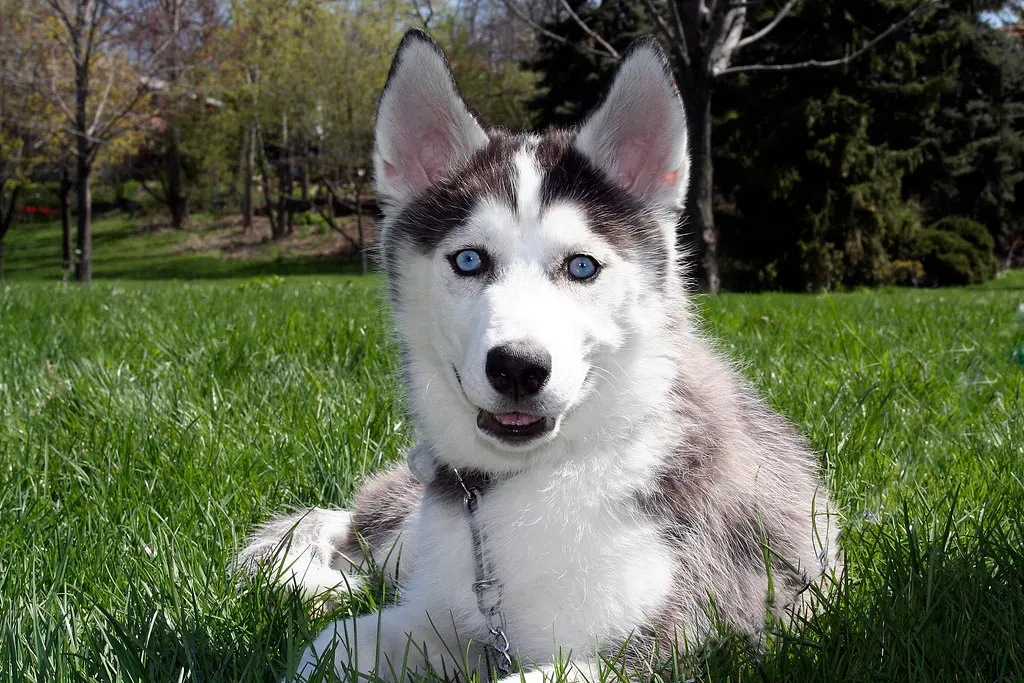
The Siberian Husky is the quintessential snow dog, and though they’re so popular in the US that some may think they’re an American breed, this dog actually originated in northeast Asia. Their story goes back centuries to the semi-nomadic Chukchi people who needed reliable transportation across frozen landscapes. What’s remarkable about Huskies is their efficiency.
With their thick double coat, boundless energy, and striking blue eyes, Siberian huskies were quite literally made for winter, originally bred by the Chukchi people of Siberia to pull sleds across frozen tundra. These athletic dogs have a lean, nimble build designed for covering long distances on minimal food. They’re like marathon runners compared to their bulkier cousins.
Here’s what catches people off guard though. The goal of nearly every Siberian is to run, and some are on a never-ending quest to get out and pursue their favorite pastime, and when a gate is not locked shut, they will figure out how to open the latch and escape. Their intelligence combined with an independent streak makes them fascinating but challenging companions.
Honestly, if you’re thinking about getting a Husky, be prepared for vocal conversations. They don’t really bark. They howl, talk, and express opinions about everything from dinner time to the weather. Their expressive nature is part of their charm, but it’s definitely not for everyone who values peace and quiet.
The Alaskan Malamute: Built Like a Freight Train
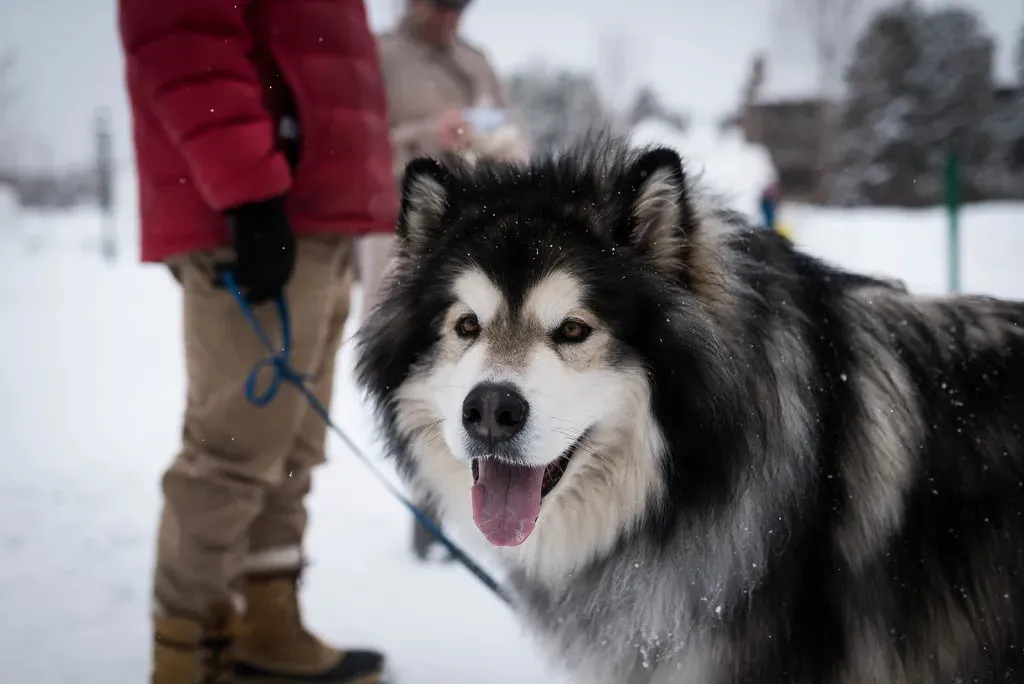
Bred to haul heavy loads, run, and roam, the Alaskan Malmute is the ultimate cold-weather canine. Where Huskies are built for speed and distance, Malamutes are powerhouses designed for strength. Picture a weightlifter next to a distance runner, and you’ll understand the difference between these two Arctic breeds.
The Alaskan Malamute breed standard describes desirable freighting size as 75 pounds for the female and 85 pounds for the male, and they were bred to pull heavy loads over short distances. Their massive build and dense coat made them indispensable to the Mahlemut tribe in Alaska. They’re one of the oldest Arctic sled dogs, possibly descended from the original wolf-dogs that crossed the Bering Strait.
Alaskan Malamutes have a much thicker, denser coat and they also shed heavily year-round. Their coat isn’t just thick, it’s seriously dense and requires consistent grooming. Twice a year they blow their entire undercoat, which is a polite way of saying your house will be covered in fur tumbleweeds.
What surprises many people is their temperament. The malamute, however, does have an independent side – they tend to relish occasional alone time, and do better than huskies as only pets, though on occasion, they can be aggressive with other dogs. They’re dignified, loyal, and affectionate with their families but can be aloof with strangers. Their independent nature means training requires patience and consistency.
The Samoyed: A Cloud with a Smile
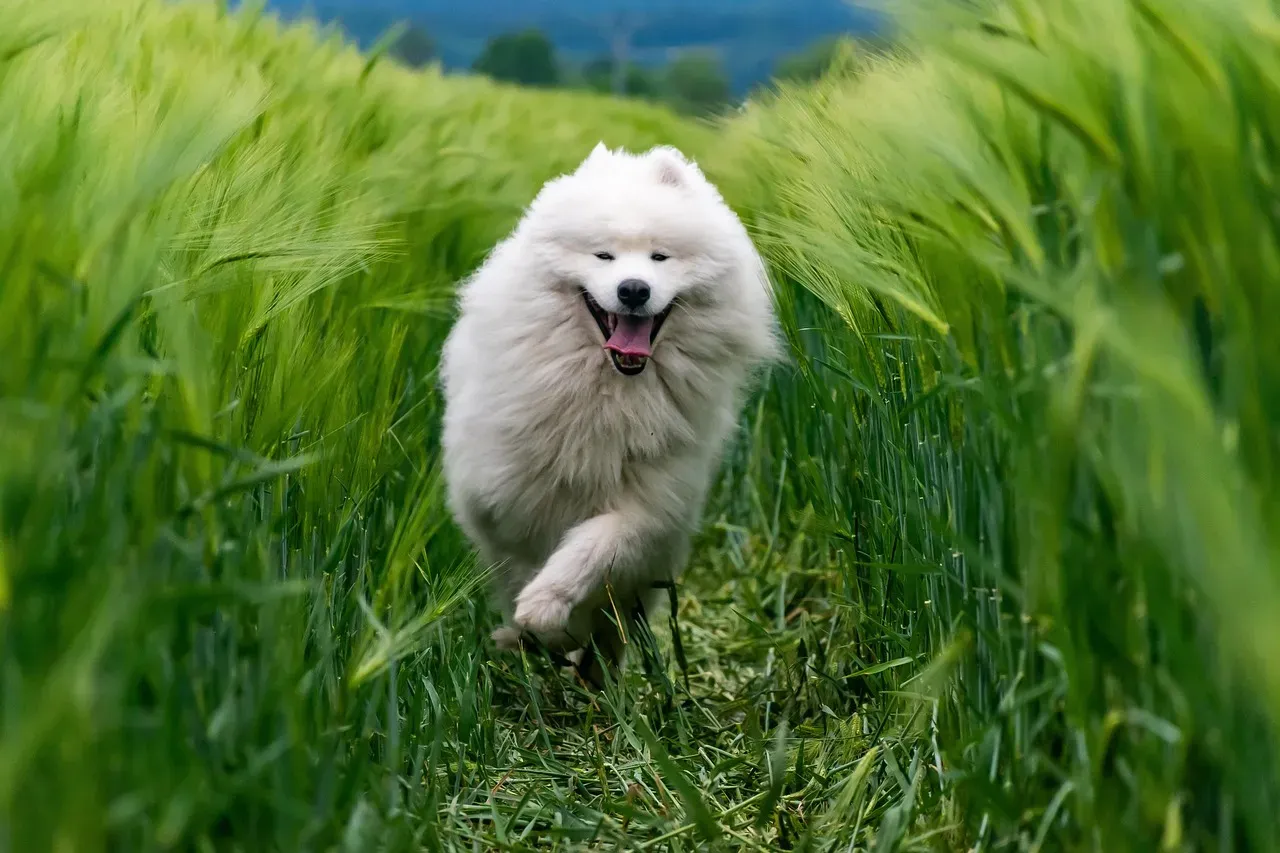
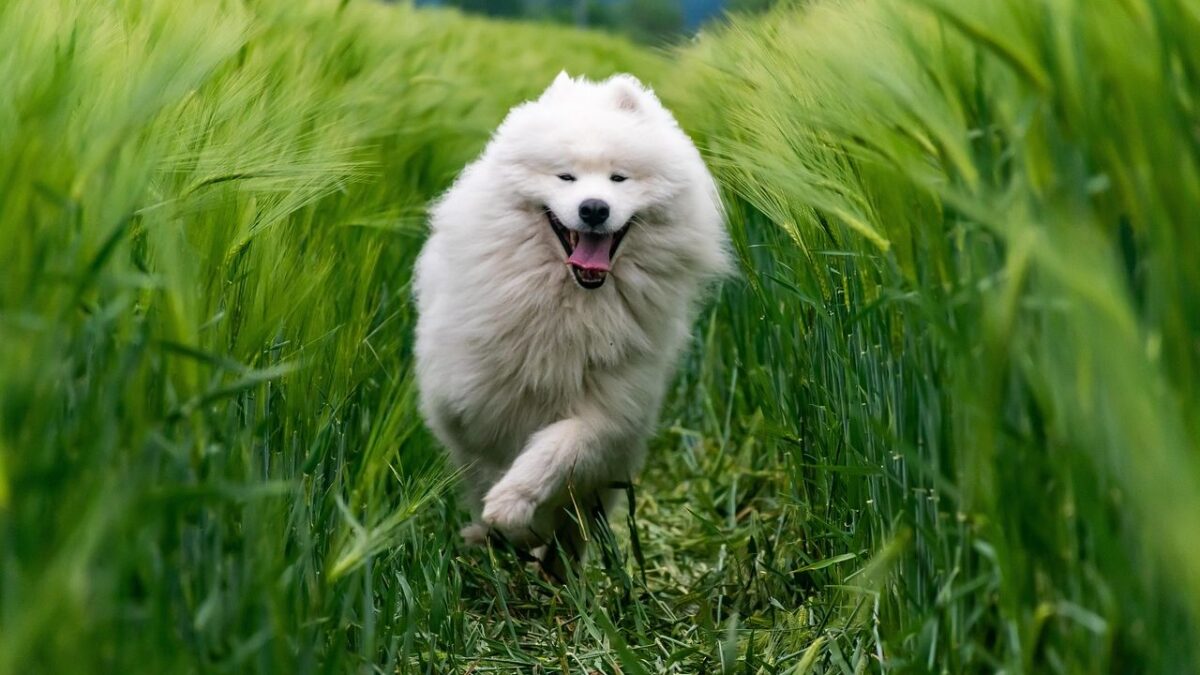
The Samoyed is an Arctic dog breed with an elegant white coat, and these dogs were companions to the Samoyed people in Siberia for generations before coming to the U.S. in the early 20th century, beloved for their friendly personality and face that’s shaped into a permanent smile. That smile isn’t just adorable, it actually serves a practical purpose by preventing drool from freezing around their mouths in extreme cold.
Resembling a fluffy cloud or a living stuffed animal, the Samoyed’s thick double coat of beautiful white fur serves to protect them against snowy weather and extreme temperatures. Their coat is actually a technical marvel with hollow hairs that trap warmth. They were bred to herd reindeer, pull sleds, and even sleep alongside their human companions to provide warmth on brutal Siberian nights.
People often underestimate how intelligent and strong-willed Samoyeds can be beneath their angelic appearance, as they possess a spirited personality, a touch of stubbornness, and a knack for keeping spirits high even on stormy winter days. Their cheerful energy is infectious, but they’re not passive lap dogs. They need mental stimulation and physical activity to stay happy.
Let’s be real, Samoyeds are quite vocal. They love to talk, sing, and express themselves, which can be entertaining or exhausting depending on your perspective. They’re also incredibly social and don’t do well being left alone for long stretches. If you work long hours or travel frequently, this might not be the breed for you.
The Bernese Mountain Dog: Gentle Giants of the Swiss Alps
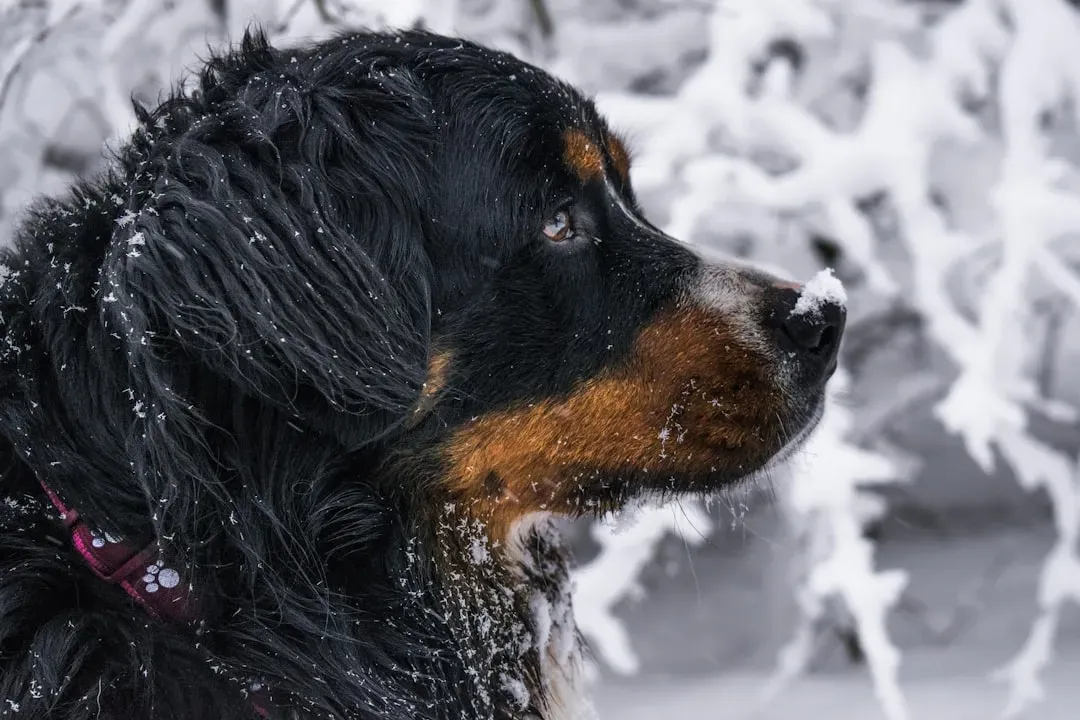
Originating in the Swiss Alps, the Bernese Mountain Dog worked alongside farmers to herd cattle, guard livestock, and haul dairy products through the hills and valleys of Bern, with generations of pulling carts and wagons in rugged, snowy terrain building their strength and resilience. These tricolor beauties are instantly recognizable with their distinctive black, white, and rust coats.
Bernese Mountain Dogs are naturally adapted to cold weather, thanks to their thick, long double coat that provides excellent insulation, with their undercoat being dense and soft for warmth, while the longer outer coat repels water and snow, making them well-suited for snowy environments. Their coat is basically a high-performance winter jacket that keeps them comfortable even in harsh conditions.
What really sets Berners apart is their temperament. Bernese mountain dogs are loyal, easy-to-train, and absolutely adore snow, and contrary to the husky and malamute, they are more content with lazing around the house as long as you’re nearby, though once they’re outdoors in the snow, they’re hard to coax back inside. They’re the perfect balance of outdoor adventurer and couch companion.
Their calm, affectionate nature makes them wonderful family dogs. They’re patient with children and form deep bonds with their people. However, their size means they need space, and their thick coats require regular grooming to prevent matting. They’re not low-maintenance dogs, but the loyalty and companionship they offer make the effort worthwhile.
The Great Pyrenees: Majestic Mountain Guardians
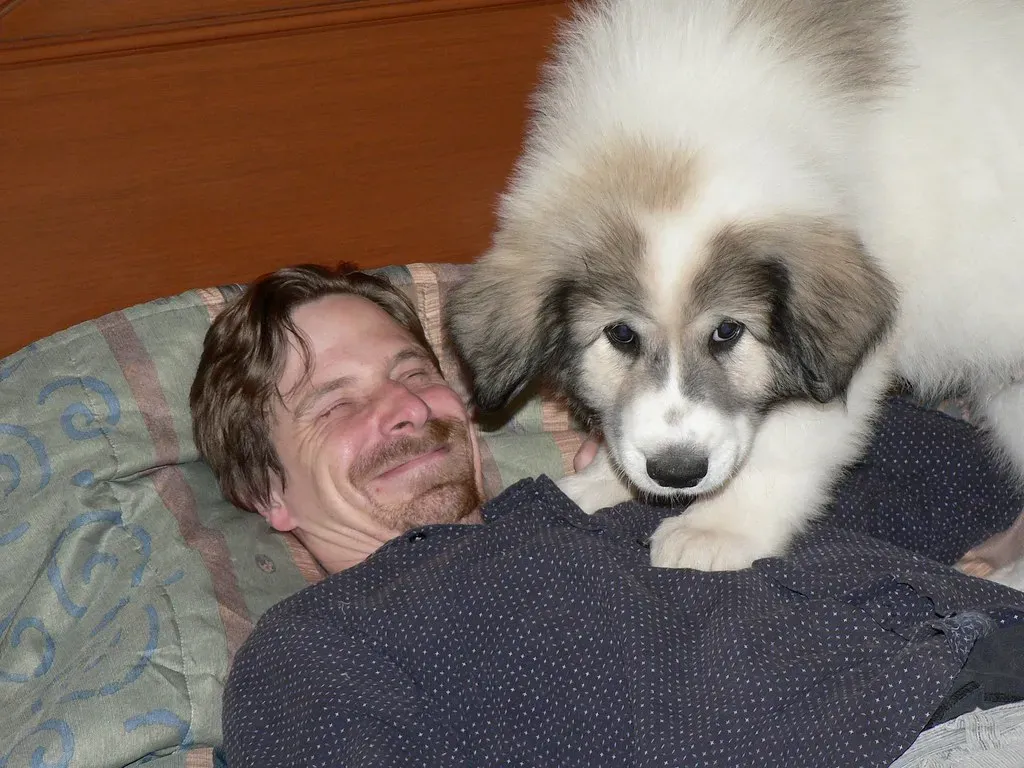
Also known as the Pyrenean Mountain Dog, the Great Pyrenees spent centuries guarding sheep in the Pyrenees Mountains between France and Spain, bred to defend the flock against wolves and bears, needing size, strength, and stamina to withstand cold nights outdoors, with their impressive build often exceeding 100 pounds. These dogs are absolutely stunning, with thick white coats that seem to shimmer in winter light.
These beauties were bred to guard livestock in the frigid mountain regions between France and Spain, so it’s no surprise the gentle giant thrives in cold weather, with Great Pyrenees pups having a thick, weather-resistant double coat to protect them from snowy weather. Their coat is naturally weather-resistant, designed to keep them comfortable during long nights protecting flocks in mountain passes.
Their temperament is fascinating. Because of their history of guarding sheep and preference for quiet environments, Great Pyrenees dogs absolutely thrive on a farm or ranch. They’re calm, patient, and deeply protective of their families. However, their guardian instincts mean they can be wary of strangers and need proper socialization from puppyhood.
These dogs were bred to work independently, making decisions without human direction. That independence can translate to stubbornness during training. They’re intelligent but not always eager to please, which means you need patience and consistency. Still, their gentle nature and devotion to family make them exceptional companions for the right household.
Norwegian Elkhounds, Akitas, and Other Cold-Weather Champions
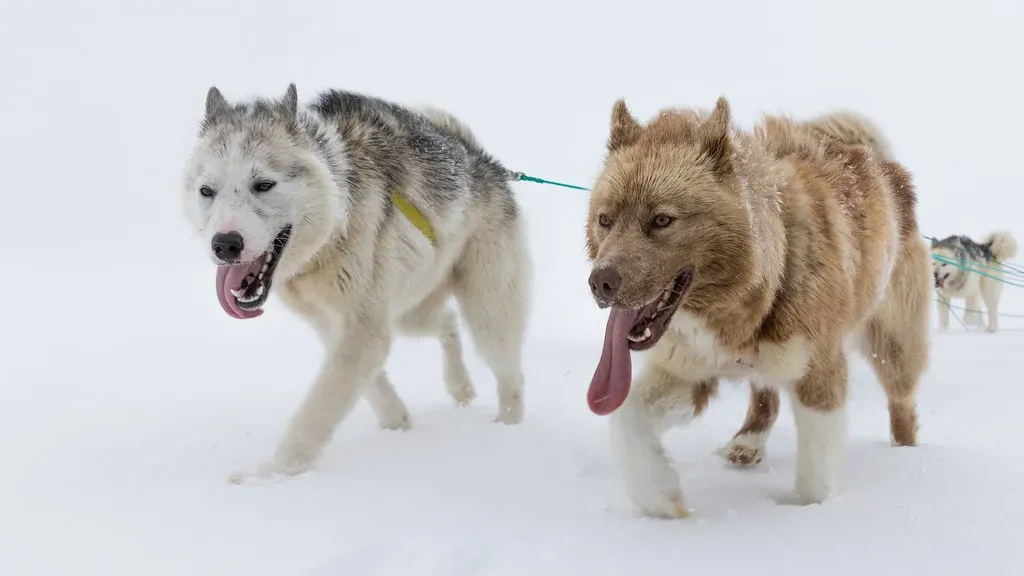
Norwegian Elkhounds are cold weather dogs dating back to the Vikings, now the national dog of Norway, originally used as hunting dogs. These medium-sized dogs have a striking silver-gray coat and were trusted companions to Vikings, sailing with them and helping with hunting and herding. Their dense coat and athletic build made them indispensable in Norway’s rocky, frigid terrain.
The Akita is a Japanese dog that thrives in cold weather, and they’re one of the world’s oldest dog breeds, originating thousands of years ago in the snowy mountains of northern Japan. Originally called the snow country dog, Akitas have a dignified, reserved nature and a thick triple coat that provides incredible insulation. They’re also known as snow country dogs because of their love for cold weather; once the temperature drops, these dogs are happiest outside.
The Keeshond is a fluffy dog breed from the Netherlands, where they accompanied their humans on barges and boats, with their thick fur designed to keep them warm not only in cold weather, but in the frigid canal waters, too. These medium-sized dogs are incredibly social and adaptable, making them great companions for active families who live in colder climates.
Each of these breeds brings something unique to the table. Norwegian Elkhounds have incredible stamina and a strong prey drive. Akitas are loyal and protective but need experienced owners who understand their independent nature. Keeshonds are friendly, vocal, and thrive on companionship.
The Saint Bernard: Legendary Alpine Rescuers
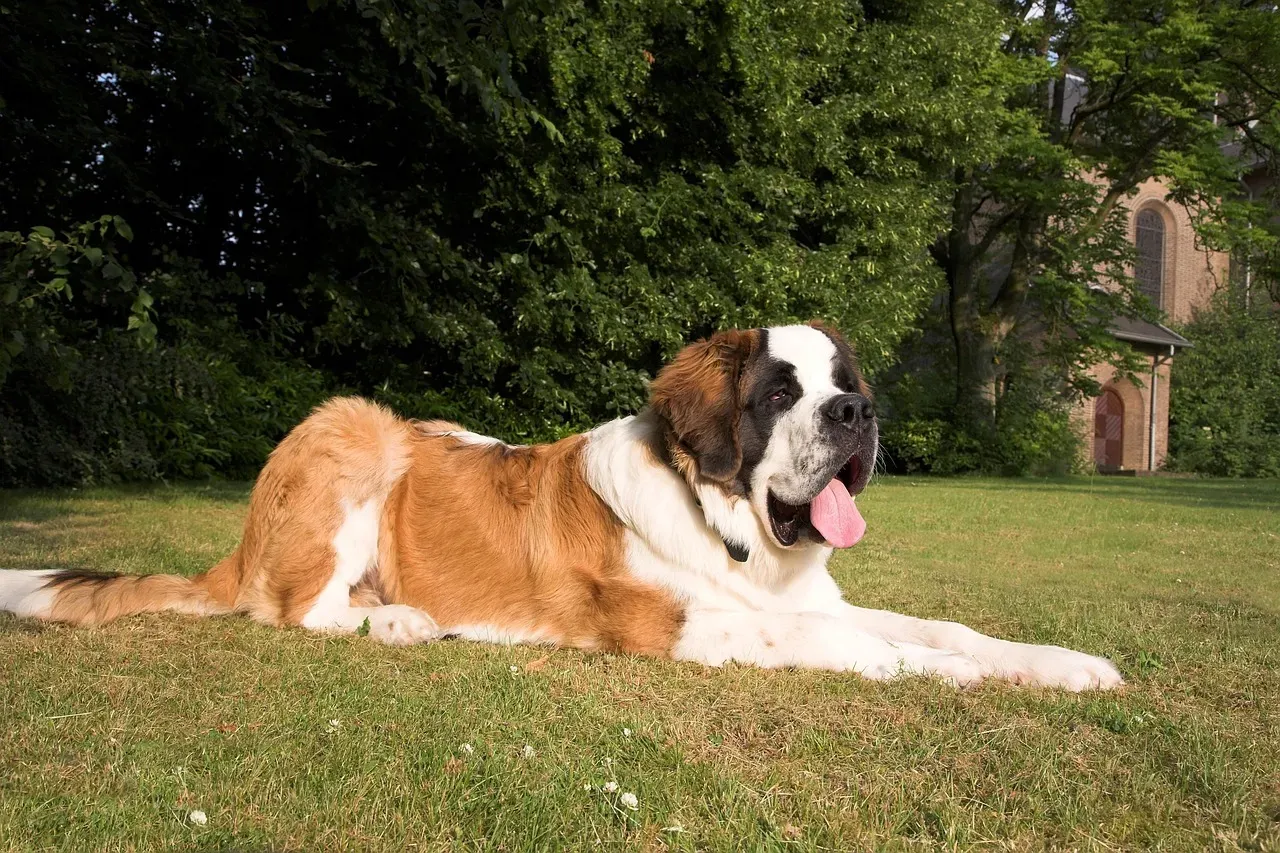
Gentle giants of the snow, Saint Bernards were bred to rescue travelers in the icy Alps – and their thick coats and calm nature make them perfectly suited for cold climates. These massive dogs have captured imaginations for centuries with stories of their bravery and rescue work in treacherous mountain conditions.
Sometime between 1660 and 1670, monks at the Great St. Bernard Hospice along the Italian-Swiss border acquired these dogs to protect travelers from bandits, and soon thereafter, the monks discovered the dog’s natural ability to locate and rescue travelers along the snowy and often treacherous mountain pass, with working Saint Bernards typically used today as snow and avalanche rescue dogs sporting a thick double coat and weighing in at over 120 pounds.
Their size is both impressive and demanding. Saint Bernards have low energy and aren’t necessarily super playful, but they make up for it with affection and willingness to work – the muscular dogs will trek for miles through deep snow to search for lost travelers. They’re calm, patient, and incredibly gentle despite their massive size.
What most people don’t realize is that Saint Bernards are relatively low-energy compared to other cold-weather breeds. They need regular exercise but are content with moderate activity levels. Their drooling and size mean they’re not for everyone, but families with space and a love for giant breeds find them to be loyal, affectionate companions who excel in cold weather.
The Tibetan Mastiff: Ancient Guardians of the Himalayas
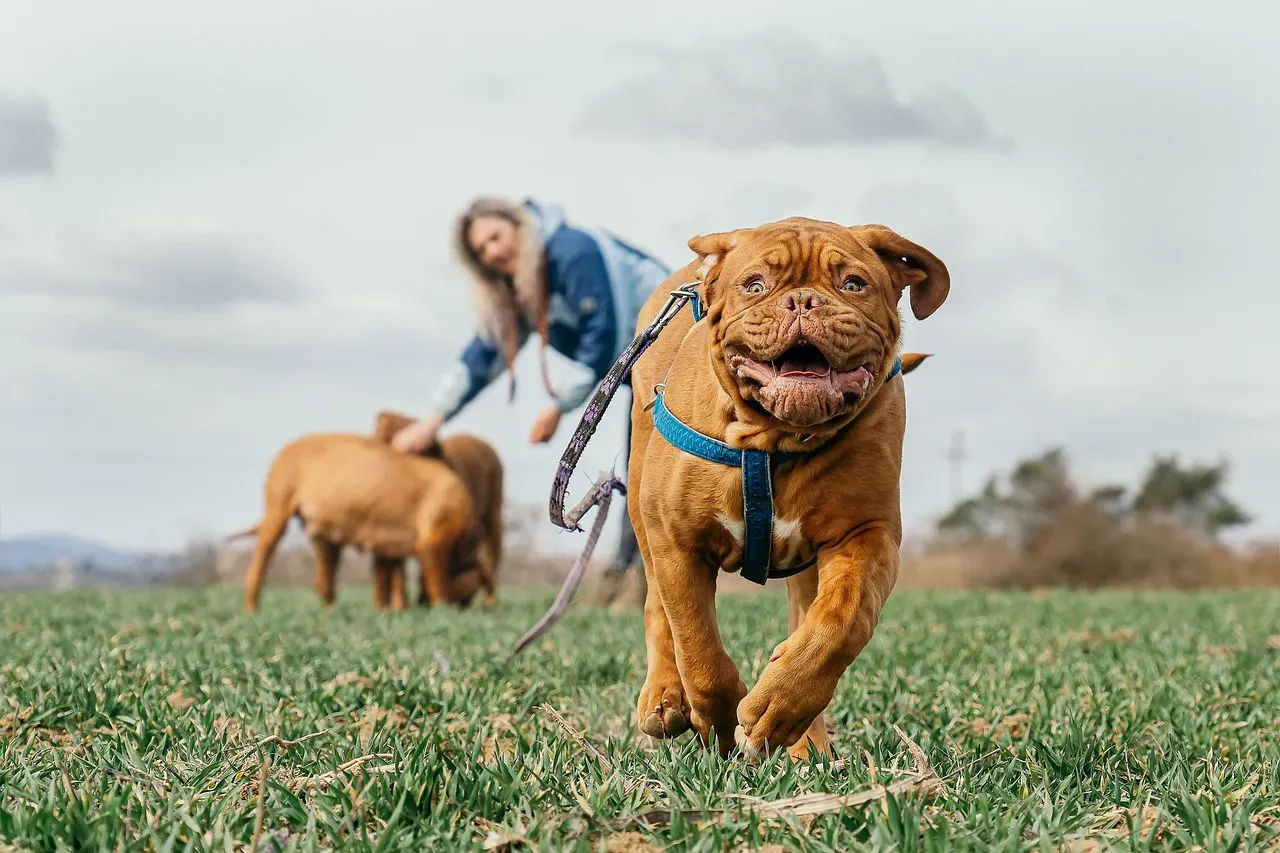
Bred to guard monasteries and herds high in the Himalayas, Tibetan mastiffs are true cold-weather powerhouses, with their massive frame and dense double coat built to withstand freezing mountain climates, keeping them warm even in heavy snow. These dogs look less like typical canines and more like lions, with an ultra-thick, wooly mane that commands attention.
An ancient breed with written records dating back to 1100 BCE, the Tibetan Mastiff looks less like a canine and more like a lion, with the giant dogs being broad with an ultra-thick, wooly mane that kept them warm in the Tibetan mountains, where the breed originated. Their history stretches back thousands of years, making them one of the oldest and most primitive breeds still around today.
Their temperament reflects their guardian heritage. Despite their large size, Tibetan Mastiffs are known for their calm, gentle, and family-friendly nature, which sets them apart from other high-energy winter breeds, and devoted to their families and naturally aloof with strangers, this protective dog breed makes an excellent guard dog while also being a loyal family companion for snowy climates.
These dogs aren’t for novice owners. They’re independent thinkers who need experienced handlers who understand guardian breeds. Early socialization is crucial, and they require a job or purpose to feel fulfilled. However, for the right owner in a cold climate who wants a protective, loyal companion, they’re truly remarkable dogs.
Newfoundlands and American Eskimo Dogs: Water-Resistant Wonders
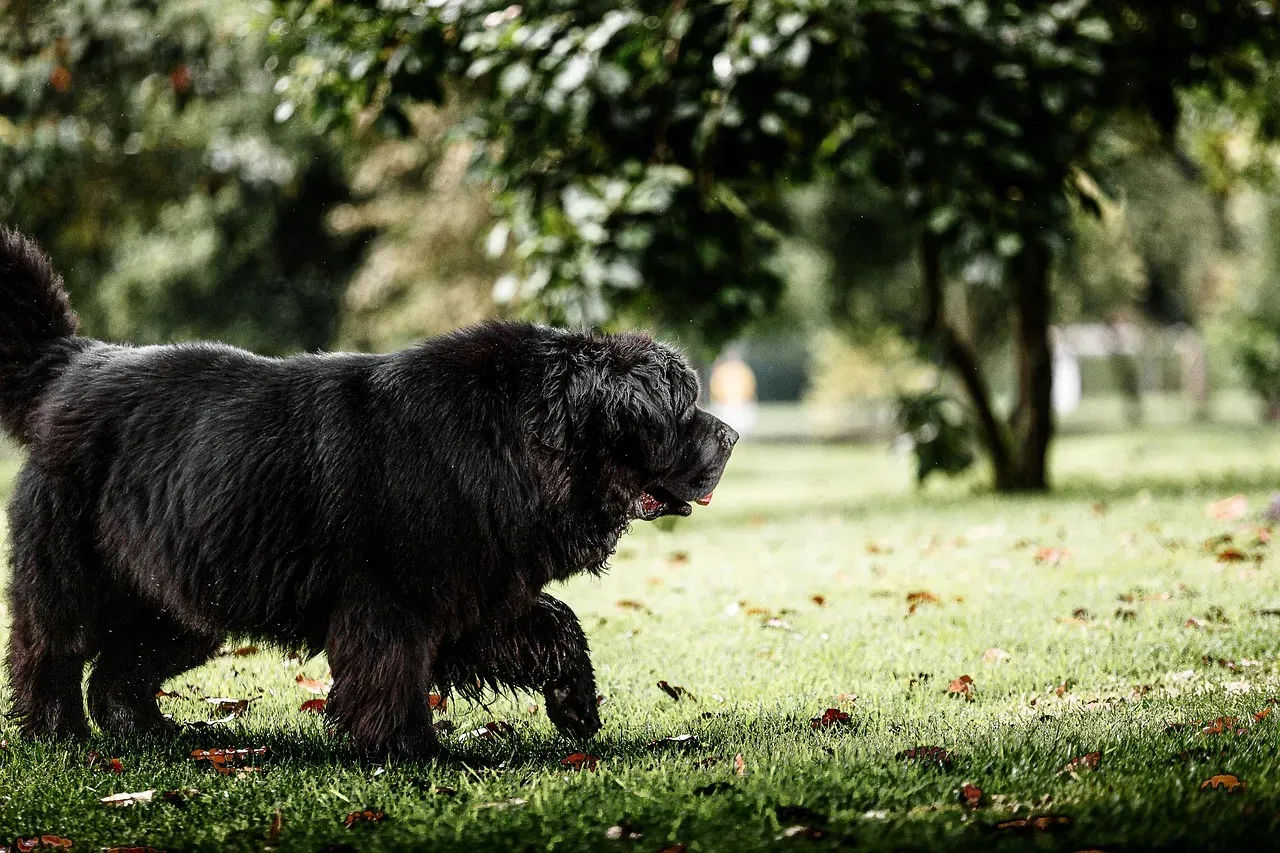
Newfoundlands are another snow-loving dog breed with a thick, wooly coat that provides excellent insulation against the cold, bred to work in cold and harsh weather with their thick and insulating coat being ideal for the cold, and coupled with their large body mass – one of the world’s largest dog breeds – the Newfoundland retains heat exceptionally well. What makes Newfies unique is their love for water even in freezing conditions.
Newfies also have features that make them ideal for winter adventures, including big paws that give them traction and balance when walking on snow and slippery surfaces. Their webbed feet and water-resistant coat make them natural swimmers, and they’ve been used for water rescue work for generations. They’re gentle, devoted, and surprisingly graceful for their size.
Despite their name and resemblance to the Arctic fox, American Eskimo Dogs are descendants of the German Spitz and not related to North American Inuit people. These dogs come in three sizes – toy, miniature, and standard – making them adaptable to different living situations. Their thick white double coat provides excellent insulation, and they’re intelligent, trainable, and friendly.
American Eskimo Dogs are energetic and love learning tricks and staying active. They’re great for families or first-time owners who live in cold areas and want a smaller cold-weather breed. Their gorgeous white coat needs regular grooming, but they’re generally healthy and adapt well to various lifestyles as long as they get enough mental and physical stimulation.
Conclusion
These nine breeds represent centuries of adaptation, selective breeding, and partnership between humans and dogs in some of the harshest climates on Earth. From the speed and endurance of Siberian Huskies to the massive strength of Alaskan Malamutes, from the gentle nature of Bernese Mountain Dogs to the guardian instincts of Tibetan Mastiffs, each breed brings unique qualities to the table.
What they all share is a genuine love for cold weather that goes beyond simple tolerance. For double-coated snow dog breeds, the risk increases once it falls below 20°F. Even these cold-weather specialists have their limits and need proper care during extreme conditions. Still, watching them come alive in snow, romping through drifts with pure joy, reminds us why these breeds have been valued companions for thousands of years. Did you expect to learn about so many different cold-weather champions? Which breed surprised you the most?
