
If you’ve ever dealt with fleas or ticks, you know how relentless these tiny pests can be. They’re sneaky, they’re persistent, and they can turn a peaceful afternoon into an itchy nightmare for you and your pets. The good news? These bugs actually have a weakness. Their finely tuned sense of smell, which usually helps them hunt down their next meal, can also be their downfall.
There’s something oddly satisfying about using nature’s own tools against them. Certain scents that humans find pleasant or neutral are absolutely unbearable to fleas and ticks. Think about it: what works for us can actually repel them. It’s like having a secret weapon right in your pantry or garden.
Let’s be real, nobody wants to douse themselves or their pets in harsh chemicals every time they step outside. That’s where these natural repellents come in. They’re safer for your family, gentler on your pets, and honestly, they smell way better than most store-bought sprays. So let’s dive in and explore which scents will send these pests running.
Lavender: The Calming Powerhouse

Lavender isn’t just a soothing scent for people – it’s also a potent weapon against fleas, acting as a natural pest repellent with its high concentration of linalool. This purple flowering plant has been used for centuries in various remedies, and it turns out those old traditions were onto something. The same properties that make lavender oil great for relaxation make it absolutely terrible for pests.
What makes lavender particularly interesting is its dual nature. While we find it calming and pleasant, lavender contains compounds that naturally repel fleas, ticks, and other insects, with the scent being too strong for fleas. It’s incredibly versatile too. You can plant lavender in your garden, use dried lavender sachets in closets and drawers, or create diluted lavender oil sprays for your pet’s bedding.
The application is straightforward. Mix 10 to 15 drops of lavender essential oil with water in a spray bottle and apply it to your pet’s bedding, carpets, and other areas where fleas are present. Some pet owners even add a few drops to their dog’s collar for continuous protection. Just remember to dilute it properly because essential oils are concentrated.
Honestly, this is probably the easiest scent to incorporate into your life. Your home will smell like a spa, and the bugs will hate it. Studies have found that lavender oil repels ticks at a similar level to DEET, which is pretty impressive for something that grows in your garden. Try planting some around your patio or favorite outdoor spots.
Cedarwood: The Toxic Terminator

Here’s where things get serious. Cedarwood has an earthy, woody scent that fleas absolutely hate, and it’s more than just a repellent – it can actually kill fleas and their eggs by dehydrating them on contact. That’s not just deterrence, that’s elimination. There’s a reason people have been using cedar chests for generations to protect their clothing from pests.
Cedarwood is toxic to ticks and their larvae, making it a prime essential oil for ticks. The oil disrupts their biological processes in ways that other scents don’t. This makes it one of the most powerful natural options available. One study even found it terminated all black-legged ticks in their nymph stage, which is a remarkable success rate.
You have multiple options for using cedarwood. Placing cedar chips in your pet’s bedding can help repel fleas and keep them away, with the scent of cedar acting as a natural deterrent. You can also sprinkle cedar shavings around flea-prone areas in your yard or under furniture. For direct application, cedarwood oil can be mixed into sprays for furniture, carpets, or even your pet’s coat.
The woodsy aroma is subtle yet effective. It doesn’t overpower your senses like some synthetic repellents do. Cedar chips are easy to find at pet stores or garden centers, making this one of the most accessible natural solutions. Replace them periodically as the scent fades, and you’ll maintain that protective barrier.
Peppermint: The Cooling Deterrent
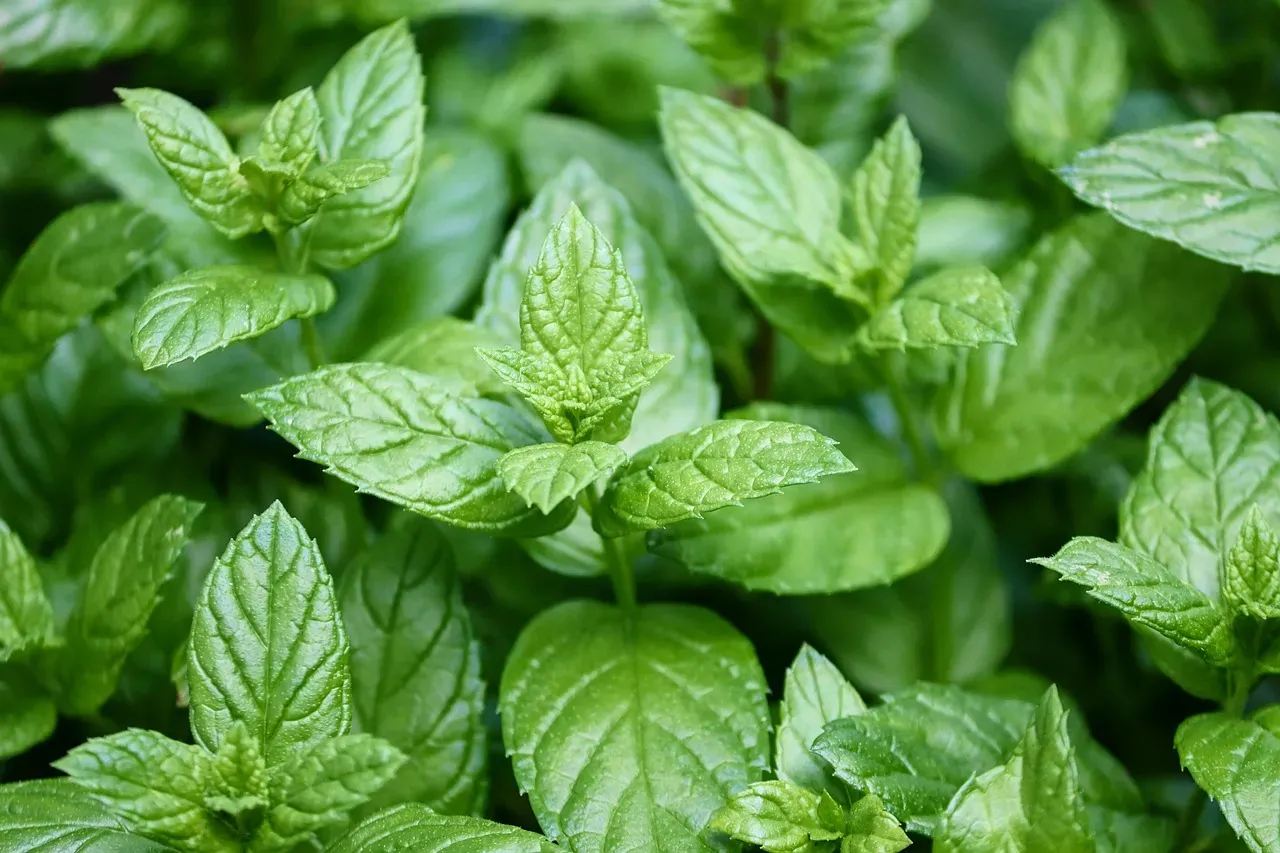
Peppermint oil has a cool, refreshing scent that humans love, but it’s overwhelming for fleas, with the menthol acting as a strong deterrent. That intense minty punch that clears our sinuses? It completely overwhelms a flea’s tiny sensory system. They literally cannot handle it. The same goes for ticks, who find the scent unbearable.
The menthol compound in peppermint doesn’t just repel, it confuses. The mint fragrance is so intense it overwhelms some insects’ senses, so fleas, mites, mosquitoes, flies, ants, and spiders avoid it. It’s like setting off an alarm bell in their nervous system. This makes peppermint one of the most effective multi-purpose repellents you can use.
Create a spray by mixing a few drops of peppermint oil with water and use it around your home, leaving your space smelling minty fresh while repelling other pests like ants and spiders. You can also plant mint in pots around your patio or doorways. Just keep it contained because mint spreads like wildfire once it’s established in the ground.
There’s one caution worth mentioning: peppermint oil is potent, so it needs proper dilution before use on pets. Some studies suggest it might reduce milk production in nursing animals, so skip it if your pet is pregnant or nursing. Still, for general home use and outdoor spaces, it’s a fantastic option that leaves everything smelling fresh.
Eucalyptus: The Respiratory Enemy
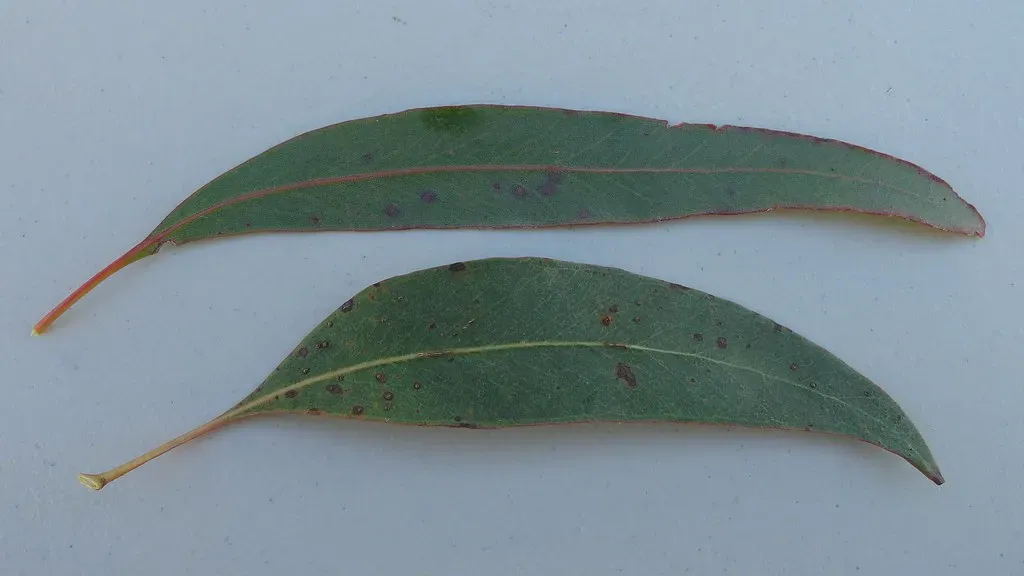
Eucalyptus has a fresh, minty scent that can help clear up sinuses, but it’s a nightmare for fleas, with the strong, camphor-like smell being highly effective at repelling fleas as it disrupts their ability to navigate. That distinctive aroma comes from compounds that are incredibly disorienting to small insects. They simply cannot function properly when eucalyptus is present.
Eucalyptus oil is an excellent natural tick repellent, with its strong aroma acting as a barrier that deters ticks from attaching to humans and pets. Lemon eucalyptus specifically has gained recognition as one of the few natural repellents recommended by health authorities. It’s genuinely effective, not just folklore. Some products containing eucalyptus are actually comparable to DEET in repelling ticks.
You can dilute eucalyptus oil and spray it around your home, or hang fresh eucalyptus leaves in areas where pests might hide. Eucalyptus oil can be diluted and sprayed around the home, or fresh eucalyptus leaves can be hung in areas where fleas might be hiding, but be sure to keep eucalyptus oil out of reach of pets, as it can be toxic if ingested. This is important: topical use is generally safe when diluted, but ingestion is dangerous.
The scent is clean and invigorating, almost medicinal. It’s the kind of smell that makes you feel like you’re doing something proactive and healthy. Mix it with water in a spray bottle and apply it to bedding, curtains, and outdoor furniture. Reapply every few days for continued protection.
Lemongrass: The Citrus Shield
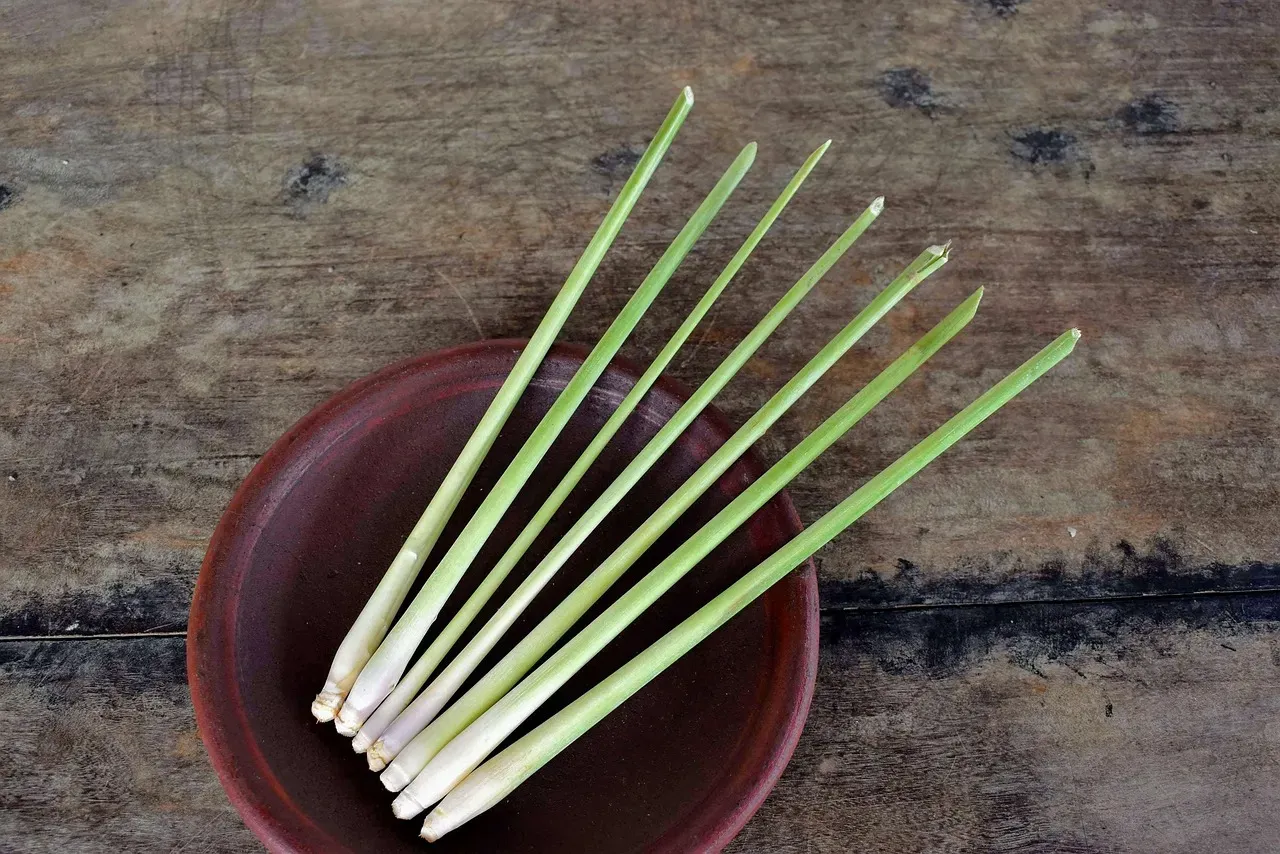
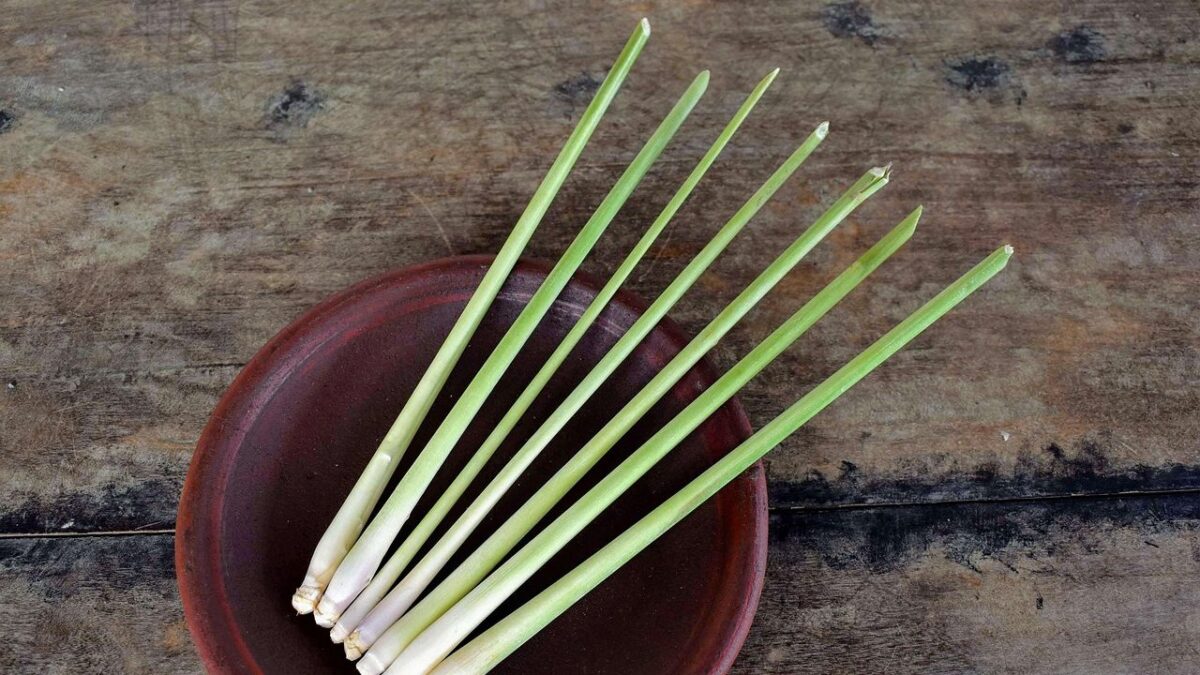
Lemongrass contains citronella oil, a common ingredient in natural insect repellents, giving the plant its strong, citrusy scent and flea-repelling properties. This tropical grass has become a staple in natural pest control for good reason. That bright, lemony aroma is absolutely revolting to fleas and ticks. It disrupts their ability to locate hosts and throws their entire system off balance.
Lemongrass oil contains citronella, which is widely used in natural insect repellents, and is particularly useful in repelling fleas and ticks while leaving a refreshing citrus scent. The combination of effectiveness and pleasant smell makes it a winner for household use. You’re not compromising comfort for protection. You get both.
Lemongrass spray’s citrusy scent repels fleas effectively, making it easy to incorporate into your cleaning routine. You can add a few drops to your mop water, mix it into spray bottles for furniture, or diffuse it in rooms where your pets spend time. The scent is uplifting and fresh, unlike some of the harsher chemical alternatives.
One thing to note: lemongrass oil has a naturally yellow tint that might temporarily discolor light-colored fur or fabrics with extended use. It’s not permanent and washes out, but if you have a white dog or pale furniture, you might want to test a small area first or choose a different scent.
Rosemary: The Herbal Guardian
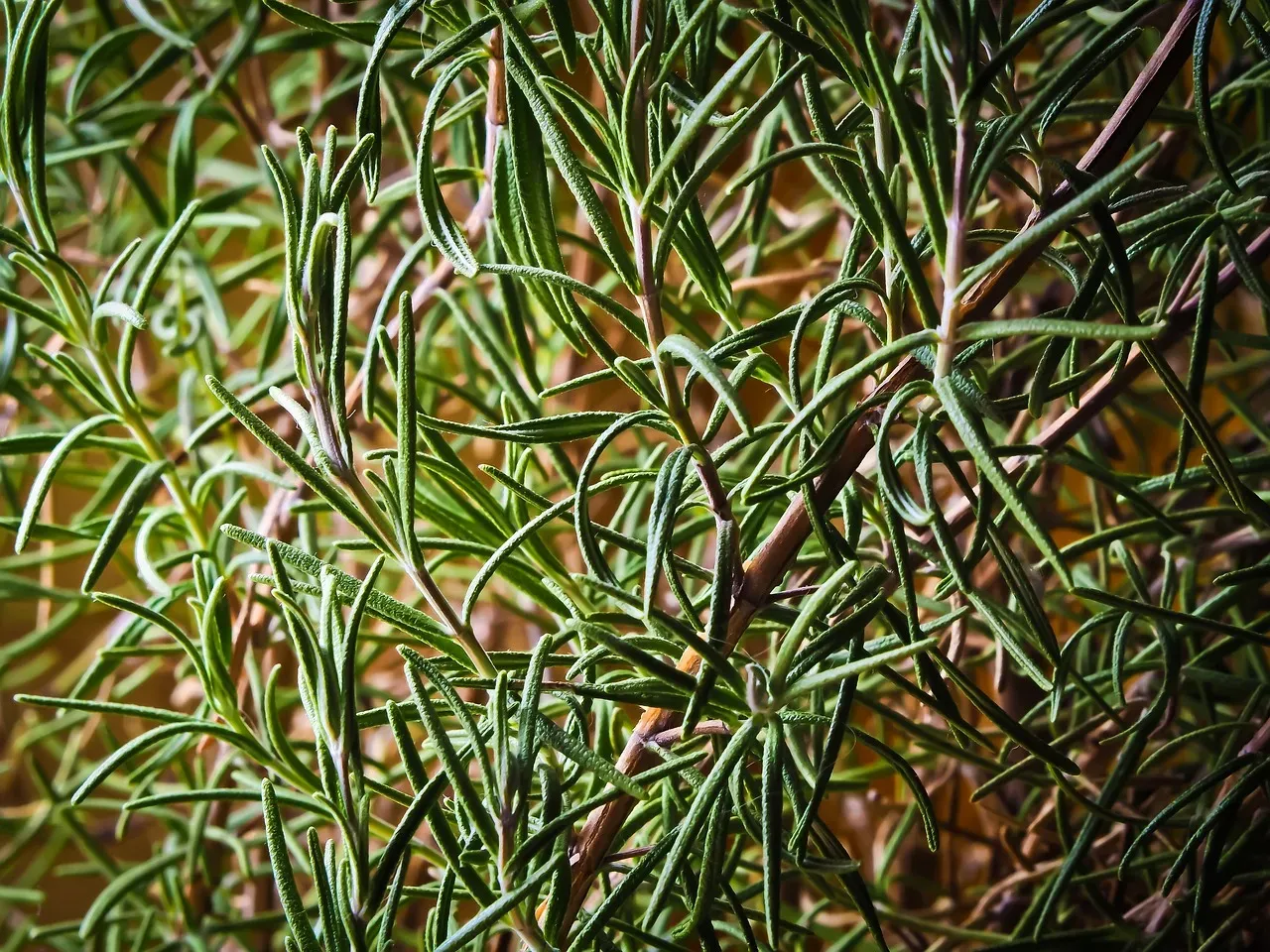
The scent of rosemary oil can overpower the senses of a flea and repel them from an area or target. This kitchen staple is more powerful than most people realize. That sharp, herbal aroma that enhances your roasted chicken also sends pests scrambling for the exits. It’s incredibly convenient because many households already have rosemary on hand.
Rosemary oil not only adds flavor to cooking but also serves as a potent pest repellent, with its strong scent keeping fleas and ticks away. The versatility is remarkable. You can use fresh rosemary sprigs, dried rosemary powder, or rosemary essential oil depending on your needs. Each form has its applications and benefits.
For a simple solution, boil rosemary leaves in water, let the mixture cool, and use it as a rinse after bathing your pet. You can also grind dried rosemary and sprinkle it lightly on pet bedding. Rosemary oil mixed with oils like cedarwood and lemongrass packs a punch of three scents that fleas really dislike. Combining scents often increases effectiveness because it creates multiple layers of defense.
The smell is warm and comforting, almost medicinal without being unpleasant. It has antioxidant properties that benefit skin as well, which means it can soothe irritation from existing bites while preventing new ones. Mix it with a carrier oil or water depending on your application method, and apply to common problem areas.
Conclusion: Nature’s Repellent Arsenal
These six scents offer real protection without the harsh chemicals found in conventional treatments. Essential oils are very effective insect repellents, with some proving to be as effective as DEET. That’s genuinely impressive considering they come from plants you can grow in your backyard or find at your local health food store.
The key is consistency and proper application. Essential oils evaporate relatively quickly, so you’ll need to reapply them regularly, especially after your pet gets wet or spends extended time outdoors. Mix different oils together for enhanced protection. Use them in your home, on bedding, in your yard, and on collars or bandanas.
Remember to always dilute essential oils before use, especially on pets. Some oils that are safe for dogs can be toxic to cats, so consult your veterinarian before trying new treatments. Test small areas first to check for sensitivity or adverse reactions.
These natural repellents work best as part of a comprehensive approach that includes regular grooming, vacuuming, and checking your pets for pests after outdoor activities. They’re tools in your arsenal, not magic bullets. Used correctly, they can significantly reduce your flea and tick problems while keeping your home smelling fresh and natural.
What’s your experience with natural pest repellents? Have you found certain scents work better than others in your area? Share your thoughts in the comments below.

- 8 Reasons Cedar Waxwings Pass Berries From Beak to Beak - July 26, 2026
- 8 Backyard Trees That Owls Prefer After Sunset - July 26, 2026
- 9 Things Chickadees Remember About Reliable Backyard Feeders - July 26, 2026