

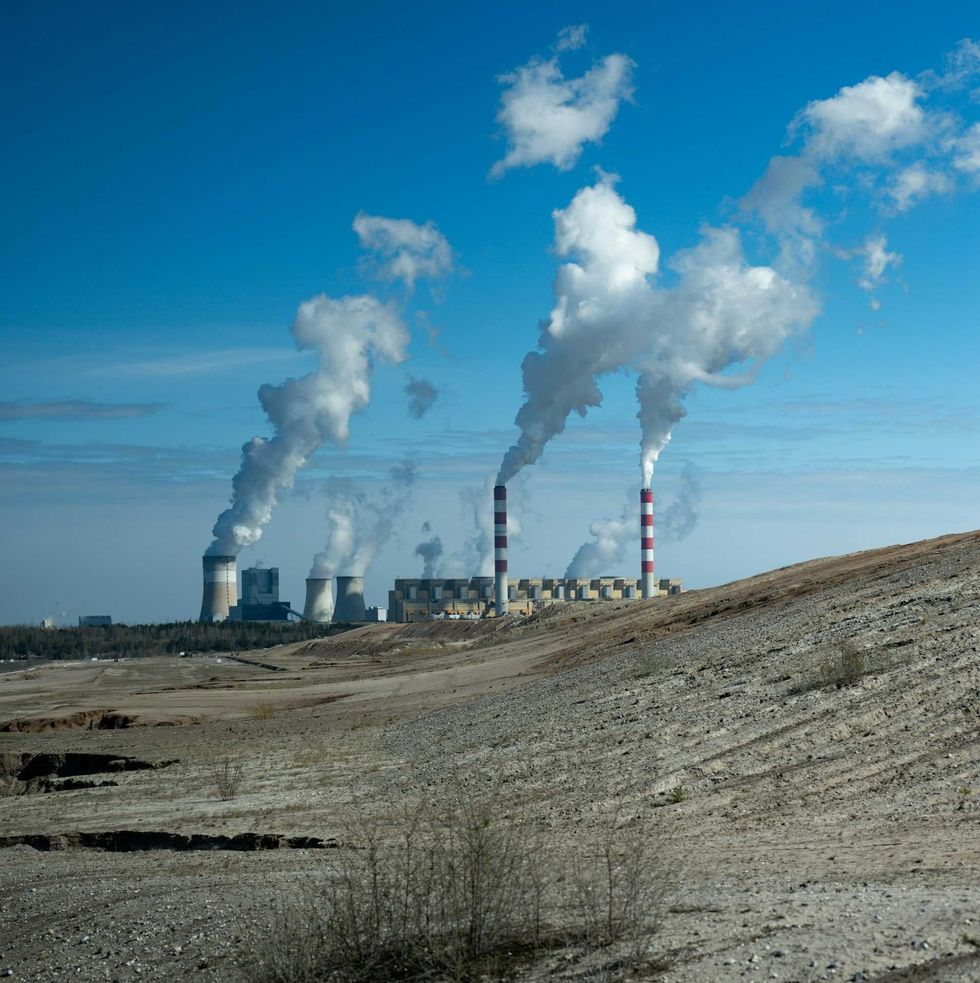
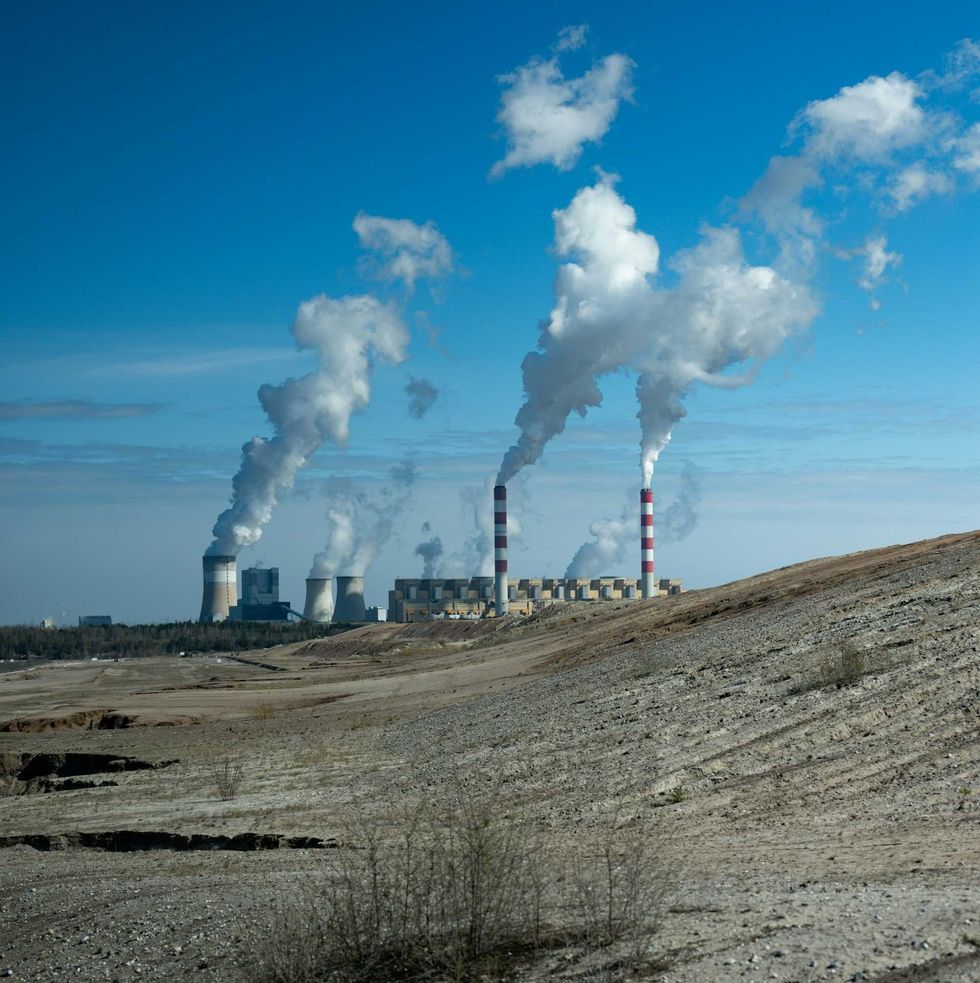
A Bold Move to Revive Coal (Image Credits: Dailyclimate.org)
Washington, D.C. – The Trump administration’s recent push to prevent the closure of nearly all coal-fired power plants has ignited fierce debates over energy security and environmental protection, with conservationists highlighting severe threats to wildlife habitats nationwide.
A Bold Move to Revive Coal
The administration’s officials declared this week their intention to intervene in scheduled plant retirements across the country. This policy aims to bolster domestic energy production amid rising electricity demands from industries and data centers. Energy Department directives have already forced specific facilities, such as those in Colorado and Indiana, to remain operational despite plans for shutdowns.
Proponents argue that keeping these plants online supports jobs in coal-dependent regions and ensures reliable power supplies. However, critics point out that many of these facilities are decades old and increasingly prone to mechanical failures. Repairing them could cost billions, diverting funds from cleaner energy transitions.
Direct Threats to Endangered Species
Coal plants contribute significantly to air and water pollution, which disrupts ecosystems vital to wildlife. Operations release toxins like mercury and sulfur dioxide, contaminating rivers and soils where species such as fish, birds, and mammals depend for survival. In regions like the Colorado River Basin, prolonged plant activity exacerbates habitat degradation for species already under pressure.
Environmental advocates have raised alarms about the broader implications for protected lands. The policy aligns with efforts to expand fossil fuel extraction on public territories, potentially opening areas like the Arctic National Wildlife Refuge to mining and drilling. Such actions threaten migratory birds, polar bears, and other wildlife by fragmenting habitats and increasing pollution levels. Reports from groups like Earthjustice underscore how these decisions bypass protections under the Endangered Species Act.
Public Lands and Biodiversity Under Siege
The administration’s approach extends beyond power plants to influence land management practices. Rejections of state haze plans in Colorado, for instance, prioritize coal emissions over visibility and air quality in national parks, indirectly harming wildlife corridors. Animals like gray wolves and mule deer rely on these pristine areas for migration and breeding.
Conservation organizations document how increased coal activity leads to soil erosion, water depletion, and invasive species proliferation. In the Black Hills National Forest, similar policy shifts could affect up to 25 endangered species through expanded logging and extraction. These changes compound existing stressors from climate change, pushing biodiversity toward critical tipping points.
Balancing Energy Needs and Ecological Costs
While the policy promises economic revival for struggling communities, the environmental toll raises questions about long-term sustainability. Utilities face extended compliance deadlines for handling toxic coal ash, delaying cleanup efforts that protect groundwater sources for wildlife. In Washington state, orders to keep the last coal plant running have sparked legal challenges from public interest groups.
Stakeholders on both sides weigh the trade-offs. Coal supporters emphasize national security through energy independence, yet studies show renewables could meet demands without the ecological fallout. The tension highlights a pivotal moment for U.S. policy, where short-term gains risk irreversible damage to natural heritage.
| Aspect | Pro-Coal Argument | Wildlife Impact |
|---|---|---|
| Energy Reliability | Maintains grid stability | Increases pollution affecting bird migration |
| Job Preservation | Sustains local employment | Habitat loss for endangered mammals |
| Cost Management | Delays expensive retrofits | Prolongs toxic waste exposure to aquatic life |
Key Takeaways:
- Halting shutdowns extends pollution, endangering species protected by federal laws.
- Public lands face greater extraction risks, fragmenting wildlife corridors.
- Legal battles from conservation groups could reshape the policy’s future.
As the administration doubles down on coal to fuel an industrial resurgence, the stakes for America’s wildlife grow ever higher. Protecting endangered species demands a careful balance between energy innovation and ecological integrity. What steps should policymakers take next to safeguard these vital habitats? Share your thoughts in the comments.
