
Deep in remote corners of North America, whispers of the impossible circulate among researchers and naturalists. Stories of animals that vanished from scientific records decades or even centuries ago, only to reappear in shadowy woodlands where time seems to have stood still. These aren’t myths or folklore. They’re documented encounters with living ghosts.
Old growth forests create unique environmental conditions that some rare species depend upon for survival. While most people imagine extinction as final and irreversible, nature occasionally reveals a different story. In the quiet solitude of America’s oldest forests, species once declared lost to history have been quietly persisting, waiting to be noticed again.
The Living Fossils Hidden in Ancient Wood
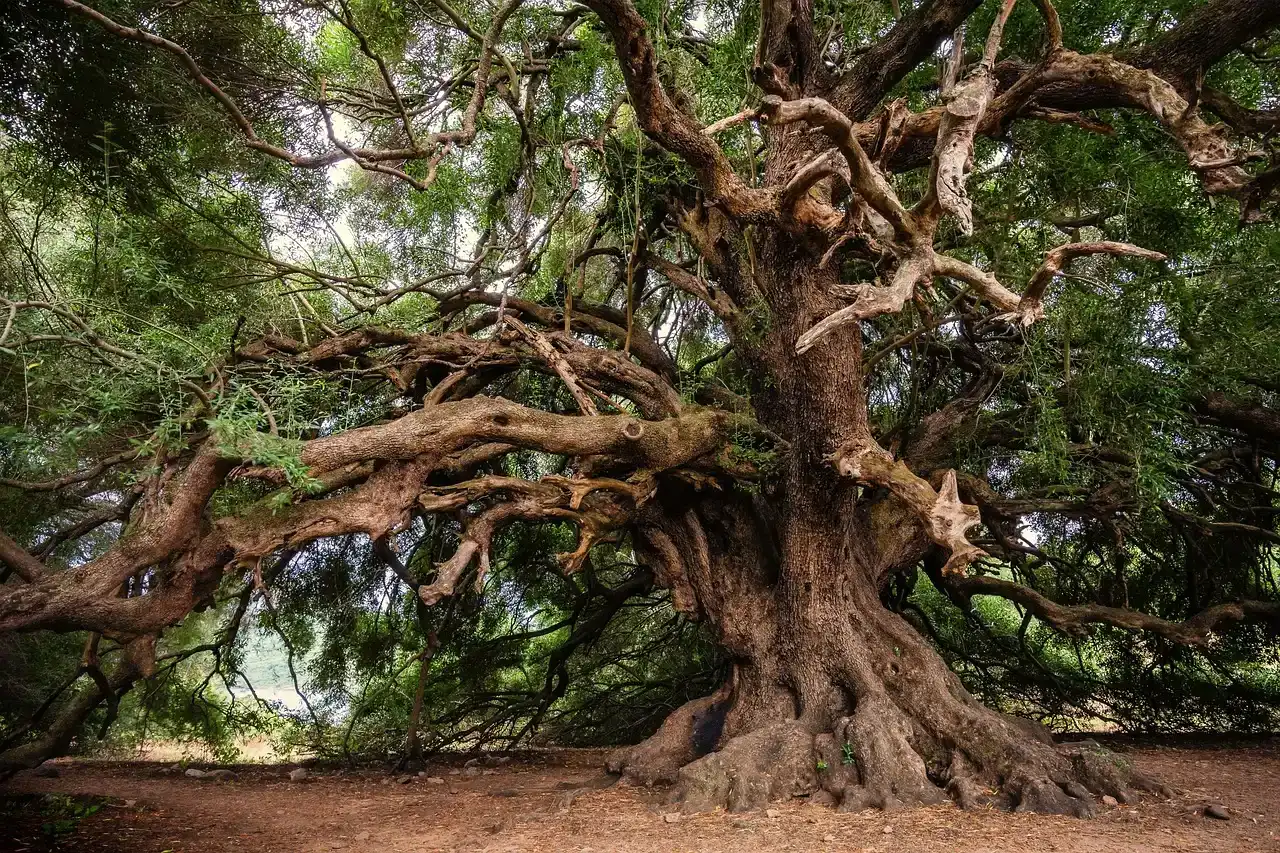
Let’s be real, when you think of prehistoric creatures surviving into modern times, your mind probably jumps to deep ocean trenches or remote island jungles. Yet some of the most remarkable rediscoveries have happened right here on American soil, tucked within forests that predate European colonization. The Tongass National Forest in Alaska harbors trees dating back more than 800 years, creating layered ecosystems that shelter life forms researchers assumed had disappeared forever.
Old growth forests are often home to many rare, threatened, and endangered species of plants and animals, making them ecologically significant. The structural complexity of these ancient woodlands, with their multi layered canopies and accumulations of decaying wood, provides countless microhabitats. It’s like nature’s version of a sprawling apartment complex, except the residents have had millennia to settle in and specialize.
What makes these forests particularly remarkable isn’t just their age. They abound with live and dead trees, decaying logs, and thick layers of moss and leaves, providing flourishing wildlife habitat where birds thrive in high canopies and trunk crevices. This abundance creates refuge for creatures that simply cannot survive in younger, managed forests.
Think about it this way: a second growth forest is like a newly constructed suburb, while old growth resembles a centuries old city with hidden alleyways and forgotten basements. Some species need those secret spaces to exist.
When Scientists Declare Defeat Too Soon
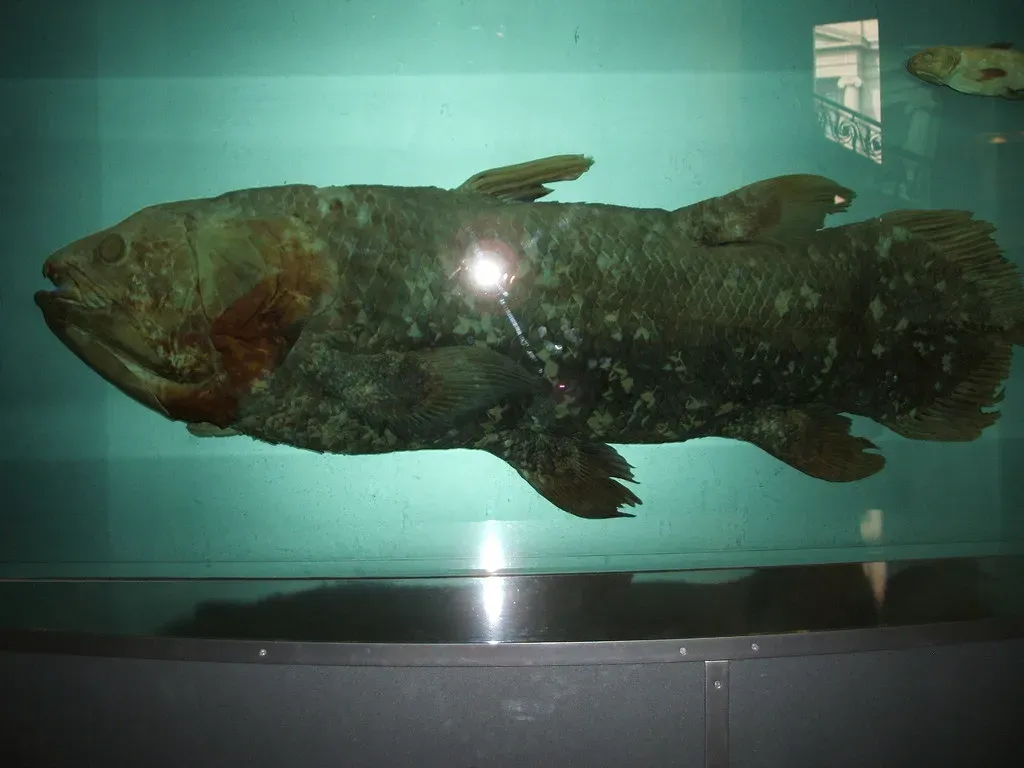
Lazarus species are animals once thought to be extinct but later rediscovered, such as the coelacanth and takahē. The term comes from the biblical story of resurrection, which honestly fits perfectly when you consider how shocking these rediscoveries can be. Imagine spending your entire career studying extinction patterns, only to have a supposedly vanished animal casually walk past your field camera.
It’s often difficult to say with certainty that a species has gone extinct. Here’s the thing: declaring extinction requires proof of absence, which is philosophically tricky. How long do you search before giving up? What if the animal is just incredibly good at hiding, or lives in terrain so rugged that humans rarely venture there?
Scientists thought coelacanth became extinct with the dinosaurs 65 million years ago, but in 1938 one was caught in the West Indian Ocean near South Africa. That’s not just being a little off with your predictions. That’s being wrong by tens of millions of years. The coelacanth discovery sent shockwaves through the scientific community precisely because it demonstrated how much we still don’t understand about survival and persistence.
These species often go undetected due to their elusive nature or living in inaccessible habitats. American forests, particularly old growth stands in mountainous or remote regions, offer exactly this kind of inaccessibility. The terrain is brutal, the weather unforgiving, and comprehensive surveys are expensive and time consuming.
America’s Vanished Mammals That Never Really Left
The rediscovery stories coming from American forests read like adventure novels. The New Guinea highland wild dog, the rarest and most ancient canine species in the world, was thought extinct 50 years ago until about 15 dogs were found in 2017 in remote mountains. While that particular find occurred in Indonesia, similar patterns have played out closer to home.
When a fossil of the Chacoan peccary was discovered in Argentina in 1930, it was believed to have been extinct for thousands of years, yet in 1975 researchers found a live one in the Chaco region, and Indigenous people had known of its existence for years. This raises an uncomfortable truth about scientific declarations: sometimes local knowledge gets dismissed or overlooked entirely.
In North America’s own backyard, creatures thought vanished have made surprise appearances. The key factor connecting many of these rediscoveries is habitat, specifically the kind of undisturbed, complex forest ecosystems that have become tragically rare. More than 99 percent of eastern old growth forests have been heavily logged, and only 500,000 acres remain in all of New England and New York.
When you destroy habitat on that scale, species don’t just decline, they disappear into ever smaller pockets of suitable terrain. To the outside observer, they might as well be extinct. Yet in those remaining fragments of ancient forest, life hangs on with remarkable tenacity. It’s stubborn, really, in the best possible way.
The Forest Structures That Make Survival Possible
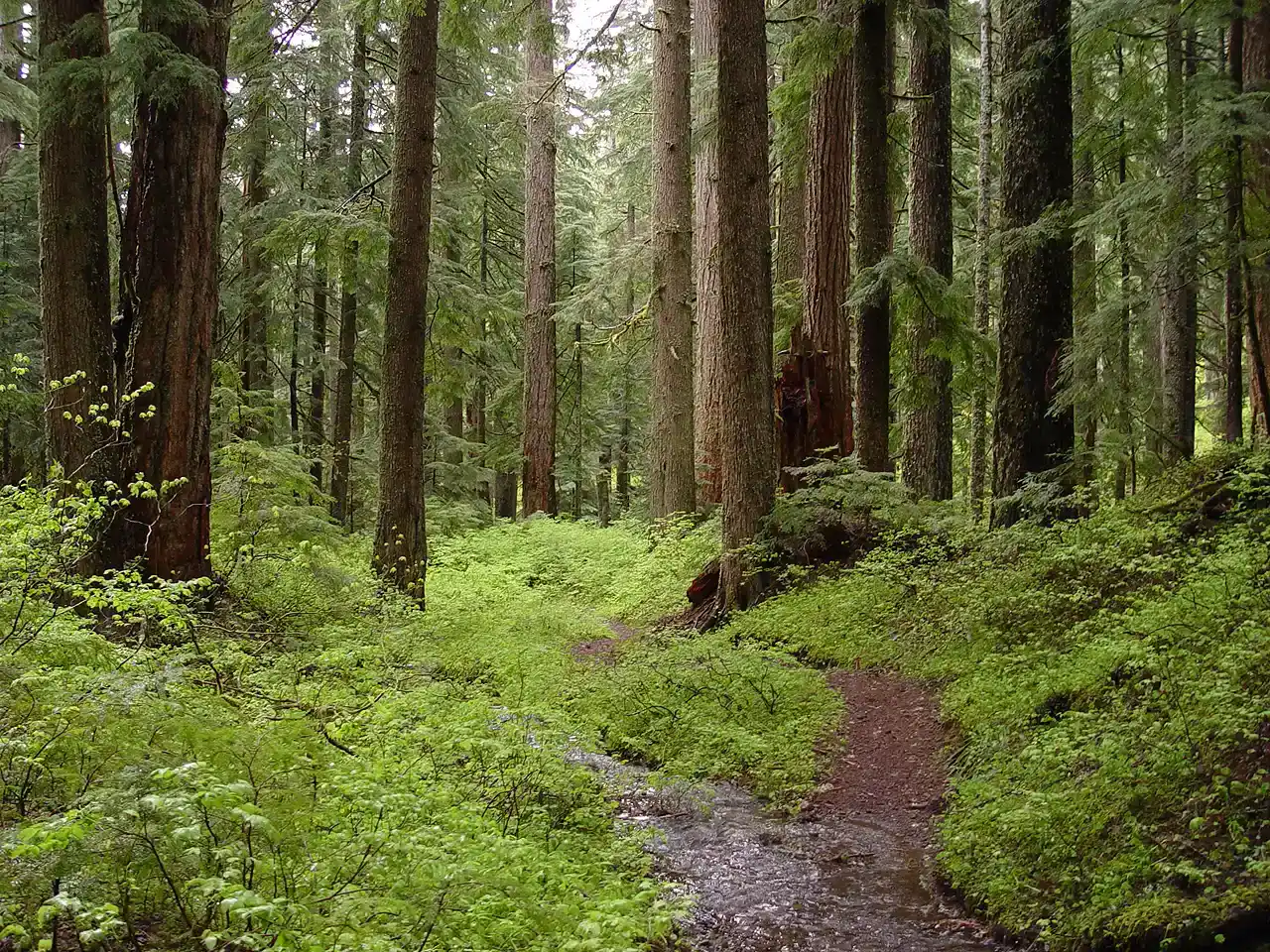
Typical characteristics of old growth forest include the presence of older trees, minimal signs of human disturbance, mixed age stands, canopy openings due to tree falls, pit and mound topography, down wood in various stages of decay, standing snags, multilayered canopies, and intact soils. Each of these features serves a purpose in supporting biodiversity that younger forests simply cannot replicate.
Consider the dead trees, or snags, that remain standing in old growth forests. They might look like failures, but they’re actually bustling with life. Insects colonize the decaying wood, woodpeckers excavate cavities, and mammals use those cavities for denning. It’s an entire food web built on what appears to be death, but is actually just transformation.
Coarse woody debris provides rich habitat for wildlife, and studies found that old growth forests showed accumulations of 30 tons per acre compared to 9 tons per acre in second growth stands. That’s more than three times the structural complexity. More hiding places. More food sources. More opportunities for specialized species to carve out a niche and persist.
Old growth forests support diverse wildlife habitat with numerous microclimates, little patches where weather varies depending on the trees above, supporting a wide range of plant and animal life. Imagine being a small mammal that prefers cooler temperatures. In a uniform young forest, you’re out of luck. In old growth, you can find your perfect microclimate and thrive there for generations. This diversity of conditions means more species can coexist in the same general area, each finding their specific requirements met.
What This Means for Conservation and Discovery
In recent years, interest in old growth has surged, with more forests discovered and scientists learning from them, while more people imagine what their landscapes looked like before colonization. This renewed attention isn’t just romantic nostalgia. It represents a fundamental shift in how we understand ecosystem function and species persistence.
In 2023, the Biden administration announced it would no longer permit most logging in old growth forests managed by federal agencies. Policy changes like this recognize that once you lose these ancient ecosystems, you cannot simply replant them. Old growth isn’t about tree age alone, it’s about the accumulated ecological complexity that develops over centuries.
The implications for rediscovering supposedly extinct species are profound. Old growth forests serve as a reservoir for species which cannot thrive or easily regenerate in younger forests, so they can be used as a baseline for research. Every remaining tract of ancient forest is potentially harboring species we’ve written off. It’s hard to say for sure, but the more we protect and study these areas, the more surprises emerge.
Conservation efforts to protect old growth forests from destruction include organizations that identify areas where old growth still exists and work to protect these places from logging. The race is on to map and safeguard remaining fragments before they’re lost to development, fire, or climate change. Each protected acre represents countless potential discoveries waiting to happen.
The truth is, we’re still in the early chapters of understanding what lives in America’s ancient forests. Technology improves, survey methods become more sophisticated, and dedicated researchers keep looking. Who knows what else is out there, quietly surviving in the shadows of 800 year old trees, waiting for us to finally notice? What would you guess might still be hiding out there in forests we haven’t fully explored?

- 14 Things Your Senior Cat Does in Its Final Season That Vets Say Owners Rarely Ever Recognise - August 3, 2026
- 17 Dog Breeds That Get Easier With Every Year and 9 That Get Considerably Harder - August 3, 2026
- 14 Quiet Things a Horse Only Ever Does Around the One Person It Has Truly Bonded With - August 3, 2026