
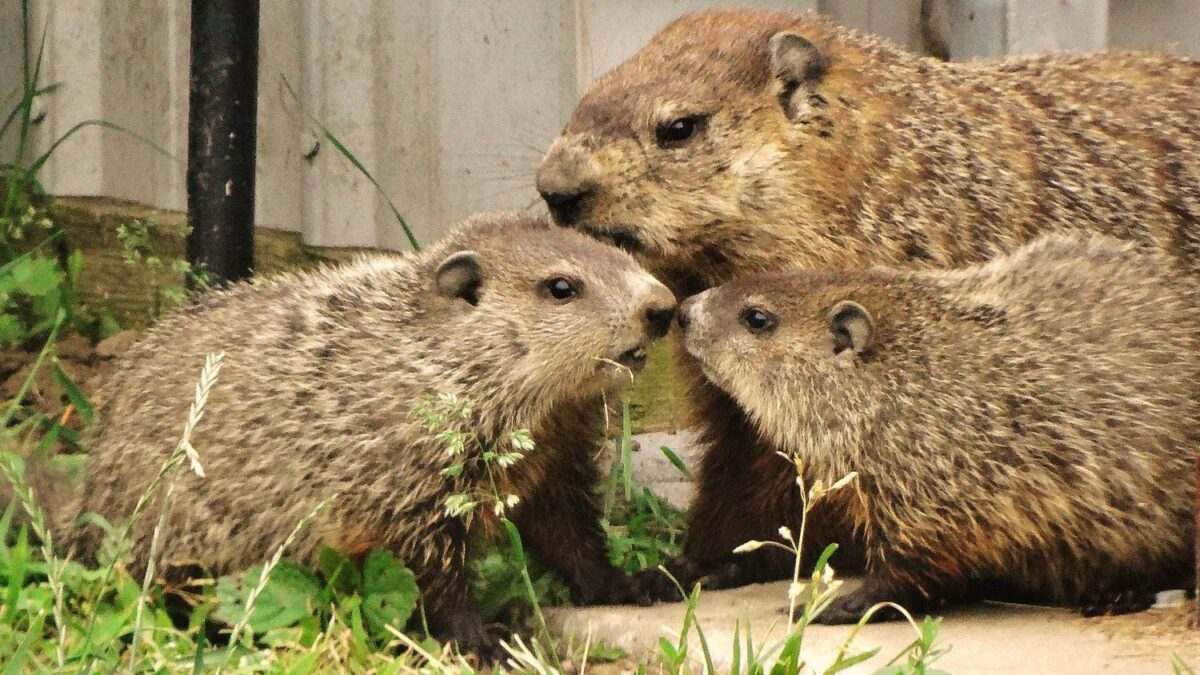
Ever wondered why that chunky critter keeps showing up in your yard? There’s more to those groundhog visits than you might think. These seemingly innocent furballs are actually quite strategic when they decide where to set up shop, and might just be rolling out the red carpet without you even realizing it.
Understanding what lures groundhogs to your space can make all the difference between a thriving garden and a devastated patch of dirt. Let’s dive into the surprising factors that turn your backyard into groundhog paradise.
Lush Vegetable Gardens Full of Tender Greens

Groundhogs love leafy greens, carrots, beans, peas, and fruits such as apples and cantaloupe. Your carefully planted vegetable garden might as well be an all-you-can-eat buffet from their perspective. These creatures have absolutely no qualms about devouring everything you’ve worked so hard to cultivate.
They favor tender, leafy vegetables like lettuce and spinach, also eating beans, peas, and carrots, focusing on young shoots and soft leaves. Think about those delicate seedlings you just planted last week. Groundhogs see them as the perfect snack, and they’re not exactly polite about helping themselves.
What makes this situation particularly frustrating is that groundhogs are binge eaters who can wipe out your vegetable garden in a matter of minutes, with adults consuming about a pound to a pound-and-a-half of vegetation daily. That’s a staggering amount for creatures that look so harmless when they’re sitting upright munching away.
They eat almost any plant material and are especially fond of tomatoes. Your prized tomato plants that you’ve been nurturing all season? Those are basically groundhog candy. The worst part is watching them take just one bite out of each perfect tomato before moving on to ruin the next one.
Honestly, it’s hard not to feel defeated when you walk out one morning and discover half has vanished overnight. Each of these herbivores can eat up to a pound and a half of vegetation every single day, meaning a couple of them can eat through an entire garden in less than 24 hours. That kind of destruction happens faster than you’d believe possible.
Groundhogs eat a third of their weight in vegetation every day. When you do the math on that appetite, suddenly their frequent garden visits make perfect sense. They’re not being malicious; they’re just incredibly hungry all the time.
Clover and Alfalfa Growing in Your Yard
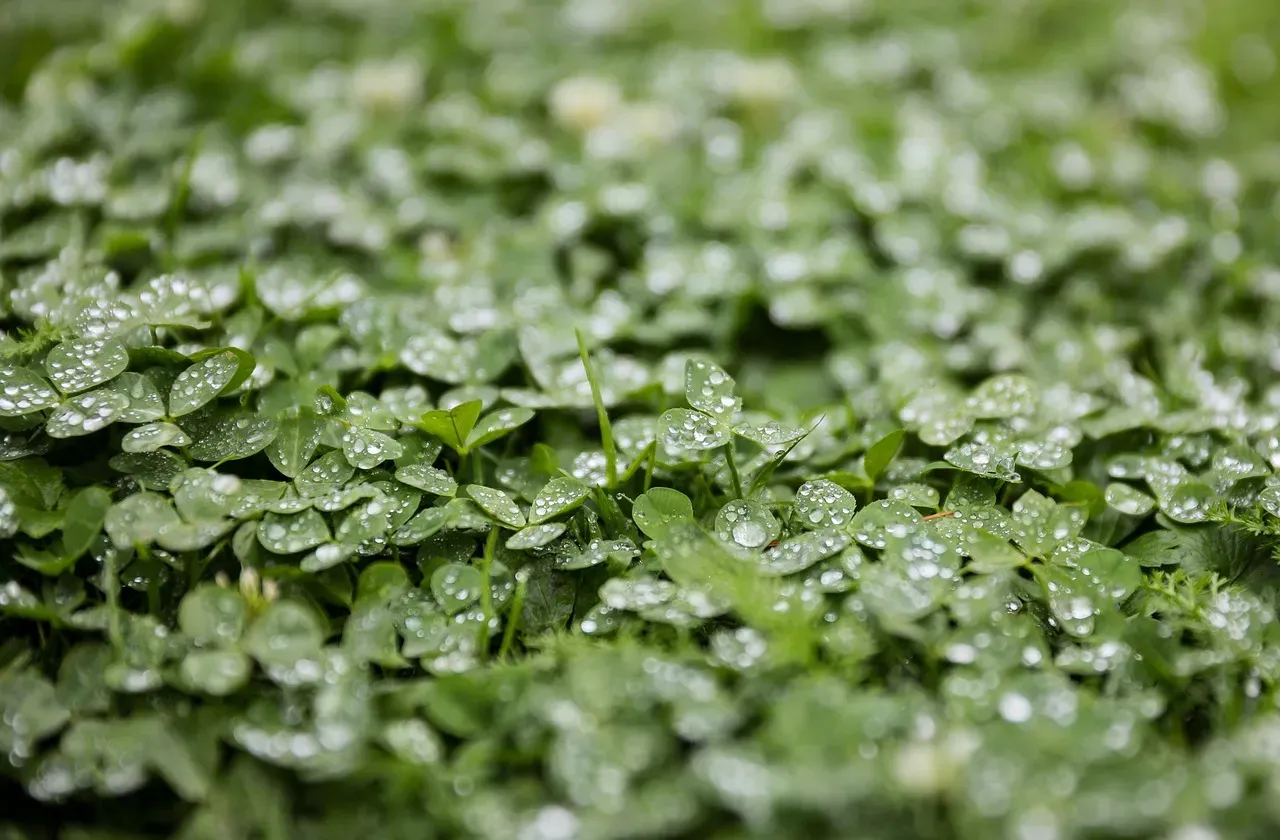
In spring groundhogs favor species of clover, which are legumes that provide an easily available source of protein for animals emerging from hibernation. That patch of clover you thought was so charming? It’s basically a neon sign saying “Groundhogs Welcome Here.” These plants are among their absolute favorite foods, particularly when they first emerge after their long winter sleep.
Groundhogs are herbivorous and love almost all vegetable matter, with clover and alfalfa probably their favorite foods. If you’ve been letting clover spread throughout your lawn thinking it’s a harmless addition, you’re unknowingly creating the perfect groundhog attraction. They genuinely prefer these plants over many others.
The protein content in legumes like clover makes them especially appealing. Your yard may have lots of their favorites, such as clover, grasses, a vegetable garden, and fruit trees. It’s like you’ve created a groundhog resort complete with their preferred menu items conveniently located in one spot.
Groundhogs are known to graze on a variety of grasses, including clover, timothy grass, and other types of wild grasses. They’re not exactly picky about grass varieties either. Open meadows filled with clover provide their main staple foods, and if your yard resembles that environment, expect regular visitors.
What’s interesting is how deliberately they seek out these particular plants. Groundhogs forage in open meadows filled with tender grasses, clovers, and alfalfa, which provides their main staple foods. Your well-maintained lawn with patches of clover is basically advertising itself as prime groundhog real estate.
The combination of accessibility and nutrition makes clover patches irresistible. These plants grow low to the ground, making them easy targets for groundhogs who prefer not to expend too much energy while feeding. That convenience factor definitely plays into their habitat selection.
Accessible Water Sources Near Your Property

If your yard has a water supply, such as a pond, stream, leaky faucet, or even a bird bath, it may attract groundhogs. You might not have considered that innocent birdbath as part of the problem, yet it’s providing exactly what groundhogs need to stick around. Water availability is a surprisingly important factor in whether they’ll claim your yard as their territory.
Groundhogs need a nearby water source to survive, and if your yard has a water supply it may attract groundhogs. It’s not just about having a fancy pond either. Even something as simple as a leaky outdoor faucet that creates a small puddle can be enough to make your property attractive to these creatures.
Groundhogs get most of their water from the plants they eat to stay hydrated, as the greens, vegetables, and fruits they consume contain a high percentage of water. While they can extract moisture from their food, having a dedicated water source makes your yard even more convenient. Why work harder when everything they need is right there?
The vegetation in already provides significant hydration, though direct water access sweetens the deal considerably. Groundhogs will directly drink water from various sources when available, including streams near their burrows and pond edges. That decorative water feature you installed for ambiance? Groundhogs think it’s there for them.
Honestly, I find it surprising how something as simple as standing water can make such a difference. It’s the combination of factors that really seals the deal. When groundhogs find food, water, and shelter all in one convenient location, they’re not going anywhere voluntarily.
Soft Soil Perfect for Burrowing
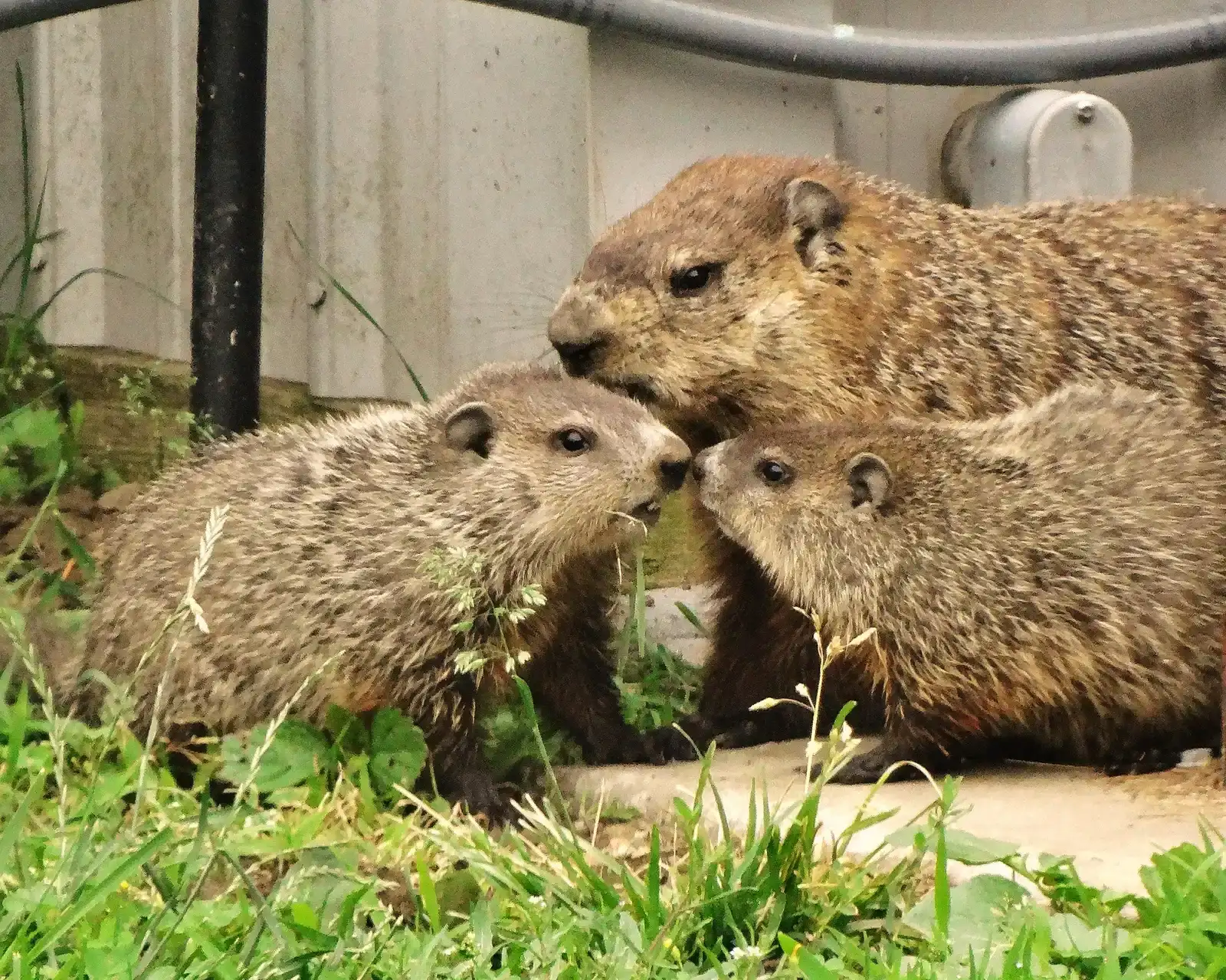
Easy access to food draws groundhogs in, especially if you’ve got a vegetable garden patch or fruit trees, and soft soil makes for easy digging when they tunnel to set up a home in your yard. That well-tended, loose garden soil you worked so hard to create? It’s making their construction projects remarkably effortless. Groundhogs are master excavators, and they’re always looking for real estate where the digging is good.
Groundhogs are known for digging burrows, which serve as their home and provide protection from predators and extreme weather, and if your yard has suitable soil and space, a groundhog may see it as the perfect place to build its home. Your property might check all their boxes without you realizing it. They’re evaluating soil composition like tiny furry contractors.
Using their long, curved claws and strong limbs, groundhogs maintain complex networks of tunnels that can extend 4 to 5 feet beneath the ground surface and up to 30 feet in length. These aren’t just simple holes we’re talking about. Groundhogs create elaborate underground systems that rival some subway networks in complexity.
The effort they put into these structures is substantial, so they’re not going to dig where the work is difficult. The groundhog prefers open country and the edges of woodland, and can typically be found in small woodlots, low-elevation forests, fields and pastures, and hedgerows. Your suburban yard sitting at a woodland edge with cultivated, soft soil is basically their dream location.
What makes soil particularly attractive is that you’ve already done half the work for them. Groundhogs prefer areas where they can dig quickly, easily, and without running into predators or competition. That freshly tilled vegetable bed with its loose, aerated soil? You’ve essentially prepared the perfect construction site.
Groundhogs dig extensive burrows with multiple entrances, usually near their main eating area or under a nearby tree. They’re strategic about placement too. Why dig far from food when they can have their home right next to the all-you-can-eat buffet that is ?
Protective Cover Like Tall Grass and Brush Piles
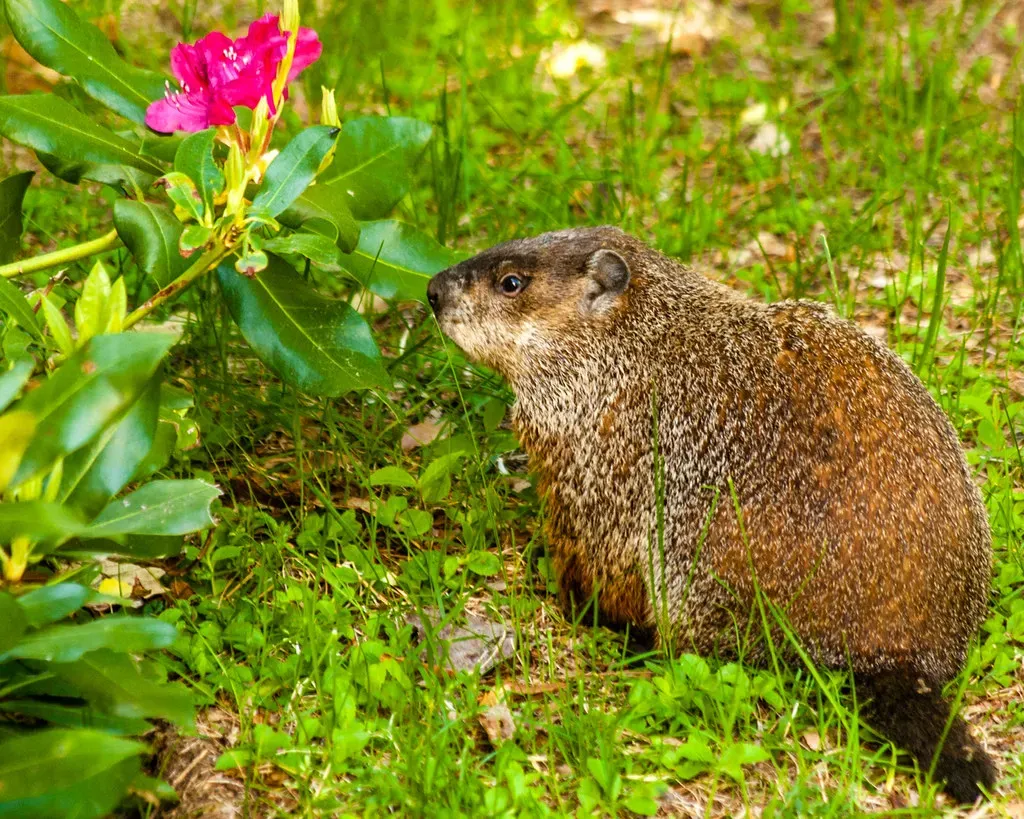
Groundhogs feel safest in locations with lots of groundcover or places to hide from predators, like overgrown shrubs and tall grass, so staying on top of trimming and mowing makes your yard less attractive. That overgrown corner of your yard you keep meaning to clean up? It’s not just an eyesore; it’s providing exactly the kind of shelter groundhogs crave. They’re cautious animals despite their appetite, and they need to feel secure while they’re out feeding.
Groundhogs like to camouflage the entrances and exits to their burrows, so remove potential hiding places by pulling weeds, keeping grass trimmed, picking up sticks, and clearing brush piles. Those leaf piles and overgrown weedy areas aren’t just unkempt; they’re active invitations. Groundhogs specifically seek out areas where they can quickly hide if danger approaches.
Groundhogs will use any yard debris they can find to make a nest, and keeping a tidy lawn that’s free of wood or leaf piles and garbage can help homeowners prevent these rodents from nesting in the first place. Let’s be real, most of us have that pile of branches we’ve been meaning to haul away or that section of grass we skip when mowing. Groundhogs see those spots as perfect cover.
Remove what attracts groundhogs to yards, including underbrush and high grass that can be used as hiding places. The connection between messy yards and groundhog populations is direct and undeniable. They’re constantly evaluating predator threats, and your unkempt areas give them the confidence to stick around.
Groundhog burrows often start in places with heavy cover, and a porch or deck is a perfect hidden spot, so install a grate or chicken wire around the porch to prevent groundhogs from building their home underneath your house. That space under your deck that you can’t quite see? Prime groundhog territory. The darkness and protection from weather and predators make it ideal for establishing their elaborate tunnel systems.
Groundhogs like to navigate through tall vegetation, and removing vegetation around burrows can create insecurity and encourage groundhogs to abandon a burrow system. They actually use vegetation corridors to move around safely. When you maintain clear sightlines and trim back overgrowth, you’re removing their preferred travel routes and making them feel exposed.
Conclusion
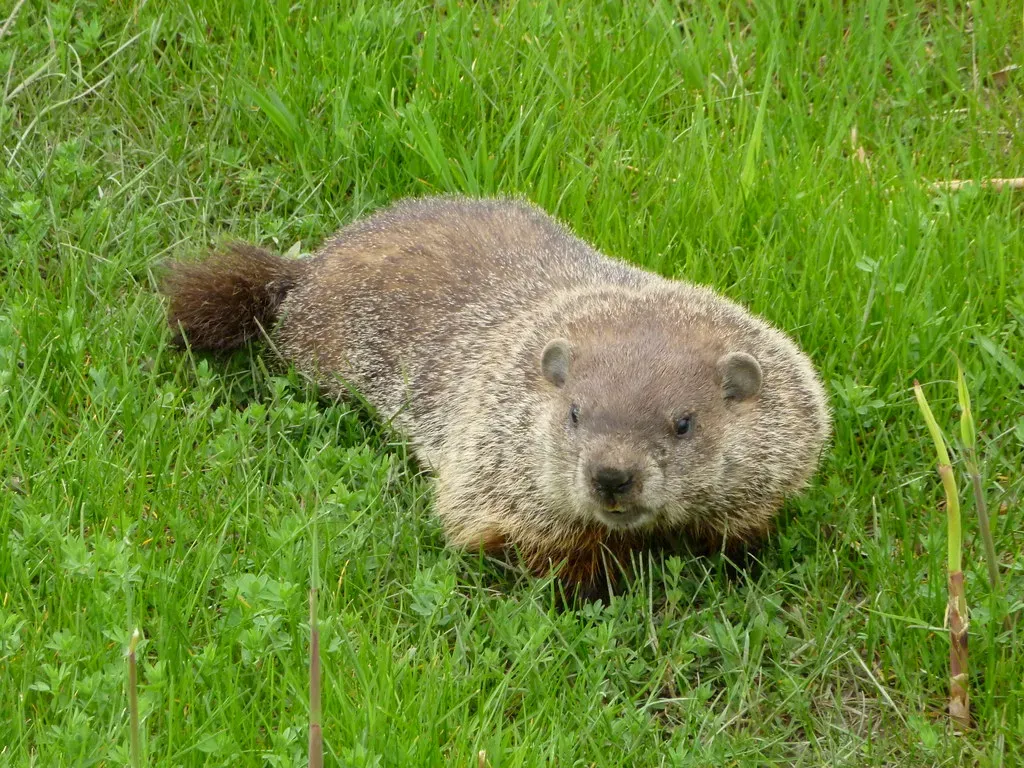
Groundhogs aren’t random visitors; they’re calculated opportunists who’ve identified your yard as meeting all their needs. From tender vegetables and protein-rich clover to accessible water and perfect burrowing conditions, your property might be advertising itself as groundhog paradise. The protective cover you’ve inadvertently provided through overgrown areas and yard debris completes the picture of an ideal habitat.
The good news is that understanding these attraction factors gives you power. By removing or modifying even a few of these elements, you can make significantly less appealing to these persistent visitors. Sometimes it’s as simple as maintaining a tidier yard or protecting your vegetables with proper fencing.
Making your space less groundhog-friendly doesn’t mean you need to transform your entire landscape. Strategic changes targeting the main attractants can shift the balance in your favor. After all, these creatures are just looking for the easiest path to survival, and when your yard stops providing that, they’ll look elsewhere.
What steps are you planning to take first? Share your groundhog battles and victories below.
