
You probably walk past them every single day without giving them much thought. The plants already growing in your garden or along your neighborhood sidewalks might seem ordinary at first glance. Yet these everyday species hold a secret power that most of us never notice until we pause long enough to actually watch what happens around them.
The truth is, your backyard can become a bustling hub of life with just a handful of common plants. Creating a space where butterflies dance, bees buzz, and birds sing isn’t some complicated mystery reserved for expert gardeners. Let’s be real, it’s actually way easier than you think.
Sunflowers: The Cheerful Giants That Feed Everyone
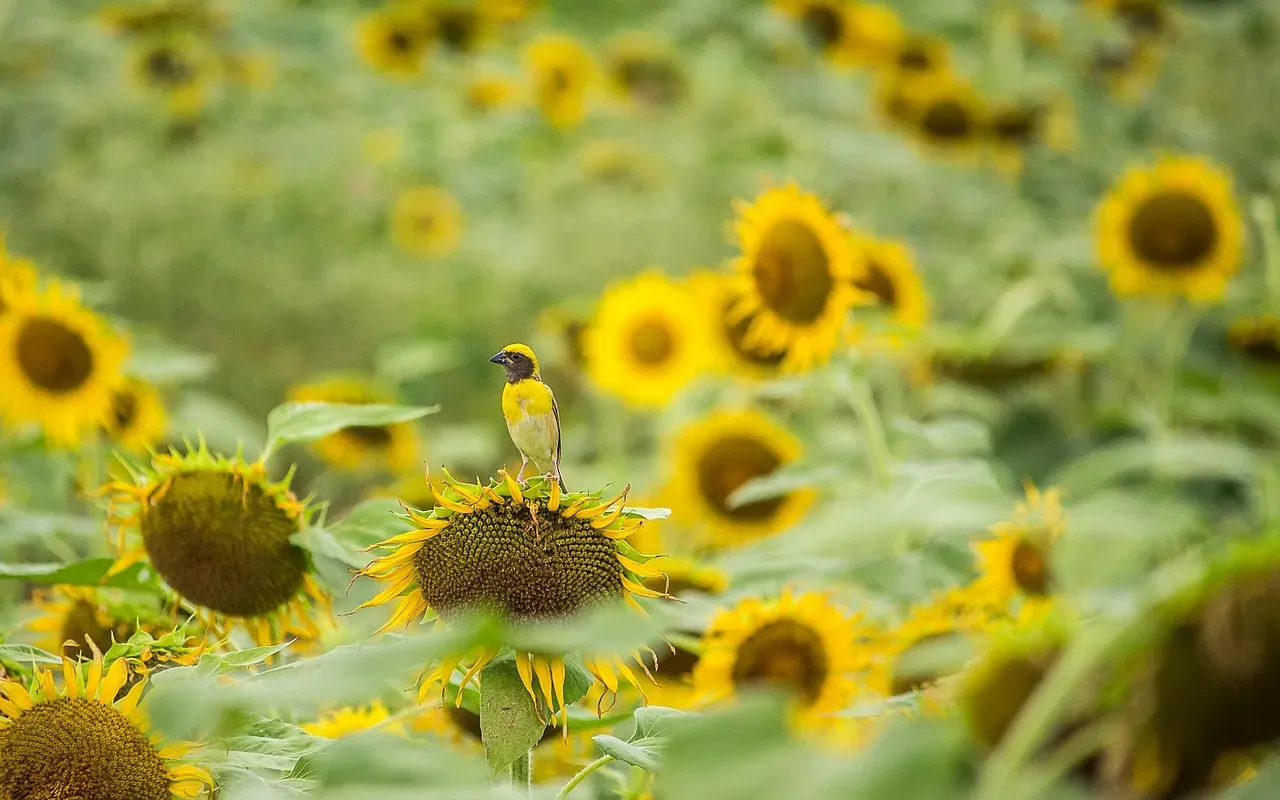
Here’s the thing about sunflowers. These bright, towering beauties aren’t just Instagram-worthy additions to your landscape. They attract butterflies and bees during summer with their bright yellow flowers, and birds love feeding on their seeds.
I know it sounds almost too simple, yet the magic happens when those massive seed heads develop toward the end of the season. Goldfinches, chickadees, and other songbirds will flock to them like it’s an all-you-can-eat buffet. You can leave the dried heads standing through winter, or harvest them for bird feeders.
They’re also ridiculously easy to grow from seed in most American gardens. Just give them full sun and decent drainage, and they’ll practically take care of themselves. The native pollinators will do the rest.
Milkweed: The Monarch’s Lifeline
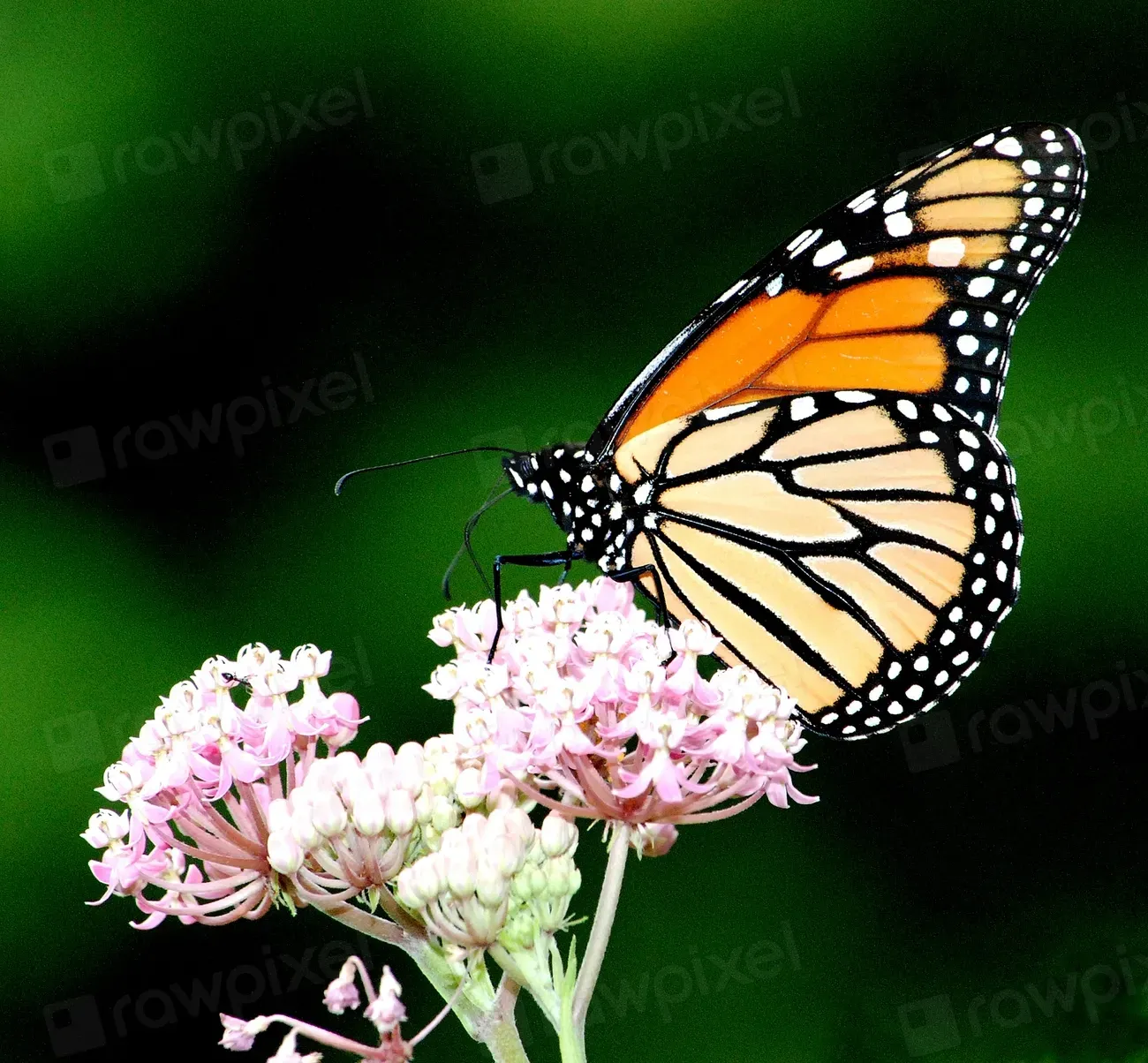
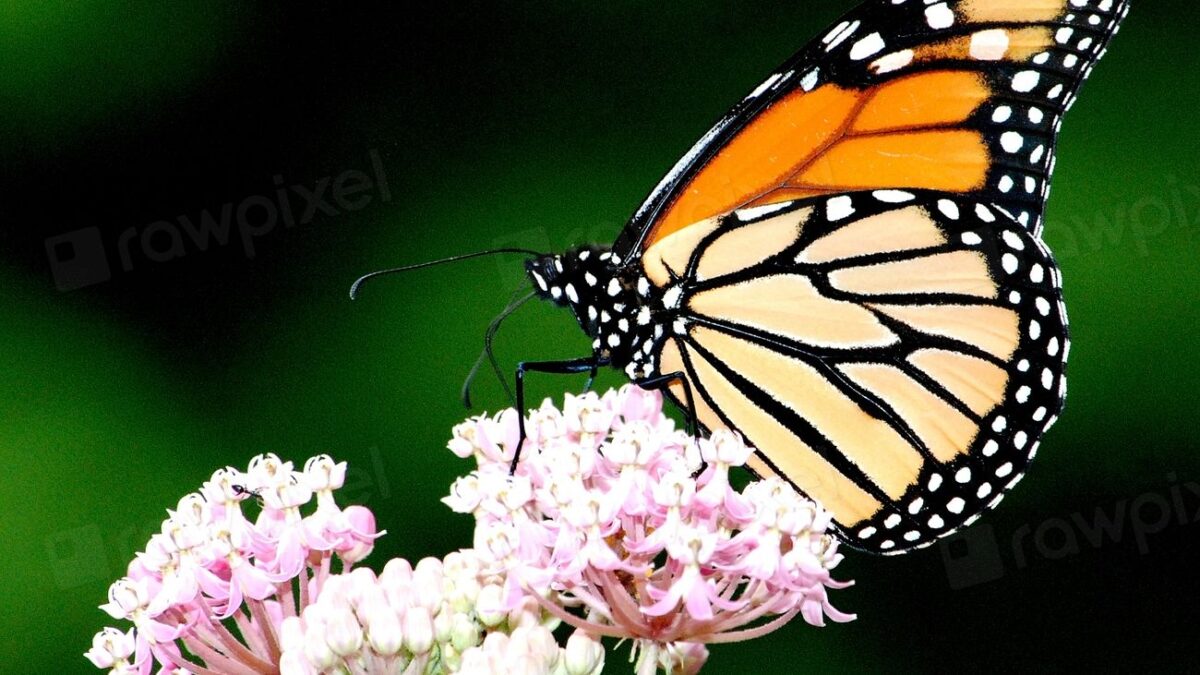
Butterfly milkweed, Asclepias tuberosa, attracts the threatened Monarch butterfly and remains essential as a pollinator-friendly species. I think most people have heard about the monarch butterfly’s struggle by now, which makes milkweed more important than ever.
What makes milkweed so remarkable goes beyond just nectar. Milkweed provides a food source for monarch caterpillars and serves as a place for adult monarchs to lay eggs. Without it, monarchs simply cannot complete their life cycle. It’s hard to say for sure, but planting milkweed might be one of the most impactful things a home gardener can do for wildlife conservation.
Several milkweed species grow across different US regions, so you’ll want to pick the variety native to your area. They handle various soil conditions and generally thrive with minimal fuss once established.
Coneflowers: Tough Beauties With Major Appeal
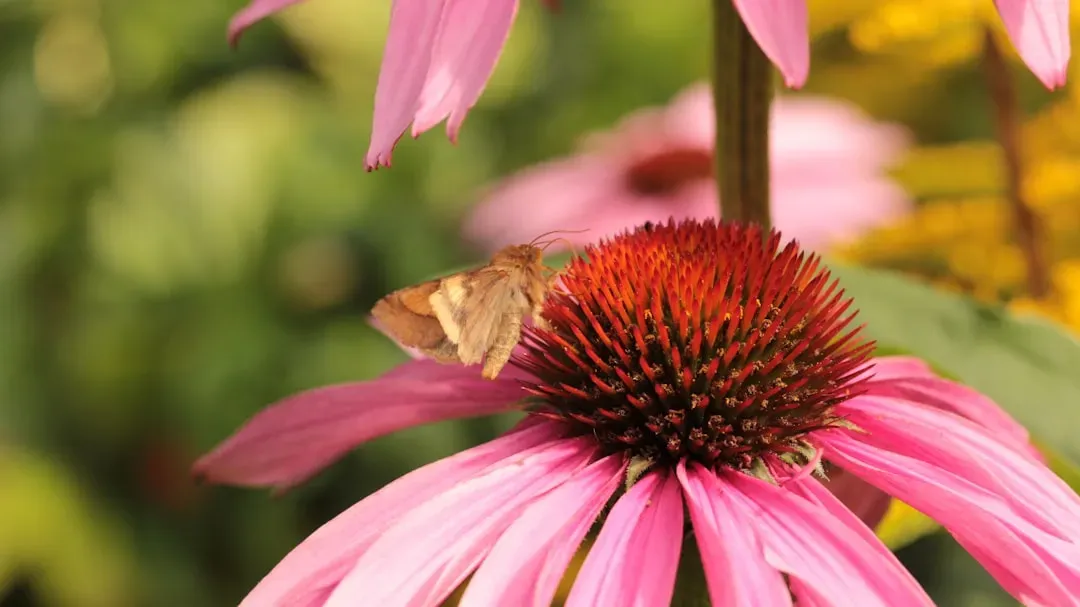
Purple coneflowers have become garden staples for good reason. Native bees and butterflies are attracted to these flowers for their nectar and pollen, and if the seed heads are left intact, birds will enjoy them in the winter.
The appeal doesn’t stop with wildlife, honestly. These perennials are incredibly hardy and drought-tolerant once established, making them perfect for gardeners who want maximum impact with minimum watering. They bloom for weeks during summer, providing consistent food sources when pollinators need them most.
I’ve noticed that coneflowers seem to attract an especially diverse crowd. Bumblebees, honeybees, butterflies, and even the occasional hummingbird will stop by. Then when autumn rolls around and you leave those spiky seed heads standing, you’ll spot finches clinging to them through early winter.
Plant them in full sun with well-drained soil, and they’ll reward you year after year. Their daisy-like appearance fits beautifully into almost any garden style, from formal borders to wildflower meadows.
Native Grasses: The Unsung Heroes of Wildlife Habitat
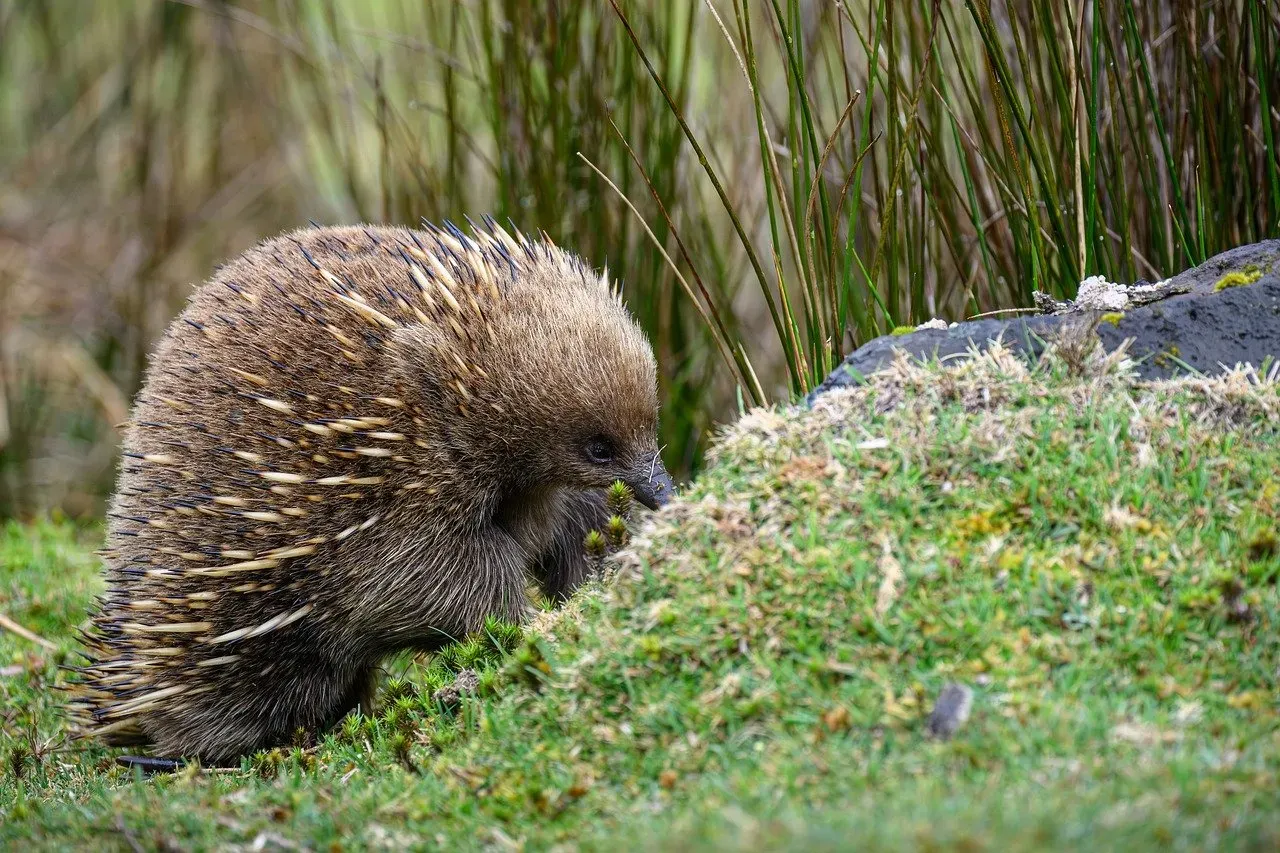
Most people overlook grasses entirely when planning wildlife gardens, which is honestly a huge mistake. Caterpillars of butterflies, such as Speckled Wood and Scotch Argus, feed on grass leaves, and tussocks also provide a habitat for beetles, spiders, frogs, and toads.
Let’s be real, a patch of native prairie grass might not look as flashy as a bed of colorful flowers. Yet it provides structure and shelter that many creatures desperately need. Ground-nesting bees, which make up the vast majority of native bee species, often nest in or near clumps of grass. Small mammals use grass tussocks for cover from predators.
The best part? Native grasses are ridiculously low-maintenance compared to traditional lawns. They don’t need weekly mowing, constant fertilizing, or excessive watering. Native plants use about half as much water as non-native plants like turf grass and have longer roots adapted to reach more than a foot underground to access water.
Consider replacing even a small section of your lawn with native bunch grasses suited to your region. The wildlife will notice immediately.
Shrubs With Berries: Nature’s Pantry All Winter Long
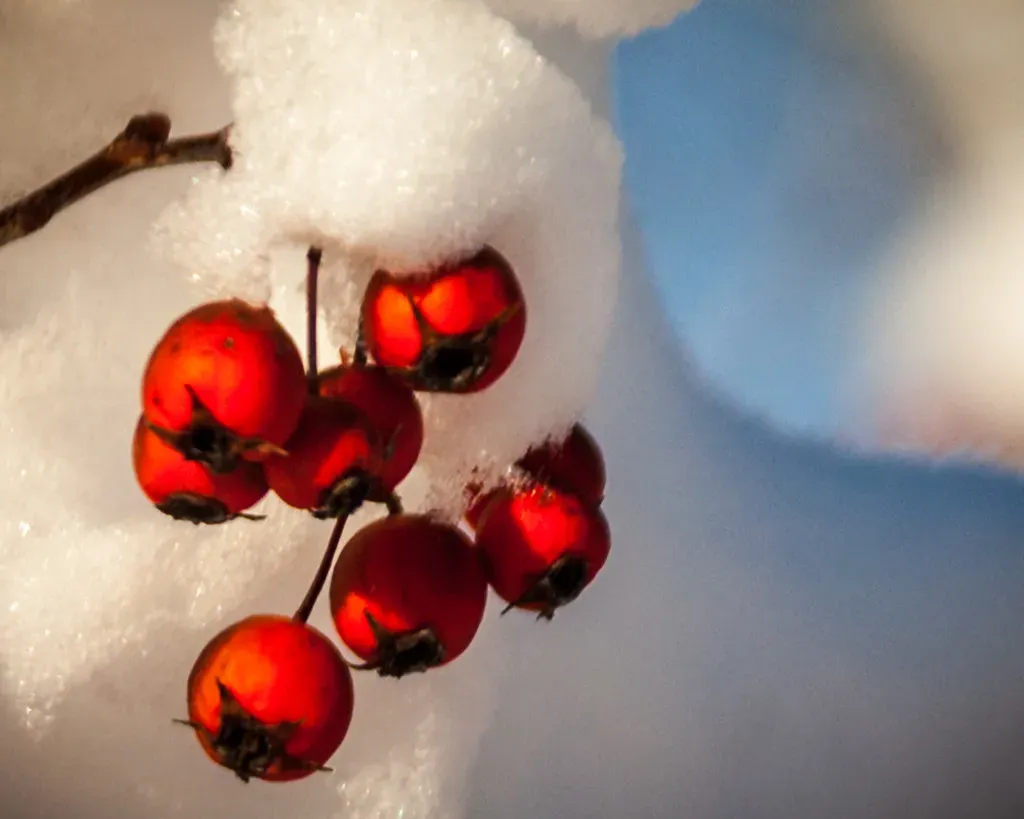
Small trees and shrubs that are good for blossom and berries include rowan, crab apple, elder, blackthorn and hawthorn. These workhorses offer something special that herbaceous perennials simply cannot provide: substantial cover and year-round structure.
Spring arrives and these shrubs burst with blossoms that attract early-season pollinators still groggy from winter. Then as summer fades, the real magic begins when berries ripen. Thrushes, waxwings, mockingbirds, and dozens of other species rely on these fruit-bearing shrubs, especially during migration and harsh winter months.
Chokeberry and elderberry are particularly valuable native options across much of the United States. Aronia arbutifolia, or chokeberry, and Rudbeckia maxima, or giant coneflower, provide important food sources for birds. The berries might not appeal to human taste buds, yet birds absolutely devour them.
These shrubs also offer nesting sites and protective cover from predators. A layered garden with varying heights creates what ecologists call “vertical structure,” which dramatically increases the diversity of wildlife your space can support.
Asters: The Late-Season Superstars
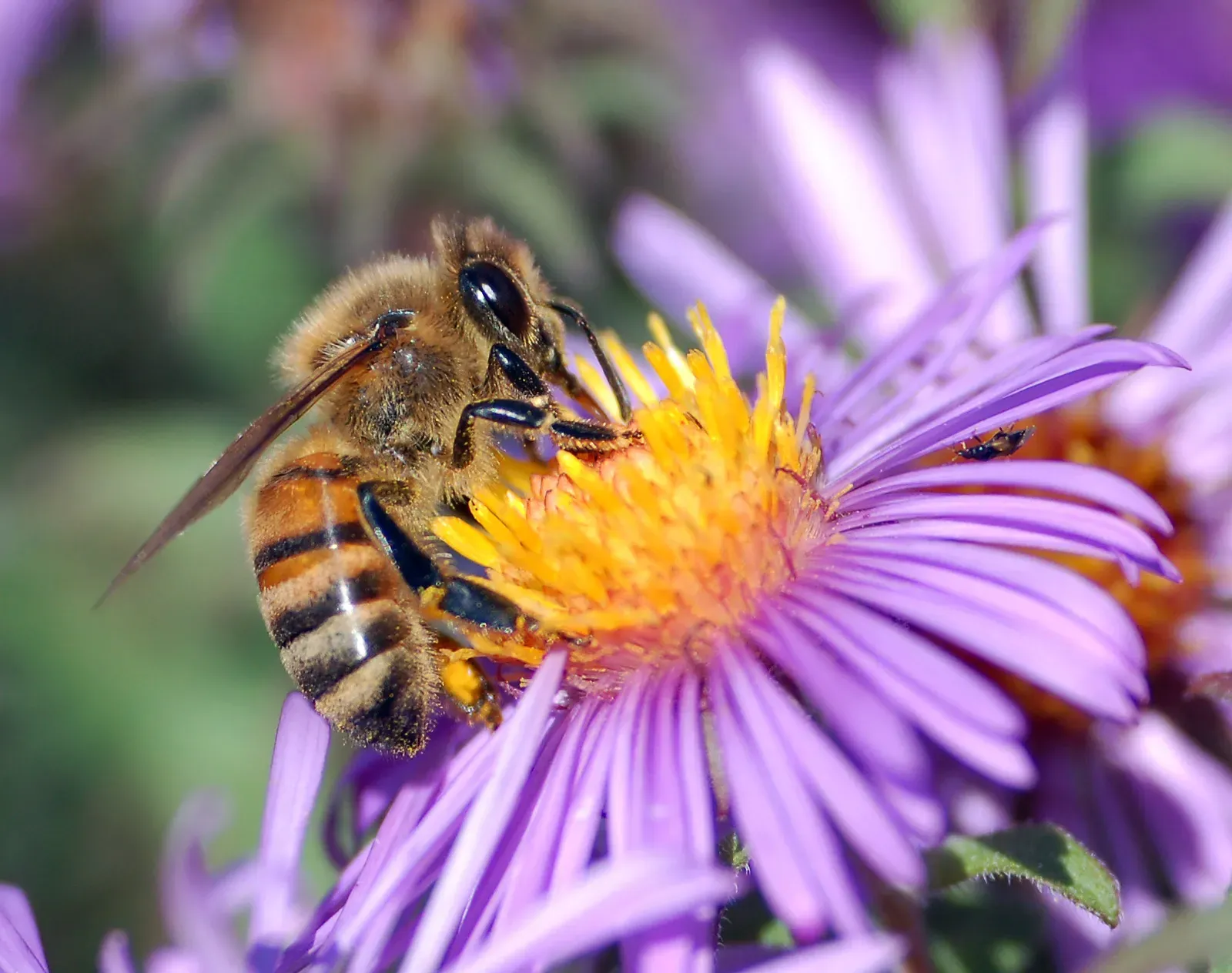
When most garden flowers have called it quits for the season, asters are just getting started. Aster is a major source of nectar for honeybees in the fall. This timing makes them absolutely critical for pollinators preparing for winter.
I think the value of late-blooming plants gets seriously underestimated. Bees need to build up food stores before cold weather hits, and migrating butterflies require fuel for their long journeys south. Asters provide exactly what these creatures need when few other options remain.
Native asters come in purple, pink, white, and blue varieties. They spread easily, sometimes a bit too easily if conditions are perfect, yet that vigor means they’ll fill in gaps and create sweeping drifts of color. The effect in autumn sunlight is genuinely stunning.
Plant them where they’ll get at least partial sun, and watch the late-season action unfold. You might be surprised by how many different species visit these unassuming flowers. Painted ladies, monarchs on their final migration, native bees stockpiling for winter – all depend on plants like asters that keep blooming when everything else has faded.
Conclusion
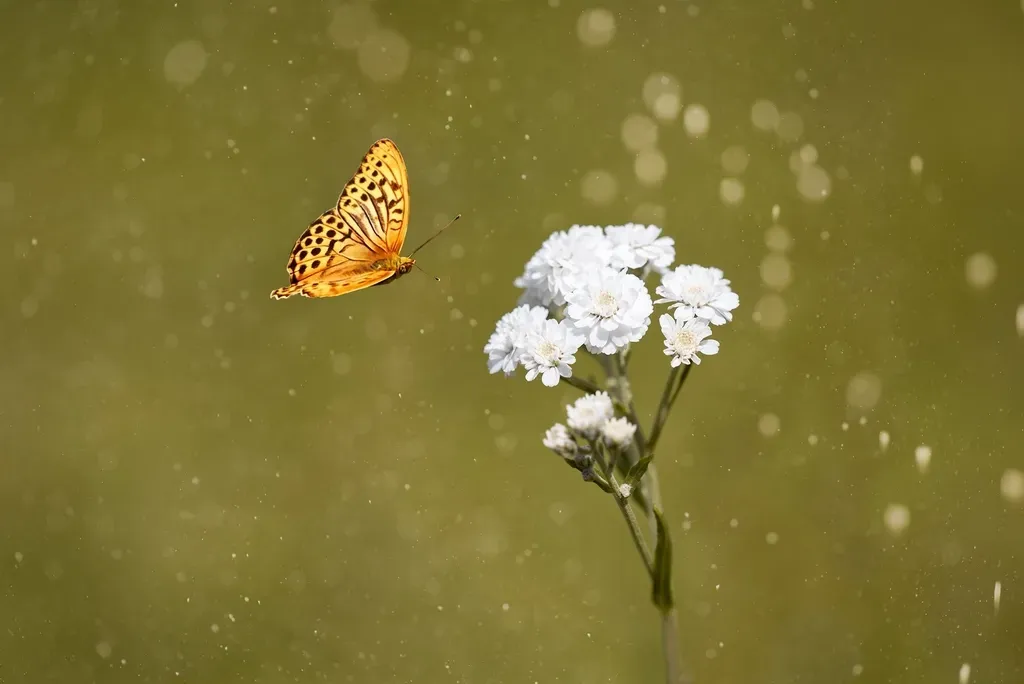
Creating a garden that truly supports wildlife doesn’t require exotic specimens or complicated landscaping schemes. The everyday plants already thriving across American gardens hold immense power to restore habitat and support declining species. From cheerful sunflowers feeding winter birds to essential milkweed sustaining monarch butterflies, each plant plays a unique role in the web of life unfolding right outside your door.
Even a small number of native plants makes a visible difference, and restoring native species to your property generates rapid results in terms of the number and diversity of wildlife you see. The transformation happens faster than you’d expect, honestly.
So what’s stopping you from adding one or two of these plants to your garden this season? Even a single container of native wildflowers on an apartment balcony makes a difference. What would your garden look like if it became a haven for the wildlife struggling to survive in our increasingly developed world?

- Which North American Flower Are You According to Your Zodiac Sign - August 14, 2026
- How to Attract Orioles to Your Garden - August 14, 2026
- If These 10 Birds Visit Your Garden, It Means You're Doing Things Right - August 14, 2026