
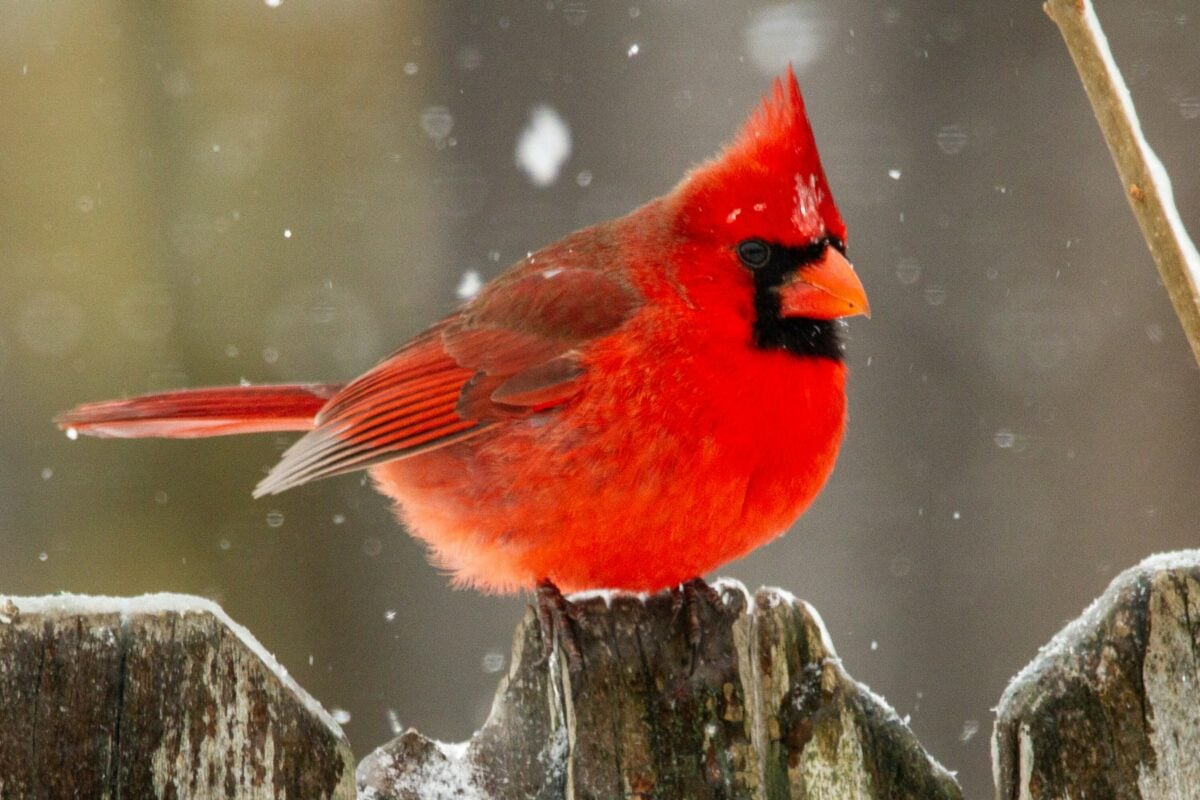
Have you ever stepped outside with a cup of coffee, heard unexpected birdsong, and felt this weird little burst of pride, like nature just gave you a five‑star review? Garden birds are exactly that: live, feathered feedback on how healthy, safe, and welcoming your outdoor space really is. You can fool people with pretty landscaping, but you can’t fool wildlife for long.
Some birds are especially revealing. When certain species choose your garden, they’re basically saying you’ve got the food, shelter, water, and peace they need to thrive. Think of them as tiny inspectors with wings, quietly grading your choices in plants, chemicals, and general vibe. If you start spotting the birds below, there’s a good chance you’re doing a lot more right than you realize.
1. American Robin – The Earthworm Inspector
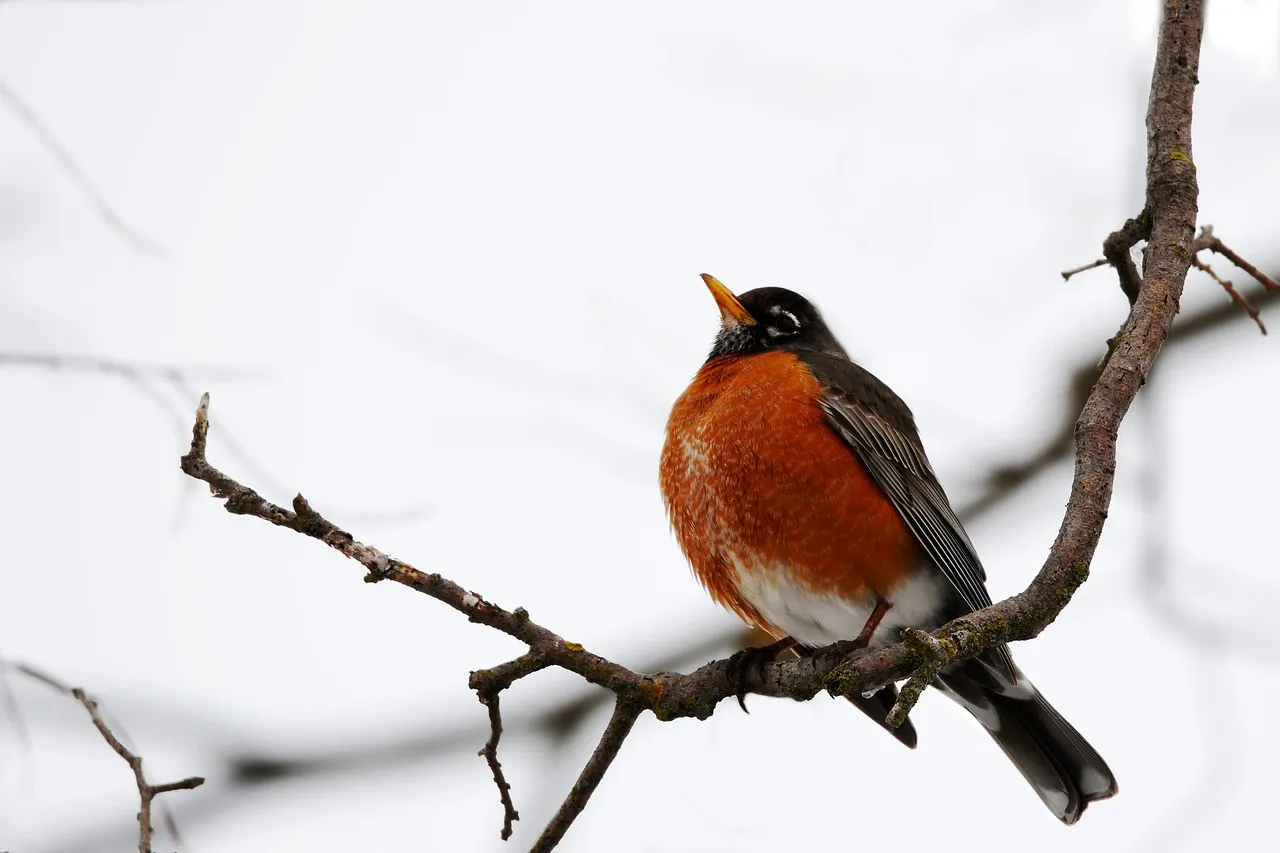
The sight of an American robin hopping confidently across your lawn, head cocked, yanking out earthworms like spaghetti, is one of the clearest signs your soil is alive and well. Robins love moist, healthy ground rich in insects and invertebrates, which only show up in numbers when the soil ecosystem is thriving. If your garden is saturated with harsh chemicals or your lawn is basically a green carpet of sterile turf, robins are usually the first to vote with their wings and head elsewhere.
Robins also need nearby trees or shrubs for nesting and cover, so their presence usually means you’ve got a decent mix of open ground and woody structure, not just flat lawn. When they nest in your yard or along your fence, it often means they see your space as safe enough to raise chicks, which is a huge compliment. I always take it as a personal win when a robin decides my slightly messy, worm-filled garden beats the neighbor’s perfect, weed-free lawn.
2. Chickadees – Tiny Judges of Your Native Plants
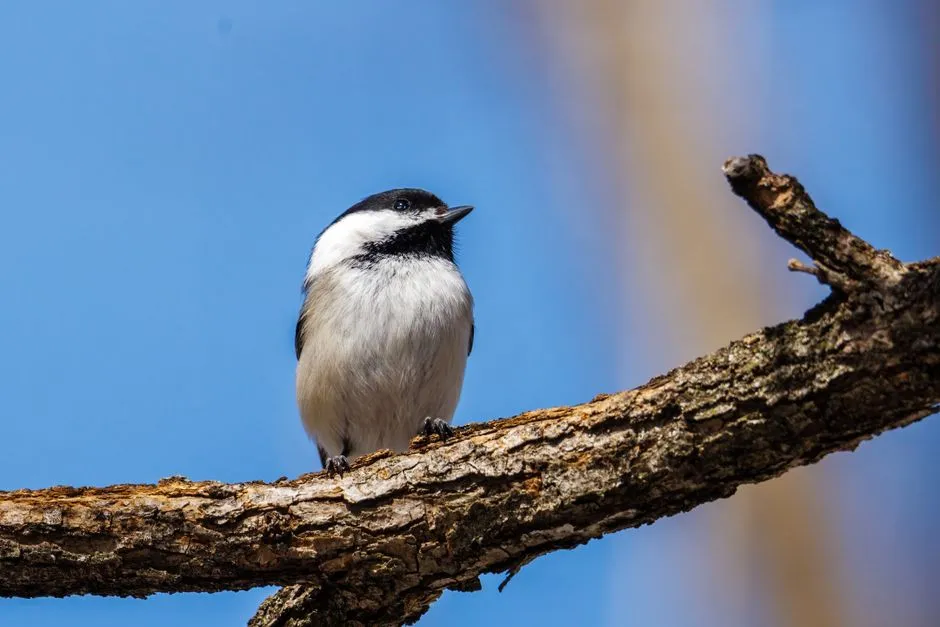
Black-capped and Carolina chickadees might be small, but they are brutally honest critics of your planting choices. These birds rely heavily on caterpillars to feed their young, and those caterpillars depend on native trees and shrubs such as oaks, maples, birches, and dogwoods. When chickadees are busy weaving through your branches, grabbing insects, and scolding everything in sight, it usually means you’ve got a good base of native vegetation instead of a yard full of exotic ornamentals that support little to no insect life.
Chickadees are also bold enough to nest in boxes and use feeders, but they still need that insect buffet during breeding season. Their presence basically says: your yard is part of a functioning food web, not just a plant museum. I like to think of them as the neighborhood ecologists with built-in feathered lab coats, constantly measuring how many living things your garden can support.
3. Northern Cardinal – The Color Test of Safety and Structure
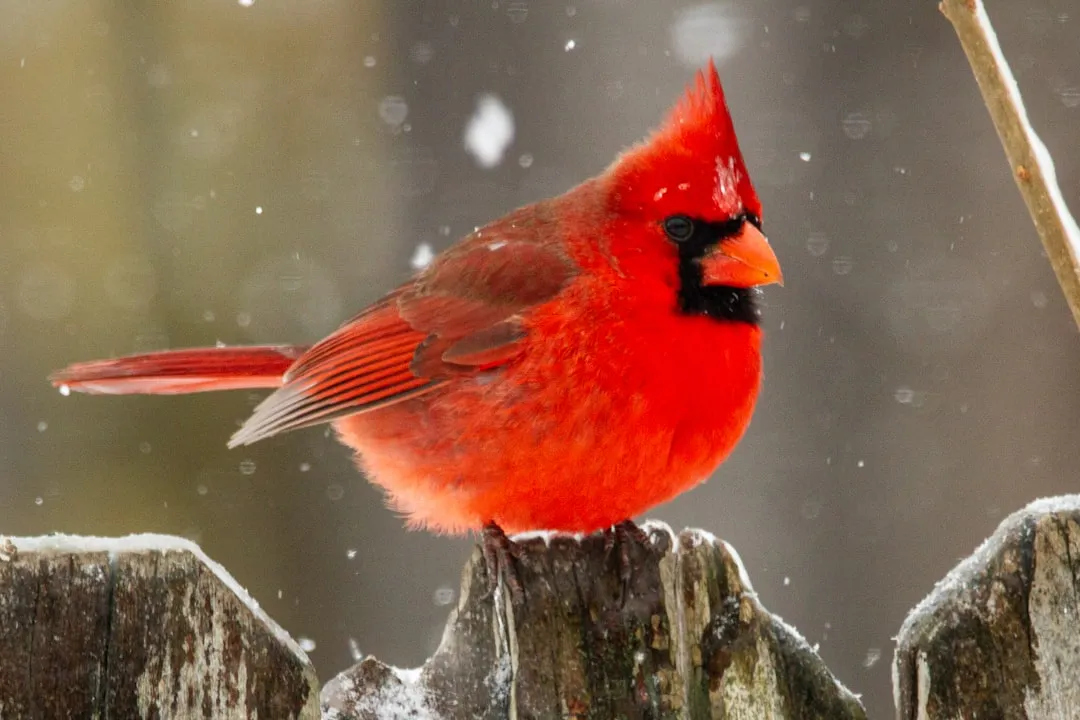
When a male northern cardinal perches in your yard, blazing red against the green, it’s hard not to feel like your garden just leveled up. Cardinals depend on dense shrubs, tangles, and hedges for nesting and cover, not wide-open, exposed spaces. If they’re nesting or regularly feeding in your yard, it suggests you’ve created layers of vegetation – ground cover, mid-level shrubs, and trees – that give them places to hide, rest, and raise young away from predators.
Cardinals are also somewhat cautious birds, so they tend to favor quieter, more stable spots over noisy, chaotic ones. If you see them visiting regularly, especially at dawn and dusk, your garden is probably offering a mix of seeds, fruits, and safe perches that feels reliable. In a way, cardinals are like that friend who refuses to hang out anywhere that doesn’t feel comfortable and welcoming; if they keep showing up, you’re doing something right.
4. House Wren or Carolina Wren – The Clutter Lovers
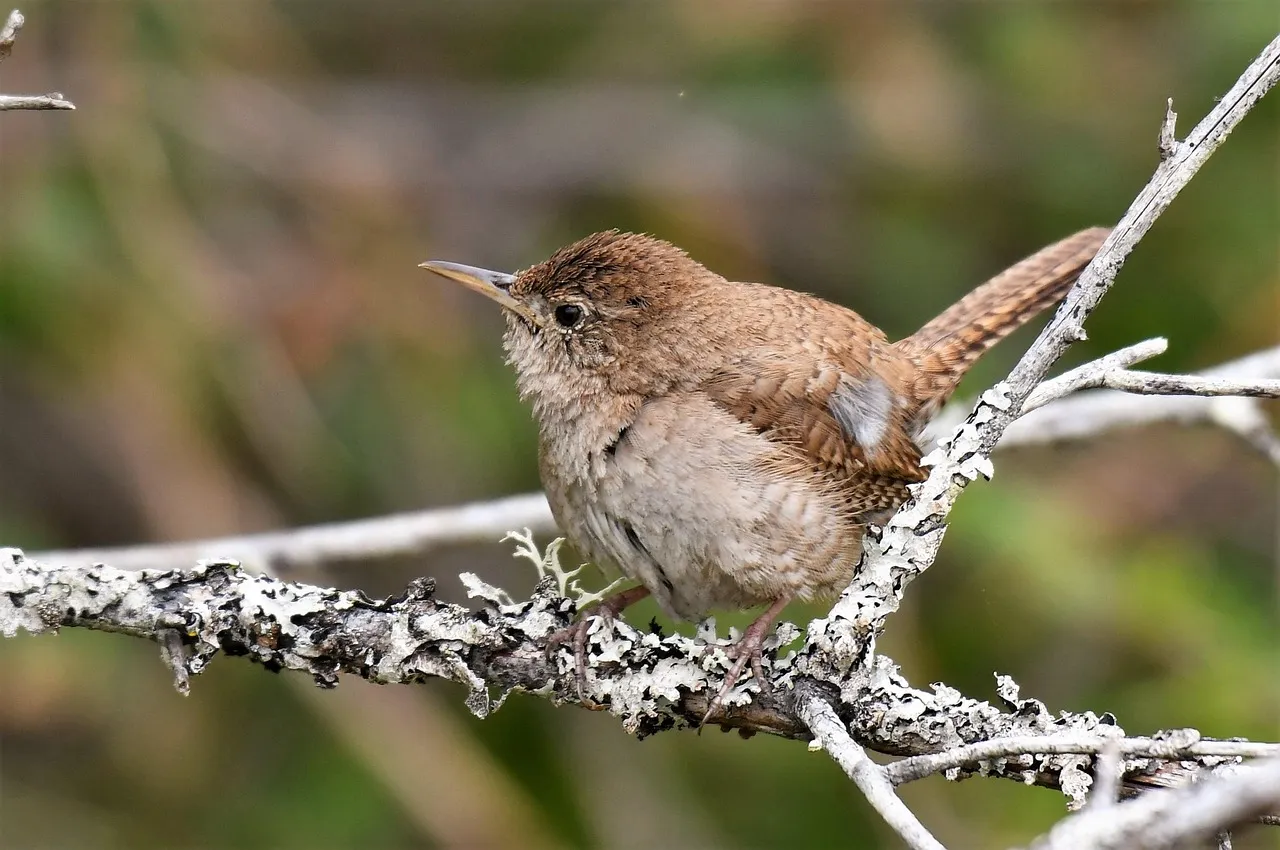
Wrens are the ultimate fans of what many people call “yard mess.” Brush piles, old logs, overgrown corners, stacked flower pots – where most humans see clutter, wrens see real estate. If house wrens or Carolina wrens are bouncing around your garden, chattering furiously and inspecting every crevice, it usually means you’ve resisted the urge to over-tidy and left key bits of habitat intact.
These birds eat a huge variety of insects and spiders, especially in tangled vegetation and decaying wood. That only exists in gardens that tolerate some natural decay instead of sterilizing everything with blowers and chemicals. To me, wrens are proof that a slightly wild, imperfect garden is not a failure but a success story in disguise. If they’re there, your garden likely offers both shelter and a serious insect pantry.
5. Goldfinches – The Seed and Flower Critics
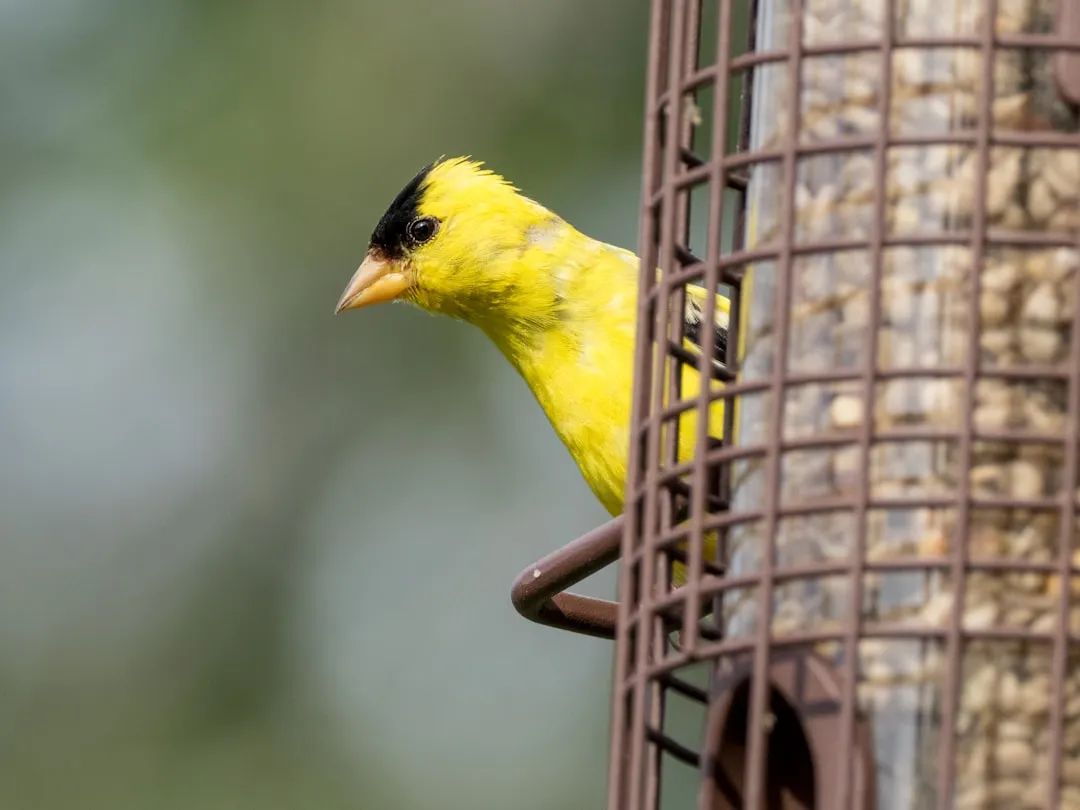
American goldfinches are like little floating sunbeams, and they are obsessed with seeds from native flowers and weedy plants. If they’re in your garden, especially later in summer and fall, they’re usually feeding on the seed heads of coneflowers, sunflowers, thistles, asters, and other composite blooms. Their presence is a strong hint that you let flowers actually finish their life cycle instead of deadheading everything the moment it fades.
Goldfinches are also sensitive to habitat quality and tend to favor places with a mix of open space, patches of wildflowers, and safe perches. When you see them hanging from seed heads or visiting a feeder stocked with quality sunflower or nyjer seed, it means your garden is providing the kind of plant diversity that supports natural food sources beyond just one season. In simple terms, they reward gardeners who plant for beauty and ecology, not just instant curb appeal.
6. Woodpeckers – The Tree Health Inspectors
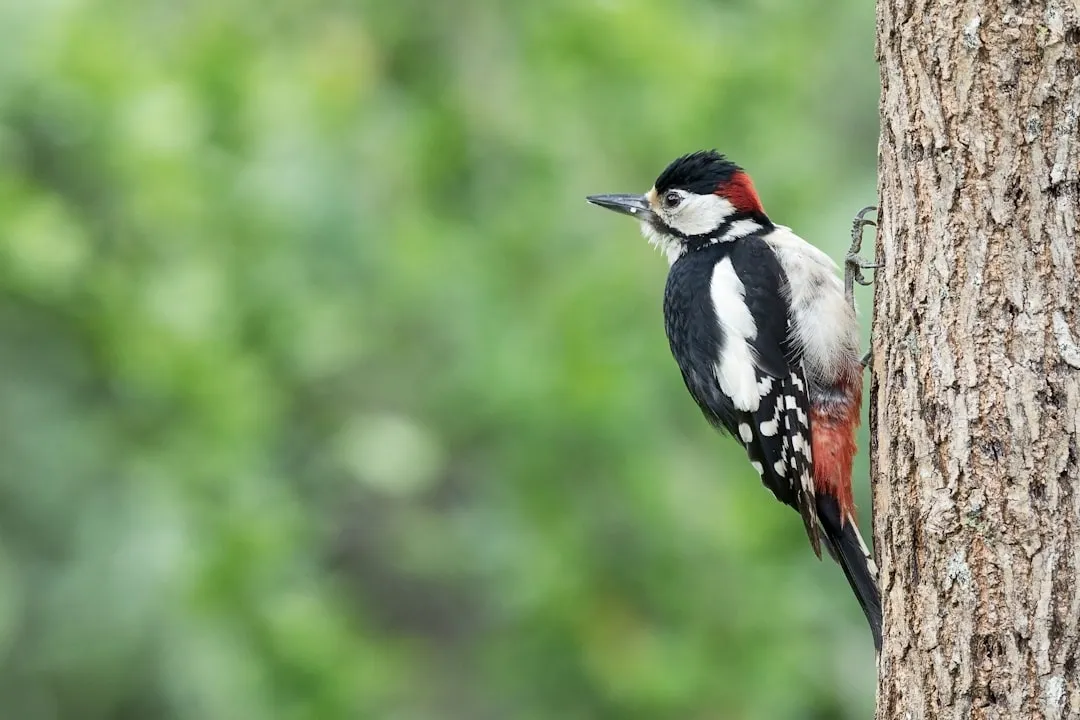
Downy, hairy, and red-bellied woodpeckers are basically your personal tree health consultants. They hammer away at trunks and branches in search of beetle larvae, ants, and other insects, which means your trees are supporting a bustling invertebrate community. Contrary to what many people assume, their presence is usually not a sign your trees are doomed, but that your yard includes mature trees and dead wood that are crucial for biodiversity.
Woodpeckers also rely on snags – standing dead or dying trees – for nesting cavities. If you’ve allowed at least some dead limbs or older trees to remain where they are not hazardous, you’re quietly supporting not only woodpeckers but also the many other species that later use those cavities. When woodpeckers are regular visitors, it means you see trees as more than decorative poles and treat them as living ecosystems, which is one of the clearest marks of a wildlife-friendly garden.
7. Hummingbirds – The Nectar and Timing Experts
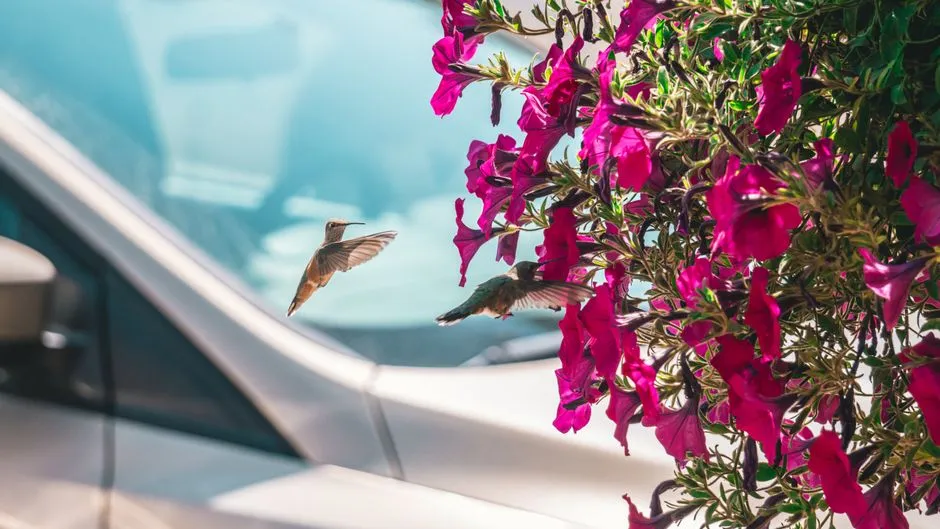
In North America, ruby-throated hummingbirds in the east and other hummingbird species in the west are demanding little critics of your flower choices. They look for tubular, nectar-rich blooms in reds, pinks, oranges, and purples – think bee balm, salvias, penstemons, columbine, and native honeysuckles. If hummingbirds are zipping around your beds, it’s a sign you’re planting more than just sterile, double-bloom hybrids and are including nectar sources that actually feed something.
Hummingbirds are also a subtle test of timing. They need nectar from early migration through late summer, so gardens that support them tend to have a succession of blooms rather than one big show and then nothing. If you see them coming back year after year, especially if they seem to patrol a “route” around your yard, they’ve likely mapped your garden as a reliable fuel station on their seasonal journeys. That’s a huge endorsement of both your plant choices and your consistency.
8. Bluebirds – The Open-Space Purists
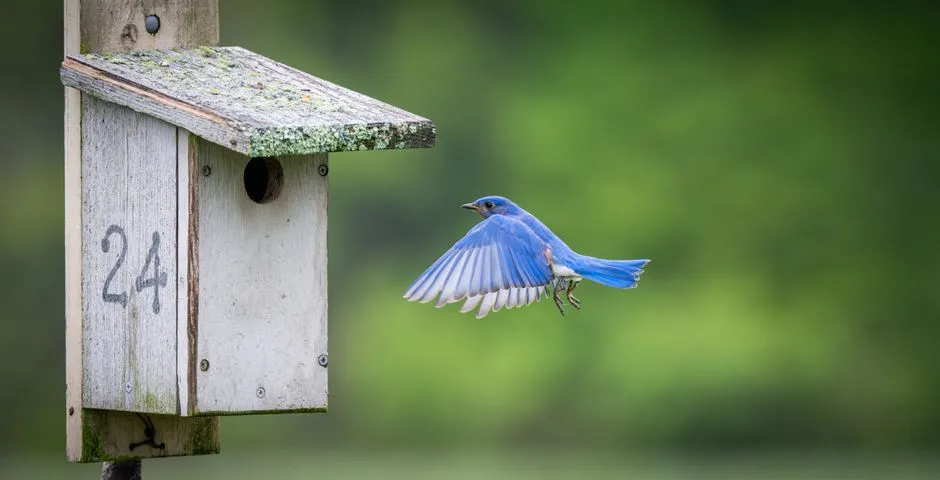
Eastern and Western bluebirds are often held up as a symbol of a healthy countryside, and for good reason. They prefer open, lightly wooded areas with scattered perches and low vegetation, not dense thickets or concrete deserts. If bluebirds are hunting insects from your fence posts or nesting in boxes near your garden, it often means you’ve struck a nice balance between open grassy areas, scattered trees, and minimal pesticide use.
Bluebirds are insect hunters, especially during breeding season, so they rely on lawns and meadows that are not drenched in chemicals and that allow a variety of bugs to survive. They’re also cavity nesters, which means if they’re using a nest box you have likely placed it at a reasonable height and in a safe, open spot. In other words, bluebirds indicate your garden is not just pretty to humans but structurally and chemically friendly to a wider landscape of life.
9. Sparrows and Towhees – The Leaf Litter Detectives
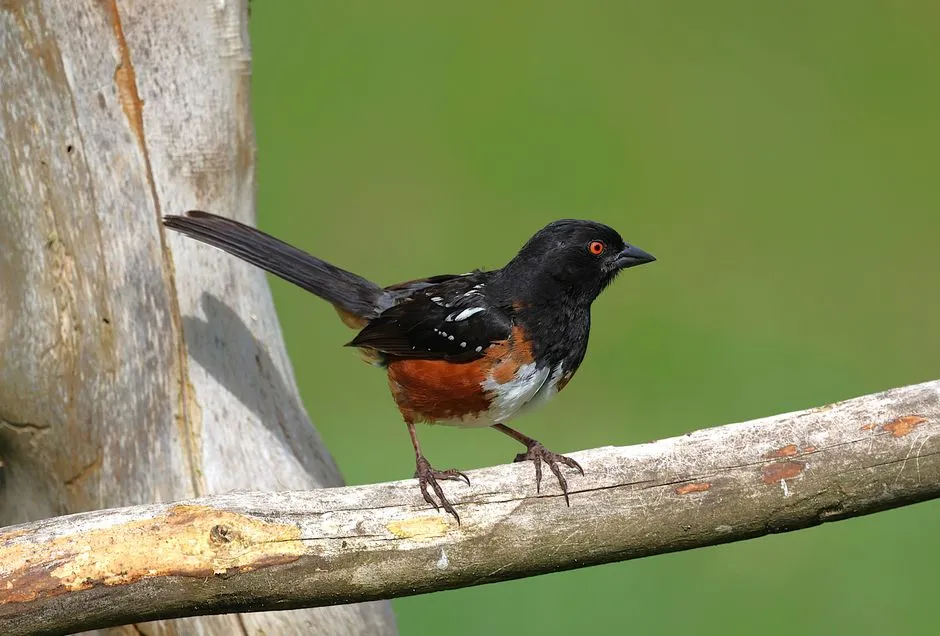
While some urban-adapted sparrows can thrive almost anywhere, many ground-feeding sparrows and towhees are connoisseurs of leaf litter and low cover. When you see birds like song sparrows, white-throated sparrows in winter, or eastern towhees scratching under shrubs and rustling through fallen leaves, it typically means you’ve left the forest floor layer mostly intact. That layer is where countless insects, spiders, and seeds accumulate, and birds know it’s a buffet.
Gardens that are raked bare out of habit or aesthetics tend to be much quieter. By contrast, if these ground-foragers are regulars, your yard likely has a combination of mulch, leaves, and low shrubs that provide both food and hiding spots. I always smile when I hear the distinct scratching of towhees under my azaleas; it’s nature’s way of saying that the “mess” I left on the ground is doing exactly what it’s supposed to do.
10. Owls or Hawks – The Top-Predator Seal of Approval
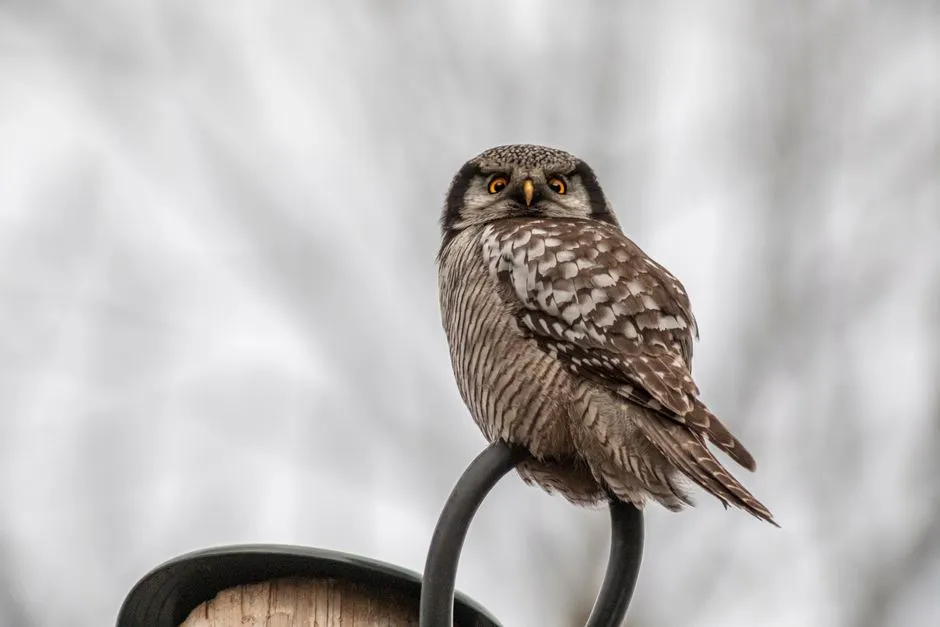
Spotting a small owl on your fence at dusk or a hawk circling above your neighborhood can feel dramatic, but it’s actually one of the strongest signs your local ecosystem is functioning. Raptors need abundant prey – small birds, rodents, insects – and safe perches or nesting sites. If they are using your trees, hunting over your garden, or even just making regular flyovers, it usually means there is enough life in and around your yard to support predators at the top of the food chain.
Of course, these birds are using a much larger territory than just your property line, but your garden still plays a part. If you offer dense cover for prey species, avoid poisons that travel through the food web (like rodenticides), and maintain some mature trees, you’re helping make the whole neighborhood raptor-friendly. In ecological terms, top predators only hang around where the base of the pyramid is strong, so their presence is like getting the ultimate five-star rating from nature itself.
Conclusion: A Garden That Chooses Life Over Perfection
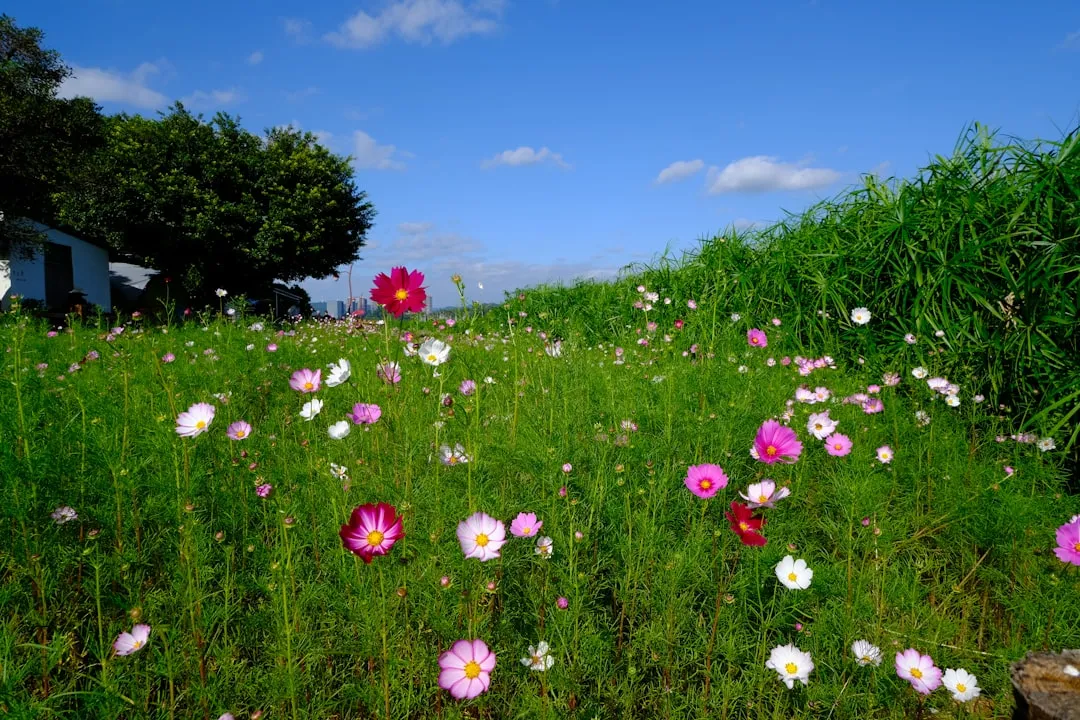
When you look at this list, there’s a quiet pattern hiding in plain sight: every one of these birds thrives where humans let go of strict control and embrace a bit of wildness. Healthy soil for robins, native plants for chickadees and goldfinches, dead wood for woodpeckers, leaf litter for sparrows, tangled shrubs for wrens and cardinals – none of that belongs in the glossy brochure version of a “perfect” yard. But it absolutely belongs in a living, breathing garden that supports real biodiversity.
My honest opinion? If these birds are showing up for you, you’re already ahead of the curve in a world that often values uniform lawns over living landscapes. You don’t need a bigger yard, a fancier design, or some expensive certification to keep going in the right direction; you just need to keep choosing life over sterility, complexity over simplicity, and patience over instant results. The birds will keep telling you how you’re doing – are you ready to listen a little more closely the next time you step outside with your morning coffee?
