

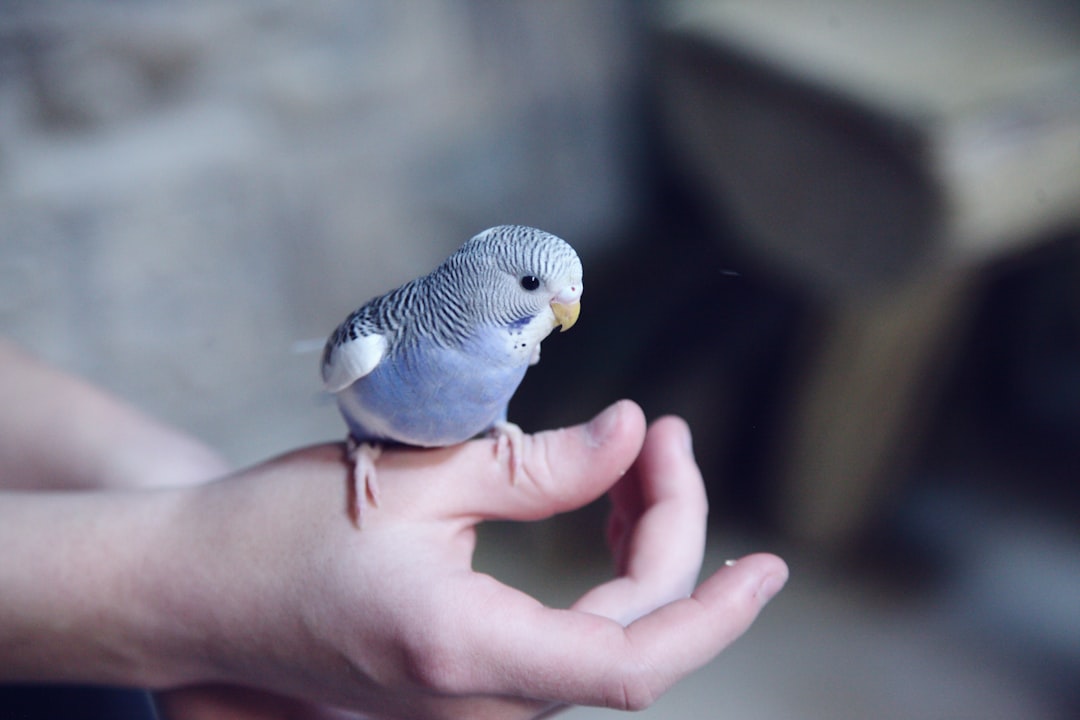
Optimizing Temperature, Humidity, and Lighting (Image Credits: Unsplash)
Preventive care plays a crucial role in keeping pet birds healthy, as they often conceal early signs of illness until problems escalate.
Optimizing Temperature, Humidity, and Lighting
Birds require stable environmental conditions to avoid respiratory issues and stress. Temperatures between 65 and 75 degrees Fahrenheit, combined with 50 to 60 percent humidity, support immune function and prevent complications from sudden changes. Smaller species like budgerigars prove especially vulnerable to drafts from vents or doors.
Proper lighting regulates circadian rhythms essential for hormone balance and molting. Full-spectrum lights deliver UV-A and UV-B rays for calcium absorption and vitamin D production, particularly vital during winter months. Birds need 10 to 12 hours of darkness each night to maintain healthy cycles.
Building a Strong Foundation with Superior Nutrition
High-quality, species-specific pellet diets should form 70 to 80 percent of a bird’s caloric intake to supply vital vitamins, minerals, and amino acids. Seed-only meals lead to deficiencies that manifest as unrelated health troubles. Fresh vegetables like kale, spinach, and sweet potatoes provide antioxidants and support skin and feather health.
Certain foods pose serious risks and must be avoided entirely. Avocado contains persin, a toxin lethal even in tiny amounts. Chocolate, caffeine, alcohol, salty or sugary items, apple seeds, and fruit pits also endanger birds through metabolic disruptions or cyanide release.
- Dark leafy greens for vitamin A precursors
- Orange vegetables for beta-carotene
- Pellets as dietary cornerstone
- No avocado, chocolate, or caffeine
- Avoid high-salt or high-sugar treats
Maintaining Hygiene, Enrichment, and Quarantine Protocols
Daily cleaning of food and water dishes with bird-safe products prevents bacterial buildup, while weekly deep cleans cover perches, toys, and substrates. Stainless steel or ceramic bowls resist harboring germs better than plastic. Rotating toys keeps birds engaged and reduces stereotypic behaviors like feather plucking.
New birds demand a 30-to-45-day quarantine in a separate room with dedicated equipment to screen for infections like psittacosis. This isolation allows stress from transport to reveal hidden pathogens before flock introduction. Mental stimulation through enrichment curbs self-destructive habits that lead to further complications.
Spotting Early Warning Signs Through Observation
Owners benefit from establishing baselines for behavior, appetite, and appearance to catch deviations promptly. Reduced vocalization, perch reluctance, or sleep changes signal potential trouble, given birds’ high metabolisms cause rapid decline. Weighing food bowls tracks consumption accurately, ignoring scattered seeds.
Daily physical checks reveal key indicators. Normal droppings feature dark fecal matter, white urates, and clear urine; changes point to digestive, kidney, or liver issues. Silent breathing and clear nares indicate respiratory health, while smooth feathers show integumentary wellness.
| Normal Signs | Warning Signs |
|---|---|
| Smooth, intact feathers | Plucking or broken blood feathers |
| Silent breathing, clear nares | Tail bobbing, nasal discharge |
| Formed droppings with three components | Watery stools or undigested seeds |
Key Takeaways
- Maintain 65-75°F and 50-60% humidity to bolster immunity.
- Prioritize pellet-based diets supplemented with safe veggies.
- Quarantine new birds for 30-45 days to protect the flock.
Investing in these preventive strategies proves more effective and economical than reactive treatments, ensuring birds remain vibrant companions. Schedule annual avian vet exams to catch subtle issues early. What steps do you take for your bird’s health? Share in the comments.

- Urban Coyotes Show Remarkable Adaptability, Learning to Thrive in City Environments - July 22, 2026
- Beavers Are Nature’s Engineers, Creating Vital Habitats for Other Wildlife Species - July 21, 2026
- The Recovery of the California Condor Offers Hope for Other Critically Endangered Birds - July 21, 2026