
Worried about unexpected vet bills?
Pet insurance can cover thousands in unexpected vet costs. Get a free quote from Lemonade in under 2 minutes.
Get My Free Quote →Sponsored · Opens Lemonade.com
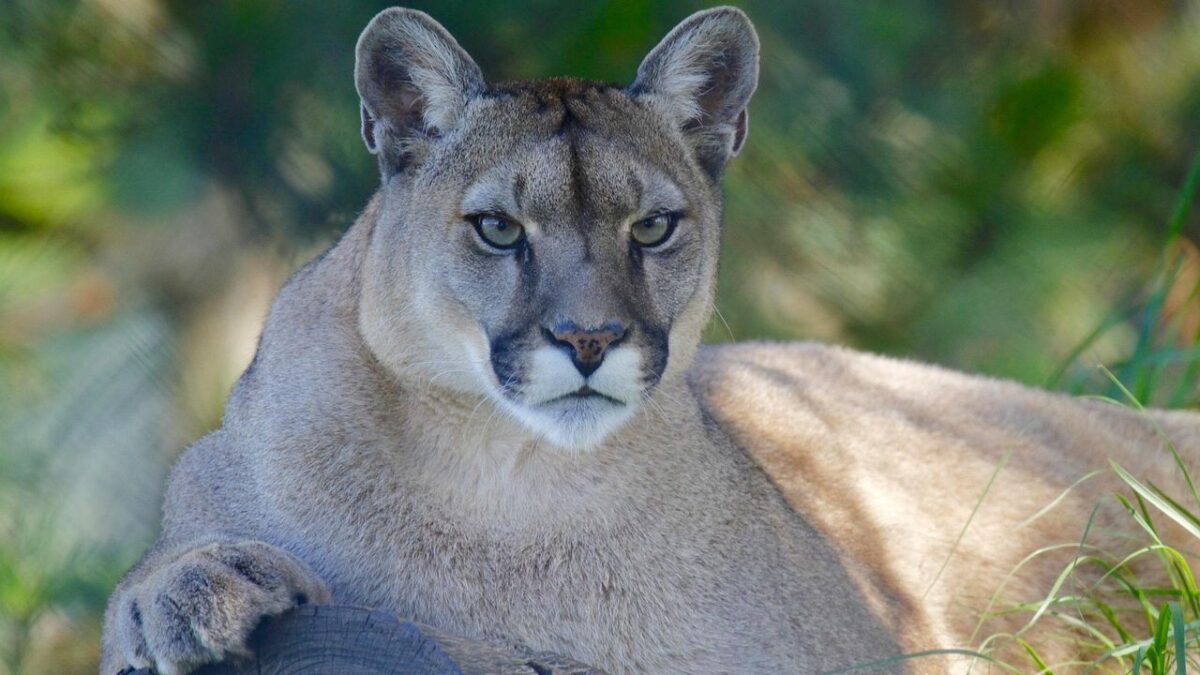
You probably walk past one and never even know it. These sleek predators are masters of disappearing into shadows, blending into rocky outcrops, and moving through the forest without a sound. While most people associate pumas with remote wilderness areas out west, something surprising is happening right now: these big cats are showing up in places they haven’t been seen in over a century.
The thing is, pumas never really left. They’ve just been watching us from a distance. Recent data suggests their presence in American forests is far more widespread than wildlife officials previously thought, particularly in regions where they were believed to be long gone.
The Ghost Cats Are Making a Comeback
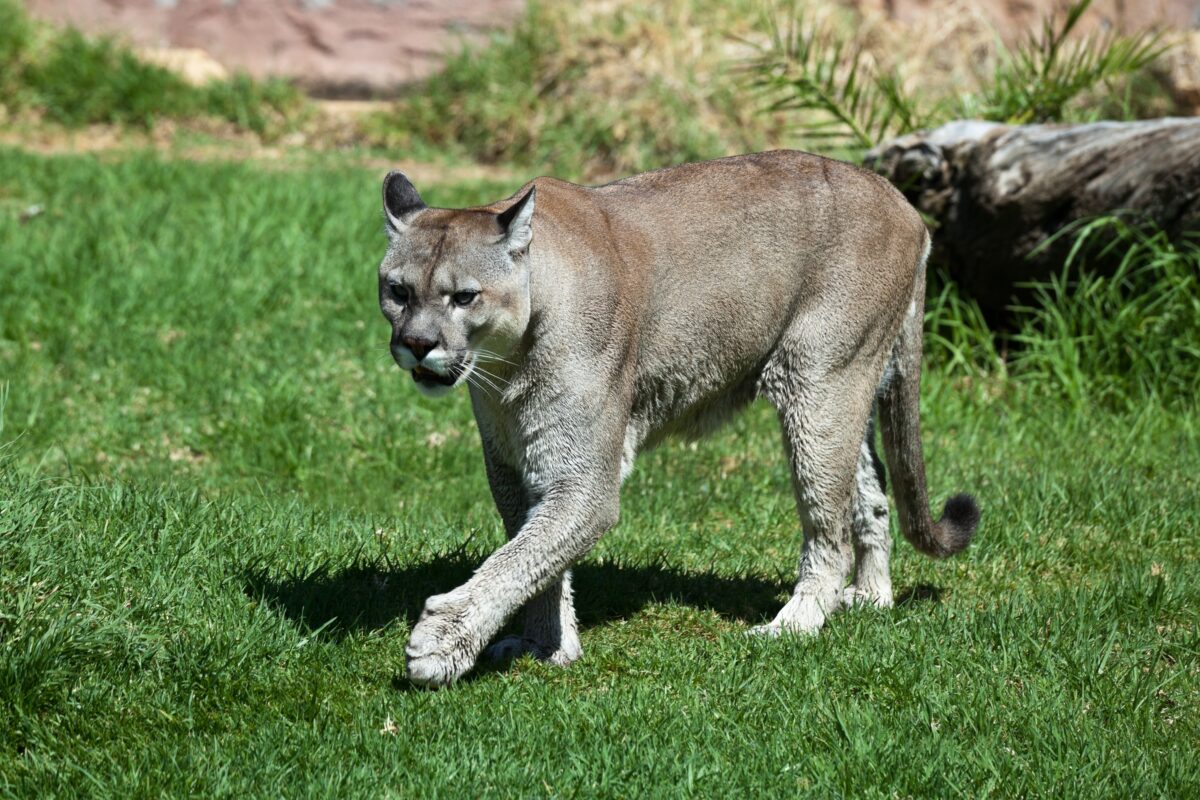
Michigan’s Upper Peninsula logged 27 confirmed cougar sightings in 2025 alone, compared to just 23 in all of 2024 and 18 in 2023. That’s a steep climb considering only six sightings were confirmed back in 2015. This isn’t just a Michigan phenomenon either.
Cougar sighting confirmations across the Midwest have been increasing in recent years, with most information attributing this change to an increase in cougar populations in western states. Let’s be real, these aren’t random wanderers anymore. The rise in sightings is occurring in many midwestern and eastern states, suggesting a pattern rather than isolated incidents.
The numbers tell a revealing story. Since 2020, there have been 112 sightings of cougars in Michigan, and a total of 161 confirmed sightings since 2008. Something is definitely changing in how these cats use the landscape.
They’re Closer Than You Realize
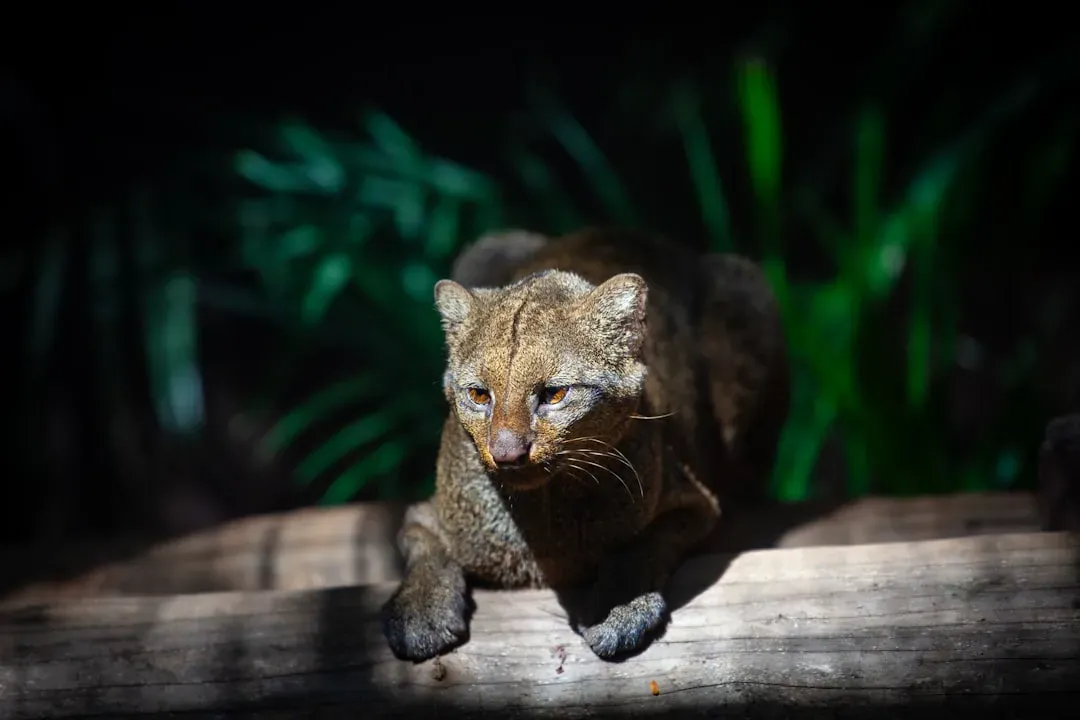
Here’s what makes pumas so unnerving and fascinating at the same time: they’re typically ambush predators that stalk through brush and trees, across ledges, or other covered spots, before delivering a powerful leap onto the back of their prey and a suffocating neck bite. Pumas are primarily nocturnal and crepuscular, with activity peaks at dusk and dawn.
The best stalking cover for mountain lions is thick enough for them to remain hidden and sparse enough for them to see their prey, commonly using terrain such as steep canyons, rock outcroppings, and boulders, or vegetation such as dense brush and thickets. That description probably matches a lot of forests and parks near where you live.
Around 50 pumas patrol the forested areas of Santa Cruz County, occasionally startling people by showing up in towns or suburban areas. The overlap between human space and puma territory keeps expanding, whether we acknowledge it or not.
The Silent Expansion Eastward
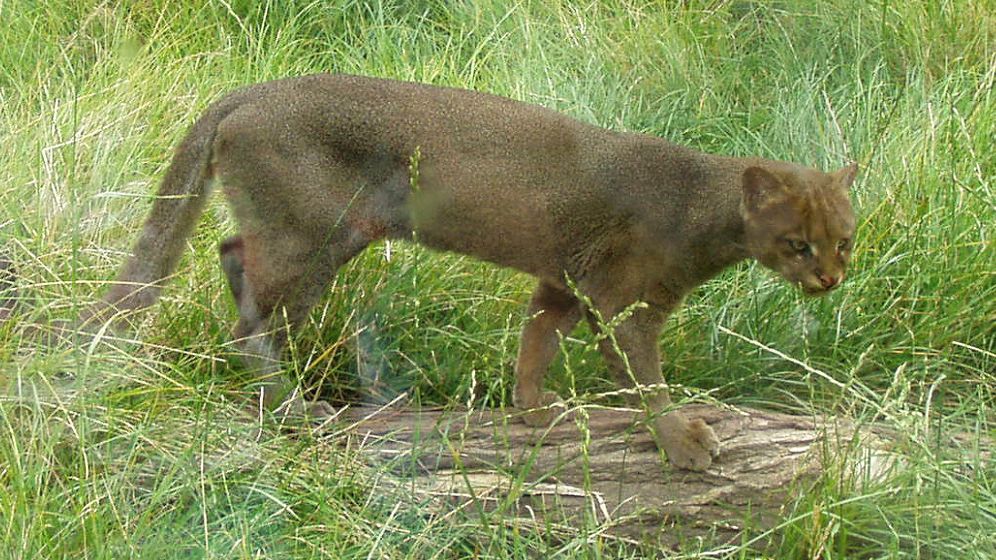
Wildlife biologists have documented something remarkable. Studies suggest the cougar is recolonizing the Midwest with a range expansion eastward, with recent confirmed sightings in states like Tennessee possibly being a result of this expansion and long exploratory treks by transient cougars.
Think about that for a moment. It is well documented that cougars travel hundreds of miles in search of new territory. Young males especially are known to disperse extraordinary distances from their birthplace. While the nearest large breeding populations are in North Dakota and South Dakota, it is possible that transient animals have traveled far beyond what researchers initially expected.
It’s hard to say for sure, but some mainstream scientists believe that small relict populations may exist, especially in the Appalachian Mountains and eastern Canada. The evidence keeps mounting that eastern forests harbor more of these cats than official counts suggest.
Masters of Invisibility in Your Backyard

Pumas want nothing to do with people and they’re quite skilled in keeping away from us; even when we share the same territories, we may never see these masters of camouflage. That’s the unsettling truth. You could be hiking through prime puma habitat and never spot one, even if it’s watching you.
The cougar is largely solitary, and its activity pattern varies from diurnality and cathemerality to crepuscularity and nocturnality between protected and non-protected areas, apparently correlated with the presence of other predators, prey species, livestock and humans. They adapt their schedules to avoid us.
Adult males may occupy territories exceeding 100 square miles, while females often use ranges closer to 50 square miles. Those massive home ranges mean a single puma covers an enormous amount of ground, crossing paths with countless hikers, campers, and rural residents who never realize they shared the forest with one of North America’s apex predators.
What This Means for Forest Wanderers

Honestly, the risk remains incredibly low. Despite their reputation, puma attacks on humans are exceedingly rare; in the past century, fewer than 30 fatal incidents have been confirmed across North America, a risk far lower than that posed by domestic dogs, bees, or deer-vehicle collisions. Lightning strikes are genuinely more dangerous.
Still, knowing they’re out there changes how you think about that trail run at dusk or that solo camping trip. Don’t hike during dusk and dawn when pumas are most active, and making noise while you walk actually helps both you and the cat avoid an awkward encounter.
Pumas are elusive and they avoid contact with humans, which is why most sightings happen via trail cameras rather than direct observation. These cats have lived alongside humans for thousands of years by perfecting the art of staying invisible. Their increased presence in forests across the US doesn’t necessarily mean more danger, just more neighbors we never knew we had.
What’s really happening is we’re rediscovering how resilient and adaptable these animals truly are. They’ve been stalking through our forests all along, leaving barely a trace. The rise in confirmed sightings says more about our improved detection methods and their slowly recovering populations than it does about sudden invasions. In most of the western United States and Canada, populations of mountain lions are thought to be stable or increasing except where habitat is being fragmented by urban sprawl.
Those shadowy figures moving through the pines at twilight? They might be more common than any of us realized. The forests were always theirs; we’re just finally paying attention.
Worried about unexpected vet bills?
Pet insurance can cover thousands in unexpected vet costs. Get a free quote from Lemonade in under 2 minutes.
Get My Free Quote →Sponsored · Opens Lemonade.com

- Anthropology Says Ancient Humans Who Buried Their Dead With Flowers 130,000 Years Ago May Have Had a Concept of an Afterlife Far Earlier Than Any Religion We Know - June 10, 2026
- 14 Quiet Signs Your Dog Is Getting Ready to Say Goodbye – Most Owners Miss Them Completely - June 9, 2026
- 15 Dog Breeds Known for Their Exceptional Loyalty and Devotion - June 9, 2026