
When you picture life beneath the ocean’s surface, you might think of colorful coral reefs or playful dolphins. What if I told you that the most fascinating creatures on Earth don’t live anywhere near the sunlit shallows? The deep ocean is basically another planet, right here on our world. Down there, pressures can exceed a thousand times what we experience at sea level, sunlight never reaches, and temperatures hover just above freezing.
Yet somehow, life doesn’t just exist in this alien world. It thrives. The creatures that call these depths home have evolved adaptations so bizarre and brilliant that they challenge everything we thought possible about survival. Let’s be real, some of these animals look like they swam straight out of a nightmare, complete with glowing body parts and jaws that unhinge. Still, each strange feature serves a vital purpose in one of Earth’s most extreme environments.
The Anglerfish: Master of the Glowing Lure
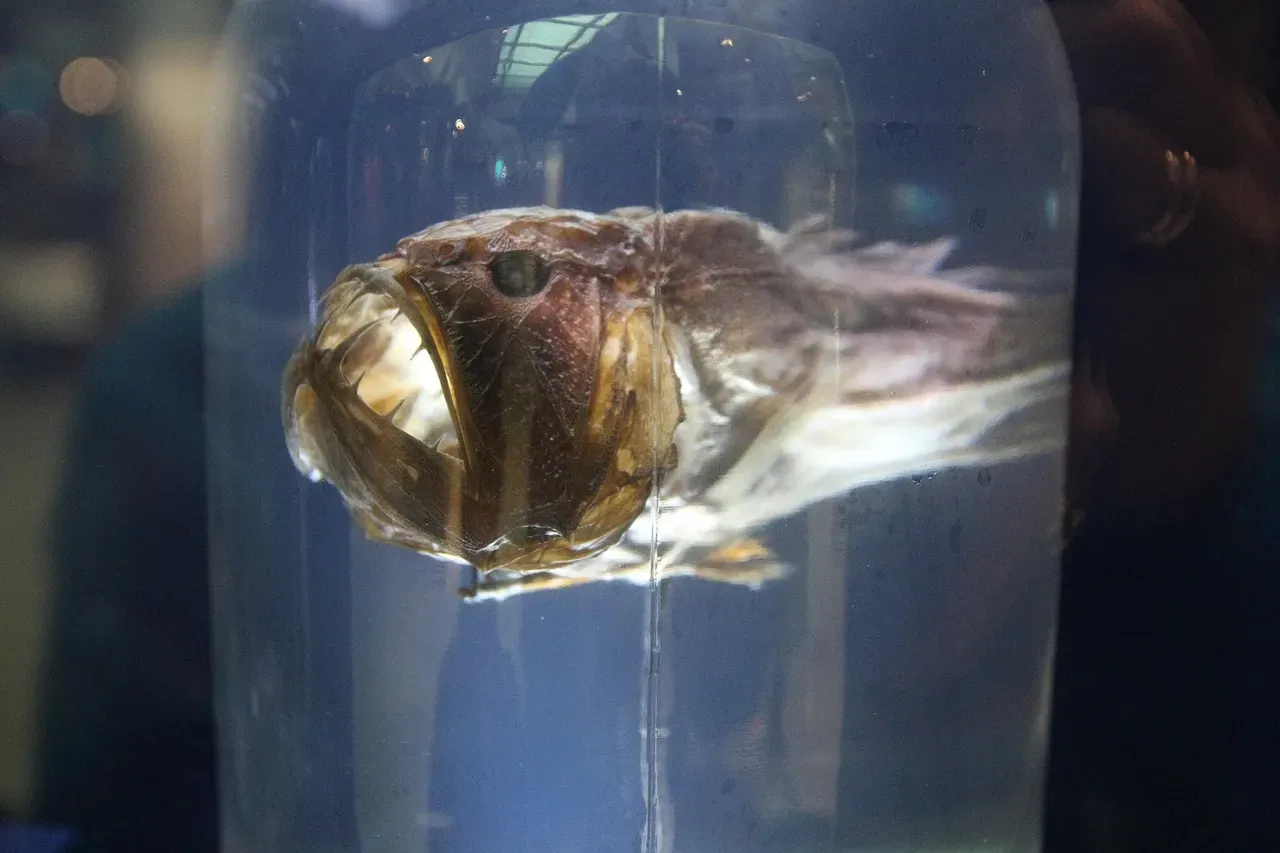
The anglerfish uses bioluminescence to lure prey, featuring a huge head, sharp teeth, and a long, thin, fleshy growth on the top of its head. Think of it like the ultimate fishing rod, dangling in pitch darkness. The deep-sea anglerfish lures prey straight to its mouth with a dangling bioluminescent barbel, lit by glowing bacteria.
Anglerfish are not particularly active and prefer to let their prey come to them, having large mouths with very large teeth relative to their body size and attracting prey by a bioluminescent bulb composed of luminous bacteria that sits on a retractable lure called an esca on their heads. What’s honestly brilliant is that the bacteria do all the heavy lifting. The anglerfish simply provides a home for these glowing microorganisms, and they produce light in return.
Here’s the thing that shocked me when I first learned about it: only female anglerfish have the iconic lure. It is only the females that have the lure, with females being up to ten times larger than males. The males are tiny by comparison and live a completely different existence, attaching themselves parasitically to females for reproduction. Evolution took a wild turn with this species.
The Vampire Squid: Living Light Show in the Dark
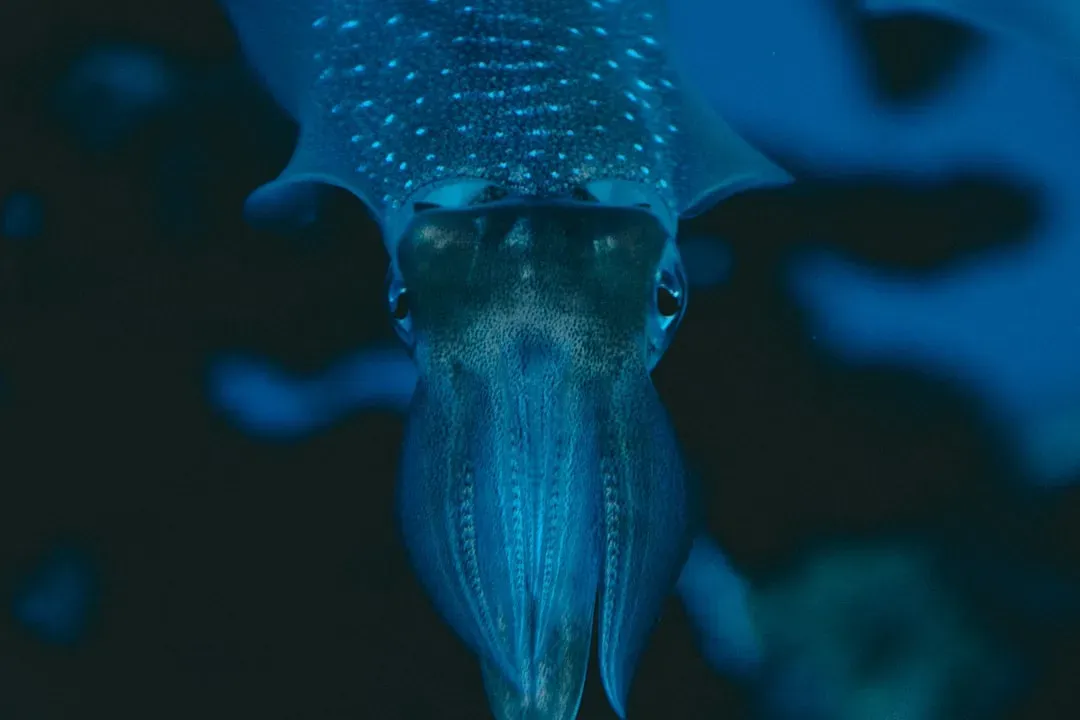
The vampire squid is a small cephalopod found throughout temperate and tropical oceans in extreme deep sea conditions, using its bioluminescent organs and unique oxygen metabolism to thrive in parts of the ocean with the lowest concentrations of oxygen. The name sounds terrifying, but honestly, this creature is more about survival than horror.
When threatened, the vampire squid doesn’t spew ink like its shallow water cousins. If highly agitated, it may eject a sticky cloud of bioluminescent mucus containing innumerable orbs of blue light from its arm tips, and this luminous barrage, which may last nearly 10 minutes, would presumably serve to dazzle would-be predators. Imagine tiny glowing fireworks exploding in total darkness. It’s disorienting enough to give the squid time to vanish into the abyss.
If disturbed, it will curl its arms up outwards and wrap them around its body, turning itself inside-out in a way, making itself seem larger and exposing the spiny projections on its tentacles, with the underside of the cape heavily pigmented and the glowing arm tips clustered together far above the animal’s head, diverting attack away from critical areas. The creature has basically turned defense into an art form. The vampire squid has an extremely low metabolic rate, indicating that it can go for long periods of time without feeding, which is an important adaptation seen in many deep sea species since food can be hard to find at these extreme depths.
The Dumbo Octopus: Flying Through the Abyss
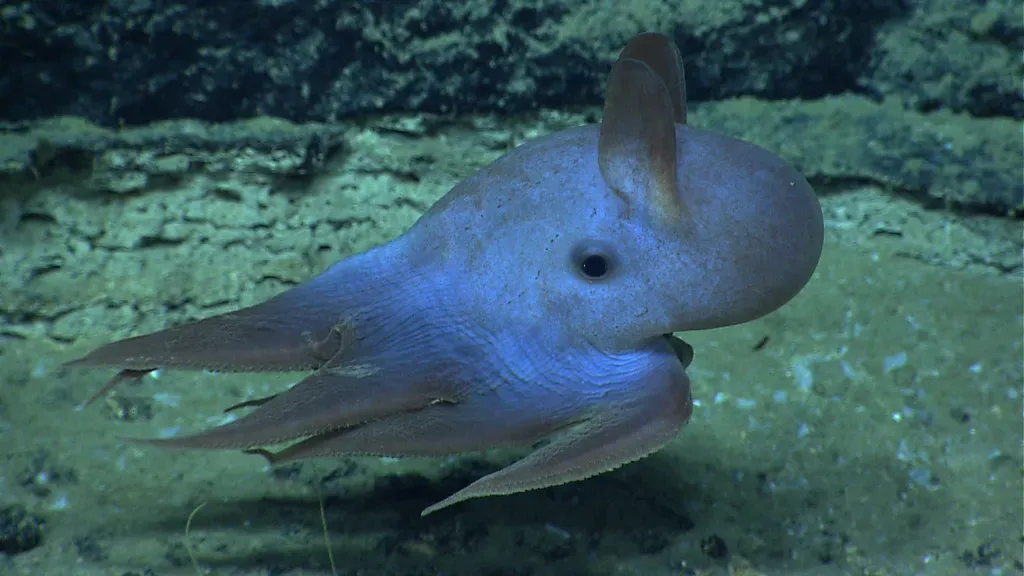
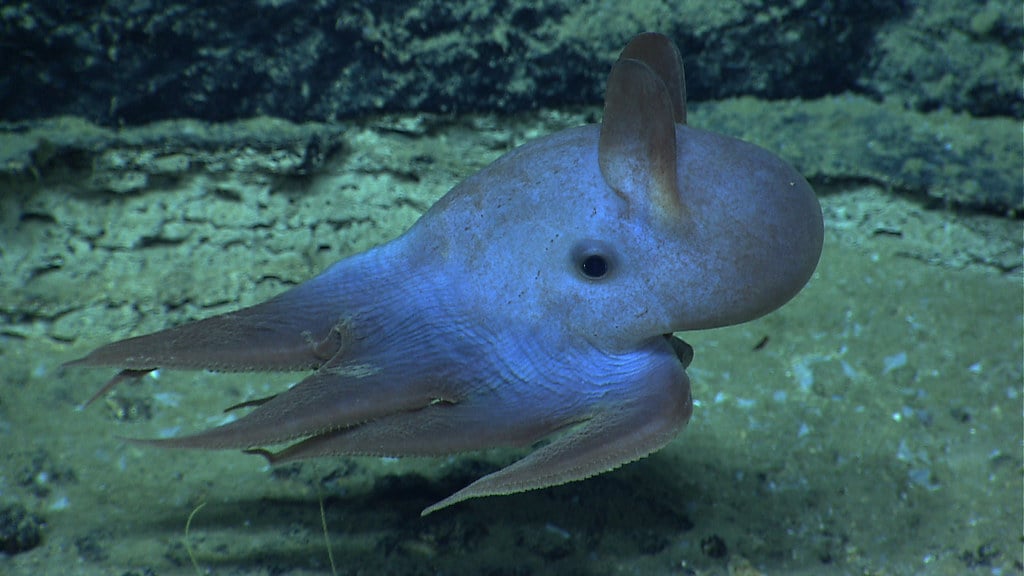
The Dumbo octopus, named after the Disney elephant that could fly by flapping its ears as wings, lives in the harsh environment of the deep ocean floor at 3000 to 4000m in oceans all around the world, getting its name due to a pair of ear-like fins that protrude just above its eyes and flapping these fins to propel itself about the ocean floor. Honestly, watching footage of these creatures is mesmerizing. They genuinely look like they’re floating through space rather than water.
The deepest confirmed sighting of a Dumbo octopus was made in 2020, when one was spotted and captured on film almost 7,000 metres down in the Java Trench. At those depths, the pressure is unimaginable. So how do they survive? They don’t have any gas-filled spaces that are affected directly.
Their enzymes have adapted over evolutionary time to allow them to live under pressure and cold temperatures, as our enzymes wouldn’t work if we were under great pressure and our chemical processes, like digesting food, would not work for us. Grimpoteuthis have blue blood because of their blood’s high copper content, and blood with high copper content is more efficient at transporting oxygen in the low-temperature, oxygen-depleted waters of the deep ocean. Blue blood might sound like fiction, but it’s pure evolutionary genius.
The Giant Isopod: Armored Survivor of the Deep
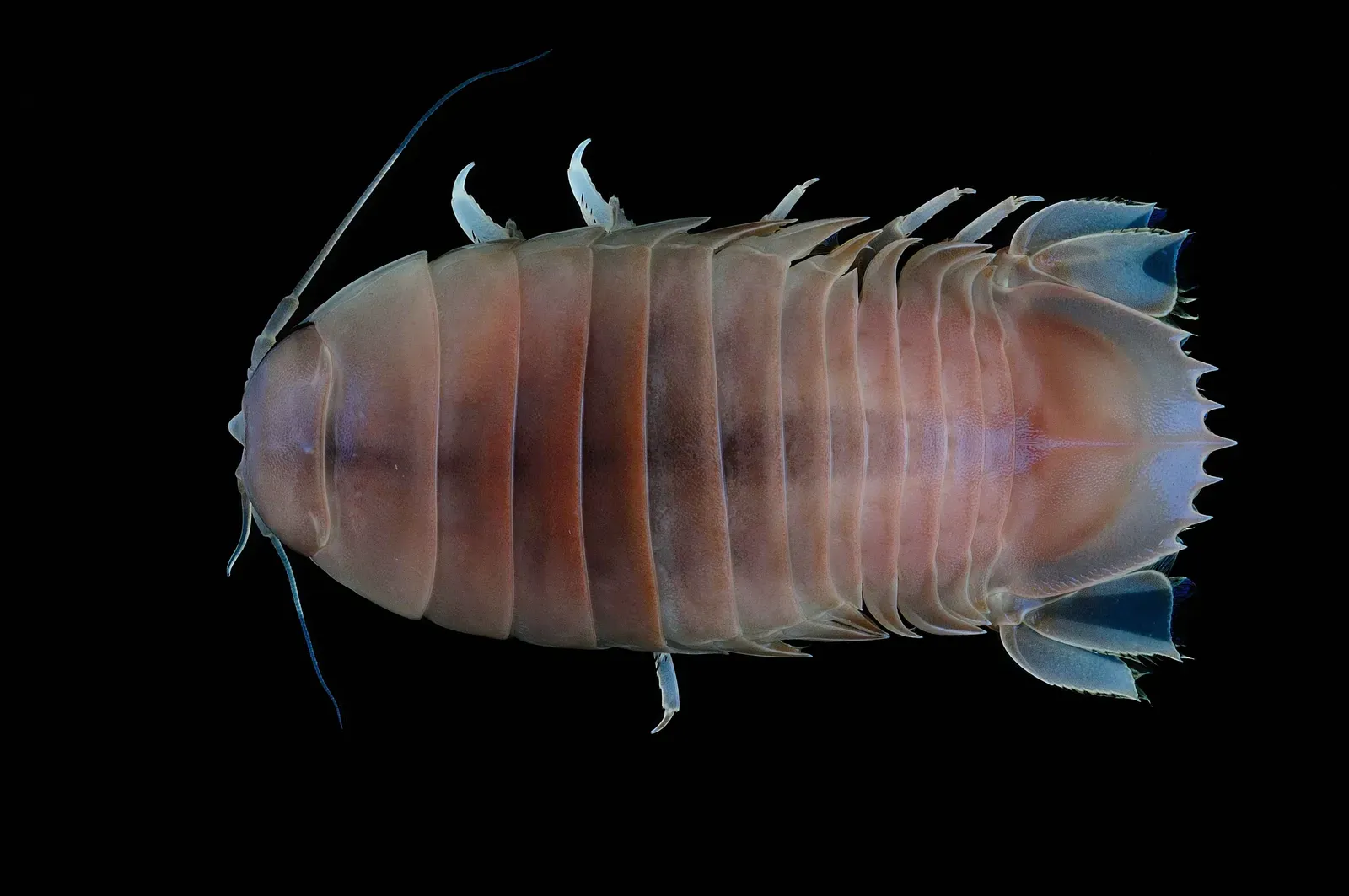
Found at depths as deep as 2,500 meters below the ocean surface, these 14-legged giants possess critical adaptations that enable their survival, with one key adaptation being its sturdy exoskeleton. Picture a pill bug, the kind you might find under a rock in your backyard. Now imagine that same creature grown to the size of a small football.
This robust outer covering maintains the isopod’s structural integrity, preventing it from collapsing under the enormous pressure felt at depths exceeding two kilometers below the ocean surface, with the isopod’s body being highly flexible, allowing it to fully endure the constant forces exerted by the surrounding water and articulating segments in its exoskeleton enjoying an impressive range of movement.
The giant isopod can survive for months, possibly even years, without eating. Most animals cope with this by being very small and needing less to eat or by growing very slowly, while big animals that travel long distances to find food eat huge amounts and store food for many months between meals. When you’re living where food is scarce, patience isn’t just a virtue. It’s a survival strategy.
Deep-Sea Fish: Pressure-Resistant Predators
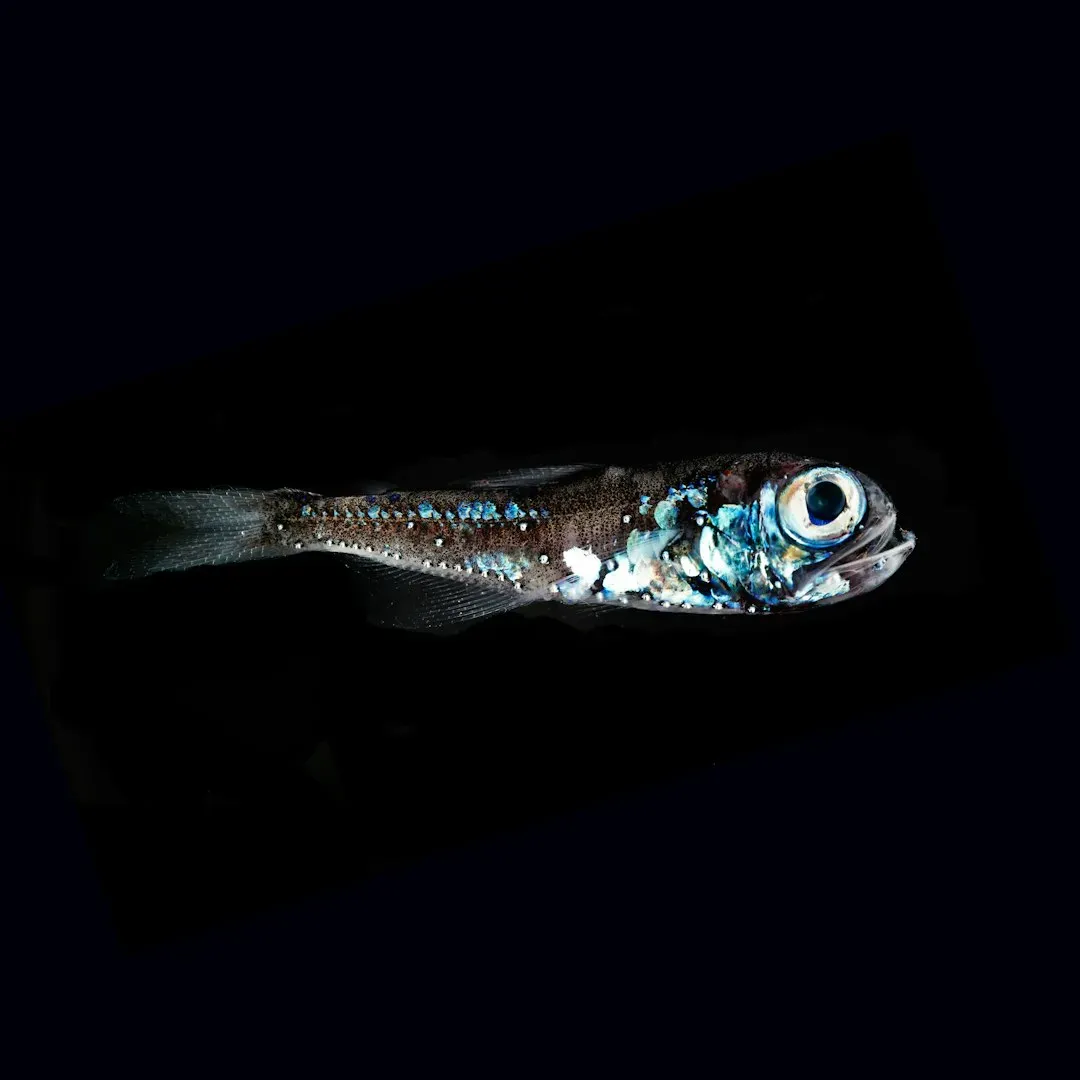
High pressures impact cell membranes, making them solidify like butter in the refrigerator, and a healthy cell membrane needs to be able to move enough for the cell to operate, so deep sea organisms have specialized membrane structures to keep their cell membranes moving under high pressure and sometimes accumulate specialized compounds that help keep proteins working under high pressure. One of these molecules is called Trimethylamine N-oxide, or TMAO.
Many deep-sea organisms have adapted to limit air spaces in their body because air is so compressible, and instead of a gas-filled swim bladder like those used by shallow-water fish, many deep-sea organisms use a fatty liver, extremely low-density bones, or gelatinous tissues to help them stay neutrally buoyant, which is why many deep-sea fishes are gooey looking. I know it sounds unappetizing, but that gelatinous body is actually a masterpiece of adaptation.
The dragonfish features a hinged jaw that can unhinge like a snake’s, allowing it to consume prey larger than its own body size, while the gulper eel demonstrates one of the most dramatic deep sea hunting strategies with its massive, pelican-like mouth that can expand to swallow prey many times its size, helping compensate for the scarcity of food in the deep ocean. When meals are few and far between, you can’t afford to be picky about portion size.
Bioluminescent Creatures: Living Lights in Eternal Darkness
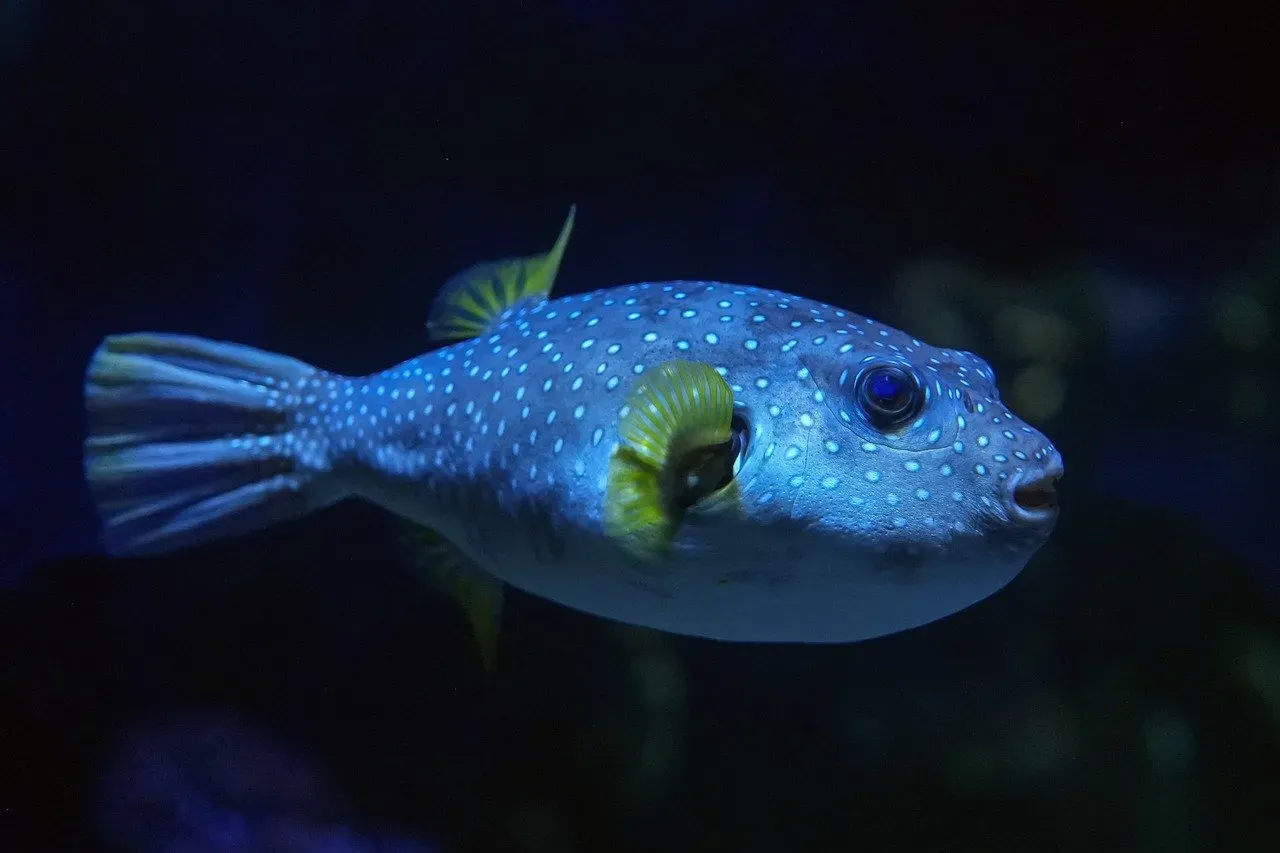
In the absence of sunlight, many deep-sea creatures have evolved a mesmerizing adaptation known as bioluminescence, and from the otherworldly glow of the anglerfish’s lure to the sparkling displays of comb jellies, bioluminescence serves multiple purposes, including attracting prey, confusing predators, and facilitating communication in the pitch-black depths. Let’s be real, this might be the coolest adaptation in the entire ocean.
Scientists estimate over 90% of bioluminescent marine organisms in the mesopelagic zone possess this capability. Think about that for a second. Nearly every creature down there produces its own light. The chemistry behind this natural light show involves a chemical reaction between a compound called luciferin and an enzyme called luciferase, with oxygen acting as a catalyst, and different species have evolved unique ways to house and control these light-producing chemicals.
Many deep-sea creatures are red for this reason as it makes them effectively invisible, except to dragonfish, which use bioluminescence to expose their prey. It’s an evolutionary arms race played out in complete darkness. Some creatures developed red coloring as camouflage, then dragonfish countered by evolving the ability to produce red light that reveals those supposedly invisible prey. Nature is ruthlessly clever.
Conclusion
The deep ocean reminds us that life finds a way, even in conditions that seem utterly hostile to existence. These six marine creatures represent just a tiny fraction of the bizarre and beautiful adaptations hidden beneath thousands of meters of water. From bioluminescent mucus clouds to copper-based blood, from collapsible jaws to pressure-resistant cell membranes, evolution has crafted solutions we’re only beginning to understand.
What strikes me most is how much we still don’t know. Scientists estimate we’ve explored less than a fifth of the ocean floor. Countless species likely remain undiscovered, each with their own astonishing survival strategies. As human activities increasingly threaten these fragile deep-sea ecosystems through mining, pollution, and climate change, we risk losing creatures and adaptations we haven’t even documented yet.
What do you think about these incredible deep-sea survivors? Which adaptation surprised you the most?
