

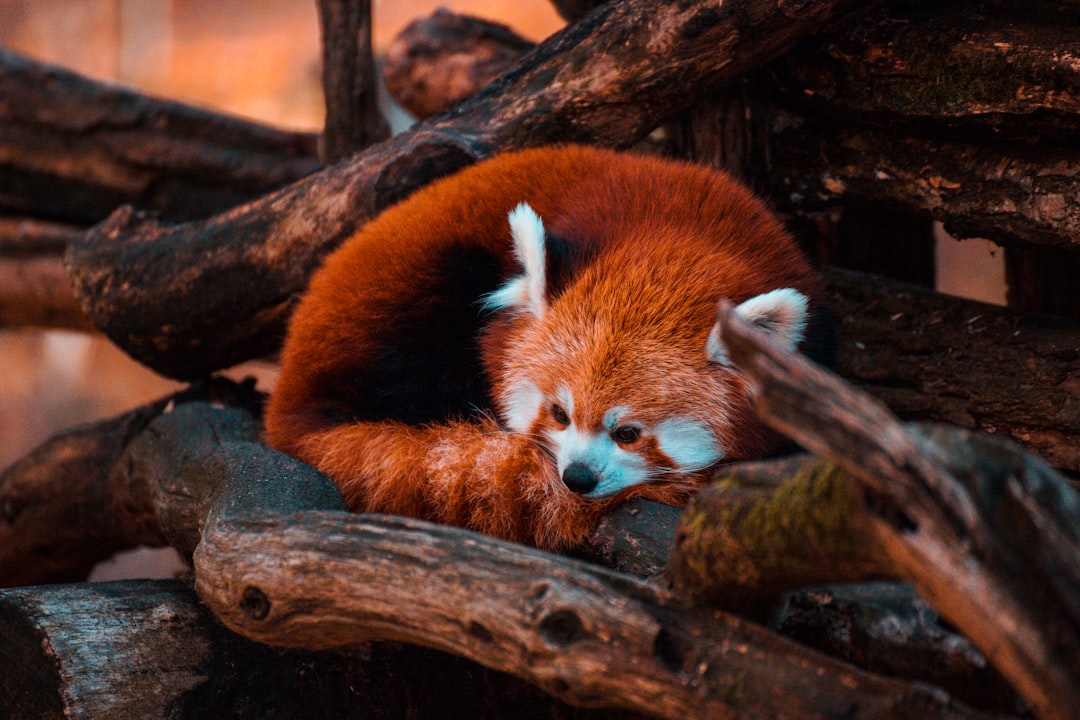
A Strategic Pairing for Species Survival (Image Credits: Unsplash)
Chicago – Lincoln Park Zoo celebrated the Lunar New Year by introducing Qi, a 7-year-old male red panda, to its Pepper Family Wildlife Center.[1][2]
A Strategic Pairing for Species Survival
Qi arrived from New York’s Prospect Park Zoo with a specific purpose. Zoo officials paired him with 8-year-old resident Nisha under a breeding recommendation from the Red Panda Species Survival Plan, a program managed by the Association of Zoos and Aquariums. This collaborative effort aims to maintain healthy populations of endangered animals in captivity.
Curator Cassy Kutilek highlighted the significance of the match. “Red pandas are an endangered species, so the potential for cubs from Nisha and Qi is particularly exciting,” she said.[1] Staff reported that Qi quickly began exploring his surroundings, revealing a curious personality as he adjusted.
Adapting to a New Habitat
Visitors may spot Qi intermittently in the habitats on the south side of the lion house. The zoo designed these spaces to mimic the cool, forested environments red pandas prefer. Qi and Nisha share the area, allowing them to interact naturally while keepers monitor their progress.
“In the meantime, it’s been fun for staff to get to know Qi’s personality, and we’re glad to share that he’s already settling in and exploring his new habitat,” Kutilek added.[1] The timing of his move aligned perfectly with Chinese New Year festivities, drawing extra attention to the charismatic newcomer.
Red Pandas: Unique Adaptations and Growing Threats
Native to the bamboo forests of the Himalayas and eastern Asia, red pandas rely on these habitats for nearly 90 percent of their diet. They possess remarkable features, such as an extended wrist bone functioning as a pseudo-thumb for grasping bamboo and branches. These arboreal mammals can climb headfirst down trees, thanks to a flexible ankle and rotating fibula.[2]
Other survival traits include the ability to lower their metabolic rate, curl into a ball, and wrap their bushy tail for warmth in chilly mountains. Red pandas represent the sole living species in the Ailuridae family, distant kin to raccoons. They earned the name “panda” first, long before their giant counterparts.[1]
- Bamboo constitutes up to 90% of their diet in the wild.
- They mate from January to March, with litters of typically two cubs born in late spring or summer.
- Populations have declined by 50% over the last three generations due to habitat loss.[2]
- Deforestation for agriculture threatens nesting trees and food sources.
- Only about 2,500 adults remain in the wild.[1]
Conservation Efforts Offer Glimmer of Hope
The Species Survival Plan plays a crucial role in bolstering red panda numbers. By facilitating transfers like Qi’s, zoos contribute to genetic diversity and breeding success. Lincoln Park Zoo, a leader in urban conservation, supports these initiatives alongside local wildlife protection.[1]
Qi’s integration underscores broader commitments. The zoo remains free and open year-round, inviting the public to observe these efforts firsthand. Future cubs could further amplify awareness of the species’ challenges.
Key Takeaways
- Qi’s arrival supports breeding under the AZA’s Red Panda Species Survival Plan.
- Red pandas face severe threats from habitat destruction in their Asian mountain homes.
- Visitors can see Qi and Nisha at Pepper Family Wildlife Center.
This development at Lincoln Park Zoo signals optimism for red panda conservation. As Qi and Nisha bond, they remind us of the importance of protecting fragile ecosystems. Will you visit to wish them luck? Share your thoughts in the comments.

- Urban Coyotes Show Remarkable Adaptability, Learning to Thrive in City Environments - July 22, 2026
- Beavers Are Nature’s Engineers, Creating Vital Habitats for Other Wildlife Species - July 21, 2026
- The Recovery of the California Condor Offers Hope for Other Critically Endangered Birds - July 21, 2026