

Picture this: it is a warm summer evening and you are sitting outside, enjoying the quiet. Above you, something darts silently through the darkening sky, almost too fast to follow. Most people flinch. Some people shudder. Honestly, I think most of us have been conditioned to feel uneasy about bats. They are the creatures of horror movies, Halloween decorations, and old folklore about vampires. Yet behind that terrifying reputation lives one of the most ecologically essential animals on the planet.
Bats are doing more for our food, our forests, and our future than almost anyone gives them credit for. The deeper you look, the more remarkable the picture becomes. So let’s dive in.
The Sheer Scale of the Bat World Is Hard to Wrap Your Head Around
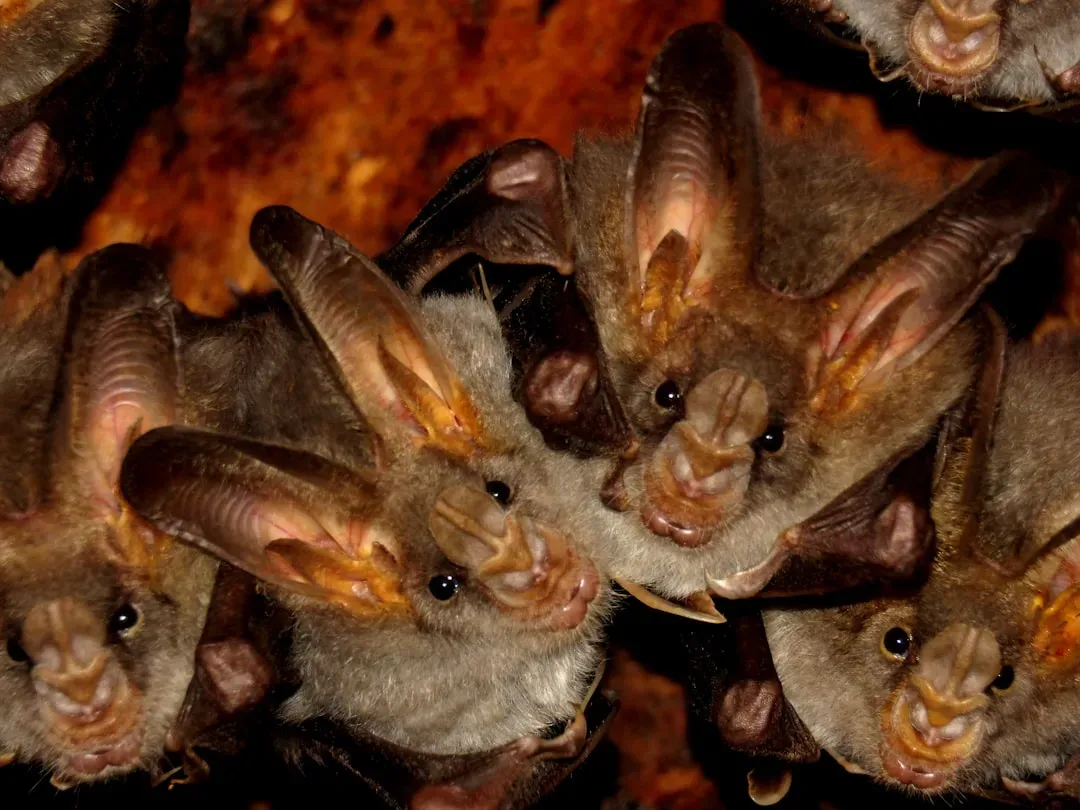
Here’s a fact that genuinely surprised me the first time I came across it. There are more than 1,400 species of bats worldwide, with over 40 species in the U.S. alone, and they make up roughly a quarter of the world’s total mammal population. Think about that for a second. One in every four mammal species on Earth has wings and hunts at night. That is not a niche creature. That is a dominant force in the animal kingdom.
Bats are found on every continent except Antarctica. They thrive in tropical rainforests, arid deserts, temperate woodlands, and even the spaces between city buildings. They are everywhere. Bats are both keystone species and bioindicators, and as keystone species, their presence is vital to the balance of the ecosystems they inhabit.
What makes bats so fascinating is that their diversity is not just in number. It is also in function. Some hunt insects with extraordinary precision. Others feed on nectar. Still others eat fruit and carry seeds across vast distances. This diverse mammalian order features key ecosystem service providers, including insectivores, pollinators, and seed dispersers. They are, in many ways, an entire ecological department rolled into one group of animals.
Bats Are Nature’s Most Underrated Pest Control Agents
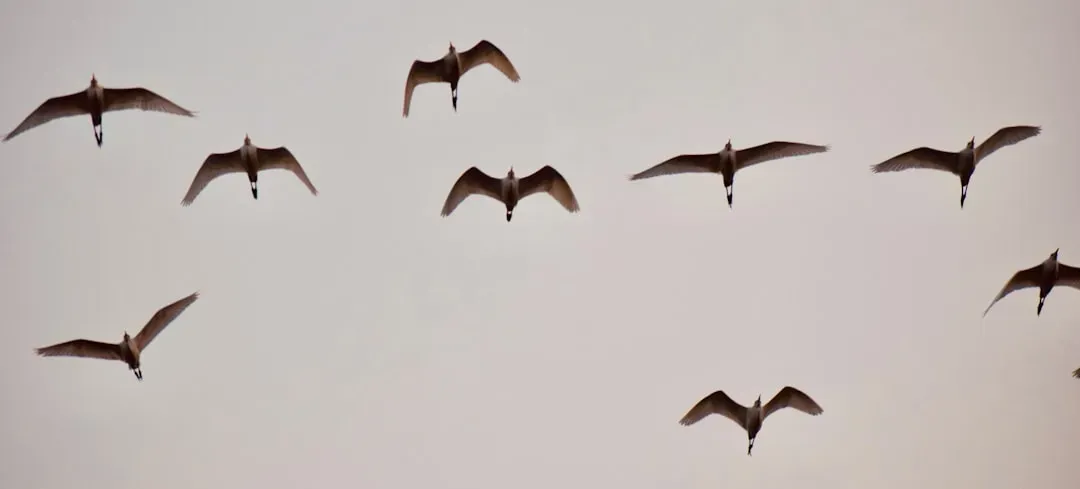
Let’s be real about something. The idea of a tiny flying mammal saving farmers billions of dollars sounds almost absurd. Yet that is exactly what is happening. By eating insects, bats save U.S. agriculture billions of dollars per year in pest control, with some studies estimating that service to be worth over 3.7 billion dollars per year, and possibly as much as 53 billion dollars per year.
A single bat can eat up to 3,000 insects in a single night. Multiply that across millions of bats in a single region, and you begin to understand the scale of what is at work up in the dark skies above us every evening. Bats are stealthy hunters, silently swooping through the darkness to catch insects mid-flight, with radar-like echolocation abilities that allow them to pinpoint prey with astonishing accuracy.
The difference between bats and chemical pesticides is also worth noting. Unlike chemical pesticides, which harm beneficial insects along with pests, bats provide organic pest control by specifically targeting insects harmful to crops and gardens, reducing the need for harmful chemicals, and promoting healthier ecosystems. It’s almost like comparing a scalpel to a sledgehammer. Bats are crucial in suppressing pest arthropods in agroecosystems, contributing vitally to sustainable agriculture.
Pollination After Dark: The Crops You Love Depend on Bats
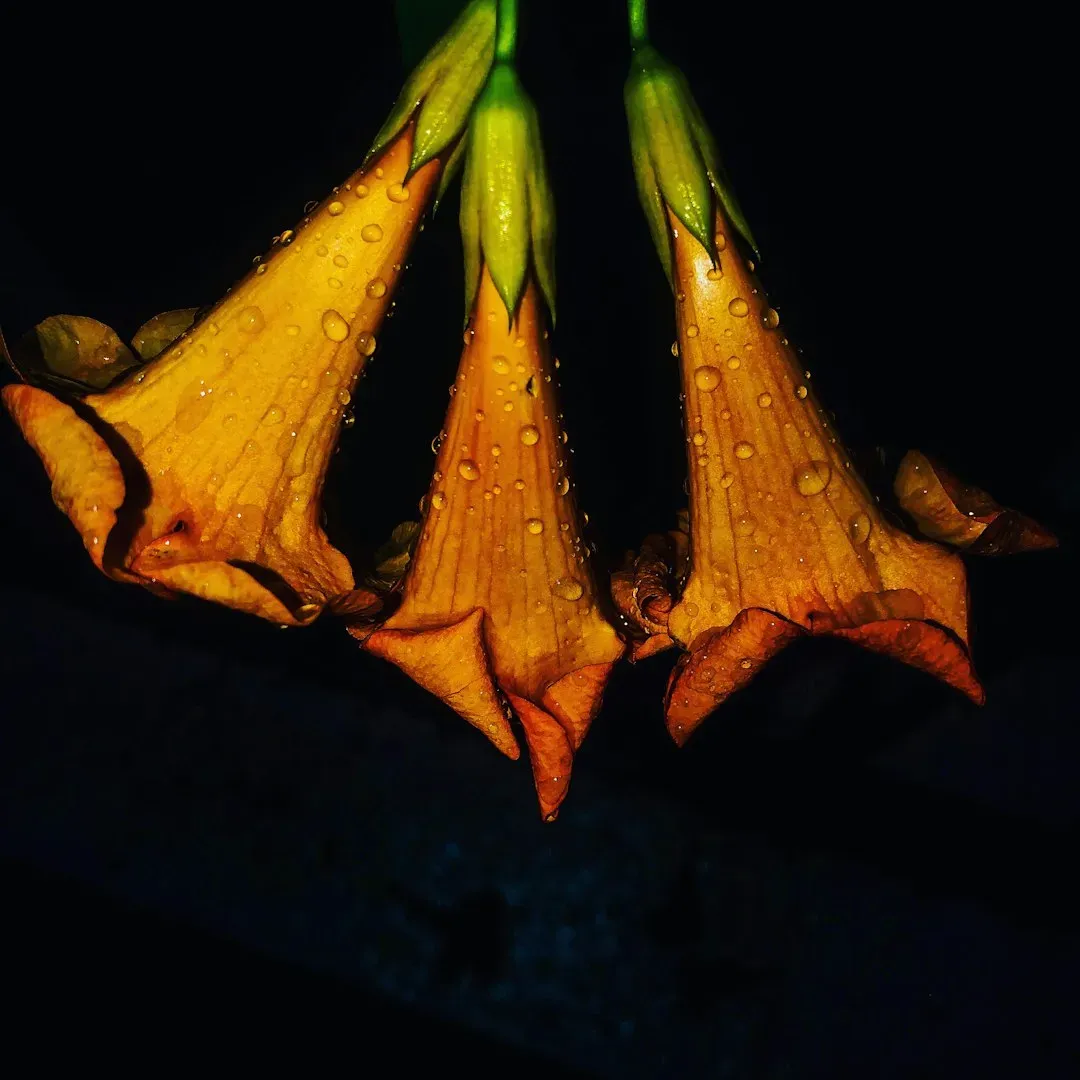
Most people think of bees when they hear the word “pollinator.” Bees are incredible, no question. Still, bats hold a special and irreplaceable position in the nighttime pollination world, one that most people never think about. Nectar-feeding bats are solely responsible for the pollination of over 500 species of plants alone, including mangos, durians, bananas, avocados, figs, guava, and agave, the plant from which tequila is derived.
Yes. Your guacamole. Your tequila. Your mango smoothie. All of these trace back, in part, to bats. Certain bat species feed on nectar from flowers, acting as important pollinators. Their long tongues and specialized mouthparts allow them to access nectar deep within blossoms, and as they move from flower to flower, they transfer pollen, facilitating plant reproduction and contributing to the health and diversity of ecosystems.
There is also a structural advantage bats bring to pollination that is easy to overlook. Through flight, bats can pollinate fragments of habitat that would otherwise be isolated, which results in healthier and more diverse fragments. In a landscape broken apart by roads, farms, and urban sprawl, the ability to move across those gaps is genuinely powerful. Bees cannot always make that crossing. Bats can.
Forest Restoration’s Secret Weapon: Seeds Dropped from the Sky
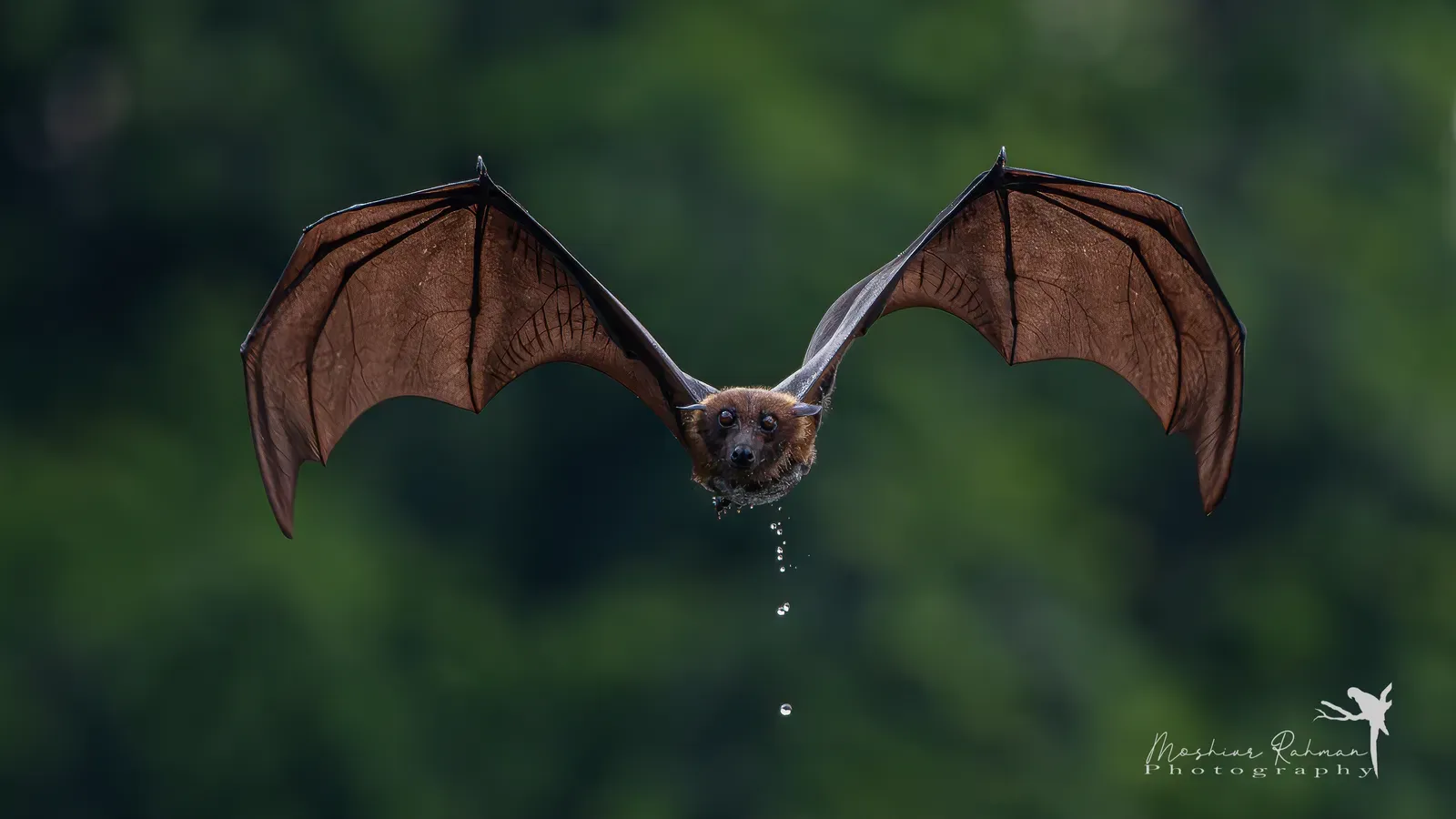
Imagine trying to replant a tropical rainforest by hand. It is a job of staggering scale and almost impossible cost. Yet bats have been doing something remarkably similar for millions of years, for free. A third bat food source is fruit, leading to yet another important role in the ecosystem through seed dispersal. Fruit-eating bats can account for as much as 95% of the seed dispersal responsible for early growth in recently cleared rainforests.
Bats play a fundamental role in seed dispersal due to their exceptional species diversity, abundance, and a variety of canopy and understory feeding habits, and research shows that bats disperse a larger amount of seeds per species than birds, increasing the probability of seed establishment. That is a striking comparison. When we talk about forest recovery, birds usually get all the credit. Science is painting a more complicated and bat-friendly picture.
The seed dispersal conducted by bats is fundamental for maintaining neotropical biodiversity, as it supports habitat regeneration and the propagation of various plant species. Forests regenerate. Carbon gets sequestered. Watersheds stay healthy. It is a cascade of benefits that starts with a bat eating a piece of fruit and dropping the seed somewhere new. Their activities ensure the regeneration of forests, which are vital carbon sinks for our planet.
Bats Are in Serious Trouble and So Is Everything That Depends on Them
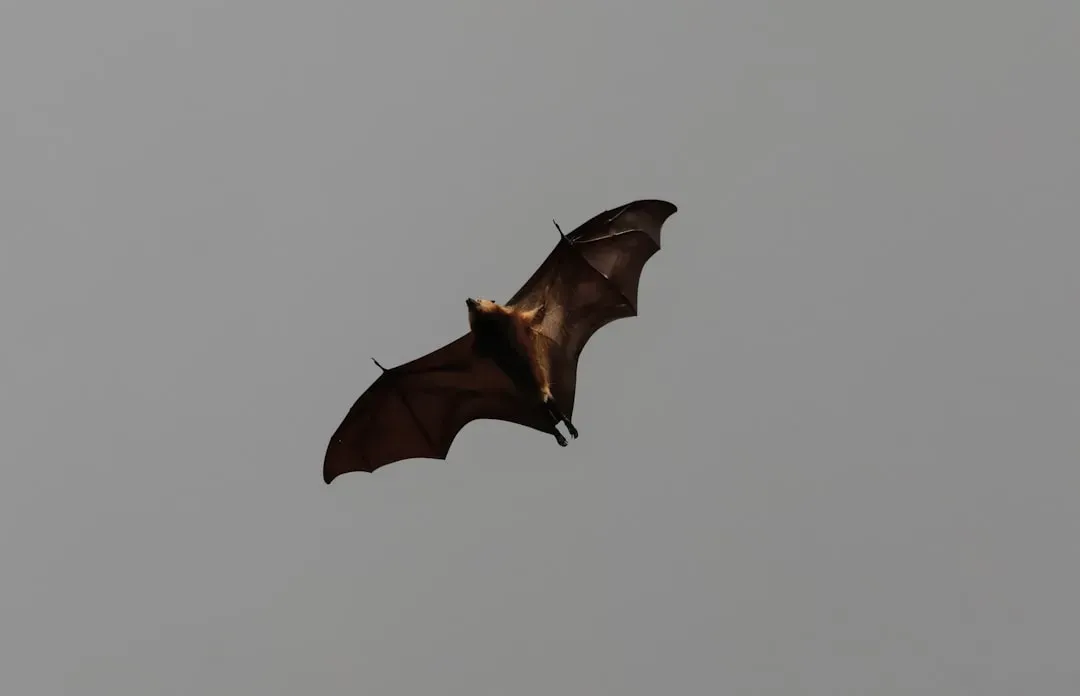
Here is where the story takes a turn that should genuinely alarm us. Bat populations are collapsing in ways that were almost unimaginable just a couple of decades ago. The primary villain is a fungal disease called White-nose Syndrome.
White-nose syndrome has killed over 90% of northern long-eared, little brown, and tri-colored bat populations in fewer than 10 years, according to a study published in Conservation Biology. That is not a slow decline. That is a crash. The disease disrupts bat hibernation, causing them to wake repeatedly during winter and die from starvation or dehydration.
The consequences for human beings are not abstract either. Bat species most affected by White-nose Syndrome are insectivorous and provide valuable natural pest control, and in the U.S. agricultural sector alone, crop destruction and the need for chemical pesticides attributed to declining bat populations was estimated to be 26.9 billion dollars between 2006 and 2017, amounting to around 35 billion dollars today when adjusted for inflation.
Beyond agriculture, a recent study found that in countries where bats were affected by White-nose Syndrome, insecticide use on crops increased by about 30%, which was associated with a nearly 8% increase in infant mortality rates. It’s hard to say that loudly enough. Losing bats does not just hurt farmers. It ripples outward in ways that ultimately affect human health. Deforestation, urbanization, and agriculture have led to the destruction of key bat habitats, and for species like megabats that rely on tropical forests, this loss has been devastating.
Conclusion: The Night Shift Matters More Than We Ever Knew
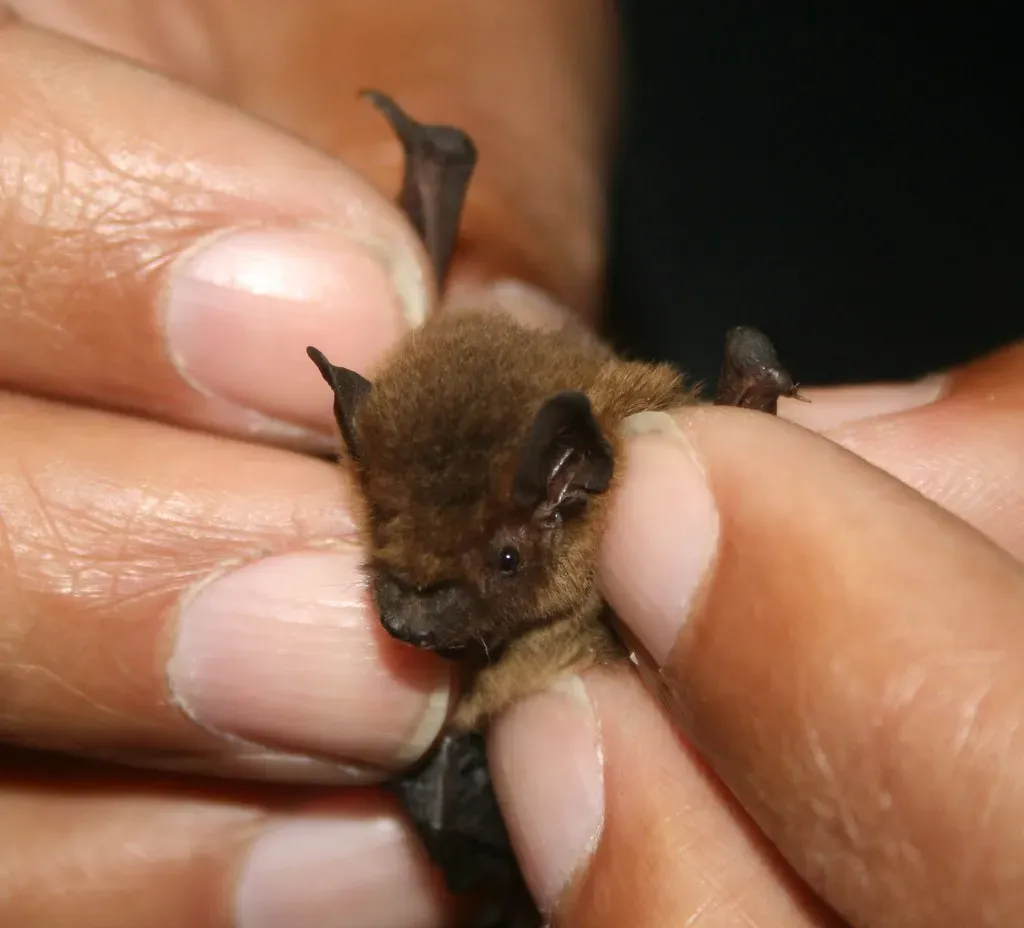
Bats have never had a great publicist. They have always been the misunderstood outsiders of the animal world, feared for what they look like rather than respected for what they do. I think that is a genuine tragedy, especially now that we understand just how much depends on them.
From devouring thousands of insects every single night, to pollinating the crops on your dinner plate, to quietly rebuilding forests that humans have stripped bare, bats are doing a job so vast and so varied that it almost defies belief. With their roles in pollination, seed dispersal, insect control, and biodiversity protection, bats ensure the health of ecosystems that directly or indirectly support us all.
The threats they face are real, urgent, and growing. The disease spreading through their populations is not just a wildlife issue. It is a food security issue, an environmental issue, and ultimately a human issue. Protecting bats is not some sentimental gesture toward a misunderstood creature. It is one of the smartest investments we can make in the health of this planet.
Next time you spot one darting through the summer dusk, maybe resist the urge to flinch. What would happen to your world if that tiny, silent hunter simply disappeared one night and never came back?

- 5 Dog Breeds That Vets Say Are Consistently Misread as Aggressive – and the Behavioral Signals That Actually Explain What They Are Doing - July 18, 2026
- 7 Facts About Octopus Intelligence That Marine Biologists Say Should Change the Way We Think About What Counts as a Mind - July 18, 2026
- 8 Animals That Have Been Documented Outsmarting Humans in Controlled Experiments – and the Species at the Top of the List Was Not the One Researchers Expected - July 18, 2026