
You’ve probably been there. Your dog just ransacked the laundry basket, followed you into the bathroom for the third time today, and is now staring at you with those big unblinking eyes like you owe them something. And your first instinct? Total frustration. But here’s the thing – most of what looks like mischief, clinginess, or just plain weird dog behavior is actually your four-legged best friend screaming “I love you” in the only language they know.
Dogs are endlessly complex little creatures. They can’t write love letters or send heart emojis. What they can do is lean on you, lick your face, bring you a soggy toy at seven in the morning, or steal your smelliest sock and guard it like treasure. Understanding what those behaviors actually mean changes everything about how you see your relationship with your dog.
So let’s dive into the 15 behaviors you’ve probably been misreading all along.
1. Following You Absolutely Everywhere (Yes, Even the Bathroom)
This is probably the one that drives people the most nuts. You sit down for five minutes of peace and your dog is already there, planted at your feet, breathing loudly. It can feel intrusive. Honestly, it can feel a little creepy.
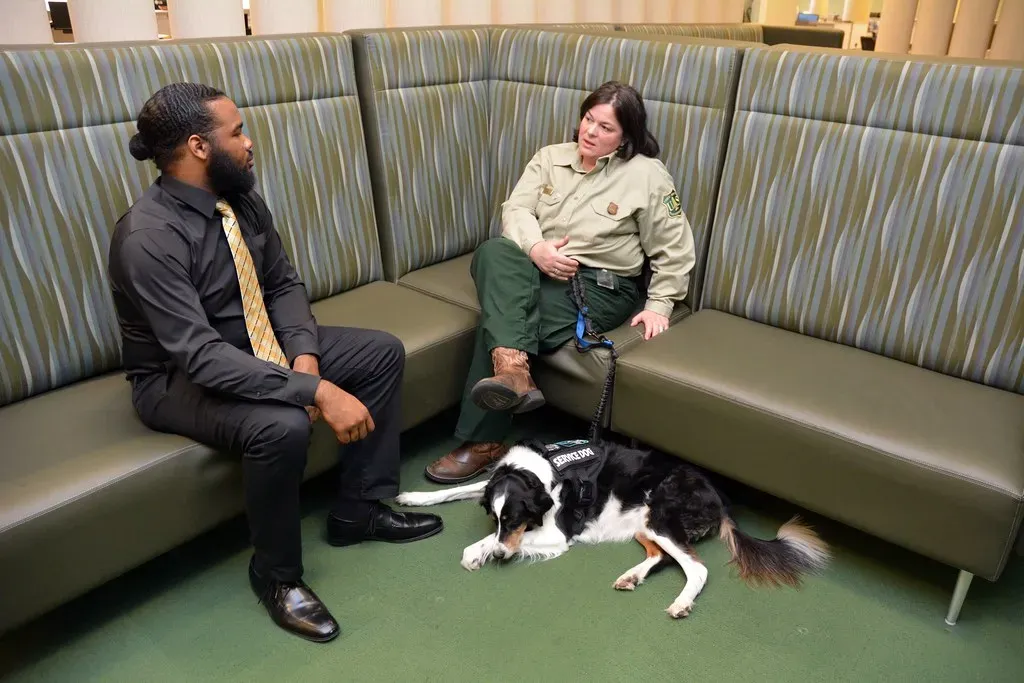
If your dog follows you everywhere, kitchen, bathroom, hallway, you name it, they’re saying “you’re my safe place.” Shadowing is a sign of trust and attachment, not clinginess. Think of it less like surveillance and more like a warm shadow made of fur and unconditional loyalty.
Since they’re pack animals, dogs always want to be with you. It’s part of their genetics to follow you everywhere because they consider you a part of their pack. They also do it because they enjoy your company and might suffer from a little bit of FOMO.
Next time they show up in your bathroom, try to see the flattery in it. You are their whole world, after all.
2. The Full-Body Lean
Imagine an 80-pound dog just casually deciding to park itself entirely against your leg. No warning, no asking permission. Just a full commitment to using you as a piece of furniture. Annoying? Maybe. But it’s one of the most loving things a dog can do.
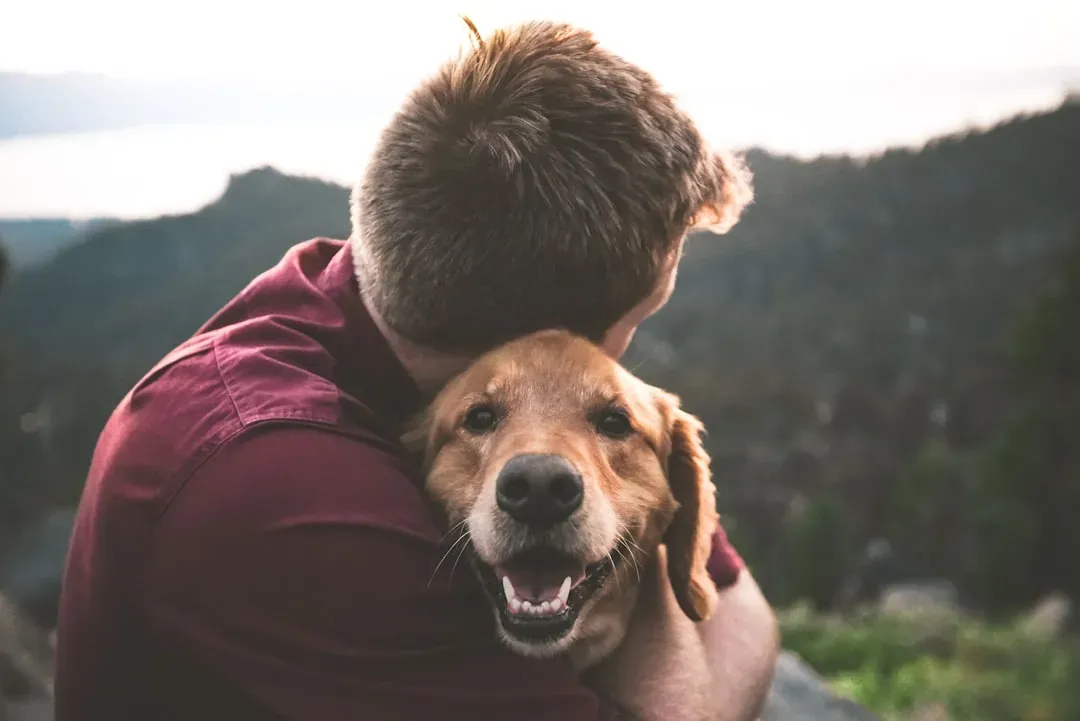
When dogs lean their full weight against you, it signifies complete trust. This means your dog sees you as a protector. Your dog may do this for comfort, but when they lean against you, it is the equivalent of a full-body hug.
Research has shown that physical contact can trigger the release of oxytocin, the “love hormone” in both dogs and humans. This hormone plays a crucial role in forming emotional bonds and fostering feelings of attachment. So when your dog leans on you, it’s biology doing its beautiful thing.
According to veterinary behaviorist Dr. Sagi Denenberg, dogs use leaning as an affiliative behavior. It’s a way to forge social and emotional bonds. In dog language, that lean is as meaningful as a human reaching out to hold your hand.
3. Stealing Your Socks and Dirty Laundry
You come home to find your favorite hoodie has been dragged off the couch and is now being used as a pillow. Or your socks are missing. Again. You might think your dog is just a little gremlin with boundary issues. Nope. It’s love.
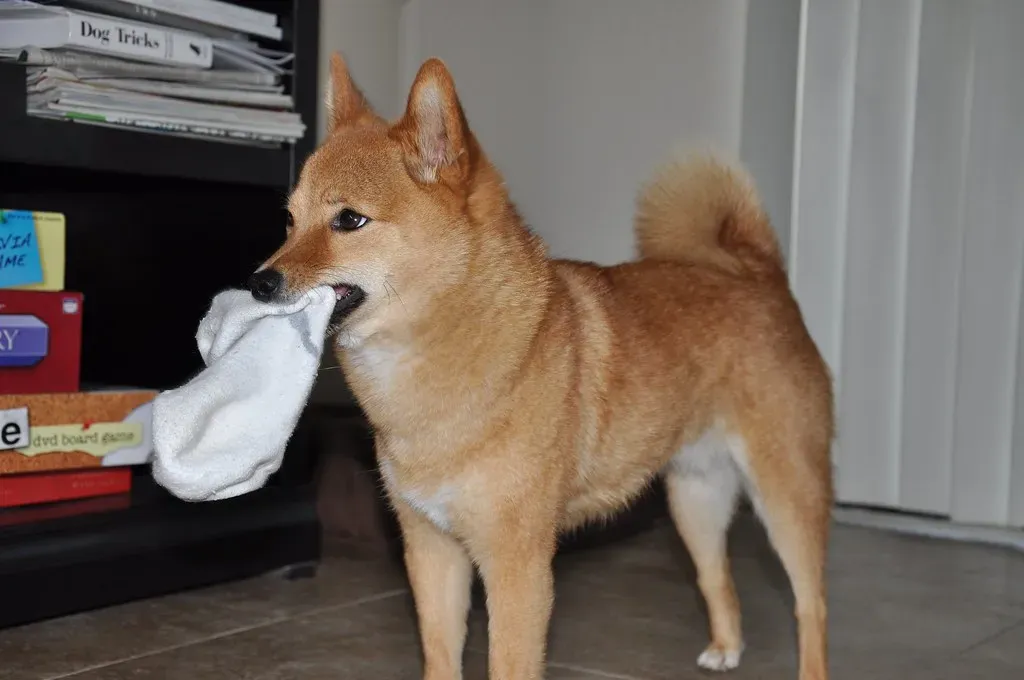
If your dog raids your dirty laundry for your smelliest clothes, dirtiest shoes, and stinkiest socks, it’s a sign of love. It shows that they missed you while you were away and can’t get enough of your unique smell.
If you have to check your dog’s bed or crate for missing dirty socks and T-shirts every laundry day, take it for the compliment it is. Your dog knows your smell and finds comfort in it when you’re out of sight.
Think of it like this: when you miss someone, you might keep a photo of them nearby. Your dog just takes it a step further and goes straight for the source. Smellier, yes. Romantic in its own weird way? Absolutely.
4. The Unblinking Stare
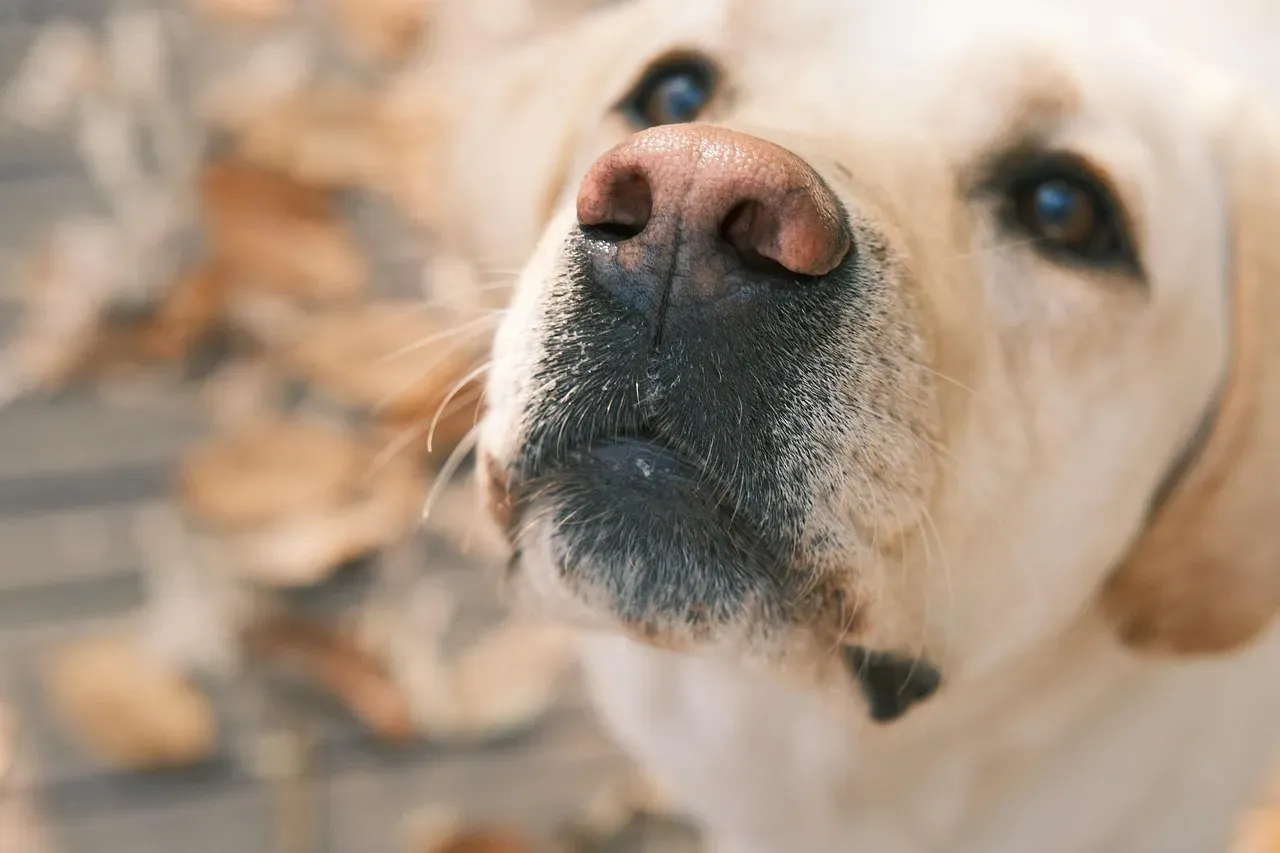
There is genuinely nothing quite like looking up from your laptop and realizing your dog has been staring at you for what appears to be a long, significant amount of time. It’s part flattering, part unsettling. But it’s actually one of the most meaningful things they do.
According to a study by the University of Helsinki, when your dog looks into your eyes, oxytocin is released within both of you. Oxytocin is sometimes referred to as the “love hormone” and is thought to play an essential part in developing and maintaining relationships.
Studies show that domesticated dogs have learned to use eye contact differently than their wild ancestors. Soft eye contact is a special way that dogs communicate with us, the same way humans connect with each other. Softly locking eyes with your pup triggers an oxytocin release, strengthening your special connection.
So the next time your dog gives you that deep, soulful gaze, gaze right back. You’re literally exchanging love hormones. It’s science.
5. Licking Your Face (and Hands and Feet)
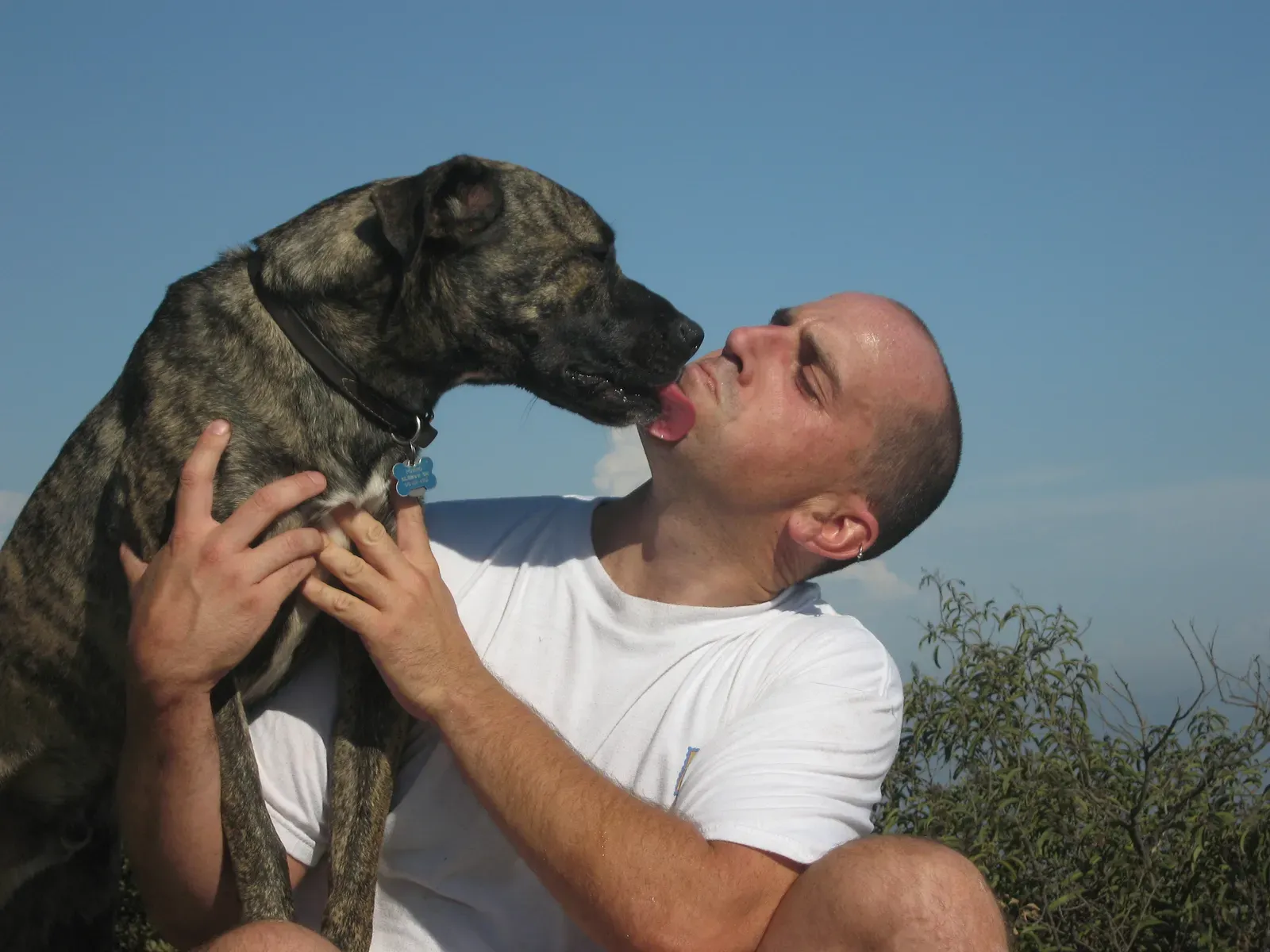
Let’s be real. Not everyone is a fan of the big slobbery kiss. It’s wet, it’s unexpected, and your dog clearly has zero concern for personal space. Still, this is one of the oldest and most instinct-driven signs of love in the canine world.
Licking is one of your dog’s earliest bonding behaviors. Puppies lick their mothers; adult dogs lick each other for grooming, reassurance, or affection. When they lick you, they’re engaging in that same instinctive bonding practice.
Dogs may lick their owners as a way of showing affection and seeking attention. It’s a behavior reminiscent of how puppies interact with their mommas. You are, in essence, being treated like family. Pack family, to be specific.
It’s hard to stay annoyed at something that’s literally rooted in maternal bonding. Even if the timing is always wrong and your dog seems to target your face immediately after you’ve put on moisturizer.
6. Bringing You Their Favorite Toy
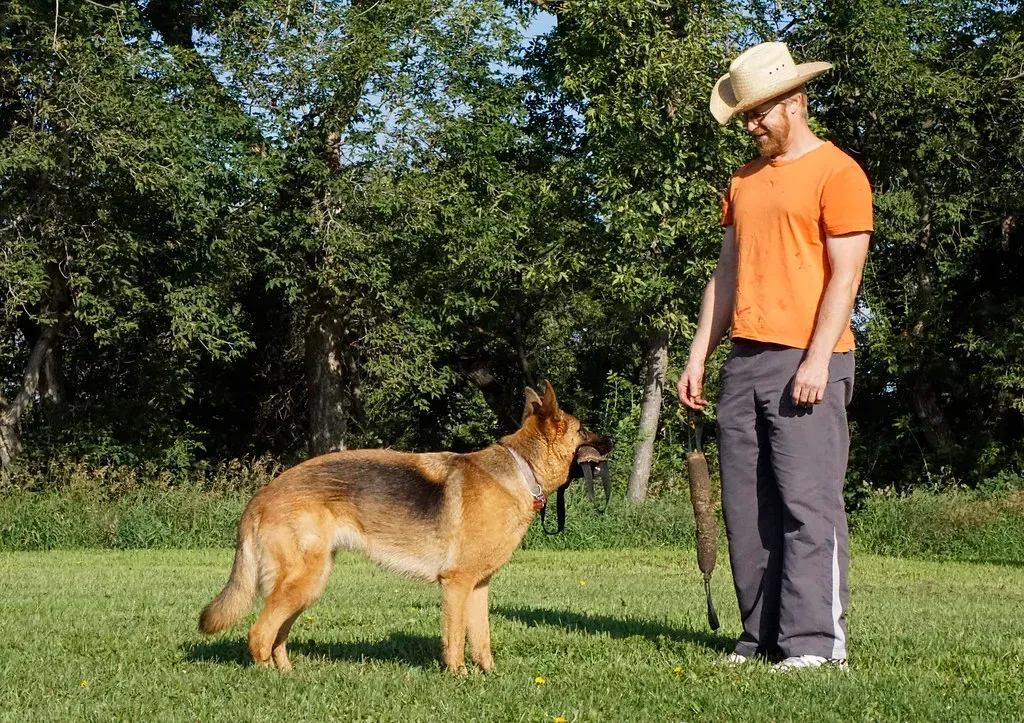
Picture this: you walk through the door after a long day and your dog thunders toward you, something squeaky jammed enthusiastically in their mouth. They look incredibly proud. They’re not just excited. They’re offering you a gift.
You know your dog loves you if they bring you their favorite toy. This behavior is an invitation to play and a sign of affection. It shows they trust you with their prized possessions, and they enjoy spending time with you.
Presenting you with their prized possessions is a major sign of affection. They could be bringing you gifts since they see you as the head of the household. Or, if the toy is broken, they might see you as an intelligent being who is capable of repairing it for them, a sign that they trust you with this important task.
I think this is one of the most genuinely touching behaviors on this entire list. When your dog hands over their most treasured possession, even if it’s a half-destroyed rubber duck, they’re saying you matter more than the thing they love most. That’s profound.
7. The Full-Body Tail Wag
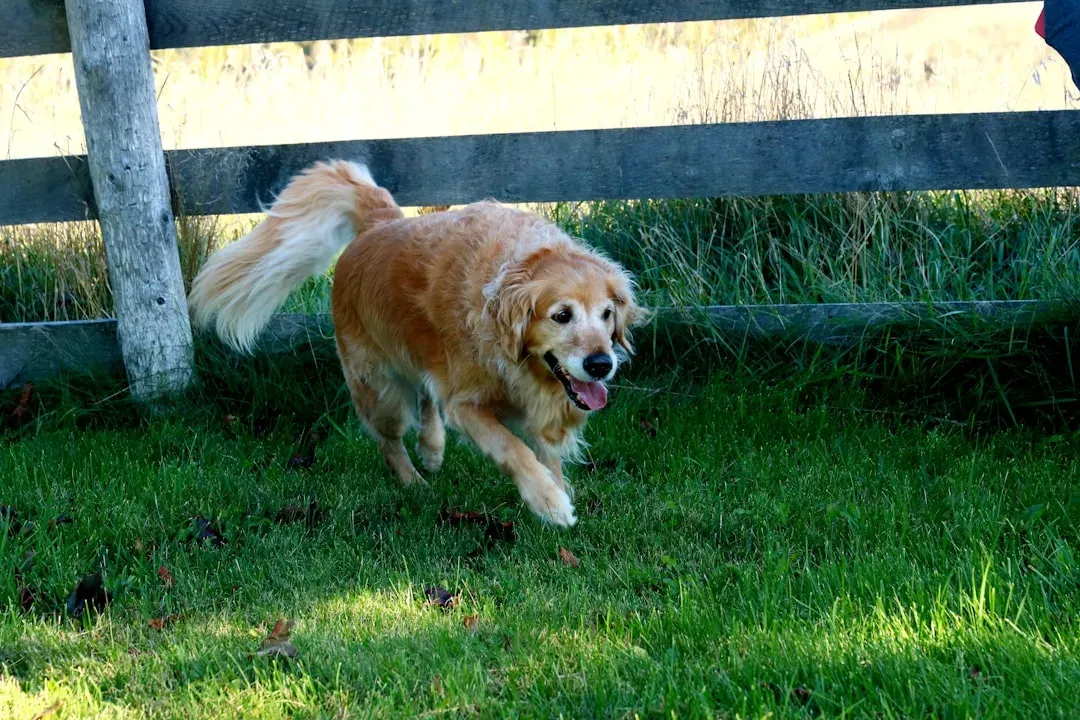
Not all tail wags are created equal, and this is something a lot of people get wrong. A stiff, high tail wagging fast can actually mean tension or alertness. The one you want to look for is the whole-body version.
Tail wagging, especially with a loose, wiggly body and hind end, is a good sign that your dog is happy to see you and looking for affection. It’s the canine equivalent of jumping up and down with excitement.
If your dog’s tail is relaxed, raised at about mid-height, moving in a circular motion, and causing a full body wag, that’s a sure sign that your dog is happy and excited to see you. Some people call it the “helicopter tail,” and once you see it, you’ll know exactly what it means.
When a dog wags their entire back half like their tail is too excited to contain itself, that’s not mischief energy. That’s pure, unfiltered joy at your existence. Honestly, it’s a little humbling.
8. Jumping Up to Greet You
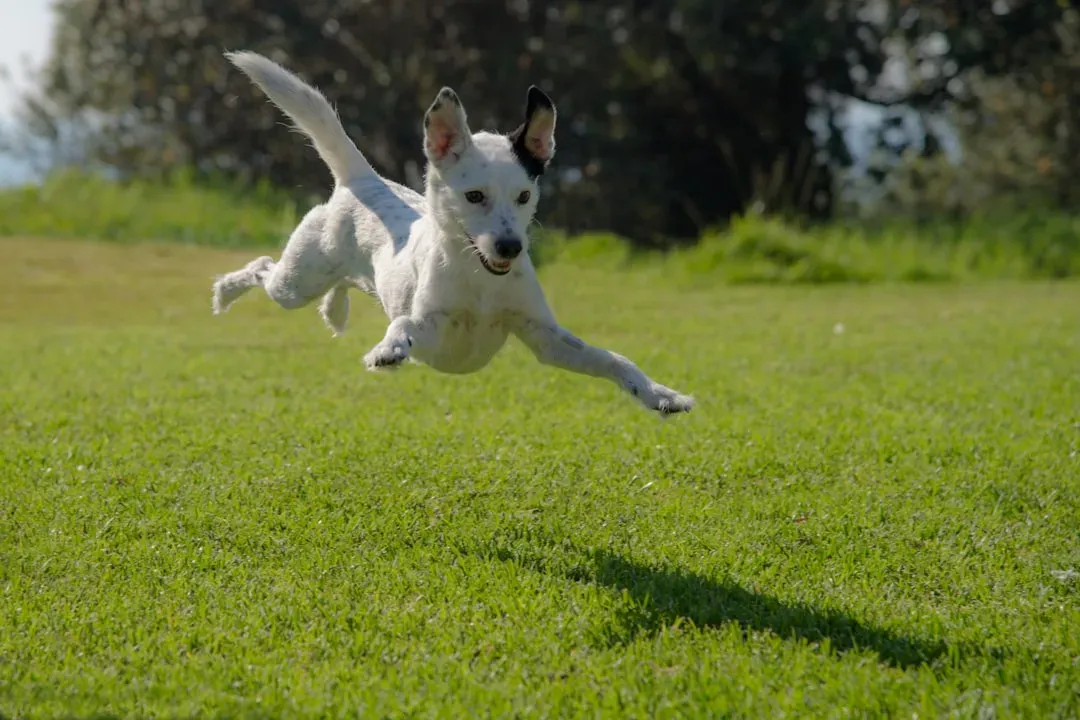
This one gets trained out of dogs fast, and for good reason. A large dog launching itself at a visitor is a safety issue. But before you write off the jumping entirely, understand what’s behind it.
Jumping up on people is generally considered an unwanted behavior in dogs, and most dog owners train their dogs not to jump on people. However, most of us instinctively know jumping up is a sign of affection.
Dogs jump because they’re excited, overwhelmed with joy, and want to get close to you. In the wild, young dogs greet adults by licking their faces. Since you’re taller, jumping is simply the practical solution your dog came up with.
Jumping up may be an undesirable behavior, but your pup is just trying to show they’re excited to see you. While you may want to correct this behavior, make sure you do so with positive reinforcement techniques, as you don’t want to punish your dog’s display of affection. You can redirect the behavior without squashing the love behind it.
9. Sleeping as Close to You as Possible
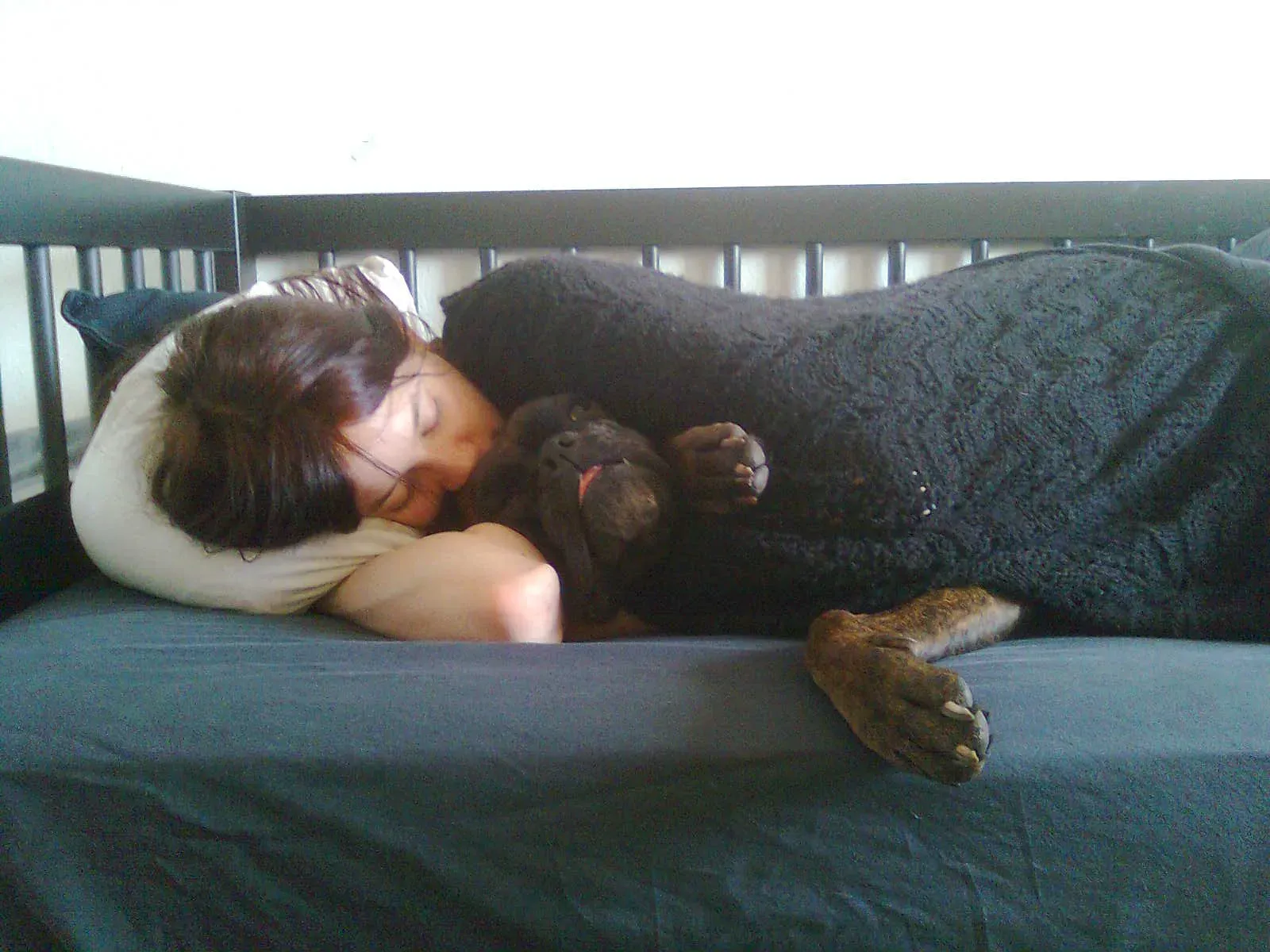
Some dogs want to sleep in your actual bed. Others insist on sleeping right outside your door. Some will simply nudge their dog bed incrementally across the room until it’s practically touching your feet. Wherever they land, there’s a clear intention.
Dogs tend to sleep where they feel most secure, so choosing to sleep by your side is a sign of trust and attachment. This shows a deep level of emotional closeness.
Since you are your dog’s best friend and family, it’s only natural they will want to sleep near you. Whether or not this behavior is acceptable is a point of contentious debate, but the fact that they want to sleep near you shows a deep bond of love and trust.
It’s worth remembering that in the wild, dogs sleep in close physical contact with their pack for warmth and safety. When your dog chooses your bedroom floor over any other spot in the house, they’re choosing their safest, most beloved pack member. That’s you.
10. The Nose Nudge
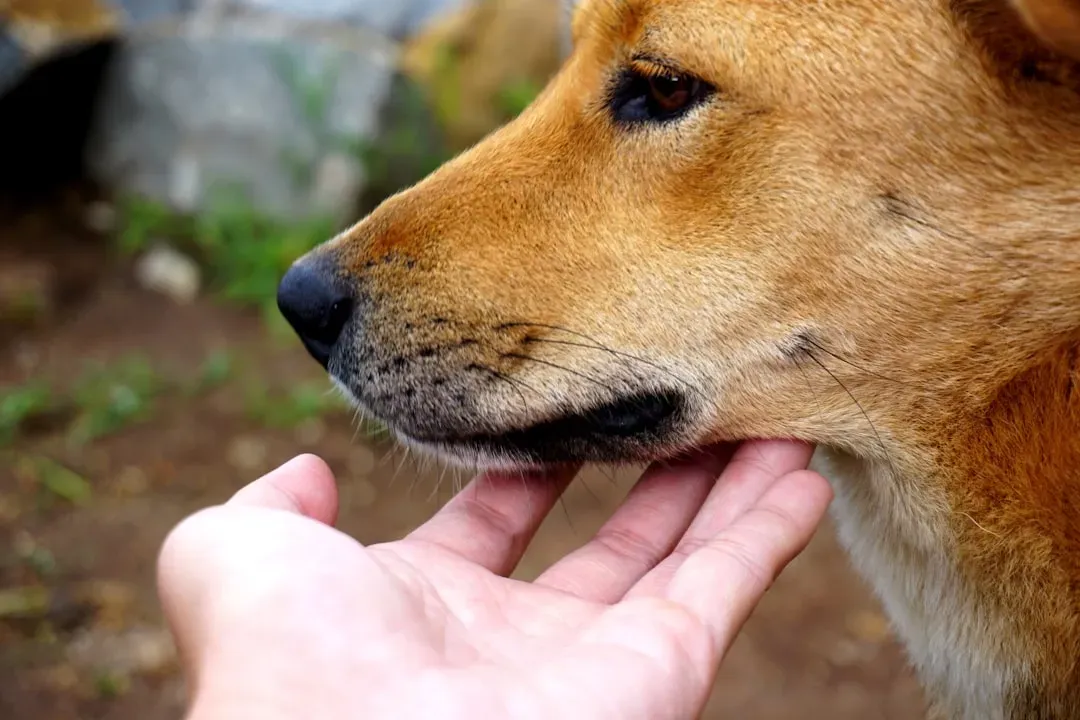
You’re sitting still, minding your own business, and then your dog’s cold nose suddenly presses against your hand or your knee. Maybe they do it gently. Maybe they’re basically headbutting you at full force. Either way, it’s deliberate.
A nose nudge can mean “pet me,” “look at me,” or “I love you.” It’s one of the gentlest ways dogs initiate connection. Think of it as a tap on the shoulder from someone who can’t use words but still wants to make sure you know they’re there.
Nose nudging can mean things like craving attention, wanting to be petted, or loving you. Any one of those is a sign that your dog wants to be near you and wants physical contact.
It’s a small gesture, but there’s something deeply sweet about it. In a way, it’s your dog saying: “Hey. I see you. I just wanted you to know I’m here.” Which, when you think about it, is everything.
11. Yawning When You Yawn
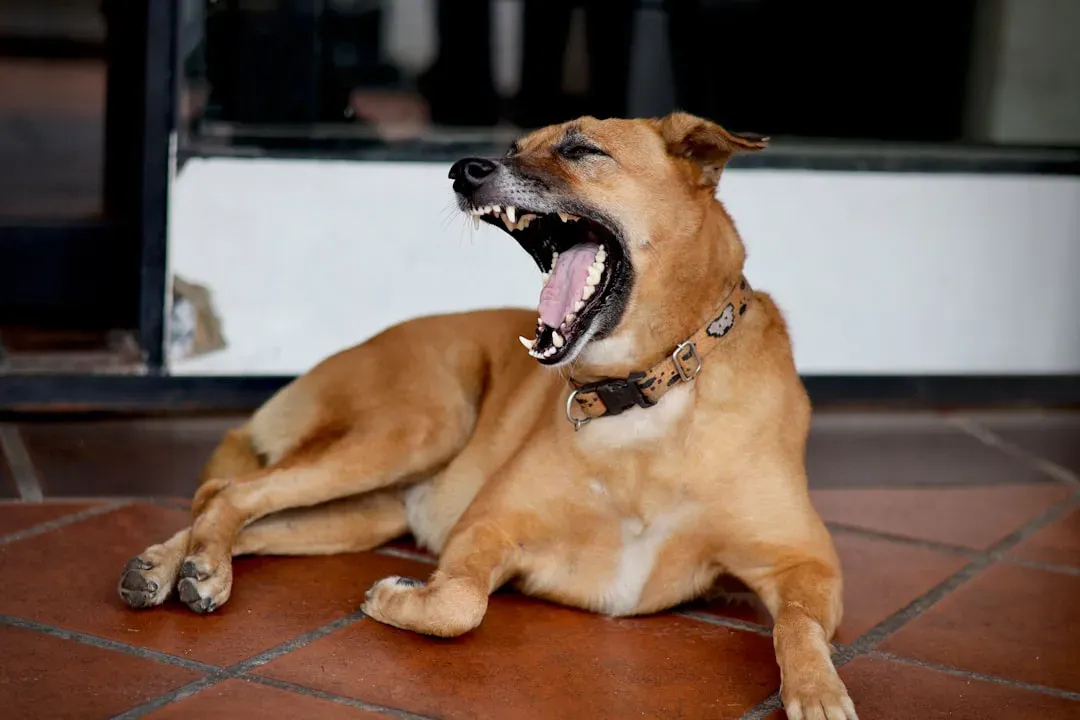
This one sounds almost too subtle to be real. Your dog yawns right after you do, and you probably thought nothing of it. Just a tired dog being a tired dog, right? It turns out it’s actually a little more special than that.
Dogs are incredibly in tune with your moods and emotions. Emotional contagion, the tendency to reflect the feelings or behaviors of someone you’re close to, can also show up in dogs. For example, if they yawn when you yawn, it can be a sign that you’re emotionally connected.
A contagious yawn from your dog might not just be a sign of tiredness or stress relief; it could also indicate empathy and a desire to bond with you, as yawning can be a social cue in canine communication.
Contagious yawning between humans is considered a marker of empathy. The fact that it also happens between dogs and their humans is a pretty remarkable indicator of just how deep that interspecies connection runs. It’s hard not to feel a little moved by that.
12. Showing You Their Belly
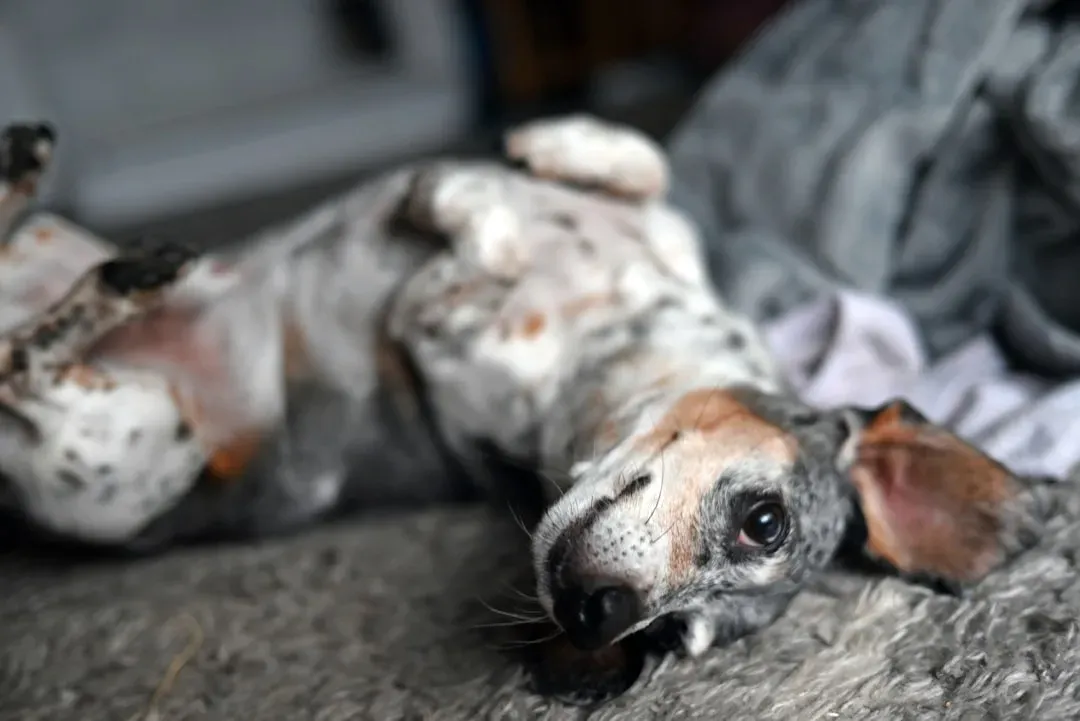
If you’ve ever had a dog suddenly throw themselves onto their back in front of you, limbs in the air, looking both ridiculous and completely unbothered about it, you’ve witnessed one of the most trusting gestures in the dog world.
Nothing says “I really, really trust you” more than your pup rolling on their back and asking for a belly rub. Since a dog’s tummy is one of their most vulnerable body parts, this act puts them into a total state of submission, the ultimate signal of love and trust.
A dog exposing their belly is showing major vulnerability. If they roll over and invite you in, that signals deep trust and comfort. Belly rubs are both affectionate and bonding.
It’s a bit like someone handing you their diary and saying “I trust you completely.” It’s vulnerable, it’s generous, and it’s entirely given by choice. When your dog rolls over for you, they’re not being silly. They’re being brave in their love.
13. Facial Expressions and the Famous Puppy Dog Eyes
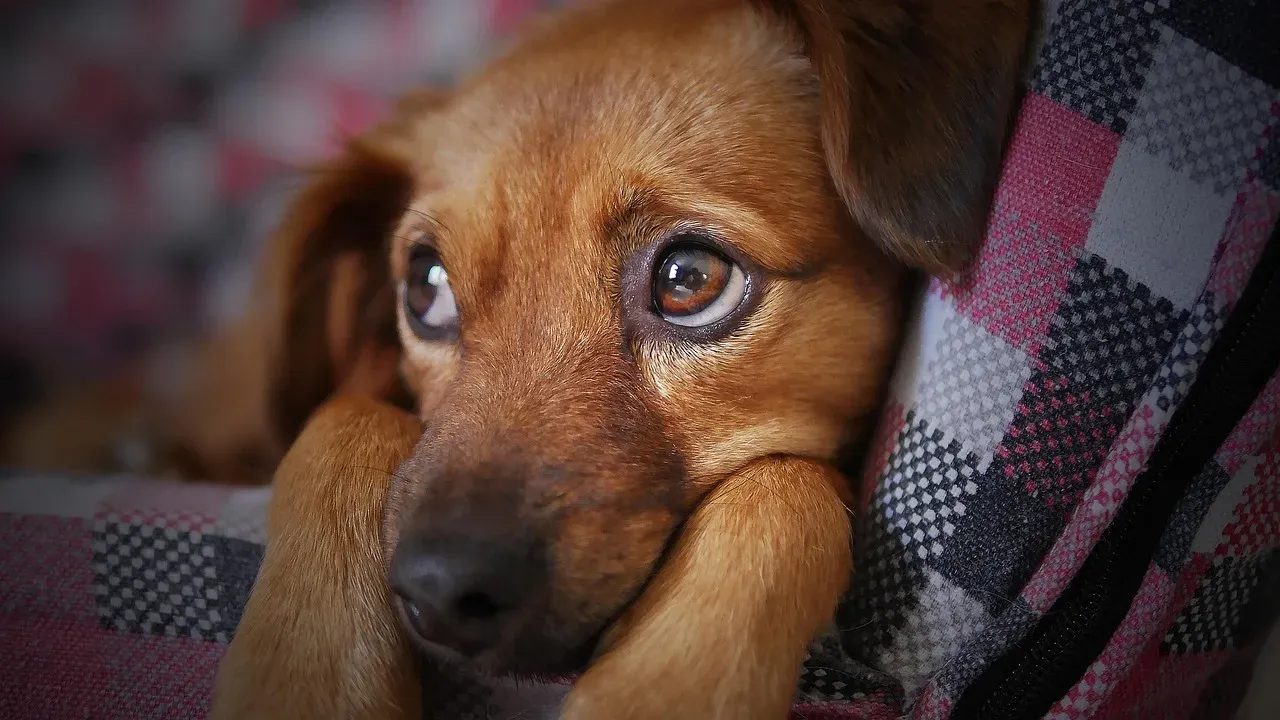
We’ve all been on the receiving end of those big, sorrowful, irresistible eyes. You know the look. Your dog wants your attention, or your food, or both. You thought it might be manipulation. Turns out, it kind of is, but it’s also genuinely evolved communication.
According to a study published in the journal Proceedings of the National Academy of Sciences, dogs have evolved a special eye muscle to better communicate with humans. They are able to move their eyebrows and make that sad, sweet puppy dog face that tugs at our heartstrings.
Dogs make more facial expressions when their human is paying attention, suggesting that these expressions are deliberate attempts at communication. The most notable is the canine smile, a sign of a happy pup.
Dogs will mimic human facial expressions; a dog’s smile can signal love and affection just as human smiles do. Research has shown dogs use many facial expressions the way we do, reacting differently to different people depending on how well they know them. That raised eyebrow, that tilt of the head? It’s a love letter written in muscle movements.
14. Sighing Deeply Next to You
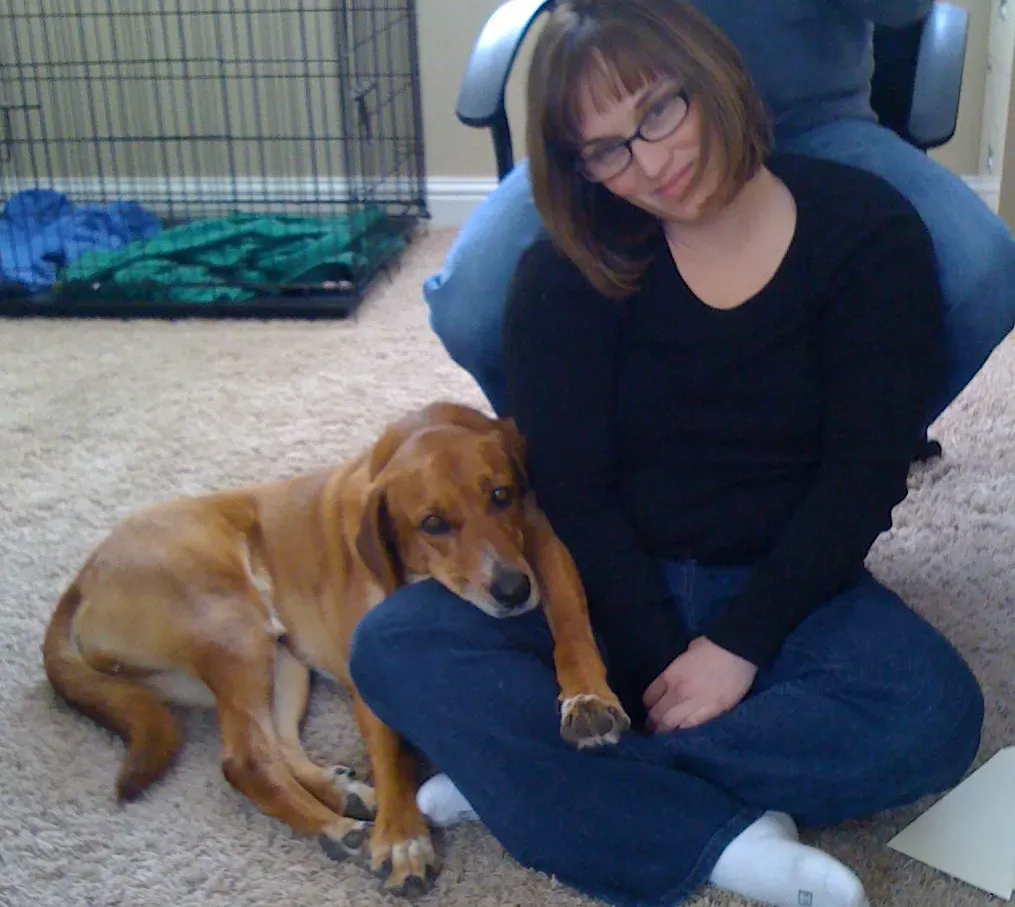
Your dog settles down beside you on the couch, tucks their head onto your lap, and then lets out this long, dramatic, deeply satisfied sigh. It’s one of those sounds that will reset your entire mood on a bad day. It’s also a very clear message.
Has your dog ever let out a big sigh after they got really cozy next to you? Soft vocalizations, like sighs and groans, are signs of contentment in dogs. When you hear your furry buddy do that, it means they’re happy.
It’s hard to say for sure what dogs feel in a philosophical sense, but that sigh communicates something unmistakable. It’s the sound of an animal that feels completely at home. Completely safe. Completely loved.
In a world that moves fast and loud, there’s something quietly beautiful about being the reason your dog exhales like that. Like you’re the place they finally get to rest.
15. Roughhousing and Playful Mouthing
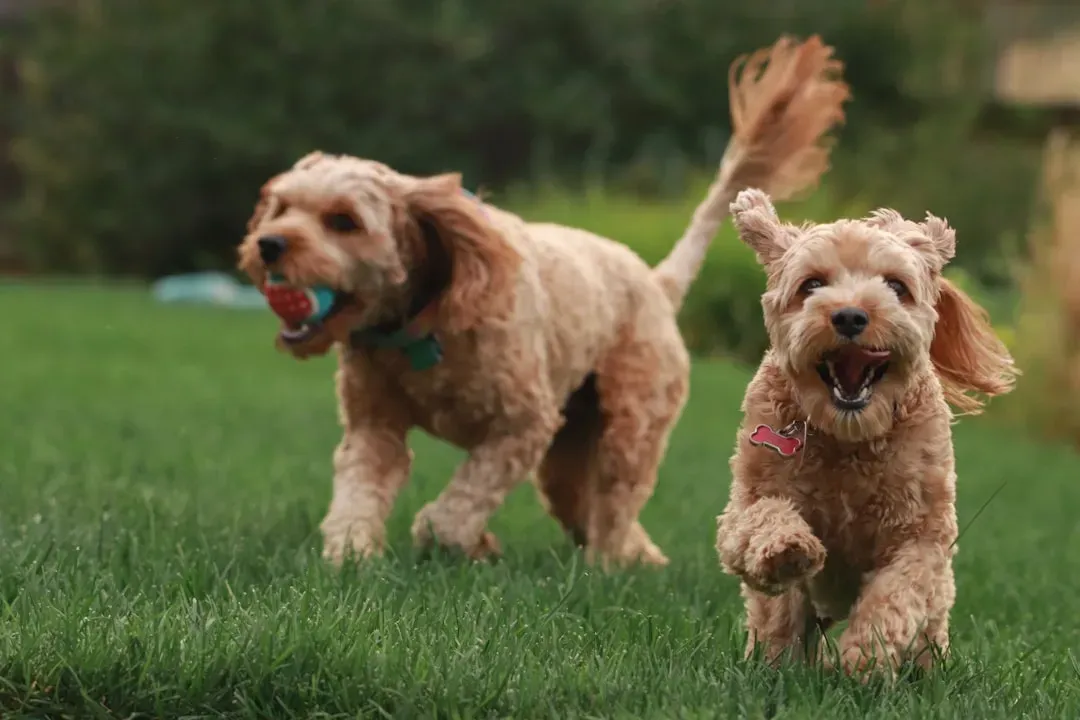
This one probably gets misread more than almost any other behavior on this list. Your dog starts play-biting your hands, bounding around your legs, getting a little rowdy. Looks like bad behavior on the surface. It’s actually social bonding at its most animated.
Playing a little rough, or roughhousing, is your dog’s natural way of showing affection. It’s not only healthy, but a necessary part of your dog’s social development. Roughhousing helps to form a bond between you and your dog.
Even a mouthing dog might be showing eager affection. Some retrievers seem to feel that all of life’s most wonderful moments are more meaningful with something, anything, in their mouths. It’s a quirky way of inviting you into their world of play and closeness.
Think about how children express excitement and affection. They grab your hand, they tackle hug, they make a little chaos. Dogs aren’t so different. When they roughhouse with you specifically, it means they feel safe enough to be fully themselves around you. That’s trust. That’s love.
A Final Thought Worth Sitting With
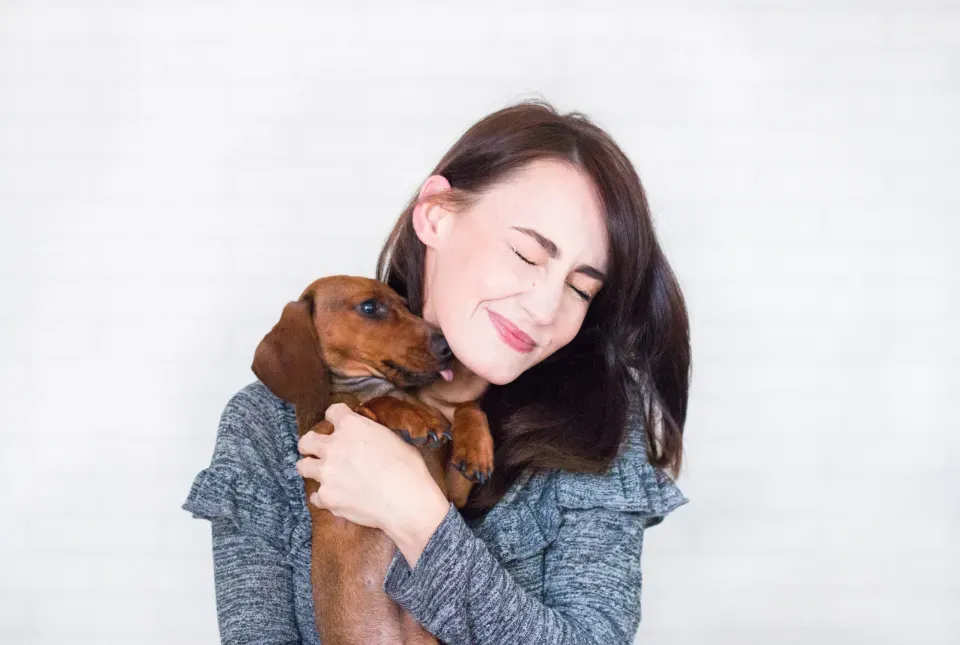
Honestly, when you read through all fifteen of these behaviors, a theme becomes impossible to ignore. Dogs are not subtle. They love big, they love constantly, and they love in ways that humans often misread as inconvenient or mischievous. The sock thief, the bathroom shadow, the starer, the sigher. They’re all the same dog telling the same story.
Dogs get a surge of oxytocin, the love hormone, when they bond with someone they love. If your dog sleeps in your bed, wags their tail a lot, or tends to follow you around, it’s likely they enjoy your company. The science backs up what dog owners have always instinctively felt.
The next time your dog does something that makes you sigh in exasperation, pause for just a second before reacting. There’s a very real chance they’re not causing trouble. They’re just trying to tell you something they don’t have words for.
How many of these behaviors does your dog show every day? Drop a comment and let us know which one surprised you the most.
