
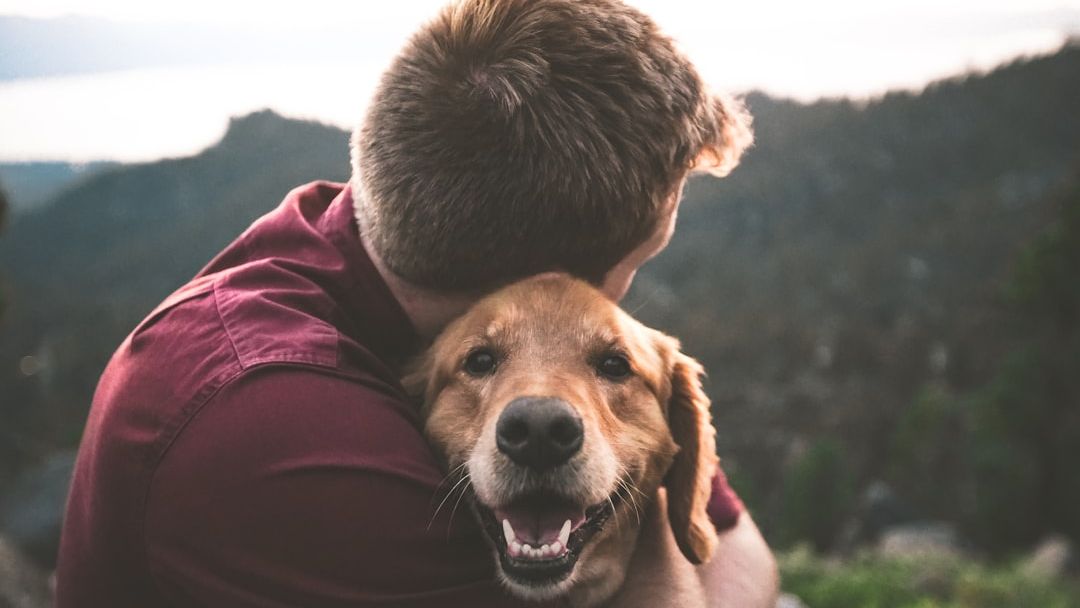
Picture this: your furry best friend rolls over for belly rubs, eyes half-closed in bliss. Yet sometimes, that same dog ducks away from a quick head scratch you swear they loved yesterday. What’s going on here?
Turns out, petting isn’t one-size-fits-all for dogs. Their comfort hinges on where, how, and even when you touch them. Let’s uncover the secrets to making every stroke count.[1][2]
Decode Their Body Language Before You Start
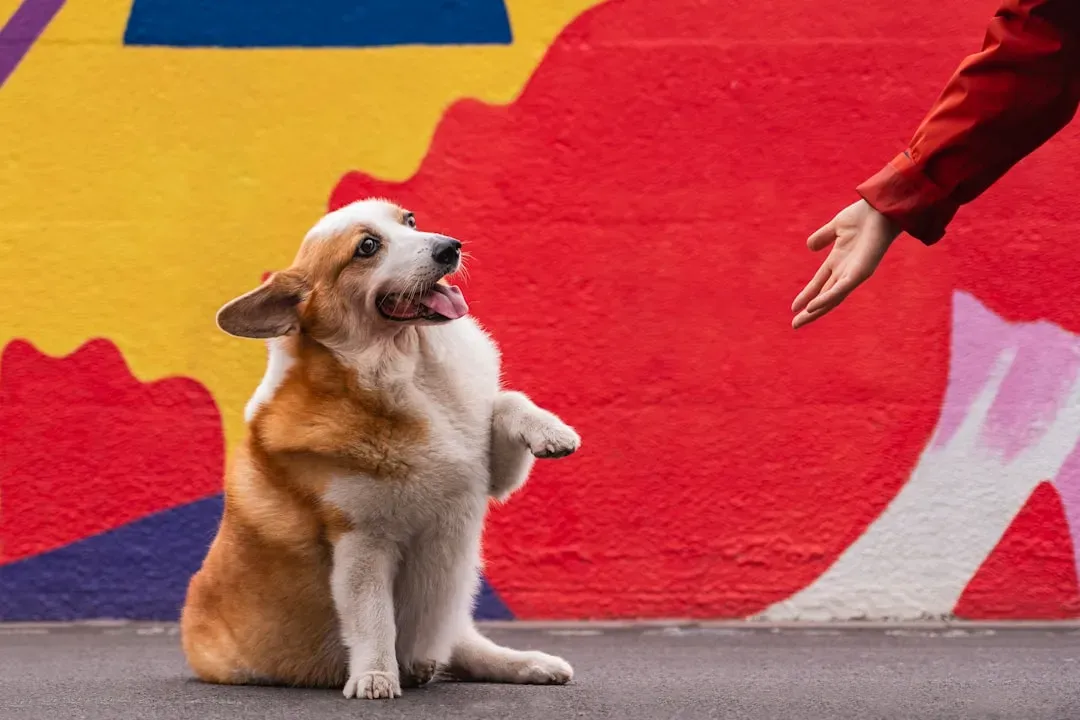
Dogs speak volumes without words. A loose wag, soft ears forward, and relaxed mouth scream “yes, pet me.” Lean in close, and you’ll feel them melting into your hand.
Ignore the signs at your peril. Stiff posture or averted gaze means back off. Honestly, rushing in blind can turn affection into anxiety fast.[3]
Chest and Shoulders: The Safe Sweet Spots
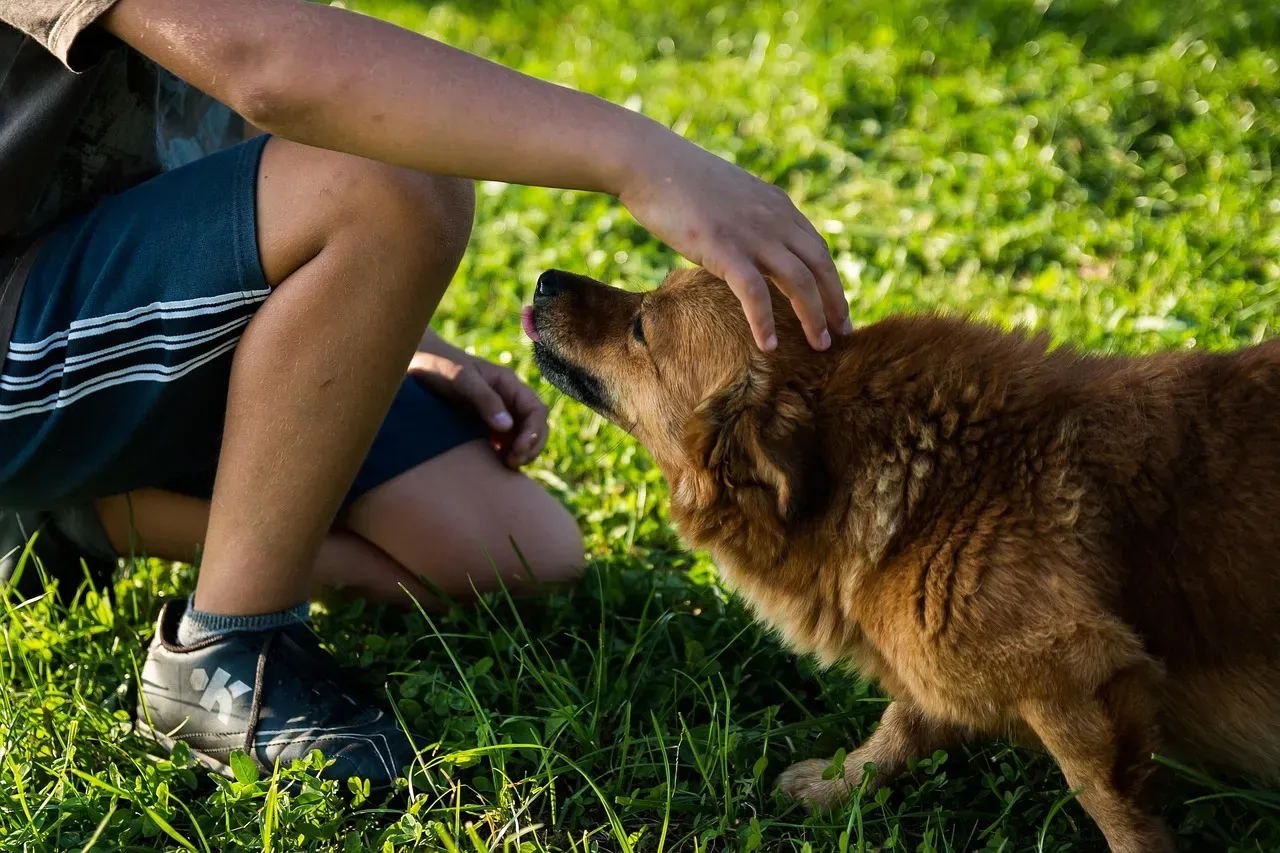
Start here every time. The chest offers a neutral zone most dogs welcome, letting you gauge their mood. Shoulders follow suit, feeling secure and non-threatening.
Glide your fingers gently along the base of the neck too. These areas build trust without invading personal space. Your dog might surprise you by pressing closer for more.[4][5]
It’s like scratching an itch they can’t reach themselves.
Ditch the Head Pats and Hugs
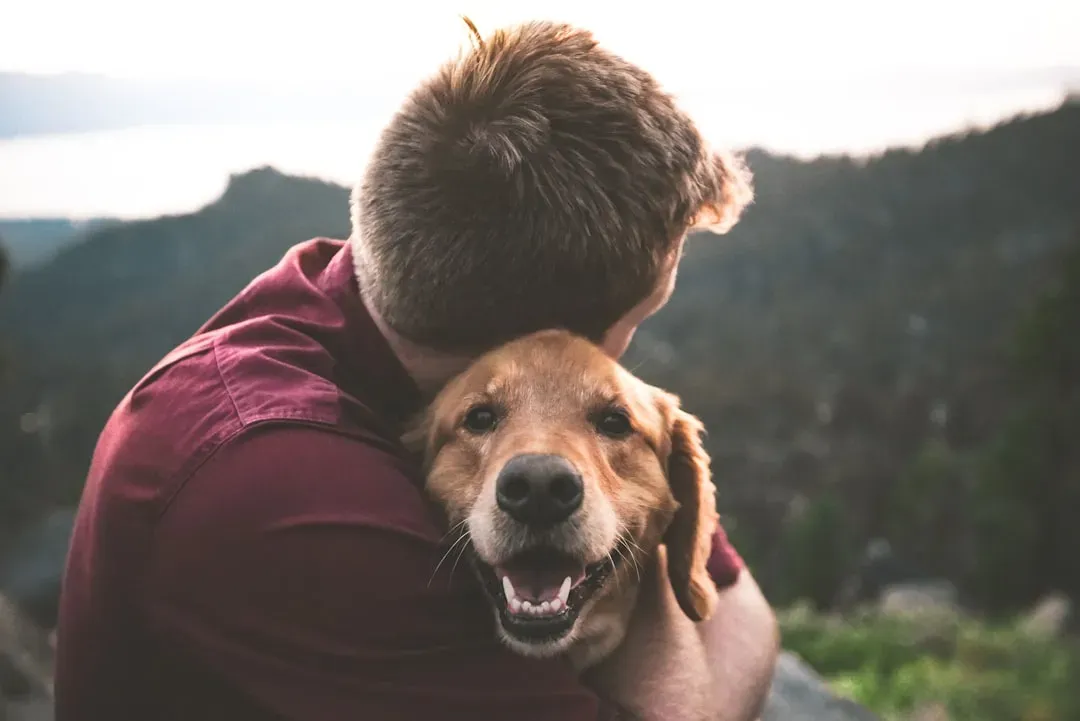
Top of the head? Many dogs loathe it, seeing it as dominant or scary. Hugs wrap them tight, triggering freeze responses in their wild instincts.
Paws, tail, and muzzle fall into no-go territory unless invited. These spots feel vulnerable, sparking discomfort. Let’s be real, good intentions don’t erase bad vibes.[1][6]
Master the Art of Slow, Sideways Strokes
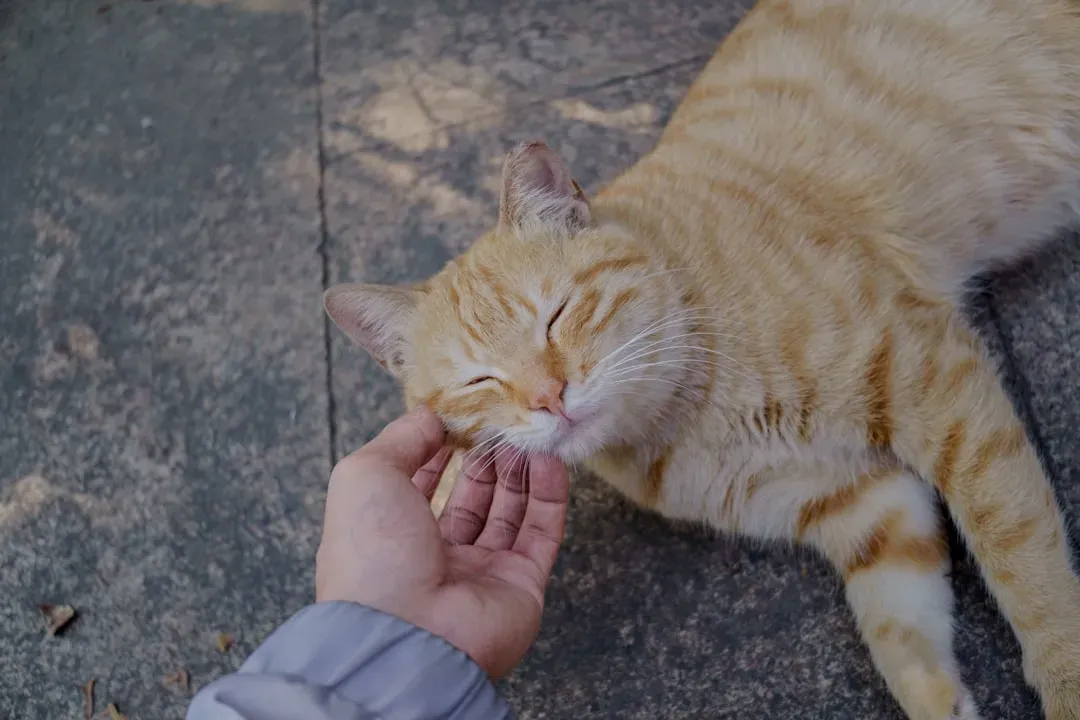
Approach from the side, hand low for a sniff first. Slow, rhythmic strokes mimic pack grooming, pure comfort in motion. Quick pats jolt like unwanted surprises.
Watch their response and adjust. Some crave scratches over strokes. I know it sounds simple, but this finesse turns routine pets into bonding magic.[7]
Bliss Signals: Leaning In and Tail Twirls
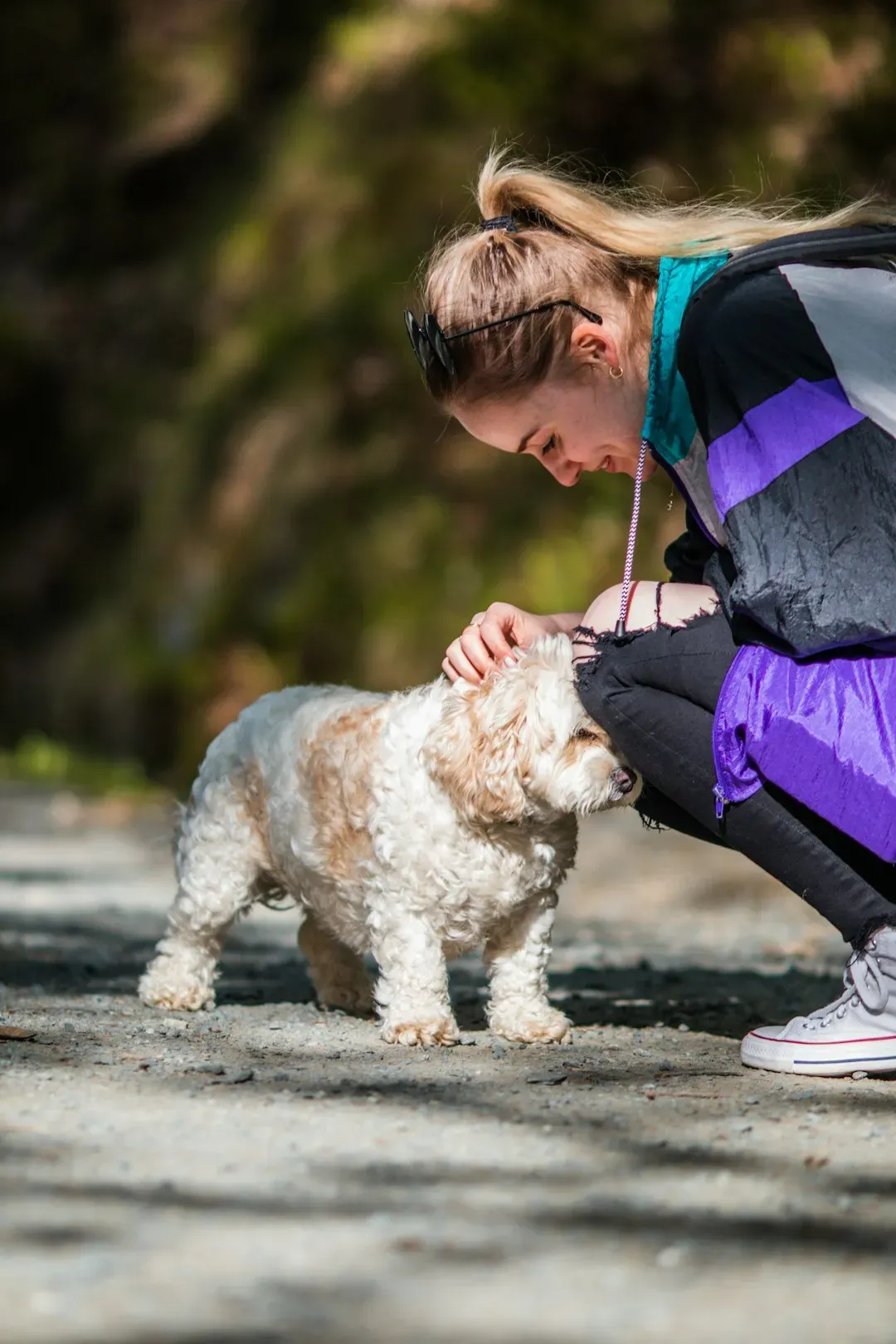
Heaven hits when they lean hard into your touch. Eyes squint shut, tail wags loose and wide, body fully relaxed. That’s your green light to keep going.
Play bows or sighs seal the deal. These cues prove you’re nailing it. Every dog lights up differently, but these universals never lie.[8][9]
Red Flags: Lip Licks and Tense Freezes

Yawning, lip licking, or sudden stillness scream stop. Ears pinned back or tail tucking signal overload. Pushing past these risks eroding trust over time.
Move away calmly, try later. Respecting boundaries strengthens your bond. It’s tough love for tail-waggers everywhere.[10][11]
Wrapping It Up: Pet Smarter, Bond Deeper
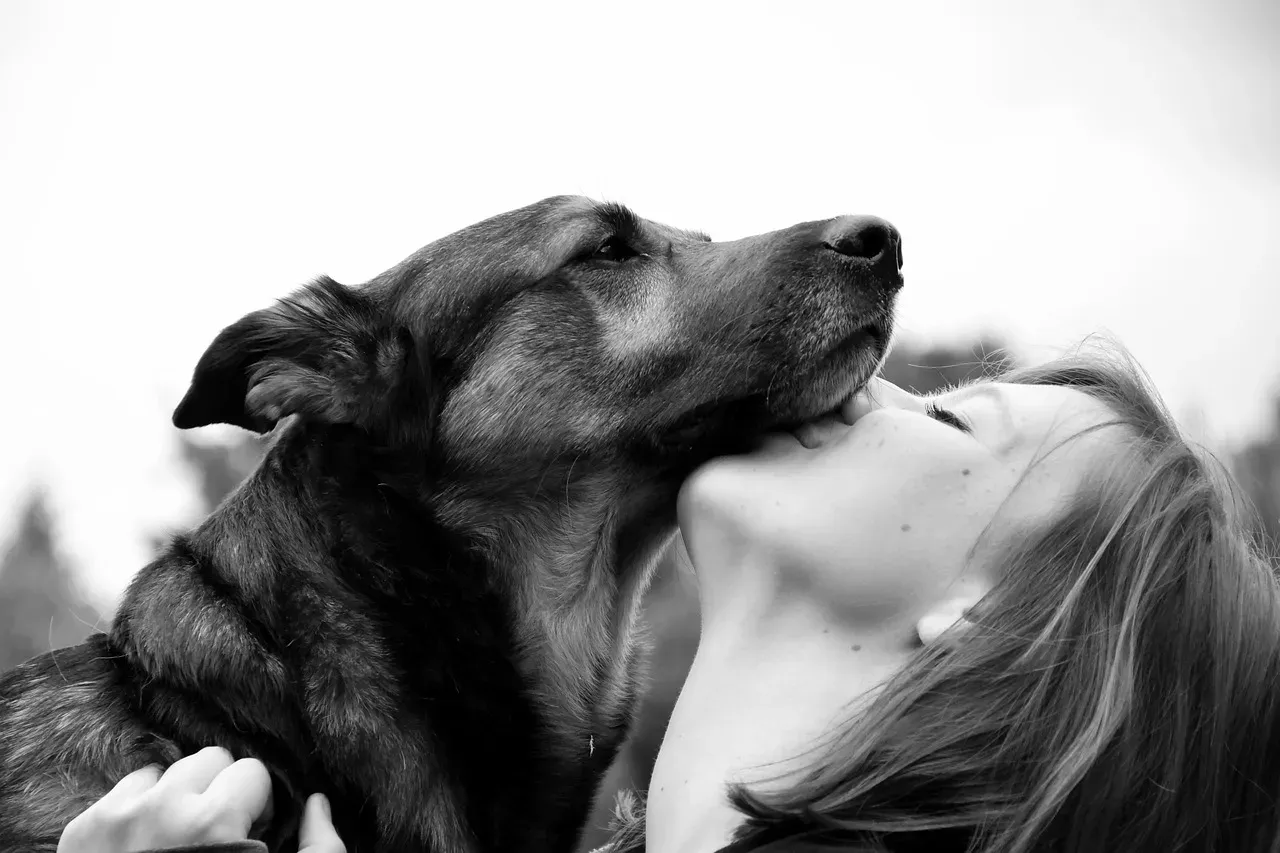
Master these tweaks, and your dog’s comfort skyrockets. What felt like guesswork becomes intuitive joy. Simple changes yield wagging wonders.
Next cuddle session, tune in closer. Your pup will thank you with endless loyalty. What’s your dog’s favorite spot?[12]

- 7 Apex Predators That Are Actually Afraid of One Specific Animal Smaller Than Themselves and the Encounters That Confirmed It - July 18, 2026
- 10 Animals That Researchers Confirmed Can Recognize Themselves in a Mirror – and the One Near the Bottom of the List That Rewrote the Criteria Entirely. - July 18, 2026
- 6 Most Shark-Dense Coastlines Outside the United States That Tourism Boards Have Been Very Quiet About - July 18, 2026