

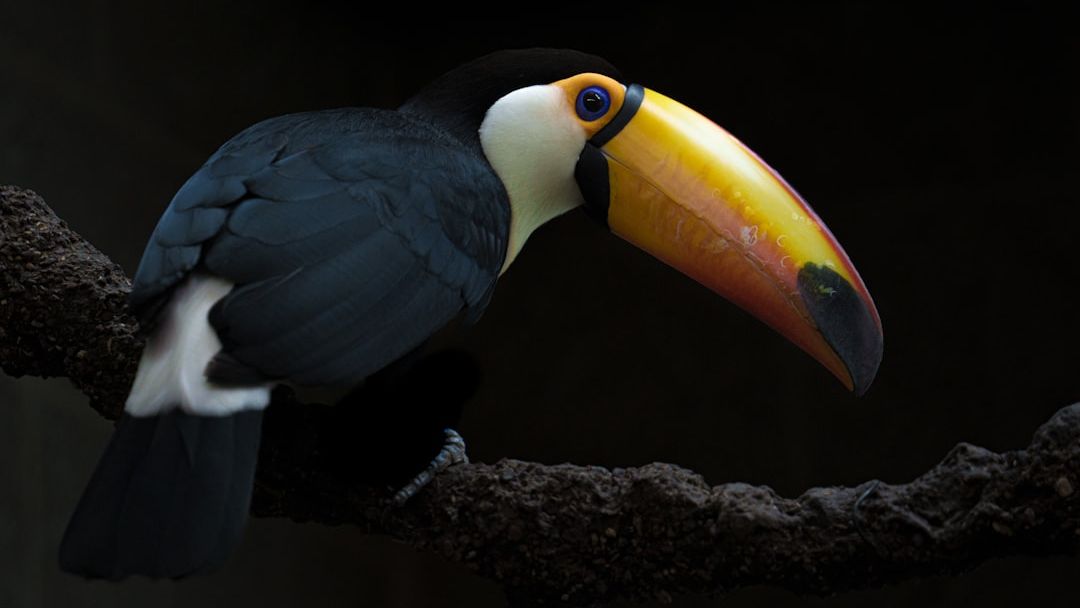
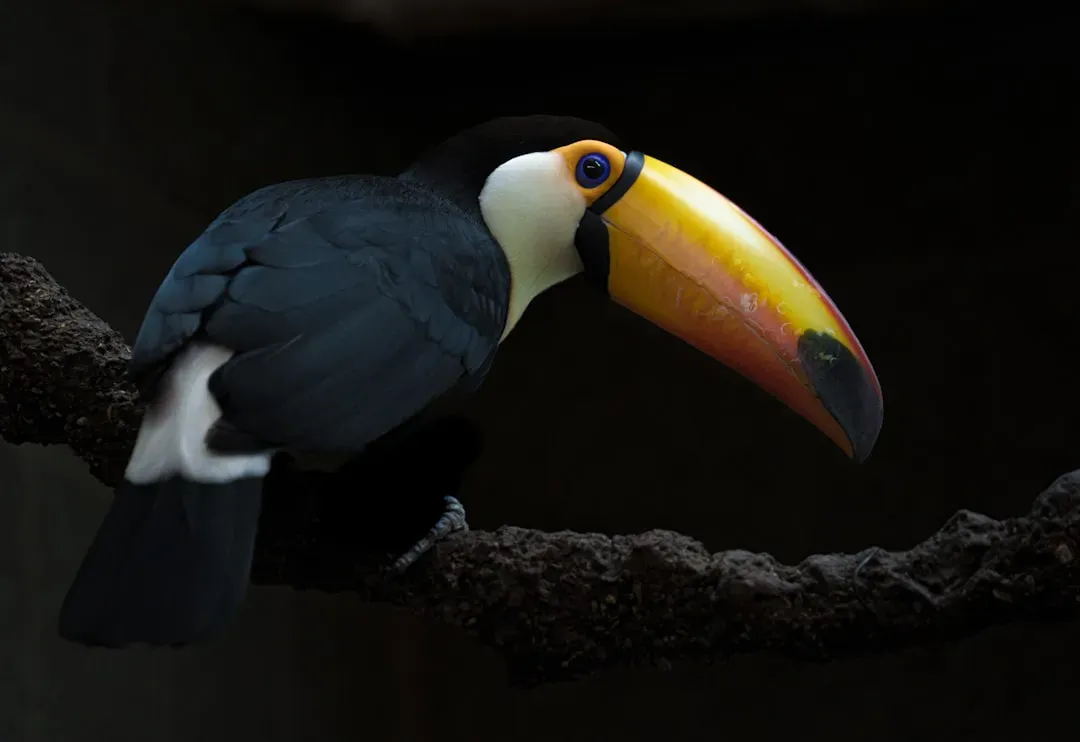
In the sweltering depths of the Amazon rainforest, conservationist Paul Rosolie stumbled upon a heartbreaking sight: a featherless baby toucan, pink and shivering, abandoned on the forest floor. Named Lucas, this vulnerable chick faced impossible odds against predators, parasites, and the humid wild. Rosolie, founder of the Junglekeepers Society, scooped him up for a grueling rehabilitation that captivated wildlife lovers worldwide. What unfolded next reveals the raw fight for survival amid escalating habitat threats.
Today’s triumph, just one day after a viral video spotlighted the story, spotlights Rosolie’s relentless work protecting the Amazon’s fragile ecosystems. Let’s dive into the details of Lucas’s improbable comeback and the bigger picture it paints for toucan conservation.
A Fragile Start Amid Amazon Perils
Paul Rosolie discovered Lucas in a dire state, his naked skin ravaged by parasites and exposed to hypothermia in the rainforest’s unforgiving humidity. Without feathers, the chick depended entirely on parental brooding, a luxury lost to abandonment likely triggered by habitat disruption. Rosolie’s team acted fast, rushing the tiny bird to a custom brooder for temperature stabilization. This intervention proved crucial, as such neonates succumb quickly without constant care. Over the initial days, hand-feedings of nutrient-packed formula every few hours kickstarted weight gain and skin recovery. The rescue highlighted a surge in orphaned wildlife, with Junglekeepers handling dozens of similar cases yearly.
The Harsh Realities Facing Toucan Chicks
Toucan hatchlings emerge featherless and helpless, relying on canopy nests for protection from ground threats. Deforestation fragments these habitats, forcing parents to forage farther and leaving chicks like Lucas behind. Predators and climate shifts compound the risks, while poaching for the pet trade claims many survivors. Rosolie notes that hypothermia strikes swiftly in these pink neonates, demanding incubators that mimic natural warmth. His observations align with rising rescue numbers, underscoring how shrinking forests amplify vulnerabilities. Specialized regimens now form the backbone of efforts to bolster early survival rates.
Hands-On Rehab Transforms Lucas
Rosolie crafted a tailored recovery plan, starting with round-the-clock monitoring in a heated enclosure. Formula feedings evolved into fruit mashes as Lucas strengthened, his skin sprouting vibrant feathers over weeks. Play sessions with soft toys honed wild instincts, simulating sibling bonds essential for social toucans. “This little guy almost didn’t make it,” Rosolie reflected, capturing the emotional stakes of each rehab. By maturity, Lucas displayed hallmark traits: curiosity, agility, and a beak primed for cracking fruit. Behavioral training ensured he retained the edge needed for independence.
Soaring Release Marks Victory
The climax arrived at a forest edge familiar to Lucas, where Rosolie coaxed him toward freedom. After a momentary pause, the young toucan launched skyward, joining a nearby flock with effortless calls. Junglekeepers reports a 70 percent success rate for rehabilitated birds, making Lucas’s swift adaptation stand out. Tracking confirmed his independent foraging within days, a testament to the rehab’s efficacy. Witnesses called the flight triumphant, symbolizing resilience against the odds. This release bolsters hopes for more such outcomes in guarded zones.
Rosolie’s Enduring Conservation Legacy
Paul Rosolie has safeguarded over 50,000 acres through Junglekeepers, blending indigenous wisdom with modern patrols against poachers. His book Mother Nature and documentaries have rallied global support, funding anti-deforestation drives. “Every life saved is a stand against extinction,” he asserts, driving initiatives like reforestation and community training. Local groups now shift to eco-tourism, boosting toucan sightings by 25 percent in protected areas. Donations spiked 40 percent post-Lucas, fueling expanded aviaries. His front-line efforts yield tangible rebounds in biodiversity hotspots.
Persistent Threats Demand Urgent Action
Toucan populations dwindle, with IUCN listing several species as vulnerable due to Amazon losses exceeding 17 percent since 1970. Agriculture and pet trade poaching fragment canopies, disrupting fruit-dependent diets. Climate change further strains food chains, hitting chicks hardest. Rosolie pushes for wildlife corridors linking habitats, countering isolation. Community programs empower locals with rescue skills, fostering self-sustaining protection. These strategies signal potential reversal if scaled aggressively.
Final Thought
Lucas’s journey from parasite-riddled orphan to wild flier proves one dedicated effort can tip the scales for endangered species. In a world racing toward biodiversity collapse, such stories ignite real momentum. What would you do to help the Amazon’s wildlife thrive?
Source: Original YouTube Video

- Urban Coyotes Show Remarkable Adaptability, Learning to Thrive in City Environments - July 22, 2026
- Beavers Are Nature’s Engineers, Creating Vital Habitats for Other Wildlife Species - July 21, 2026
- The Recovery of the California Condor Offers Hope for Other Critically Endangered Birds - July 21, 2026