

What if a single genetic switch could flip a devoted father into an aggressive, danger-seeking creature? It sounds like science fiction, but researchers have just uncovered something in mice that is startlingly close to that reality. The implications stretch far beyond a laboratory cage.
This discovery touches on something deeply fundamental: the biology of parental behavior. Why do some fathers nurture and protect, while others abandon or harm? The answer, at least in mice, may lie hidden in a cluster of genes most people have never heard of. Let’s dive in.
A Discovery That Changes How We Think About Fatherhood
Here’s the thing about parental behavior in the animal kingdom: scientists have long assumed it was shaped mostly by hormones and environment. This new research suggests the story is far more precise than that. A specific genetic region in mice appears to act almost like a dimmer switch on a lamp, capable of dialing parental care all the way up or all the way down.
Researchers identified that altering certain genes associated with a region called the “2p25” locus could dramatically shift how male mice behave toward their offspring. Caring, attentive fathers essentially became rough and hostile after the genetic change. The transformation was not subtle. It was stark and measurable in behavioral tests.
The Gene Region at the Center of It All
The genetic region in question involves a set of genes that influence neurological function in ways scientists are still working to fully understand. What makes this discovery remarkable is how localized the effect appears to be. It is almost like finding one loose wire in a circuit board that controls an entire room’s lighting.
Within this region, researchers focused on specific genes that are expressed in the brain, particularly in areas associated with social behavior and threat response. When these genes were manipulated in male mice, the animals stopped showing protective, nurturing behaviors and instead began displaying heightened aggression. Honestly, that level of behavioral specificity in a genetic finding is rare and genuinely exciting.
Caring Dads Turned Aggressive: What Actually Happened in the Lab
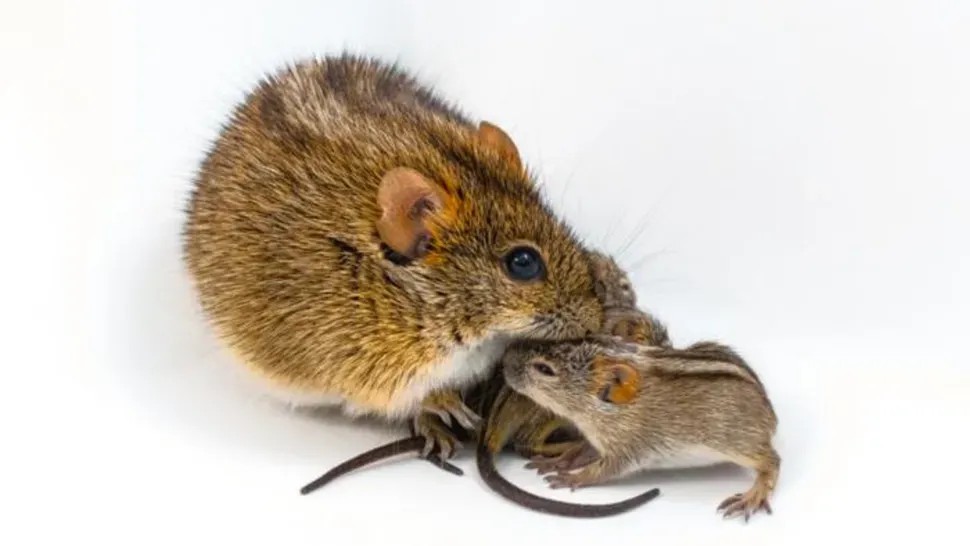
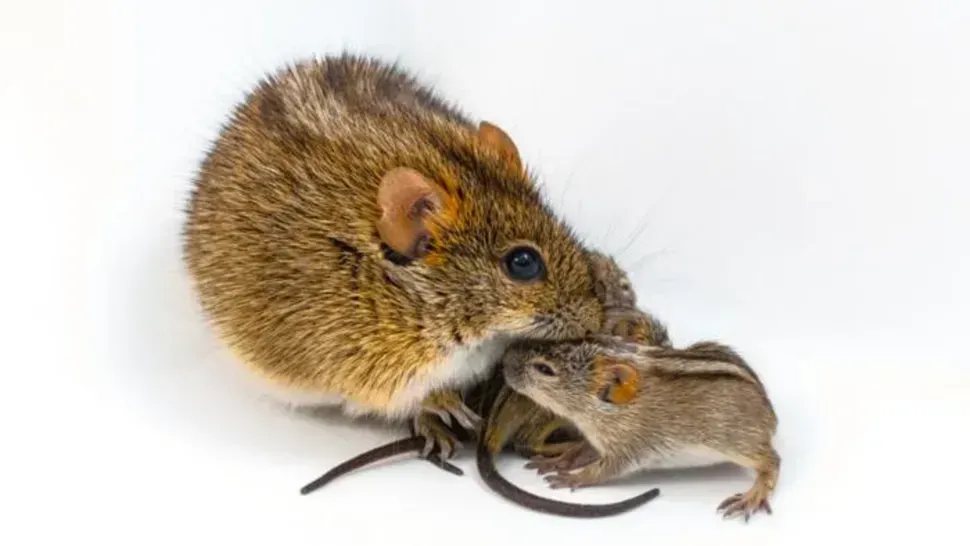
In normal conditions, male California mice, the species studied, are notably attentive fathers. They groom their pups, huddle with them for warmth, and actively protect the nest. This makes them an ideal model for studying paternal behavior because the baseline is so clearly defined. Researchers knew exactly what they were looking for when things changed.
After the genetic modification, those same paternal behaviors essentially vanished. The modified males became more reactive to perceived threats and less engaged with their offspring. Some displayed outright violent tendencies. It is a chilling example of how a few molecular changes can completely rewrite a creature’s social identity.
Why the Brain Circuitry Behind This Matters So Much
The brain regions involved in this behavioral shift include areas tied to fear responses, reward processing, and social bonding. These are not minor backwater circuits. They are highways of emotional and behavioral regulation that are deeply conserved across mammals, including humans. That last part is what makes neuroscientists particularly interested.
When the relevant genes were modified, the activity patterns in these brain regions shifted measurably. The balance between approach behaviors, think curiosity and affection, and avoidance behaviors, think fear and aggression, appeared to tip dramatically. It is a bit like having a scale that was perfectly balanced suddenly lose weight on one side. The whole system lurches.
Could This Have Anything to Do With Human Behavior?
Let’s be real: the leap from mice to humans is enormous and researchers are careful to say so. Mice and humans share a surprising proportion of genetic material, but human behavior is shaped by culture, upbringing, trauma, and countless other layers that have no equivalent in a lab mouse. Drawing a straight line between this finding and human parenting would be premature and frankly irresponsible.
That said, the gene region identified in this study has human counterparts. Variants in similar genetic areas have been loosely associated with behavioral differences in human populations, though the science there is still early and far from conclusive. It’s hard to say for sure where this research ultimately leads, but ignoring the human angle entirely would also be naive. The biological architecture of parenting is not entirely unique to any one species.
What This Means for the Science of Parental Behavior
For decades, researchers have tried to decode why some individuals within a species are nurturing while others are neglectful or dangerous. Hormones like oxytocin and vasopressin have received a lot of attention, and rightly so. Yet hormones alone have never fully explained the full spectrum of parental behavior variation. This genetic discovery adds a new and important layer to that puzzle.
The idea that a discrete genetic region can essentially override hormonal and environmental inputs to reshape behavior is significant. It suggests there may be a kind of genetic hierarchy at work, where upstream genetic factors set the stage for how the brain responds to hormonal signals and social context. That reframes a lot of prior research in interesting ways and may eventually lead to new ways of studying disorders involving aggression or impaired social bonding.
What Comes Next in This Line of Research
Scientists are now turning their attention to exactly how the identified genes communicate with the brain circuits involved. The next steps involve more precise mapping of which neurons are affected and how gene expression changes translate into the behavioral outcomes observed. Think of it as zooming in from a satellite image to street level. The researchers have found the neighborhood; now they need to find the exact building.
There is also considerable interest in whether environmental factors, such as stress, diet, or early life experiences, interact with this genetic switch. Genes rarely operate in isolation, and the real world is never as clean as a controlled laboratory. Understanding the interplay between this genetic region and external conditions could be the key to unlocking a much deeper understanding of parental behavior across mammalian species. The science is young, but the questions it raises are some of the most profound in behavioral biology.
Conclusion: Nature Has a Volume Knob, and We Just Found One of Them
I think what makes this research genuinely profound is not just the finding itself, but what it implies about the architecture of behavior. We tend to think of parenting as something deeply personal, shaped by love, choice, and experience. The idea that a single genomic region can override all of that in an animal wired so similarly to us is both humbling and a little unsettling.
It does not diminish the importance of love or conscious parenting. If anything, it deepens respect for how complex and layered these behaviors really are. Biology sets a stage, but organisms are not always puppets of their genes. Still, finding these switches is essential if we ever want to understand, and perhaps help, those for whom that stage is set against them. What does this make you think about the biology underneath your own instincts? Tell us in the comments.

- Urban Coyotes Show Remarkable Adaptability, Learning to Thrive in City Environments - July 22, 2026
- Beavers Are Nature’s Engineers, Creating Vital Habitats for Other Wildlife Species - July 21, 2026
- The Recovery of the California Condor Offers Hope for Other Critically Endangered Birds - July 21, 2026