
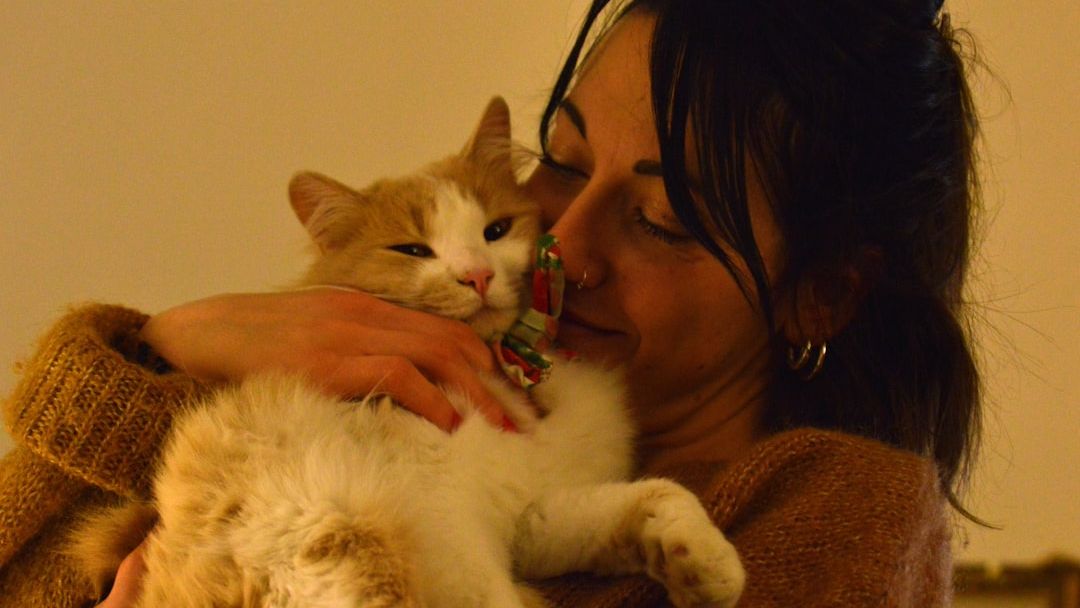
There is nothing quite like the moment a once-frightened rescue pet looks up at you with soft, trusting eyes. It’s quiet. It’s small. It might even catch you off guard. Yet in that single second, you realize something incredible has happened: this animal, who arrived in your home carrying invisible wounds from a past you’ll never fully know, has decided you are safe.
Rescue pets often come from difficult backgrounds, such as neglect or abandonment, and helping them adjust to a loving home requires patience and understanding. The journey from fear to full trust is rarely linear. It’s messy, sometimes heartbreaking, always deeply rewarding. So how do you actually know when you’ve crossed that threshold? Here are ten heartwarming signs that tell you everything you need to know. Let’s dive in.
1. They Follow You from Room to Room
You go to make a coffee. They follow. You head to the bathroom. They’re right outside the door. It might feel a little silly at first, but honestly? It’s one of the most beautiful signs you’ll ever witness.
Some dogs may follow you from room to room like a little shadow, and this isn’t just because they love your company. It’s a sign they feel secure and connected to you. Think of it like a child who shadows a parent around the house. They’re not being clingy out of anxiety anymore. They’re choosing your presence because it genuinely makes them feel calm.
For a rescue pet that once cowered in corners and avoided eye contact, this kind of voluntary closeness is monumental. It means they’ve made a decision: you are their safe place.
2. Their Body Language Is Loose and Relaxed

Here’s the thing about rescue pets: their bodies tell the whole story before their behavior ever does. A tense, tucked-in posture speaks of fear. A loose, floppy one speaks of peace. Learning to read the difference is genuinely one of the most useful skills a rescue pet owner can develop.
Loose muscles, a softly wagging tail, a floppy sprawl on the couch are all green lights for happiness. On the flip side, a stiff posture, tucked tail, wide eyes, or raised hackles are signs something’s off. When your rescue starts melting into the sofa like a puddle, that’s the good stuff right there.
Happy pets may also flop onto their backs and expose their bellies, a vulnerable position that shows trust. That belly-up pose is basically the equivalent of your pet handing you a handwritten note that reads: “I trust you completely.”
3. They Seek Out Your Touch on Their Own Terms
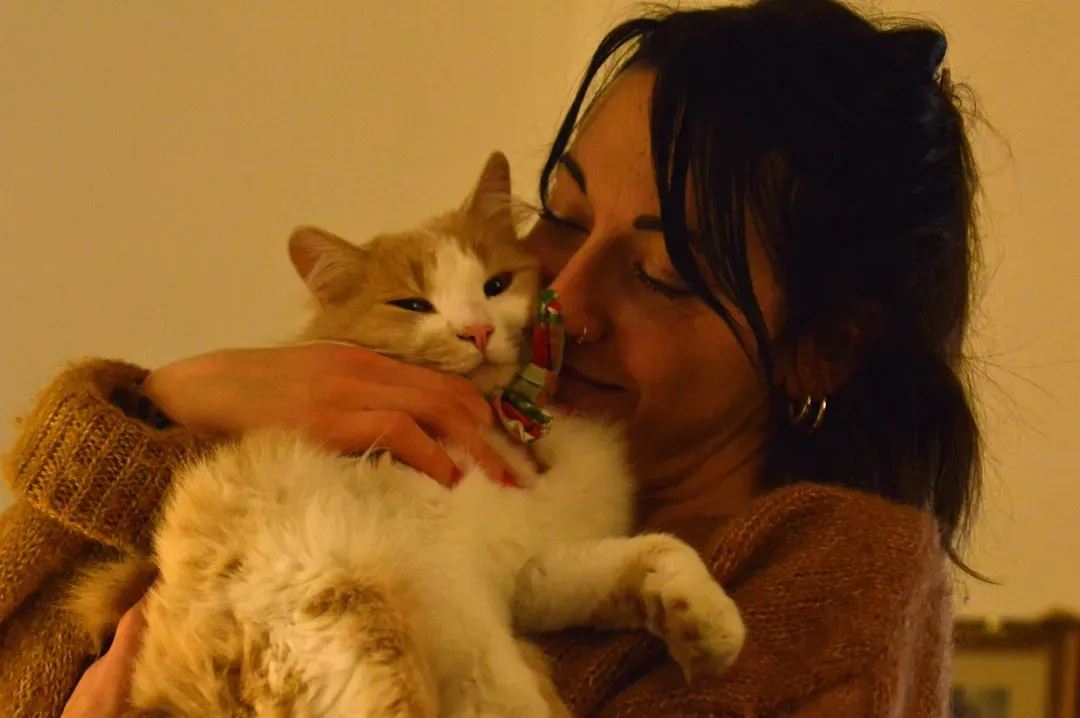
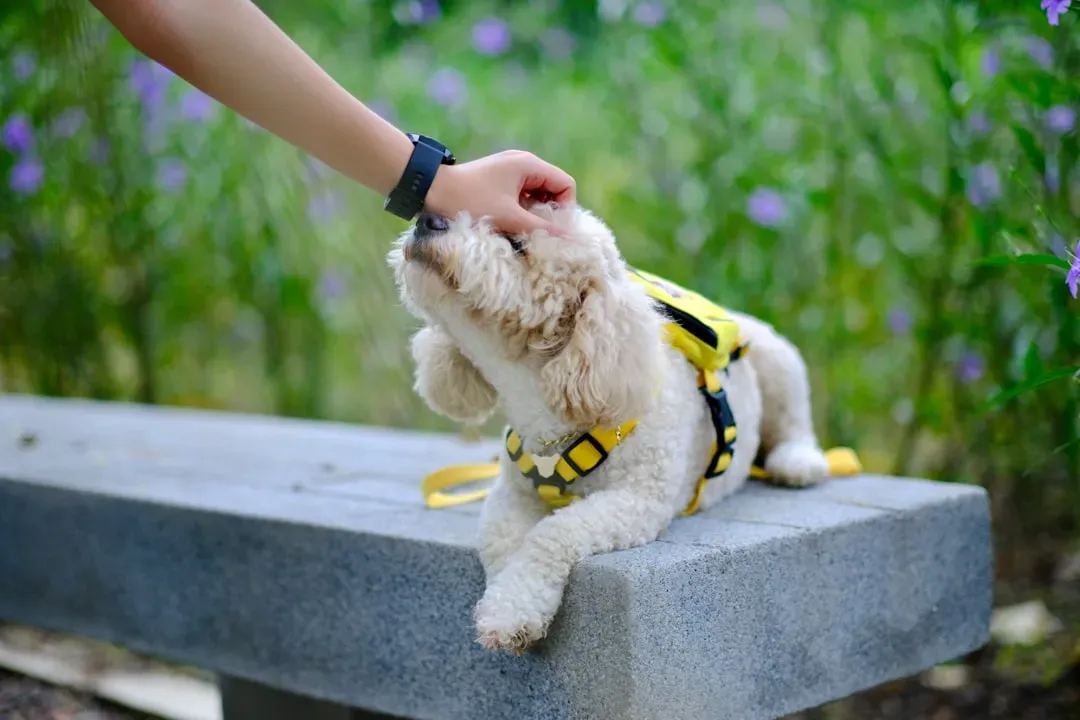
There’s a world of difference between a pet tolerating your touch and a pet actively seeking it. Tolerance looks like stillness and endurance. Seeking looks like a nudge, a paw on your lap, a head pressed warmly against your leg.
If your pet seeks your touch, leans on you, rests its head on your thigh, or paws at you, you’ve won. Pets only willingly engage in physical contact with someone they trust. It’s as simple and as profound as that.
Pets that actively seek physical contact by leaning against you, nudging you, or placing a paw on your lap are expressing a desire for closeness and connection. I think that’s one of the most moving things an animal can do. It’s entirely voluntary. It’s entirely honest. And it means everything.
4. They Make Soft, Deliberate Eye Contact
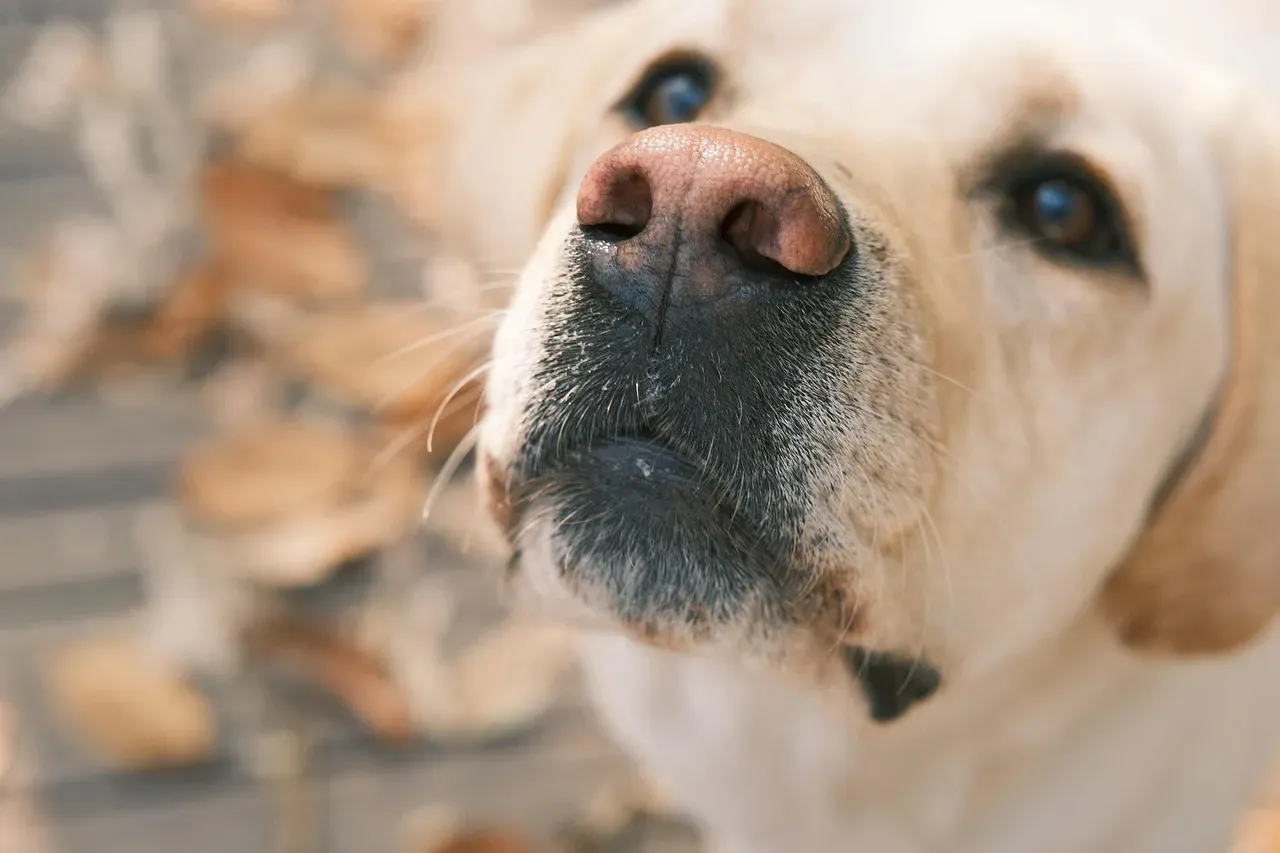
Eye contact is a big deal in the animal world. Among unfamiliar dogs, a prolonged stare is actually a challenge, a threat. So when your rescue pet begins meeting your gaze with soft, warm eyes rather than looking away in fear, pay attention. Something important is happening.
Direct eye contact is a powerful form of communication in the canine world. When your pet looks you in the eyes, it signals trust and a strong bond, as prolonged eye contact can otherwise be perceived as a challenge.
This shared gaze between humans and pets has been associated with the release of oxytocin, often referred to as the “love hormone.” This hormonal response further strengthens the emotional connection, reinforcing the sense of security and affection your pet feels in your presence. It’s basically science confirming what your heart already knew.
5. They Eat Comfortably in Your Presence

It sounds almost too simple, right? Eating. But for a rescue pet carrying trauma, mealtimes can initially feel like a vulnerable, high-stress experience. A pet who won’t eat in your presence is a pet who hasn’t yet decided you’re safe. A pet who eats with relaxed enthusiasm around you? That’s trust in action.
A pet who eats in your presence or takes treats from you is likely feeling safe. Think about it like this: even we humans tend to lose our appetite when we’re around someone who makes us nervous. Animals are no different.
A happy pet shows up to mealtimes with anticipation, wagging, eyes locked on you as the meal is prepared. When your rescue charges happily toward their bowl with tail spinning and ears perked, that daily ritual has quietly become a celebration of safety.
6. They Play in Your Company

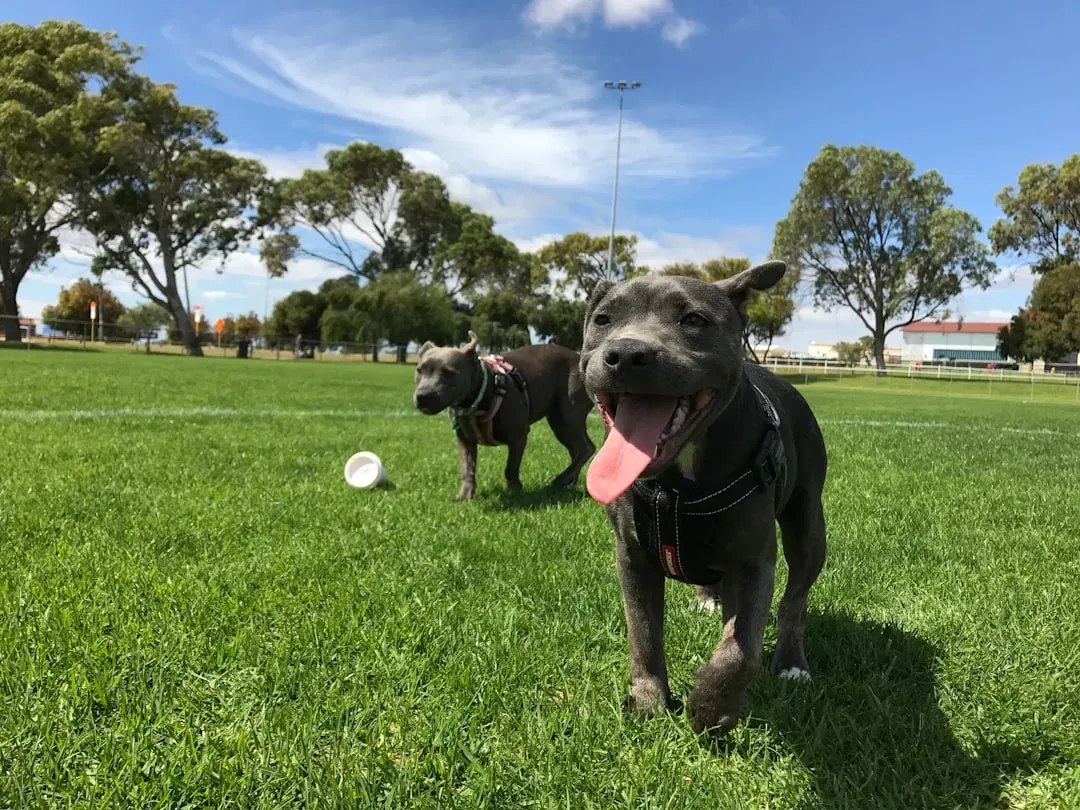
Play is an act of pure vulnerability. To play, a creature must feel utterly safe. A pet who pounces on a toy, zooms across the room, or drops a ball at your feet in an obvious invitation is a pet who has lowered every guard they came in with.
It is a very good sign if the pet plays in your presence. For a rescue who was once too frightened, too shut down, or too exhausted by survival to play, this moment is genuinely transformative. It means they’ve rediscovered joy.
Play is joy in motion. Whether it’s tossing a toy in the air, zooming around the yard, or nudging you with a ball, pets in a good emotional state will initiate fun. Let’s be real, there are few things in this world more life-affirming than watching a traumatized rescue animal learn to play again.
7. They Engage With Training Willingly
Training gets a bad reputation sometimes, as if it’s only about control or obedience. In reality, a rescue pet who engages willingly in learning is one who has developed a profound sense of emotional safety. They’re not just following instructions. They’re communicating trust.
Pets who feel emotionally safe with you are naturally curious and eager to learn. They may follow cues quickly, try new tricks, or pay attention during walks and daily routines. This responsive and cooperative behavior is a clear signal of trust, attachment, and comfort in your relationship.
It’s a bit like a student who can only truly absorb new information in a classroom where they feel respected and safe. Fear blocks learning. Comfort unlocks it. When your rescue starts responding to you with enthusiasm during training, you’ve built something genuinely special together.
8. They Settle and Sleep Deeply Near You

Sleep is the ultimate act of surrender. To sleep, an animal must feel absolutely certain that no threat is nearby. A rescue pet who naps deeply, sprawled out and oblivious, in your presence is communicating something no words could ever say.
When pets sleep on their backs with their bellies exposed, this demonstrates a deep sense of trust. Anytime a pet exposes their belly, it indicates they feel safe and secure, as this is a delicate area vulnerable to attack in the wild.
Even if you don’t want the pet to sleep in your bed, you should let a new rescue sleep in the bedroom with you, or at least close by, where they feel safe. Just get a comfortable pet bed, put it next to yours or in the area where they can sense you, and let them sleep and feel calm and protected in your presence. Over time, watching your rescue exhale into a deep, peaceful sleep beside you becomes one of the quiet privileges of this whole incredible relationship.
9. They Begin to Show Curiosity and Explore Confidently
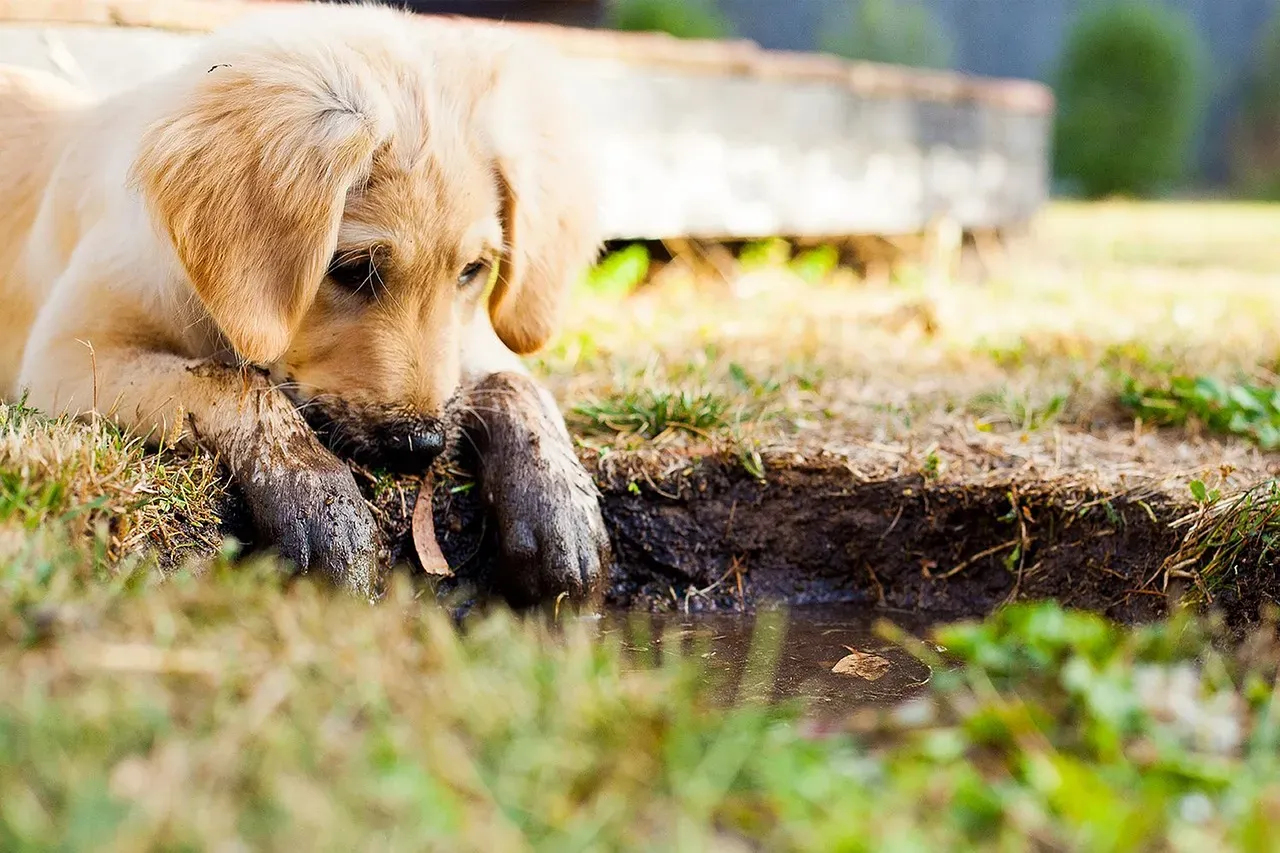
A fearful rescue pet often lives in a very small emotional world at first. They stick to corners, avoid new spaces, and treat unfamiliar objects with extreme suspicion. So when they start exploring, sniffing freely, investigating new rooms, and engaging with their environment with genuine curiosity? That is massive.
Safe and happy pets are curious about the world around them. They’ll sniff around, greet new experiences with interest, and explore new toys with excitement. Pets that feel safe in their environment are more likely to adapt well to new situations.
Behaviors like exploring new spaces, zooming around, or engaging playfully with furniture are normal behaviors and indications that your pet feels safe and at home. It’s hard to say for sure exactly when this shift happens, but when it does, you’ll feel it. The whole energy of your home seems to lighten.
10. They Come to You for Comfort When Scared
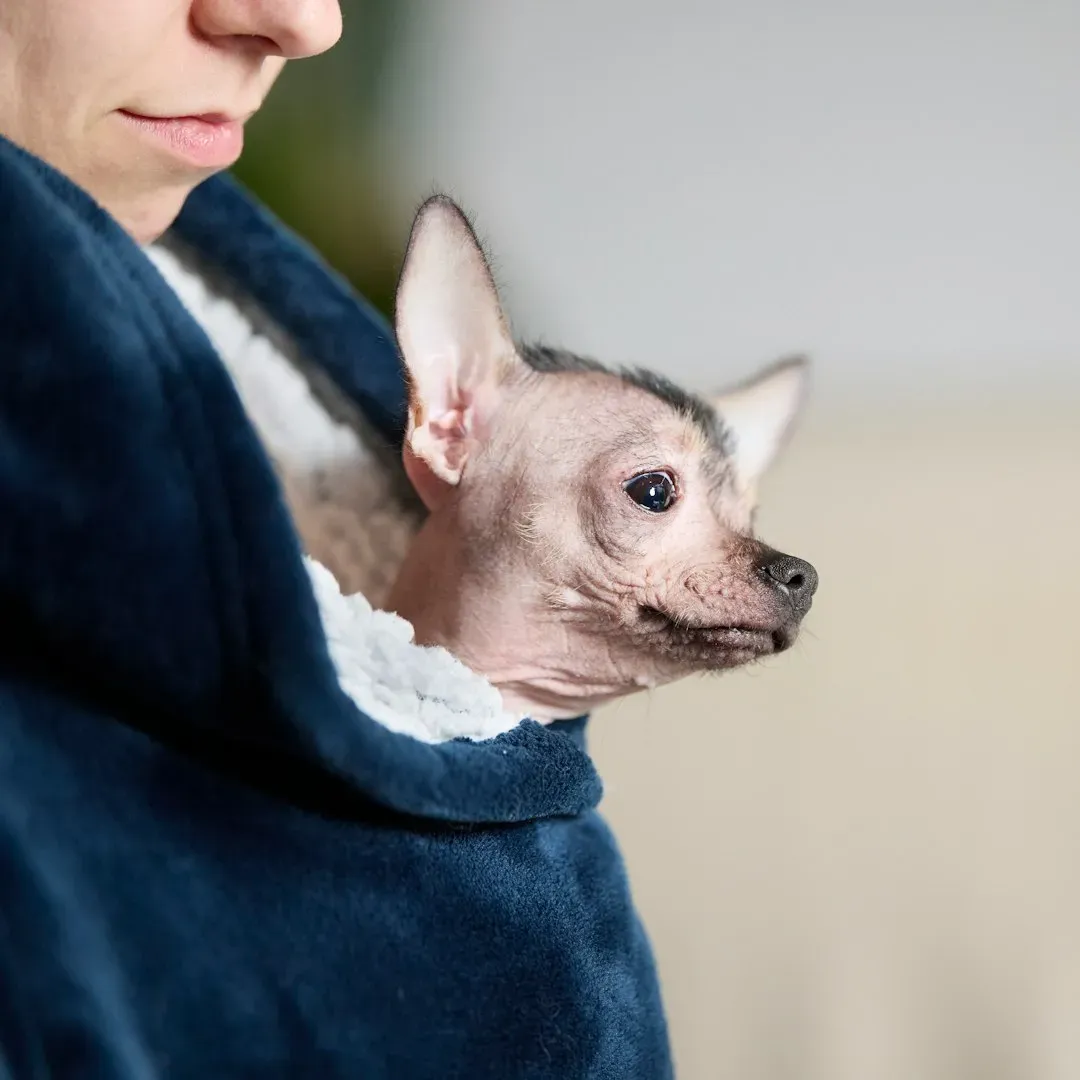
This one. This is perhaps the most telling sign of all. When something startles your rescue pet, a loud noise, an unfamiliar visitor, a thunderstorm, what do they do? A pet who still hasn’t found their footing might bolt, hide, or freeze. A pet who truly feels loved and safe? They come to you.
A happy pet will come to you for pets, cuddles, reassurance, or just your presence. Those nose nudges, belly flashes, or flops at your feet aren’t just cute. They’re signs of safety and love.
Never punish fear, as it’s not disobedience, it’s a survival response. The more responsive you are, the more your pet will feel safe navigating the world. When a rescue pet chooses you as their shelter in the storm, even literally during a thunderstorm with their head buried in your lap, they are telling you in the clearest possible language: you are their home.
A Final Thought Worth Holding Onto
Building trust with a rescue pet is one of the most quietly profound things a human being can do. It asks nothing dramatic of you. No grand gestures required. Trust isn’t instant. It’s built one moment at a time.
As you form a bond, your pet will begin to feel more confident and comfortable in their new home, knowing they can rely on you for love, protection, and care. The trust you build together will last a lifetime and is essential to helping your pet feel like a valued and loved member of your family.
So if you noticed even just two or three of these signs in your rescue pet today, pause for a moment and let that sink in. You did that. Your patience, your consistency, your quiet love gave a once-frightened animal the courage to feel safe again. That’s not a small thing. That’s everything.
Which of these signs did you notice first in your rescue pet? Tell us in the comments. We’d genuinely love to hear your story.
