
For decades, the news cycle around wildlife has been relentlessly grim. Species vanishing. Habitats shrinking. Numbers collapsing toward zero. It’s enough to make even the most optimistic naturalist lose hope entirely.
Yet here’s the thing – buried beneath all those extinction headlines are stories of survival so extraordinary they almost defy belief. Animals that were practically written off, teetering on the absolute edge, have clawed their way back. Some needed a little help. Others needed monumental, decades-long global efforts. When it comes to rescuing endangered species, progress is an ongoing effort, but we can take real comfort in the knowledge that many organisms once on the brink of extinction have made tremendous comebacks with our help.
These are twelve of those stories. Prepare to be surprised by what determination, science, and genuine care for the natural world can accomplish. Let’s dive in.
1. The Mountain Gorilla: A Gentle Giant Defies the Odds
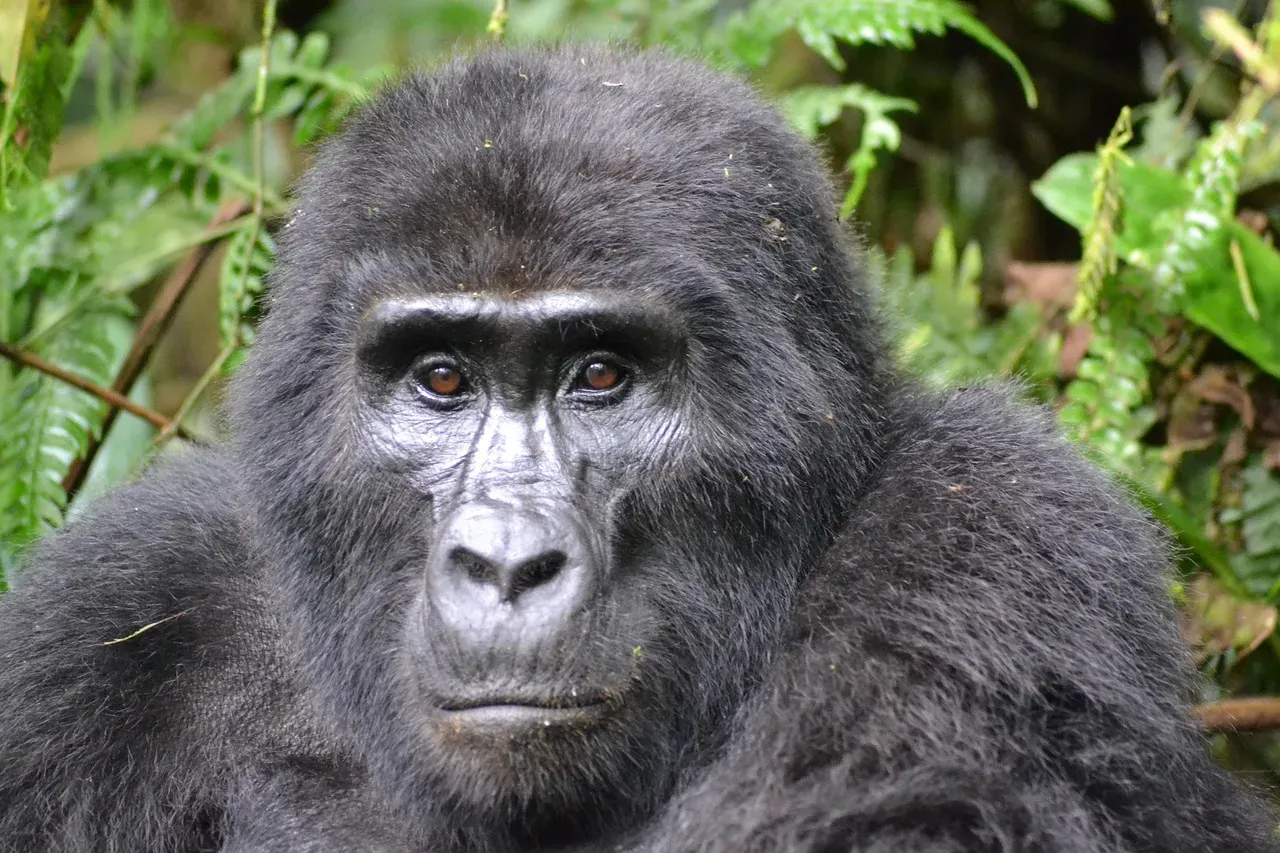
Honestly, there was a moment in the not-too-distant past when scientists feared the mountain gorilla might vanish before the end of the 20th century. At its lowest point in the 1980s, the mountain gorilla population was reduced to fewer than 250 individuals, with their survival hanging by a thread. That is an almost incomprehensibly small number for such a remarkable creature.
As of 2025, the global mountain gorilla population has reached an estimated 1,063, split between the Virunga Massif spanning Uganda, Rwanda, and the Democratic Republic of Congo, and Uganda’s Bwindi Impenetrable National Park. That number, to put it simply, represents one of the most powerful conservation achievements in modern history.
This surge is a testament to innovative conservation strategies that blend anti-poaching patrols, community involvement, and habitat restoration. Confined to two misty forests in central Africa, the figure represents a steady increase since the 1980s and a reward for consequent protection and restoration work that has also generated welcome tourism revenue for protected area authorities and local communities.
Tourists can now visit them on guided treks, which helps directly fund their protection – a beautiful irony where human curiosity actually pays for wild survival. The battle is far from over. Rising temperatures projected to reach between 1 and 2.5 degrees Celsius by 2050 are expected to force gorillas higher in elevation, increasing thirst and cold exposure. Still, the trajectory is upward, and that is worth celebrating.
2. The Iberian Lynx: Europe’s Most Endangered Cat Finds Its Footing
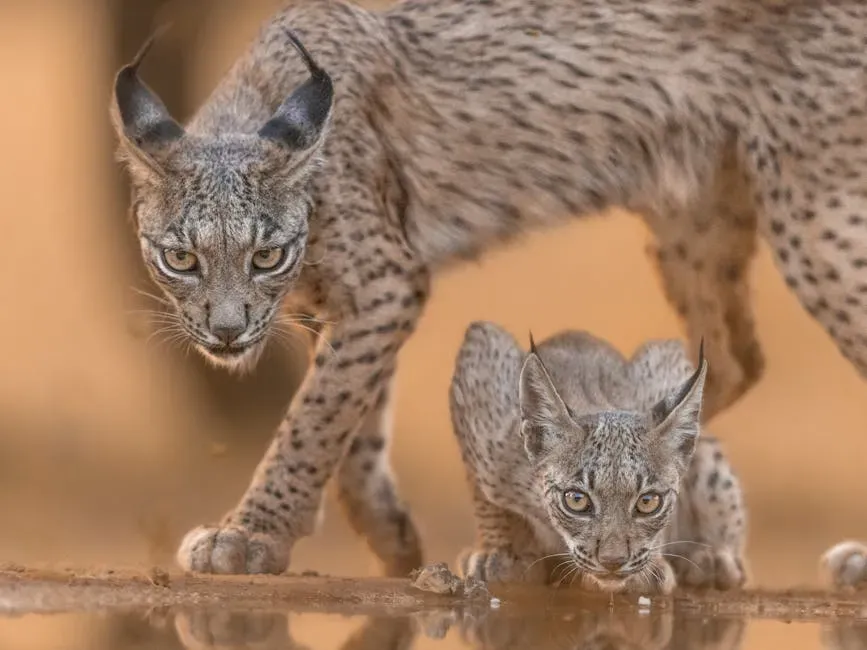
Picture a cat so rare it virtually ceased to exist in an entire country. In 2002, the Iberian lynx was listed as critically endangered, and by 2005, there were no remaining individuals left in Portugal whatsoever. Zero. Gone from an entire nation’s landscape.
Thanks to conservation efforts that focused on increasing the availability of the Iberian lynx’s main food source, the European rabbit, the population began to climb, and Portugal introduced a National Breeding Centre for Iberian lynxes in Silves in the Algarve.
Additional programmes that saw the release of hundreds of captive lynxes, as well as efforts to restore their habitats, also contributed to the rebound of the species. The results are staggering. They were most recently assessed in 2024 as vulnerable, with an increasing population of 648 mature individuals, spread across 13 clusters in Spain and one cluster in Portugal.
From zero individuals in Portugal to a measurable, growing cluster – that is a restoration story worth telling at every dinner table.
3. The California Condor: From 22 Birds to Soaring Once More
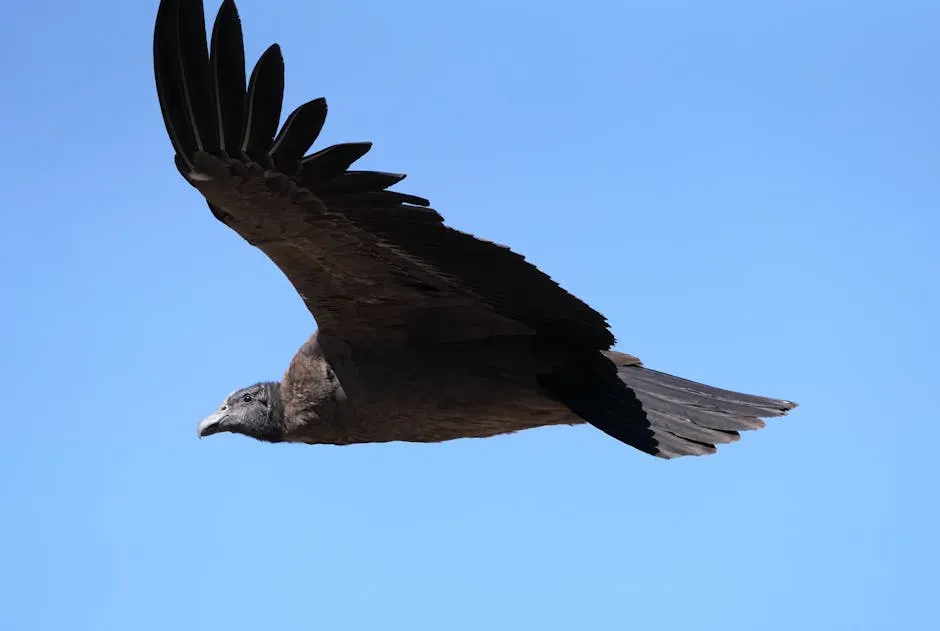
I’ll be honest – the California condor story is the kind that makes you simultaneously horrified and awestruck. By 1982, the total population stood at just 22 birds. Twenty-two. For what is, let’s not forget, the largest flying land bird in North America, with a wingspan stretching nearly ten feet.
Only 22 individuals remained due to habitat loss, pesticide poisoning, and lead poisoning from ammunition, but thanks to a daring captive breeding program and dedicated reintroduction efforts, these magnificent creatures are making a comeback. The innovation behind the recovery is worth appreciating too. Researchers developed artificial incubation techniques to increase egg survival, as well as puppet rearing, using replicas of adult condors to feed and care for chicks born in captivity.
Today, with help from decades of conservation effort, there are nearly 600 California condors soaring over the deserts and coastlines of the American Southwest. As of early 2025, the Yurok Tribe has released 18 condors, and the U.S. Fish and Wildlife Service says the wild, free-flying population has surpassed 300 birds.
Challenges remain – the biggest cause of condor mortality has been lead poisoning, largely stemming from the consumption of animal remains containing ammunition fragments. But the species is flying. Literally.
4. The Humpback Whale: A Song of Survival Across Every Ocean
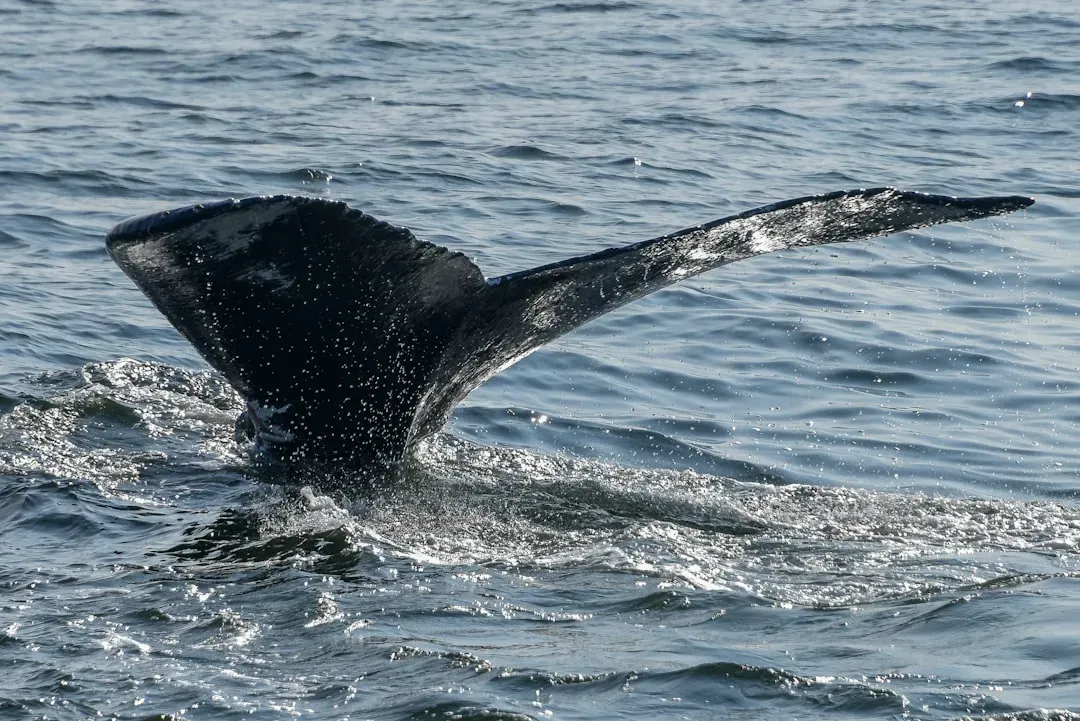
Humpback whales are, in a word, extraordinary. These mammals have one of the longest migrations around, traveling up to 10,000 miles in a single year, and their beautiful, complex songs are heard by sailors and tourists in every corner of the map. Which makes what happened to them all the more tragic.
Throughout the 17th century, humpback whales were hunted primarily for their oil to use as lamp fuel, and by the time whaling was officially banned, humpback populations worldwide had been reduced by 95 percent. Ninety-five percent. Think about that for a moment. That’s the equivalent of nearly wiping out an entire species almost completely.
The comeback was slow but began in 1946 with the establishment of the International Whaling Commission, and hunting humpbacks was officially banned in 1963, with a worldwide commercial whaling moratorium in 1986 giving populations another critical foothold on the path to recovery.
Today, an estimated 84,000 humpbacks swim the world’s oceans, and many populations are still on the rise, even approaching their pre-whaling numbers. In Australia alone, after significant efforts to reduce present-day threats of fisheries bycatch and ship collisions, both east and west coast populations have been rapidly recovering and are now 50 percent larger than their pre-whaling numbers. A genuine triumph.
5. The Black Rhinoceros: Surviving Poaching’s Relentless Assault
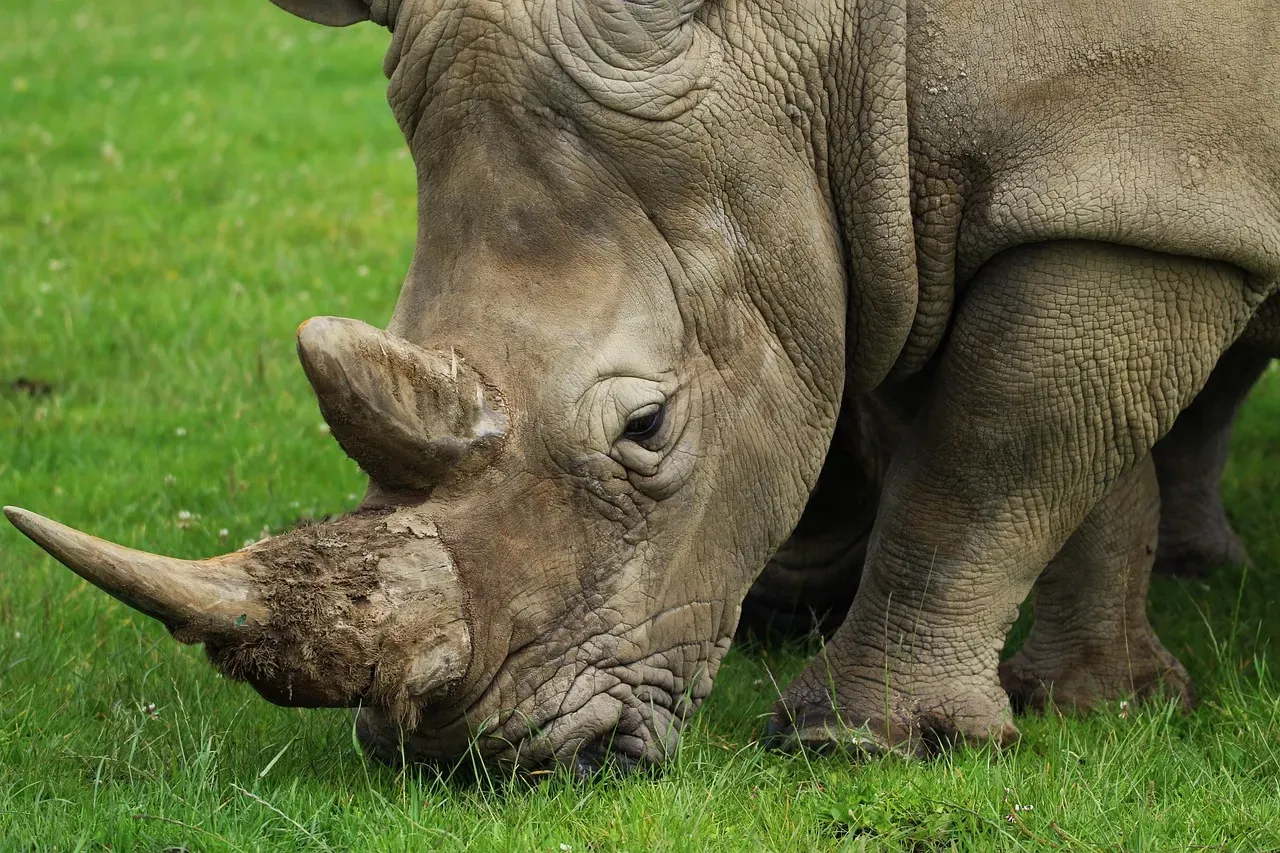
Few stories in conservation are as emotionally charged as the black rhino’s. Once numbering in the millions, the black rhino faced a tragic fate due to rampant poaching for their horns, and their populations dwindled to a mere 2,500 individuals in the 1990s. An animal that once thundered across African savannahs in vast numbers, reduced to a remnant population clinging to survival.
The black rhino population has shown gradual recovery from near extinction, increasing from 2,410 individuals in 1995 to approximately 6,195 in 2024, though the species remains critically endangered due to continued poaching pressure for the horn trade.
Technology has played a major role in recent achievements, with thermal cameras equipped with night vision and artificial intelligence deployed to stop rhino poaching, sending automated alerts to operations control rooms when suspicious activity is detected, helping key conservancies achieve zero poaching since the systems were implemented.
The historic rhino reserve Hluhluwe-iMfolozi Park has also seen success after carrying out the largest single dehorning operation to date, and a 2025 study confirmed that dehorning rhinos can significantly reduce poaching. The rhino is not saved yet. But it is fighting back.
6. The Giant Panda: The World’s Most Recognizable Conservation Symbol
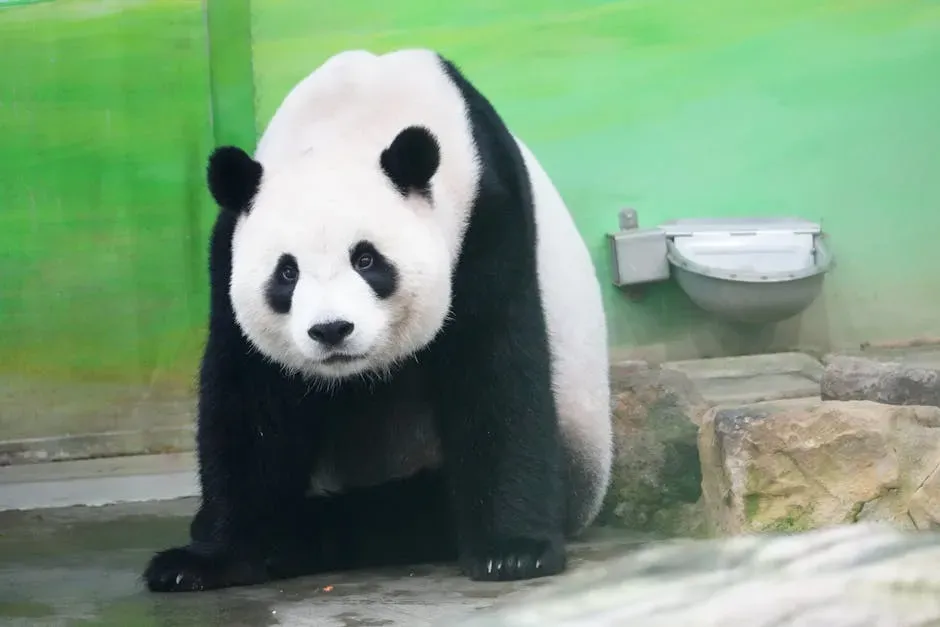
Let’s be real – the giant panda is practically the mascot of endangered species awareness globally. Those black-and-white markings have graced fundraising campaigns, zoo signs, and conservation posters for decades. The giant panda is the poster child for endangered animals everywhere, except it’s no longer officially endangered. In 2016, the IUCN changed its status from endangered to vulnerable.
Between 2004 and 2014, the number of wild pandas increased by 17 percent, a welcome development made possible by a poaching ban and new panda reserves. That is a real, measurable, policy-driven success story – evidence that when governments actually commit resources, nature responds.
In 2024, the Chinese government approved plans for a giant panda reserve spanning over 27,000 square kilometers, a proposed park that will connect 67 existing panda reserves across the Gansu, Shaanxi, and Sichuan provinces. Think of it as a giant wildlife superhighway for pandas, letting isolated populations find each other and breed.
7. The Sombrero Ground Lizard: A Caribbean Miracle in Six Years
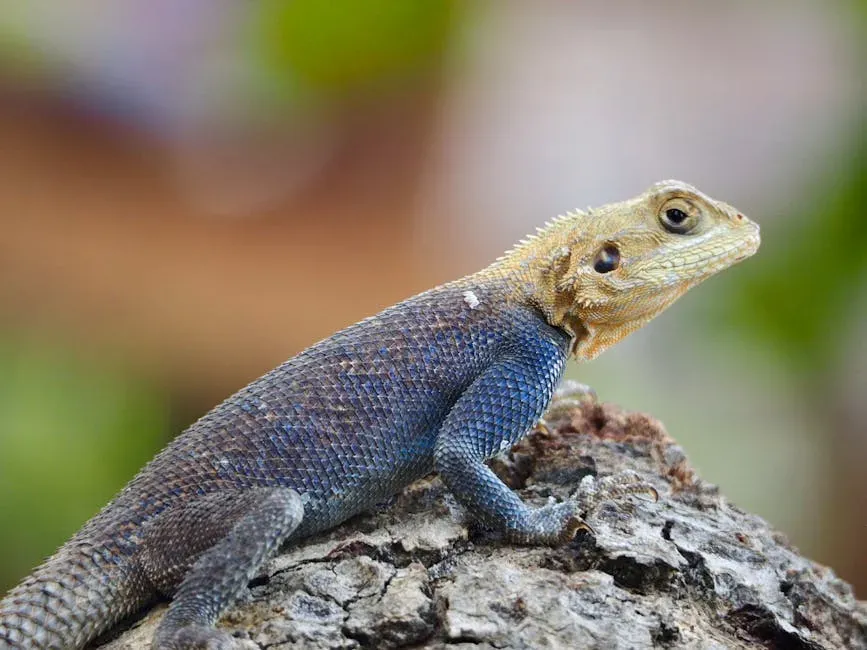
This one is arguably the most jaw-dropping number on this entire list – and almost no one is talking about it. On the tiny Sombrero Island, part of Anguilla in the Caribbean, there were fewer than 100 individuals of the critically endangered Sombrero ground lizard in 2018, and in just six years, researchers found their population had climbed to more than 1,600. Six years. Fewer than 100 to over 1,600.
The lizards seem to have responded positively to island restoration efforts, including removal of invasive mice and planting of native vegetation. It sounds almost too simple, right? Remove the invasive species destroying the ecosystem, replant native plants, and the animals bounce back with extraordinary speed.
It’s a little like unclogging a blocked pipe. The water was always there, ready to flow – it just needed the blockage removed. This small Caribbean island has quietly demonstrated one of the fastest documented population recoveries of a critically endangered reptile anywhere in the world. Remarkable.
8. The Siberian Crane: Securing the Long Road Home
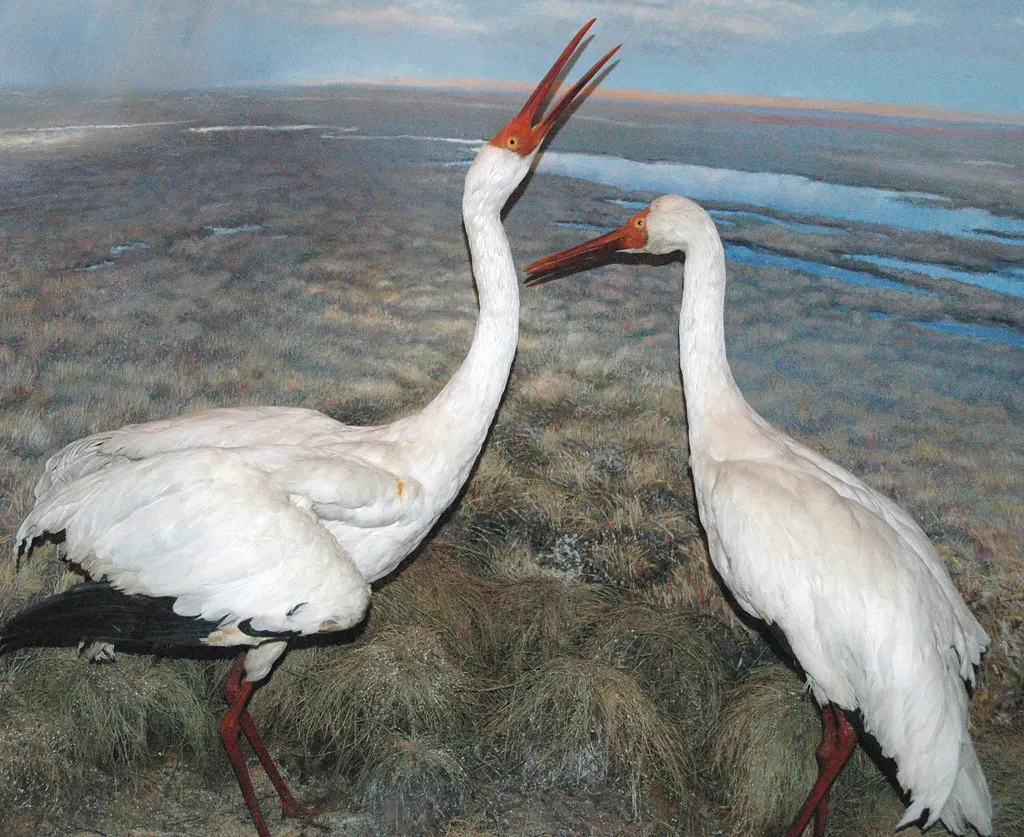
Imagine a bird that migrates thousands of miles each year, and whose entire future depends on whether the rest stops along its journey remain intact. That is precisely the challenge facing the Siberian crane. The population of the critically endangered Siberian crane has increased by nearly 50 percent over the past decade, and this boost in the snowy-white crane’s numbers is the result of efforts to secure the migratory bird’s stopover sites along its eastern flyway, or migratory route, between Russia and China.
A 50 percent population increase is monumental for any species, let alone one this specialized in its habitat needs. The Siberian crane doesn’t just need one protected area – it needs a protected corridor spanning multiple countries and thousands of kilometers. That kind of international cooperation is incredibly difficult to achieve. The fact that it worked is nothing short of extraordinary.
It’s a lesson worth internalizing: sometimes saving a species isn’t about protecting one forest or one coastline. It’s about safeguarding the entire journey of a life.
9. The North Atlantic Right Whale: Small Gains, Enormous Meaning
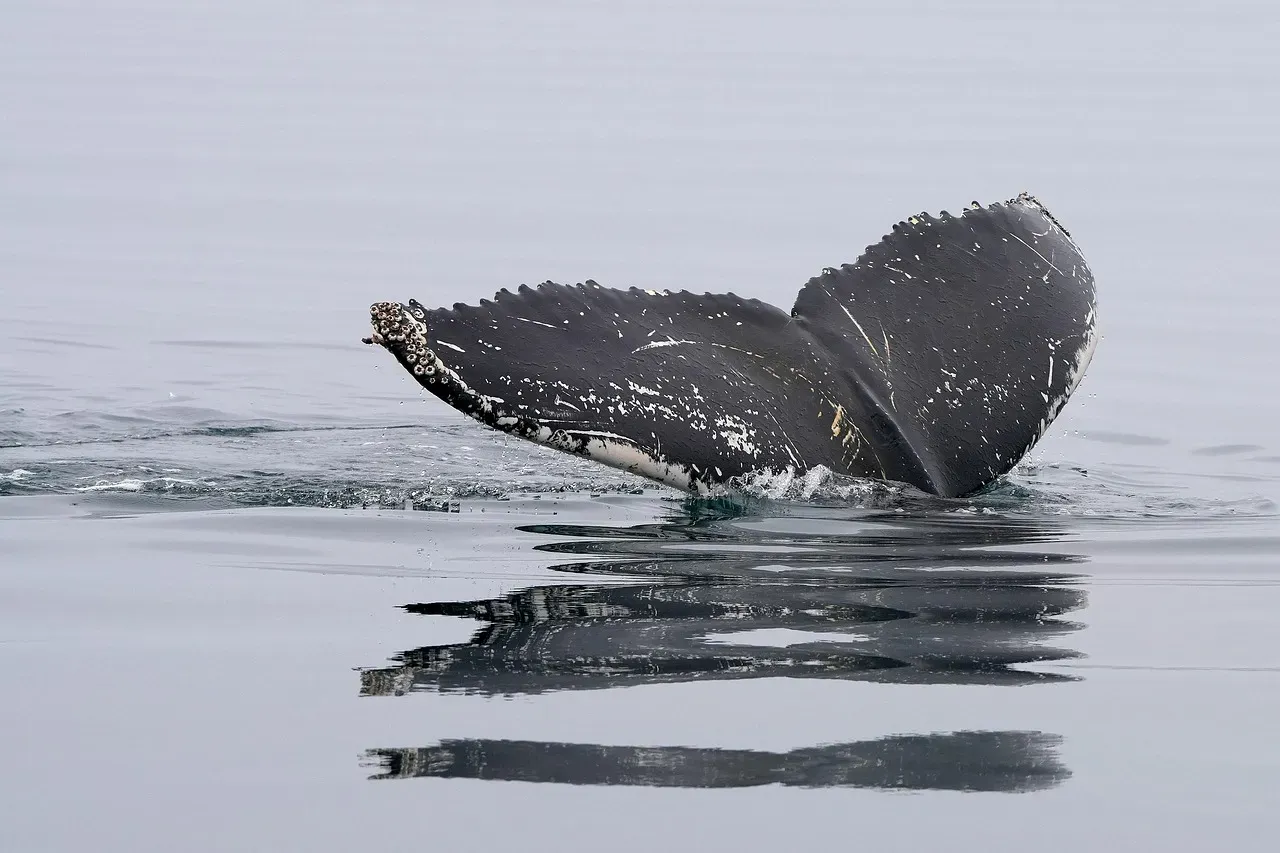
Researchers reported that the population of the critically endangered North Atlantic right whale had increased by five individuals, bringing the estimated total to 372. Five individuals. On the surface, that sounds almost laughably small. It’s the kind of number that could easily be dismissed as statistically insignificant.
For these ocean giants that live long lives and breed slowly, an increase of even five individuals represents a big leap forward. These whales reproduce slowly – a female may only give birth to one calf every three to five years. Every single individual genuinely matters in a way that is hard to overstate.
The North Atlantic right whale, alongside the Florida panther and California condor, remains among the most endangered animals on the planet. The whale’s story is a reminder that progress does not always look like dramatic numbers. Sometimes it looks like five. And five is reason enough to keep going.
10. The Snow Leopard: A Ghost of the Mountains Comes Back Into View
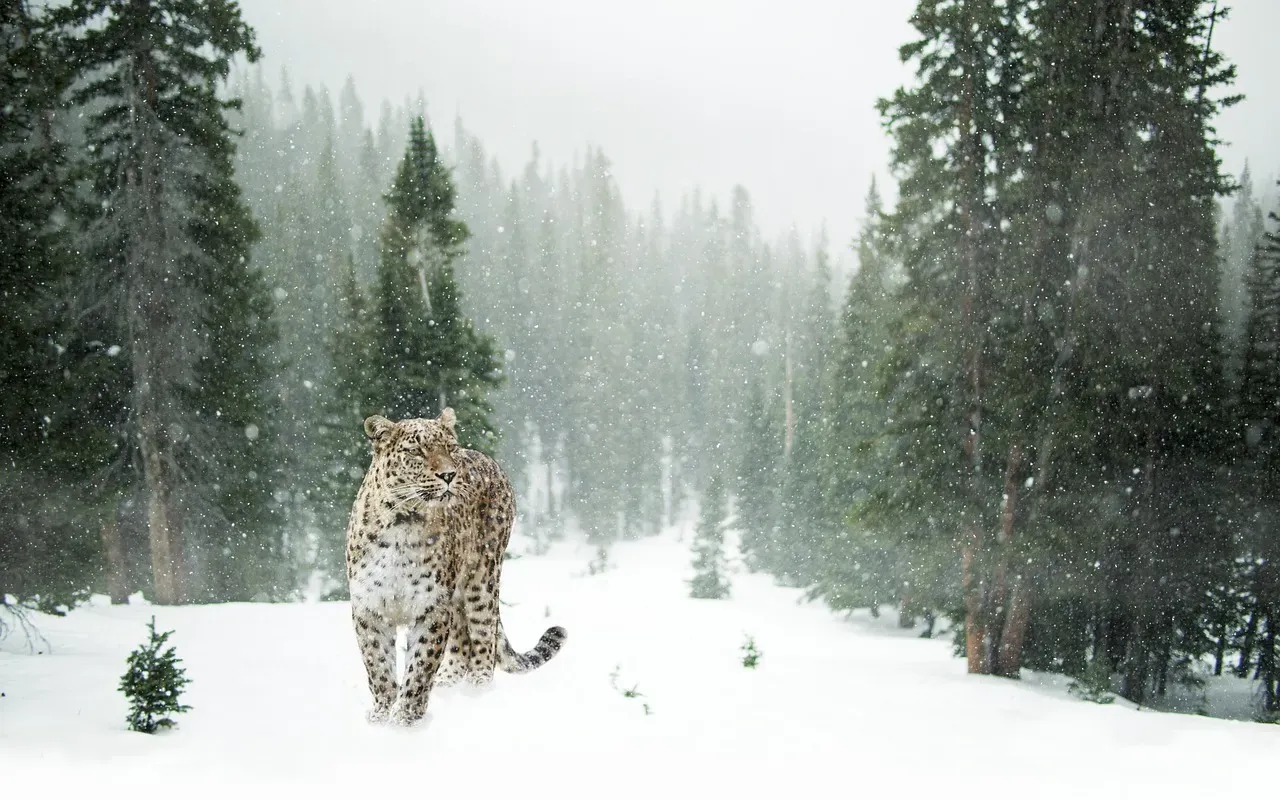
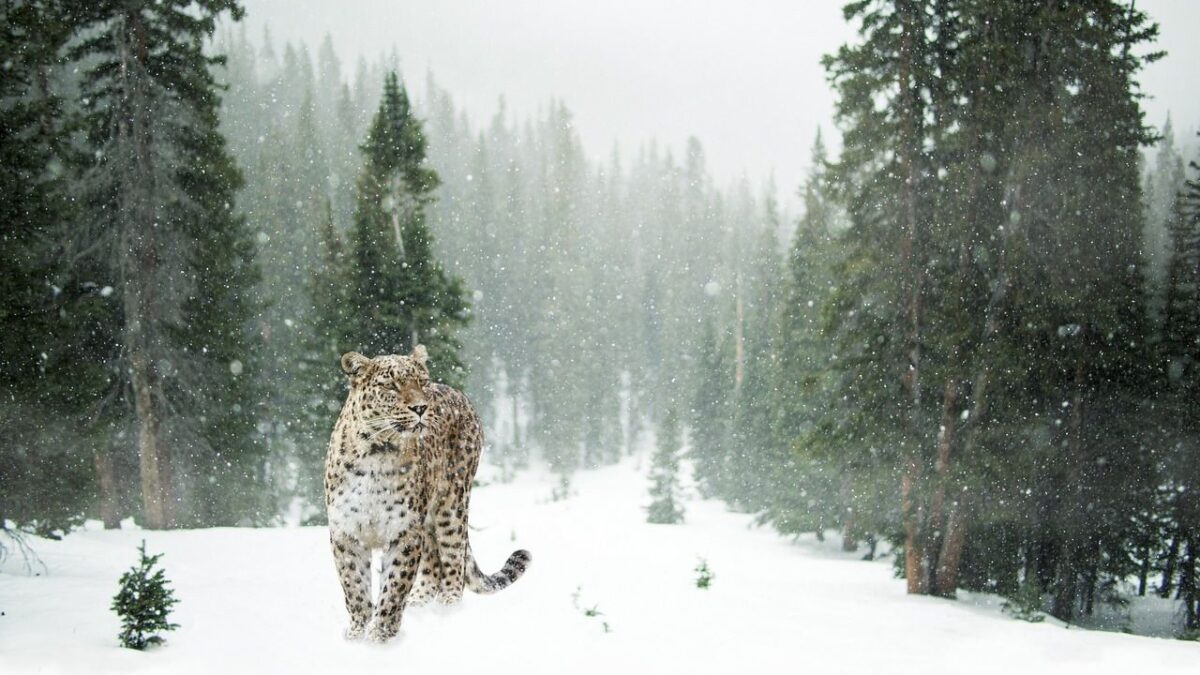
Snow leopards move through the high mountain ranges of central Asia like living ghosts. A stunning mix of fluffy fur with black spots and pale green eyes, these beautiful cats live in the mountains of central Asia. They are so elusive that local herders sometimes refer to them as the “ghost of the mountains,” catching only fleeting glimpses across rocky ridgelines.
Unfortunately, they became scarce by the mid-1980s when they were listed as endangered on the IUCN Red List, with habitat loss, poaching, loss of prey, and climate change as the leopard’s primary threats. Thanks to conservation efforts, the cats are making a comeback and were downlisted to a lower-risk category in 2017.
International organizations like the IUCN, along with nonprofits including the Snow Leopard Trust, Snow Leopard Conservancy, and Wildlife Without Borders, worked together to create new protected areas, stem poaching, and reduce conflicts between leopards and herders. The conflict reduction piece is critical – a herder who loses livestock to a leopard has every incentive to retaliate. Changing that dynamic through compensation programs and community engagement has been quietly transformative.
11. The Siamese Crocodile: New Life in Cambodia’s Hidden Rainforests
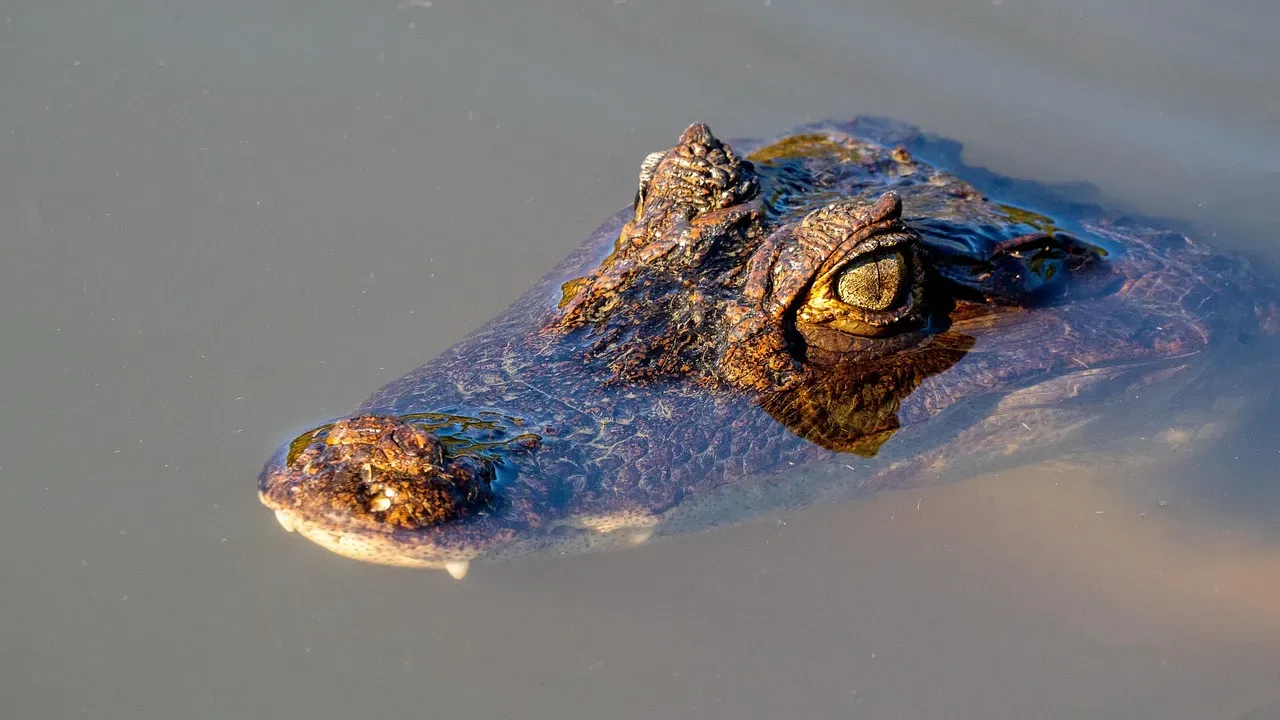
Deep inside one of Southeast Asia’s most remote and extraordinary landscapes, something genuinely hopeful was happening. Deep inside the remote Cardamom Mountains of Cambodia, local inhabitants and conservationists found nests of the critically endangered Siamese crocodile in May 2024, a species that had faced drastic declines from poaching and habitat loss.
In June, 60 Siamese crocodile hatchlings emerged from the nests, which conservationists described as a tremendous boost to the species’ population. Sixty hatchlings at once. For a critically endangered crocodile, that is enormous news. The Cardamom Mountains, protected by rugged terrain, heavy rains and a low population density, remain a biodiversity hotspot, providing habitat for threatened elephants, pangolins, and the region’s last viable fishing cat population.
The Siamese crocodile’s survival story is inseparable from the story of those mountains. It’s hard to say for sure how many remain in the wild, but the discovery of active nesting sites – and the hatchlings that followed – signals that this ancient reptile has not given up just yet.
12. The Saiga Antelope: The Most Stunning Rebound on Earth
Uploaded by Dolovis, Public domain)
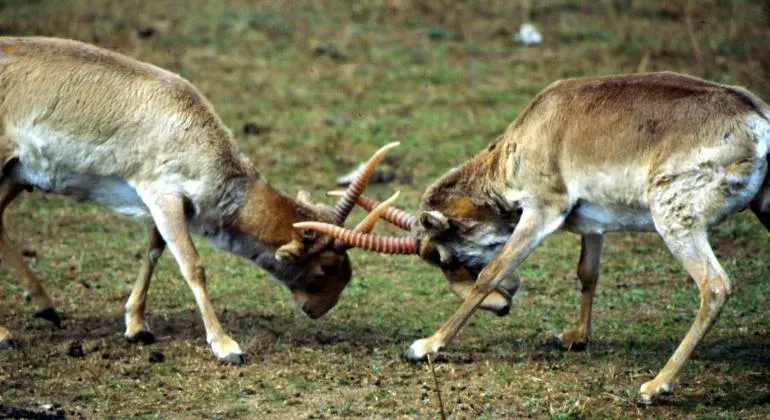
If you had to pick one recovery story to absolutely silence a room, this would be it. The saiga antelope looks like something evolution designed on a strange afternoon, with its oversized, bulbous nose and prehistoric bearing. A goat-sized antelope with a comically big nose, saiga once roamed in the millions across grasslands from Europe to China, but overhunting, the loss of habitat and migration routes, and outbreaks of disease cut them down to remnant populations in Kazakhstan, Russia, and Mongolia.
Despite a devastating mass die-off of 200,000 saigas in 2015, the Kazakh population has bounced back from fewer than 50,000 animals in 2006 to nearly 4 million in 2025, easing their conservation status from critically endangered to near threatened. Let that sink in. Fewer than 50,000 to nearly 4 million. In under two decades. That is not a comeback. That is a resurrection.
Restoration efforts including the Altyn Dala Conservation Initiative in Kazakhstan are protecting and revitalizing over 10 million hectares of steppe, wetlands, and semi-desert. The saiga’s recovery is not just a win for one bizarre-looking antelope. It’s proof that when ecosystems are restored at scale, nature’s own momentum takes over in ways that can exceed even the most optimistic scientific projections.
The Bigger Picture: What These Stories Teach Us
Zoom out for a moment and look at what ties all twelve of these stories together. None of these animals recovered on their own. Every single comeback required a deliberate, sustained human decision to act. In its first 50 years, the Endangered Species Act has been credited with saving 99 percent of listed species from extinction, thanks to the collaborative actions of federal agencies, state, local and tribal governments, conservation organizations, and private citizens.
Major conservation and restoration efforts established from the 1970s to the 1990s, like the United States Endangered Species Act and the international Convention on Biological Diversity, laid the groundwork for biodiversity protections, and in 2002, the nations behind the Convention made specific, measurable commitments to reducing biodiversity loss for the first time. Policy matters. Science matters. Community engagement matters.
From the rainforests of Madagascar to Europe’s pollinator corridors, from Asia’s tiger landscapes to Africa’s savannahs and river systems, 2025 demonstrated that conservation succeeds most where science, local knowledge, and community ownership converge. That is not a slogan. It is an evidence-based finding from some of the world’s most rigorous conservation programs.
These twelve animals are not just success stories. They are instructions. They tell us precisely what to do – if we choose to do it. The saiga antelope went from 50,000 to nearly 4 million. The California condor went from 22 birds to nearly 600 soaring the skies. The mountain gorilla went from 250 individuals to over 1,000. The math of hope, it turns out, is far more powerful than the math of despair.
Which of these twelve comeback stories surprised you the most? Tell us in the comments – we’d genuinely love to know.

- 17 Horse Breeds Equine Surgeons Secretly Dread Being Called Out To - July 30, 2026
- 11 Things Shelter Workers Secretly Wish Every Adopter Knew Before Signing - July 30, 2026
- 13 Quiet Signs an Old Dog Is Gently Saying Goodbye - July 30, 2026