

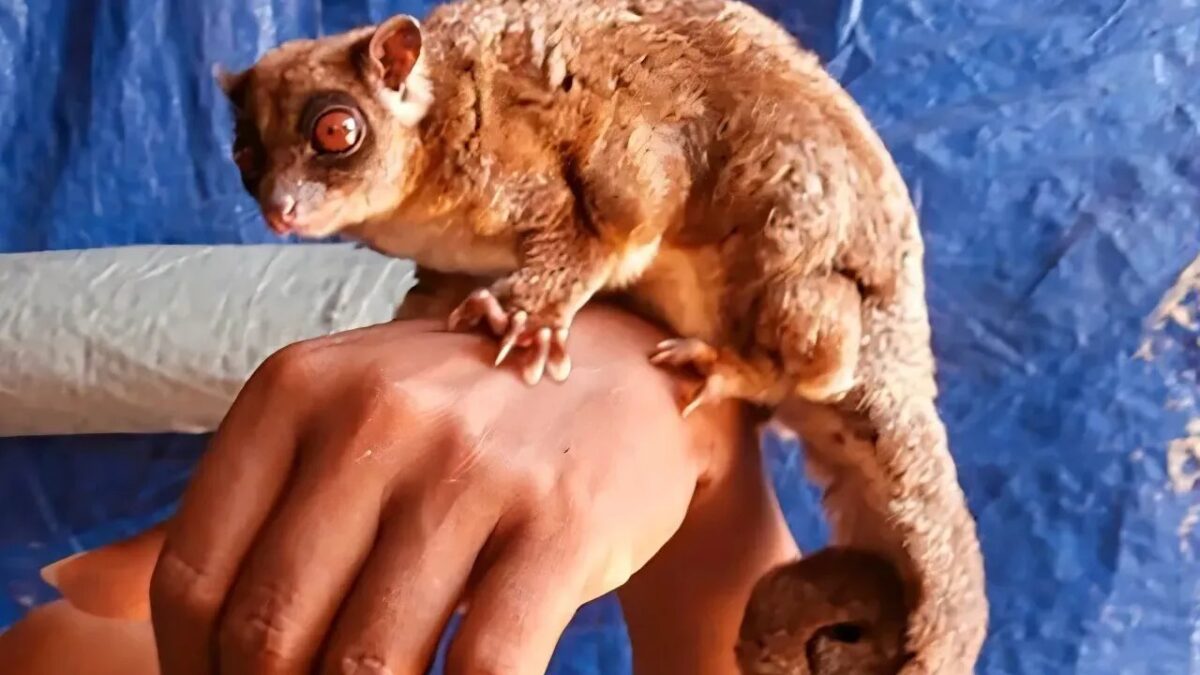
There are moments in science that genuinely make you stop and think. Discovering a new species is exciting enough. Discovering an entirely new genus? That’s a different level of extraordinary.
Deep in the fossil record, researchers have uncovered something that reshapes our understanding of early mammalian life on Earth. This isn’t a minor taxonomic tweak or a slight reclassification of something we already knew. This is a fundamentally new branch on the tree of life, and honestly, the implications are still sinking in for the scientific community. Let’s dive in.
A Discovery Hiding in Plain Sight
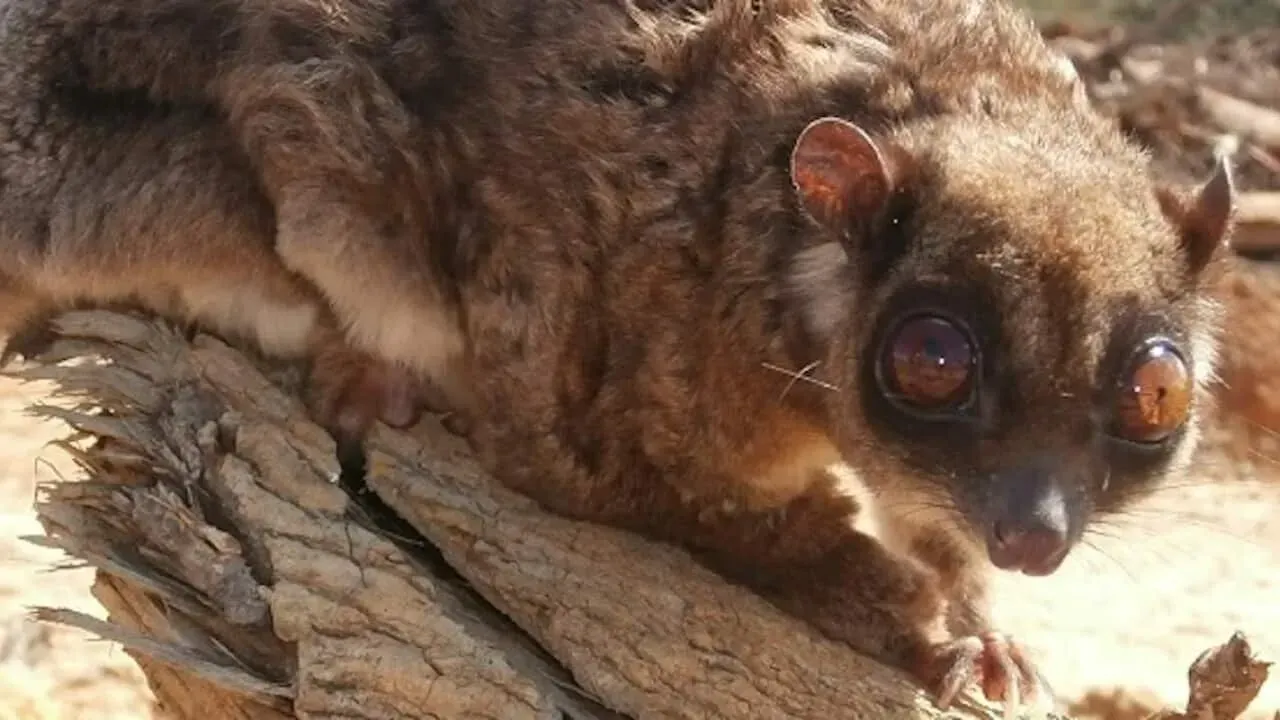
Here’s the thing about paleontology – some of the most important discoveries don’t happen in the field. They happen in museum drawers, collecting dust for decades. That appears to be part of the story here, where fossils that had been sitting in collections were finally examined with the kind of precision that modern tools allow.
The newly identified genus, named Tous, represents a group of mammals that lived alongside dinosaurs during the Mesozoic era. Researchers were able to establish that these animals were distinct enough from any previously known group to warrant their own genus entirely. It’s a reminder that even well-studied fossil collections can still hold massive surprises.
What Exactly Is a New Genus?
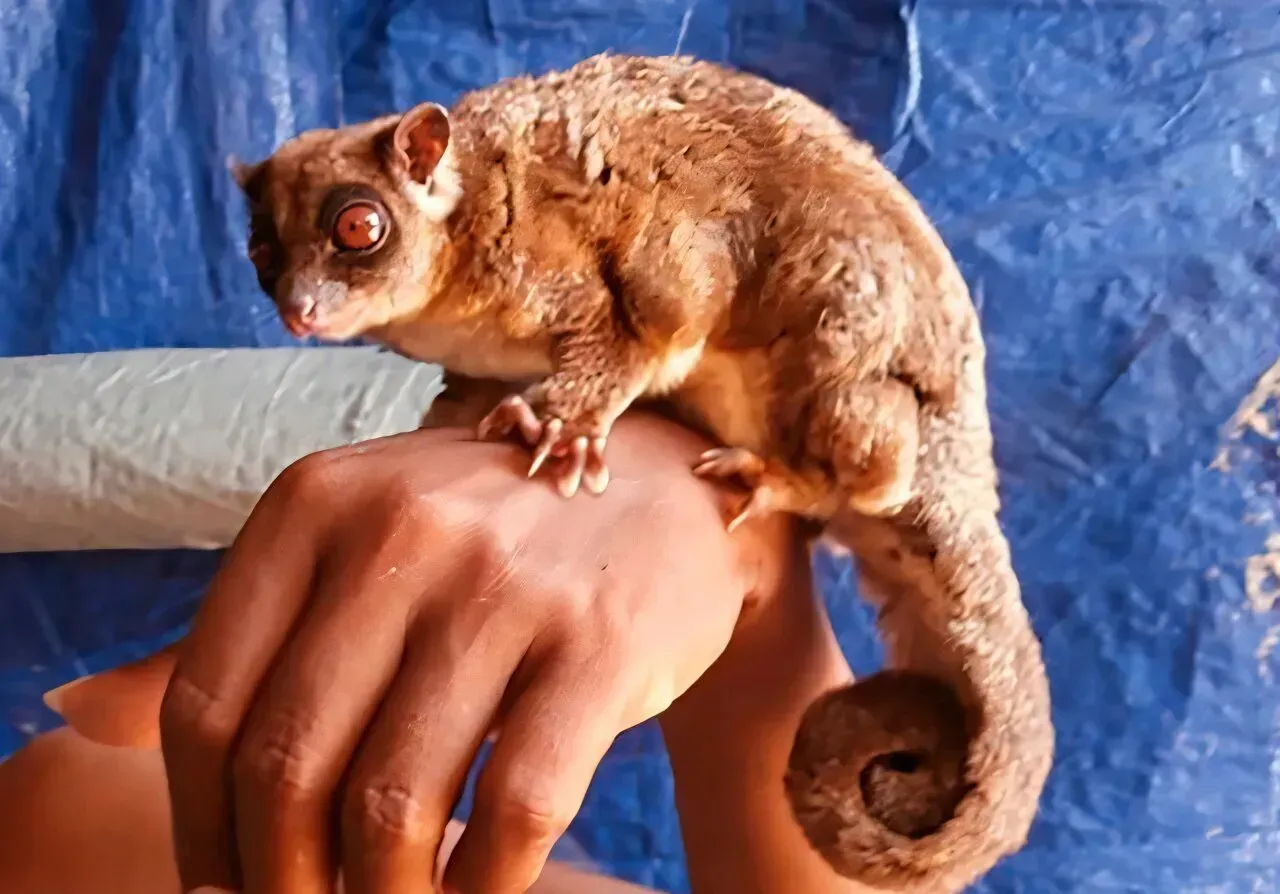
Most people are familiar with species, but a genus is the broader category above it. Think of it like this: dogs, wolves, and coyotes are all different species, yet they share the same genus, Canis. When scientists declare a new genus, they’re saying this creature doesn’t fit neatly into any existing grouping, not even close.
For Tous, the anatomical differences were significant enough to make that call. The structure of the teeth, the jaw morphology, and other skeletal features set it apart in ways that couldn’t be explained by variation within a known group. I think what makes this so compelling is that it suggests there was far more diversity among early mammals than even optimistic researchers had assumed.
The Fossils Themselves Tell a Remarkable Story
The physical evidence at the center of this discovery comes from well-preserved fossil material, which in the world of tiny Mesozoic mammals is genuinely rare. These animals were small, often the size of a shrew or mouse, and their delicate bones don’t fossilize easily or survive intact over millions of years.
What researchers found allowed them to analyze dental patterns and bone structure in real detail. Teeth are particularly valuable to paleontologists because enamel is incredibly durable and often survives when everything else is gone. The tooth morphology of Tous was distinct enough to signal immediately that something unusual was going on. Honestly, it’s almost poetic that something so small left behind evidence powerful enough to rewrite a chapter of evolutionary history.
Where Does Tous Fit in the Mammal Family Tree?
Placing a newly discovered genus within the broader mammalian evolutionary tree is no small task. It requires comparing hundreds of traits against a vast database of known fossils, and the analysis can take years. In this case, researchers determined that Tous belongs to a group of early mammals that were contemporaries of the dinosaurs, but it occupies a position that was previously a gap in the record.
That gap matters enormously. Gaps in the fossil record can distort our understanding of how and when certain traits evolved. The existence of Tous helps fill in one of those blanks, providing a clearer picture of how mammalian diversity was already branching in complex ways tens of millions of years ago. Let’s be real, the mammal family tree just got a new, unexpected limb.
Why Early Mammals Are So Scientifically Undervalued
Early mammals tend to get overshadowed in popular culture by the giants of their era, the dinosaurs, the marine reptiles, the flying pterosaurs. Yet mammalian evolution during the Mesozoic was already doing something quietly remarkable. Small, often nocturnal, and constantly under threat, these animals were laying the biological groundwork for every mammal alive today, including us.
The discovery of Tous adds another data point to an increasingly rich picture of Mesozoic mammal diversity. It’s hard to say for sure just how many more genera are still waiting to be found, either in unexcavated sites or in the backrooms of natural history museums. What we can say is that every new discovery like this one shifts our perspective just a little further from the idea that early mammals were simple, uniform survivors, and toward something far more fascinating.
The Role of Modern Technology in Unlocking Ancient Secrets
One reason discoveries like this are becoming more frequent is the dramatic improvement in analytical tools available to researchers. Micro-CT scanning, for instance, allows scientists to examine the internal structure of fossils without physically cutting them open. That kind of non-destructive imaging reveals details that were simply invisible to earlier generations of paleontologists.
Computational phylogenetics, which uses algorithms to map evolutionary relationships across large datasets, has also transformed how researchers classify new finds. These tools make it possible to rigorously test whether a specimen truly represents something new or whether it fits within known diversity. The discovery of Tous almost certainly benefited from both. It’s one of those cases where old fossils meet new science and produce genuinely groundbreaking results.
Conclusion
What strikes me most about the discovery of Tous is not just what it tells us about the past. It’s what it says about how much we still don’t know. We live in an age of satellites, AI, and genome sequencing, yet a small mammal that lived alongside dinosaurs managed to stay hidden from science until now.
That’s humbling in the best possible way. The natural world, even its ancient, long-vanished corners, keeps refusing to be fully mapped or fully understood. Every fossil drawer that gets a second look, every specimen re-examined with fresh eyes and better tools, has the potential to reveal something extraordinary. The story of life on Earth is longer, stranger, and more diverse than we keep expecting it to be.
What other genera might be waiting in museum collections right now, completely unrecognized? Tell us what you think in the comments.

- Urban Coyotes Show Remarkable Adaptability, Learning to Thrive in City Environments - July 22, 2026
- Beavers Are Nature’s Engineers, Creating Vital Habitats for Other Wildlife Species - July 21, 2026
- The Recovery of the California Condor Offers Hope for Other Critically Endangered Birds - July 21, 2026