
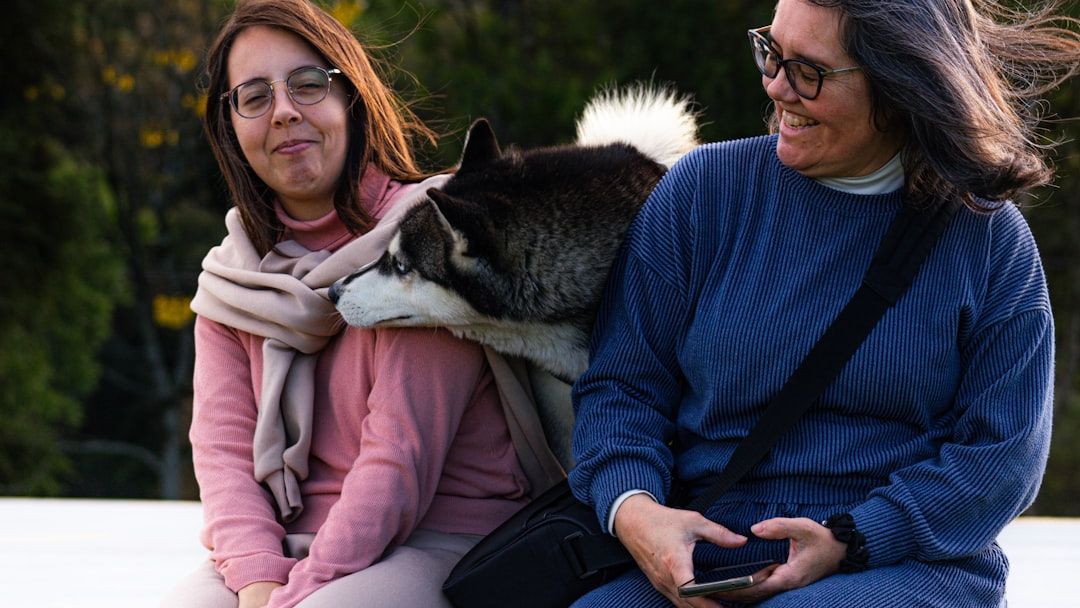
There’s something almost otherworldly about the way a dog greets you after a long day. That tail going at full speed, those eyes locked onto yours like you’re the most important thing on the planet. It doesn’t matter if you’ve been gone ten minutes or ten hours. That devotion is real, and science is only beginning to fully understand just how deep it actually runs.
Not every dog bonds the same way, though. Certain breeds seem to attach themselves to their families in a way that feels almost unbreakable, almost human. So what’s really behind it? Is it in their DNA? Their history? The way their brains are wired? Honestly, it’s all of that at once, and the full picture is far more fascinating than most people realize. Let’s dive in.
The Ancient Roots of an Extraordinary Partnership
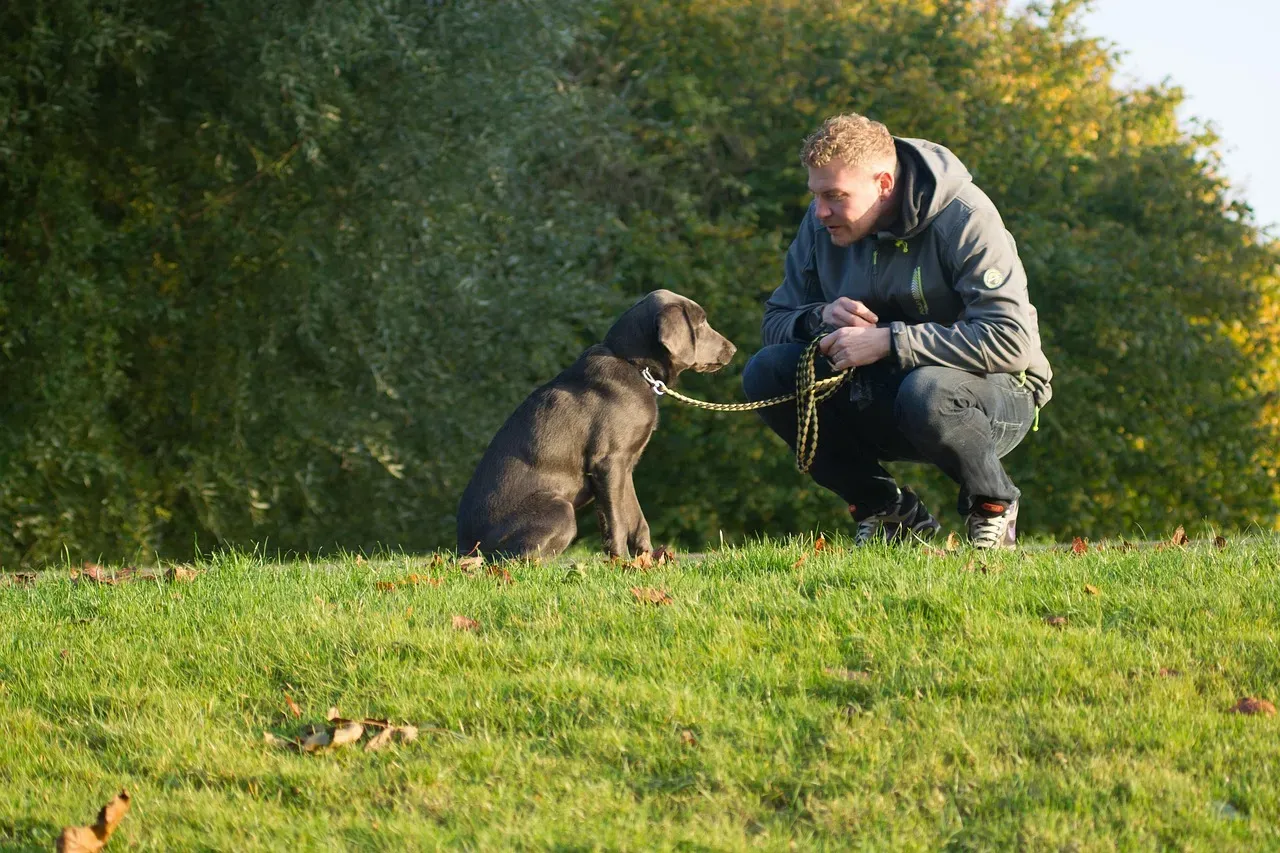
The relationship between dogs and humans dates back thousands of years. Scientists believe that dogs evolved from wolves who began scavenging near human settlements. Over time, the most social and cooperative wolves formed close relationships with humans, leading to the domesticated dogs we know today.
Think of it like a slow, millennia-long audition. The wolves that were less afraid, more curious, and more willing to hang around humans got fed. They survived. They reproduced. Generation after generation, that friendliness got selected, refined, and baked into the canine genome. Dogs are naturally drawn to humans due to a phenomenon called “co-evolution,” where two species evolve in response to each other’s behaviors and needs. Over time, dogs and humans developed a mutually beneficial relationship, with dogs providing companionship and protection, while humans offered food, shelter, and affection.
Historically, the dog-human bond started as a working relationship. Dogs provided humans with a variety of services, including hunting and herding. That shared purpose created something special. Something that went far beyond a simple transactional arrangement.
The Chemistry of Connection: Oxytocin and the Love Hormone Loop
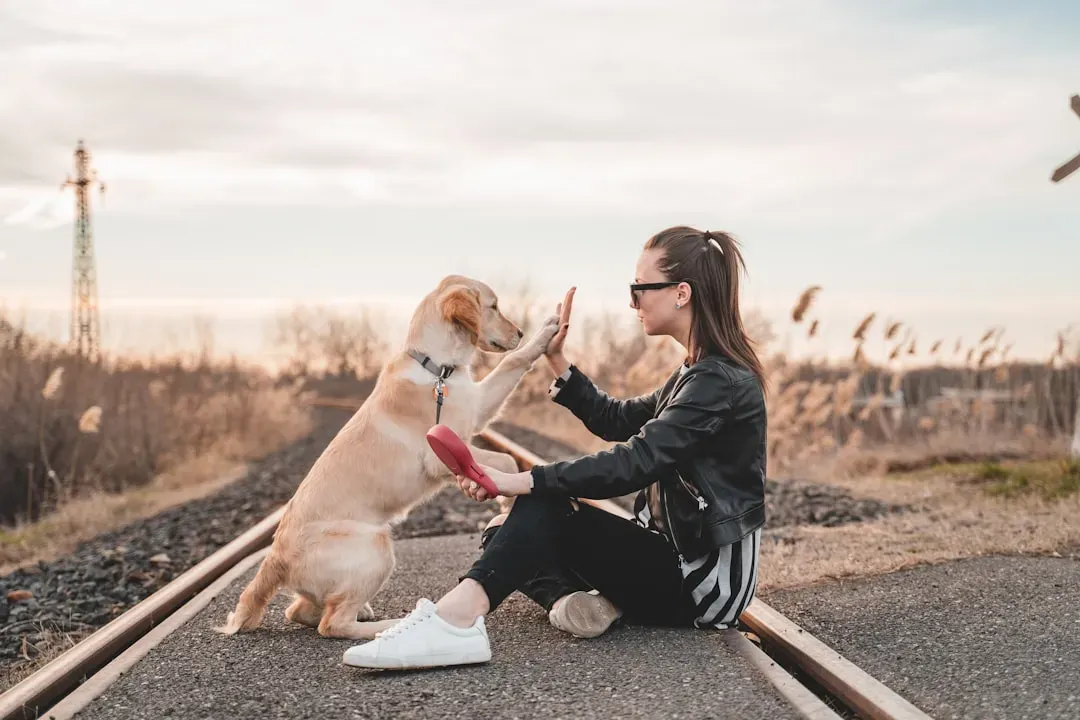
Here’s the thing that genuinely blew my mind when I first learned about it. The bond between humans and dogs isn’t just emotional. It’s biochemical. Studies have shown that when dogs interact with their humans, both species experience an increase in oxytocin, often referred to as the “love hormone.” This is the same hormone responsible for bonding between human mothers and their babies.
Mutual gazing has a profound effect on both dogs and their owners. Of the pairs that had spent the greatest amount of time looking into each other’s eyes, both male and female dogs experienced a rise in oxytocin levels, and so did their owners. It’s essentially the same feedback loop that bonds a parent to a newborn child. Your dog is literally using your own bonding chemistry against you, in the best possible way.
This same chemical reaction helps form strong social bonds, similar to how humans form connections with loved ones. Oxytocin doesn’t just make dogs feel good; it reduces stress and anxiety for both them and their humans. This is one reason why spending quality time with your dog feels so calming. Science, it turns out, agrees with what dog lovers have always known in their hearts.
Pack Mentality: Why Dogs See Us as Family
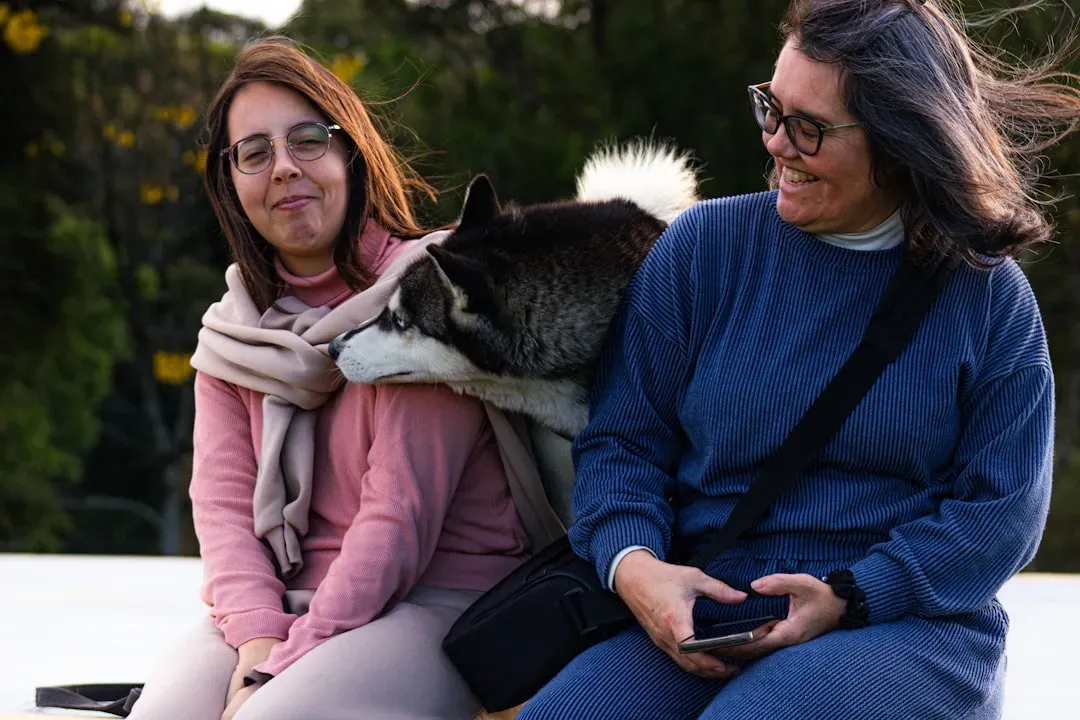
Dogs are pack animals by nature, and when they form a bond with humans, they see them as part of their pack. This instinctual connection fosters feelings of loyalty and attachment, making dogs naturally inclined to protect and stay close to their human family members.
One of the most critical connections between humans and dogs is that both are pack animals. Humans need to engage in caregiving relationships with others and may feel isolated or uncomfortable when they cannot for any reason. Dogs, likewise, prefer to connect with others, and those social relationships are essential for their overall well-being. As a result, humans and dogs can engage in social symbiosis with one another.
It’s a remarkable mirror dynamic. Two very different species, wired by evolution to need companionship, finding it in each other. Think of it like two puzzle pieces from completely different boxes that somehow fit together perfectly anyway.
The Science of Selective Breeding and Why Breed Really Matters
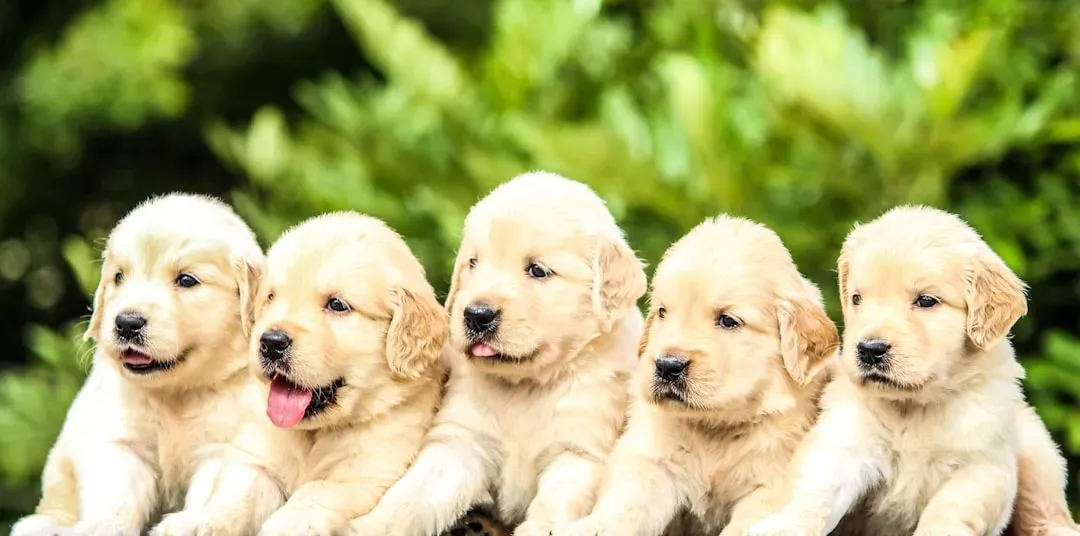
For centuries, humans have bred dogs for specific traits or behaviors, developing breeds with a wide array of “specializations,” from companionship to herding or scent hunting. Research shows that this selectiveness has led to distinctive dog breeds with distinctive brains.
Breeding dogs for different purposes has led to significant differences not just in behavior, but in brain structure. Researchers were able to pinpoint six distinct brain networks, including one relevant for social bonding to humans. That’s right. The capacity to bond deeply with us is literally written into the neuroanatomy of certain breeds. It’s not just personality. It’s structural.
Researchers have identified specific genetic markers associated with hypersociability in dogs, offering a deeper understanding of why some breeds may be more predisposed to forming strong human attachments. Some of the most loyal dogs have been selectively bred for traits like guarding, herding, or companionship. As a result, they’re naturally more attached and protective than other breeds.
Working Breeds: Built for Partnership From the Ground Up
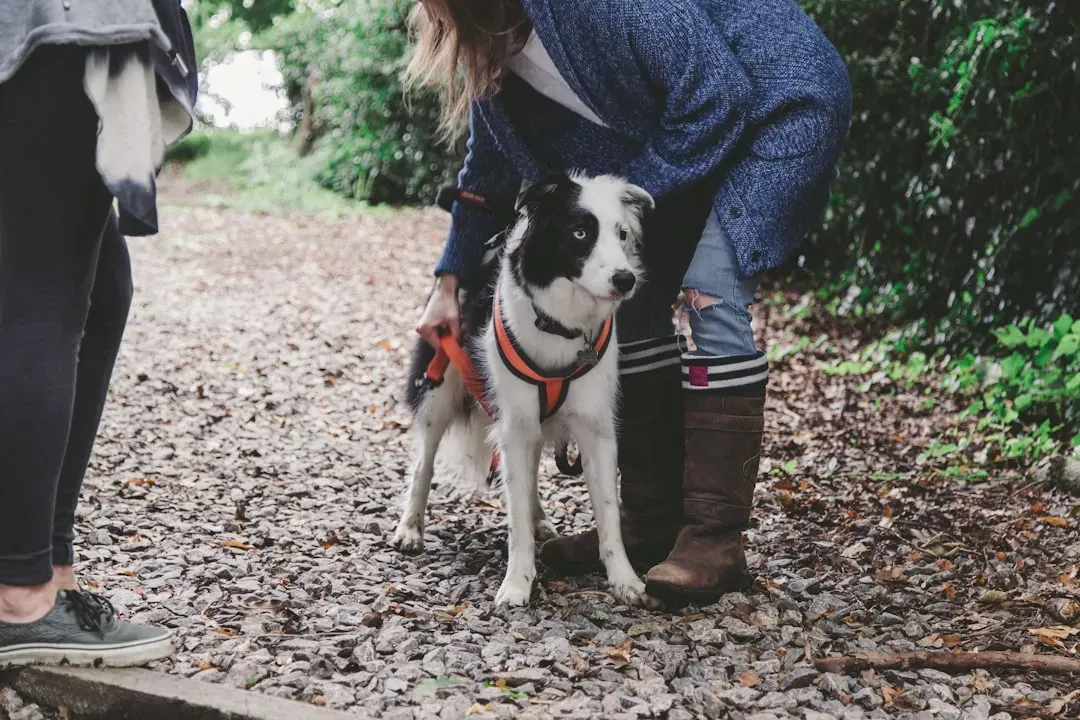
Working breeds like Border Collies and German Shepherds have been selectively bred for their intelligence, trainability, and ability to work closely with humans. These traits often translate into a strong desire to please their owners and a heightened sensitivity to human cues.
German Shepherds, bred for their versatility in working roles, are known for their loyalty and protective instincts. Their strong desire to be part of a “pack” and their natural inclination to look to humans for guidance often results in close, devoted bonds with their families. It’s almost like they were never really designed to be alone. Working alongside a human wasn’t just a job for these breeds. It was a calling.
German Shepherds are known for their courage, intelligence, and unwavering loyalty. While they are often associated with police or military work, these dogs are also loving companions at home. They are protective by nature and will go to great lengths to keep their family safe. Despite their boldness, German Shepherds are incredibly affectionate toward those they trust. Their strong bond with their owners makes them one of the most loyal breeds in the world.
Companion Breeds: Engineered for Love

Some dogs weren’t bred to herd sheep or guard estates. They were bred for one purpose only: to be near you. Small toy breeds like Chihuahuas and Pomeranians were developed primarily for companionship and often form very close, sometimes overly dependent, relationships with their owners. Their small size and need for protection can lead to intense attachments.
If you’re looking for a smaller breed that radiates affection, the Cavalier King Charles Spaniel is a wonderful choice. With their soulful eyes and gentle demeanor, they quickly capture hearts. These dogs are happiest when cuddled up in their owner’s lap, but they also enjoy playful activities. Their adaptability and affectionate nature make them perfect companions for both single individuals and families.
This trait is particularly strong in breeds like Golden Retrievers and Labrador Retrievers, which were selectively bred for their gentle temperament and sociability. These breeds are known for their ability to bond with families and work as therapy or service dogs, showcasing how evolution and selective breeding have amplified dogs’ social intelligence. Let’s be real. There’s a reason Golden Retrievers are used in hospitals and schools. They weren’t just lucky. They were designed for human connection.
The Emotional Intelligence of Dogs: Reading Us Better Than We Read Them
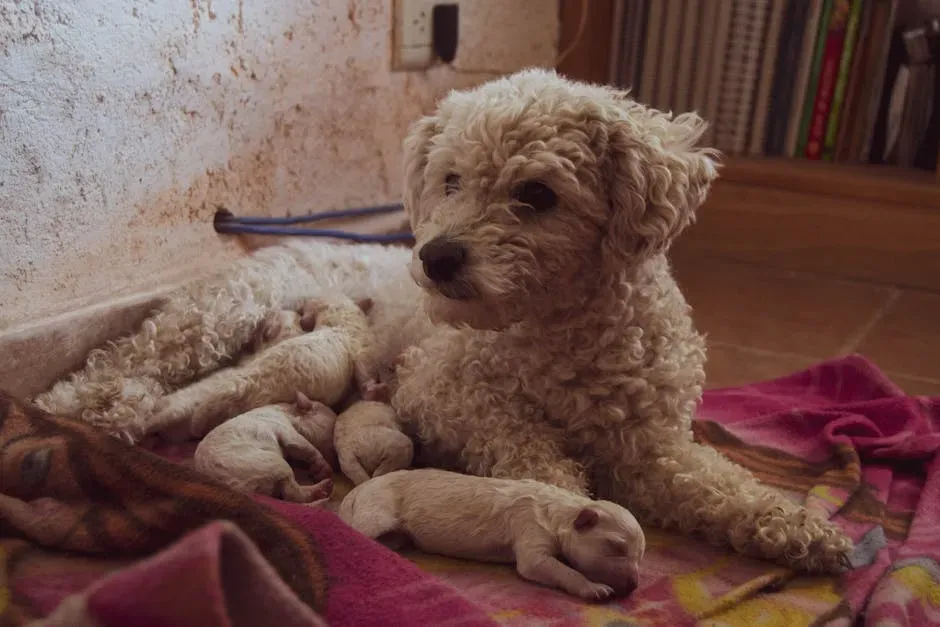
Dogs are incredibly perceptive and can read human emotions through facial expressions, tone of voice, and body language. Research shows that dogs can distinguish between happy, sad, and angry expressions, and they often respond accordingly by offering comfort or excitement based on their owner’s mood.
Remarkably, dogs can even sniff out emotions. In a 2018 study, dogs exposed to sweat from scared people exhibited more stress than dogs that smelled “happy” sweat. In essence, your anxiety smells unpleasant to your dog, whereas your relaxed happiness can put them at ease. Think about that for a moment. Your dog isn’t just reading your face. It’s reading your chemistry.
A study in Frontiers in Psychology found that the extent to which emotional contagion occurs between humans and their canine companions increases along with the time spent sharing the same environment. The longer you live together, the deeper that emotional attunement grows. It’s almost like emotional fluency that builds over time.
The Attachment Bond: More Like Parent and Child Than You Think

Psychologists believe that the relationship between human and canine is a bidirectional attachment bond, which resembles that of the typical human caretaker and infant relationship. Some examples of behaviors that led scientists to this conclusion include the display of proximity seeking behavior, where the canine will seek out its caretaker as a means to cope with stress, and consequently the absence of the caretaker will trigger separation anxiety.
Another such behavior is the safe haven effect, which describes when the canine more freely explores novel objects in the caretaker’s presence. Canines are capable of assessing humans’ emotional states, as well as discriminating humans by levels of familiarity. It’s hard to say for sure just how conscious this all is for a dog, but the behavioral evidence is genuinely striking.
It has been argued that dogs have evolved a novel capacity to form attachment to members of our species, as they use their caregivers for stress alleviation and information seeking similarly to what is observed in human infants. Next time your dog hides behind your legs during a thunderstorm, know that behavior isn’t just fear. It’s trust in you as a safe base.
How Environment and Care Shape the Bond
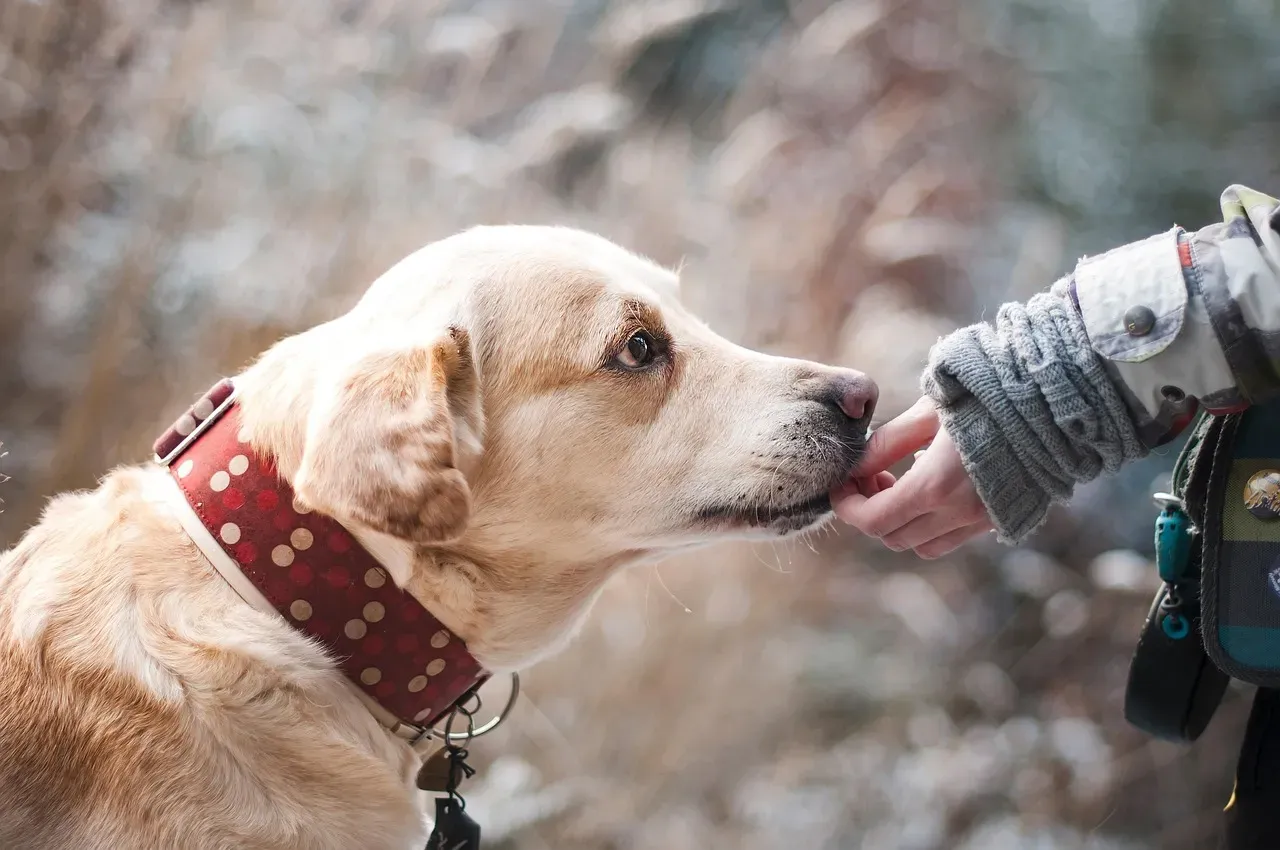
Breed alone doesn’t tell the whole story. Environment matters enormously. Dogs that are treated as integral family members, included in daily activities, and provided with mental and physical stimulation tend to form stronger attachments to their human families. Conversely, dogs that experience neglect, inconsistent care, or limited human interaction may struggle.
The human-canine bond is strengthened, or diminished, depending on the quantity and quality of the time spent with the canine and through activities such as routine walking, feeding, grooming, and play. Those mundane daily rituals, the morning walk, the evening cuddle, the shared glance across the kitchen, they aren’t small things. They’re the building blocks of an extraordinary relationship.
Frequent affiliative interactions between dogs and humans probably strengthen bond formation. This may provide a physiological explanation of why the amount of time that dogs and owners spend together is often reported to have a critical influence on functional dog-human relationships. In other words, the more you invest in the relationship, the more chemistry, literally, builds between you.
The Brain Behind the Bond: Neuroscience Weighs In
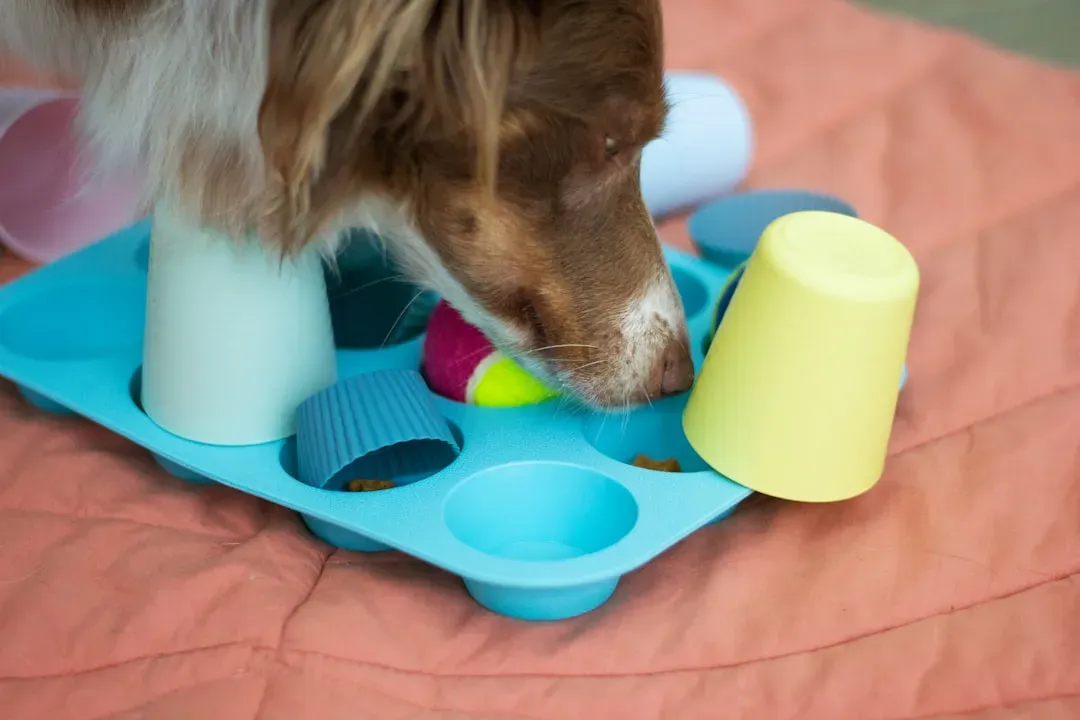
The evidence for this extraordinary emotional intelligence begins in the brain itself. Dogs’ brains have dedicated areas that are sensitive to voice, similar to those in humans. In a brain imaging study, researchers found that dogs possess voice-processing regions in their temporal cortex that light up in response to vocal sounds.
When shown images of human faces, dogs exhibit increased brain activity. One study found that seeing a familiar human face activates a dog’s reward centers and emotional centers, meaning your dog’s brain is processing your expressions, perhaps not in words but in feelings. So when you walk through the door and your dog’s eyes light up, that’s not just habit. That’s a brain responding to someone it deeply recognizes and cares about.
In dogs, thousands of years living as our companions have fine-tuned brain pathways for reading human social signals. While your dog’s brain may be smaller than a wolf’s, it may be uniquely optimized to love and understand humans. When you think about it that way, dogs didn’t just adapt to us. They evolved specifically to adore us.
Loyalty as a Genetic Legacy
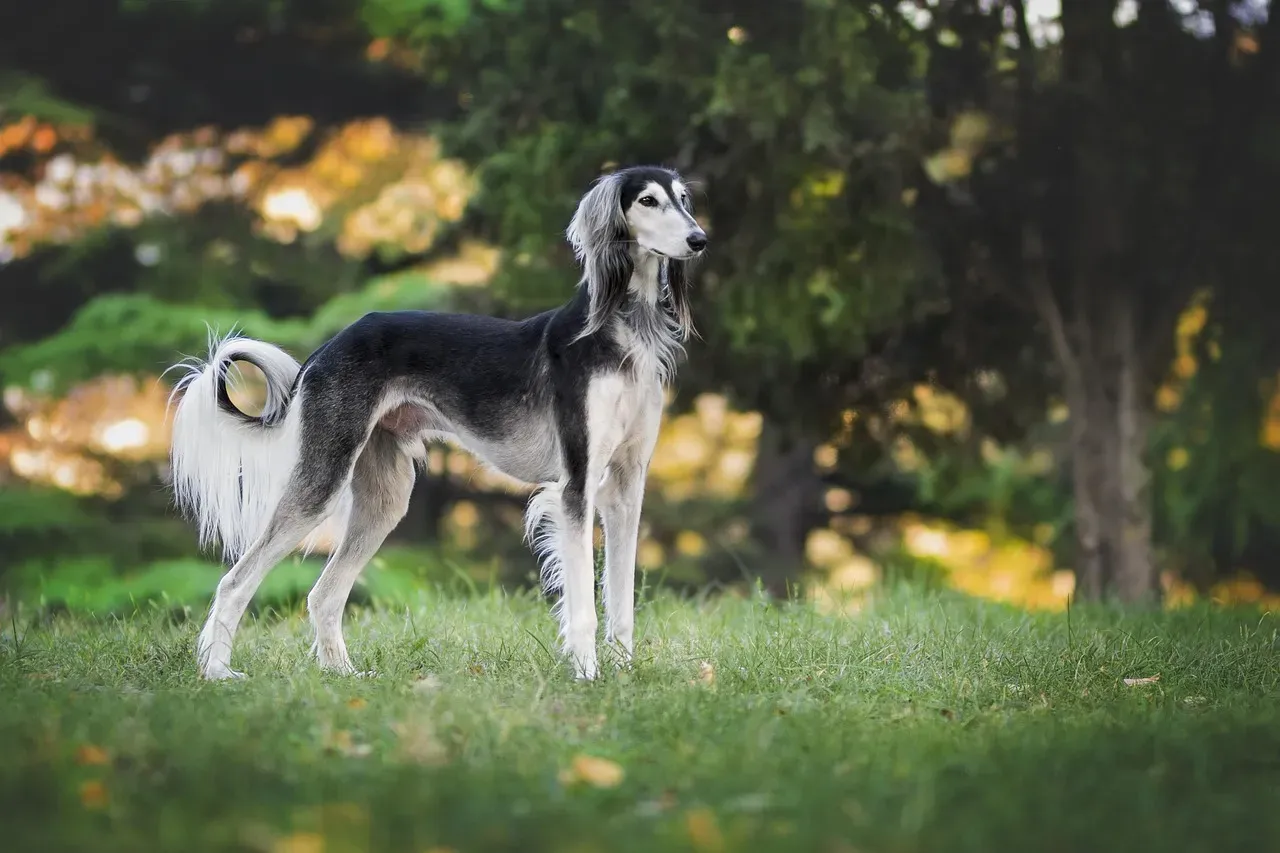
Modern displays of canine loyalty, like following owners or sleeping nearby, trace back to ancient pack survival instincts refined through domestication. What looks like simple devotion is actually the product of thousands of years of carefully layered evolutionary pressure. That dog sleeping at your feet didn’t choose loyalty randomly. It’s carrying an ancient legacy.
Dogs see their human family as part of their pack, which explains their loyalty and protective behaviors. Breeds like German Shepherds and Rottweilers are particularly known for their strong sense of loyalty, stemming from their natural inclination to form close bonds with their “pack.” This loyalty is an evolutionary trait that has been further amplified through selective breeding.
Compared to their ancestors (gray wolves), modern dogs are more trusting of humans, more omnivorous, smaller, and more physically diverse due to selective breeding. The tamest, most human-attached dogs were the ones who survived and thrived. That’s not coincidence. That’s natural selection doing its job over tens of thousands of years.
Conclusion: A Bond Like No Other
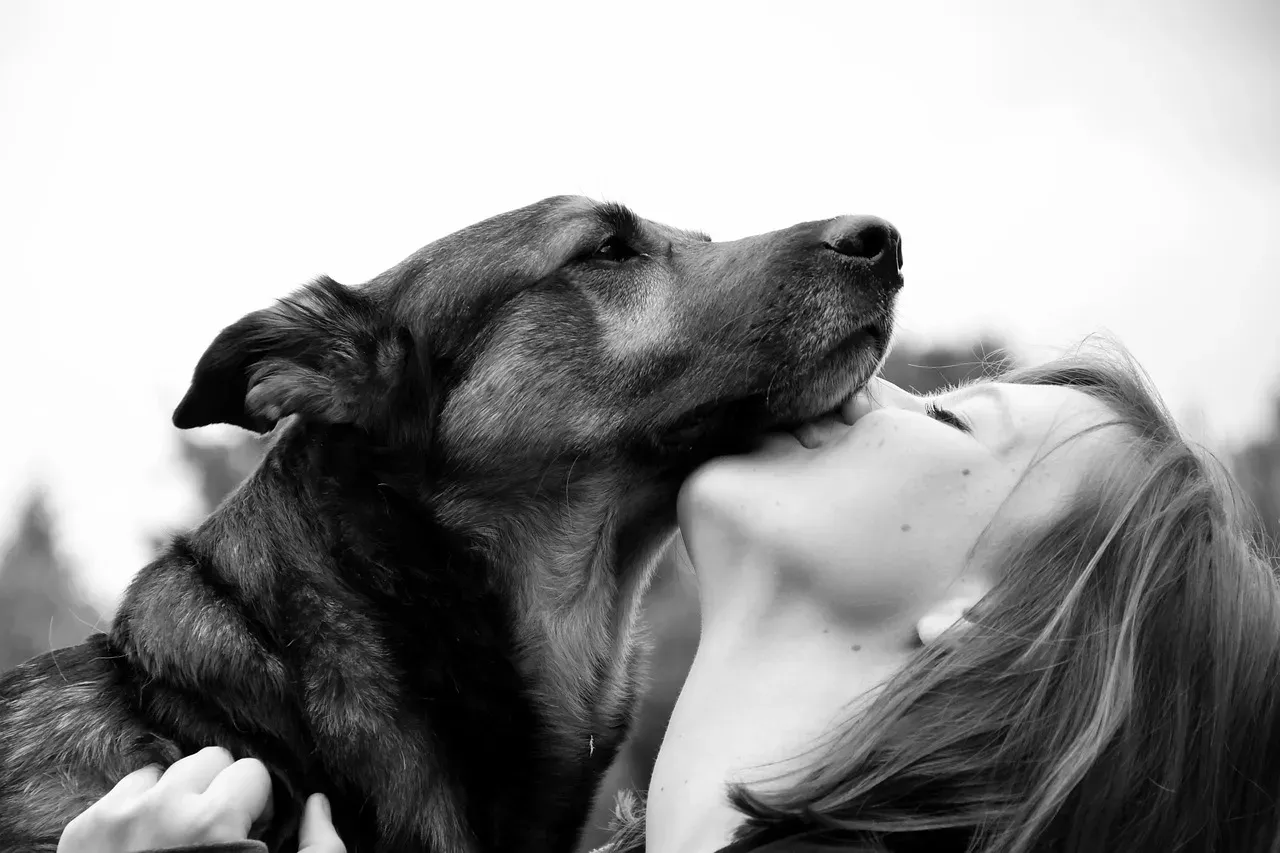
When you look at everything together, the oxytocin loops, the brain adaptations, the thousands of years of co-evolution, the deliberate breeding for loyalty and companionship, it becomes clear that the bond between certain dog breeds and their human families isn’t accidental. It’s the most extraordinary long-term collaboration in the history of two species on this planet.
The bond between humans and dogs is one of the most unique and enduring relationships in the animal kingdom. Whether they’re greeting us at the door with wagging tails, snuggling up on the couch, or eagerly following us around, dogs show an unmatched level of loyalty and affection toward their human companions.
Some bonds are built through circumstance. This one was built through time, chemistry, biology, and something that feels a lot like love. I think the more fascinating question isn’t why some breeds form these unbreakable bonds. It’s how we ever managed to deserve them in the first place. What do you think? Does your dog’s breed match the bond you share with them? Let us know in the comments.
