
Picture this: you’re casting a line into a crystal-clear Alaskan river, the sun dipping low over snow-capped peaks. Suddenly, a massive shadow lumbers along the bank, eyes locked on the splashing salmon. Alaska’s waterways aren’t just postcard perfect – they hide some seriously formidable creatures that can turn a peaceful outing into a pulse-pounding encounter.[1]
From hulking mammals to sneaky swimmers, these animals thrive in the Last Frontier’s freshwater realms. They remind us that wild beauty comes with sharp teeth and fierce defenses. Ready to meet the ones that demand your respect? Let’s dive in.[1]
Grizzly Bears
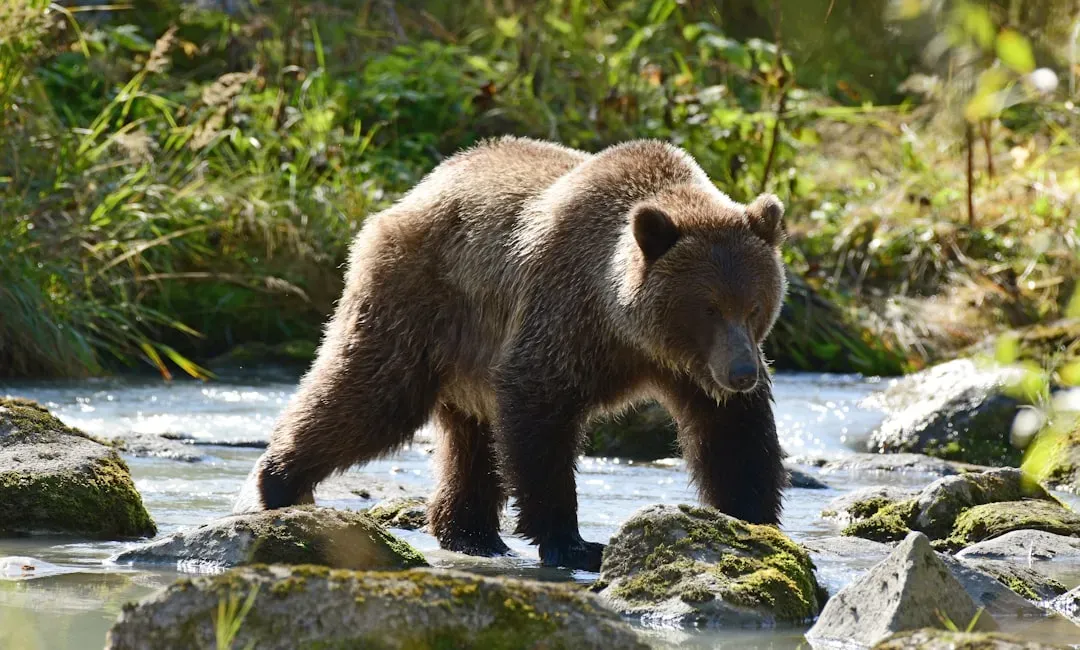
Grizzly bears flock to Alaska’s rivers during salmon runs, turning waterways into feeding frenzies. These beasts weigh 300 to 650 pounds, packing a powerful bite and claws up to four inches long. Provoke one near its meal, and things get ugly fast.[1]
Alaska tops the charts for fatal bear attacks since the early 1900s, thanks to its huge grizzly population. Back away slowly if you spot one, speak calmly, and avoid dawn or dusk hikes. Honestly, playing dead works better than running – these guys are built for speed in water too.[1]
Black Bears
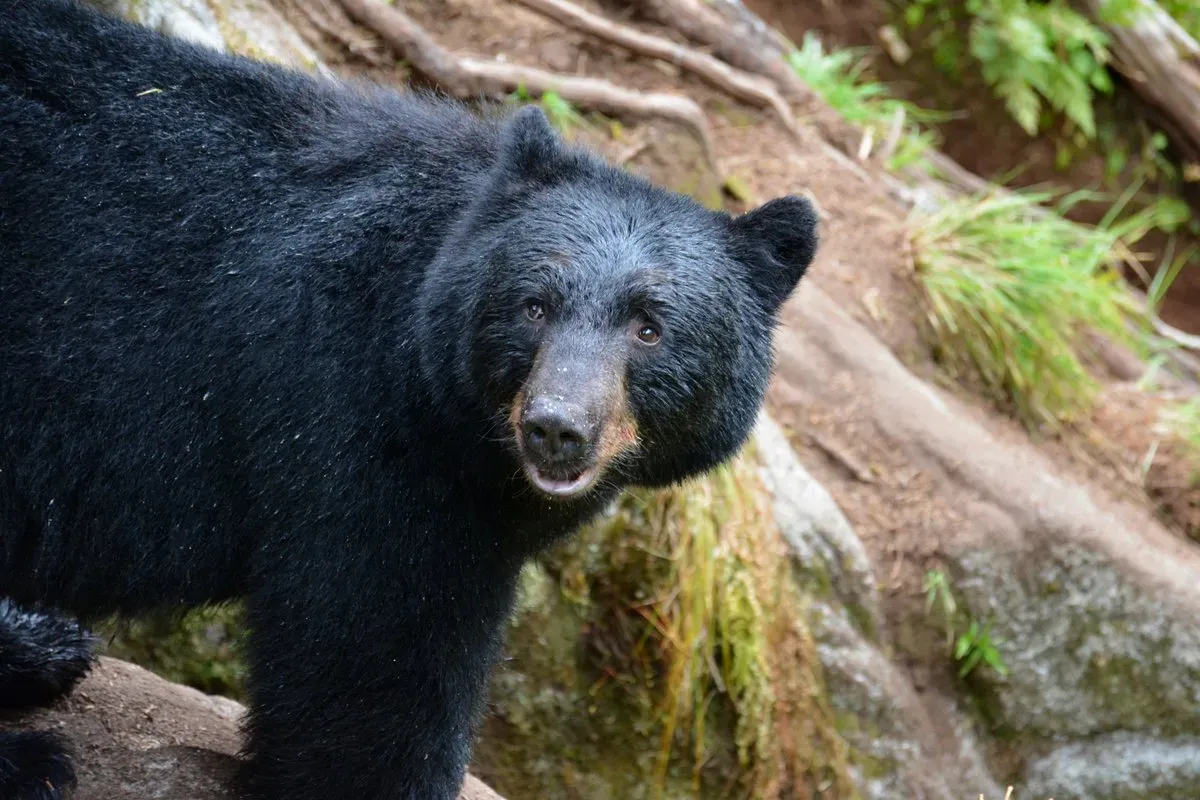
Black bears haunt forested edges of lakes and rivers, snacking on fish and berries. Smaller than grizzlies at around 300 pounds, they’re opportunistic and less aggressive but still pack a punch if cornered. Color doesn’t help – some look cinnamon or blonde.[1]
They slip into campsites for easy meals, making noise your best friend on the trail. Travel in groups, store food high, and follow the same playbook as grizzlies: stand tall, back off steadily. I think their curiosity makes them sneakier than you’d expect in watery haunts.
Polar Bears
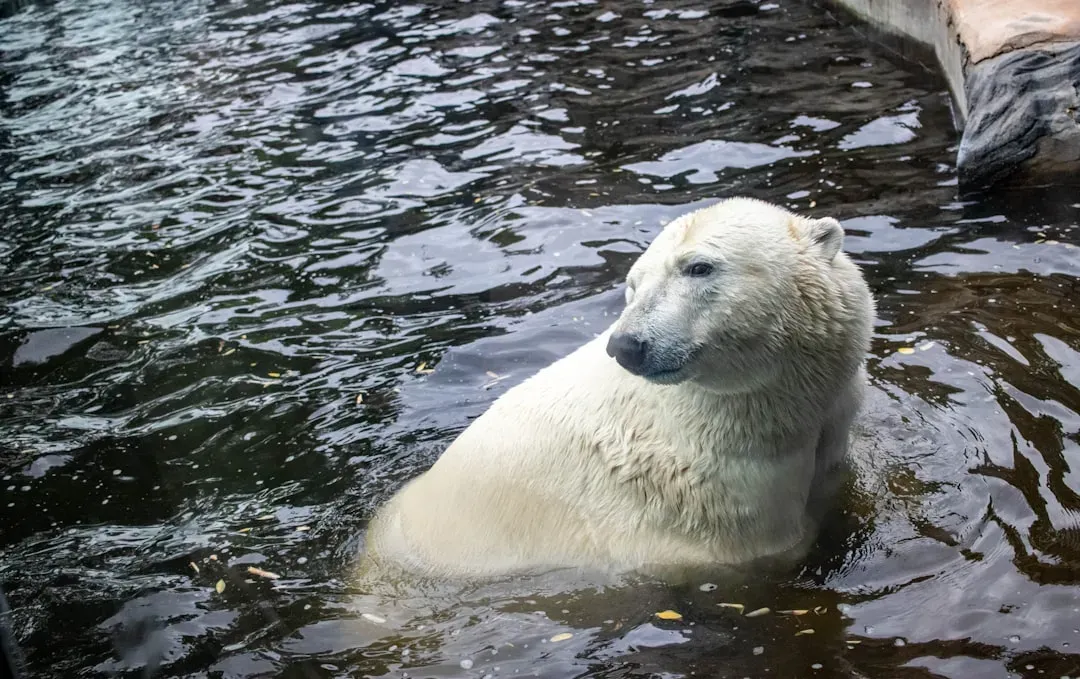
Polar bears use rivers and lakes to hunt seals or cool off, their massive frames up to 1,700 pounds gliding through shallows. That scooped claw and keen nose spot trouble – or dinner – from afar. Rare inland sightings still spell big risk.[1]
Climate shifts push them closer to human paths, heightening waterway clashes. Give them vast space; no sudden moves. It’s like facing a furry tank – respect turns potential tragedy into a wild story.
Moose wade into lakes for lily pads and escape bugs, their 1,400-pound bulk surprisingly agile in water. Antlers span wide, hooves kick hard, especially moms with calves or during fall rut. They charge without warning if spooked.[1]
Moose
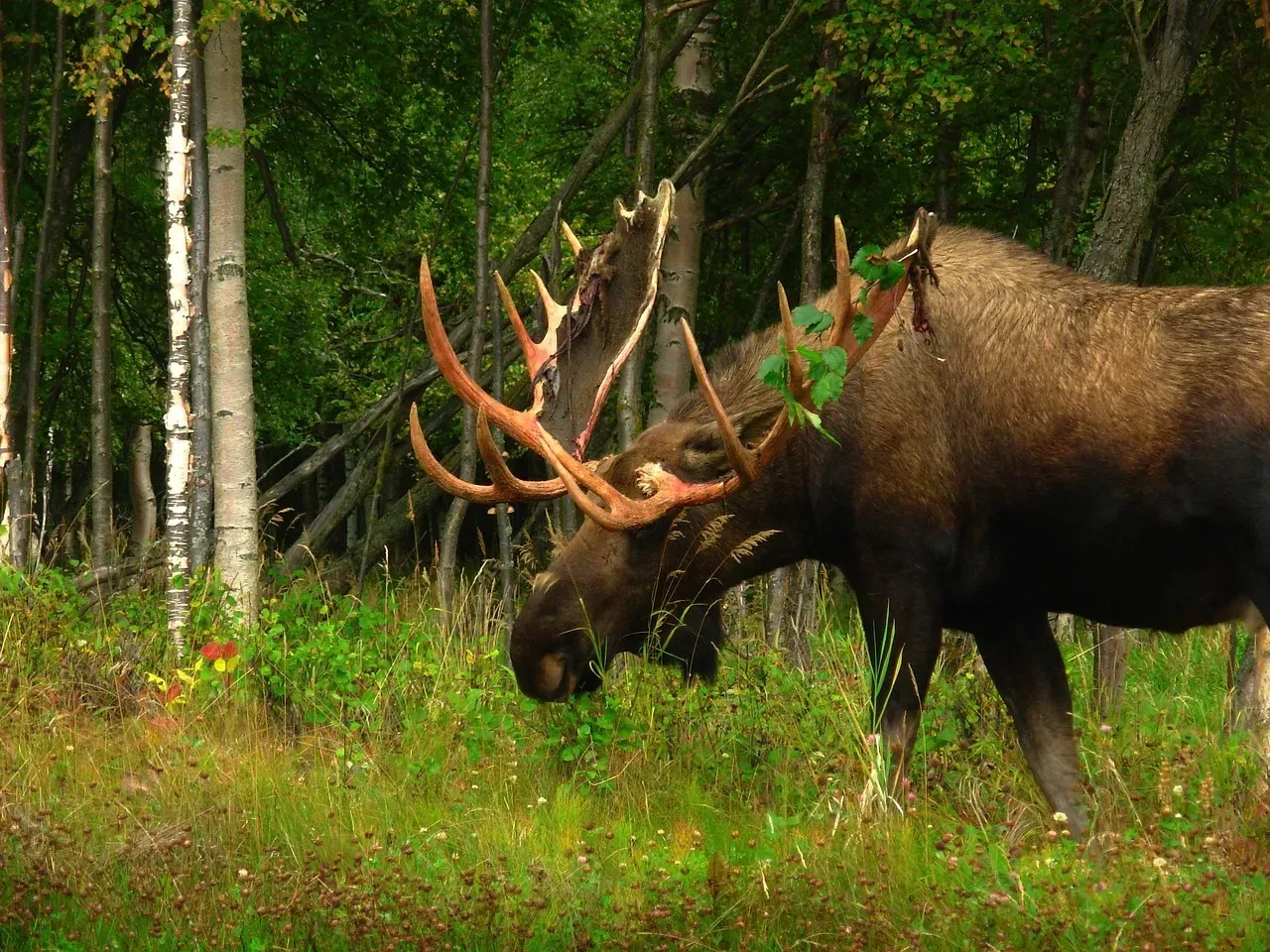
More Alaskans tangle with moose than bears yearly, often near shorelines. Sudden noises trigger stampedes; hide behind rocks if pursued. Curl up tight if bowled over, shield your head. Leash dogs – they provoke the worst reactions.[1]
Walrus
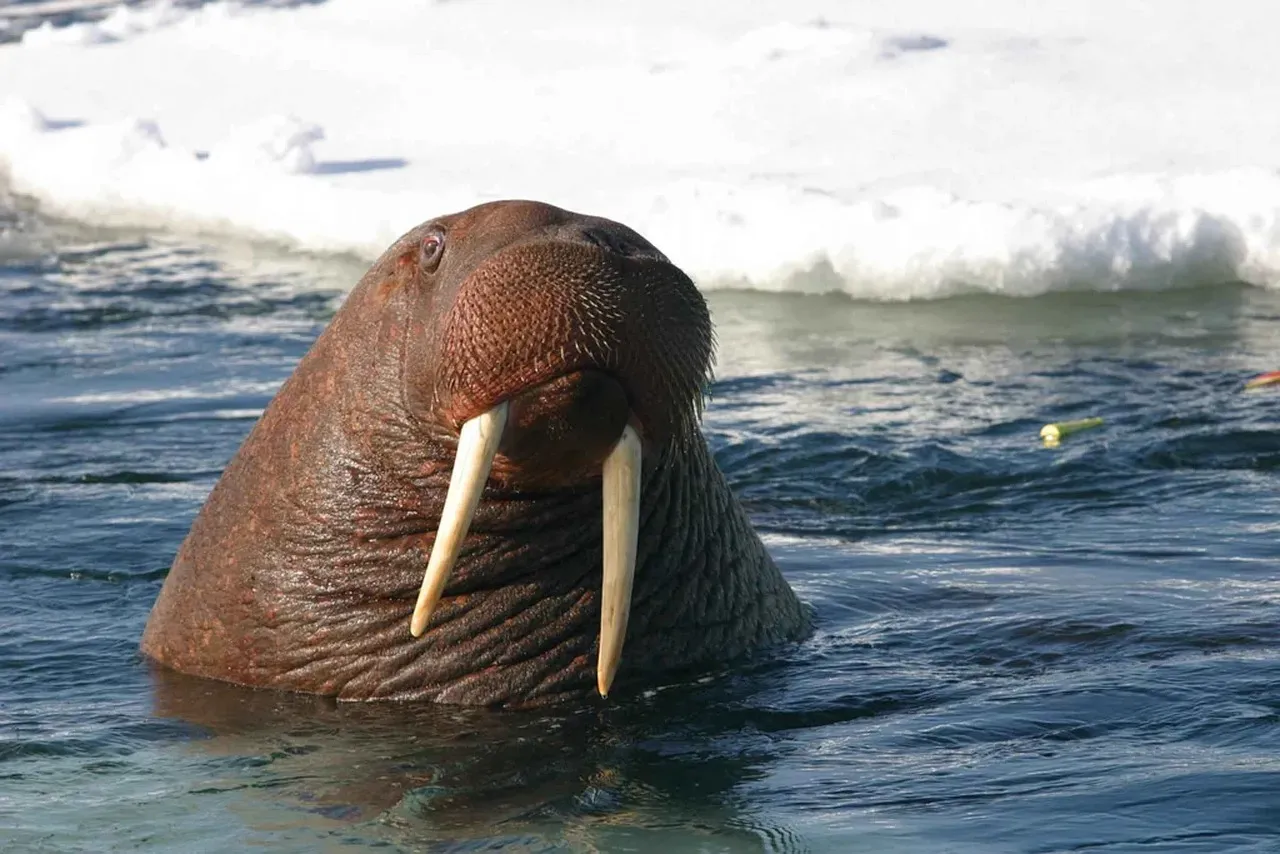
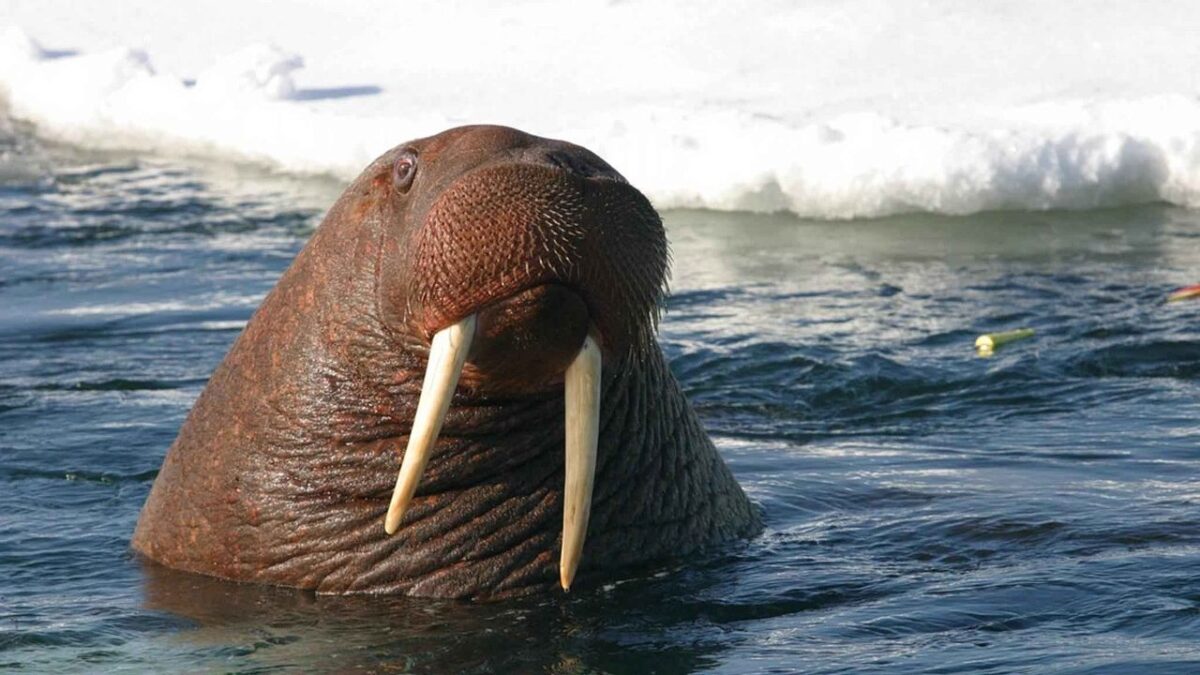
Walruses haul out near Arctic rivers, tusks gleaming like ivory daggers up to three feet long. Up to 12 feet in length, they defend fiercely if you crowd their spot. Curiosity draws them close, but one wrong step means gashes.[1]
Encounters stay rare, thankfully, in remote shallows. Steer clear entirely; binoculars beat close-ups. Their bellows echo like thunder – listen and retreat.
Arctic Terns
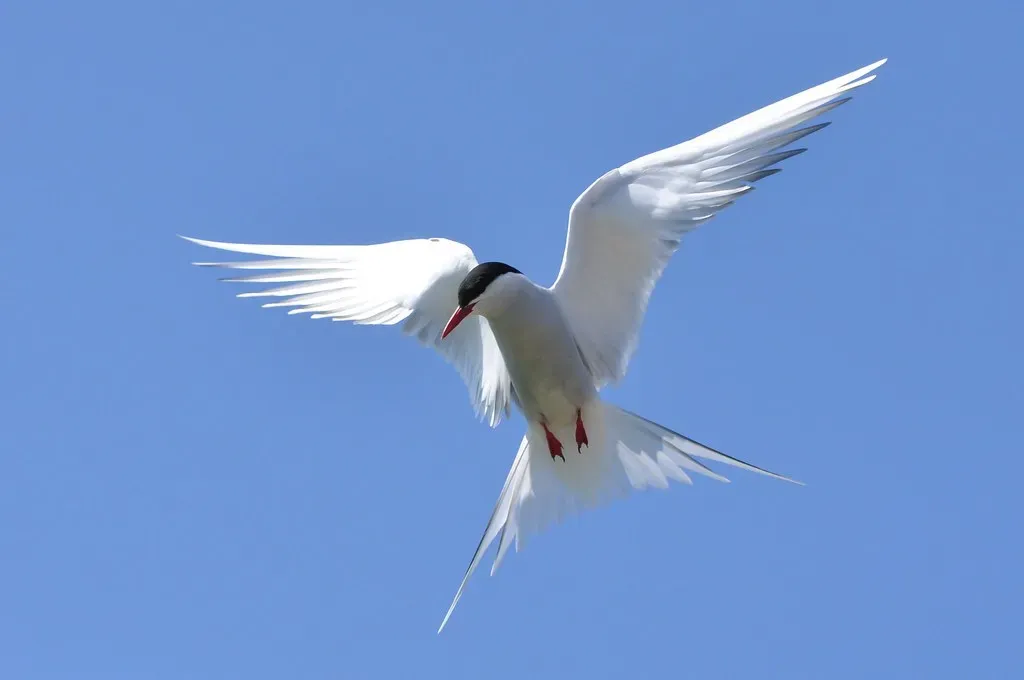
These pint-sized fury machines nest by summer lakes, dive-bombing intruders with razor beaks. Screeching flocks draw blood from scalps and eyes. Breeding season turns serene waters into no-fly zones for humans.[1]
Wear a hat or wave an umbrella; skirt signed areas. Small but relentless, they prove size isn’t everything. Kinda hilarious until you’re the target.
Northern Pike
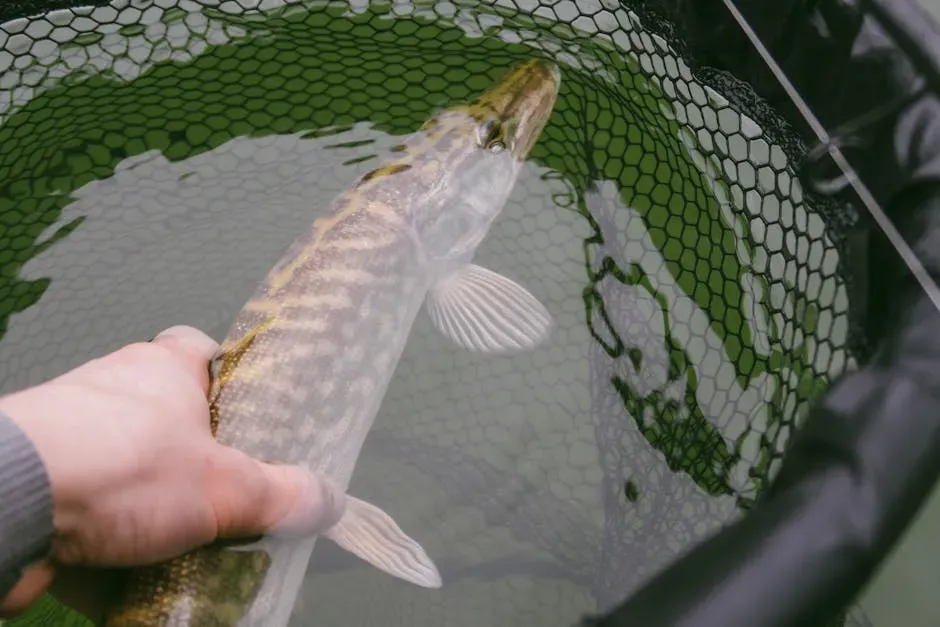
Northern pike ambush from murky depths, their 50-pound, four-foot bodies torpedoing with mouthfuls of teeth. They shred baitfish, frogs, even fingers dangling too low. Invasive in southcentral Alaska, they devour native salmon stocks.[1][2]
Skip swims in pike-heavy lakes; anglers, watch your hands unhooking. Fast as lightning strikes, they’re the river’s stealth ninjas. Here’s the thing: clean gear prevents their spread.
Killer Whales
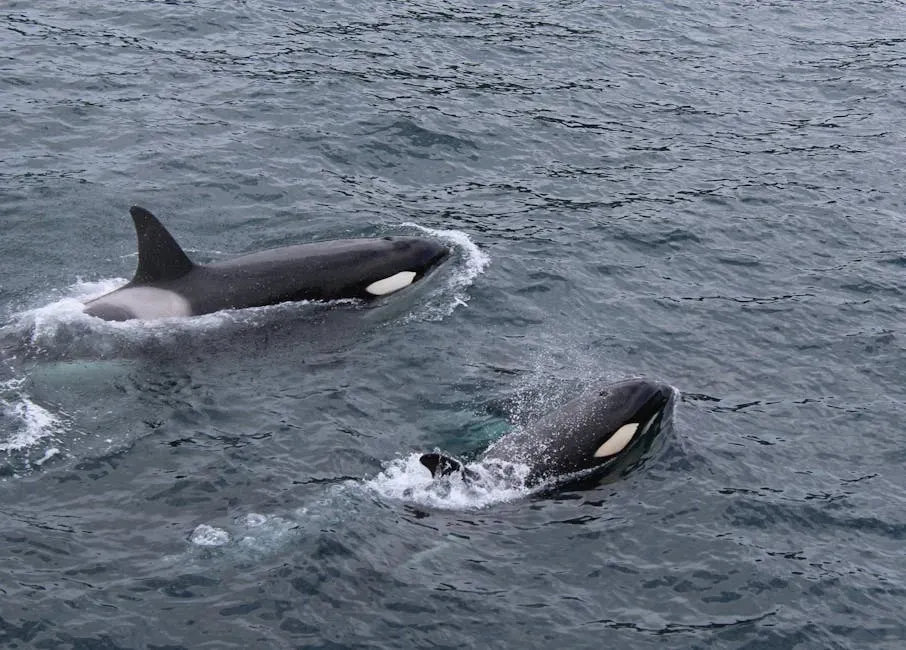
Orcas prowl river mouths and fjord-like lakes, sleek hunters with rare but real human ramming reports. Pods coordinate like wolves of the sea. Powerhouses that dwarf boats.[1]
Stick to shore in known haunts; kayaks beware. Their intelligence adds unpredictability. Majestic, yet a stark reminder of ocean edges bleeding into rivers.
Steller Sea Lions
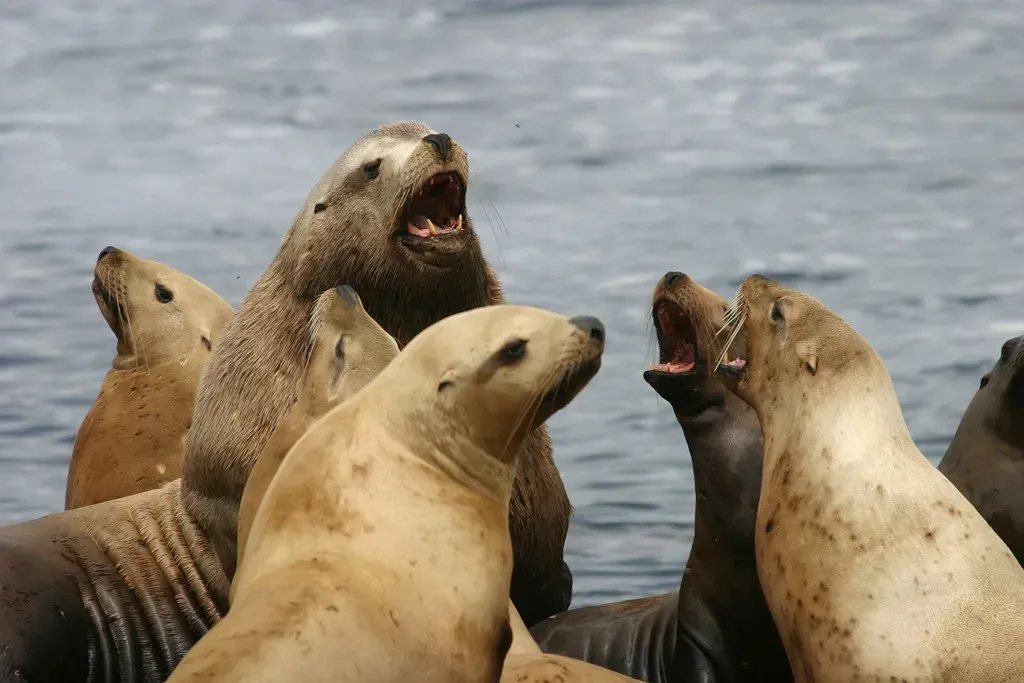
Steller sea lions roar from river-adjacent rocks, bulging up to 2,500 pounds of muscle. Territory guardians charge if boats or hikers encroach. Flippers propel them swiftly upstream.[1]
Observe from afar; no feeding. Their stench warns first – trust your nose. Like grumpy bouncers patrolling watery bars.
Lake and Bull Trout
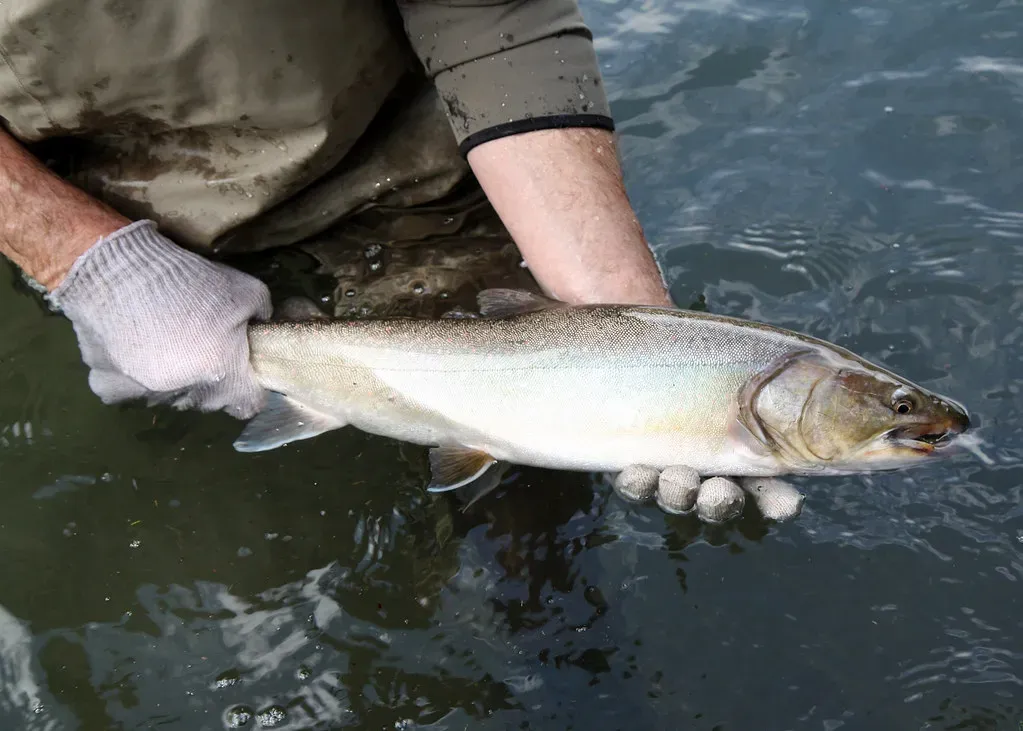
Bull and lake trout lurk in deep Alaskan waters, three-foot predators with needle teeth that lacerate lines and limbs. Aggressive strikes surprise waders. Cold-loving ambushers.[1]
Reel carefully; avoid foot dips in trout zones. Fighters that test even pros. Underrated hazards in glassy lakes.
Freshwater Jellyfish
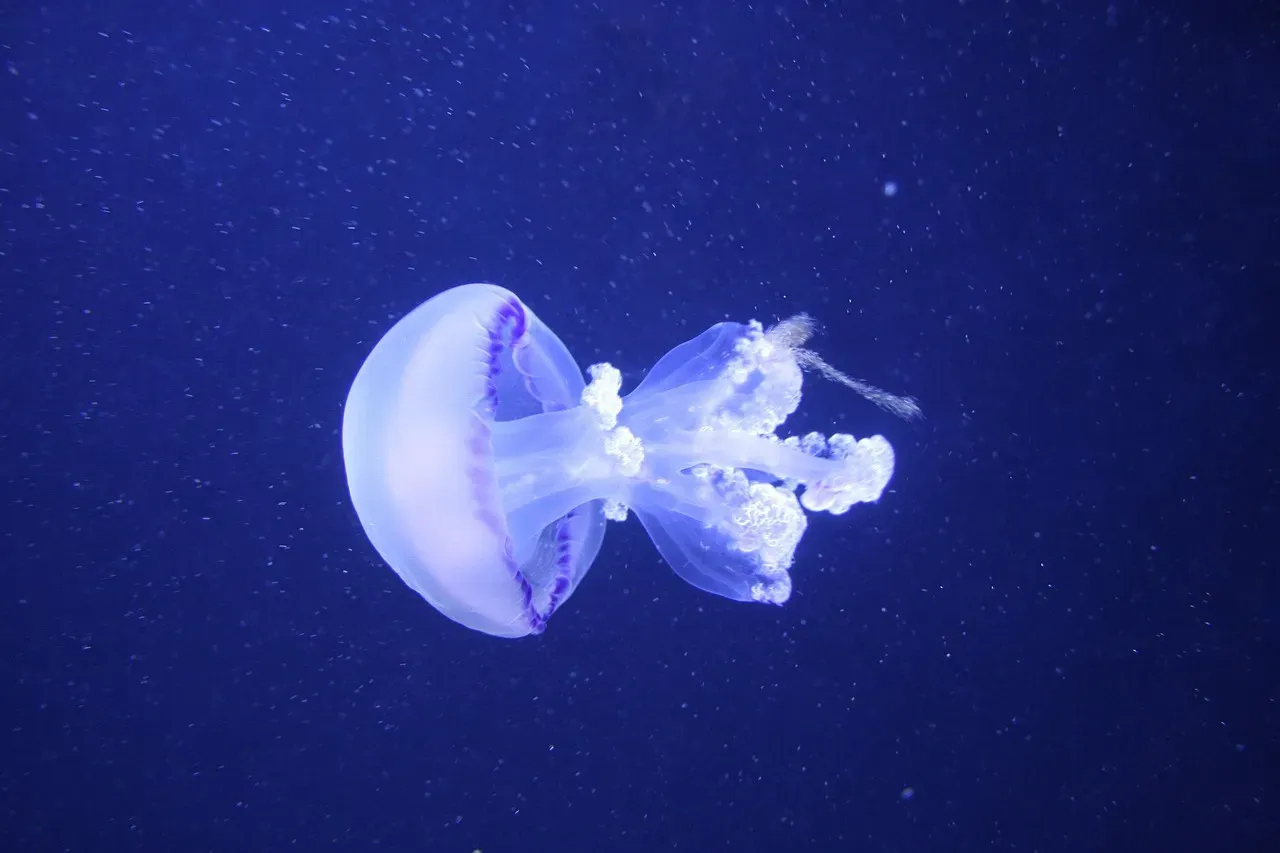
Tiny freshwater jellyfish drift in some Alaska lakes, tentacles delivering itchy, red welts on contact. Non-deadly stings swell skin for days. Exotic invaders belying calm surfaces.[1]
Rinse with vinegar; skip unknown swims. Looks like confetti, stings like nettles. Nature’s sneaky pranksters.
Leeches
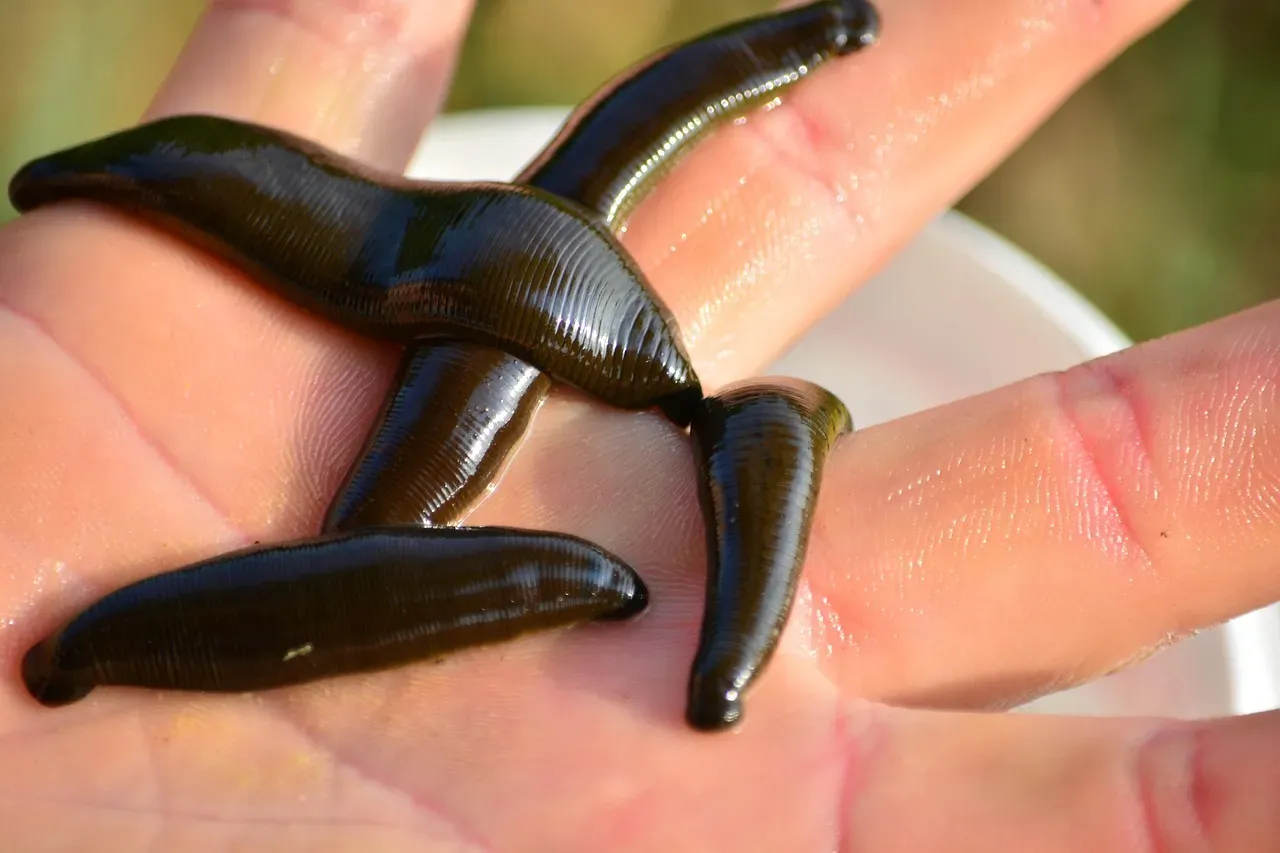
Leeches cling to legs in weedy shallows, sucking blood and risking infections if yanked wrong. Slimy hitchhikers in rivers and ponds. Persistent little vampires.[1]
Salt or fire removes them safely; wear waders. Gross factor high, health risk low. Prevention beats picking them off.
Staying Safe in Alaska’s Waters
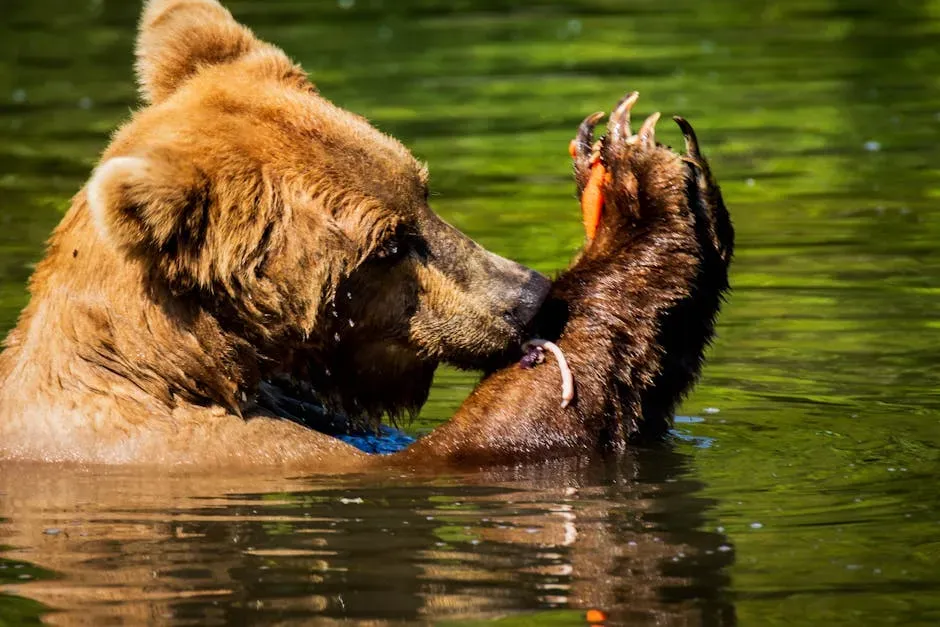
Alaska’s lakes and rivers teem with life that bites back when boundaries blur. Respect space, pack bear spray, group up, and heed signs – simple moves save lives. These encounters thrill from afar, disaster up close.[1]
Wilderness rewards the prepared. Next time you paddle those pristine flows, who’s the real danger you fear most? Drop your thoughts below.
