
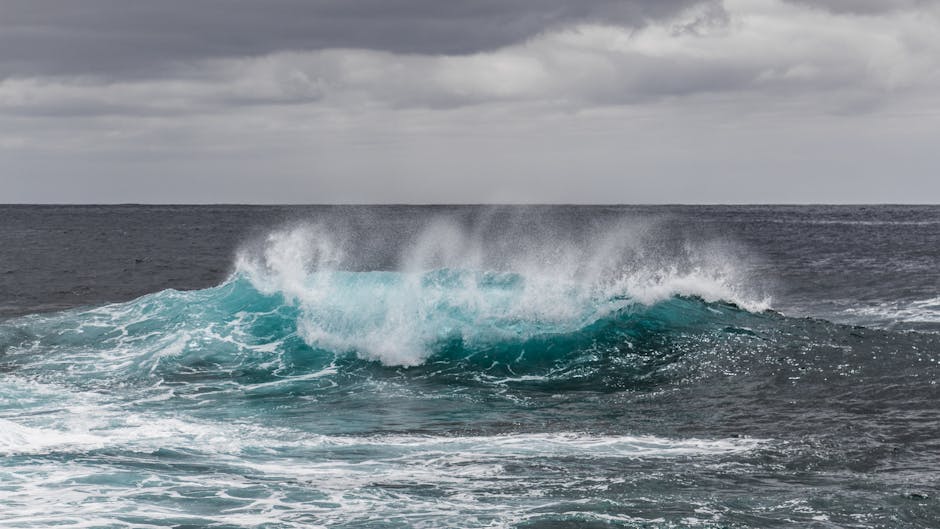
Every time the ocean rolls in and pulls back, most of us just think about not losing our sandcastles. But beneath that casual rise and fall lies one of the most complex, cosmic, and frankly jaw-dropping forces operating on our planet right now. Ocean tides connect us to the Moon, to the age of dinosaurs, and even to the future of life on Earth itself.
What we see from a beach is just the surface of a much deeper story. Tides sculpt coastlines, move staggering volumes of water, and are slowly, silently reshaping the relationship between our planet and its nearest celestial neighbor. Some of these facts honestly made me rethink how I look at the ocean entirely.
So let’s dive in.
1. Tides Are Not Caused by the Moon “Lifting” the Ocean
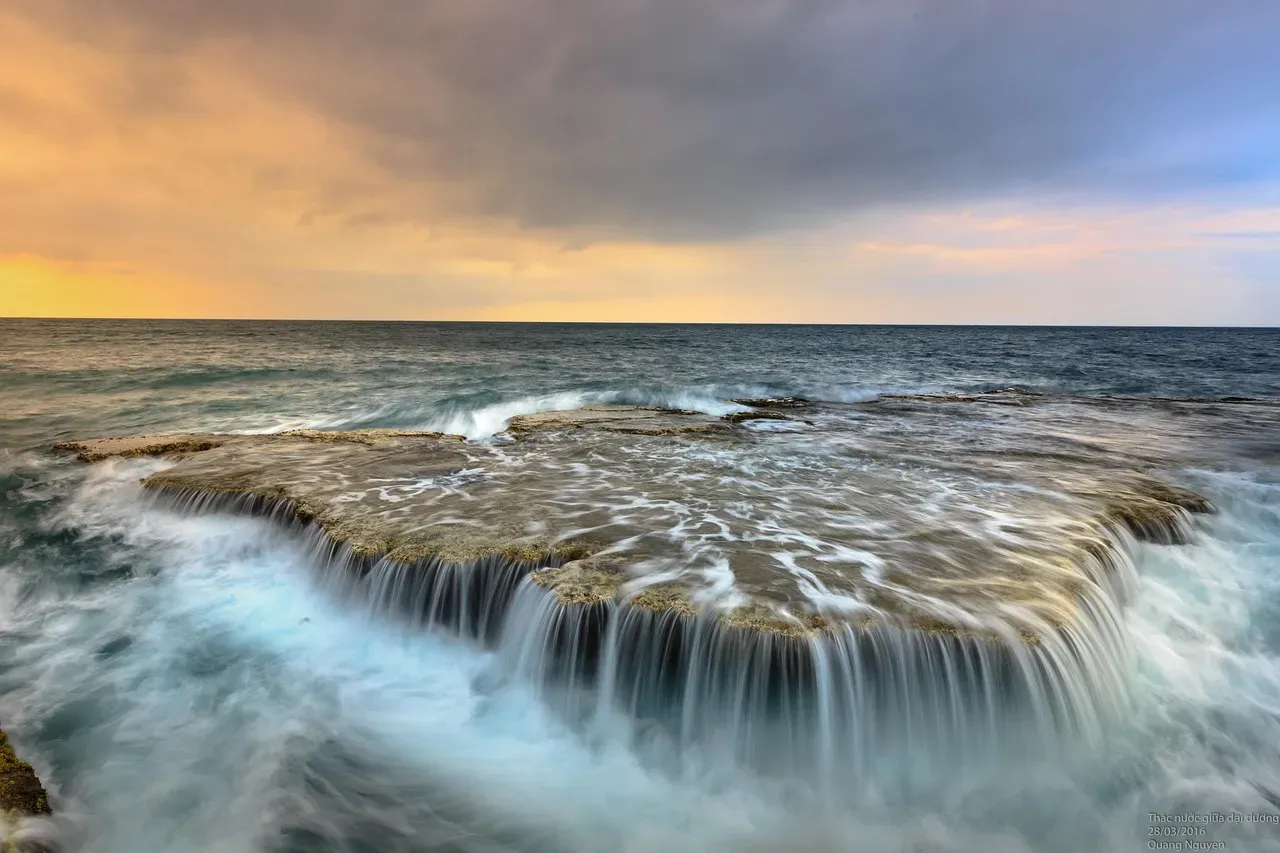
Here’s the thing that trips almost everyone up. You probably imagined the Moon pulling the ocean upward like a giant magnet, right? Turns out, that’s not really how it works.
Contrary to common belief, tides are not caused by the gravitational forces of the Moon or the Sun literally lifting up the oceans. Rather, tides are created because the strength and direction of gravitational pull varies depending on where on Earth you are. Think of it less like a magnet and more like a squeeze. The Moon doesn’t hoist the water up; it pushes and shoves it sideways around the globe.
The overall effect of these tidal forces is to “squeeze” the oceans and produce two tidal bulges on opposite sides of the Earth. Due to Earth’s rotation, the two bulges act like two expansive waves continuously undulating around our planet. It’s a beautifully strange system when you really picture it.
2. There Are Actually Two High Tides Happening at the Same Time
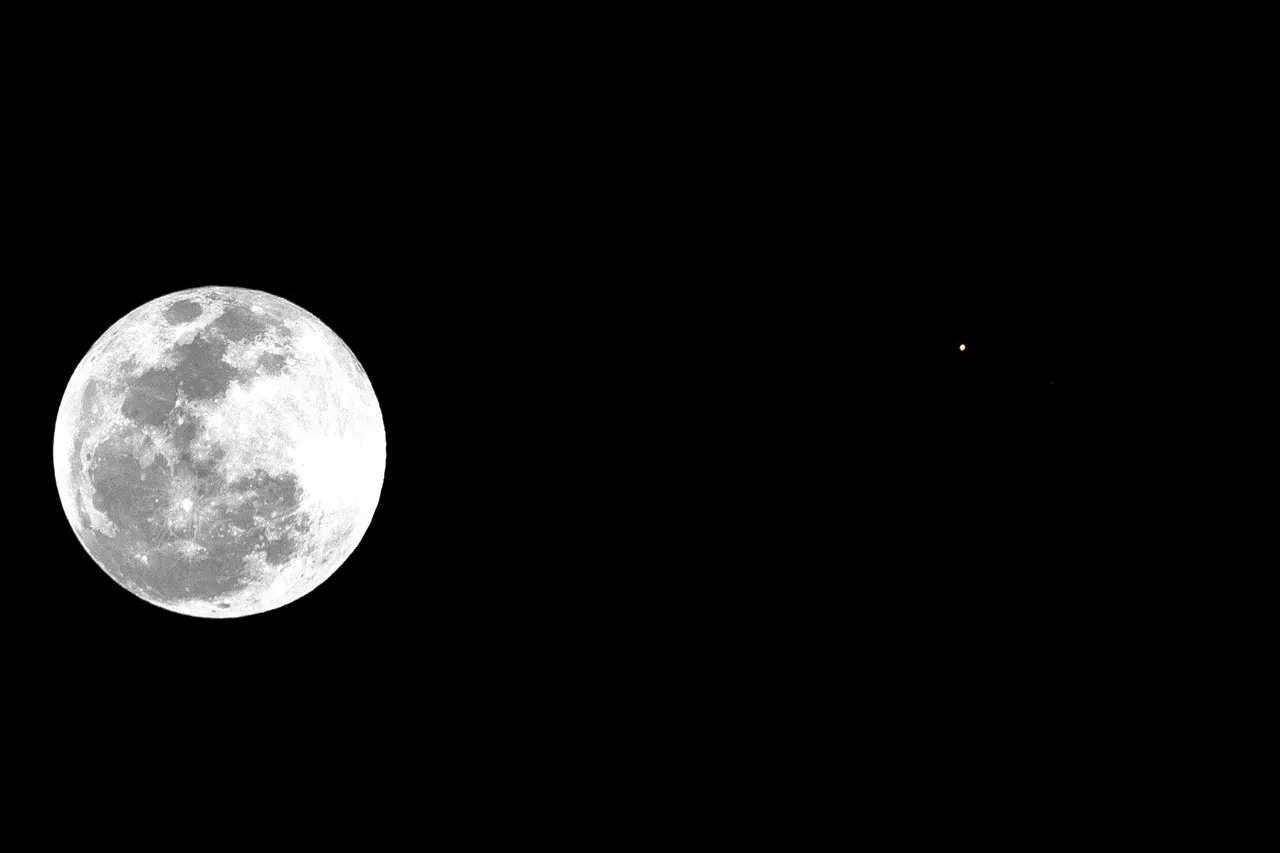
Most people are surprised to learn the ocean bulges outward in two places simultaneously, on opposite sides of the Earth. One bulge faces the Moon, and one faces directly away from it. I know it sounds crazy, but both are real high tides.
On the side of Earth directly facing the Moon, the Moon’s gravitational pull is strongest. The water on that side is pulled strongly in the direction of the Moon. On the side of Earth farthest from the Moon, the Moon’s gravitational pull is at its weakest. At the center of Earth is approximately the average of the Moon’s gravitational pull on the whole planet. To get the tidal force, we subtract this average gravitational pull from the gravitational pull at each location on Earth.
On the far side of the Earth, inertia dominates, creating a second bulge. In this way the combination of gravity and inertia creates two bulges of water. One forms where the Earth and Moon are closest, and the other forms where they are furthest apart. Two high tides, two low tides, every single day. Like clockwork.
3. The Moon Matters Far More Than the Sun for Tides
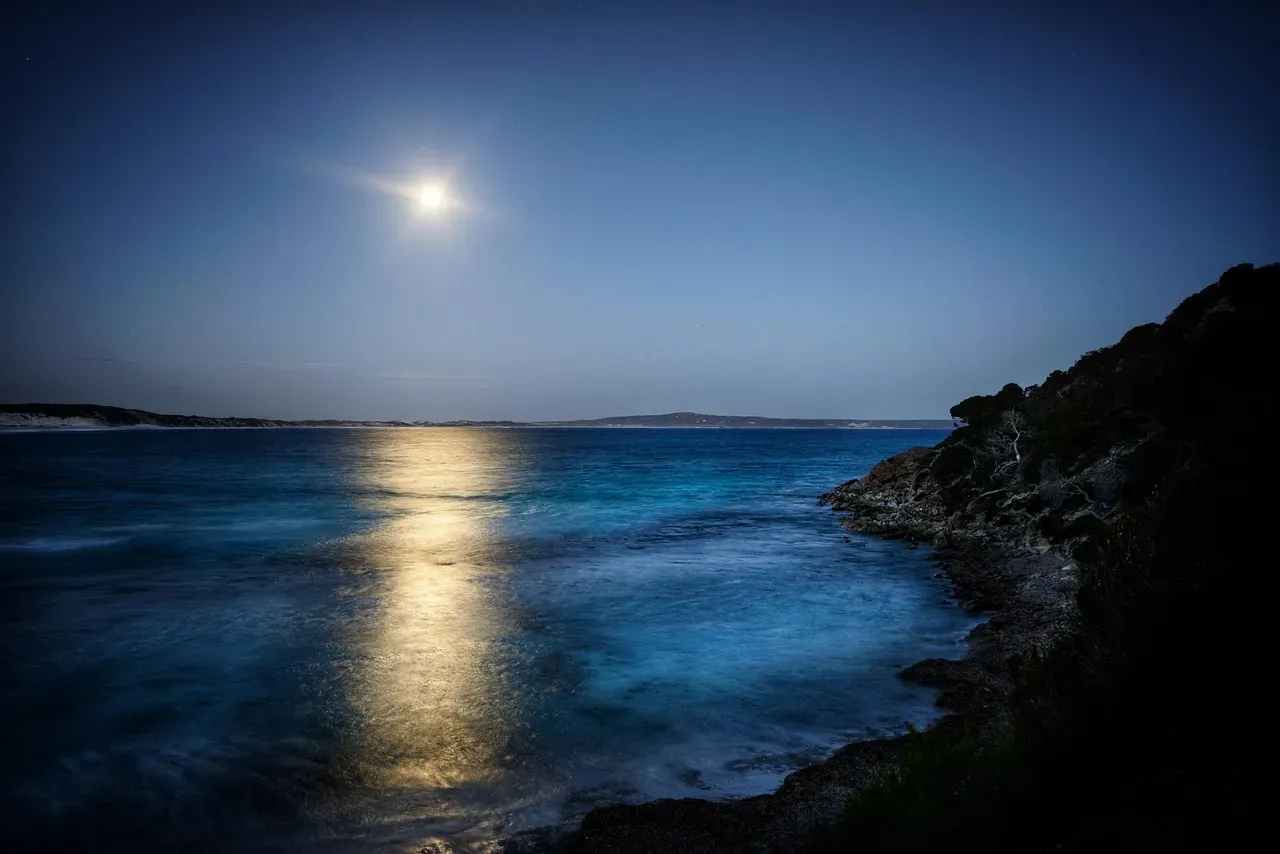
The Sun is vastly larger than the Moon, so you’d expect it to control our tides completely. That’s a logical assumption, and it’s completely wrong.
Ocean tides are not generated by the overall strength of gravity, but instead by the differences in gravity from one spot to the next – the gravitational gradient. Even though the Sun is much more massive and therefore has stronger overall gravity than the Moon, the Moon is closer to the Earth so that its gravitational gradient is stronger than that of the Sun.
The lunar tidal acceleration at the Earth’s surface is about 1.1×10⁻⁷ g, while the solar tidal acceleration is about 0.52×10⁻⁷ g. Hence the tide-raising force due to the Sun is about 45% of that due to the Moon. Proximity wins over size. Every time.
4. When the Sun and Moon Align, Tides Go Extreme
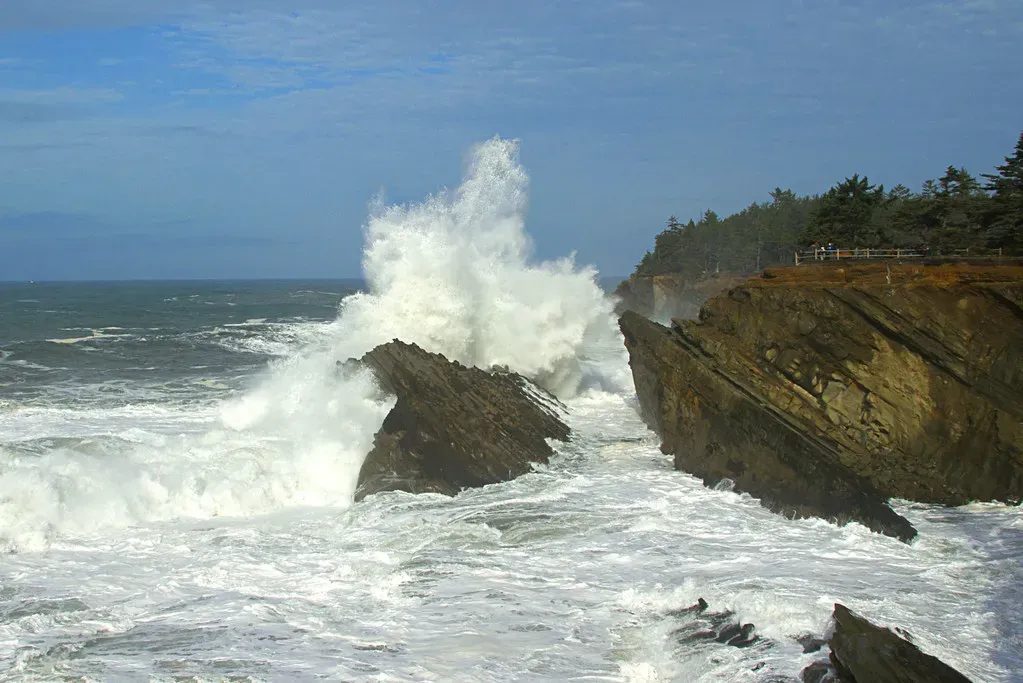
Twice a month, something remarkable happens in the sky, and the ocean responds in a big way. It’s not magic, it’s geometry.
Twice a month, when the Earth, Sun, and Moon line up, their gravitational power combines to make exceptionally high tides, called spring tides, as well as very low tides where the water has been displaced. When the Sun is at a right angle to the Moon, moderate tides, called neap tides, result. From our view on Earth, these tides coincide with certain lunar phases since they occur when the Moon reaches specific positions in its orbit.
The name “spring tides” has nothing to do with the season spring, but rather it is a synonym for “jump” or “leap.” Honestly, that detail alone makes the whole system feel more dramatic. When a Supermoon and a spring tide combine, several times a year, the full Moon or new Moon happens as the Moon is around its closest point to Earth, called perigee. This is popularly known as a Supermoon and leads to even larger variation between high and low tides, known as perigean spring tides.
5. The Bay of Fundy Moves a Truly Incomprehensible Amount of Water
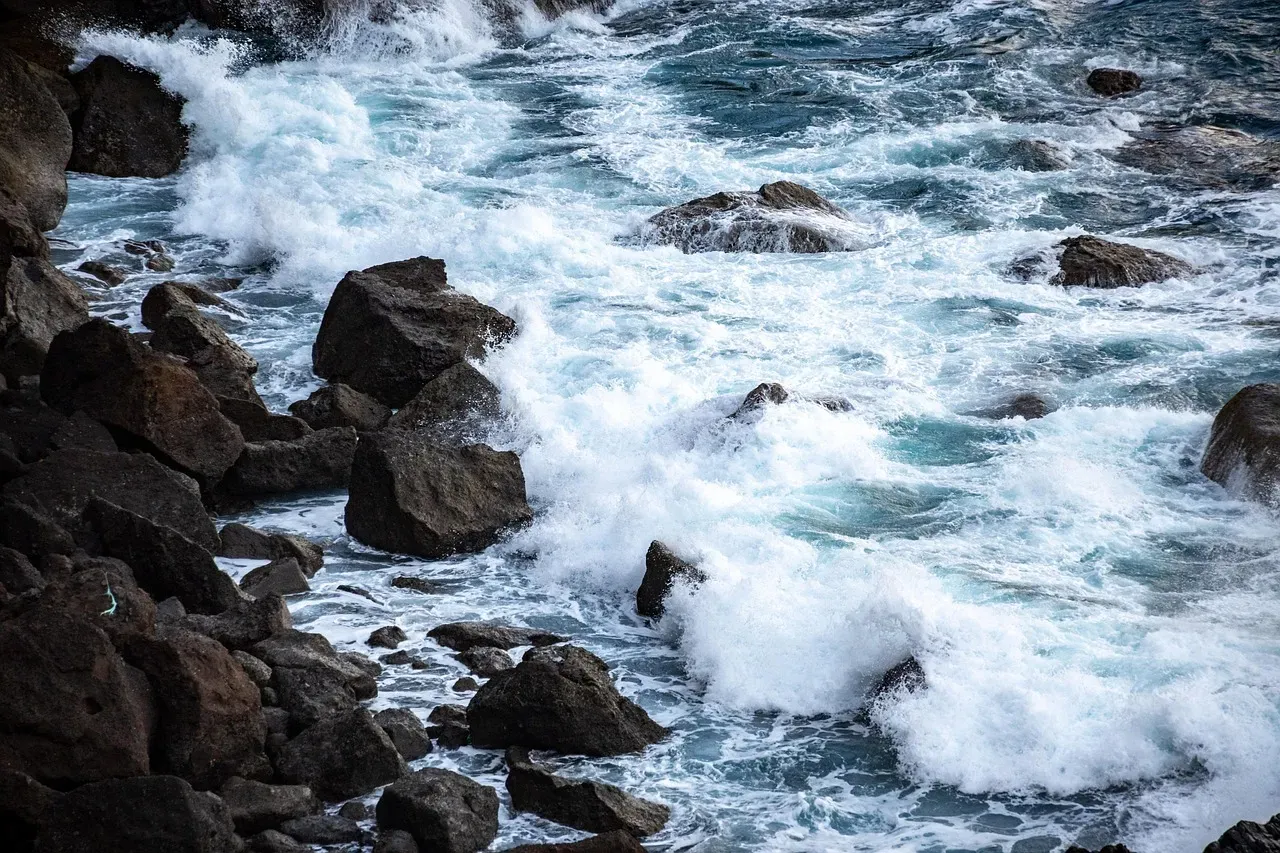
If you want your brain to short-circuit for a moment, look up the Bay of Fundy in Canada. The tidal numbers there are almost impossible to believe.
It has the highest tidal range in the world, averaging about 16 metres (52 ft) due to tidal resonance in its funnel-shaped basin. To put that in context, where typical ocean tides average about three feet, the Bay of Fundy’s record-setting tides soar over 50.
In one half-day tidal cycle, about 100 billion tonnes of water flows in and out of the bay, which is twice as much as the combined total flow of all the rivers of the world over the same period. That’s not a misprint. Every twelve hours or so, more water moves through this one Canadian bay than through every river on Earth combined. Let that sink in.
6. Tides Are Slowing Down Earth’s Rotation
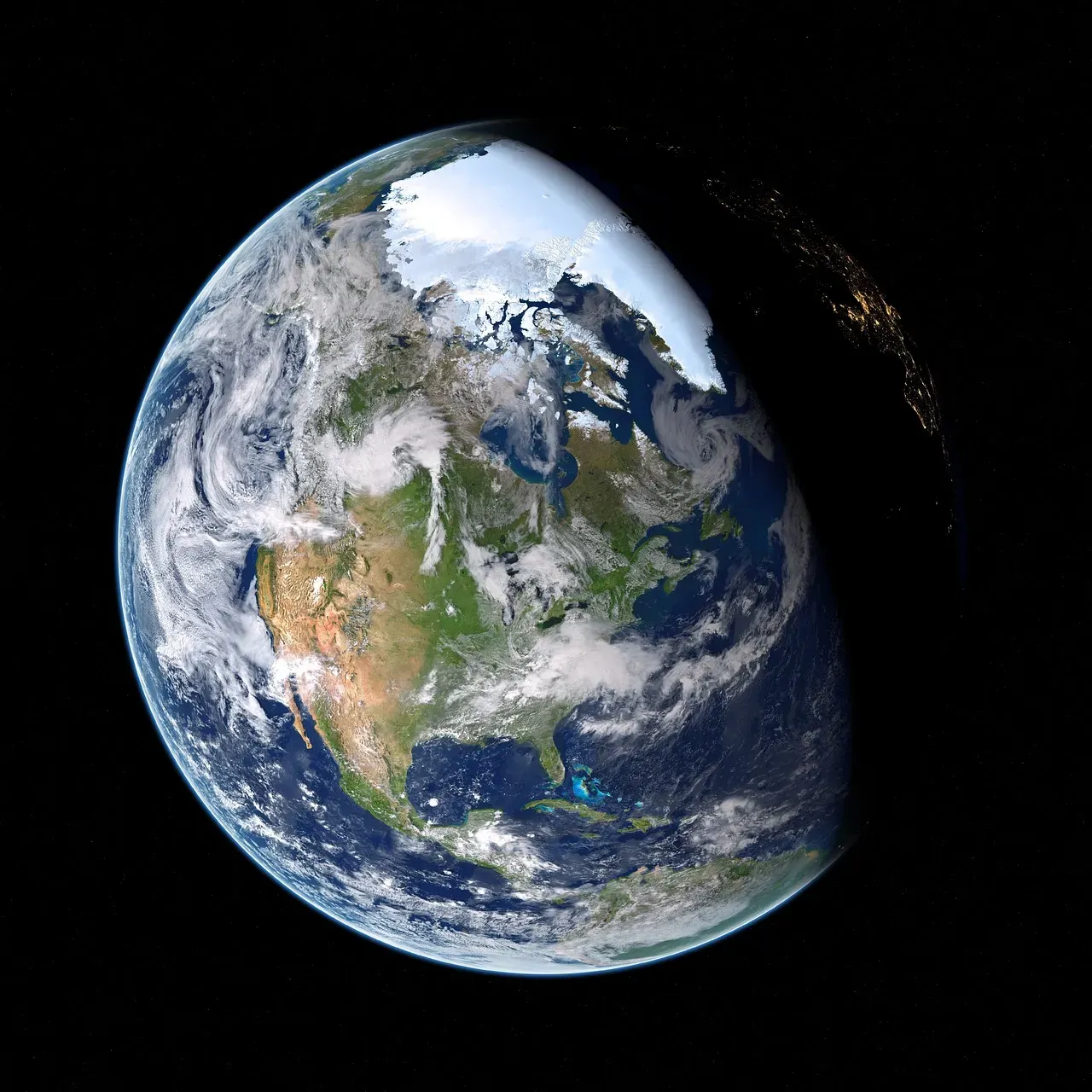
This one genuinely keeps me up at night when I think about it. Every single tide that rolls in and recedes is, ever so slightly, acting like a brake on our entire planet.
The larger effect is the Earth’s rotational braking, which is caused by tidal friction. Throughout the Earth’s history tidal braking has played, and will continue to play, a dominant role in the rotation. Currently, the secular change in the rotation rate increases the length of day by some 2.3 milliseconds per day per century.
Growth rings in ancient corals about 400 million years old show that the day was only 22 hours long so that there were over 400 days in a year. Our days are literally getting longer because of tidal friction. Slowly, yes, but measurably and relentlessly. This long-term slowing of the rotation is a primary reason for periodically inserting leap seconds into our timekeeping.
7. The Moon Is Slowly Drifting Away From Earth – Because of Tides
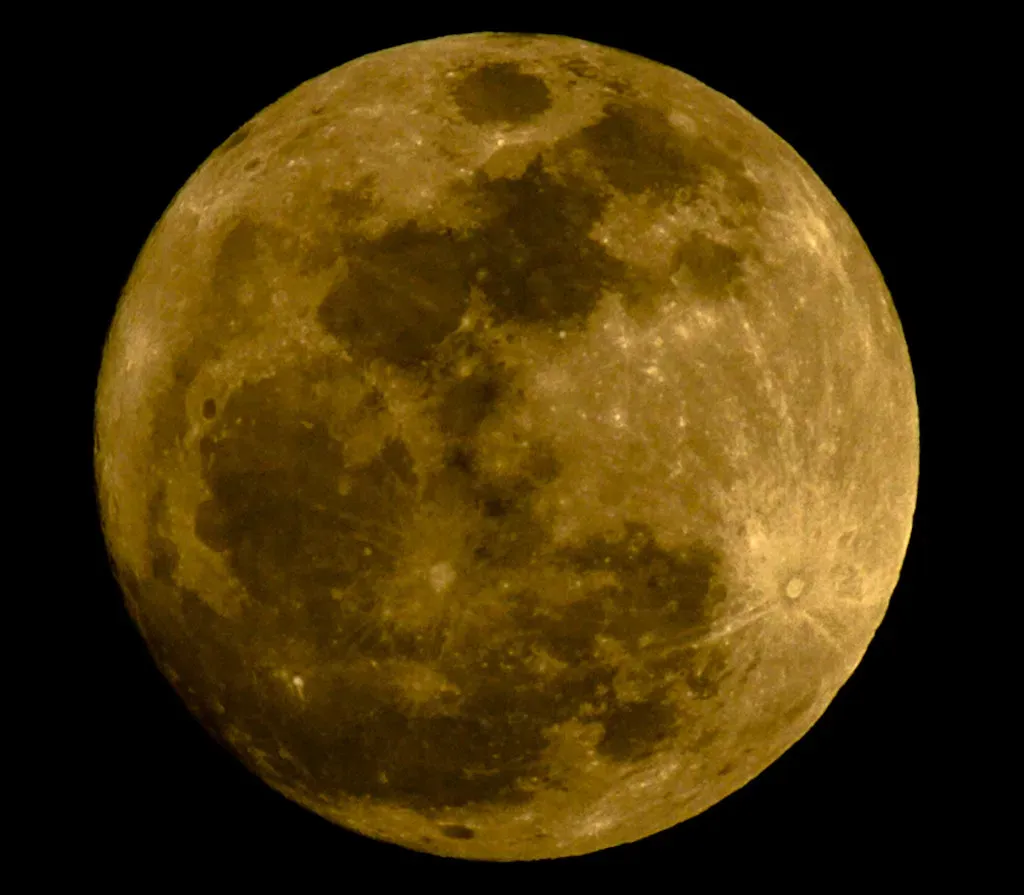
If the previous fact was unsettling, this one is even more so. The very mechanism that creates our tides is also pushing the Moon further away from us, centimeter by centimeter.
Friction with the ocean beds drags the tidal bulges eastward out of a direct Earth-Moon line, and since these bulges contain a lot of mass, their gravity pulls the Moon forward in its orbit. The increase in speed enlarges the Moon’s orbit. It’s a slow cosmic transaction, tidal energy transferred from Earth’s spin to the Moon’s orbital speed.
Currently, the Moon’s distance from the Earth is increasing by about 3 centimeters per year. Astronomers have been able to measure this slow spiraling out of the Moon by bouncing laser beams off reflectors left by the Apollo astronauts on the lunar surface. Three centimeters per year. It sounds trivial, but over millions of years, that adds up to something profound.
8. Tides Also Move the Solid Earth – Not Just the Ocean
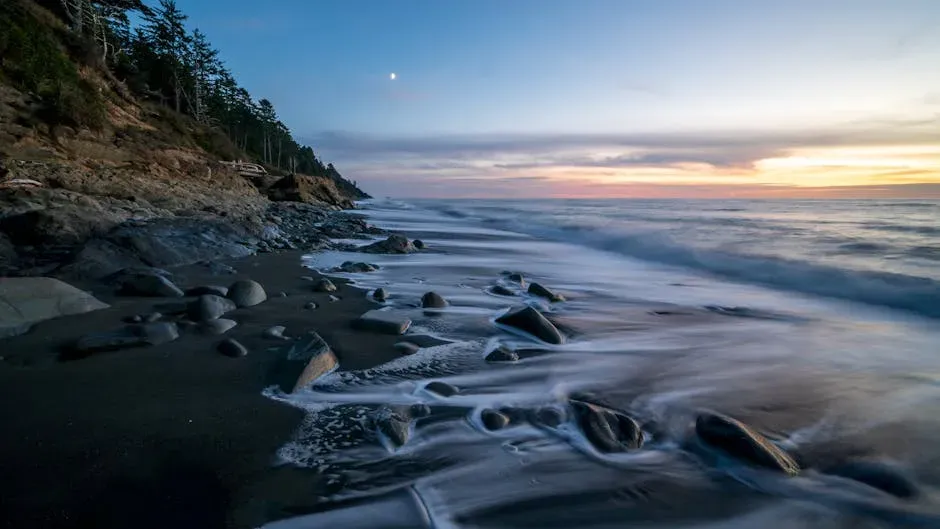
We tend to picture tides as an ocean phenomenon. Water goes up, water comes down. Solid rock stays put. Except… it doesn’t entirely.
The Moon exerts a tidal force on the whole planet. This has little effect on Earth’s land surfaces, because they are less flexible. Land surfaces do move, however, up to 55 centimeters (22 inches) a day. These movements are called terrestrial tides.
Terrestrial tides can change an object’s precise location. Terrestrial tides are important for radio astronomy and calculating coordinates on a global positioning system (GPS). Volcanologists study terrestrial tides because this movement in the Earth’s crust can sometimes trigger a volcanic eruption. The ground beneath your feet is quietly pulsing with the Moon’s rhythm. Every single day.
9. Tides Can Reverse a River’s Flow – And Surf It
Honestly, if you told me about tidal bores before I knew what they were, I’d assume you were exaggerating. A tide strong enough to charge upstream against a powerful river, creating a surfable wave? That’s real.
A tidal bore occurs along a coast where a river empties into the ocean or sea. The tidal bore is a strong tide that pushes up the river, against the river’s current. This is a true tidal wave. The most dramatic example is found deep in the Amazon jungle.
The huge tidal bore of the Amazon River is called the pororoca. The pororoca is a wave up to 4 meters (13 feet) tall, traveling at speeds of 15 kilometers (9 miles) per hour. The pororoca travels 10 kilometers (6 miles) up the Amazon. Meanwhile, along the Qiantang River in Hangzhou, China, site of the world’s largest tidal bore, observers gather at tide-watching pavilions to observe the 9-meter (30-foot) wave. The leading edge of the Qiantang River tidal bore can move as fast as 40 kilometers (25 miles) per hour. Wild doesn’t even cover it.
10. Tidal Energy Is Predictable 500 Years Into the Future
Solar panels depend on cloud cover. Wind turbines need the wind to blow. Tidal energy has neither of those problems, because nothing about the Moon’s orbit is going to surprise anyone.
Tidal energy is particularly interesting because it offers a consistency not found among other renewable sources. The tides are as predictable as clockwork. We know exactly 500 years from now when high tide will occur at any given place on Earth. Unlike wind and solar energy, which are variable and difficult to forecast far into the future, the predictability of tides makes tidal energy valuable for our renewable energy mix.
There are roughly 150 factors influencing tides, yet tidal power remains the most predictable of all renewable energy sources. It’s hard to say for sure whether tidal power will become the dominant clean energy source of the future, but the predictability argument alone makes a compelling case.
11. A Day Is Slightly Longer Than 24 Hours Because of the Moon
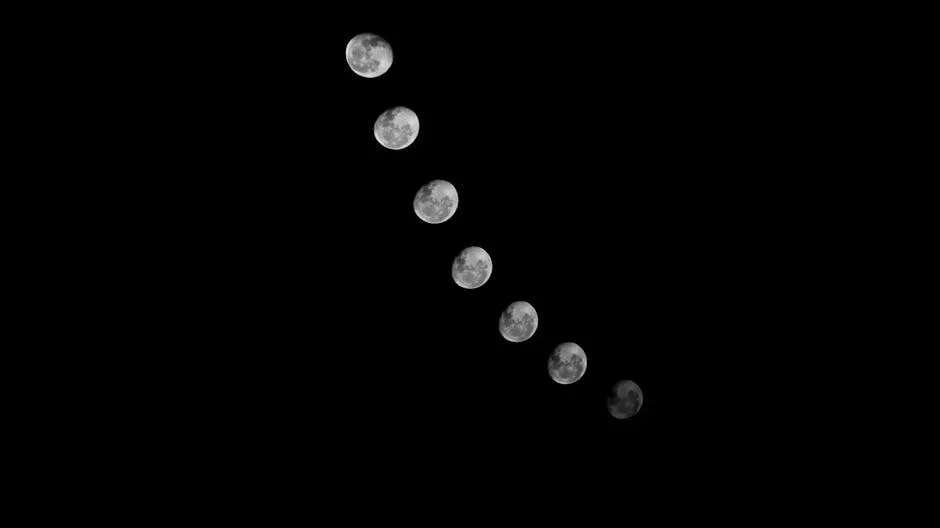
Here is a small but fascinating quirk that messes with how we think about a “day.” The tidal cycle doesn’t neatly wrap up every 24 hours, and it’s all because the Moon is moving too.
The reason that a lunar day is longer than a normal 24-hour day is because the Moon rotates around the Earth in the same direction that the Earth is spinning. It takes the Earth an extra 50 minutes to catch up to the Moon. This is why your local high tide arrives at a slightly different time each day, creeping forward like a slow calendar.
Our tides repeat themselves once every 12 hours and 25 minutes – or twice a lunar day – which is the time it takes for Earth to rotate once relative to the Moon. Think of it like trying to catch a bus that keeps moving forward. You always need to travel a little further than you did yesterday to reach the same spot.
12. Tides Affect Wildlife in Ways That Still Astonish Scientists
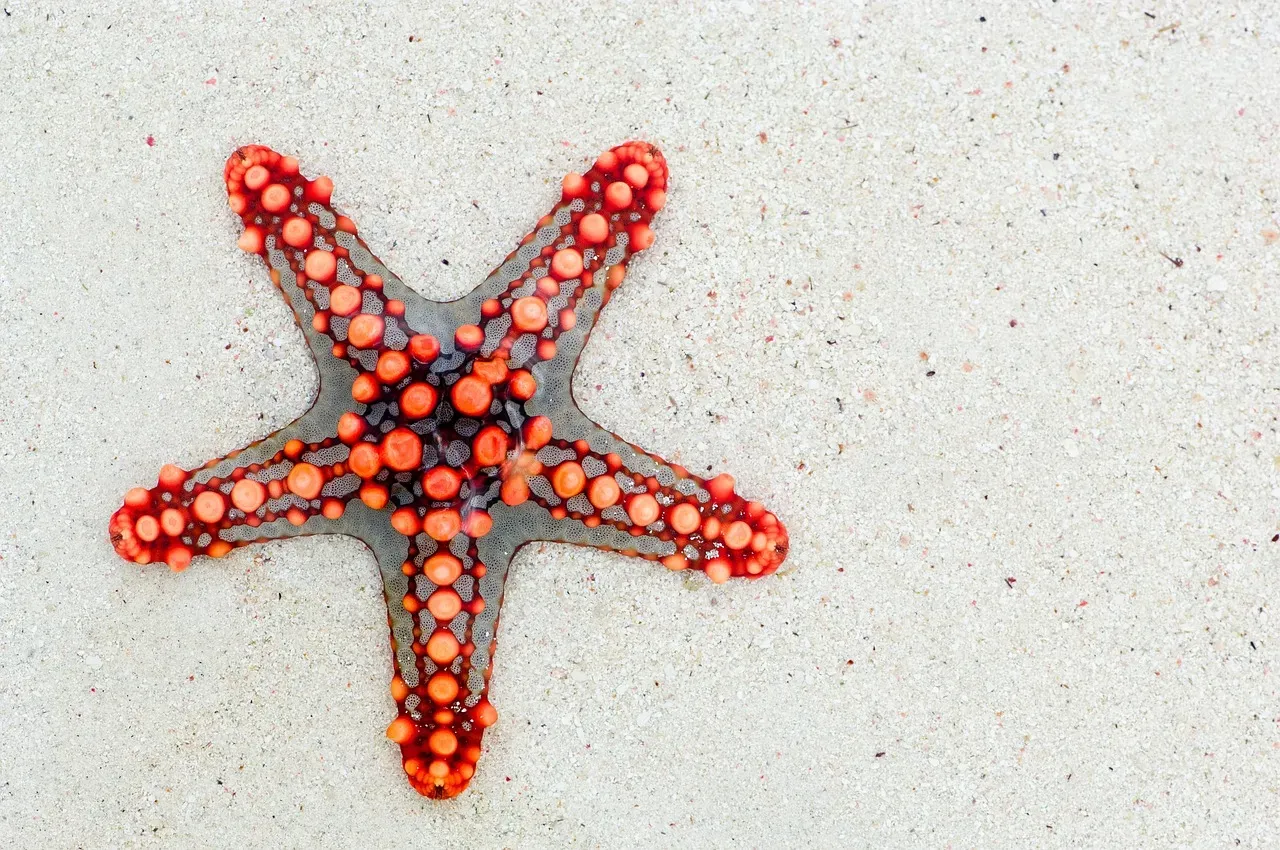
We know tides move water. What’s less talked about is how deeply ocean life has organized itself around that rhythm, in ways that are still being studied.
The Moon not only affects the tides rising and falling, but many of the animals in the sea have come to rely on the tides and movement of the oceans and lakes. Some species of fish and turtles lay eggs or hatch based on the tides so that their offspring survive. A lack of fish would affect the entire food chain, including humans.
The Moon phases also trigger reproduction and feeding for many sea creatures who rely on the light of the Moon. In the 1990s, science confirmed the Moon’s ability to generate an atmospheric tide, a gaseous pulse that creates daily changes in air pressure. The ocean and its creatures don’t just tolerate tides. They are built around them.
13. Some Places Barely Feel Tides at All
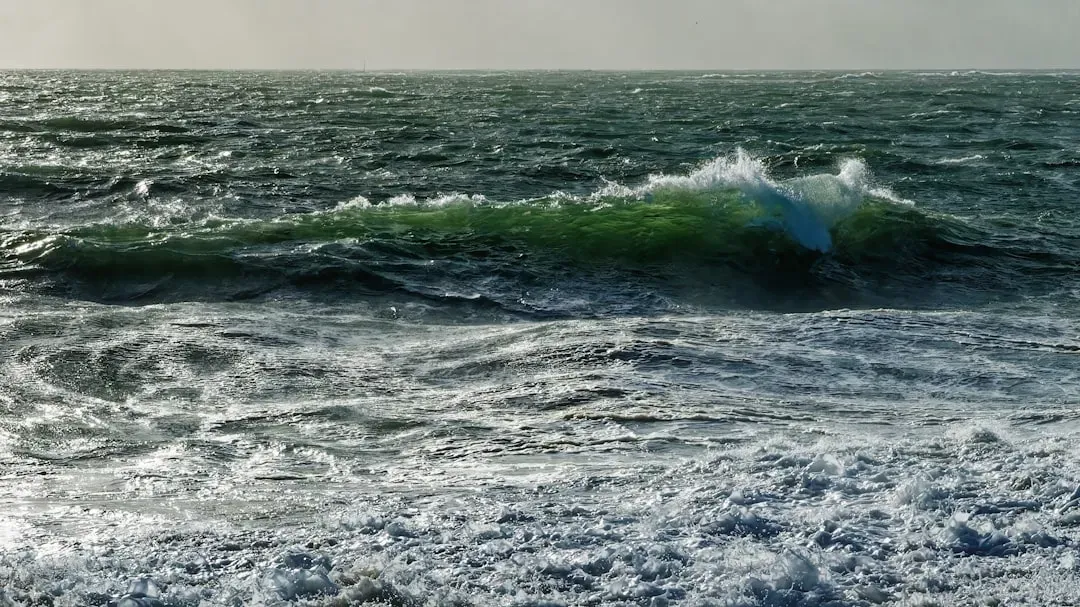
We tend to imagine dramatic tidal swings everywhere. Big waves, exposed rocks, that iconic image of the sea pulling dramatically back. Yet some bodies of water are almost completely still as far as tides are concerned.
The lowest tides are found in enclosed seas like the Mediterranean or the Baltic. They rise about 30 centimeters (about a foot). That’s barely a ripple compared to the Bay of Fundy’s 52-foot giants. The difference comes down to geography and resonance.
In real life, the Earth isn’t a global ocean covered in an even layer of water. There are seven continents, and that land gets in the way. The continents prevent the water from perfectly following the Moon’s pull. That’s why in some places the difference between high and low tide isn’t very big, and in other places, the difference is drastic. It’s the same force acting on the whole planet, just with wildly different results depending on the local geography.
14. High Tide Flooding Is Now Twice as Frequent as It Was 20 Years Ago
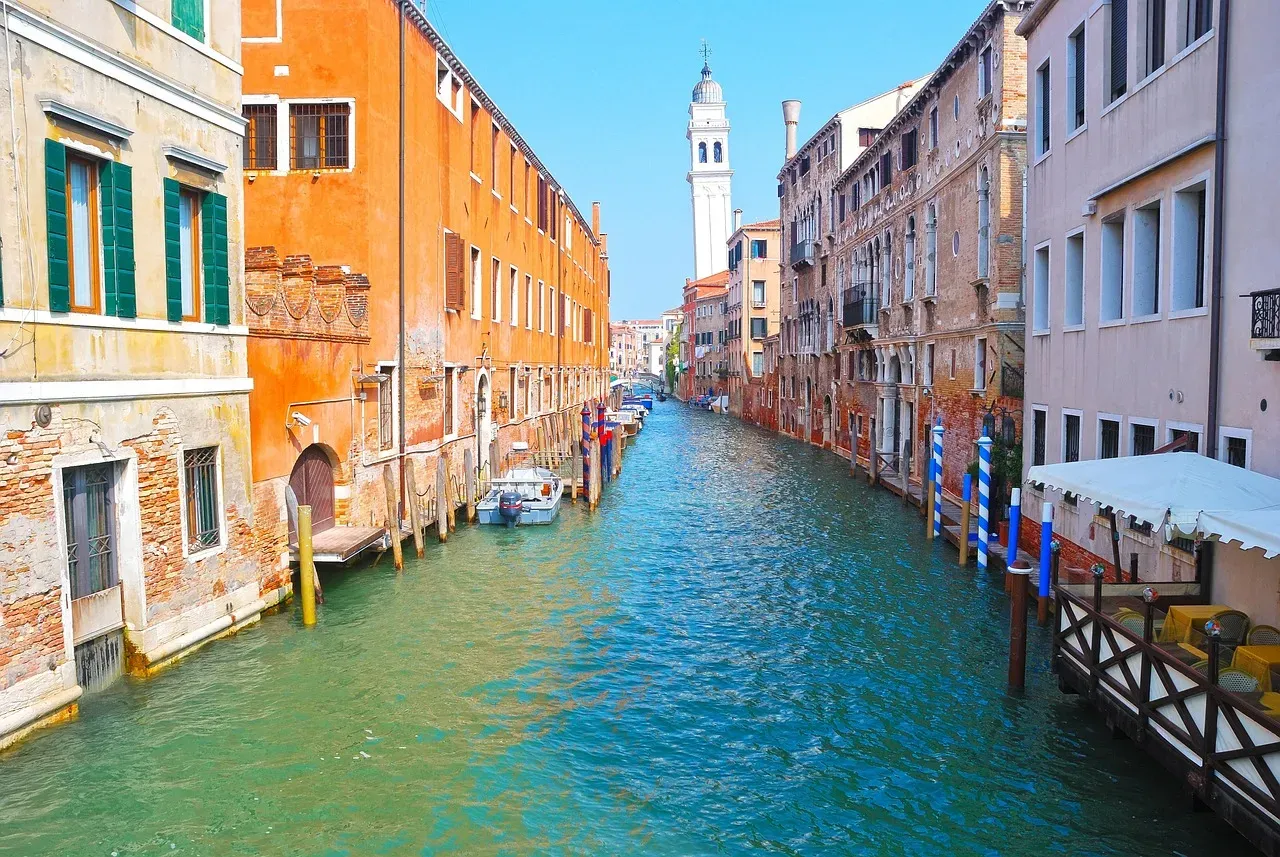
This last fact carries real weight for anyone living on a coast. Tides haven’t changed fundamentally, but what we’ve built around them, and the sea levels rising around them, has changed everything.
Because of rising seas, land subsidence, and the loss of natural barriers, high tide flooding is now twice as frequent in U.S. coastal communities as it was 20 years ago. Predictions from the latest interagency Sea Level Rise Technical Report show that high tide flooding will become more common and more severe over the coming decades. As sea levels continue to rise, conditions that cause minor and moderate high tide flooding today will cause moderate and major high tide flooding by 2050.
Wind and weather patterns also can affect water level. Strong offshore winds can move water away from coastlines, exaggerating low tides – and equally amplifying storm-driven high ones. Tides have always been powerful. Right now, in 2026, that power is getting an assist from climate change.
Conclusion: The Ocean Is Trying to Tell Us Something
Ocean tides are one of those subjects that starts simple and just keeps deepening. A familiar ripple at the beach connects you directly to the Moon’s orbit, the age of our solar system, the future of renewable energy, and the survival of entire ecosystems. That’s remarkable.
What I find most striking is how tides sit at the intersection of the cosmic and the everyday. They are simultaneously a force that moves hundreds of billions of tonnes of water and also something you can feel on your feet while standing at the shore. One system, infinite layers.
The next time you see the tide roll in, remember: you’re watching the Moon pull the ocean, the Earth slow down, and the Moon inch away – all at once. What does that make you feel? Tell us in the comments.
