
Most people picture cities as concrete deserts. Steel towers. Gridlocked traffic. The last place you’d expect to find a mountain lion, a colony of bats, or a hawk circling its nest 30 floors above street level. Yet that picture is increasingly, wonderfully wrong.
Cities across the United States have gone from having little wildlife to filling, dramatically and unexpectedly, with wild creatures. Today, many of these cities have more large and charismatic wild animals living in them than at any time in at least the past 150 years. The reasons are complex, fascinating, and honestly a little humbling for those of us who thought nature had given up on urban life entirely.
Cities, often seen as the antithesis of nature, are revealing themselves as complex ecosystems teeming with life. From peregrine falcons swooping between skyscrapers to beavers engineering dams in drainage canals, American cities are quietly becoming some of the most extraordinary wildlife habitats in the country. Let’s dive in.
1. New York City, New York – The Concrete Jungle That Actually Has a Jungle
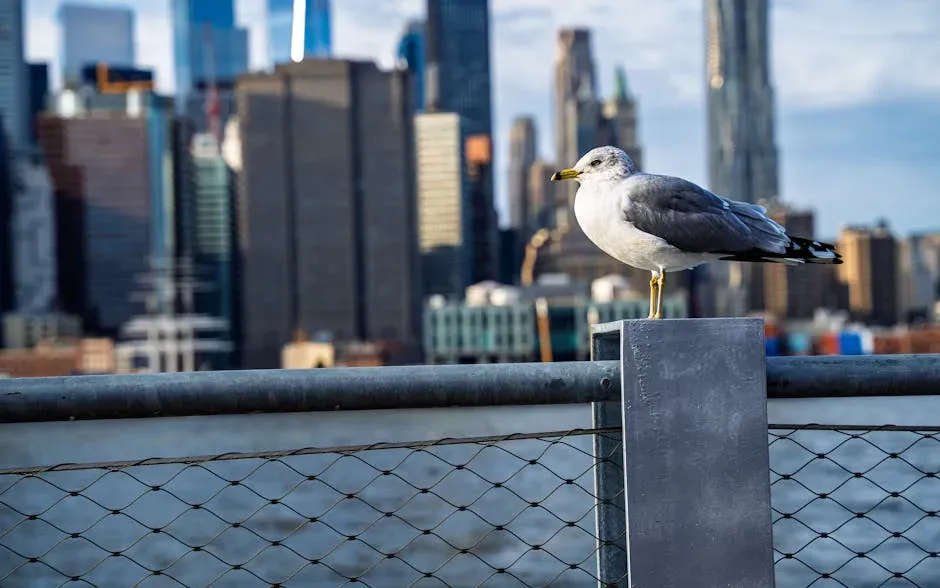
Here’s the thing about New York City. It is simultaneously the most densely packed human environment in America and, shockingly, one of its richest urban wildlife havens. New York City is home to an incredible 168 species of wildlife and more than five million trees. That number stops most people in their tracks when they first hear it.
The Big Apple is teeming with different species and has one of the largest populations of peregrine falcons in the world. Once endangered due to DDT poisoning, peregrine falcons have made one of the most remarkable urban comebacks in wildlife history. These raptors have exchanged their natural cliff-dwelling habitats for skyscrapers and bridges in cities like New York, Chicago, and San Francisco. Urban environments offer abundant prey in the form of pigeons and other birds, while tall buildings mimic the cliff faces they naturally nest on.
Scientists found that the white-footed mice in New York have genetically evolved to better digest human diets like pizza and fast food. It sounds almost comical, but it is a genuine example of rapid urban evolution in action. New York City’s 2024 Urban Wildlife Action Plan introduced measures to shield migratory bird paths and reduce deaths from vehicle collisions, showing the city’s genuine commitment to sharing its space.
2. Chicago, Illinois – The Windy City’s Wild Residents
Chicago gets called the Windy City, but it could just as easily earn the title of the Surprisingly Wild City. Coyotes, flying squirrels, mink and beavers all live in the Windy City, according to the chairwoman of the Urban Wildlife Working Group and assistant director of the Lincoln Park Zoo’s Urban Wildlife Institute. I know it sounds crazy, but flying squirrels in Chicago are real.
Coyotes have been thriving on the streets of Chicago for decades. The Urban Coyote Project focuses on coyote populations in greater Chicago. The research initiative began in 2000 due to increased sightings and a growing fear of conflicts with humans. What was supposed to be a short-term study became a decades-long research effort, which tells you everything about how embedded coyotes have become in Chicago life.
Chicago has introduced numerous green roof initiatives, providing refuge for pollinators and native bird species. The trees in Chicago are a crucial stopover for migratory birds, offering shelter in a region otherwise dominated by vast fields of corn and soybeans. The city’s position along major flyways makes it essentially a wildlife highway in the sky.
3. Los Angeles, California – Cougars, Coyotes, and Hollywood Wildlife
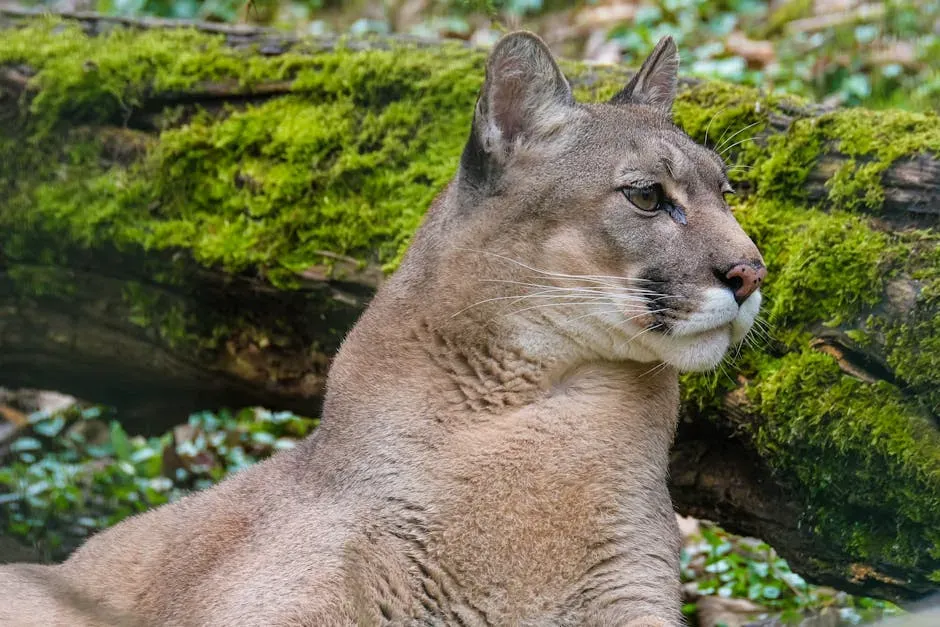
Los Angeles is perhaps the most dramatic example of urban wildlife coexistence in America. Just two cities in the world are home to wild big cats: Mumbai, India, and Los Angeles, California. Studies show there are probably 75 mountain lions living in the Santa Monica Mountains alone. That is not a nature documentary. That is a Tuesday in LA.
Los Angeles and the Santa Monica Mountains are home to a healthy population of mountain lions. The National Park Service has studied lions since 2002 in the LA area and has monitored nearly a hundred individual lions in the region. Coyotes trot through Los Angeles backyards under cover of darkness, so routinely that most Angelenos barely blink anymore.
In Los Angeles, the LA River Wildlife Camera Project is being conducted in partnership with the larger Urban Wildlife Information Network, a Chicago-based consortium of scientists and researchers dedicated to helping cities understand the ecology and behavior of their own wildlife species. The LA River itself, all 51 miles of it, has become an unexpected corridor for urban wildlife moving through the city.
4. Austin, Texas – The City That Belongs to the Bats
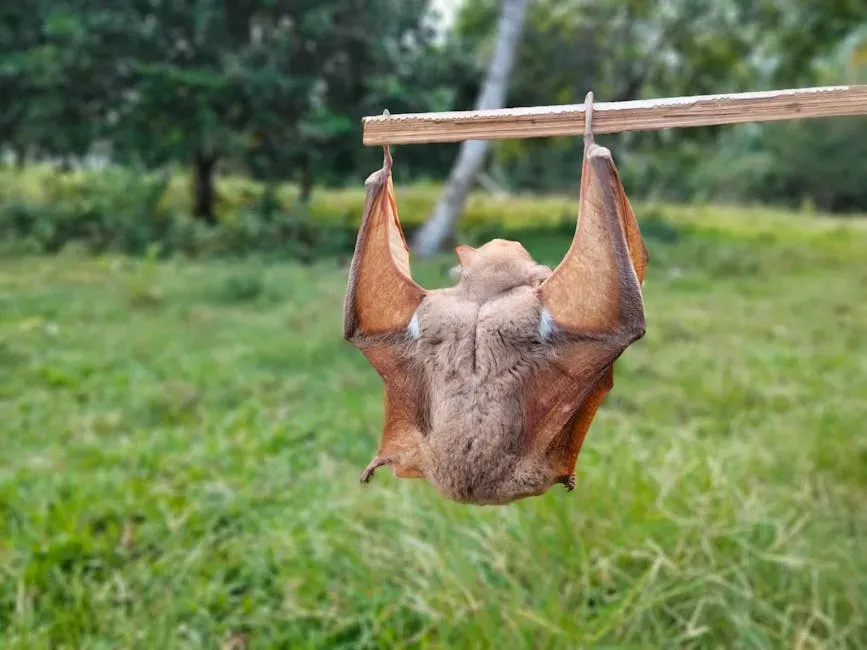
No American city has a more iconic relationship with urban wildlife than Austin. If you’ve ever visited Austin, Texas, and not been bitten by a mosquito, you can thank the 1.5 million Mexican free-tailed bats that live beneath the Congress Avenue Bridge downtown. That is not a typo. One and a half million bats, right in the heart of the city.
The Congress Avenue Bridge is home to the largest urban bat colony in the world. Austin is famous for its breakfast tacos and thriving music scene, but perhaps the city should also be known for having one of the most unusual tourist attractions. From late March to October, about 20 minutes before sunset, up to 1.5 million Mexican free-tailed bats emerge at dusk, having spent the day hiding on the underside of the bridge. The colony usually flies towards Lady Bird Lake.
Famous for its Congress Avenue Bridge that’s home to 1.5 million bats, the city of Austin is certified as a Community Wildlife Habitat. Its residents not only want to Keep Austin Weird, they’re the best in America at keeping their city wild. Honestly, that’s a civic motto worth stealing.
5. Seattle, Washington – Salmon in the City Streets

Seattle feels like a city that genuinely never forgot it was built inside a wilderness. The Emerald City ranks highly in Certified Wildlife Habitats per capita, with more than 30 municipalities and neighborhoods in the area participating in the National Wildlife Federation’s Community Wildlife Habitat program. Seattle’s government has a robust environmental stewardship program and a Green Factor program that reduces stormwater runoff and supports the use of native plants and trees.
Seattle is a great place for whale watching, but salmon are common too. At Ballard Locks, a Seattle neighborhood, you can see the salmon migrating up the fish ladder. Different types of the fish can be spotted in most months but peak times are August, September, July, and March to early April. Watching salmon push through a fish ladder inside a busy city neighborhood is something you genuinely have to see to believe.
The Urban Carnivore Project tracks wildlife in the Seattle area to help residents and local leaders understand their animal neighbors. The project has turned up coyote sightings in nearly every neighborhood, along with reports of bobcats, mountain lions and bears. Bald eagles dive-bomb mallards in tiny neighborhoods and soar with nest-making sticks in the city’s busiest parks.
6. Washington, D.C. – Eagles at the Nation’s Capital
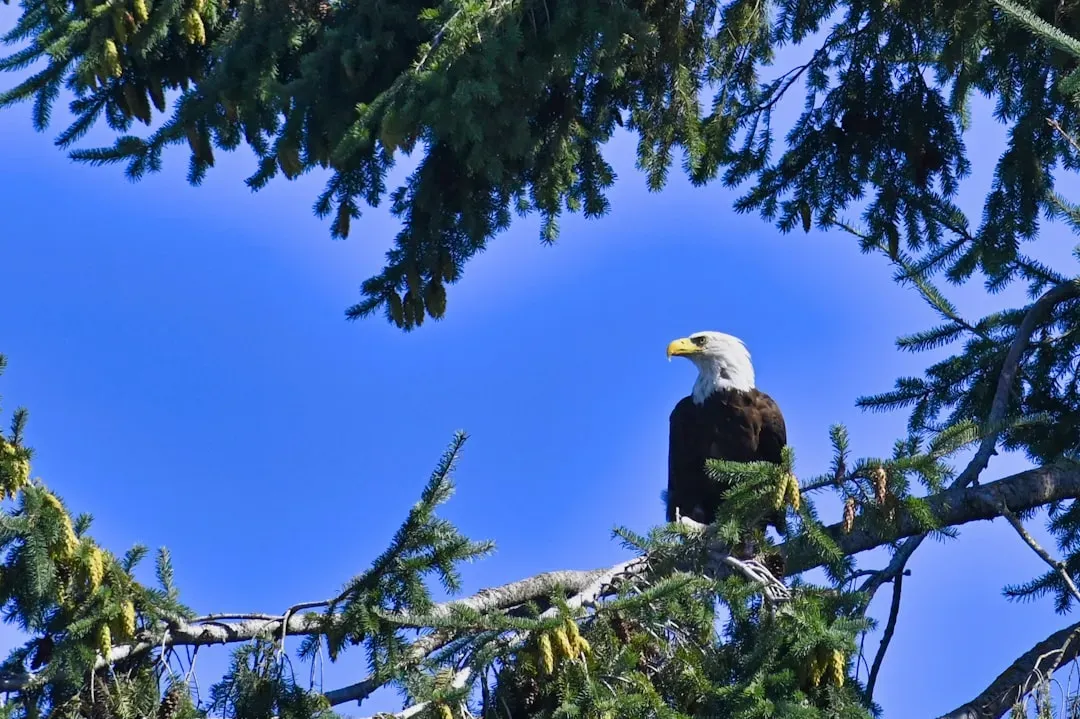
There is something poetic about bald eagles soaring over the city that governs the United States. Due to its proximity to Rock Creek Park, the Chesapeake Bay, and the Anacostia and Potomac Rivers, Washington, D.C. is home to a diverse population of animal and plant life. In total, 240 species of birds, 29 mammals, 21 reptiles, 19 amphibians, and 78 species of fish can be found in the D.C. metro area. That is extraordinary biodiversity for a city of its size.
Washington D.C.’s efforts to protect and preserve parkland have helped restore America’s previously-endangered bald eagles and are now luring osprey back to the Anacostia River. Bald eagles, along with other raptors and birds of prey, help keep rodent, fish, and reptile populations at a safe level. They are not just scenic, they are functionally vital to the city’s ecosystem balance.
Raccoons, red foxes, and black rat snakes eat rats, mice, and other rodent pests throughout D.C.’s neighborhoods. The city essentially runs on a hidden natural pest-control system most residents never think about. It is one of those facts that makes you appreciate wild neighbors a whole lot more.
7. San Francisco, California – Sea Lions at the Pier
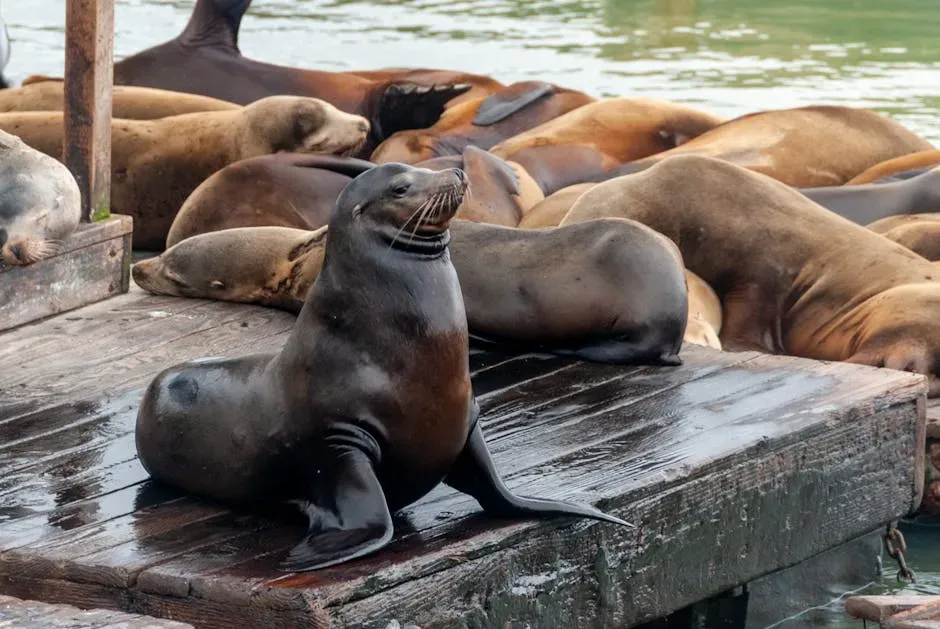
San Francisco has a wildlife story that is impossible to resist. Lazing around on the pontoons at Pier 39 in San Francisco are the city’s resident sea lions. Up to 1,700 gather at any one time, offering a soundtrack of blubbery barking. They are loud, they are smelly, and they are completely magnificent.
They first came to the pier after an earthquake in 1989, lured to the bay by plentiful supplies of herring, sardines and anchovies. What started as a surprising post-earthquake arrival became one of the most beloved urban wildlife spectacles in the country. Peregrine falcons have also exchanged their natural cliff-dwelling habitats for skyscrapers and bridges in cities like San Francisco, adding high-speed aerial drama to an already wild city.
San Francisco’s cherry-headed parrots are another example of wild animals living in the same urban spaces we do. A feral flock of these bright, noisy parrots has made the city’s trees their permanent home, becoming as iconic to some neighborhoods as cable cars and fog. San Francisco has layers of wildlife most tourists never even notice.
8. Atlanta, Georgia – The City in a Forest
Atlanta’s nickname is not accidental. The city of Atlanta’s Climate Action Plan includes a focus on expanding urban parks and green spaces, as well as expanding tree canopy. Atlanta is known as “The City in a Forest” for its large number of trees and its commitment to restoring urban tree canopy to support wildlife and communities. It is genuinely one of the greenest major cities in the country by sheer tree coverage.
Atlanta currently has over 1,000 Certified Wildlife Habitats, with the Atlanta metro area home to multiple certified Community Wildlife Habitats across surrounding neighborhoods and municipalities. That density of certified habitats means wildlife doesn’t just pass through Atlanta. It genuinely lives there, raising young and establishing territories throughout the metro area.
The dense tree canopy creates corridors that allow everything from white-tailed deer to red-tailed hawks to move across the city without ever touching pavement. City parks, tree-lined boulevards, and even vacant lots are much more than pretty scenery – they’re vital refuges for animals on the move. Atlanta understands this better than almost any other American city.
9. Portland, Oregon – A Wildlife Paradise With 300 Species
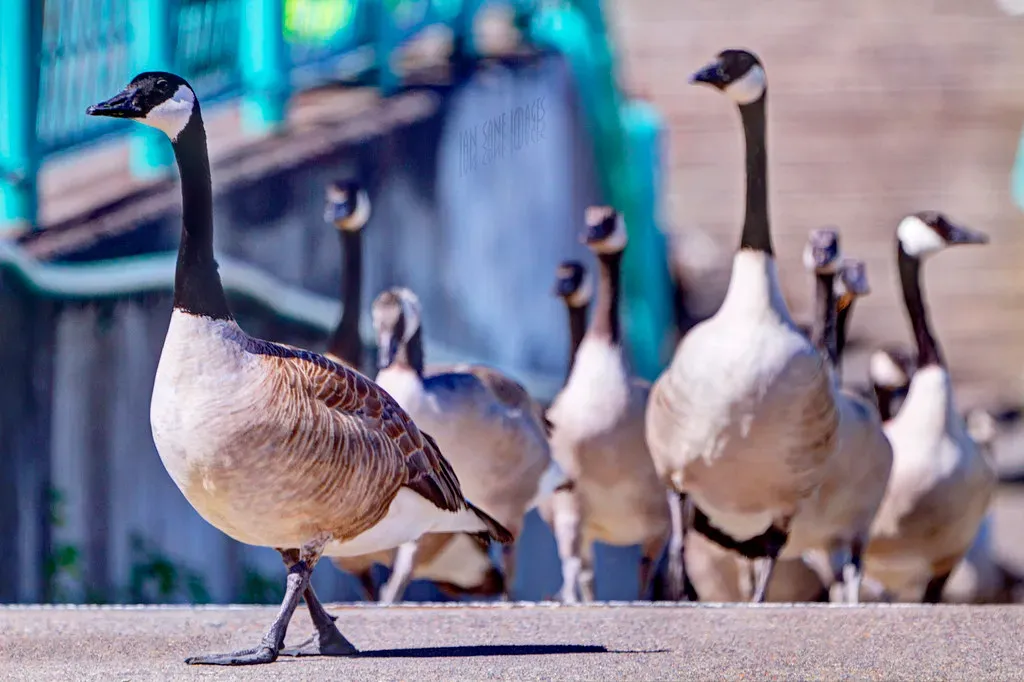
Portland has built a reputation as one of the most nature-conscious cities in America, and its wildlife numbers back that up entirely. With around 300 species of fish and wildlife, Portland is a great city to see critters big and small. Forest Park is the place to head to spot woodpeckers, bees and the red-spotted garter snake.
In September, Vaux’s swifts gather to roost for the night inside the chimney of Chapman Elementary School in northwest Portland, before travelling south for the winter. Hundreds of people gather on the lawn each evening to watch this spectacle, which is one of those small, free, extraordinary moments that cities rarely offer. Portland boasts more than 8,200 acres of natural parkland certified salmon-safe and a commitment to provide nature areas within a half-mile of every Portlandian.
North America’s largest rodents, beavers, have returned to urban waterways across the country, establishing colonies in cities like Chicago, Denver, and Portland. These industrious ecosystem engineers construct dams and lodges along urban streams, retention ponds, and drainage systems, creating wetland habitats that improve water quality and biodiversity. Portland’s urban beavers are quietly building entire ecosystems from scratch.
10. Baltimore, Maryland – Nearly 3,000 Species in an Industrial City
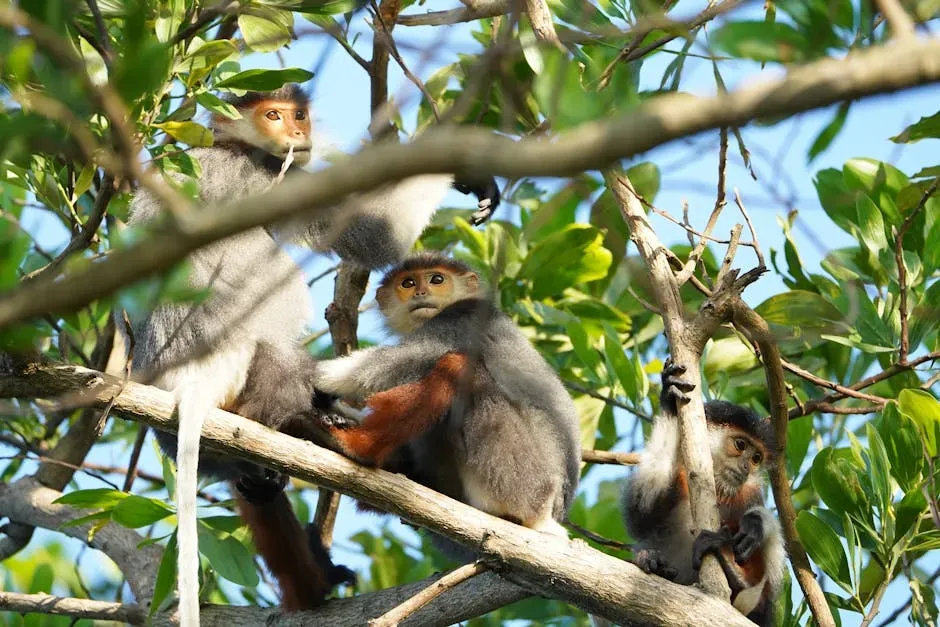
Baltimore surprises people. It really does. The city of Baltimore, Maryland, once an industrial powerhouse, is home to 585,000 people and nearly 3,000 species, 2,000 of which are native and 23 are on the state list of rare, threatened and endangered species. Three thousand species in a city most associated with crabs and crime dramas. Remarkable.
Among wildlife sightings in Baltimore, there have been observations of rare, threatened or endangered species including bald eagles, double-crested cormorants, chimney swifts and yellow-bellied sapsuckers. Masonville Cove, with its 70 acres of water and 54 acres of restored wetlands, is an important habitat and resting stop for wildlife, particularly migratory birds, in the mid-Atlantic region.
Bats are urban adapters and are often found in abandoned buildings and vacant lots in Baltimore, with big brown bats being the most common bat species in the city. Baltimore’s industrial legacy, strange as it sounds, has actually created a patchwork of habitats that wildlife has enthusiastically colonized. Old warehouses, abandoned lots, and restored wetlands together form an accidental wildlife sanctuary.
11. Miami, Florida – Where Alligators Share the Suburbs
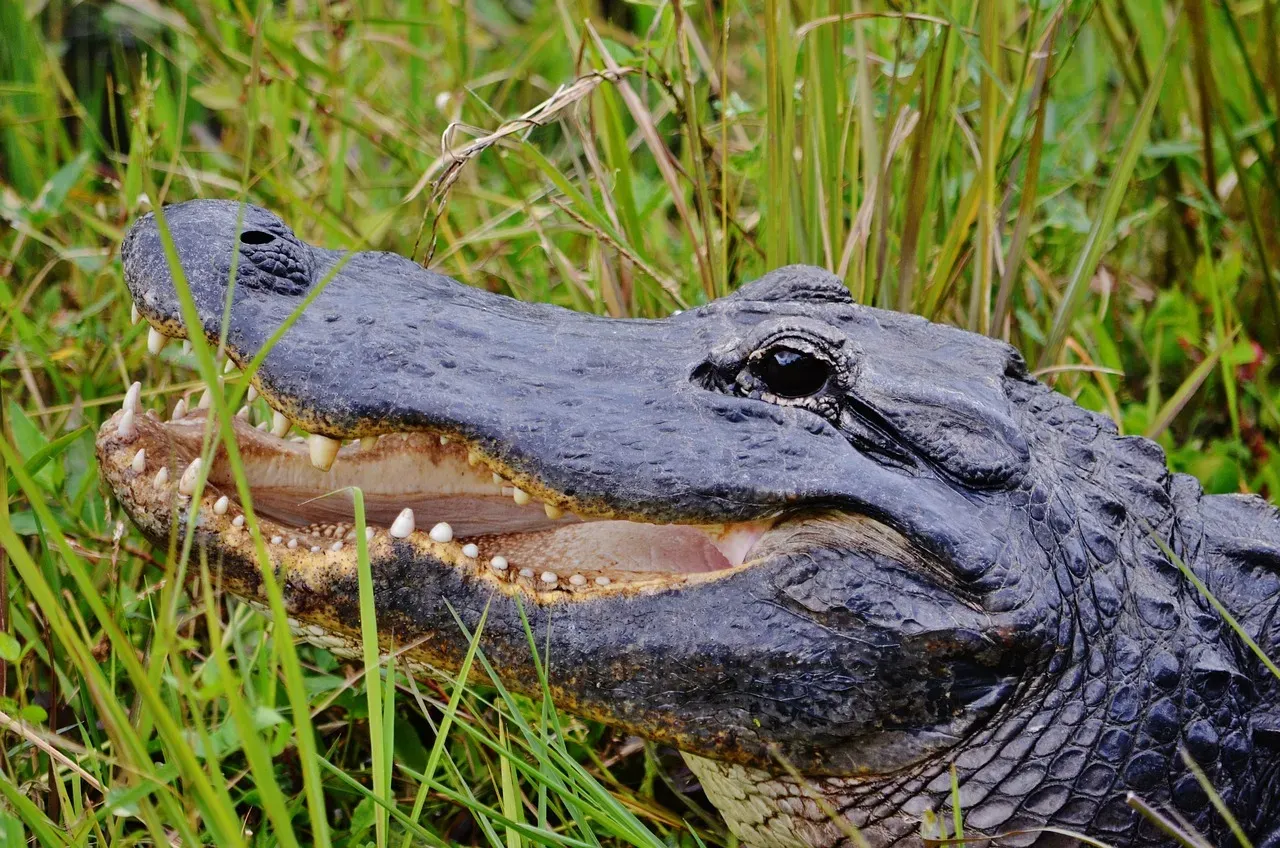
Miami is a city where the concept of “urban wildlife” takes on a genuinely thrilling edge. The American alligator, a once-threatened species saved from extinction through farming and conservation, can frequently be found in the southern United States living in open areas with access to water, such as golf courses and parks, in its native range. Golf courses with alligators as hazards is not a metaphor in South Florida. It is Tuesday afternoon.
Monk parakeets, native to South America, established feral populations in numerous U.S. cities following escapes or releases from the exotic pet trade beginning in the 1960s. Today, substantial colonies thrive in cities including Chicago, Miami, Houston, and New York, with the largest populations in Florida and Texas. Miami’s monk parakeet flocks have become part of the city’s visual and sonic identity.
The sheer diversity of wildlife sharing Miami’s waterways and parks with millions of people is staggering. Urban species are highly varied, from near-ubiquitous raccoons to highly local javelinas in the desert southwest, and the Miami region represents some of the most unique concentrations of wildlife species in any American city. The subtropical climate means creatures that other cities could never support simply thrive here year-round.
12. Denver, Colorado – Wildlife at Mile High
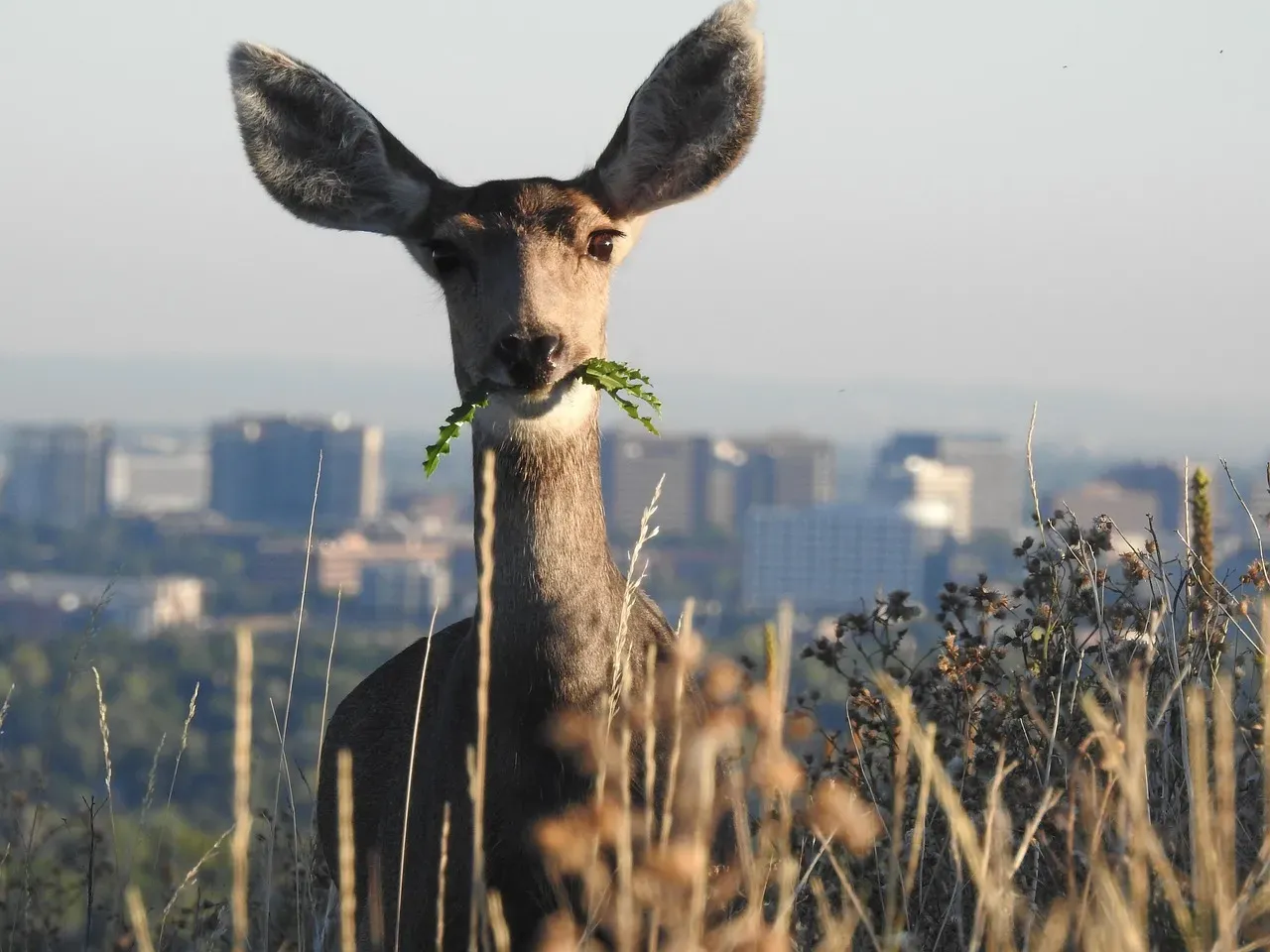
Denver sits at the intersection of the urban West and the wild Rocky Mountain frontier, and the city’s wildlife reflects that perfectly. Walking along a creek near downtown Denver, it is possible to discover a beaver lodge tucked against the bank. These natural engineers don’t seem bothered by nearby traffic noise or pedestrians.
Urban species in cities of the mountainous West, like Denver, include elk occasionally venturing from nearby foothills into suburban neighborhoods during winter months. Scientists say coyotes have proven to be one of the most adaptable species, and they have taken up residence in many large cities, including Denver. Denver coyotes are so well established they have essentially become another layer of the city’s ecosystem, helping control rodent populations across parks and green spaces.
North America’s largest rodents have returned to urban waterways across the country, establishing colonies in cities like Chicago, Denver, and Portland. These industrious ecosystem engineers construct dams and lodges along urban streams, retention ponds, and drainage systems. Denver’s urban creeks and drainage corridors have become surprisingly active wildlife corridors connecting the city to the mountains beyond.
13. Philadelphia, Pennsylvania – Toads, Salamanders, and Ancient Gardens
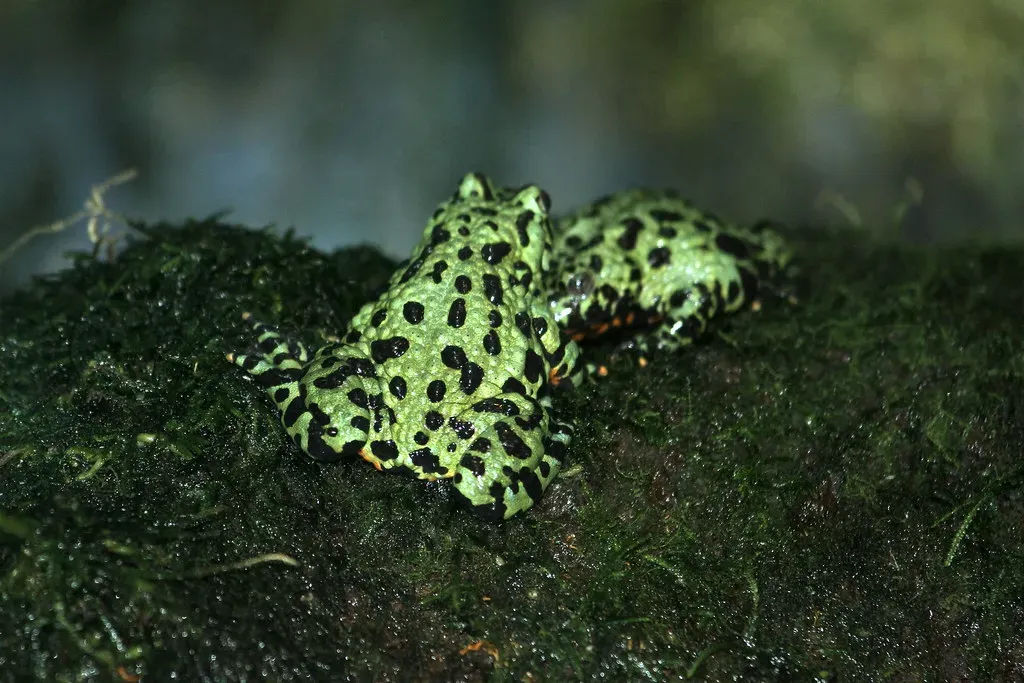
Philadelphia’s urban wildlife story is quieter than some cities on this list, but no less impressive. Home to Bartram’s Garden, the oldest botanic garden in the US, and the Schuylkill Center for Environmental Education, Philadelphia has a proud record of honoring and preserving local wildlife. Expect to see everything from tiny brown snakes behind flowerpots in gardens to red-back salamanders in the woods. On some evenings in spring, an army of toads can be seen heading from the Schuylkill Center’s forest to the Upper Roxborough Reservoir Preserve.
That toad migration, happening in one of America’s oldest cities, is one of those wildlife spectacles that reminds you nature finds a way regardless of zip code. From ant colonies in sidewalk cracks to hawks nesting on skyscrapers, from community gardens to restored wetlands, nature persists in our cities. Philadelphia is proof of exactly that.
Urban green corridors, including tree-lined streets, vegetated pathways, and connected green belts, help link fragmented habitats, allowing animals to move safely across urban landscapes. By connecting parks and natural areas, green corridors create passageways that support the natural movement, foraging, and breeding of various species. Philadelphia’s network of parks and waterways does exactly this for dozens of species.
14. Charlotte, North Carolina – The City That Hoots Back
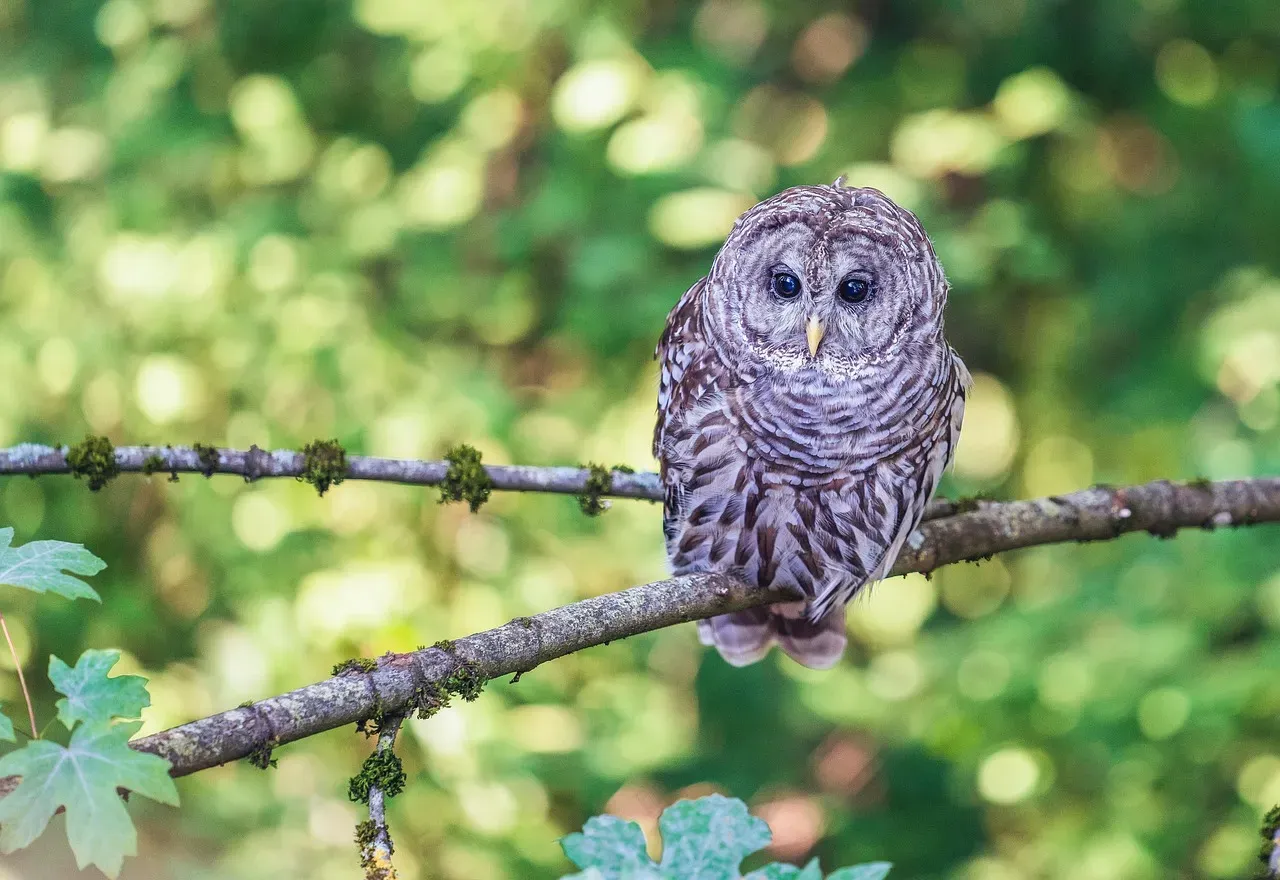
Charlotte might be the most underrated city on this entire list when it comes to urban wildlife. Life in Charlotte, North Carolina, is a hoot thanks to the large population of beautiful barred owls, identifiable by their brown and white striped plumage. You’re most likely to see them in the older neighborhoods that have large trees in which these beautiful birds roost. Barred owls calling back and forth across quiet Charlotte streets at night is one of the most atmospheric urban wildlife experiences in the South.
Developed areas have shown significantly higher or statistically similar mammalian occupancy, relative abundance, richness and diversity compared to wild areas in similar regions, and Charlotte fits this pattern remarkably well. The city’s generous tree canopy supports rich insect communities, which in turn support the raptors, songbirds, and mammals living throughout the urban landscape.
Some animals survive and even thrive in urban environments, with specific adaptations that allow them to make the most out of life in the concrete jungle. Charlotte’s barred owls, with their ghostly calls echoing between houses on quiet evenings, are a perfect symbol of that resilience. Sometimes the wildlife you least expect turns out to be the most deeply rooted.
The Bigger Picture: Why Urban Wildlife Matters More Than Ever
Here’s something worth sitting with. According to the Urban Wildlife Institute’s 2025 survey, nearly seven out of ten city residents now support policies to protect urban animals, reflecting a major shift in public attitudes. People are no longer just tolerating wildlife in cities. They are actively rooting for it. That shift in attitude is genuinely new and genuinely important.
Animals and green spaces provide services like pollination, pest control, and cleaner air, all of which save cities money and improve people’s lives. Studies show that neighborhoods with rich biodiversity have lower levels of stress and higher rates of physical activity. Urban wildlife is not just charismatic. It is delivering tangible, measurable benefits to human health and city budgets alike.
Animals see a habitat with resources, opportunities, and hazards. If a population endures, that suggests the city is providing a suitable habitat. In other words, nature does not stay where it is not welcome. The fact that so many species are thriving in American cities is an honest vote of ecological confidence. The future of conservation isn’t just in distant wilderness – it’s in reimagining our cities as living ecosystems where humans and wildlife coexist and thrive together.
Cities and wildlife were never supposed to be opposites. They never really were. Next time you hear something rustling in the bushes on your evening walk, maybe don’t assume it’s nothing. It could be a fox. A raccoon. A coyote reading the city streets as naturally as you do. Would you have guessed your neighborhood was this wild? Tell us what you’ve spotted in the comments below.

- 10 Signs Your Horse is Truly Happy (And 10 That Say They’re Not) - July 25, 2026
- 14 Ways a Horse Shows It Has Picked You Above Everyone Else - July 25, 2026
- 15 Gentle Signs Vets Look for That Show a Senior Dog Is Doing Well - July 25, 2026