
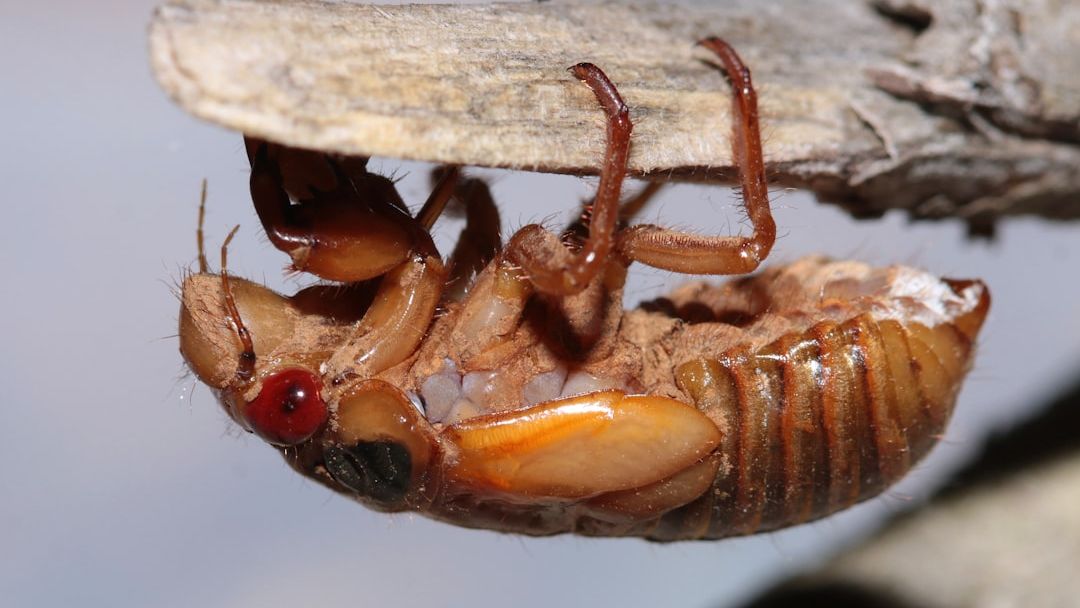
There are few things more unsettling than turning on your kitchen light at night and watching a cockroach dart across the counter. Or spotting a perfectly organized ant trail marching straight toward your sugar bowl like they own the place. It happens to almost everyone at some point, and honestly, it can feel like a losing battle.
Cockroaches and ants are some of the most common pests found in homes. They may seem harmless but can cause serious problems in the form of diseases like E. Coli, Shigella, and Salmonella. That’s not just a nuisance. That’s a genuine health risk living right inside your walls.
The good news? You don’t need to drench your home in toxic chemicals to fight back. There are smarter, safer, and surprisingly effective ways to show these uninvited guests the door. Let’s dive in.
1. Eliminate Their Food and Water Sources First
Here’s the thing – if you leave the buffet open, they will come. Every single time. Food is the single most attractive thing for almost all pests, and ants and roaches are no different. Open food containers and leftovers in the kitchen are an open invitation for them to come and feast.
Cockroaches thrive in environments with accessible food and water. A few small adjustments can make your home far less inviting: wash dirty dishes immediately, vacuum floors to remove crumbs, store food in airtight containers, and wipe down countertops and clean up spills promptly.
Fix water leaks too. Roaches and ants need moisture to survive, so sealing leaks removes a key resource. Think of this step as pulling up the welcome mat entirely. No food, no moisture – no reason for them to stay.
2. Seal Every Entry Point You Can Find

Cockroaches and ants don’t need much of an invitation to get inside. A tiny crack in your baseboards is basically a red-carpet entrance. No matter how clean your home’s interior and exterior are, it will remain a welcoming place for many pests if it’s not properly sealed. It’s important to identify potential entry points and seal them, as they are most commonly situated in foundation cracks, gaps near windows, basements, and holes in siding.
Use caulk to seal baseboards, gaps around faucets and pipes, and entry points near windows and doors. Sealing these areas prevents future infestations and limits hiding places for cockroach species.
It’s a bit like patching holes in a boat. You can bail water all day long, but if you don’t plug the gaps, you’re fighting a losing battle. Start with the kitchen and bathroom, where moisture and crumbs are most common.
3. Harness the Power of Essential Oils

I’ll admit, when I first heard about using peppermint oil against cockroaches, I was skeptical. It sounded a little too “Pinterest solution” to be real. Turns out, there’s genuine science behind it.
Mint oil is effective at repelling cockroaches due to its strong scent and toxicity to the insects. A study conducted by researchers at Auburn University found that mint oil repelled the vast majority of American and German cockroaches throughout their 14-day experiment. Mint oil will also kill cockroaches on contact when mixed at a high enough concentration. The strong scent is believed to be a major factor in its effectiveness, due to cockroaches’ keen sense of smell.
Essential oils like tea tree or peppermint oil are great natural options for keeping roaches away. Just mix a few drops with water in a spray bottle, then spritz the solution around baseboards, under sinks, and near crevices where roaches might hide. Eucalyptus oil and citronella oil can work just as well, helping to repel pests without using harsh materials. Plus, they leave your home smelling fresh and clean.
Peppermint oil repels ants, roaches, and even spiders thanks to its strong aroma that masks their pheromone trails. One bottle does a lot of heavy lifting.
4. Use Diatomaceous Earth as a Quiet but Deadly Barrier

Diatomaceous earth might have the most complicated name on this list, but its method of action is almost poetically simple. Think of it as microscopic broken glass scattered across the floor. You can’t see it. The bugs can’t avoid it.
Food-grade diatomaceous earth is a natural way to tackle cockroaches without harsh materials. This fine powder dehydrates roaches by damaging their exoskeletons, ultimately killing them. Sprinkle food-grade DE in problem areas such as under appliances, along baseboards, or anywhere else you’ve spotted activity. To keep it effective, reapply the powder after cleaning or if it gets wet. It’s a simple, long-lasting solution to help manage infestations naturally.
Often recommended as a pest control solution due to its non-toxic nature, diatomaceous earth offers compelling benefits. It’s easy to use and is often effective not only for deterring roaches but also ants and other insects.
Diatomaceous earth can be hard on your lungs, so wear a mask when applying, and avoid this product if you have asthma or any other lung concerns. A small precaution worth taking.
5. Fight Back With Boric Acid or Borax
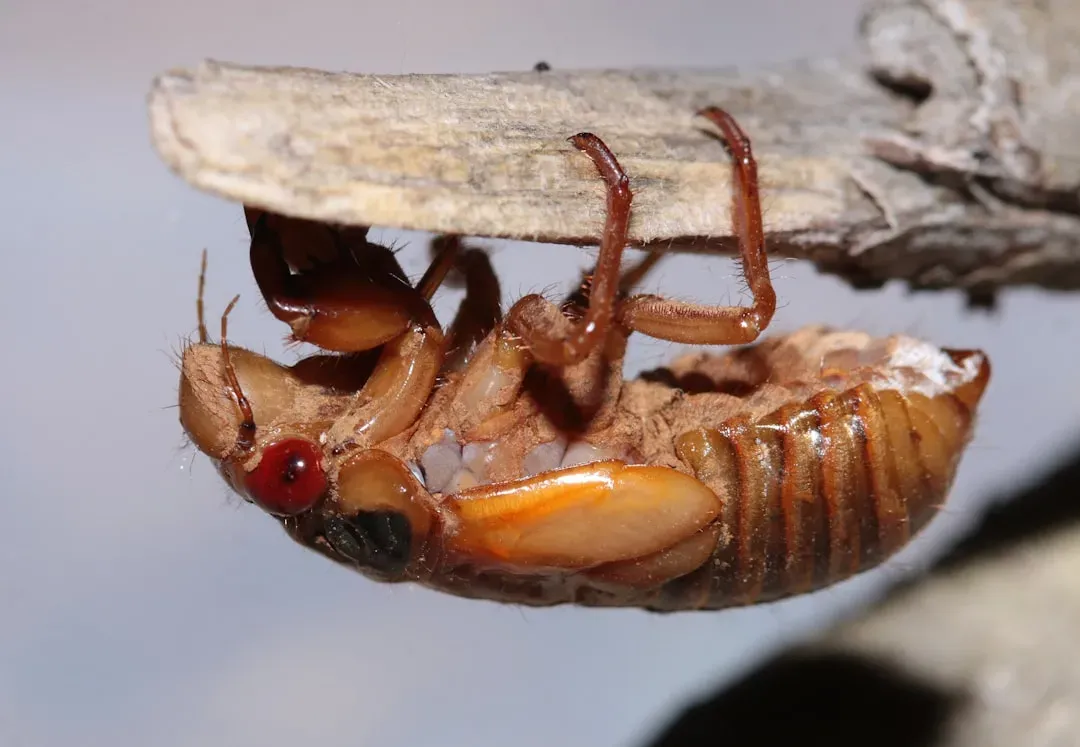
Let’s be real – when natural remedies alone aren’t cutting it, you need something with a little more punch. Boric acid and borax are two of the most time-tested solutions in the entire pest-control toolkit, and they’re still as effective as ever.
Boric acid kills roaches by disrupting their digestive system and metabolism, leading to dehydration and death. Boric acid can also adhere to the roach’s body, contaminating other roaches when they groom each other. That’s a kind of chain reaction that works quietly in the background.
Borax is effective against cockroaches because it acts as a poison in their stomachs and damages their exoskeleton and digestive system. It works by sticking to a cockroach’s legs via static electricity, and once the roach returns to its hiding place, it cleans itself by eating the white powder. Because borax doesn’t attract roaches on its own, it’s important to mix it with sugar to ensure the bugs come into contact with the product.
Borax is also a natural mineral that can be used to kill ants. Mix it with sugar to attract them, and the ants will return the mixture to their nest, effectively killing the colony. Be cautious when using borax around children and pets, as it can be harmful if ingested.
6. Deploy Cinnamon, Vinegar, and Citrus Against Ants
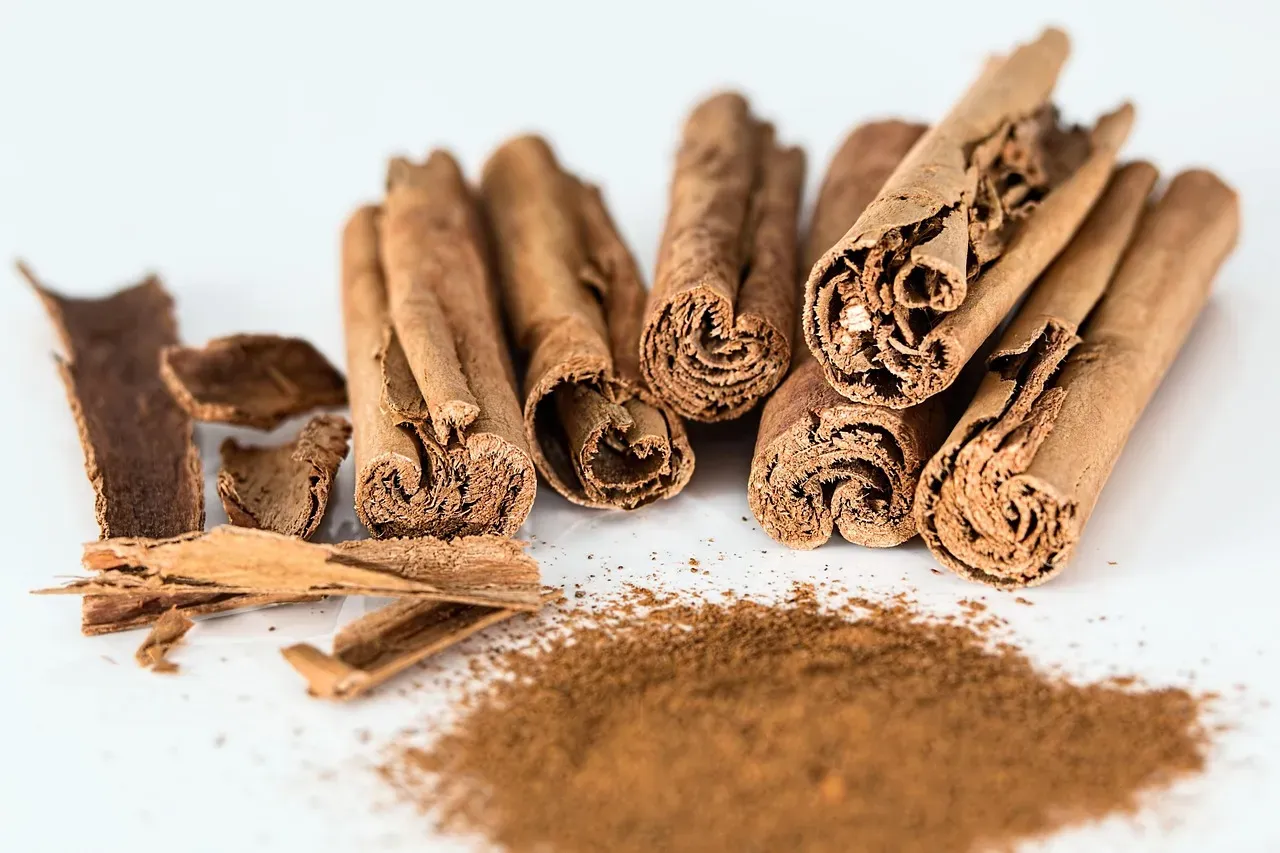
If ants are your primary problem, your spice rack and pantry might be your best first line of defense. These are not just culinary staples. They’re chemical warfare in disguise.
A vinegar solution is a simple and effective home remedy to deal with ants. Mix equal parts of water and white vinegar in a spray bottle and apply it to ant trails, entry points, and nests. The strong smell of vinegar disrupts the ants’ scent trails and deters them from returning.
Cinnamon is often regarded as an effective, non-toxic DIY ant control option. It is believed that cinnamon acts as a natural repellent because ants cannot stand the smell. If an ant inhales cinnamon, it can suffocate and die. Sprinkle it anywhere you’ve spotted ant trails, especially near door frames and windows.
Citrus peels, including orange, lemon, and grapefruit, naturally deter ants while also freshening your home. Place them near entry points and replace them every few days. It’s almost too easy, honestly.
7. Try Bay Leaves and Coffee Grounds for Long-Term Deterrence
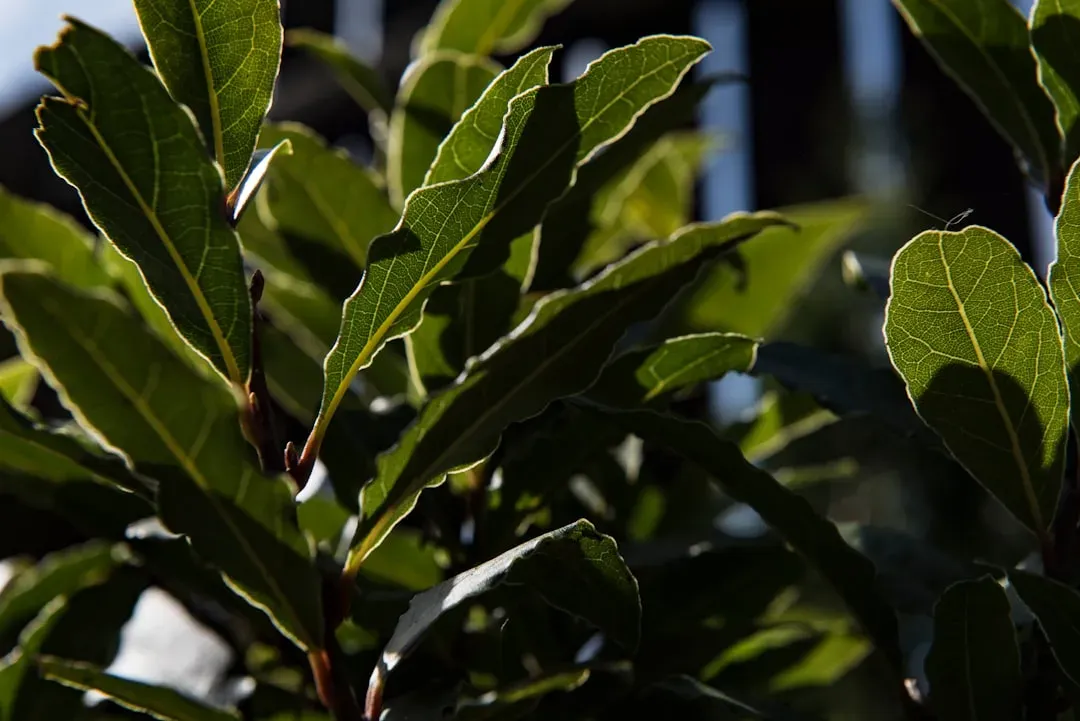
Some of the most underrated pest deterrents are things sitting in your kitchen cabinet right now. Bay leaves and used coffee grounds are prime examples of household items that punch way above their weight class.
Crushed bay leaves emit a scent that cockroaches dislike. Scatter the leaves in places with roach sightings or along pathways they frequent. While bay leaves won’t kill roaches, they can help reduce infestations in pantries and other storage areas.
Used coffee grounds can repel ants due to their strong smell. Sprinkle the grounds around the perimeter of your home and in areas where you’ve seen ants. This method is natural and recycles a common household waste product.
It’s hard to say for sure how long either of these lasts before you need to refresh them, but the general rule of thumb is every week or two. The beauty of these methods is that they cost next to nothing and have zero chemical footprint in your home.
8. Grow Pest-Repelling Plants Around Your Home

This one might be the most satisfying approach on the whole list. Instead of treating a problem after it starts, you’re creating a living, breathing barrier that works around the clock. Honestly, I think this is massively underused by most homeowners.
Certain plants are natural ant repellents and can help keep these pests at bay. Planting herbs like mint, basil, and lavender around your home can deter ants due to their strong scents.
Lavender oil, and by extension lavender plants, is loved by humans but genuinely hated by insects, making it perfect for bedrooms and living areas. Place potted mint near entryways and windows. Tuck basil on kitchen windowsills. It’s both functional and beautiful.
Certain plants are highly effective natural ant repellents. Planting herbs like mint, basil, and lavender around your home can deter ants effectively due to their powerful scents. Think of it as nature’s invisible fence. No electricity required.
Conclusion: Take Back Your Home, One Step at a Time
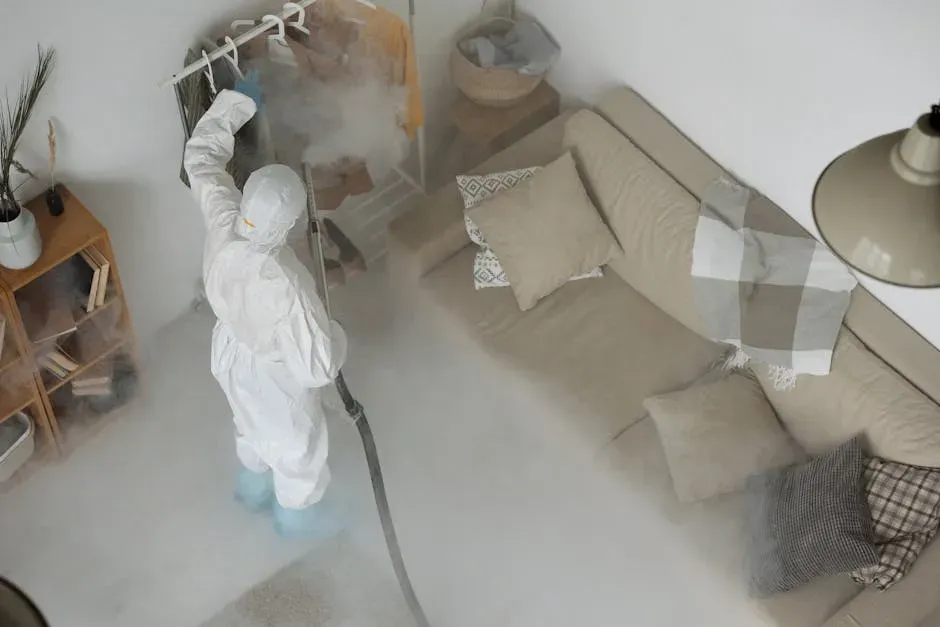
Fighting cockroaches and ants doesn’t have to feel like an endless, chemical-soaked war. The truth is, most infestations can be significantly reduced or entirely eliminated by combining just a few of the methods above. Start with the basics: eliminate food sources, seal entry points, and layer in natural deterrents like essential oils, diatomaceous earth, and strategic plants.
Natural ingredients can disrupt breeding cycles without creating chemical resistance, which means they actually get more effective over time rather than less. That’s a remarkable advantage over many commercial sprays.
Be consistent. These methods work best when applied regularly, not just once after a sighting. The moment you let your guard down, those resourceful little invaders will find their way back in.
Here’s your takeaway: the most powerful pest strategy isn’t one dramatic solution. It’s the quiet, consistent combination of several small ones. So, which of these eight methods will you try first in your home?
