
Wolves have been misunderstood for centuries. They’ve been cast as the villain in fairy tales, painted as a threat to livestock, and feared by entire cultures. Yet the more science looks at them, the more extraordinary they turn out to be – and honestly, a lot of what most people think they know about wolves is simply wrong.
There’s a deeply layered world behind those golden eyes, a world of family loyalty, ecological power, emotional intelligence, and survival strategies that rival almost any other creature on earth. The 13 facts below aren’t just interesting trivia. They genuinely challenge the wolf’s reputation and invite you to see this misunderstood predator in a completely different light. Let’s dive in.
1. Wolves Mate for Life – and They Mean It
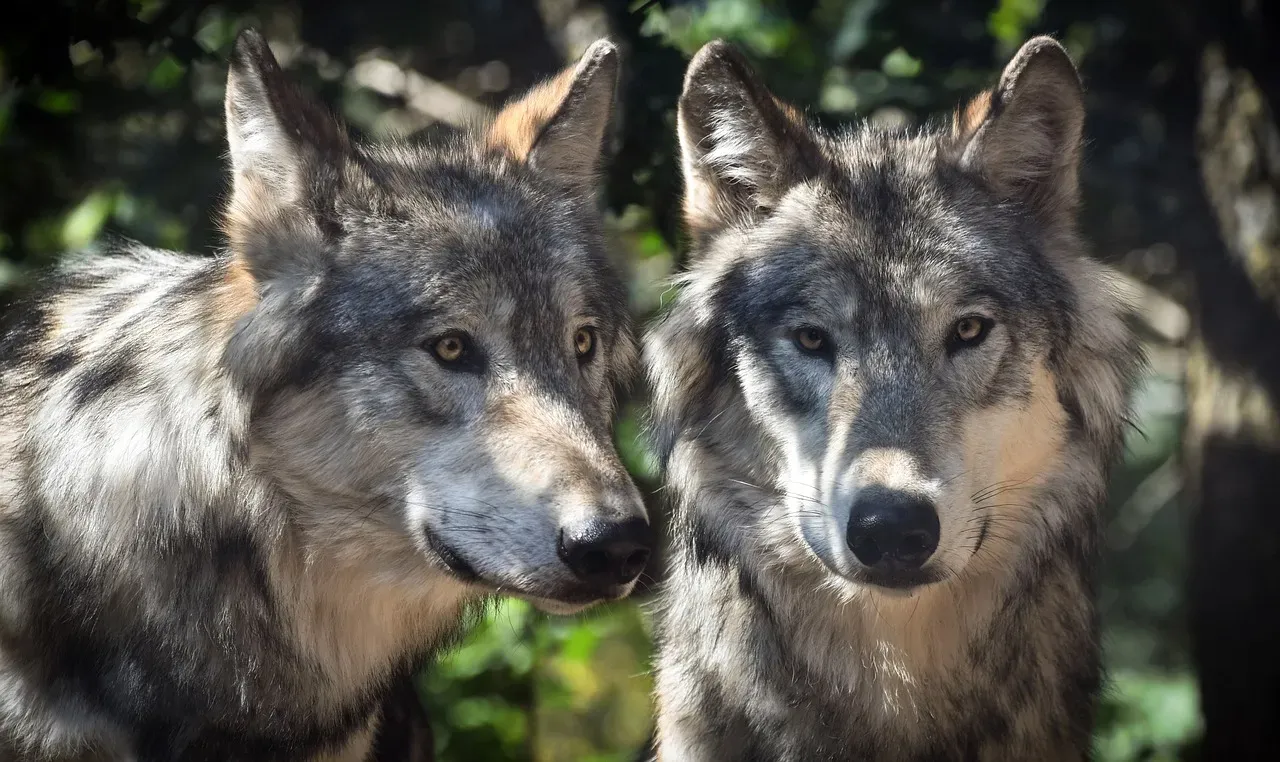
If you’ve ever been cynical about lifelong loyalty, wolves might restore your faith. Once wolves find a partner, they mate for life, which forms the very basis of their wolf pack and family unit. This isn’t just a romantic notion – it’s a hard biological and social reality that shapes everything about how a pack functions.
If one wolf of a breeding pair dies, only then will the other wolf seek a new mate. The bonded pair stays remarkably close together – one researcher found that in more than seventy percent of GPS readings tracking wolf pairs, the two wolves remained within 100 metres of each other. Think about that for a second. That’s more than most humans manage.
Wolves develop such strong social bonds with their family and loved ones that they have been known to sacrifice themselves for the survival of the pack. That level of commitment makes most human relationship drama look pretty minor by comparison.
2. The “Alpha Wolf” Is a Myth – and the Scientist Who Started It Wants to Take It Back
Here’s the thing – the entire “alpha wolf” idea that dominated pop culture, leadership seminars, and wildlife documentaries for decades is essentially built on flawed science. The concept of alpha wolves was first introduced in a 1948 publication by Rudolph Schenkel, who described wolf pack dynamics involving fierce battles for dominance. The problem is that this research was conducted in captive environments, so it doesn’t reflect the reality of wild wolf pack dynamics.
In the wild, wolf packs are typically family units, consisting of parents and their offspring. These packs don’t have a linear hierarchy with an alpha male and female fighting for dominance. Instead, they work together as a cohesive unit to survive and raise their young.
The biologist who originally popularized the term “alpha,” David Mech, has since revised his views and renounced the concept entirely, even going as far as trying to stop publishers from continuing to print his original book. I think that takes real intellectual courage. Science evolving is a good thing.
3. Black Wolves Are Not Natural – They Come From Dogs
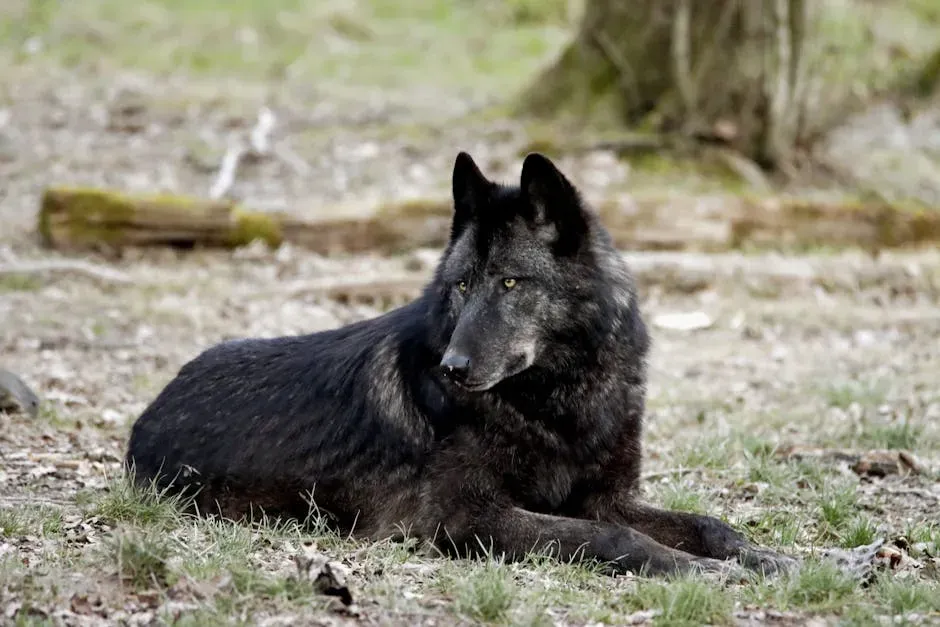
This one genuinely surprised me when I first came across it. You’d think a wolf’s coat color is purely a product of wild nature, right? Not quite. A 2008 study at Stanford University found that the mutation responsible for black fur occurs only in dogs, meaning black wolves are the result of gray wolves having historically bred back with domestic canines. The mutation is a dominant trait and is passed down to the majority of offspring.
It’s not entirely clear what benefit the black coat provides, as black wolves don’t appear to be more successful hunters – but they do show a marked improvement in immunity to certain infections. Black wolves are far more common in North America than anywhere else in the world.
So in a way, every black wolf you’ve ever seen is a walking symbol of the long, tangled relationship between wolves and dogs. Nature is rarely as clean-cut as we imagine it to be.
4. Wolves Don’t Actually Howl at the Moon
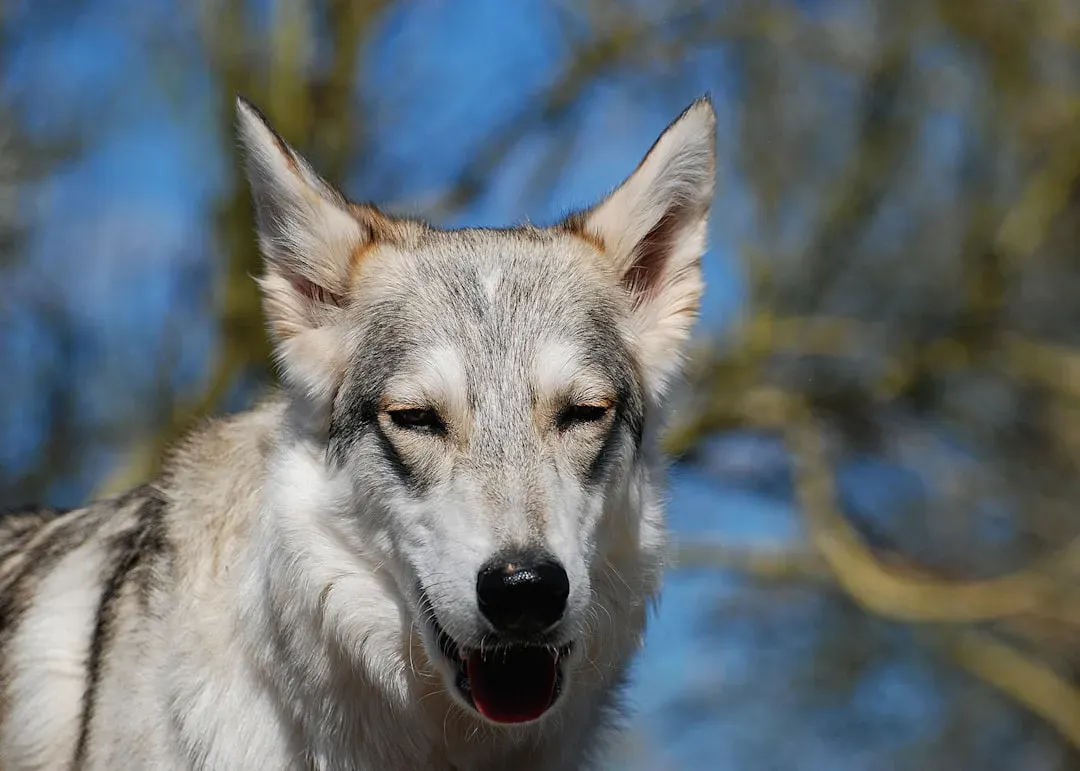
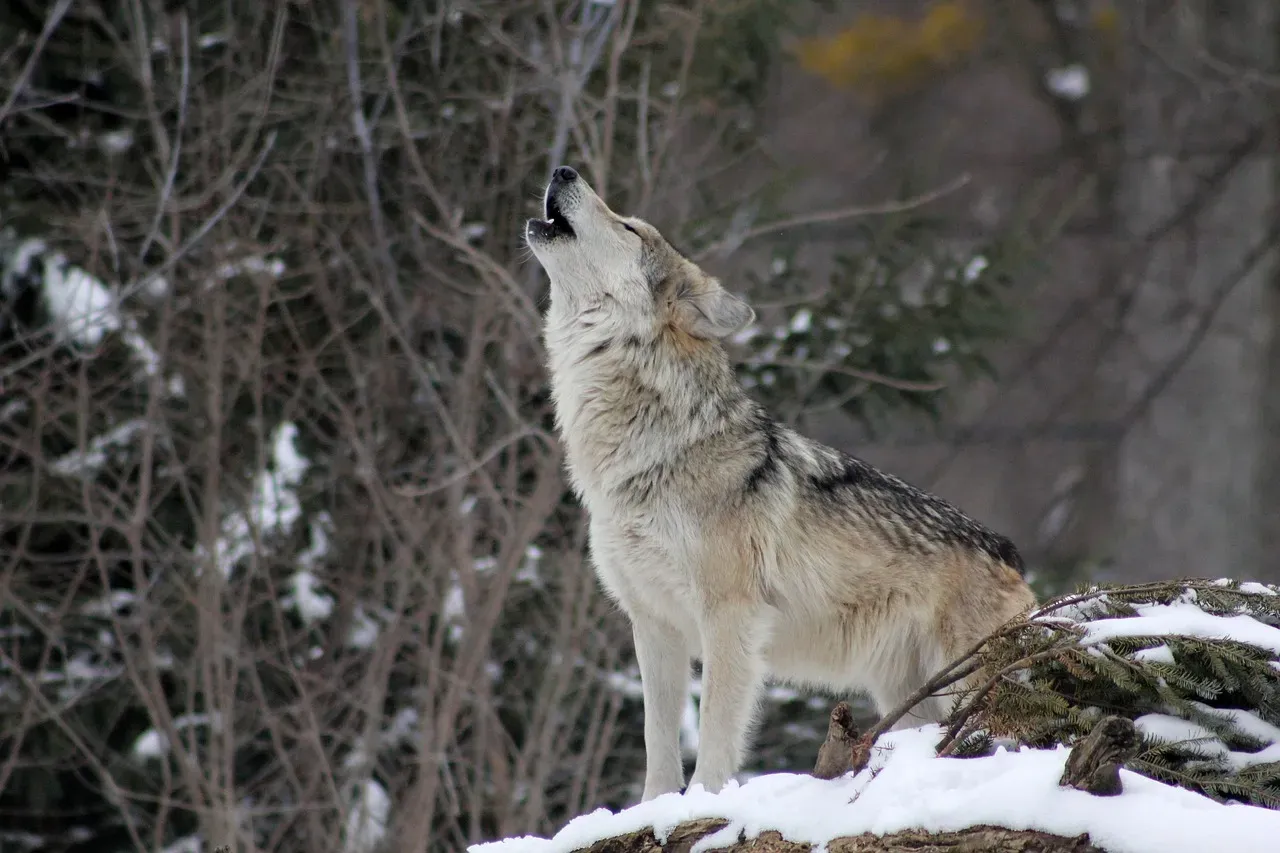
It’s one of the most persistent images in animal mythology – a lone wolf silhouetted against a full moon, letting out a mournful howl. Poetic. Atmospheric. Also largely untrue. Wolves aren’t actually known to howl at the moon. Howling is, however, a deeply important part of their communication, allowing them to maintain contact with their pack and other wild wolves even when separated by long distances. Wolves can hear howls from as far as 16 kilometers away.
Each wolf has a distinct howl, used to defend territory, locate pack members, and convey messages. Think of it like a fingerprint made of sound. No two wolves sound exactly alike, and the pack uses these vocal signatures the way we use phone numbers.
When it comes to territory, inter-pack howling can help wolves identify the size and strength of different packs, often determining whether to attack or retreat. That’s not romance – that’s military strategy.
5. Wolf Packs Function Like Families, Not Armies
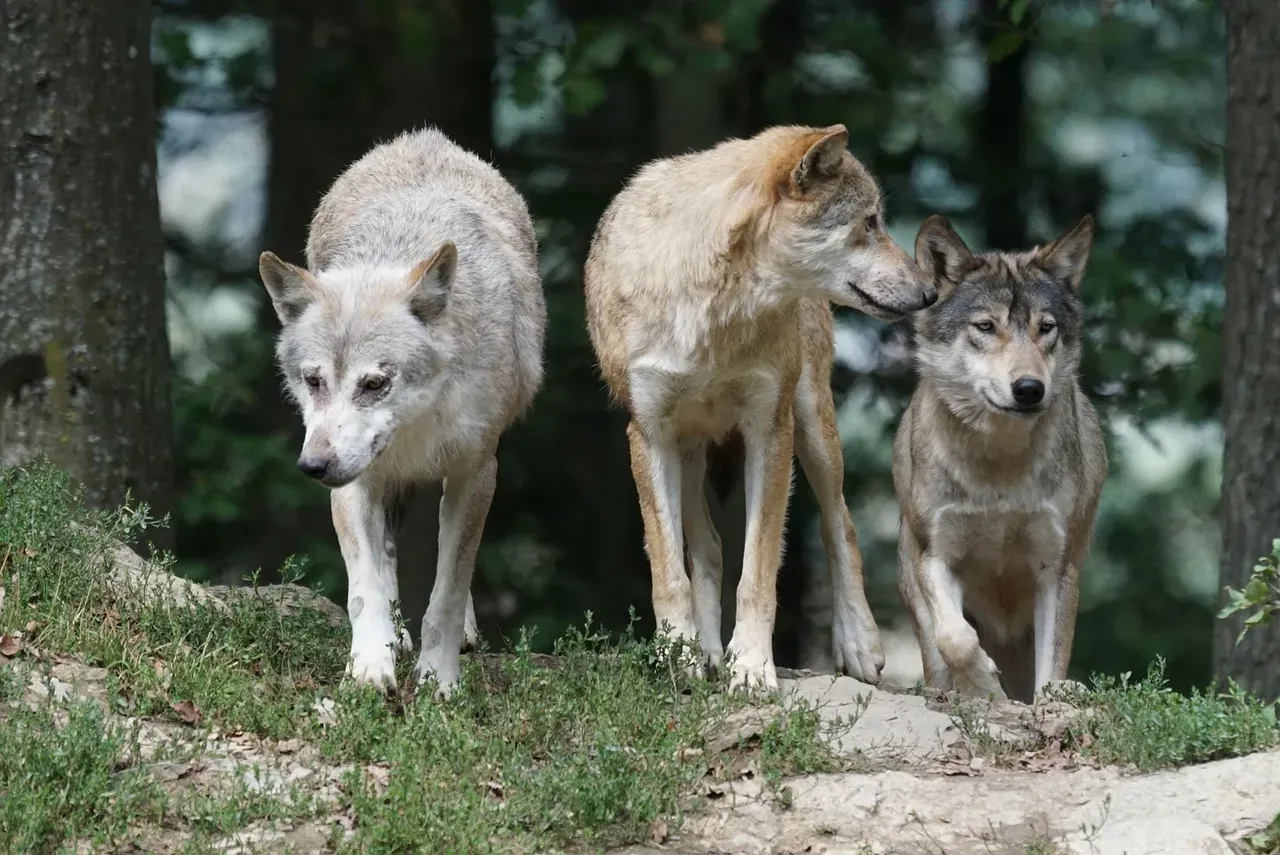
Terms like “beta” and “alpha” to describe wolf dynamics have fallen out of use among researchers, who have discovered that wolf packs function more like a family than a strict hierarchy. This is one of those facts that, once you know it, completely reframes everything you thought you understood about pack dynamics.
Younger wolves don’t challenge the oldest male for dominance of the pack – they leave when they’re old enough to start their own packs. The pack generally consists of the dominant pair’s offspring from the past two to three years. The youngest pups submit to their older siblings, but parents will feed the youngest pups before the older offspring when food is scarce.
Older wolves, as more experienced hunters, share hunting strategies and techniques with younger wolves, passing down knowledge from one generation to the next and maintaining a culture unique to that pack. A family with traditions, with knowledge passed down through generations – does that sound familiar?
6. Wolves Apologize After Fights
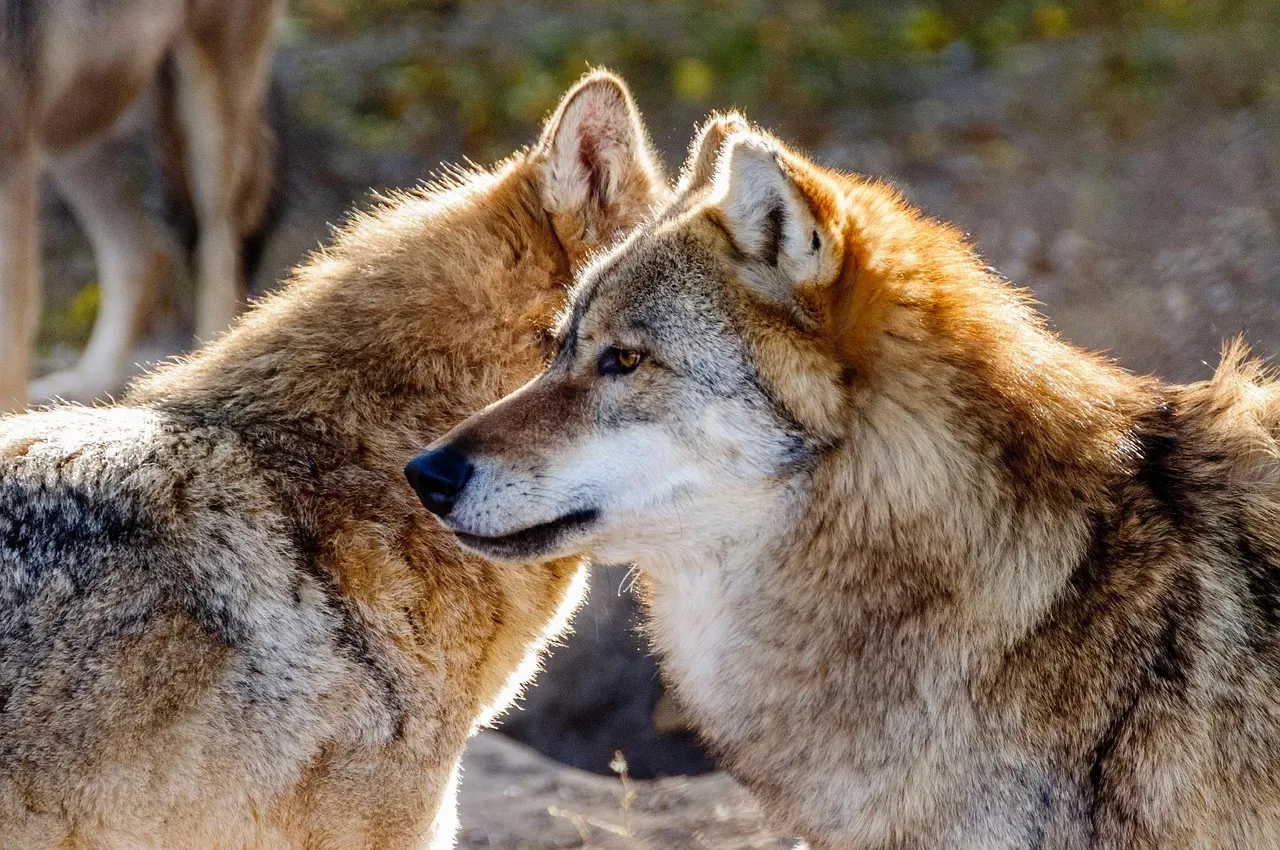
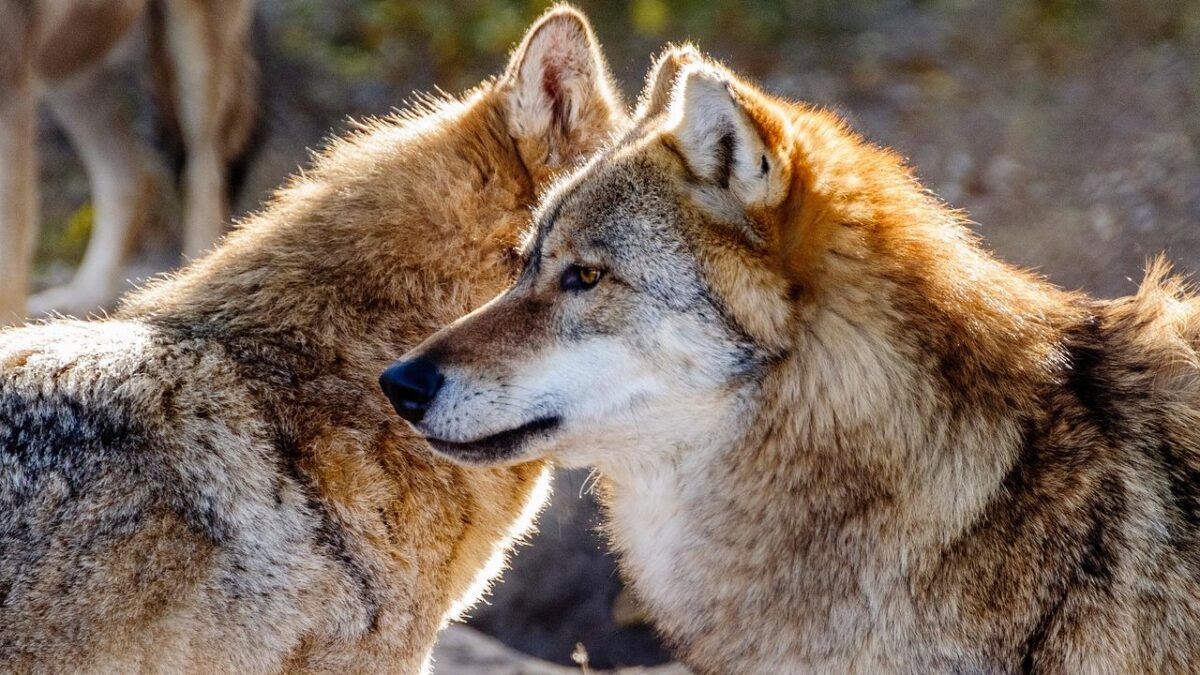
You might think of conflict resolution as a very human trait. Wolves, it turns out, have been doing it for millennia. After a fight, subordinate wolves will actually attempt to reconcile with their more dominant pack mates. Immediately after a conflict, subordinate wolves will often touch noses and lick their more dominant pack mates. Researchers think this nose-touching behavior is a way of apologizing and asking for forgiveness – it’s their way to resolve conflict, reduce tension, show respect, and prevent further violence.
The more heated the fight, the greater the number of friendly behaviors that followed, including nose touching, licking, and body contact. These are animals actively working to keep the group together after things go wrong. That’s social sophistication most people never credit them for.
Wolves can make peace after aggression, console victims of a conflict, and calm down aggressors. Honestly, it sounds like better conflict management than what plays out in many workplaces.
7. Wolves Are Physically Larger Than Most People Realize
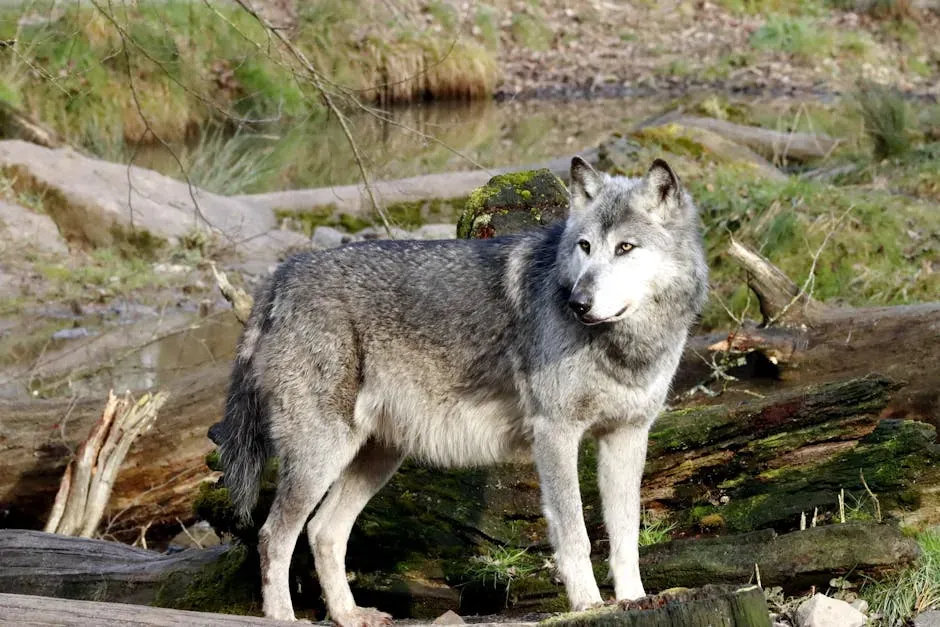
We tend to imagine wolves as big dogs. The reality is a bit more humbling. Wolves are larger than most people realize. Gray wolf adults stand about 30 inches tall at the shoulder and measure up to 6 feet in length, including the tail. That’s a serious animal.
Depending on the species and region, males are typically larger than females and weigh between 70 to 145 pounds. Meanwhile, this size contributes to their ability to sprint at speeds of 36 to 38 miles per hour for short distances. For context, that’s faster than most cyclists on a flat road.
A wolf’s paw print is striking enough to make the hair on the back of your neck stand on end. The average wolf’s foot size is comparable to an adult human hand, at 4 inches wide by 5 inches long. Next time you think of a wolf as a large dog, reconsider.
8. Wolves Share the Love Hormone With Humans
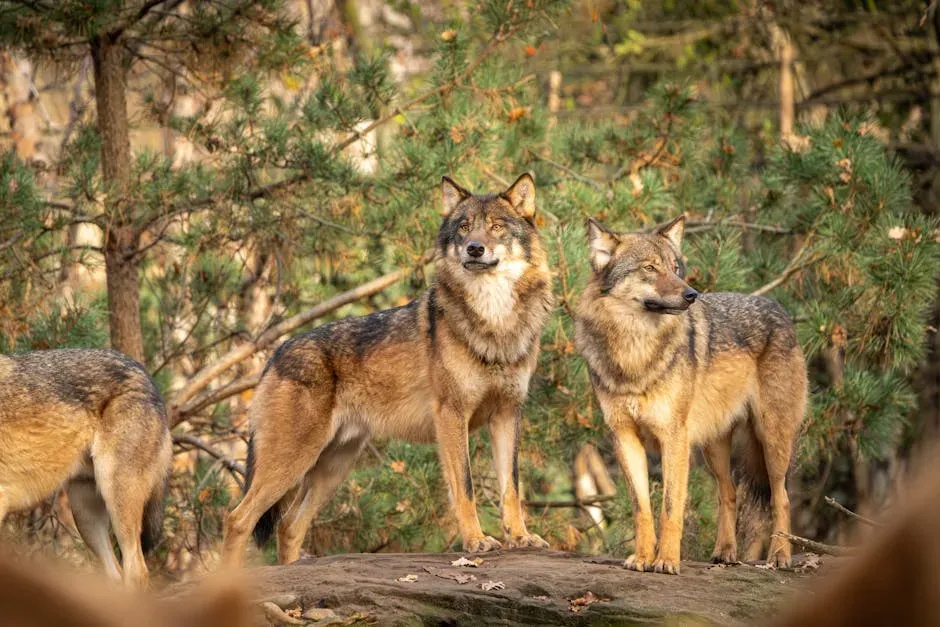
It’s hard to say for sure what wolves “feel,” but here’s a fact that genuinely blurs the line between human and animal emotional experience. Humans and wolves share the same hormone, oxytocin – often called the love hormone. Oxytocin can release in father wolves when they play with their pups, and this is true for the pups as well.
Wolves show compassion similar to humans. Like in human families, older wolf siblings will often let younger wolves win while roughhousing. They understand, at least to some extent, that the little ones will feel demotivated and unwilling to play again if they always lose.
There’s something deeply moving about that. These are predators, apex hunters built for survival in some of the harshest environments on earth – and yet they’re deliberately going easy on their little siblings to keep them emotionally engaged. That’s empathy. Real, observable empathy.
9. Wolves Can Adopt Orphaned Pups – Unlike Nearly Any Other Predator
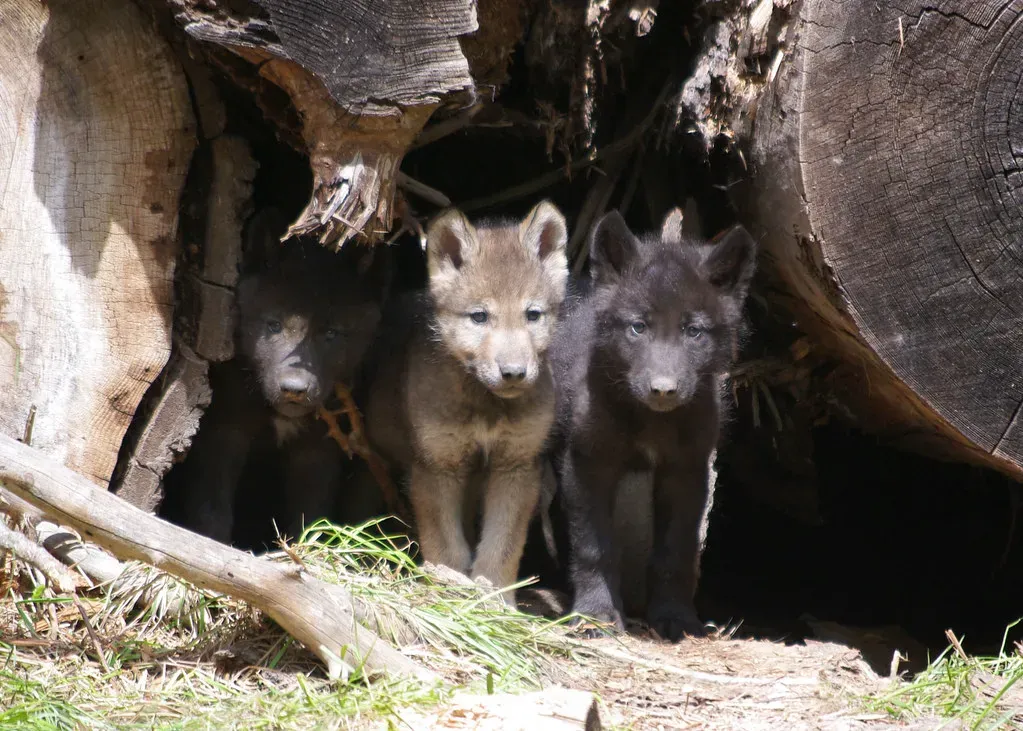
Most large predators operate on cold, instinct-driven logic when it comes to the young of rivals. Wolves are a striking exception. Alpha wolves will adopt orphaned pups, which is unlike almost any other predator in the world. For most predator species like tigers and lions, the normal behavior for a new male taking over a pack would be to kill the prior male’s young and breed the female. However, a male alpha wolf will help raise the young of the prior male.
Every adult wolf in the group participates in pup-rearing, not just the parents. That kind of communal care is something we associate with human communities, not carnivores hunting in the wild.
It suggests something profound about wolf social structure – that their sense of family extends beyond blood. That the pack is the unit that matters, and pups within it deserve protection regardless of origin. I find that genuinely remarkable.
10. Wolves Have Up to 38 Subspecies – Many of Which Are Now Extinct
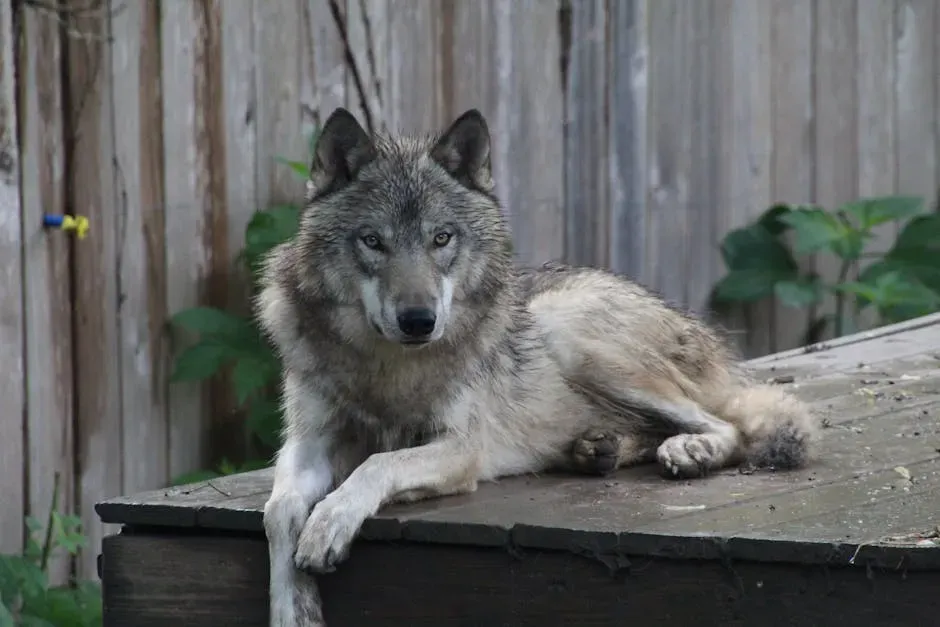
Over millennia, gray wolves have diverged into many subspecies. Though the exact number is often debated by scientists, there are believed to be up to 38 different subspecies of wolf – from the white Arctic wolf to the small Mexican wolf, the vulnerable Iberian wolf, and the high-elevation Himalayan wolf. That is a breathtaking range of diversity within a single species.
A number of gray wolf subspecies have already become extinct, including the Florida black wolf, the Great Plains wolf, the Mississippi Valley wolf, and the Texas wolf, as well as Old World subspecies such as the Japanese wolf, the Hokkaido wolf, and the Sicilian wolf. Each of those extinctions represents an irreversible loss of a unique evolutionary branch.
Gray wolves are one of the most widely distributed land mammals in the world, but many wolf populations are under serious threat. Because they are found in so many ecosystems and sit at the top of the food chain, the health of wolf populations is a key factor in the ongoing health of our planet.
11. Wolves Can Travel Enormous Distances to Start a New Life
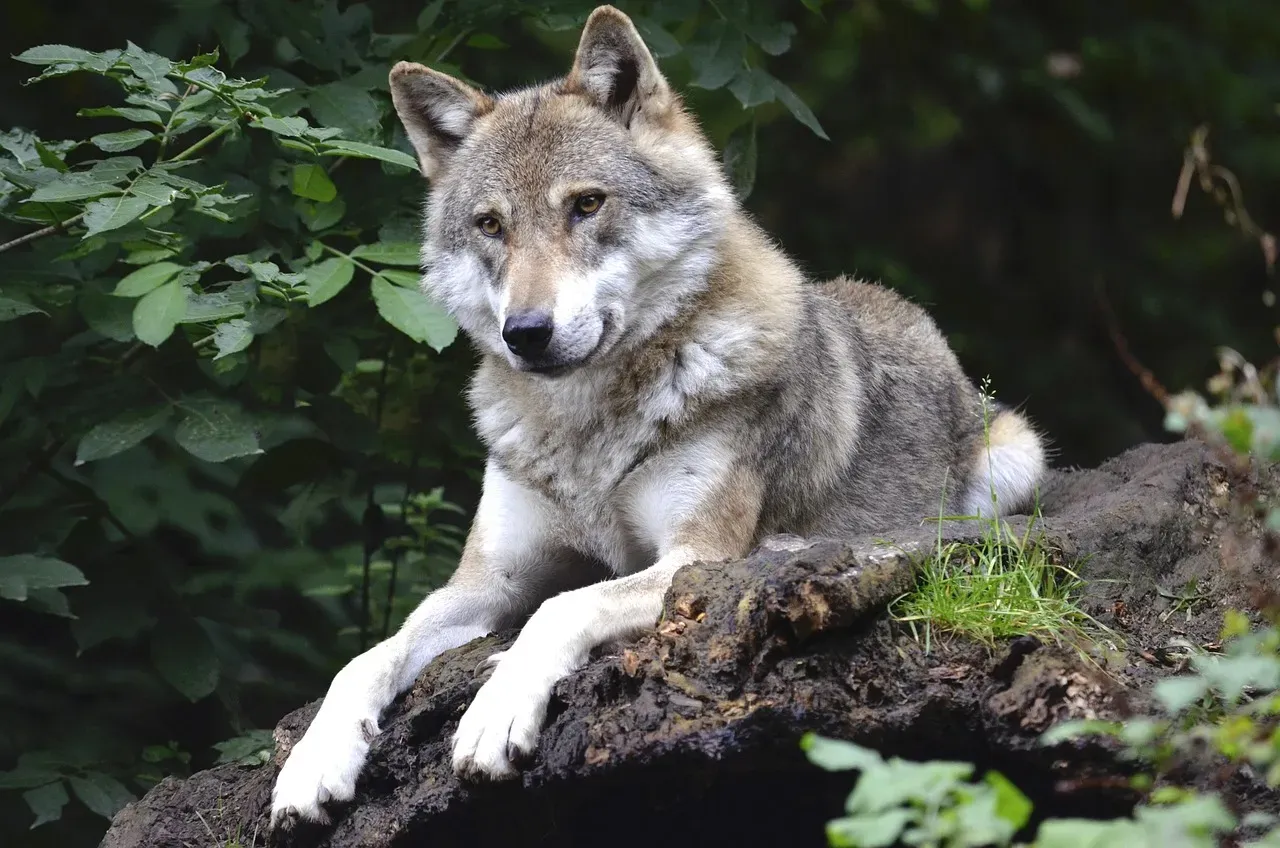
The phrase “lone wolf” conjures up an image of independence and toughness. The science behind it is even more staggering. Dispersal is the primary way wolves colonize new areas and maintain genetic diversity. Wolves have been known to disperse up to 550 miles, but more commonly travel 50 to 100 miles from their natal pack.
Generally wolves disperse when one to two years old as they reach sexual maturity, though some adults disperse as well. At any one time, roughly five to twenty percent of the wolf population may be dispersing individuals. Usually a wolf disperses to find an individual of the opposite sex, establish a territory, and start a new pack.
A lone wolf is a wolf that is searching – and what it seeks is another wolf. Everything in a wolf’s nature tells it to belong to something greater than itself: a pack. The lone wolf isn’t a rebel. It’s someone looking for their people.
12. Wolves Can Eat 20 Pounds of Meat in a Single Sitting
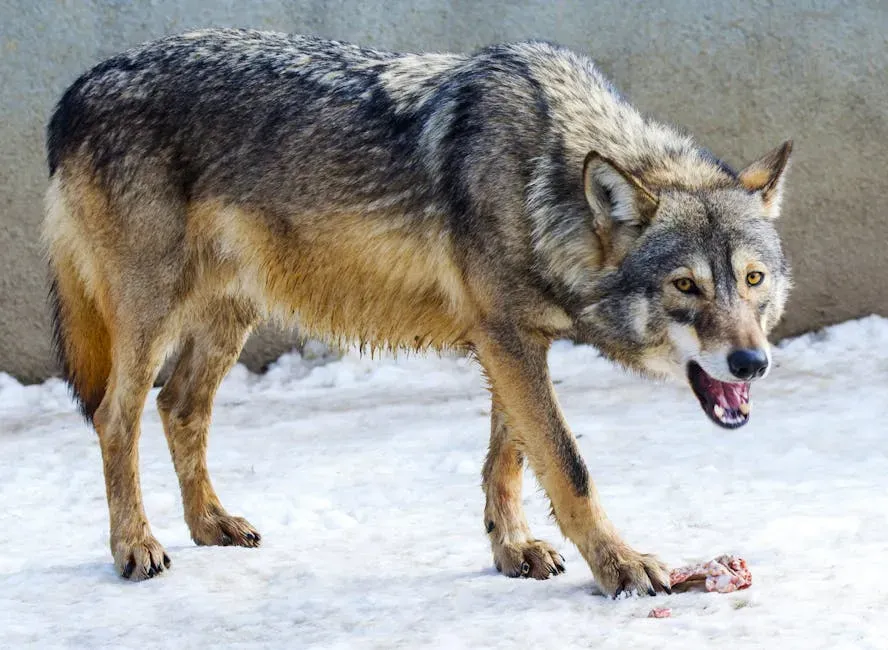
Wolves are the original feast-or-famine survivors. Wolves don’t actually eat every day, as they live a feast or famine lifestyle. They may go several days without a meal and then gorge on over 20 pounds of meat when a kill is made. Imagine skipping meals for three or four days, then sitting down to a meal that weighs as much as a large dog.
Wolves can survive on as little as 2.5 pounds of food per day, but require about five to seven pounds per day to reproduce successfully. On average, wolves are estimated to consume roughly ten pounds of food per day.
The pack tests multiple prey animals before committing to one, looking for signs of weakness – a limp, age, or separation from the herd. It’s not random. It’s strategic, calculated, and deeply efficient. Nature’s version of a precision operation.
13. Wolves Changed the Course of Rivers – Literally
This might be the single most astonishing fact on this list. It sounds like an exaggeration. It is not. The discovery of how wolves change rivers came through long-term ecological research in Yellowstone National Park after the reintroduction of wolves in 1995. Scientists observed how the return of wolves triggered a trophic cascade, regulating elk populations, restoring vegetation, and even altering river dynamics.
Research described this as an “ecology of fear.” Elk that once leisurely browsed in river valleys began avoiding these vulnerable areas. They spent less time in any one spot, always watching for wolves. This behavioral shift gave riverside vegetation – willows, aspens, cottonwoods – room to breathe and grow for the first time in decades.
When the gray wolf was reintroduced into the Greater Yellowstone Ecosystem in 1995, there was only one beaver colony in the park. Today, the park is home to nine beaver colonies, with the promise of more to come, as the reintroduction of wolves continues to astonish biologists with a ripple of direct and indirect consequences throughout the ecosystem. More beavers built more dams, which changed water flow, which stabilized riverbanks, which restored entire habitats. One species. That much impact.
Conclusion: The Wolf Deserves a Second Look
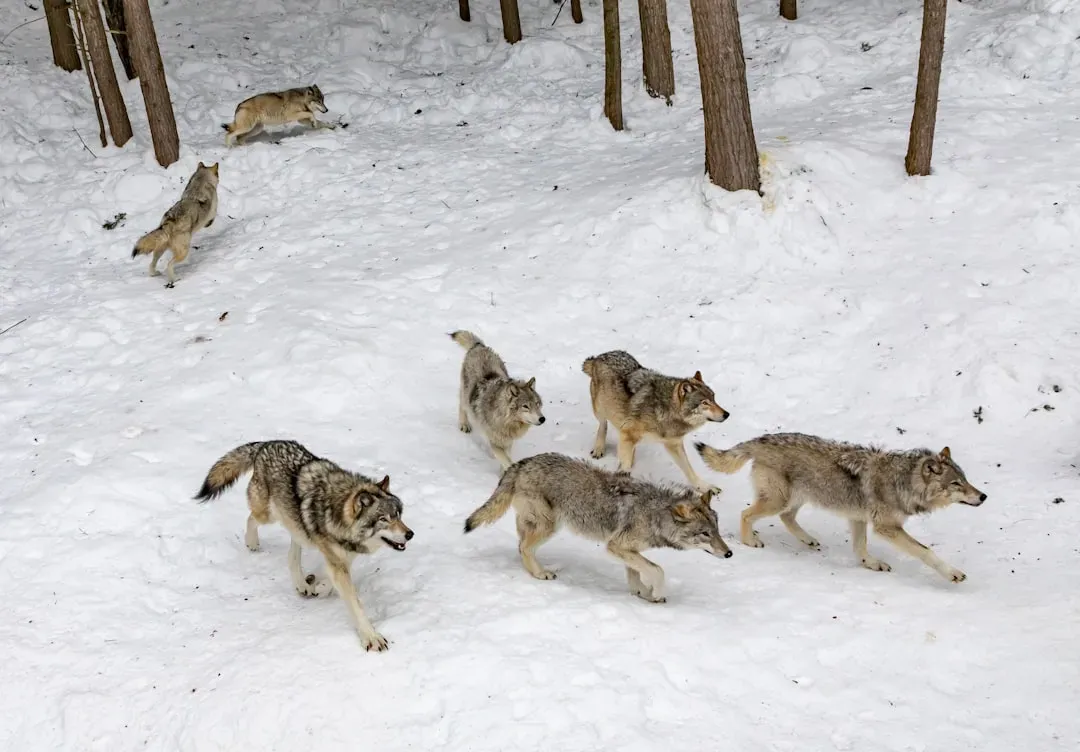
What strikes me most about all of this is how consistently we got wolves wrong. We built fairy tales around their danger, designed culling programs around their threat, and stripped them from ecosystems that desperately needed them. All while they were out there raising families with oxytocin surging through their blood, apologizing after arguments, and literally reshaping rivers.
Wolves are not the monsters of folklore, nor are they cuddly symbols of wilderness to be romanticized from a distance. They’re something far more interesting – complex, socially intelligent, ecologically vital animals that are still teaching scientists new things decades into modern research.
The most powerful takeaway here might be this: when we remove something from nature without understanding it, the consequences ripple outward in ways we cannot predict. When we restore it, sometimes rivers literally change course. Did you ever expect a wolf could do that? What other assumptions about the natural world might be worth questioning?

- 13 Quiet Signs an Old Dog Is Gently Saying Goodbye - July 30, 2026
- 12 Signs a Horse Mourns Quietly Every Time You Walk Away - July 30, 2026
- 10 Remarkable Facts About the African Cheetah: The Lightning of the Grasslands - July 29, 2026