
Worried about unexpected vet bills?
Pet insurance can cover thousands in unexpected vet costs. Get a free quote from Lemonade in under 2 minutes.
Get My Free Quote →Sponsored · Opens Lemonade.com
Water has a way of looking harmless. A river catching afternoon light, rippling gently over smooth stones, can seem like an invitation. People wade in, float on tubes, or put in a kayak without a second thought. Then the current shifts, a hidden hydraulic grabs hold, or a flash flood roars in from somewhere upstream, and what looked peaceful reveals its true nature.
There are no official statistics for how many people have died on specific rivers across the country, but most of the estimated eleven daily drownings A occur in natural waters. Rivers are woven into American life, from the grand Mississippi to remote wilderness channels in Idaho and Alaska. Some are extraordinarily beautiful. Some are extraordinarily deadly. Often, they are both at the same time.
The Kern River, California: America’s Deadliest
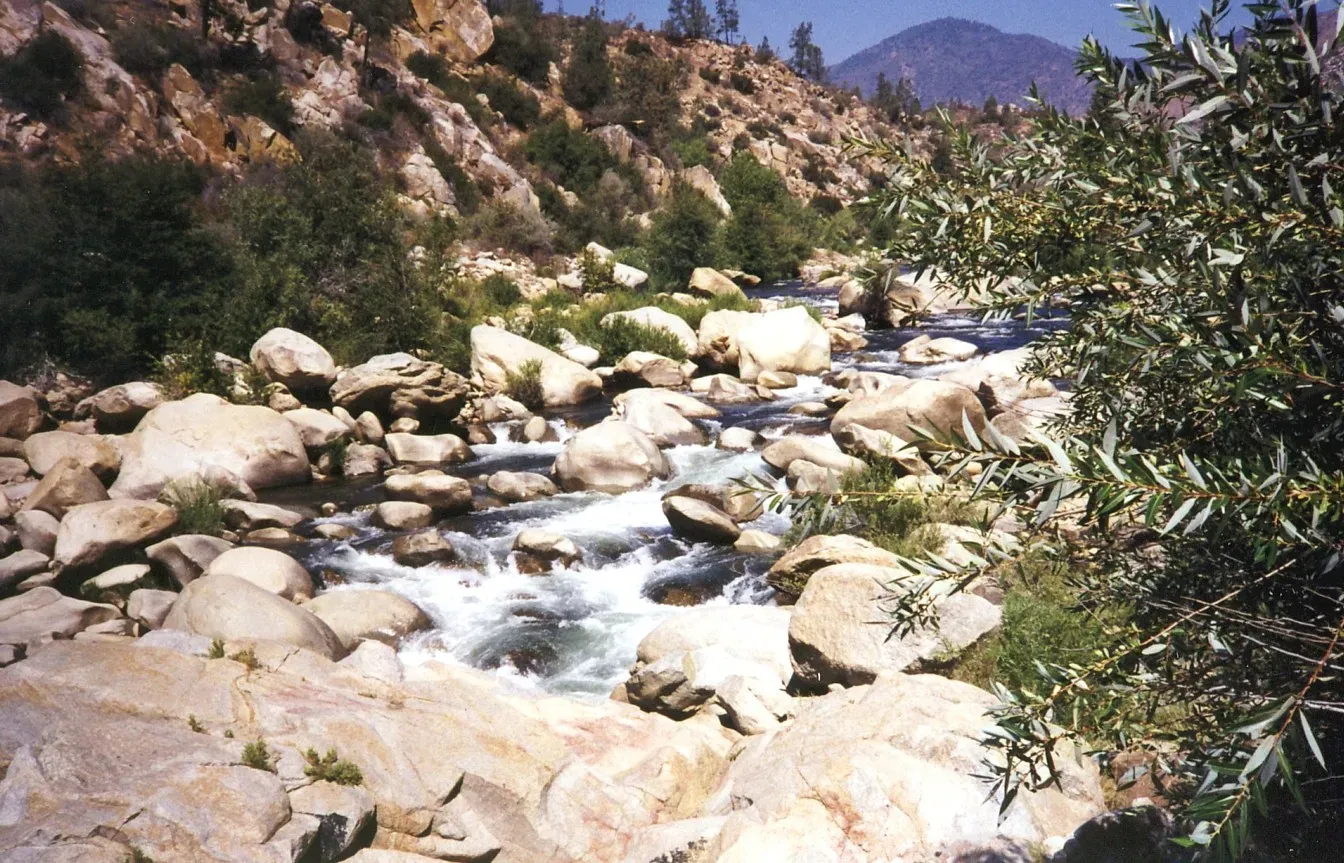
The Kern is considered the most dangerous river in the United States, and the vast majority of its drownings involve out-of-town visitors, most from Southern California. Two large signs greet drivers as they enter Kern River Canyon, both displaying a running death toll that has shocked generations of visitors.
With eight deaths in 2022, the count reached 325 people lost over 55 years, and of those, 106 have drowned just since 2000. The Kern is among the steepest rivers in the country, dropping over seventy feet over the course of just a mile, and it can see sudden spikes in current because it is fed by snowmelt from the high mountains. That combination of steepness and unpredictability makes it persistently lethal.
The Colorado River: Grand and Unforgiving
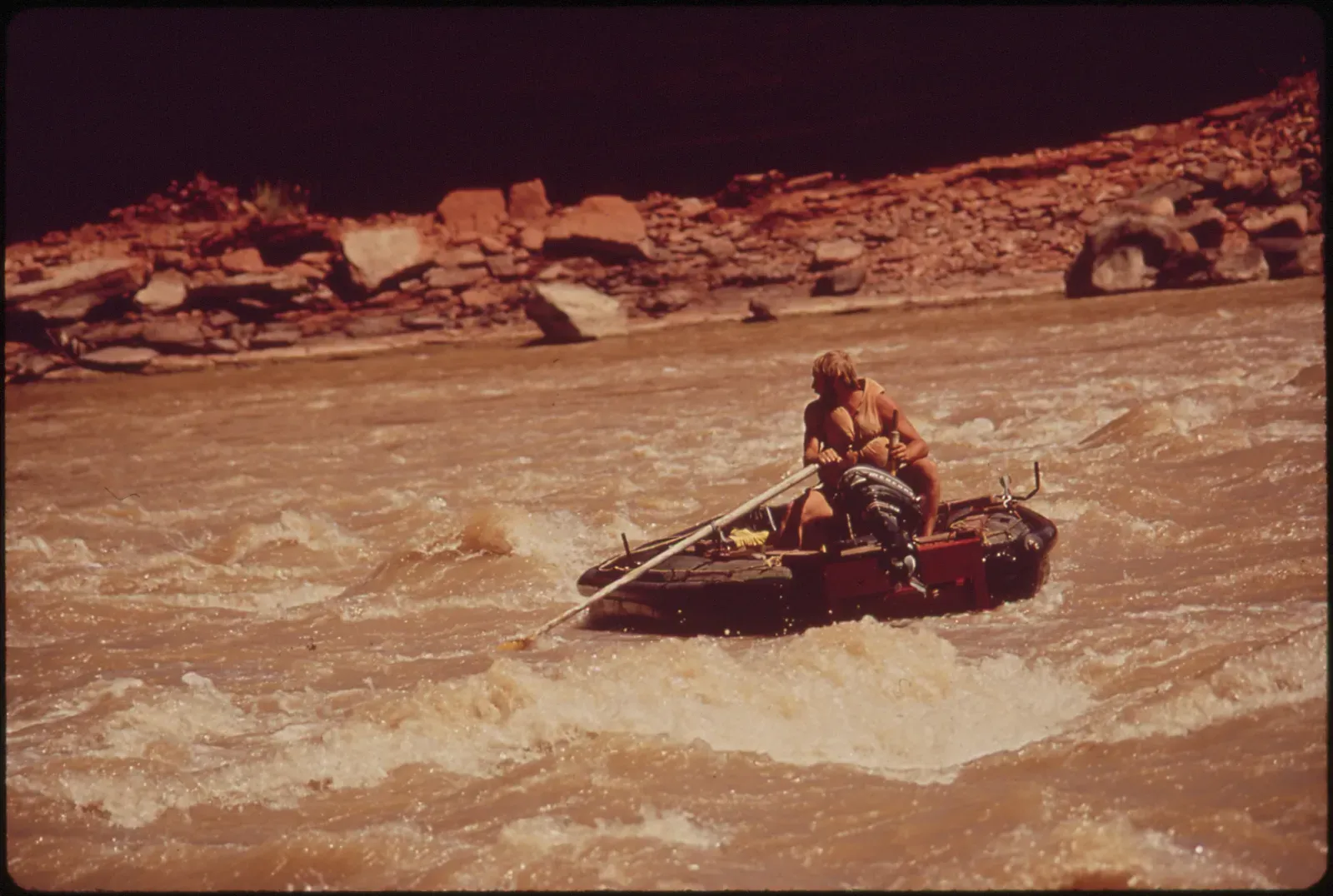
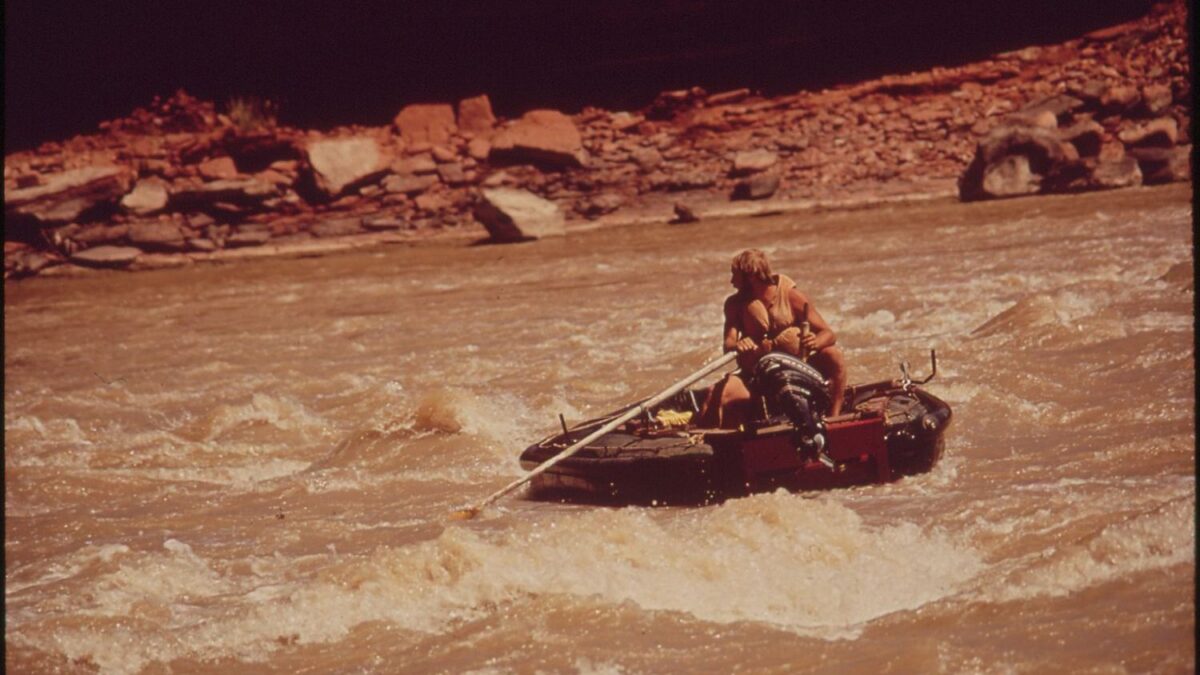
Through the Grand Canyon, the Colorado delivers continuous big-water Class III to Class V rapids, with complex hydraulics that sometimes rate even higher. Rafting incidents and river-related accidents account for numerous deaths in some years, and cold water contrasts sharply with scorching desert heat, increasing the risk after an unexpected swim.
Between 2005 and 2019, there were a total of 244 river-related fatalities in Grand Canyon National Park, which includes deaths in the Colorado River. Reports show that 2024 proved to be particularly deadly, with as many as eight people dying in the area in just 42 days, making it one of the worst years on record. The sheer length and remoteness of the canyon means help, when needed, is rarely close.
The Mississippi River: Size, Power, and Deception
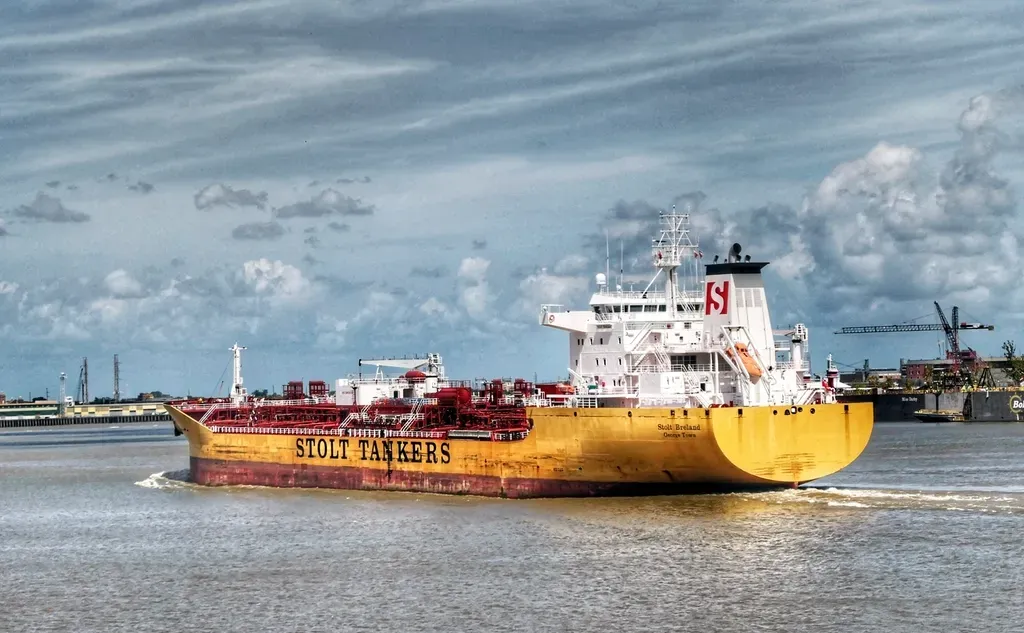
The Mississippi’s vast width and steady flow conceal powerful undercurrents that can pull even experienced swimmers under without warning. The riverbed is unstable and constantly shifting, creating sudden drop-offs and hidden hazards like snags, tree limbs, and sandbars. It is a river that many people underestimate precisely because of how familiar it feels.
Massive barges and freighters travel up and down the river daily, generating wakes and currents that can capsize small boats or sweep paddlers off course. Cast your research back far enough and you will find that the Mississippi is responsible for one of the worst disasters in US history. The Great Flood of 1927 killed over 240 people across multiple states and left 700,000 homeless. Its danger is as much about scale as it is about speed.
The Potomac River: Deceptively Calm at the Surface
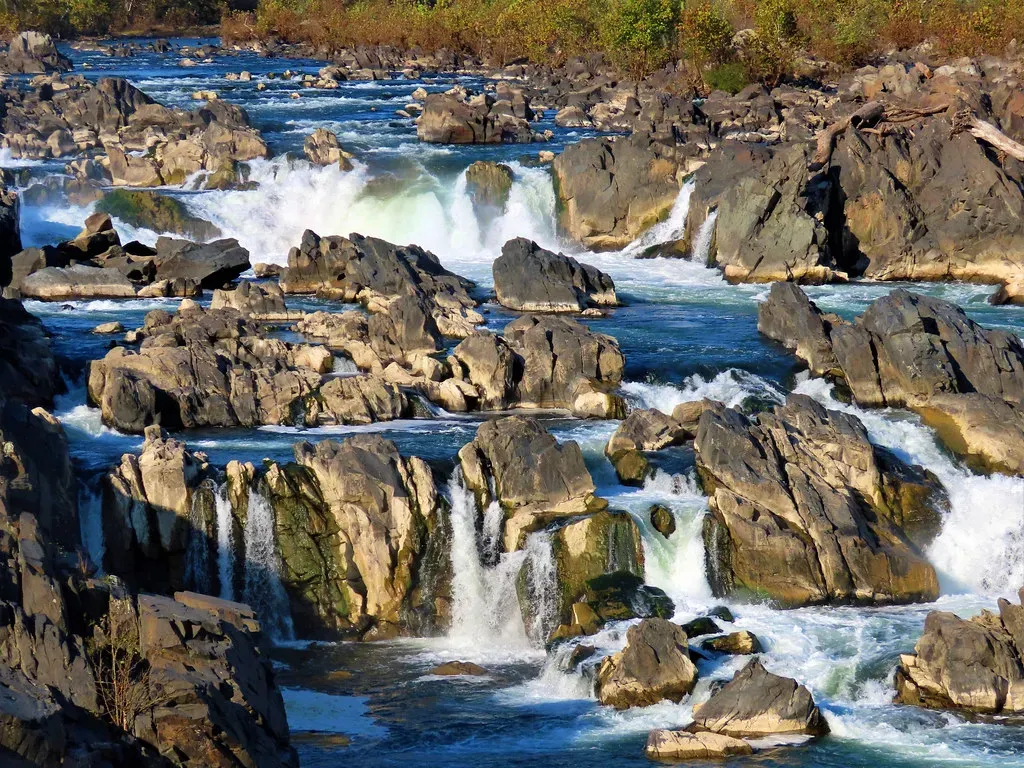
At Great Falls, the Potomac drops roughly seventy-six feet in under a mile across jagged bedrock, forming some of the steepest fall-line rapids in the East. Hidden hydraulics create powerful recirculating currents that trap victims underwater. The area is a popular day-trip destination from Washington, D.C., which compounds the danger considerably.
The National Park Service’s official page on the Potomac River makes it very clear that entering the water to swim or wade is entirely illegal. The stretch is infamously peppered with whirlpools and undertows. It might look calm on the surface, but danger lurks below. American Whitewater lists at least 48 accidents in the Potomac, several of which have resulted in injury or death, and poor water quality adds another layer of risk.
The Rio Grande: A Border of Hidden Peril
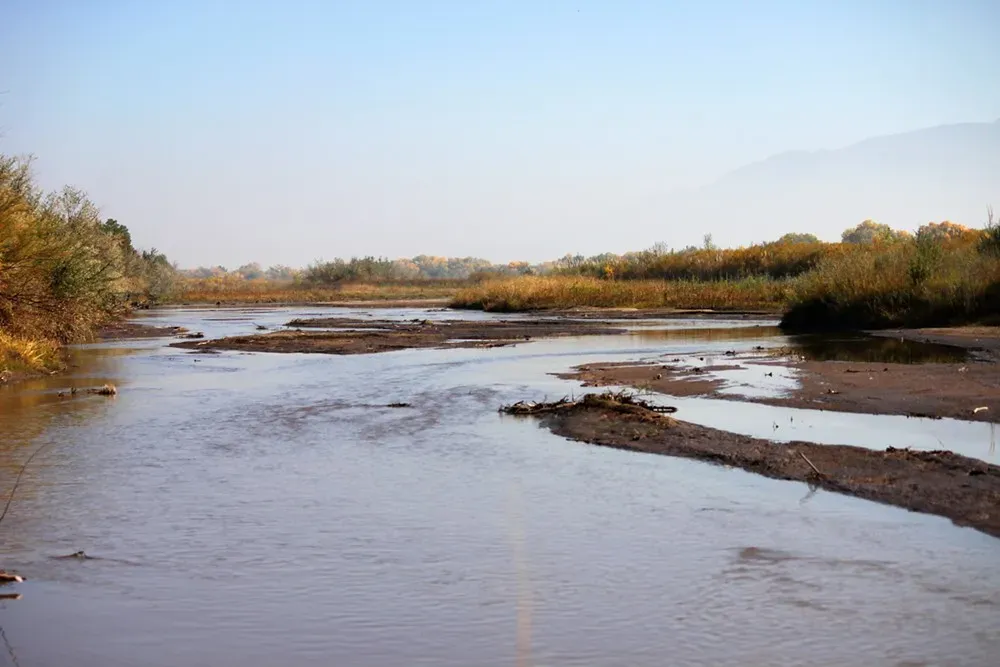
The Rio Grande defines the boundary between Mexico and and has unfortunately claimed the lives of more than 4,000 migrants trying to cross it. Migrants crossing the Rio Grande and traveling into make up a disproportionate number of drowning deaths in this river. The river’s toll is both a humanitarian and a natural hazard story.
The Rio Grande’s desert canyons unleash sudden flash floods, especially in Santa Elena and Mariscal, turning mild flows into raging brown torrents. Strong currents, strainers, and shifting channels complicate rescues. Summer heat bakes the river corridor while the water remains surprisingly cold, adding shock risk. Remoteness slows emergency response and medical care.
The Chattooga River: Wild, Scenic, and Deadly
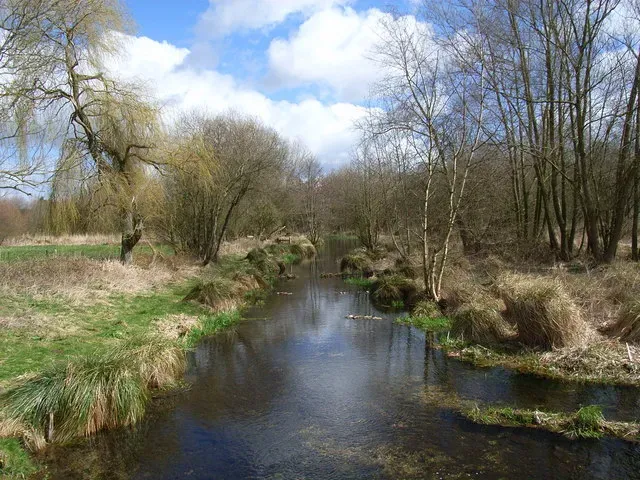
The Chattooga River, located in Georgia and South Carolina, is known for its Class V rapids, which are among the most difficult and dangerous in the Southeastern United States. The river’s headwaters begin in the Appalachian Mountains in North Carolina and it was designated a Wild and Scenic River in 1974. Its reputation among whitewater paddlers is well earned and widely respected.
The official statistics are grim. Forest Service counts nearly 40 fatalities on the river since 1970, and despite updates and changes to safety regulations over the years, there continues to be an estimated one death per year on its waters. In 1996, a group of Boy Scouts from Atlanta were on a rafting trip when their raft capsized in the Sock-em-dog rapid, and four Scouts drowned in the accident.
The Arkansas River, Colorado: Snowmelt and Surprise
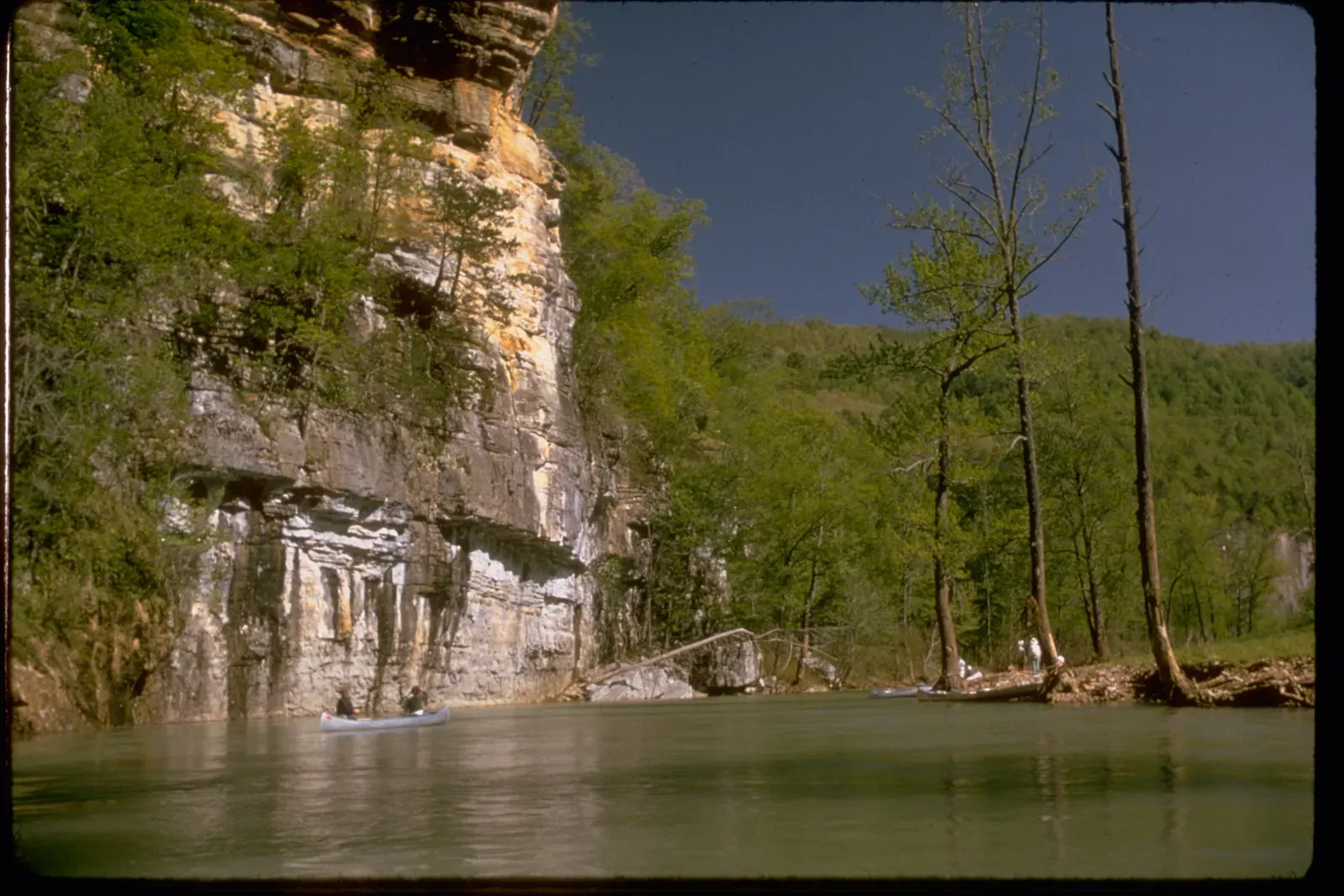
In Colorado, the Arkansas River has rapids that range from Class I to V along its length and can change suddenly from lower-level rapids to far more advanced ones. That unpredictability is part of what makes it so treacherous, especially for visitors who take in a calm stretch and assume the whole run is similar.
In 2023 alone, eighteen people died on rivers in Colorado, and more were considered missing. The Colorado River and the Arkansas River accounted for the most deaths that year, with the Arkansas River accounting for the second most fatalities. Even in July, water temperatures hover between 45 and 55 degrees Fahrenheit thanks to snowmelt origins, meaning cold shock remains a genuine threat even in high summer.
The Klamath River, California and Oregon: Cold, Fast, Remote
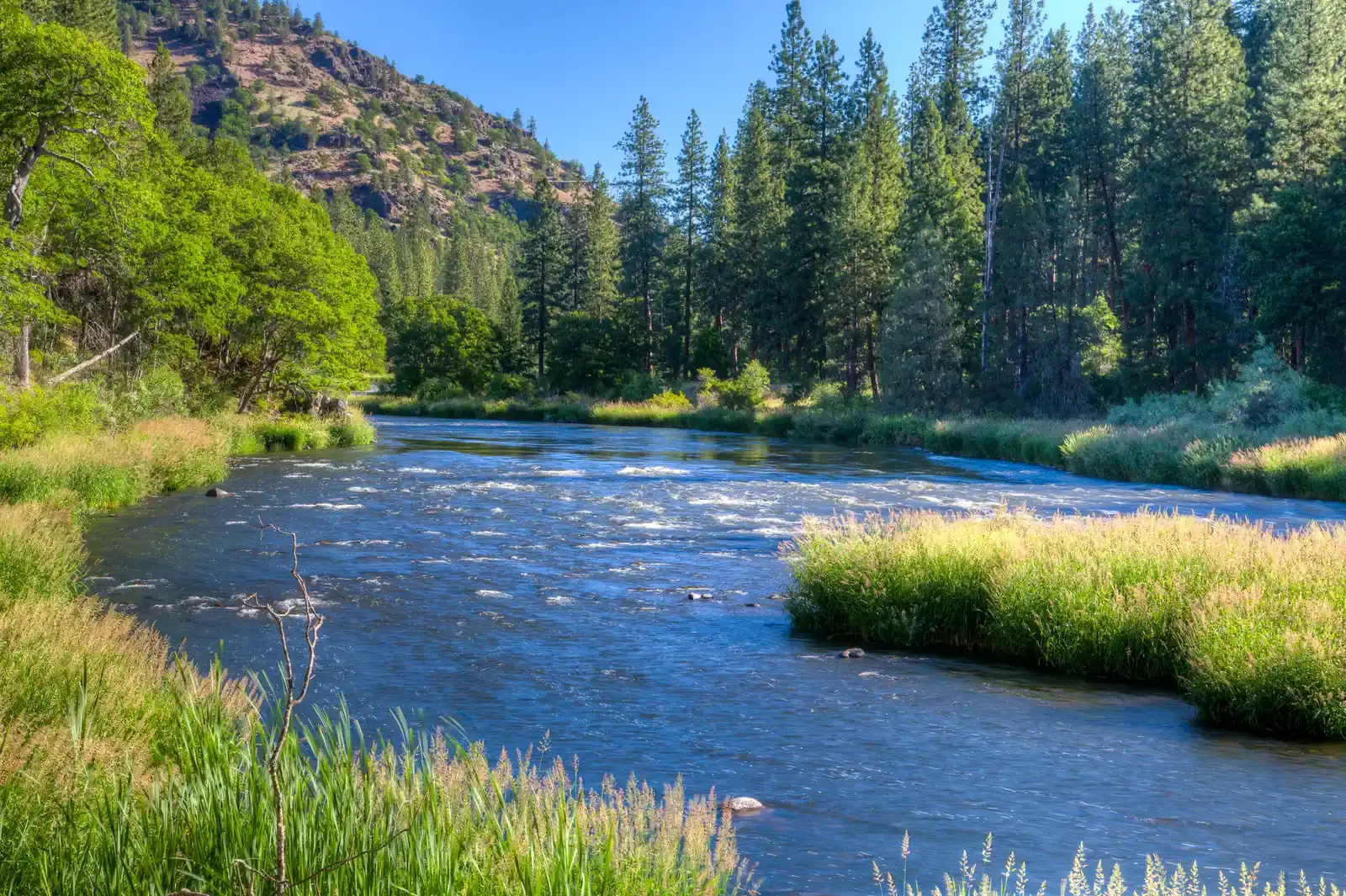
The Klamath River, located in California and Oregon, is known for its strong currents that make it dangerous for swimmers and boaters. It has several rapids classified as Class IV and V, which require advanced whitewater skills to navigate safely. These rapids can be particularly challenging during high water flows, which are common in spring and early summer.
Fed by snowmelt from surrounding mountains, the water can be extremely cold, especially early in the season, and this has resulted in a number of hypothermia deaths on various stretches. In 2002, three people died on the Klamath River when their raft capsized in the river’s notorious Hell’s Corner rapid, with the group of six having only one person wearing a life jacket. That detail says a great deal about how quickly things go wrong when preparation is absent.
The New River, West Virginia: Ironically Named
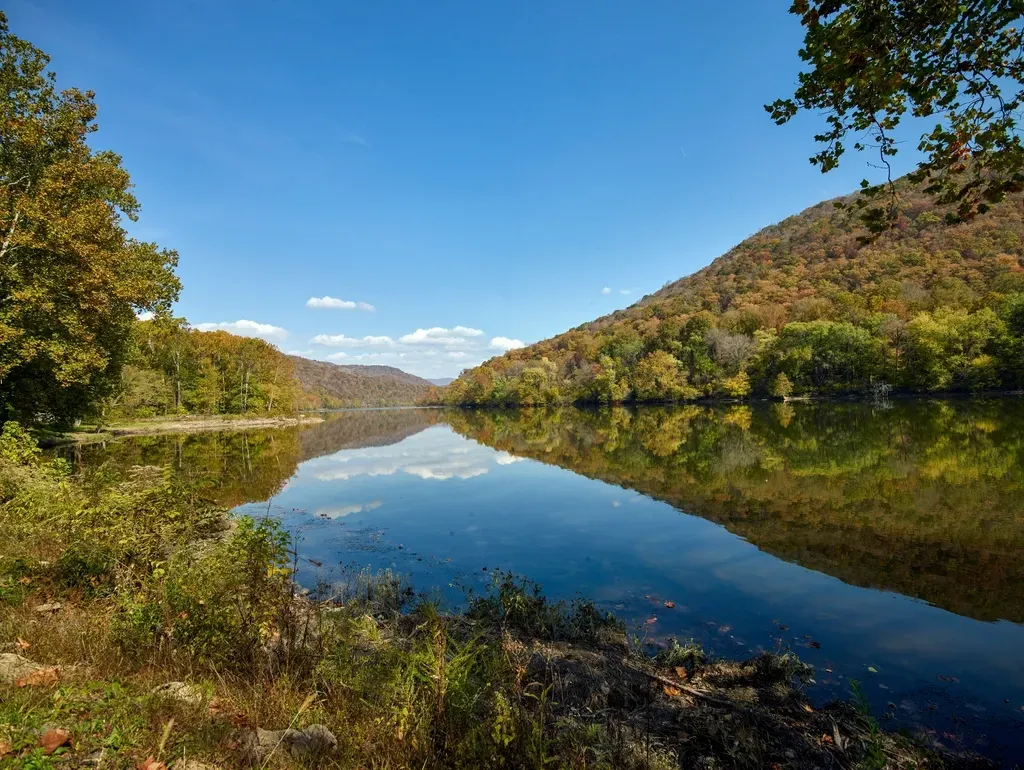
The New River is thought to be one of the oldest rivers in North America, though its name suggests otherwise. Its age, however, does nothing to soften its character. The river has a reputation for being unpredictable, especially for those unfamiliar with its hidden dangers. Water levels can change daily, making what was once safe a whole new story the next day, and deep holes, rocky bottoms, and swift currents add to the challenge, according to the National Park Service.
West Virginia’s New River is a waterway that is far from ordinary. The currents and volume of flowing water are not to be underestimated, and the river has earned a reputation for being unpredictable, especially for those unfamiliar with its hidden dangers. Commercial rafting operations bring thousands of visitors each year, and while guided trips manage the risks carefully, the river shows no favoritism when conditions turn.
The Salmon River, Idaho: The River of No Return
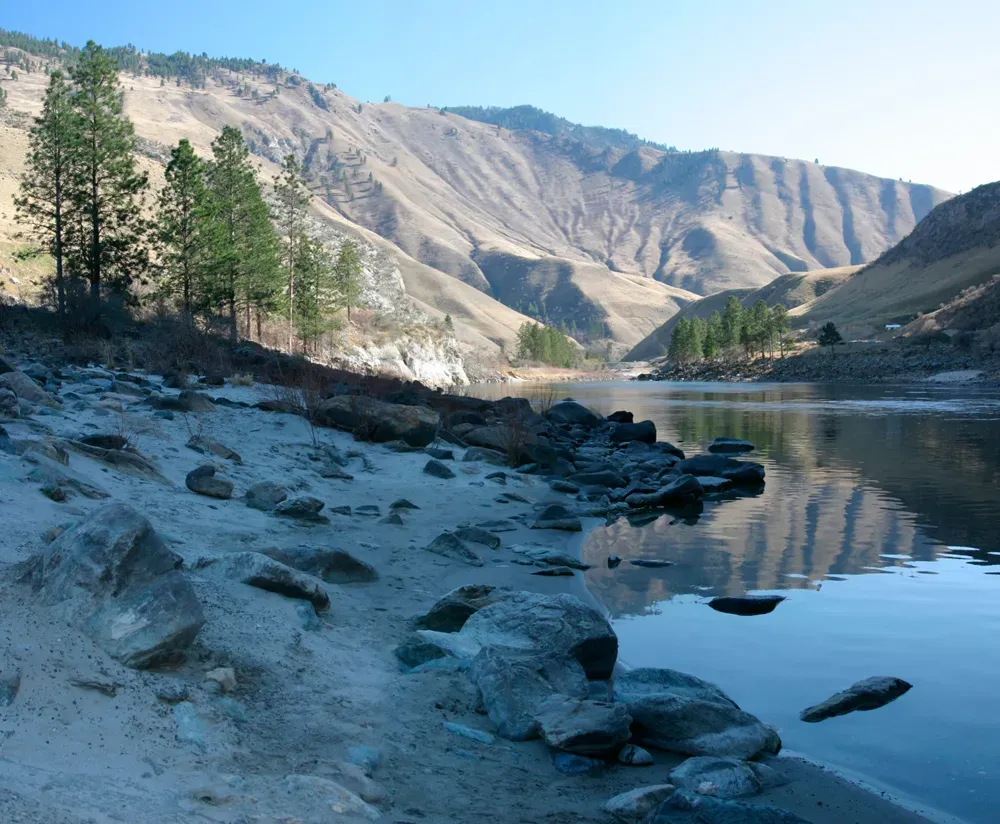
Idaho’s Wild and Scenic Salmon River cuts through the heart of the Frank Church River of No Return Wilderness, the largest wilderness area in the lower 48 states. The most massive river in Idaho, the Salmon winds through the second deepest canyon on the continent. Its nickname is not a marketing device. It is a geographic reality: once you commit to certain stretches, there is no straightforward way back out.
The Salmon River is known for its whitewater rapids, which can be difficult to navigate and have caused several accidents and fatalities. In June 2021, a woman died after being thrown from a raft on the Salmon River near Riggins, Idaho, and another incident saw a man drown after falling out of a raft near Stanley. The river’s remoteness means that even a call for help can take hours to produce a response.
The Merced River, California: Yosemite’s Hidden Threat
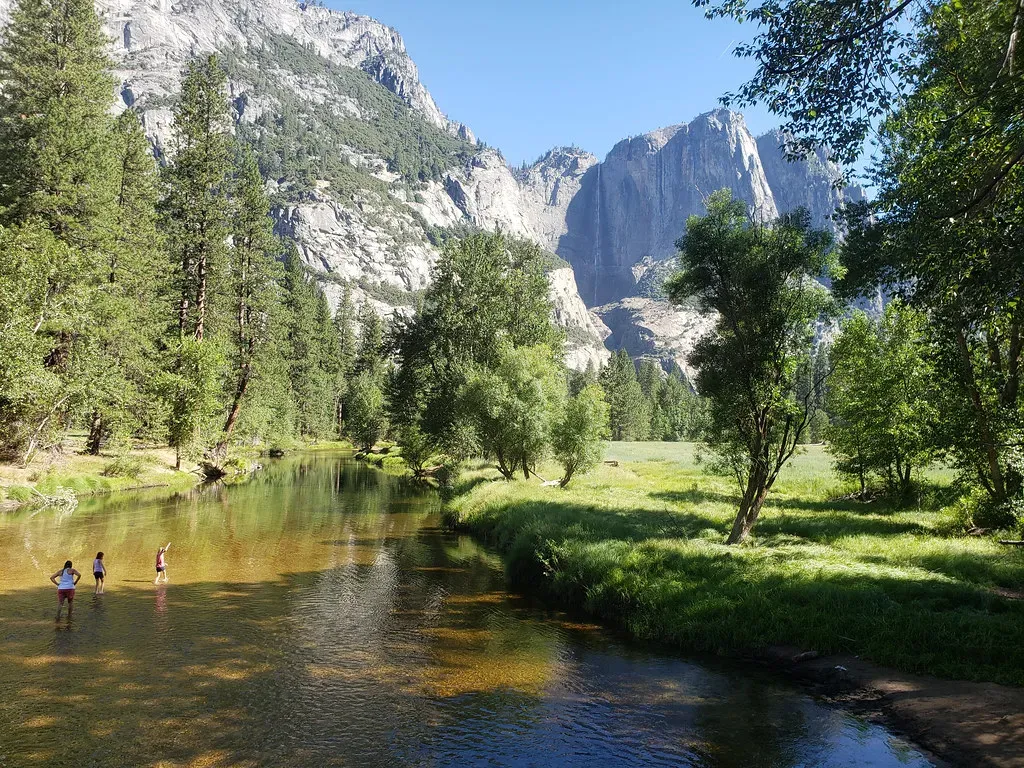
The Merced River, located in California’s Yosemite National Park, is known for its swift currents and cold water temperatures, which have contributed to several drowning deaths over the years. Many hazards are associated with this river including rocks, boulders, and other underwater obstacles, and currents can be powerful enough to sweep swimmers or rafters downstream, fed by snowmelt from the Sierra Nevada Mountains.
Several people have died just from trying to swim in this river, and both hikers and fishermen have also fallen victim to its deadly currents. Its setting inside one of America’s most visited national parks creates a particular kind of danger. Millions of tourists arrive each year expecting a scenic backdrop, not a swift-water hazard, and that mismatch in expectations costs lives every season.
The Meramec River, Missouri: The Underestimated Killer
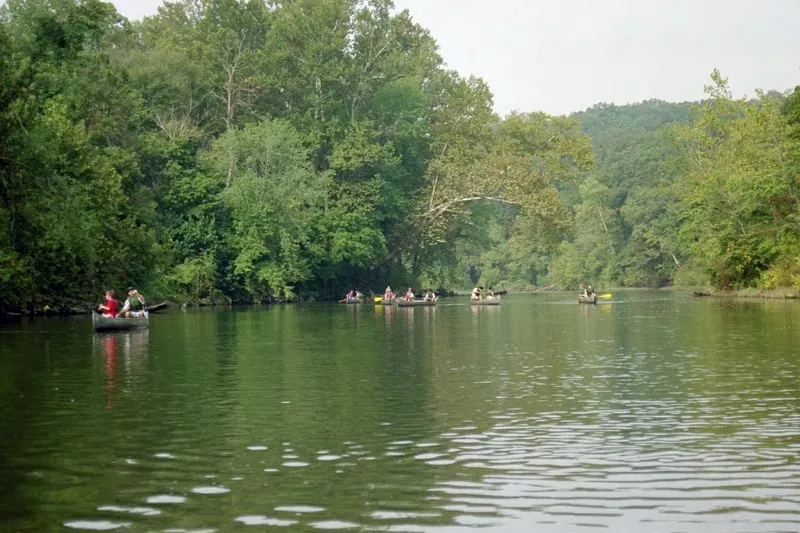
The Meramec is notorious for sudden depth changes that drop from ankle-deep gravel bars into ten to fifteen-foot holes. Local officials report more than twenty deaths per year, often involving unwary waders and swimmers. It does not look like a river that belongs on a danger list. That is precisely the problem.
Without major flood-control dams, the river rises fast during storms. The 2015 flood was severe enough to shut down Interstate 55. The Meramec draws enormous numbers of casual visitors, from floaters on rented tubes to families wading along gravel bars on a hot afternoon, and its sudden depth changes catch people completely off guard. A river does not need Class V rapids to be deadly. Sometimes a friendly-looking shallow stretch is all it takes.
A Final Thought on Rivers and Respect
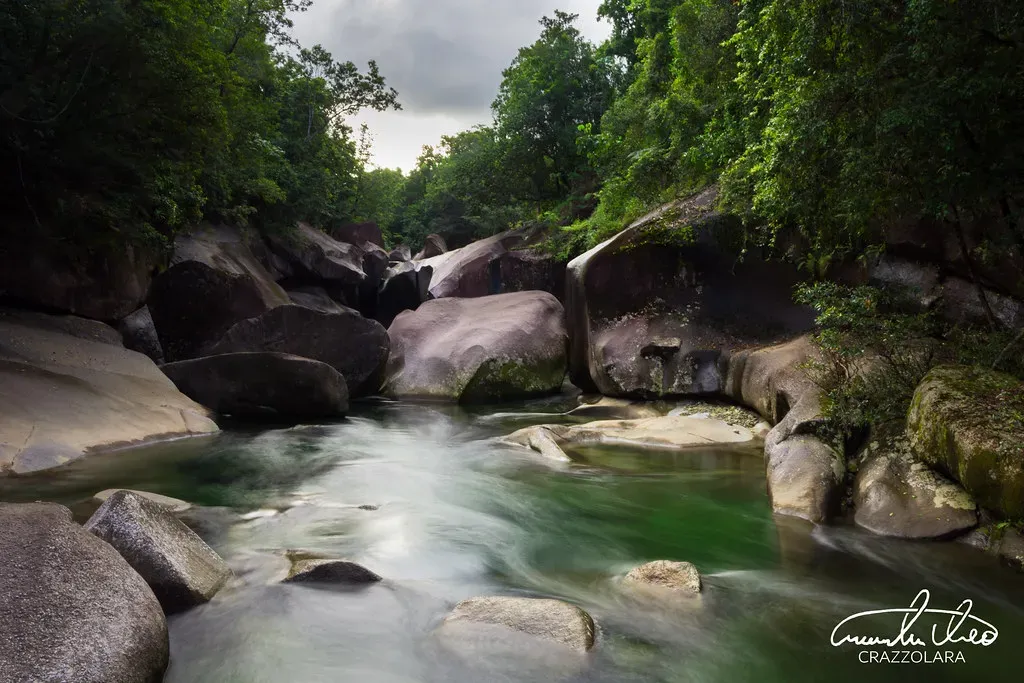
Rivers are often seen as scenic getaways, the kind of places you go for fishing, rafting, or a peaceful afternoon by the water. Beneath the calm surface, however, some rivers in the United States hide a more treacherous side. Strong currents, deadly rapids, sudden flash floods, and underwater debris have turned these waterways into deadly hazards for even the most experienced adventurers.
One researcher documented 76 deaths in US whitewater in a single year, including 25 kayakers and 25 rafters. Of those, 27 deaths involved people who were not wearing personal flotation devices. That last number is the one that stays with you. The rivers on this list are genuinely dangerous, shaped by geology, snowmelt, and physics that no one controls. Still, the gap between a close call and a tragedy so often comes down to a life jacket, a moment of caution, or the decision to turn back when conditions feel wrong. The river will always be there. The wisest thing a person can do is make sure they will be, too.
Worried about unexpected vet bills?
Pet insurance can cover thousands in unexpected vet costs. Get a free quote from Lemonade in under 2 minutes.
Get My Free Quote →Sponsored · Opens Lemonade.com
