
Worried about unexpected vet bills?
Pet insurance can cover thousands in unexpected vet costs. Get a free quote from Lemonade in under 2 minutes.
Get My Free Quote →Sponsored · Opens Lemonade.com
Somewhere along Interstate 90 in Washington State, an elk steps confidently across a bridge it doesn’t know is man-made. The structure beneath its hooves is covered in native soil and vegetation, and to that animal, it simply feels like ground. That moment, quiet and unremarkable from the elk’s perspective, represents something significant in American conservation.
Human development, including roads, dams, cities, and agriculture, fragments species’ ranges and obstructs migration routes essential to species’ life cycles. Wildlife corridors are distinct components of the landscape that are geographically linked to improve ecological connectivity, allowing species to move between areas of their habitat and lowering the effects of fragmentation. The movement to build and protect these corridors has grown considerably over the past two decades, with results that are measurable, sometimes dramatic, and occasionally surprising.
The Cost of a Divided Landscape
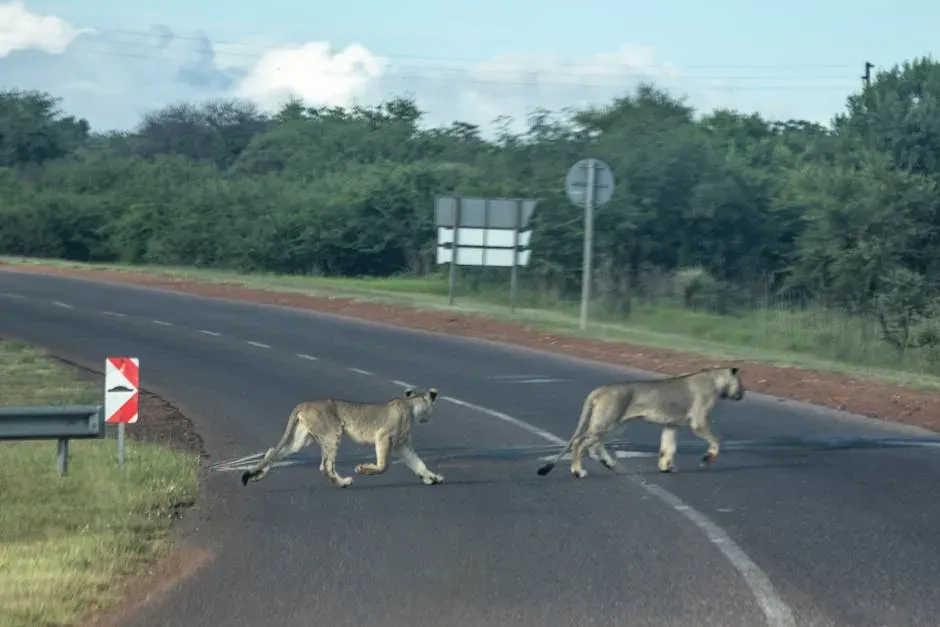
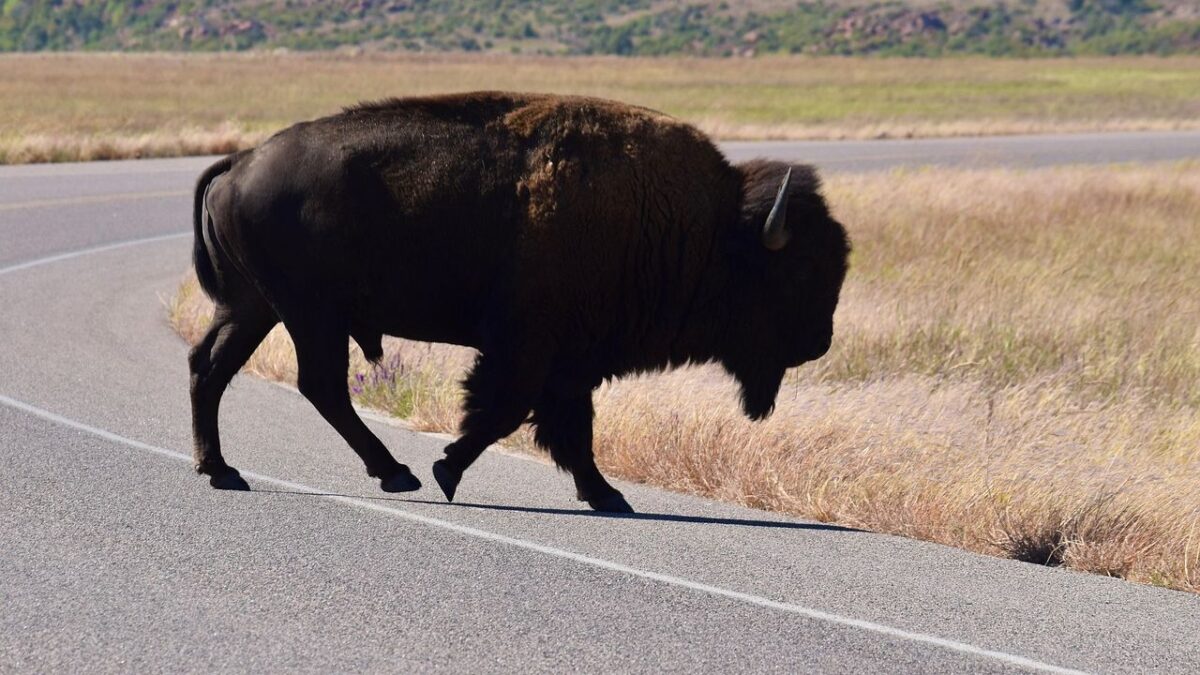
Roads are perhaps the most visible dividing lines in the American landscape. There are over four million miles of roads across the United States that slice through the home ranges of countless animals. The consequences reach far beyond individual animals losing their lives.
Wildlife populations in fragmented landscapes experience reduced gene flow, lose genetic diversity over time, and ultimately face greater extinction risk. Improving connectivity in fragmented landscapes is now a major focus of conservation biology.
Wildlife-vehicle collisions kill one to two million large animals annually in the U.S., costing an estimated 8.4 billion dollars in damages, injuries, and fatalities. The problem is not simply ecological. It touches public safety, infrastructure budgets, and the long-term viability of species that Americans broadly value.
There are 21 threatened and endangered species in the United States whose very survival is threatened by road mortality, including Key deer in Florida, bighorn sheep in California, and red-bellied turtles in Alabama. These aren’t abstract statistics. They represent populations quietly eroding under daily pressure.
How Corridors and Crossings Actually Work
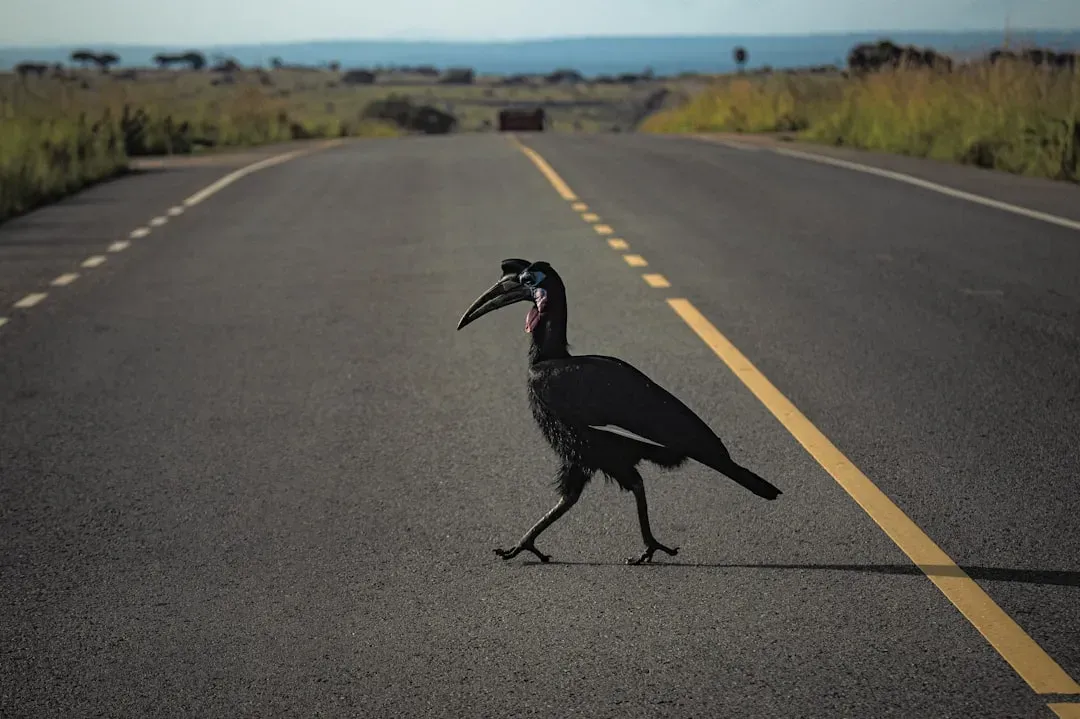
A wildlife corridor is a piece of undeveloped land connecting two habitats so wildlife can move safely between them. These connections can vary enormously in scale and form, from a riparian strip threading through farmland to a continent-spanning mountain chain.
The most common and visually distinct types of wildlife crossings are overpasses and underpasses. An overpass, often called an ecoduct, is a bridge-like structure that typically carries natural terrain, including soil, vegetation, and sometimes water features, over a highway. These are primarily designed for large mammals like elk, deer, and bears, allowing them to cross above traffic in an environment that feels natural and safe.
An underpass is a tunnel that allows animals to pass beneath a road. These can range from wide, open-span bridges creating a land bridge beneath a road to smaller, enclosed culverts. Underpasses are effective for a broader range of species, from large carnivores like cougars and wolves to medium-sized mammals and even small animals and amphibians.
Placed in areas of known wildlife movement, wildlife crossing structures with associated fencing have been shown to reduce motorist collisions involving wildlife by up to 97 percent. The design details matter enormously. Wildlife crossings only work if animals actually use them, and different species respond to different designs. Elk, for example, tend to prefer wide, open crossings with clear sight lines, while a dark, enclosed underpass may work well for smaller animals but is far less inviting for large herd animals with strong instincts about visibility and escape routes.
Success Stories Across the Country
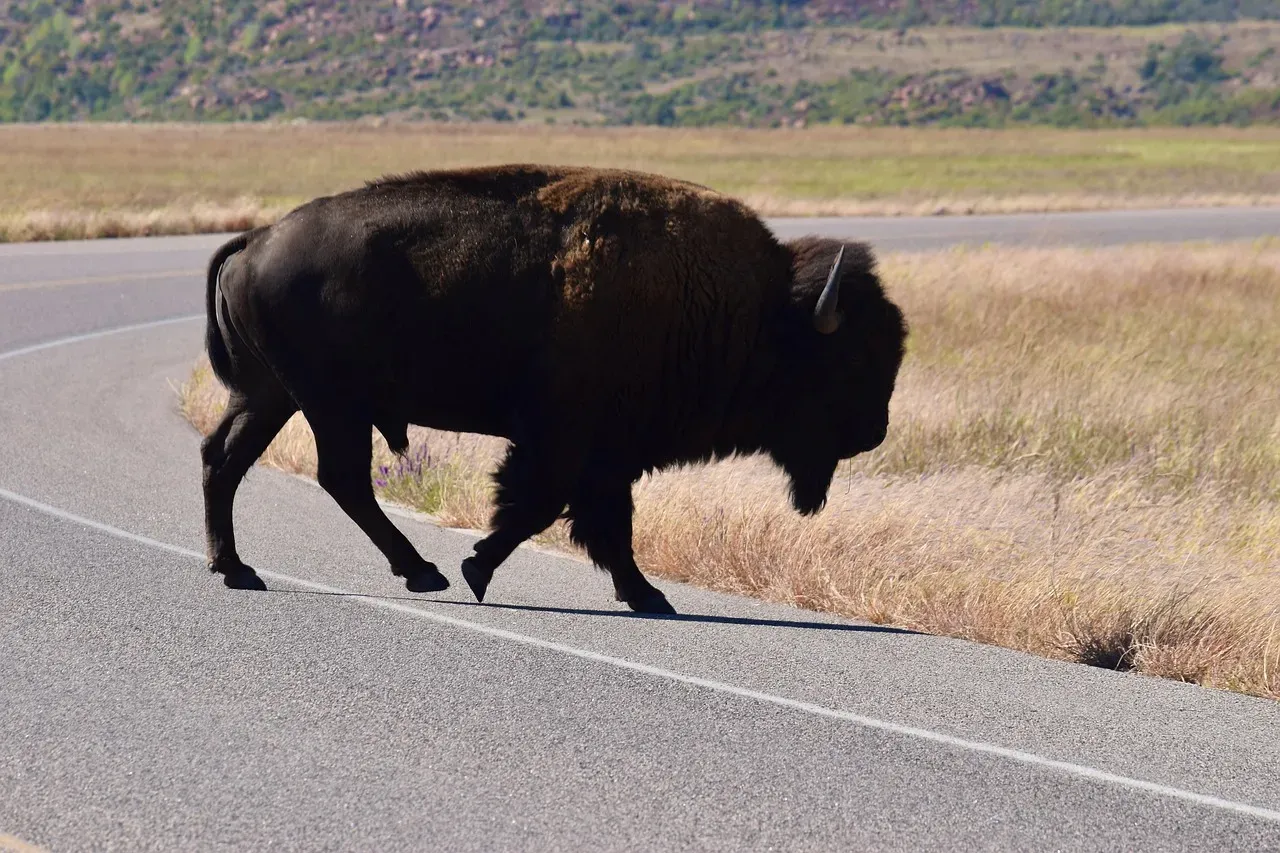
The evidence for wildlife corridors isn’t theoretical. Across multiple states, well-designed crossing structures have produced results that can be tracked on camera and verified through collision data.
A network of 81 wildlife crossings over and under U.S. Highway 93 in Montana, combined with more than nine miles of fencing, reduced deer-vehicle collisions by over 90 percent. In Oregon, the results were equally striking. Within the first year of a new underpass system on U.S. 97, 29 species ranging from deer and elk to bobcat, badger, and squirrels were documented using the underpasses, and deer-vehicle collisions were reduced by more than 90 percent.
In 2012, the Wyoming Department of Transportation built six wildlife underpasses and two wildlife overpasses along U.S. Highway 191 near Pinedale at Trappers Point. The project successfully reduced wildlife-vehicle collisions by 79 percent for mule deer and 100 percent for pronghorn in a critical migration area.
Along I-90 in Washington, underpasses that connect wetlands and streams back to the Yakima River have also proven critical for aquatic species. Bull trout were found responding to four new tributaries they hadn’t used in recent history, and the immediacy of that response surprised even the researchers monitoring the project.
California is now home to one of the most ambitious projects yet. The Wallis Annenberg Wildlife Crossing, set for completion over California’s Highway 101, will provide a 210-foot-wide green bridge for mountain lions, coyotes, and reptiles to traverse a 10-lane freeway. This 90-million-dollar project exemplifies how wildlife corridors extend beyond collision reduction to support climate resilience and long-term species adaptation.
The Florida Panther and the Genetics of Survival
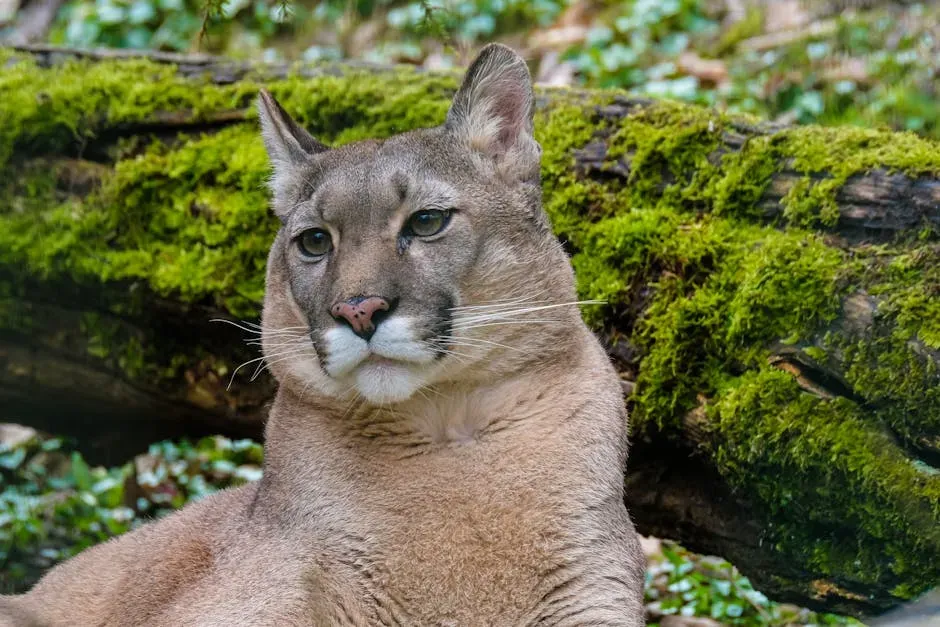
Few stories illustrate the stakes of habitat fragmentation as starkly as that of the Florida panther. In 50 years, the endangered Florida panther has made a long journey back from the brink of extinction, rebounding from an estimated low of 10 animals to over 200 animals.
Eight female panthers were brought in from Texas in the 1990s and released in Florida to breed. It worked. Introducing the female Texas pumas into the population increased panther numbers, genetic diversity, and survival rates. The results were documented: kittens born crooked-backed in the 1980s evolved into healthier litters within a decade after genetic infusion, underscoring the critical link between connectivity, diversity, and resilience in small, isolated populations.
If completed, the Florida Wildlife Corridor would protect 18 million acres of nearly contiguous habitat in one of the nation’s biologically richest states. The corridor concept reaches well beyond panthers. Enhancing conservation corridors could provide protected habitat for 74 federally and state-listed threatened and endangered species and many other native wildlife.
As panther numbers rise, urban sprawl hems them in. Development, associated with an estimated 1,000 people moving to Florida every day, consumes and fragments panther habitat in southwestern Florida, narrowing escape routes from sea-level rise as well. The corridor remains incomplete, and the pressures are real.
Climate Change and the Corridor as an Adaptation Tool
Wildlife corridors aren’t only about keeping existing populations connected. As the climate shifts, they’re becoming one of the most practical tools for allowing species to track suitable habitat into the future.
As temperatures rise and weather patterns shift, species must move northward or to higher elevations in search of suitable habitats. Without connected pathways, even species with the instinct to move have nowhere viable to go. Riparian corridors emerge as crucial conservation features, particularly in fragmented or human-dominated landscapes. Stream and river corridors often retain continuous strips of vegetation and undeveloped floodplain, making them natural pathways for wildlife movement through otherwise fragmented habitat.
The Yellowstone to Yukon Conservation Initiative spans 3,400 kilometers from the Greater Yellowstone Ecosystem to the Yukon Territory, striving to connect and protect enough space for grizzly bears, elk, wolves, caribou, wolverines, and more to roam, feed, and reproduce. The vision is an interconnected system of wild lands and waters along the spine of the Rocky Mountains, harmonizing the needs of people with those of nature.
The Y2Y region now has at least 204 wildlife crossings as of early 2026, with dozens more in the design and planning stages. Within the Y2Y landscape, a decade of connectivity-friendly management ultimately allowed scientists to demonstrate movements of grizzly bears between previously fragmented ecosystems, accompanied by successful reproduction.
The southern Appalachian Mountains in the southeastern U.S. are projected to act as a conduit for species moving northward in response to climate change, highlighting the importance of natural corridors in these places that likely warrant more concerted conservation efforts.
Conclusion
Wildlife corridors represent one of the clearest examples of conservation that works. The evidence from Montana to Florida to the Pacific Coast shows that when crossings and connected habitats are designed carefully and placed strategically, animals use them, populations stabilize, genetic health improves, and human safety on roads gets better too.
The challenge going forward is one of scale and will. As habitat continues to be fragmented, degraded, and lost to development, the need for a coordinated connectivity network is growing. The science is not in question. The infrastructure, the funding mechanisms, and the political consistency to maintain them over decades are where the real work lies.
There’s something quietly hopeful about an elk crossing a highway overpass at dusk, unaware of the decades of research, advocacy, and engineering that made it possible. The animal simply moves. That’s the whole point.
Worried about unexpected vet bills?
Pet insurance can cover thousands in unexpected vet costs. Get a free quote from Lemonade in under 2 minutes.
Get My Free Quote →Sponsored · Opens Lemonade.com
