

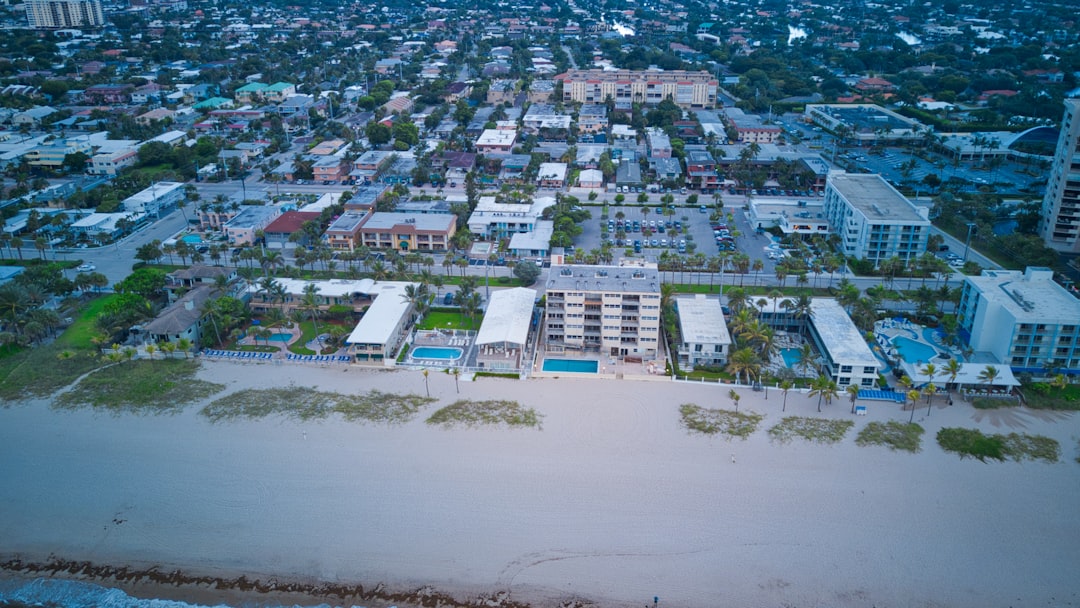
Worried about unexpected vet bills?
Pet insurance can cover thousands in unexpected vet costs. Get a free quote from Lemonade in under 2 minutes.
Get My Free Quote →Sponsored · Opens Lemonade.com
Imagine waking up tomorrow to discover that the ocean has quietly crept one meter higher overnight. While that’s not how climate change works, the reality of a one-meter sea level rise is no less dramatic. We’re living through a time when this scenario isn’t science fiction but a scientific projection that experts say could happen within the next century.
The implications stretch far beyond flooded beaches and disappearing shorelines. This is about reshaping entire coastlines, displacing millions of people, and fundamentally altering how we live, work, and survive on a planet where the boundaries between land and sea are constantly shifting. Let’s dive into what this watery future might actually look like.
The Great Coastal Inundation
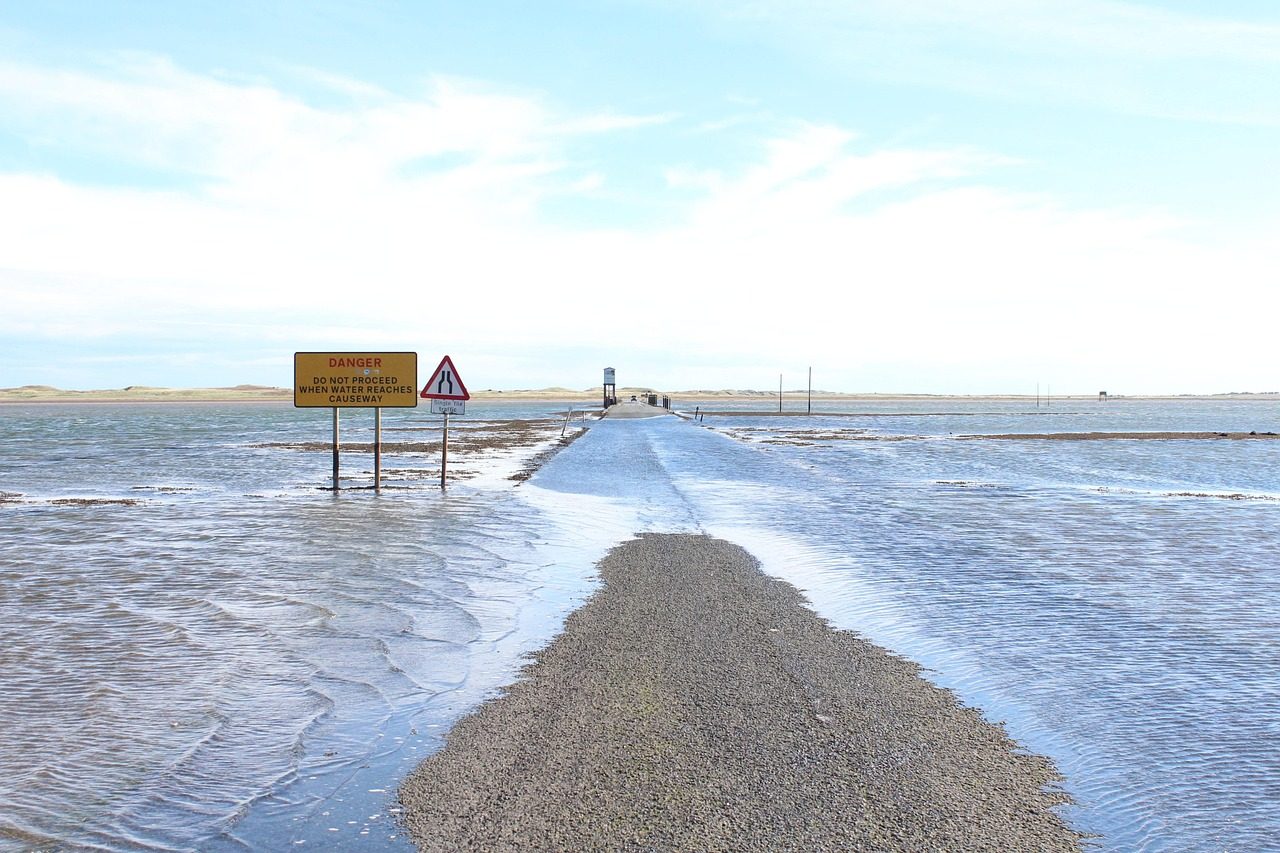
Picture roughly thirteen thousand square miles of land vanishing beneath the waves. Studies suggest that a one-meter rise in global sea levels could have significant impacts, with substantial areas of coastal land potentially inundated, divided about equally between wetlands and upland.
This isn’t just empty wilderness disappearing. Various studies estimate that extensive coastal areas could be inundated, potentially impacting tens of millions of people worldwide, with the majority of affected land being forest and grassland, but also including urban and agricultural areas. Think about that for a moment. We’re talking about an area larger than many countries simply ceasing to exist above water.
The 100-year flood zone, those areas that historically flood once a century, would expand by nearly forty percent. Additionally, coastal flood plains would expand significantly. What was once considered a rare disaster becomes a regular occurrence.
Cities Under Siege
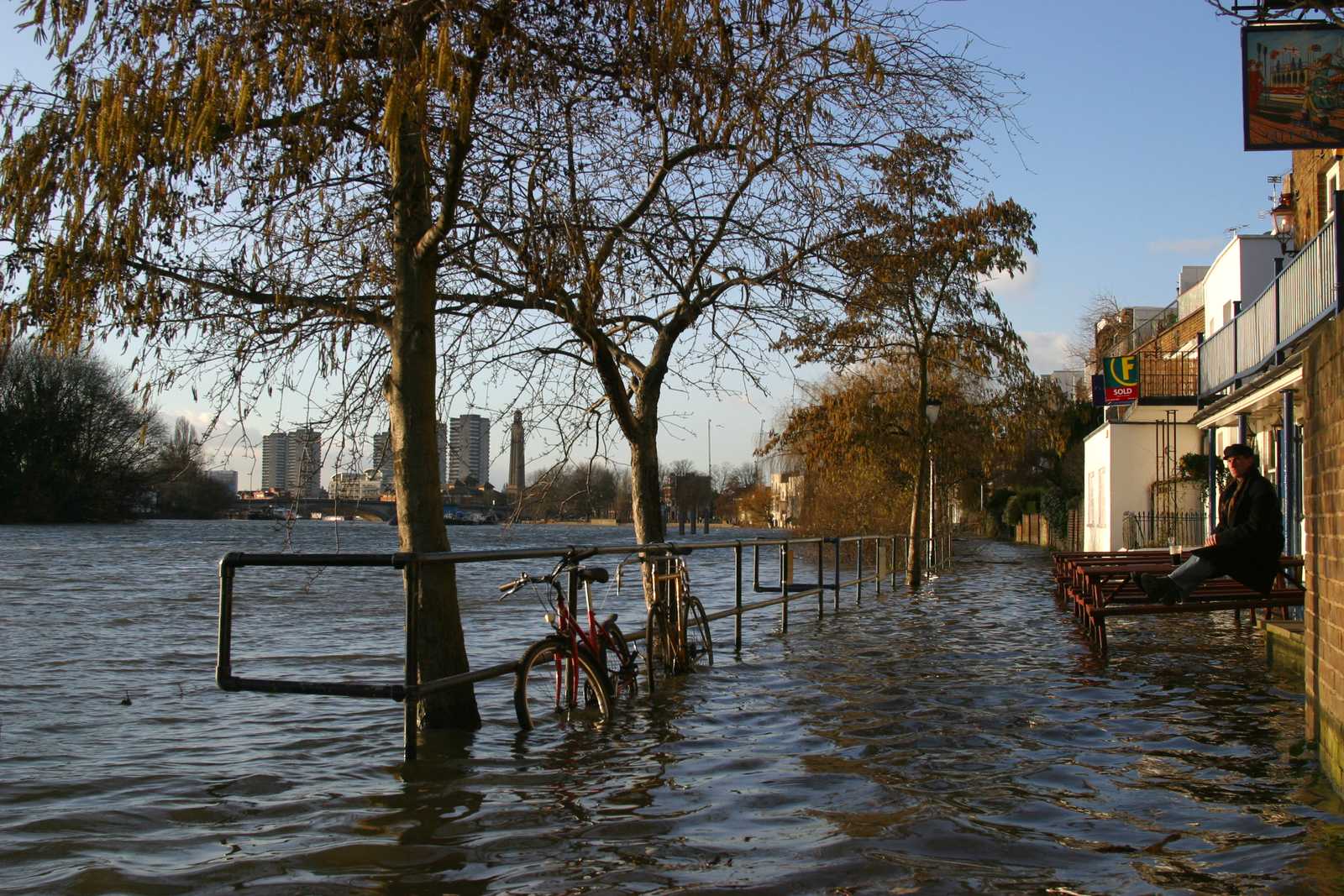
Major coastal cities face an existential reckoning. Major coastal cities such as New Orleans, Miami, New York, and Washington, DC, will have to upgrade flood defenses and drainage systems or risk adverse consequences. These aren’t minor infrastructure tweaks we’re discussing.
Here’s a sobering statistic: In coastal cities, especially in the United States, about 9% of the land area in municipalities with populations over 50,000 lies at or below 1 meter elevation, making them highly vulnerable to flooding and other sea level rise impacts. Nearly one-tenth of our major coastal cities sits in the danger zone.
The ripple effects would be staggering. When Hurricane Sandy struck New York in 2012, coastal floods impacted an estimated 90,000 buildings in New York City alone, while 2 million people lost power, which caused extensive damage, disrupted commercial activity and costed the city over $19 billion. Now imagine that level of disruption becoming routine with higher baseline sea levels.
Agricultural Devastation and Food Security Crisis
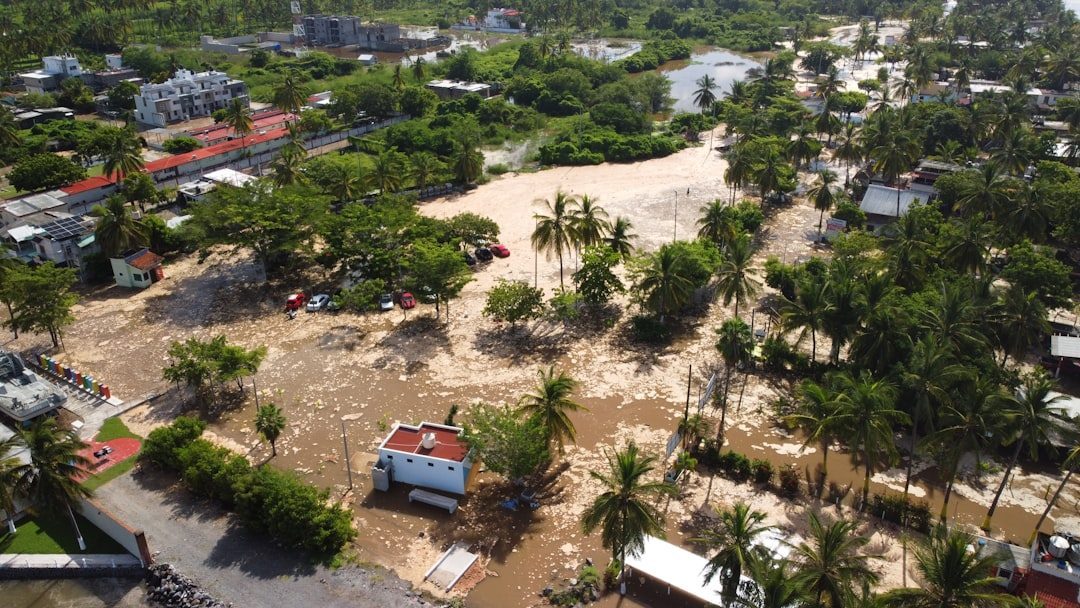
The impact on global food systems would be nothing short of catastrophic. Studies suggest that increased soil salinity, both in coastal and inland areas, may result in significant declines in rice yield, thus reducing the income of the affected farmers significantly. Rice feeds half the world’s population, so this isn’t just an agricultural statistic.
Studies project that Bangladesh will experience a 15.6% reduction in rice yield as a result of increased soil salinity in coastal areas. Countries like Vietnam and Bangladesh, which are already hotspots for food insecurity, would face even greater challenges. “Due to their extensive coastline and many river deltas, countries like Bangladesh and Vietnam are hot spots for climate change impacts such as sea-level rise and salt water intrusion,” says Dr Udaya Sekhar Nagothu from the Norwegian Institute of Bioeconomy Research.
Communities depending on small scale coastal agriculture will be forced to import food, at high cost. The economic burden of importing food that was once grown locally would strain already vulnerable economies and push millions deeper into poverty.
The Human Displacement Crisis
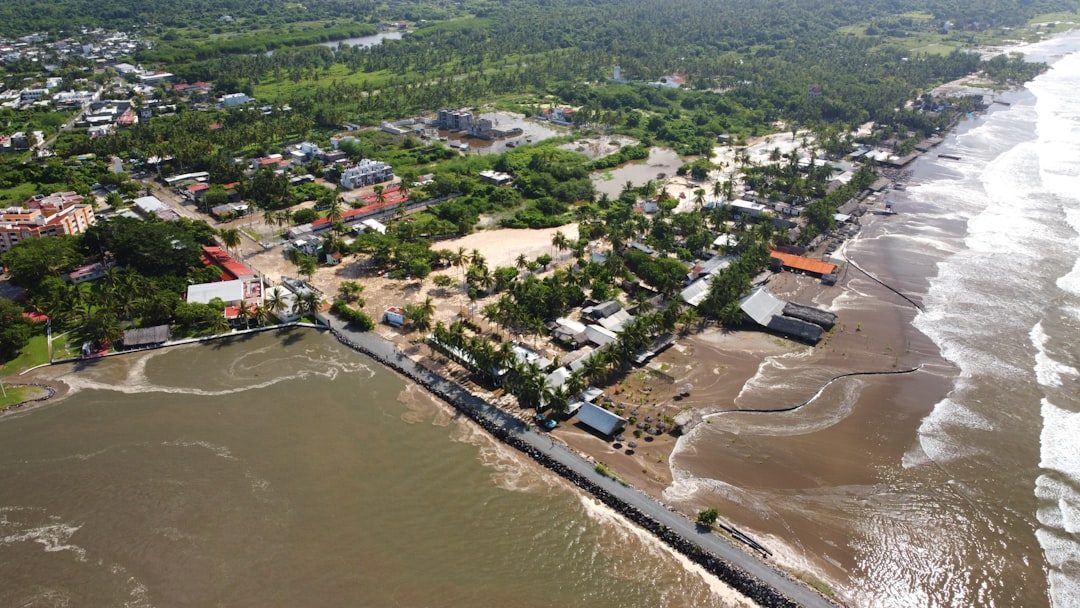
We’re looking at one of the largest forced migrations in human history. In developing countries, hundreds of millions of people could be displaced, with the most severe impacts concentrated in a small number of countries such as Vietnam, Egypt, and The Bahamas. This isn’t gradual relocation; it’s mass exodus from entire coastal regions.
Sea level rise in Bangladesh could displace millions of people by 2050. That’s just one country and just by mid-century. The social fabric of coastal communities, built over generations, would be torn apart as families are forced to abandon ancestral homes.
The social consequences of this displacement extend far beyond the physical relocation of communities. Families face the emotional trauma of leaving generational homes, while cultural heritage sites and traditional ways of life are threatened. Indigenous communities and cultures deeply connected to coastal environments face potential extinction.
Economic Devastation Beyond Imagination
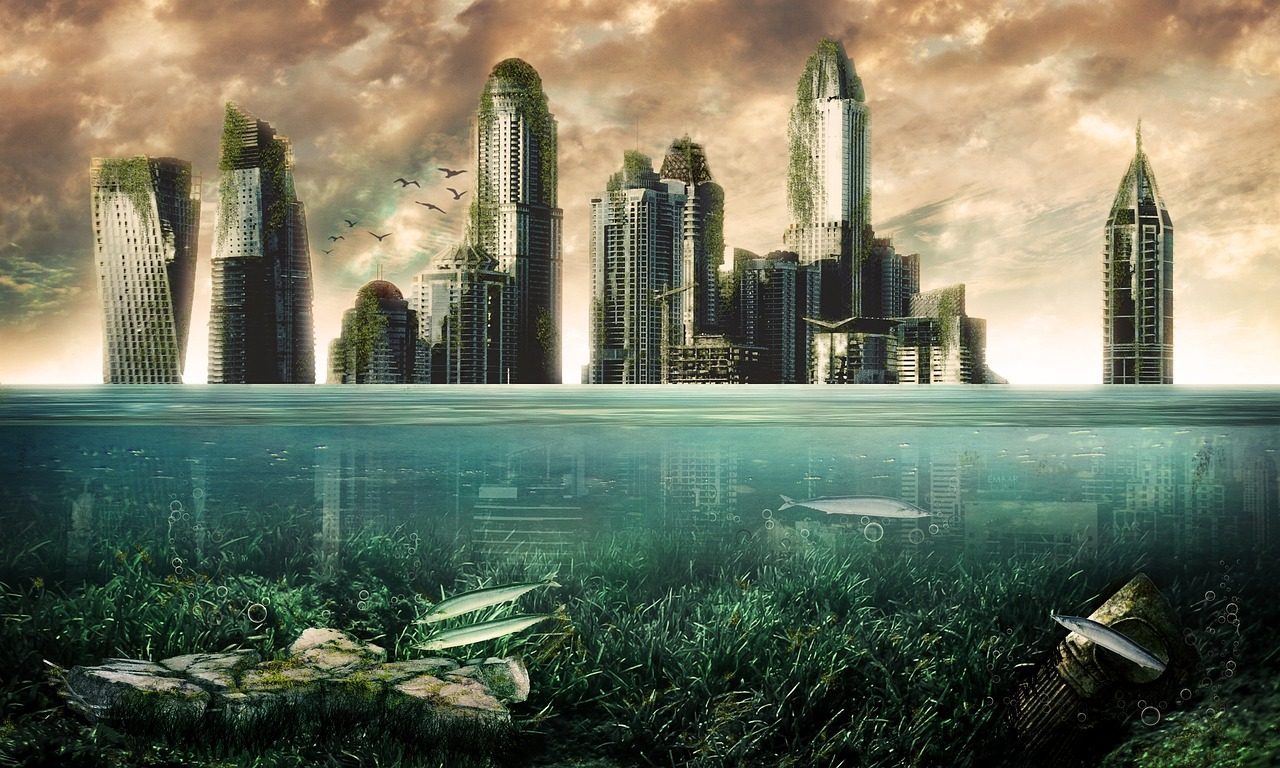
The financial toll reaches into the hundreds of billions. Modelling results predict that Asia will suffer direct economic damages of US$167.6 billion at 0.47 meters of sea level rise. This rises to US$272.3 billion at 1.12 meters and US$338.1 billion at 1.75 meters. And that’s just direct damage, not counting the cascading economic effects.
Property values in coastal areas would collapse long before the water arrives. Historical data shows that properties experiencing regular flooding face significant decreases in value, affecting both homeowners and local economies. Insurance companies are already beginning to retreat from high-risk areas, leaving property owners stranded without coverage.
Based on a review of the existing literature, estimates of the cumulative impacts of a 50-cm sea-level rise by 2100 on coastal property range from about $20 billion to about $150 billion. Estimates at the low end of the range reflect modeling of the most economically efficient adaptation to sea-level rise. Those estimates at the high end reflect assessments of vulnerability or protection costs, and assume that all currently developed vulnerable areas will be protected, regardless of costs. That’s for half the sea level rise we’re discussing.
Infrastructure Collapse and System Failures
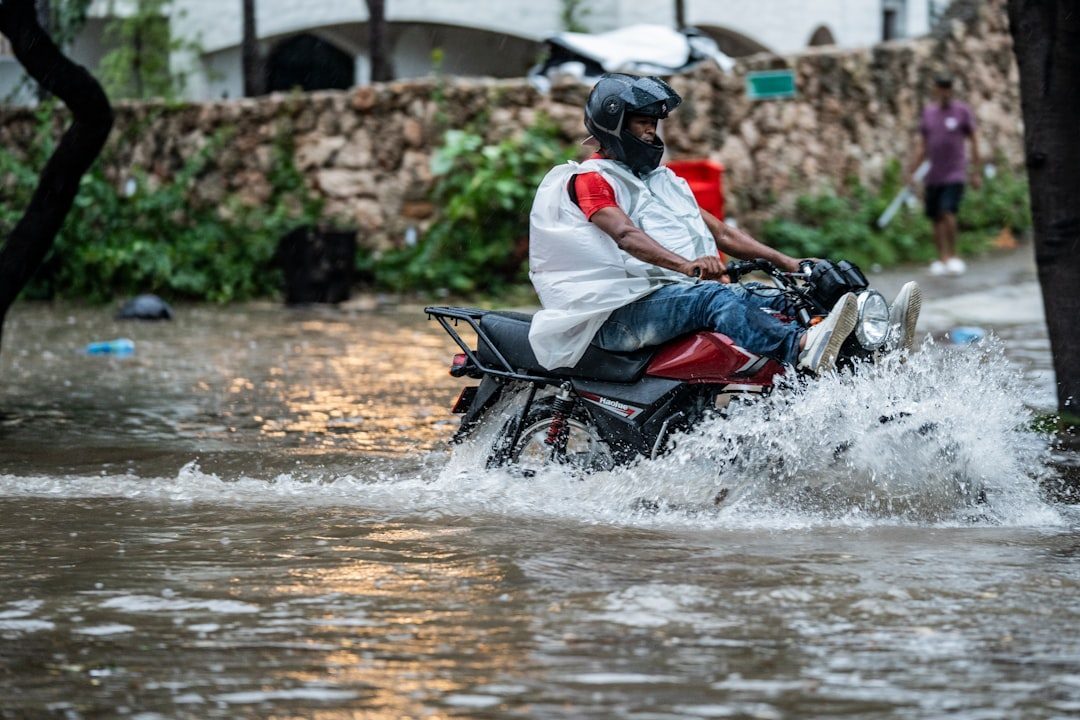
Critical infrastructure faces unprecedented vulnerability. Impacts to infrastructure from sea level rise can include flooding, erosion of supporting soils, collapse of buildings, surges of saltwater into waterways, and transportation delays for aviation, ports, roadways, and railways near the coasts. Entire transportation networks could become unreliable or unusable.
In the US, 300 energy facilities are on land at or below 4 feet, including natural gas infrastructure, electric power plants, and oil and gas refineries. Ports, docks, bridges, airports, underpasses, dams, roadways, pipelines, and railways all have sea level rise risk from increased floodwater exposure, erosion, and heightened storm surges.
Underground infrastructure would be particularly devastated. Underground infrastructure is particularly vulnerable. Subway systems, parking structures, and basement levels of buildings require increasingly sophisticated pump systems to manage flooding. Storm drain networks, designed for previous rainfall patterns, frequently prove inadequate during intense storms combined with higher sea levels, resulting in widespread urban flooding.
Ecological Catastrophe and Biodiversity Loss
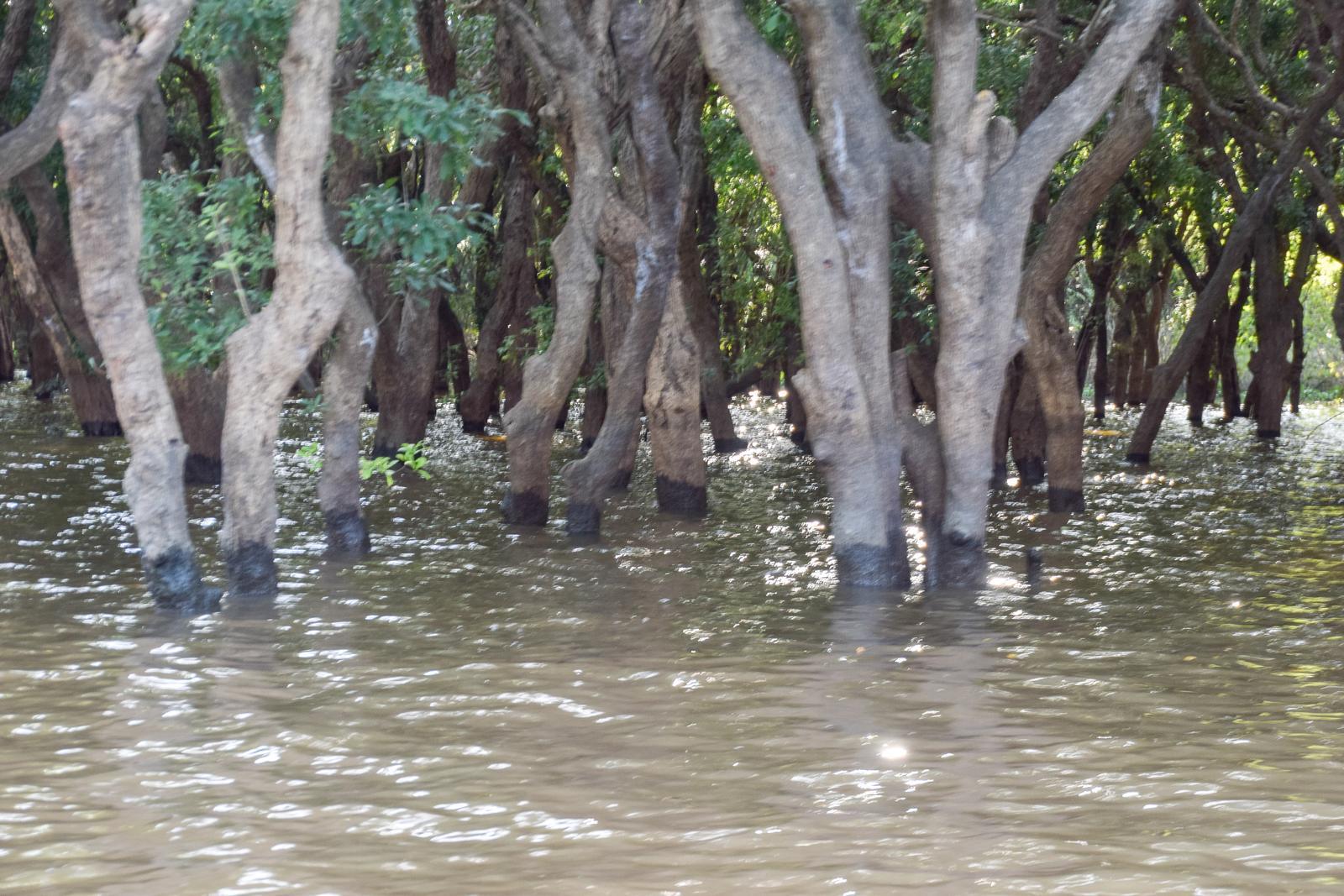
The environmental destruction would be staggering. Globally, approximately 68% of coastal wetlands in developing countries are at risk, with severe impacts expected in regions like East Asia, the Middle East, and North Africa, potentially costing over $703 million annually in economic losses. The economic loss from wetland destruction is estimated to exceed $703 million per year (in 2000 US dollars), with the largest losses expected in China, Vietnam, Libya, Egypt, Romania, and Ukraine.
Unique ecosystems face complete annihilation. In Bangladesh, the Sundarbans – the world’s largest mangrove forest and a critical ecosystem – would be completely lost, leading to severe environmental and livelihood consequences. These mangrove forests serve as crucial barriers against storm surges and habitat for countless species.
Even modest sea level rises can have harmful effects, destroying coastal habitats and expanding inland, flooding wetlands, aquifers, and salt-contaminated agricultural soils. The interconnectedness of these ecosystems makes them highly vulnerable to the consequences of sea level rise, highlighting the urgent need for sustainable measures to reduce impacts on food production and biodiversity in these vulnerable areas.
The Adaptation Challenge
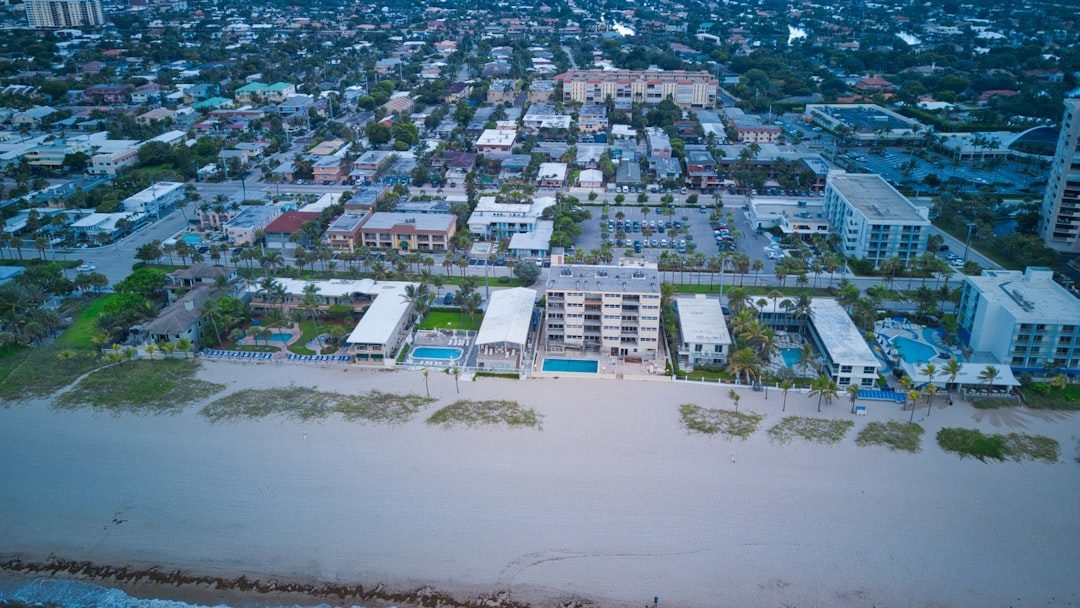
The scale of required adaptation measures is mind-boggling. Rising seas can lead to increased costs for coastal protection measures, such as building sea walls and surge barriers, and repairing damage to infrastructure. Developed nations need to double climate adaptation finance to at least $40 billion a year, according to the Glasgow Climate Pact. But even if this was achieved, the adaptation finance gap of $187-359 billion per year would only be reduced by 5%, says the United Nations Environment Programme.
Some cities are already implementing desperate measures. “We have short term plans on building a sea wall. For the long run, there are plans to relocate residents at risk” said Ms. Tobing. With assistance from the Dutch government, Jakarta has developed a city-wide climate adaptation strategy that includes a Sea Defense Wall Master Plan.
Yet even wealthy nations would struggle. Indeed, Lincke and Hinkel (2018) suggested that for 90% of exposed populations, who live on only 13% of the world’s coasts, it will be cost-effective to protect. This leaves ten percent of coastal populations potentially without viable protection options.
Looking at a one-meter sea level rise isn’t just about imagining flooded coastal areas. It’s about envisioning a fundamentally transformed world where the very concept of permanent coastlines becomes obsolete. The cascading effects would reshape global economics, trigger the largest migration crisis in human history, and force us to completely reimagine how civilization functions near the water’s edge.
What strikes me most is how this isn’t just an environmental problem but a test of human adaptability and solidarity. Will we act decisively enough to prevent this scenario, or will we be forced to adapt to a world where a meter of rising sea has rewritten the rules of coastal living forever? The choice, remarkably, is still ours to make.
Worried about unexpected vet bills?
Pet insurance can cover thousands in unexpected vet costs. Get a free quote from Lemonade in under 2 minutes.
Get My Free Quote →Sponsored · Opens Lemonade.com
