
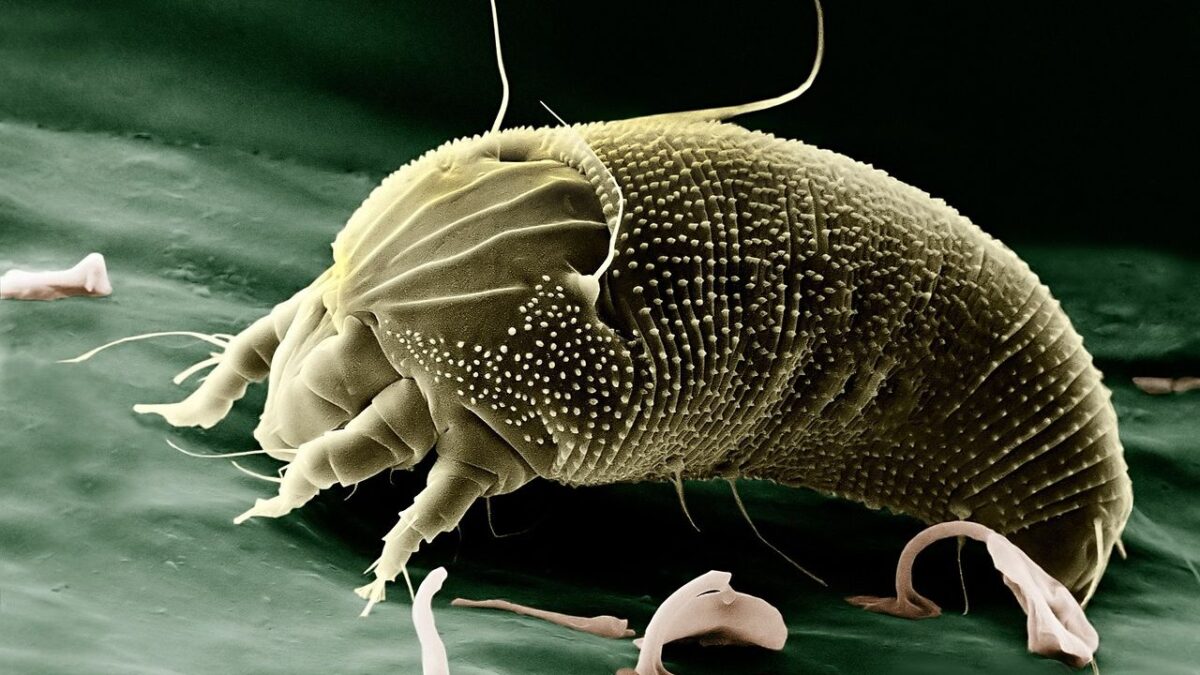
Most of what keeps this planet alive is invisible to the naked eye. Forests seem to thrive on sunlight and rain. Oceans look like vast stretches of open water. Yet beneath both, an intricate, teeming world of microscopic organisms does the fundamental work that makes larger life possible.
From bacteria and fungi to protozoa and microalgae, these tiny yet mighty beings generate most of our oxygen, purify water, enrich soil, and maintain the balance of global ecosystems. Without them, the food we eat, the air we breathe, and even the soil underfoot would collapse into dysfunction. The remarkable thing is that most of us move through our days without a passing thought about any of it.
Phytoplankton: The Ocean’s Invisible Lungs
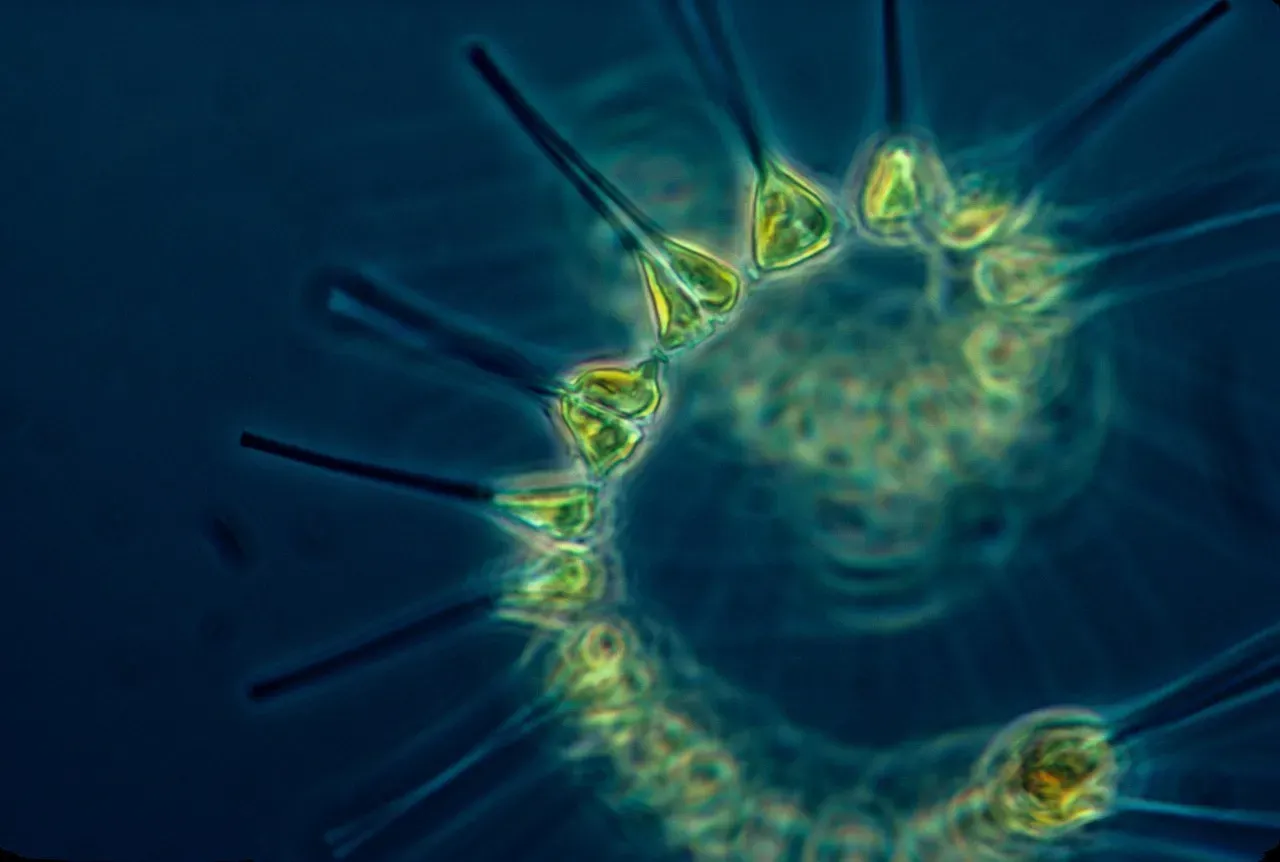
It’s easy to think of forests as the planet’s great oxygen factories. Rainforests get the credit, the headlines, the conservation campaigns. The real story, though, is far more aquatic.
Scientists estimate that at least half of the oxygen in our atmosphere has been produced by phytoplankton. At the same time, they are responsible for drawing down significant portions of carbon dioxide from the air. That’s a staggering contribution from organisms that need a microscope to be seen.
These floating, drifting, plant-like organisms harness the energy of the sun, mix it with carbon dioxide taken from the atmosphere, and turn it into carbohydrates and oxygen. Phytoplankton are critical to the marine food web, being the primary producers of food for the oceanic food web, from zooplankton to fish and shellfish to whales.
Phytoplankton not only supply food and oxygen for marine life globally, but also regulate atmospheric carbon through the biological pump, a process that moves carbon from the ocean surface to the deep sea. One particularly striking member of this group is worth singling out. One particular species, Prochlorococcus, is the smallest photosynthetic organism on Earth, but this little bacteria produces up to 20% of the oxygen in our entire biosphere. That’s a higher percentage than all of the tropical rainforests on land combined.
Mycorrhizal Fungi: The Underground Internet of Forests
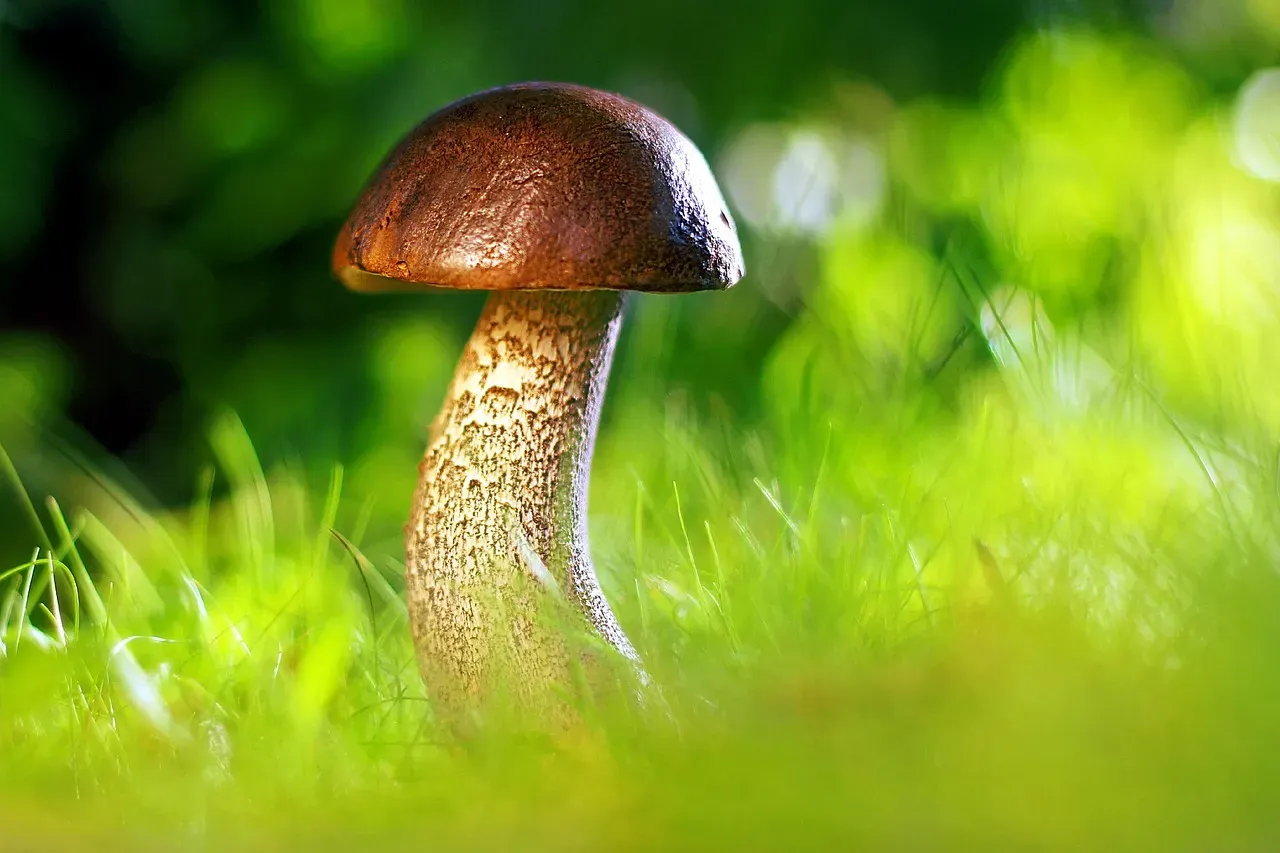
Walk through any healthy forest and what you see above ground is only part of the picture. Below the surface, an extraordinary network is quietly at work, one that moves nutrients, water, and even chemical signals between trees.
Mycorrhizal fungi are vital organisms that are essential to the health and function of terrestrial ecosystems. They originated more than 400 million years ago and strongly influenced the evolution and diversification of plants on Earth. Mycorrhizal fungi form symbiotic relationships with the roots of most land plants, benefiting both the fungi and the plants in a mutual exchange of resources.
Mycorrhizal fungi colonize plant roots and extend their thread-like hyphae into the surrounding soil, increasing the effective surface area for resource uptake. This growth forms an extensive mycelial network that explores soil volumes far beyond the reach of the plant’s root system. As a result, the network greatly enhances the plant’s ability to absorb water and essential nutrients.
They form networks that serve as communication and resource sharing pathways, especially in older forest systems where historic networks are intact. For example, trees under stress from pest or pathogen attack send chemical signals across the mycorrhizal network that trigger defenses in other susceptible trees. It’s a form of biological coordination that operates entirely out of sight, and largely out of our awareness.
Arbuscular mycorrhizal fungi contribute up to 90% of plant phosphorus to host plants in ecosystems with reduced soil phosphorus availability. Given that phosphorus is essential to plant growth, that figure alone underscores just how dependent terrestrial life is on these microscopic partners.
Nitrogen-Fixing Bacteria: The Soil’s Silent Fertilizers
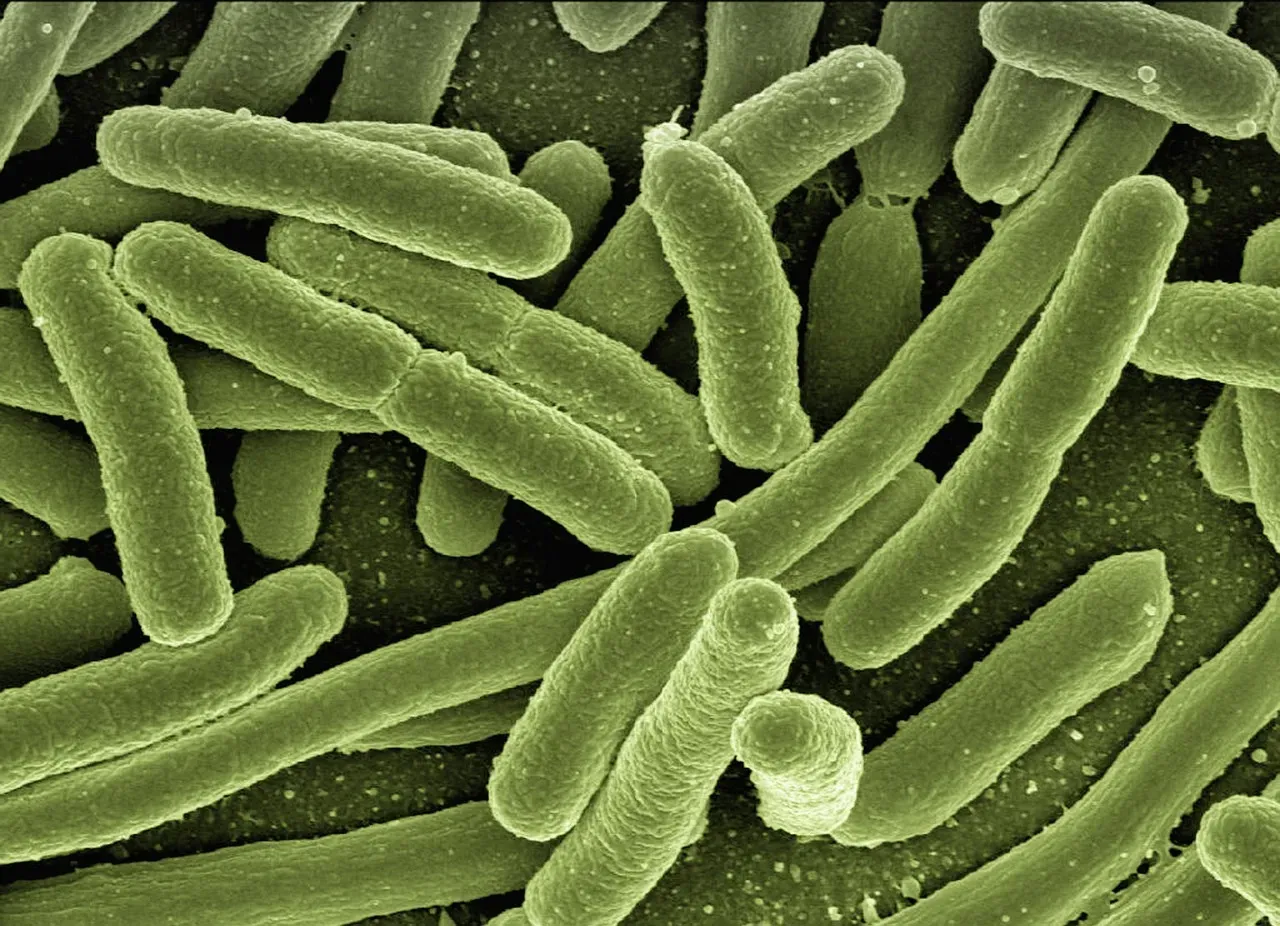
Plants need nitrogen to grow. Yet the nitrogen that makes up most of our atmosphere is, for the most part, completely unusable to them. It takes a microscopic intermediary to bridge that gap.
Microorganisms play a critical role in the nitrogen cycle through various processes such as nitrogen fixation, nitrate reduction, nitrification, denitrification, and more. Without this work, plant life as we know it would struggle to exist. Atmospheric nitrogen is inert and unavailable to most plants and animals. Nitrogen-fixing bacteria, such as Rhizobium, form symbiotic relationships with leguminous plants to convert atmospheric nitrogen into ammonia, which plants can use.
Microbes play a huge role in the nitrogen cycle. Without them, there would not be enough usable nitrogen for plants and animals. Microbes can also help balance nitrogen levels when human activities add too much nitrogen to the environment, such as through the use of nitrogen fertilizers, making these microbes essential for supporting life and maintaining healthy ecosystems.
A teaspoon of productive soil generally contains between 100 million and 1 billion bacteria. That is as much mass as two cows per acre. A ton of microscopic bacteria may be active in each acre. The sheer density of that microbial population in ordinary soil gives some sense of the invisible labor happening just beneath our feet.
Protozoa: The Microscopic Regulators of Aquatic Life
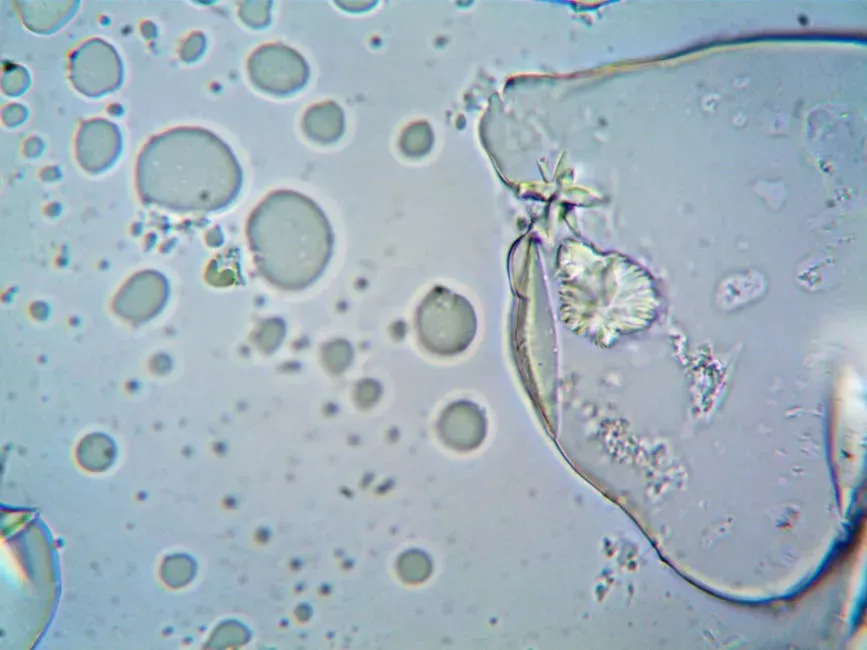
Freshwater ecosystems are more fragile than they appear. Lakes, rivers, and wetlands depend on a series of checks and balances operating at scales far too small to observe directly. Protozoa are central to keeping those systems stable.
Without the presence of organisms such as ciliated protozoa, rotifers, or amoebas, the populations of bacteria present in the water would not have their main natural regulators, so these ecosystems would no longer be a suitable environment for the development of other forms of life and a reliable source of drinking water.
Protozoa control the bacterial population and pathogens, cycle nutrients, and improve water clarity. That’s a compact but remarkable job description. They feed on bacteria and algae, controlling their population, and also serve as a food source for slightly larger microscopic animals, thus transferring energy up the food chain.
Microorganisms also contribute to ecosystem health by suppressing plant and animal diseases. Soil-borne pathogens such as Fusarium and Phytophthora can devastate crops and natural vegetation. However, beneficial microorganisms in the soil, including bacteria and fungi, can outcompete or inhibit these pathogens through various mechanisms such as producing antimicrobial compounds, occupying ecological niches, or inducing systemic resistance in plants. The protective role of these organisms quietly underpins both wild ecosystems and the agriculture many people depend on for food.
Tardigrades: The Indestructible Ecosystem Connectors
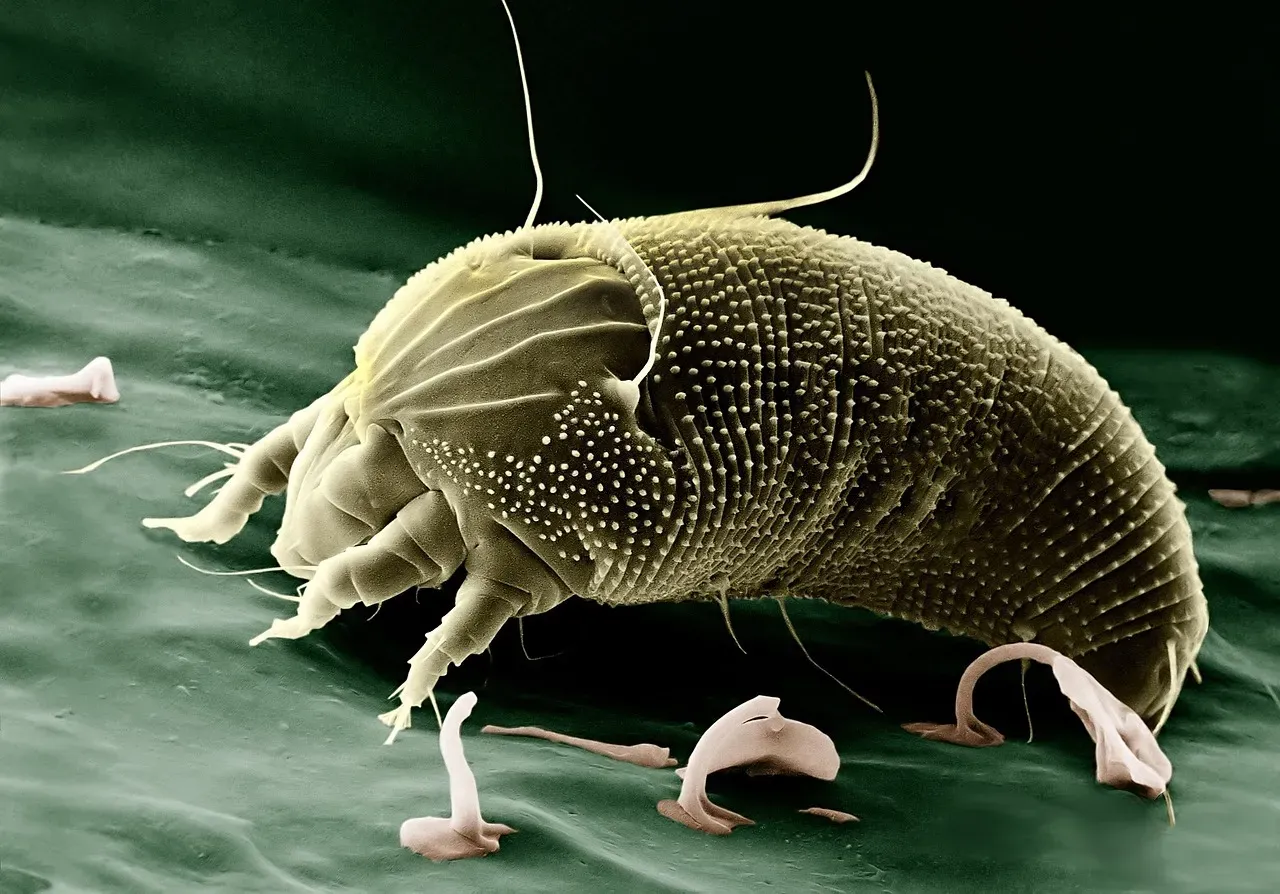
Of all the microscopic creatures described here, tardigrades have perhaps earned the most public attention, mostly for their almost absurd durability. They’ve been sent to space. They’ve survived conditions that would obliterate virtually any other living thing. Yet their ecological role on Earth is equally worth understanding.
Tardigrades live in diverse regions of Earth’s biosphere, from mountaintops and the deep sea to tropical rainforests and the Antarctic. They are among the most resilient animals known, with individual species able to survive severe conditions, such as exposure to extreme temperatures, extreme pressures, air deprivation, radiation, dehydration, and starvation, that would quickly kill most other forms of life.
Tardigrades feed on algae, bacteria, and protozoa, influencing nutrient cycling; they also serve as prey for nematodes and other carnivores. This positions them as connectors within the microbial food web, consuming organisms at one level and feeding those at the next.
Tardigrades can survive extreme conditions, from high radiation levels to the vacuum of space. Their diet is diverse, including plant cells, bacteria, and even other tardigrades. Despite their minute size, these microscopic organisms have a significant impact on the environment and the planet’s health, playing vital roles in nutrient cycling, food chains, and global climate regulation.
Why These Organisms Deserve More Attention
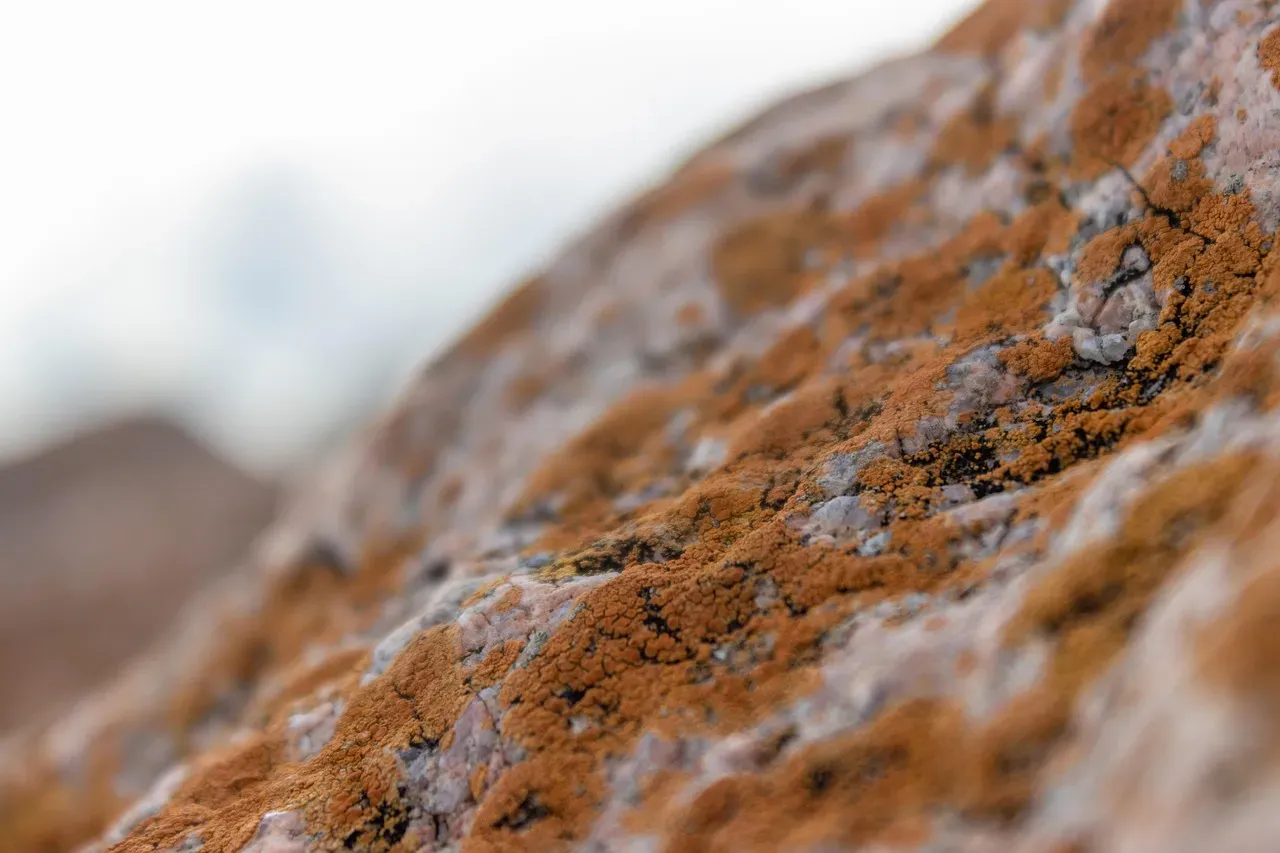
There’s a tendency to frame conservation almost entirely around visible animals. The concern is real and the stakes are high. Still, the organisms described here are worth placing on equal footing, because the loss of microbial diversity can destabilize ecosystems from the ground up.
Microorganisms, despite their microscopic size, play an indispensable role in maintaining ecosystem health and stability. Their functions extend beyond simple decomposition and nutrient cycling, contributing to processes such as soil fertility, climate regulation, and disease suppression.
If certain microbial activity decreases or stops due to stressful conditions such as pollution or temperature changes, then whole biogeochemical cycles can ultimately become unbalanced, leading to a slow breakdown of the environment where plants and animals would suffer as a result. That’s not a distant theoretical risk. It’s something already being observed in heavily disturbed soils and warming ocean waters around the world.
A healthy ecosystem has lots of species diversity and is less likely to be seriously damaged by human interaction, natural disasters, and climate change. That diversity, it turns out, begins at the microbial level, long before it becomes visible.
Conclusion
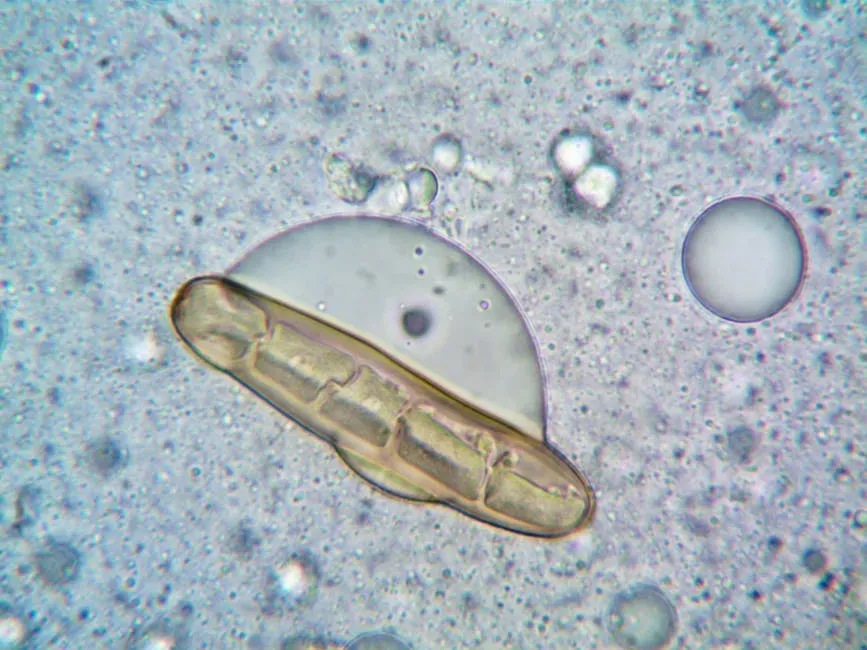
The five organisms explored here, phytoplankton, mycorrhizal fungi, nitrogen-fixing bacteria, protozoa, and tardigrades, share one defining quality. They do enormous work with almost no recognition. Their contributions sustain every forest, every ocean food web, every breath of fresh air.
Understanding them isn’t just an exercise in scientific curiosity. It shifts the way one thinks about what an ecosystem actually is. It’s not just the trees and the fish and the birds. It’s also the invisible architecture holding all of those things together.
The microscopic world doesn’t ask for attention. It simply keeps things running. That, perhaps, is the most remarkable thing about it.

- People Who Prefer Cats Over Dogs Often Carry This One Childhood Experience, According to Psychology - June 12, 2026
- 13 Dog Breeds That Flood Rescue Centers After the Holidays Every Single Year Without Exception - June 12, 2026
- The Great Migration: Why Millions of Monarchs Choose These US States - June 11, 2026