
Worried about unexpected vet bills?
Pet insurance can cover thousands in unexpected vet costs. Get a free quote from Lemonade in under 2 minutes.
Get My Free Quote →Sponsored · Opens Lemonade.com
Deep inside a bustling hive, a single honeybee traces a figure-eight pattern on the comb. Other bees pause and watch intently. This simple dance reveals the location of food sources miles away, proving that silence holds profound messages in the animal world.
Nature has equipped creatures with tools beyond vocalizations. Visual cues, chemicals, and even ground tremors allow precise exchanges. These methods thrive where sound might fail, from dark forests to ocean depths.
Honeybees and the Waggle Dance
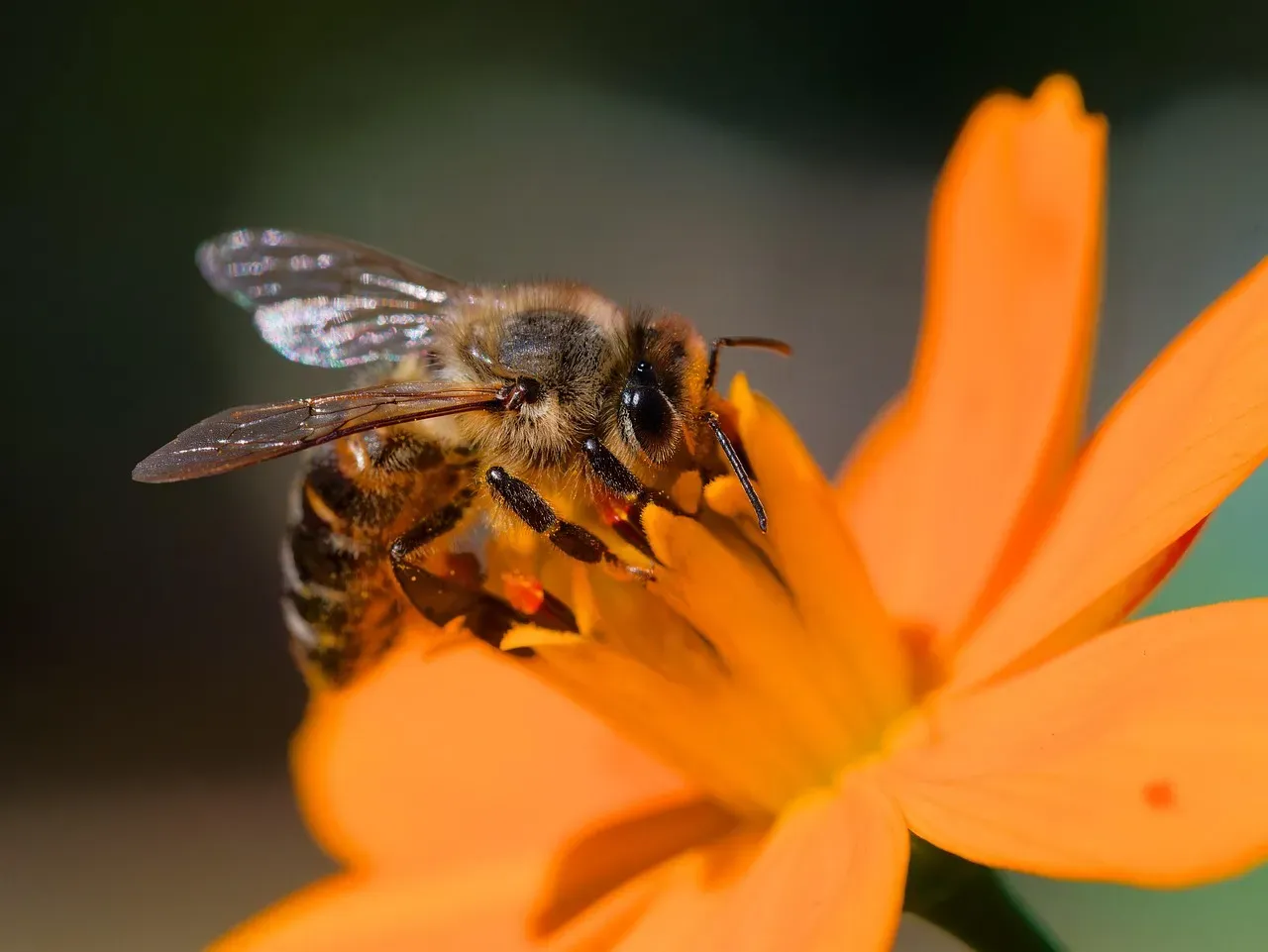
Honeybees master a visual code known as the waggle dance. A foraging bee returns to the hive and shakes its body while moving in a straight line, the angle and duration indicating direction and distance to nectar.
This dance occurs on the vertical honeycomb surface. The bee’s abdomen waggles at high speed, vibrating the air slightly to draw attention. Foragers interpret the moves relative to the sun’s position, leading them straight to resources.[1][2]
Accuracy impresses researchers. Bees adjust for obstacles and communicate multiple sites. Such efficiency sustains colonies through lean times.
Ants’ Pheromone Trails
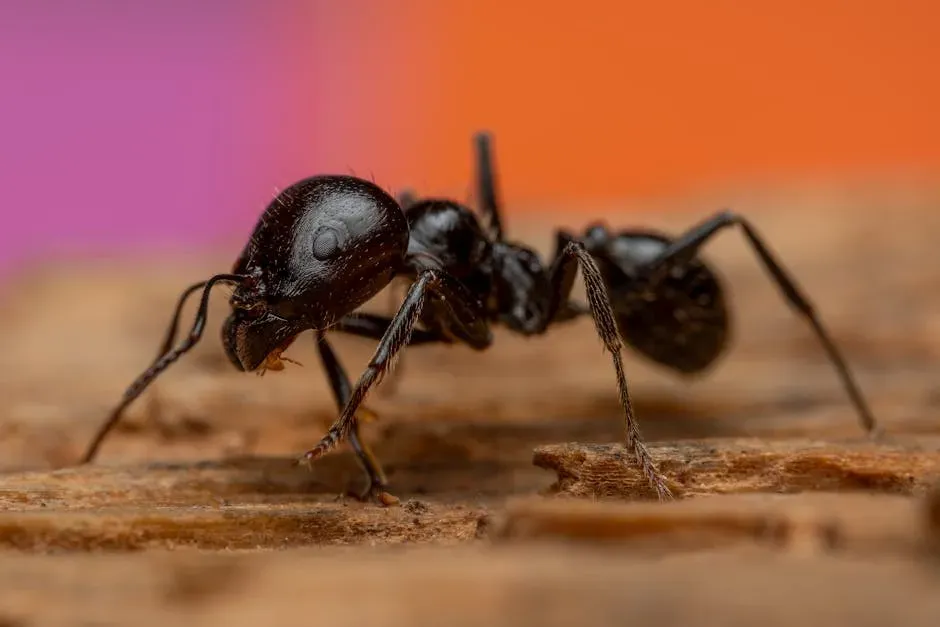
Ants lay down chemical trails using pheromones from their glands. A scout finds food and deposits these scents on the return path, guiding nestmates precisely.
The strongest trails reinforce popular routes. Other ants amplify the signal by adding their own pheromones. This creates highways of invisible ink across forests and kitchens alike.[2]
Different pheromones serve alarms or recruitment. Evaporation ensures old trails fade, adapting to changes. Colonies function like living superorganisms through this scent network.
Foragers follow blindly at first, then learn landmarks. Success rates soar with collective input.
Fireflies’ Bioluminescent Flashes
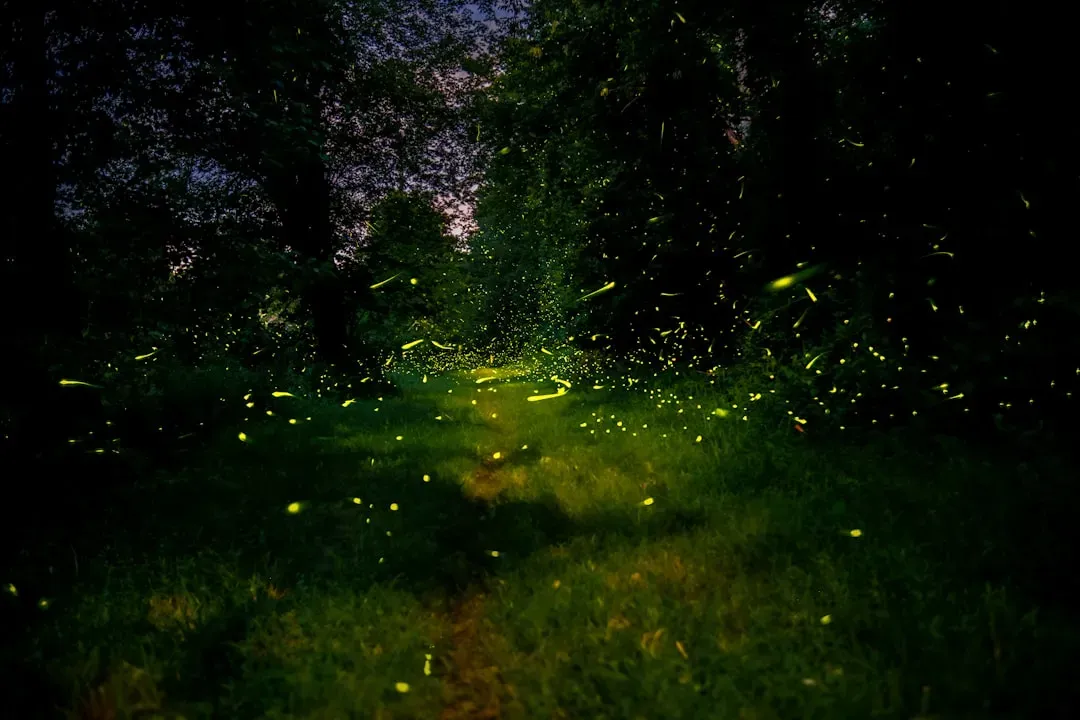
Fireflies light up summer nights with coded pulses. Males flash specific patterns to attract females perched on leaves. Each species has a unique rhythm, preventing cross-attraction.
Females respond with their own flashes if interested. This silent Morse code unfolds in darkness, where sound travels poorly. Predators sometimes mimic to lure prey.[1]
Light organs in the abdomen produce cold glow via chemical reactions. Duration and speed convey fitness. Mating success hinges on perfect synchronization.
Cuttlefish Color Transformations
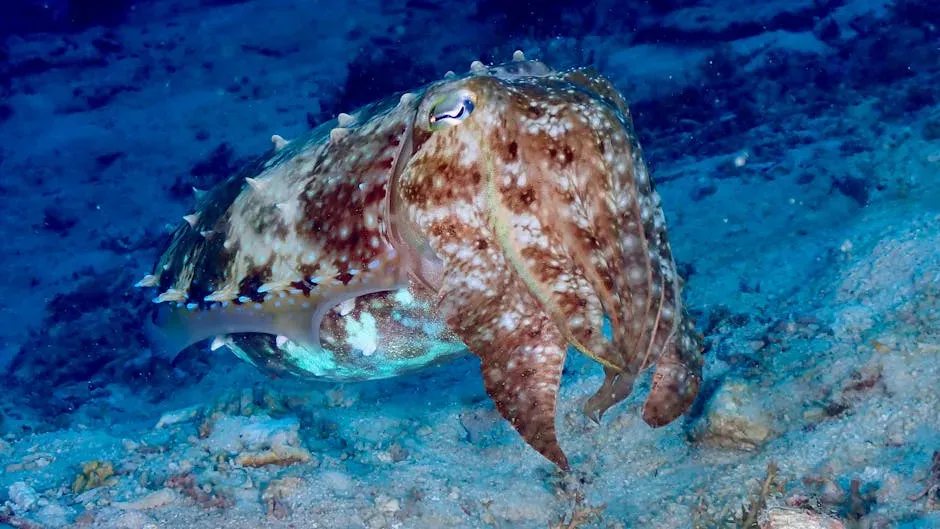
Cuttlefish shift skin colors and patterns rapidly using chromatophores. These cells expand or contract to display camouflage, threats, or courtship signals.
Males show polarized patterns visible only to females under certain lights. This hides displays from rivals. Communication blends deception and allure seamlessly.[2]
Thousands of cells create waves across the body. Signals change in milliseconds. Hunters and mates read the living canvas without a ripple.
Research reveals emotional states too. Fear stripes differ from aggression spots.
Elephants’ Seismic Foot Stomps
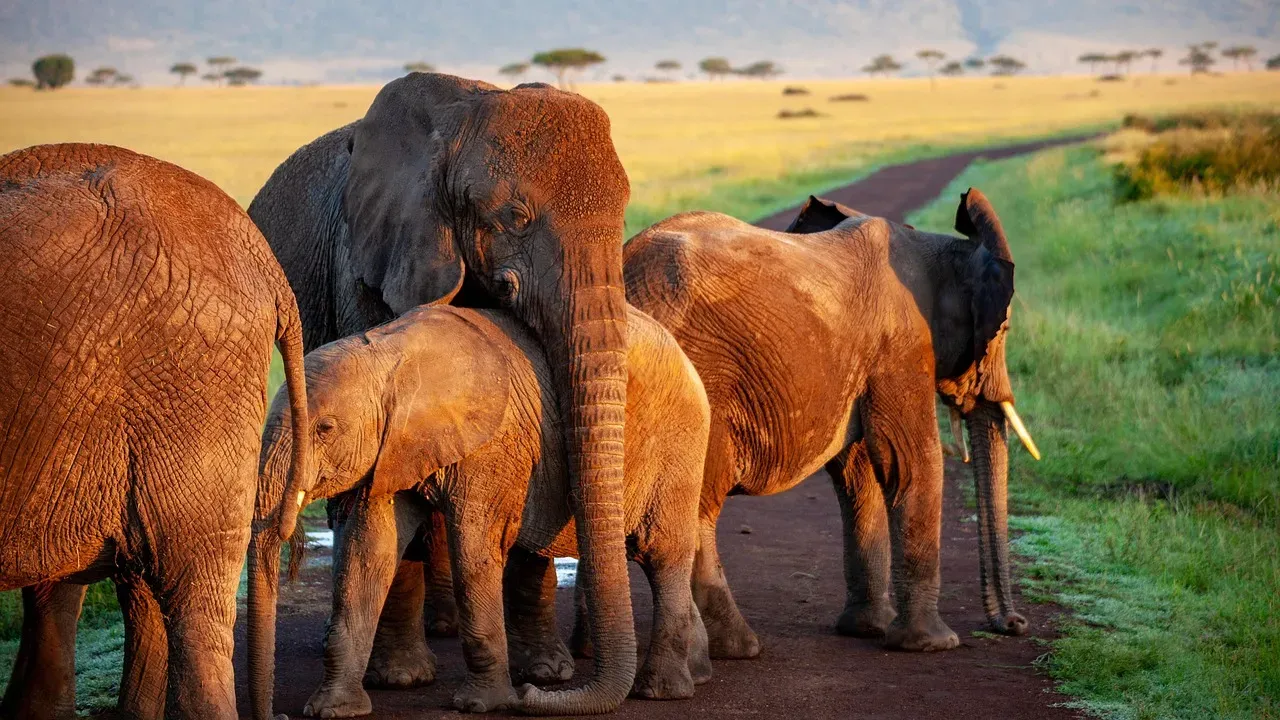
Elephants detect messages through their feet. They stomp the ground, sending vibrations that travel far across savannas. Sensitive trunks and foot pads pick up these seismic signals.
Low-frequency rumbles propagate through earth better than air. Family groups coordinate over kilometers this way. It warns of danger or summons distant kin.[2]
Bulls use stomps during musth to assert dominance. Calves learn by feeling maternal steps. This ancient method persists in herds facing noisy environments.
Peacocks’ Spectacular Tail Fans
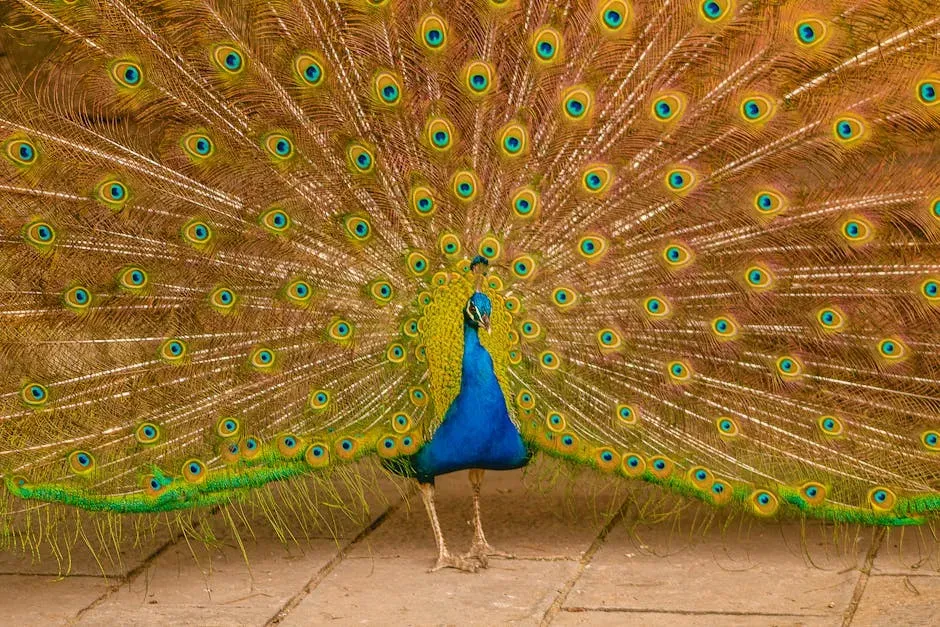
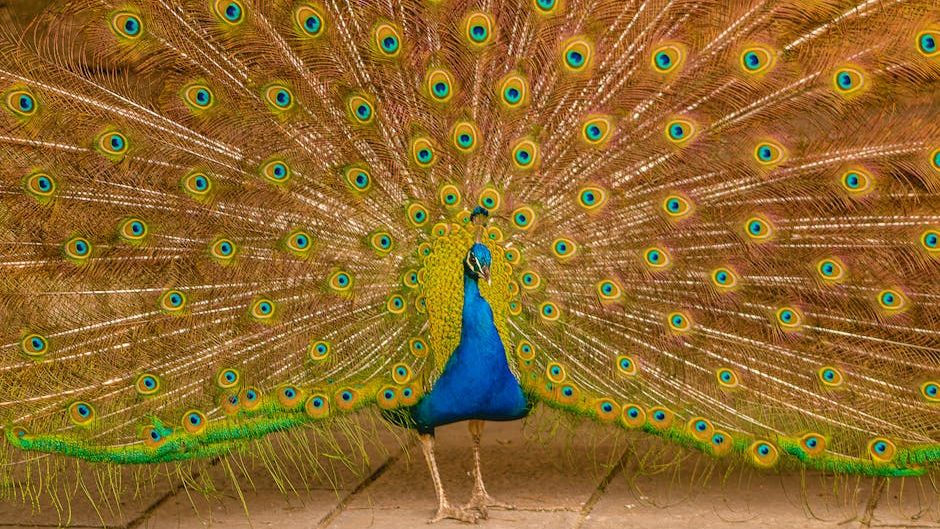
Male peacocks unfurl iridescent tail feathers in a massive fan. Eye-like spots hypnotize females during courtship. The display shakes to amplify visual impact.
Brighter, larger trains signal health and genes. Females inspect closely before choosing. Rivals back down from superior shows.
Feathers vibrate subtly, adding tactile cues up close. Molting renews the spectacle yearly. Silent grandeur rules mating grounds.
Butterflies’ Pheromone Clouds
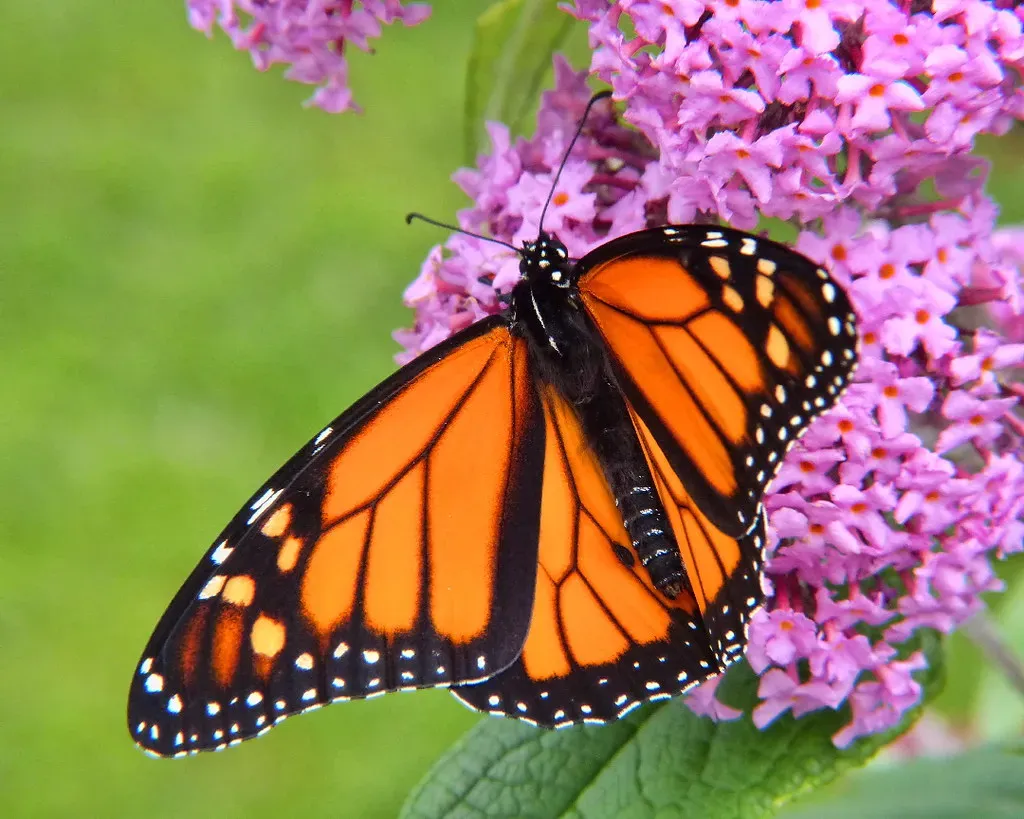
Butterflies release pheromones from scent scales on wings. Males waft these during patrols to lure females. Winds carry the invisible invitation over meadows.
Specific blends match species perfectly. Females follow gradients to suitors. This chemical whisper ensures precise pairings.[3]
Wing colors reinforce the message visually. Courtship involves fluttering dances too. Brief encounters yield eggs on host plants.
Octopuses’ Dynamic Skin Displays
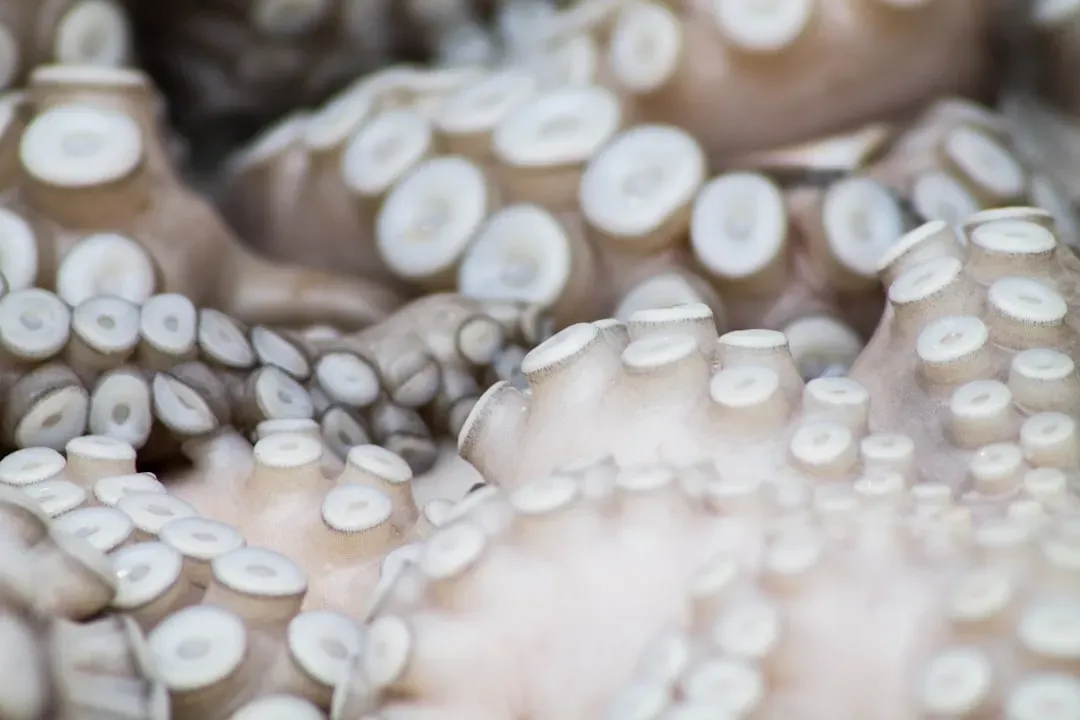
Octopuses control skin texture and color with papillae and chromatophores. Pulsing patterns signal mood or intent to peers. Solitary hunters still exchange vital info.
Passing waves mimic passing clouds for camouflage. Aggression shows bold stripes. Mating involves gentle skin touches.[1]
Nervous system directly innervates cells for instant change. Observers struggle to track the shifts. Underwater silence amplifies these visuals.
Spiders’ Web Tremors
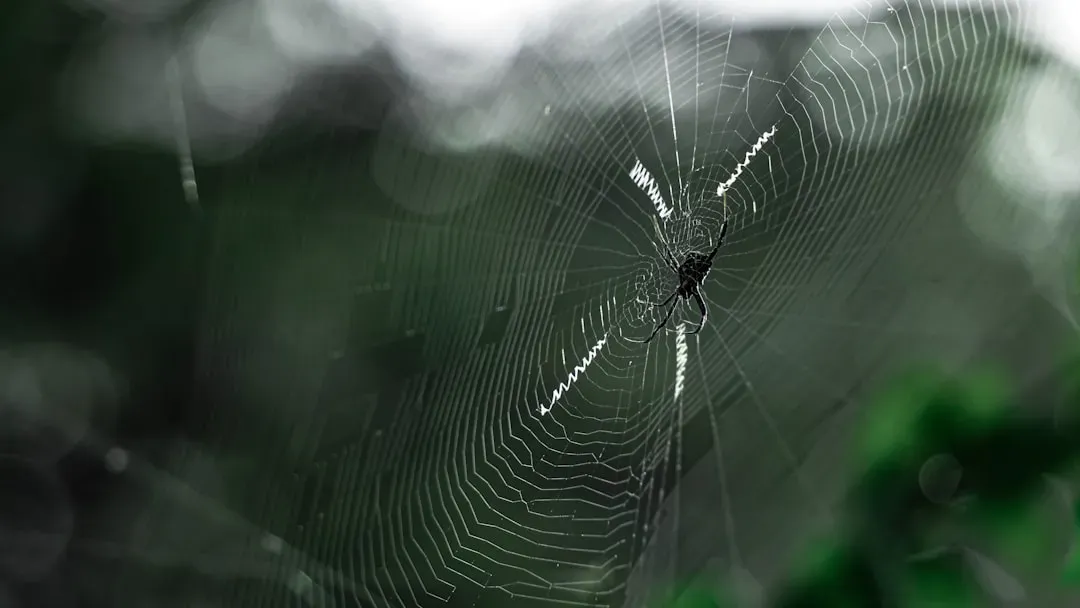
Spiders pluck web strands like guitar strings. Vibrations convey prey arrival or mate approach to others. Fine-tuned legs sense the patterns.
Females respond to courtship tunes differently from feeding buzzes. Males risk death by wrong notes. Webs become instruments of survival.[4]
Social spiders coordinate hunts via collective shakes. Silk tension modulates signals. Darkness favors this tactile talk.
Silent Signals Shape Survival
These nine animals reveal nature’s ingenuity. From dances to scents, non-sound methods fill niches where noise falters. Adaptation drives such diversity.
Humans glimpse parallels in gestures and expressions. Observing quietly teaches volumes. In a vocal world, silence often speaks clearest.
Worried about unexpected vet bills?
Pet insurance can cover thousands in unexpected vet costs. Get a free quote from Lemonade in under 2 minutes.
Get My Free Quote →Sponsored · Opens Lemonade.com
