
Worried about unexpected vet bills?
Pet insurance can cover thousands in unexpected vet costs. Get a free quote from Lemonade in under 2 minutes.
Get My Free Quote →Sponsored · Opens Lemonade.com
Some of the most breathtaking places on Earth share a surprisingly simple requirement: you can’t get there by road. No highway leads to their shores. No parking lot waits at their edge. The only way in is across the water, which might be exactly why they’ve stayed so magnificent.
There’s something quietly humbling about that. The boat ride itself becomes part of the experience, a threshold between the ordinary world and something that genuinely stops you mid-breath. These eight natural wonders reward the journey with landscapes so extraordinary they almost resist description.
Ha Long Bay, Vietnam
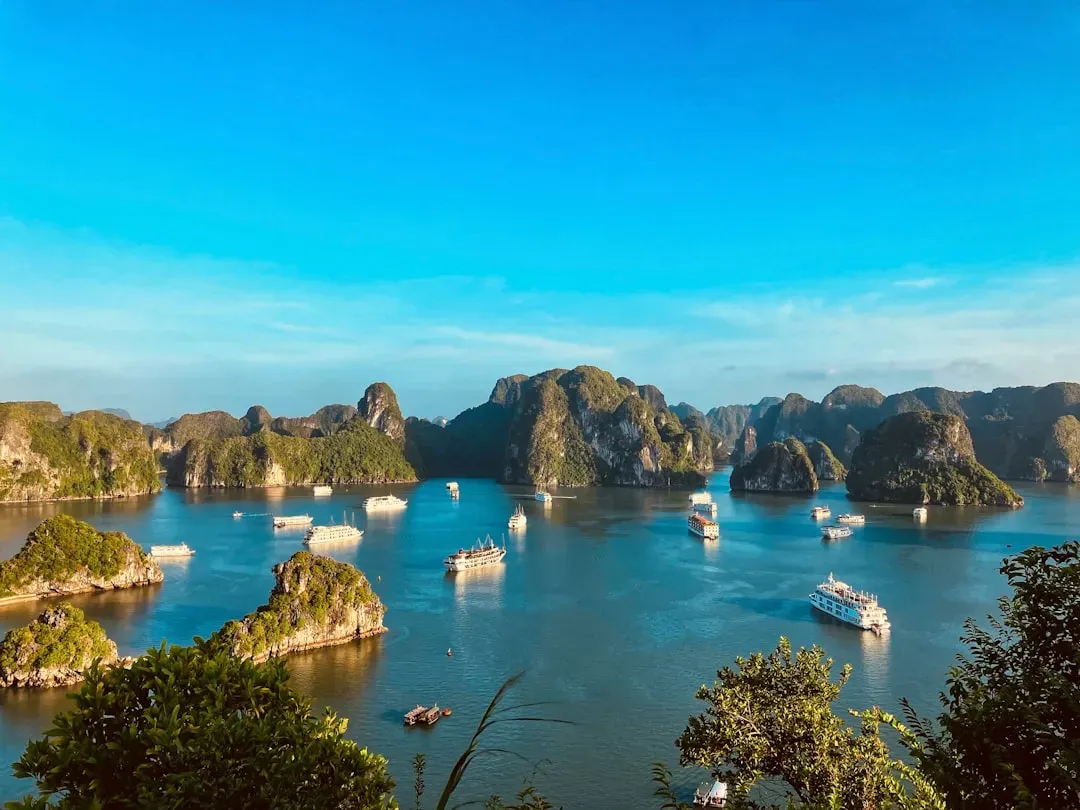
Ha Long Bay stands as one of the world’s most extraordinary natural wonders, a UNESCO World Heritage Site featuring nearly two thousand limestone karst islands and islets rising dramatically from emerald waters in northeastern Vietnam. The name itself carries folklore weight. Translated, “Ha Long” means “descending dragon,” and the name fits: this is a seascape unlike any other on the planet.
What makes Ha Long Bay so unique is not only its visual grandeur but also its roughly 500-million-year tectonic history. Formed through centuries of geological evolution, the limestone pillars and karst formations of the bay tell the ancient story of nature’s power and artistry.
Unlike many UNESCO sites with a single designation, Ha Long Bay earned its prestigious recognition twice: first in 1994 for its outstanding scenic landscape, and then again in 2000 for its exceptional geological significance. Exploring the hidden coves and lagoons that Ha Long Bay has to offer, accessible only by boat, unveils the bay’s rich biodiversity in ways that no land-based viewpoint could ever match. Whether you’re on a traditional junk boat or a luxury cruise, the bay promises an unforgettable escape into a world where nature, culture, and adventure converge.
Milford Sound, New Zealand
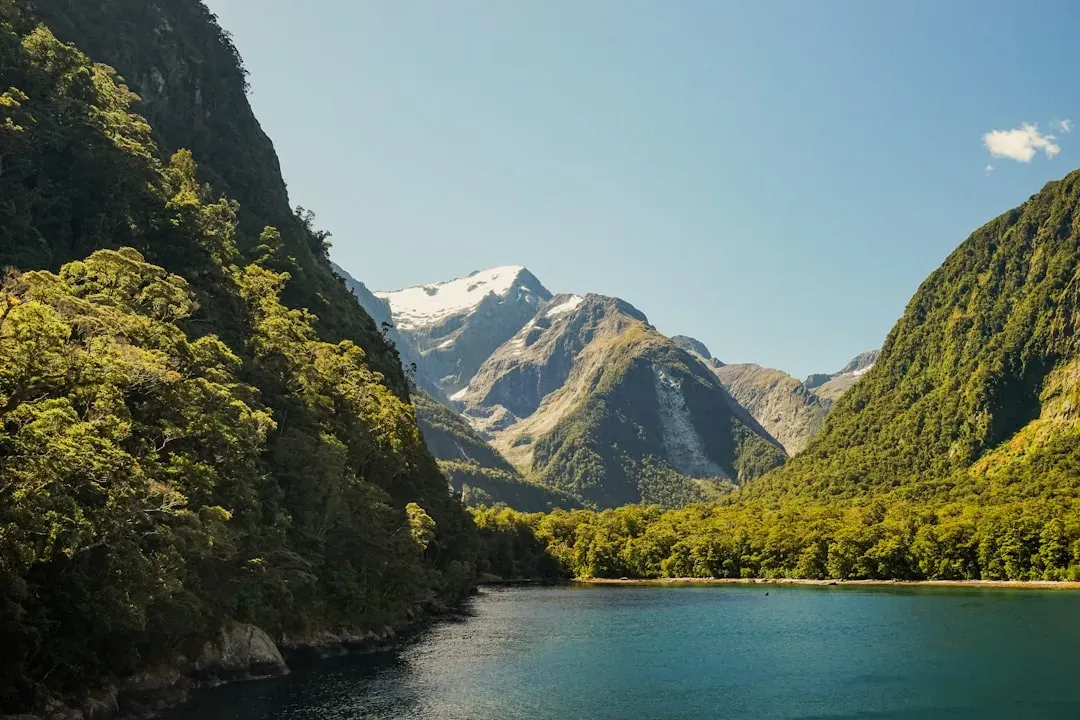
Tucked deep within Fiordland National Park in New Zealand’s South Island, Milford Sound is a breathtaking natural masterpiece renowned for its towering cliffs, cascading waterfalls, and serene, mirror-like waters. Nestled deep within the park, Milford Sound’s sheer cliffs and rocky valleys were formed by ancient glaciers over hundreds of thousands of years.
Often referred to as the “8th Wonder of the World,” a title famously attributed to author Rudyard Kipling, Milford Sound captivates visitors with dramatic landscapes sculpted by glaciers over thousands of years. Mist-shrouded peaks like Mitre Peak rise nearly 1,700 meters straight from the water, while wildlife such as dolphins, seals, and penguins add to the magic of the experience.
A scenic boat cruise is the most popular way to experience Milford Sound, offering views of Stirling Falls, Bowen Falls, and towering peaks like Mitre Peak. Wildlife is often spotted on the water, including seals, bottlenose dolphins, and occasionally Fiordland crested penguins. Milford Sound is one of the wettest places on Earth, receiving up to seven meters of rain annually and experiencing rainfall on 182 days each year. Remarkably, the rain only makes it more dramatic.
Puerto Princesa Underground River, Philippines
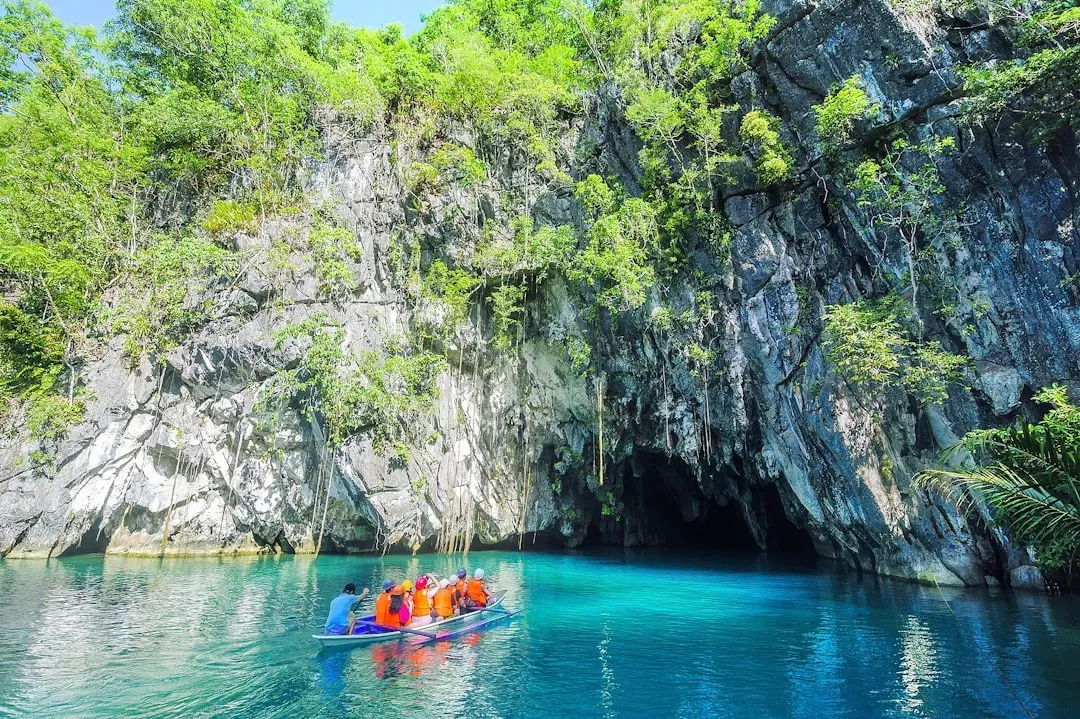
The Puerto Princesa Subterranean River is the second-longest underground river in the world. It consists of an 8.2 km underground section of the Cabayugan River, traversing a cave system that is at least 32 km long. The river winds through the caves before flowing directly into the South China Sea.
Recognized as one of the UNESCO World Heritage Sites in the Philippines and included among the New 7 Wonders of Nature, this iconic destination captivates travelers with its stunning limestone karst landscapes and mesmerizing cave formations. Visitors can experience a portion of the river by boat, gliding through eerie, cathedral-like caverns filled with dramatic stalactites and stalagmites.
The river’s cavern exhibits dramatic speleothems and several large chambers of as much as 120 meters wide and 60 meters high. Its accessibility and navigability up to 4.5 km inland allows it to be experienced by the general public, who can view the magnificent rock formations on a river cruise unequalled by any other similar experience elsewhere in the world. In 2010, a group of environmentalists and geologists discovered that the subterranean river has a second floor, meaning there are small waterfalls inside the cave, along with a cave dome measuring 300 meters above the underground river.
The Horizontal Falls, Western Australia
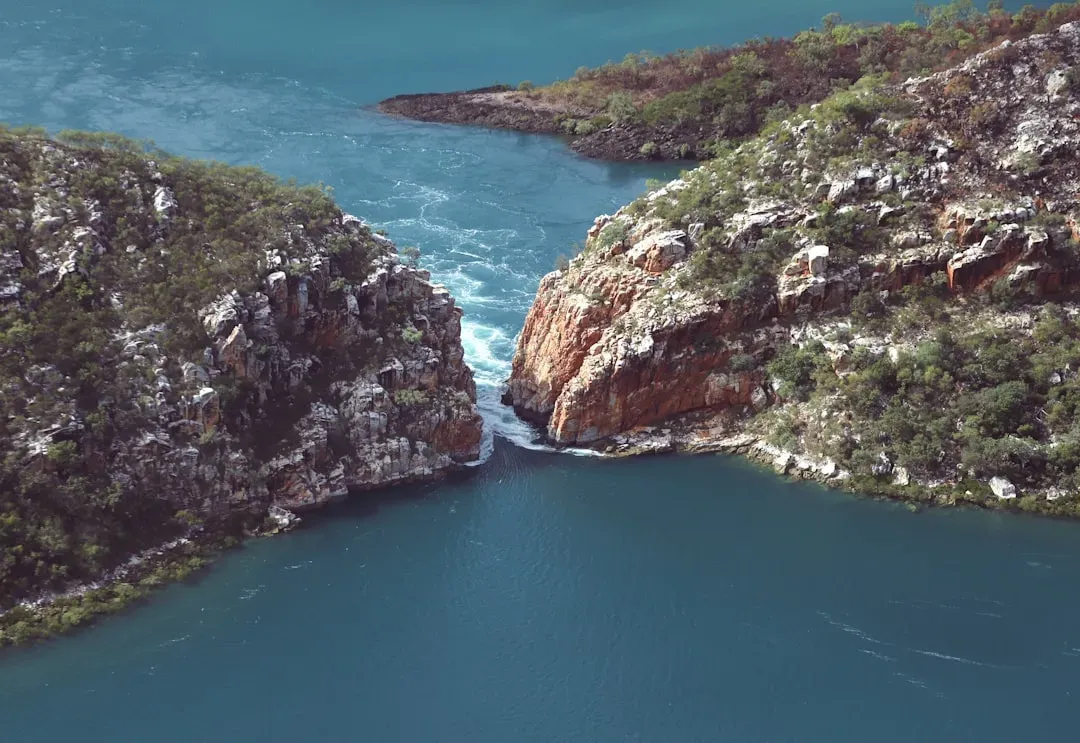
In the Kimberley region of Western Australia, you’ll find one of the most unique natural wonders in the world: the Horizontal Falls. Massive tides push water through narrow gorges in the McLarty Range, creating a horizontal waterfall effect. It’s a phenomenon that sounds physically impossible until you watch it happen.
Set in remote Western Australia, the Horizontal Falls are the result of an unusual natural phenomenon whereby tidal flows periodically create waterfalls during the ebbing and flowing of each tide cycle. The waterfalls result as the enormous volume of water seeks to pour through two narrow openings in the natural rock gorges.
Getting into the gorges themselves is possible only by boat, owing to the Horizontal Falls’ rather remote location. The sheer force of water funneling through the narrow passages can create rushing rapids where you’d least expect them, making the boat journey itself feel like something off the edge of a map. It’s one of those places where nature seems to be running by different rules entirely.
Fingal’s Cave, Scotland
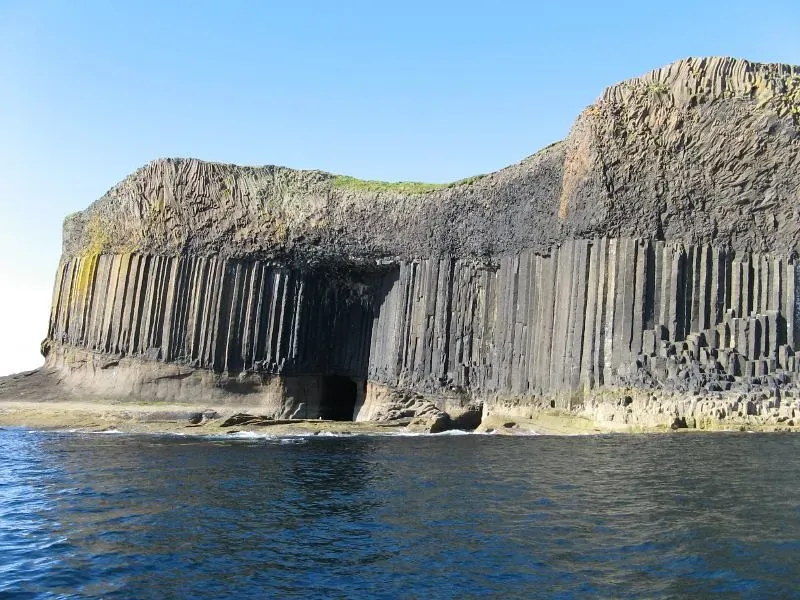
The cave’s acoustics and the unique, cathedral-like structure have inspired artists and musicians, including composer Felix Mendelssohn. Visitors are drawn by its natural beauty, historical significance, and the chance to witness an extraordinary example of nature’s artistry. Accessible only by boat, there’s a natural walkway that allows you to wander inside at low tide, and the sound of waves crashing inside inspired Mendelssohn to write his Hebrides Overture.
Fingal’s Cave sits on the uninhabited Scottish island of Staffa, formed entirely from hexagonal basalt columns created by ancient volcanic activity. The columns fit together with a geometric precision that looks almost intentional, as though the earth was making a point.
The boat trip to Staffa from the Isle of Mull takes roughly an hour, which is a modest price for what awaits. Once inside, the cave stretches about 20 meters in height, and the combination of dark stone, surging ocean, and those perfectly stacked columns creates an atmosphere that’s genuinely hard to shake. It’s the kind of place that stays with you long after the ferry ride home.
Raja Ampat, Indonesia
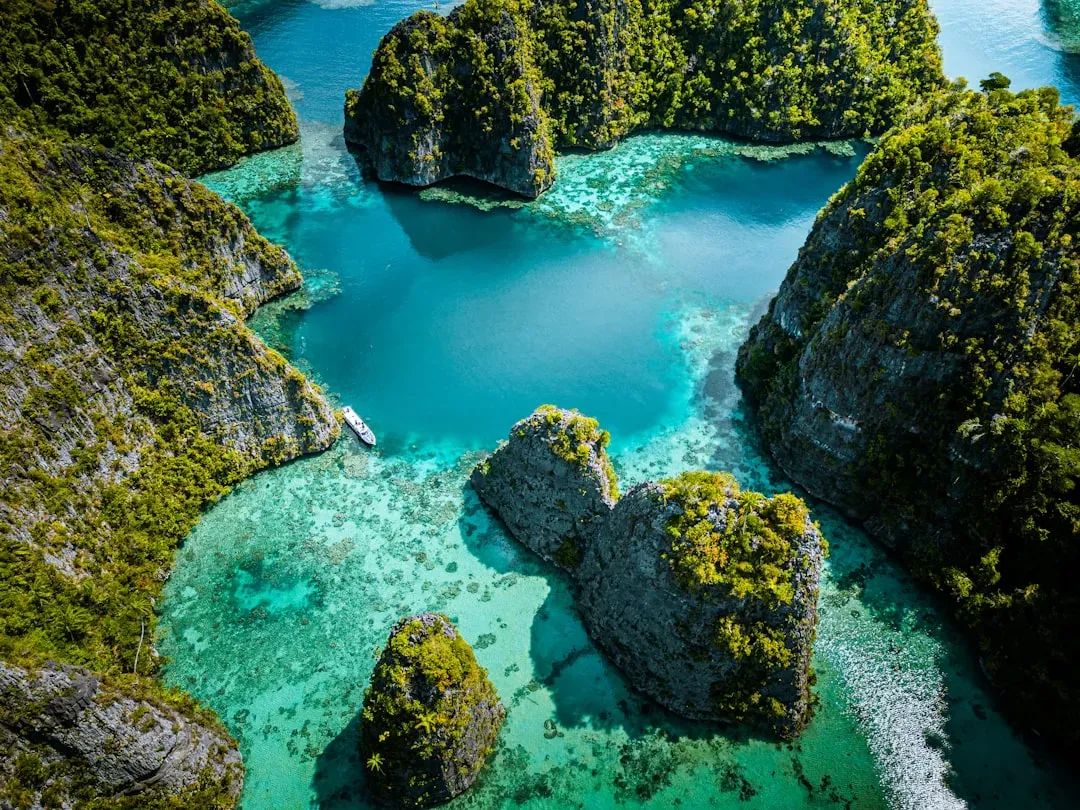
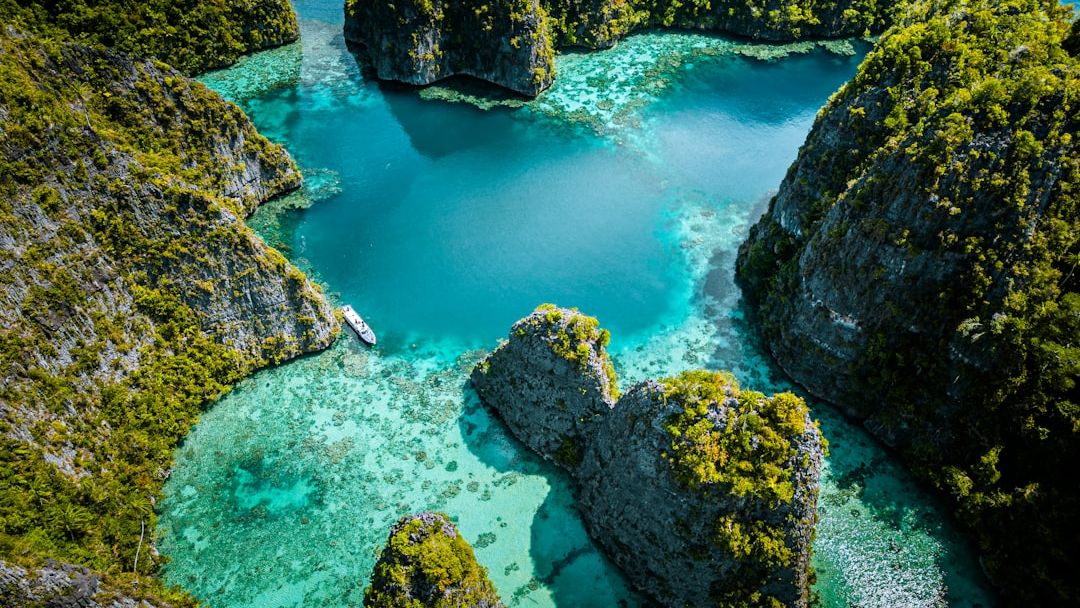
Located between the Indian and Pacific Oceans, Raja Ampat is an archipelago of about 1,500 mostly minuscule islands off the western shore of New Guinea. The coral-studded waters and jungle-draped islands are a holy grail for nature lovers, especially scuba divers and snorkelers who come to explore the world’s most diverse marine environment.
Getting around Raja Ampat is done almost entirely by boat. The islands are scattered across an area so vast that road travel simply isn’t part of the equation. Whether navigating remote wilderness, cruising along rugged coastlines, or exploring marine ecosystems, boating offers a way to experience these natural wonders that land simply cannot provide.
Raja Ampat is widely regarded by marine biologists as containing the richest coral reef ecosystem on Earth. The sheer density of species here, from manta rays to pygmy seahorses to walking sharks, is staggering. The fact that it takes considerable effort to reach is arguably part of why it has stayed so intact, one of the few remaining places where the underwater world looks much as it did centuries ago.
The Marble Caves, Chile
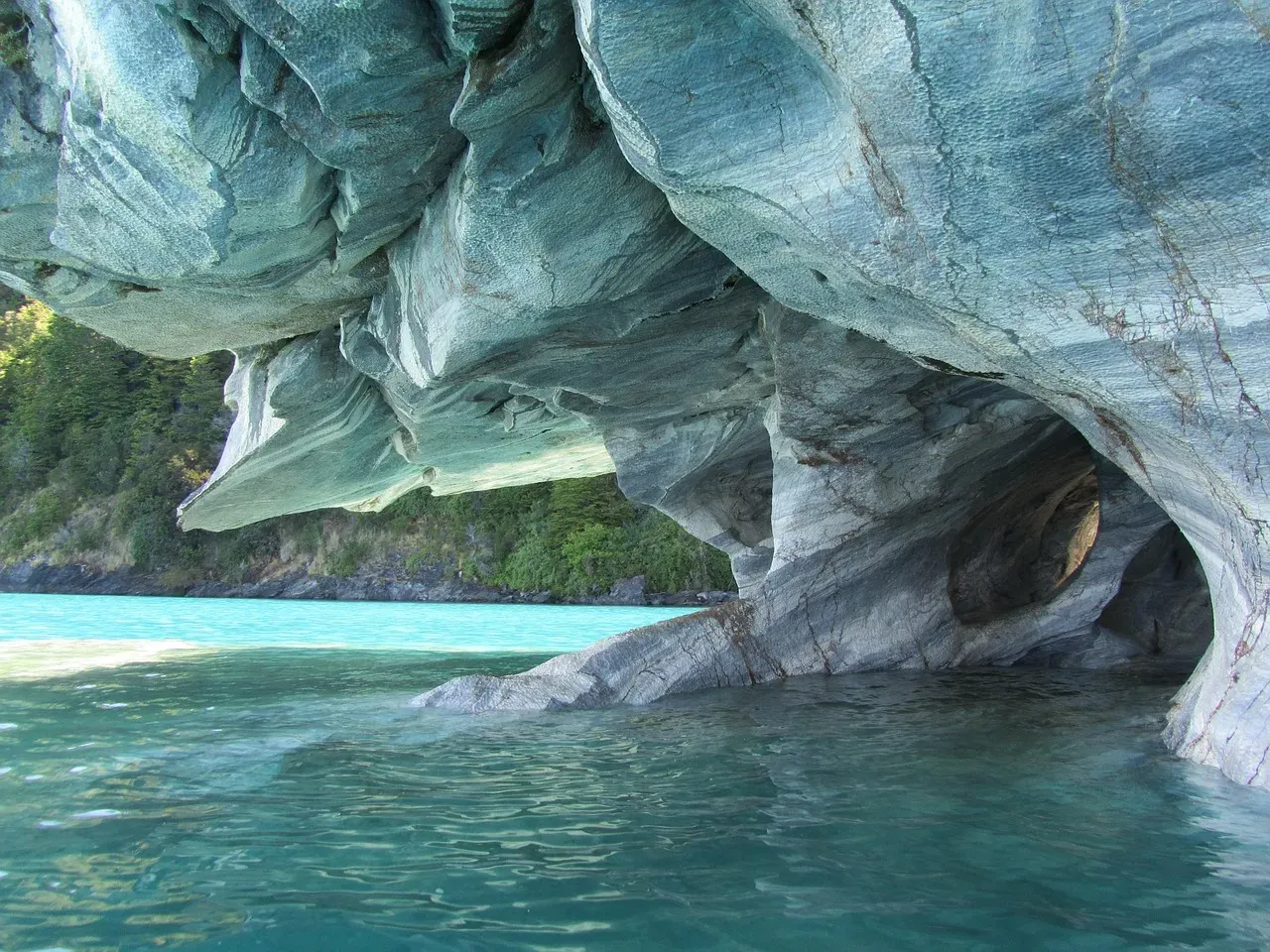
The Marble Cathedral refers to the expansive cave network that’s, aptly, naturally formed entirely out of marble. Located on General Carrera Lake in Chilean Patagonia, the caves have been sculpted over thousands of years by wave action, with the swirling blues and grays of the marble walls reflecting the lake’s glacier-fed turquoise water in an almost surreal interplay of color.
There are no roads to the caves themselves. The only way to experience them is by small motorboat, which threads between the narrow marble formations and into the chambers where the walls seem to glow from within. The color of the water changes with the seasons, shifting from deep turquoise in the spring to lighter shades in the summer months, which means the caves never look exactly the same twice.
General Carrera Lake is one of the deepest lakes in South America, straddling the border between Chile and Argentina. The remoteness of the Marble Caves is considerable: reaching the nearest town involves long road journeys through Patagonian steppe. That isolation is precisely what has kept the formations so pristine, and why the experience of floating inside those swirling marble chambers feels so unlikely and so private.
The Blue Grotto, Croatia
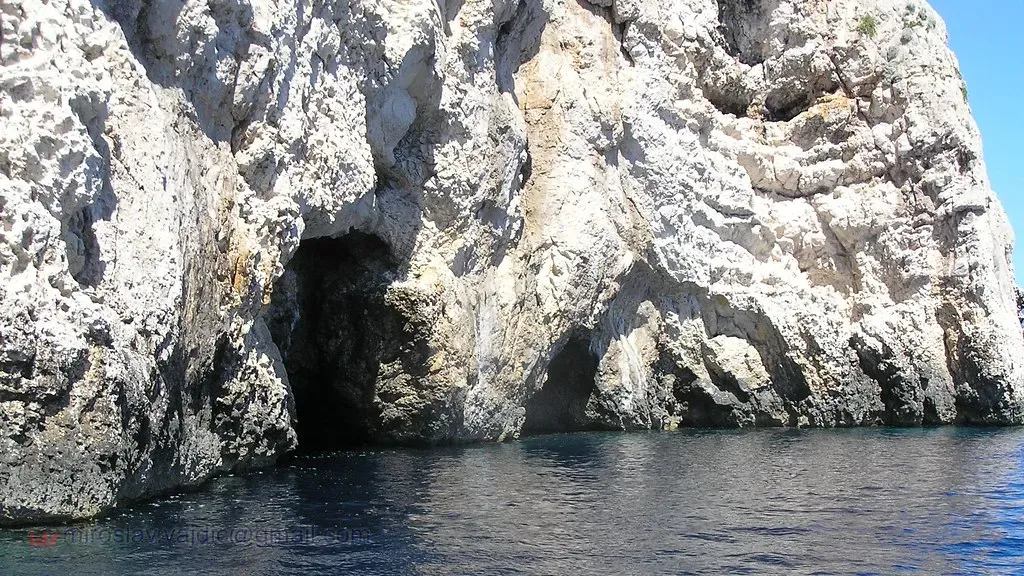
Near Komiža on Biševo Island, the Blue Grotto is a sea cave famous for its glowing blue waters. Sunlight shines through an underwater opening and reflects off the limestone floor, lighting the cave in an ethereal blue. To enter, you’ll need to transfer to a small rowboat, available at the floating ticket office.
The best time to visit is between 11 a.m. and 2 p.m. on a sunny day, when the sunlight hits the underwater entrance at just the right angle to flood the chamber with that signature blue luminescence. The effect is produced entirely by natural light, with no artificial enhancement needed. It’s one of those rare cases where reality outperforms the photographs.
Biševo Island itself is almost entirely covered by Mediterranean vegetation and can only be accessed by boat. The island receives far fewer visitors than the Croatian mainland, which gives the Blue Grotto a quieter, more contemplative atmosphere than many of Europe’s famous natural landmarks. Arriving by small boat through calm Adriatic waters, and then ducking down to fit through the cave’s narrow entrance, makes the glowing interior feel like a discovery rather than a destination on a tourist checklist.
Conclusion
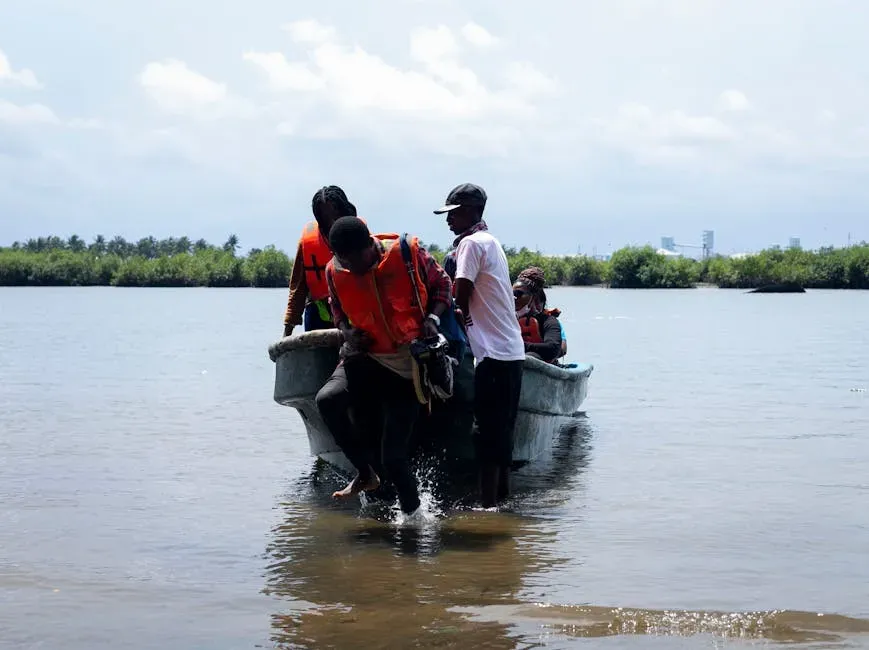
What unites these eight places is not just their beauty but the specific way that water serves as their gatekeeper. The boat ride, whether it lasts forty minutes or several hours, creates a deliberate pause between our ordinary world and something genuinely extraordinary. You can’t simply drive up and walk in.
That requirement of effort, of crossing water to reach the destination, seems to be part of what keeps these places honest. Crowds are harder to sustain when access is limited by tide, weather, and the practicalities of boat travel. Ecosystems breathe a little more freely when there’s no road leading directly to them.
The deepest natural wonders have always asked something of us before they reveal themselves. These eight are simply more literal about it.
Worried about unexpected vet bills?
Pet insurance can cover thousands in unexpected vet costs. Get a free quote from Lemonade in under 2 minutes.
Get My Free Quote →Sponsored · Opens Lemonade.com
