


Swimming with marine life offers an unparalleled connection with nature that leaves lasting impressions. The gentle presence of a dolphin swimming nearby, the serene movements of a manatee, or the graceful glide of a sea turtle creates magical moments that transform our understanding of marine ecosystems. As summer approaches, many travelers seek these extraordinary wildlife encounters that combine adventure with education. This guide explores ethical and responsible locations worldwide where you can respectfully interact with dolphins, manatees, and sea turtles in their natural habitats or in controlled, conservation-focused environments—creating memories while supporting marine conservation efforts.
Ethical Considerations Before Swimming with Marine Life

Before planning your marine wildlife encounter, it’s crucial to understand the ethical implications. The most responsible experiences prioritize animal welfare above tourist satisfaction. Look for operators that follow strict guidelines limiting interaction time, visitor numbers, and physical contact with animals. Truly ethical operations focus on observation rather than interaction, allowing animals to approach humans voluntarily rather than forcing encounters. Organizations like the World Cetacean Alliance and Humane Society International recommend choosing facilities accredited by the Association of Zoos and Aquariums or those that rehabilitate injured animals with release goals. Be wary of operations allowing you to ride, touch, or feed wild animals, as these practices can cause stress and behavioral changes. Research thoroughly, read reviews critically, and prioritize conservation-focused programs where education is emphasized over entertainment.
Dolphin Encounters in The Bahamas
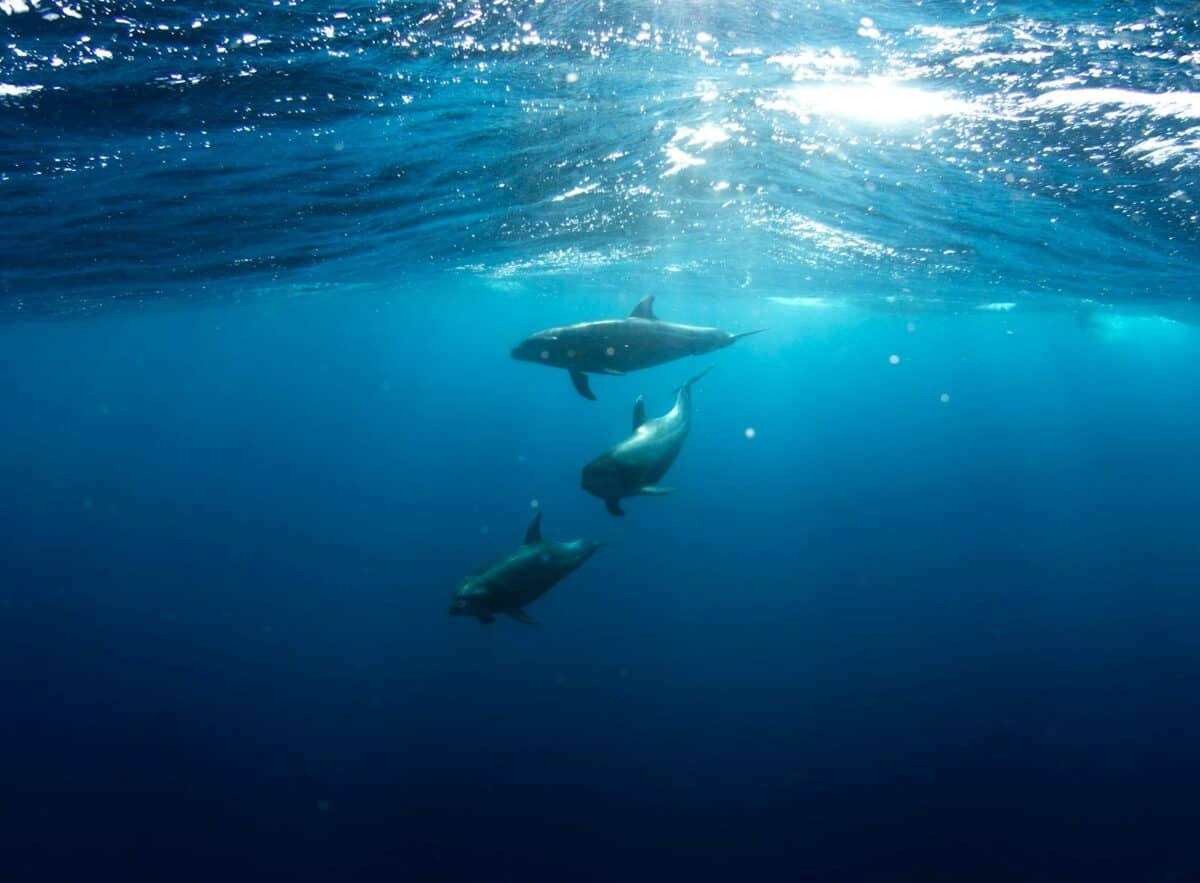
The Bahamas offers some of the world’s premier dolphin encounters, particularly around Bimini, Grand Bahama Island, and Blue Lagoon Island. Wild dolphin excursions in Bimini allow visitors to observe Atlantic spotted dolphins in their natural habitat. These ethical expeditions maintain respectful distances as dolphins swim freely, often approaching boats out of curiosity. On Grand Bahama Island, the UNEXSO (Underwater Explorers Society) facility combines education with controlled encounters, while Blue Lagoon Island’s Dolphin Encounters program operates an accredited marine mammal facility focusing on conservation education. The crystal-clear waters of the Bahamas provide exceptional visibility, making it ideal for underwater photography. Most programs operate between May and September when weather conditions are optimal, though you’ll find opportunities year-round with varying availability based on seasonal patterns of dolphin behavior.
Florida’s Crystal River: Manatee Capital of the World

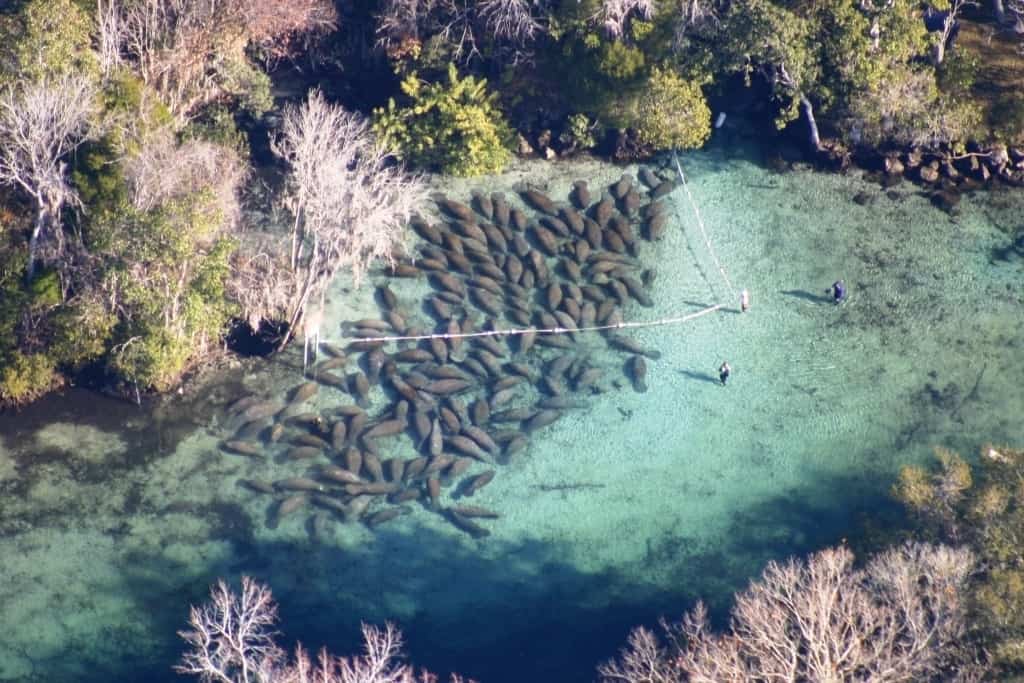
Crystal River, Florida stands as the premier destination worldwide for ethical manatee encounters. During winter months (November through March), hundreds of West Indian manatees migrate to the constant 72°F springs of Kings Bay to escape colder Gulf of Mexico waters. The Crystal River National Wildlife Refuge specifically protects these gentle mammals and their critical habitat while allowing controlled visitor access. Licensed tour operators provide guided snorkeling experiences with strict protocols to minimize disturbance to the animals. Visitors must follow the “look, don’t touch” principle, though manatees occasionally approach humans out of curiosity. The guided tours typically last 3-4 hours and include educational components about manatee conservation. Summer offers fewer manatee sightings as they disperse to coastal waters, but resident manatees remain year-round, making this a viable summer destination with proper expectations. Three Sisters Springs, Blue Spring State Park, and Homosassa Springs Wildlife State Park offer additional viewing opportunities where conservation takes priority.
Swimming with Sea Turtles in Hawaii

Hawaii presents exceptional opportunities to responsibly observe sea turtles in their natural environment. The islands of Maui and Oahu are particularly renowned for reliable turtle encounters. Turtle Town on Maui’s south shore features coral formations and underwater lava formations that attract green sea turtles year-round. On Oahu, Laniakea Beach (nicknamed “Turtle Beach”) offers almost guaranteed sightings as turtles regularly come ashore to bask in the sun. Hawaiian law strictly protects sea turtles (honu), requiring swimmers to maintain at least 10 feet distance and never touch or chase these endangered creatures. The best viewing typically occurs during morning hours when turtles actively feed on algae covering reef structures. Summer months bring calmer waters and better visibility, making June through September ideal for turtle encounters. Authorized guides provide educational context about the five turtle species found in Hawaiian waters while ensuring responsible visitor behavior that protects these ancient mariners.
Australia’s Great Barrier Reef Marine Experiences

The Great Barrier Reef Marine Park offers world-class opportunities to swim alongside all three marine creatures—dolphins, sea turtles, and dugongs (the Australian relative of manatees). This UNESCO World Heritage site spans over 2,300 kilometers of Queensland’s coastline, providing diverse marine habitats. The northern sections near Cairns and Port Douglas offer exceptional turtle viewing, with six of the world’s seven species found here. Bottlenose dolphins frequently appear during reef excursions, particularly around the Whitsunday Islands. While rarer, dugong sightings occur in seagrass habitats of Shark Bay and Moreton Bay. The Australian summer (December-February) brings warmer waters but also coincides with stinger season, making the Australian winter (June-August, coinciding with Northern Hemisphere summer) often preferable for visitors with clearer visibility and more comfortable conditions. The Great Barrier Reef Marine Park Authority strictly regulates tourism operations, ensuring ethical encounters that minimize environmental impact while maximizing educational value.
Swimming with Dolphins in New Zealand

New Zealand’s Bay of Islands and Kaikoura regions offer some of the world’s most responsible wild dolphin encounters. The Bay of Islands on the North Island hosts several pods of bottlenose dolphins, while Kaikoura on the South Island is famous for dusky dolphin encounters. New Zealand’s Department of Conservation strictly regulates these activities with science-based protocols that prioritize dolphin welfare. Operators hold special permits requiring them to limit interaction time and visitor numbers. These excursions typically involve observing from boats before entering the water when conditions are appropriate. Unlike captive experiences, these encounters occur entirely on the dolphins’ terms—sometimes they approach swimmers curiously, while other times they maintain distance. New Zealand’s summer (December-February) offers warmer water temperatures, but dolphin swimming operates year-round with wetsuits provided during cooler months. The educational component of these tours emphasizes conservation challenges facing marine mammals globally and New Zealand’s progressive protection measures.
Manatee Encounters in Belize
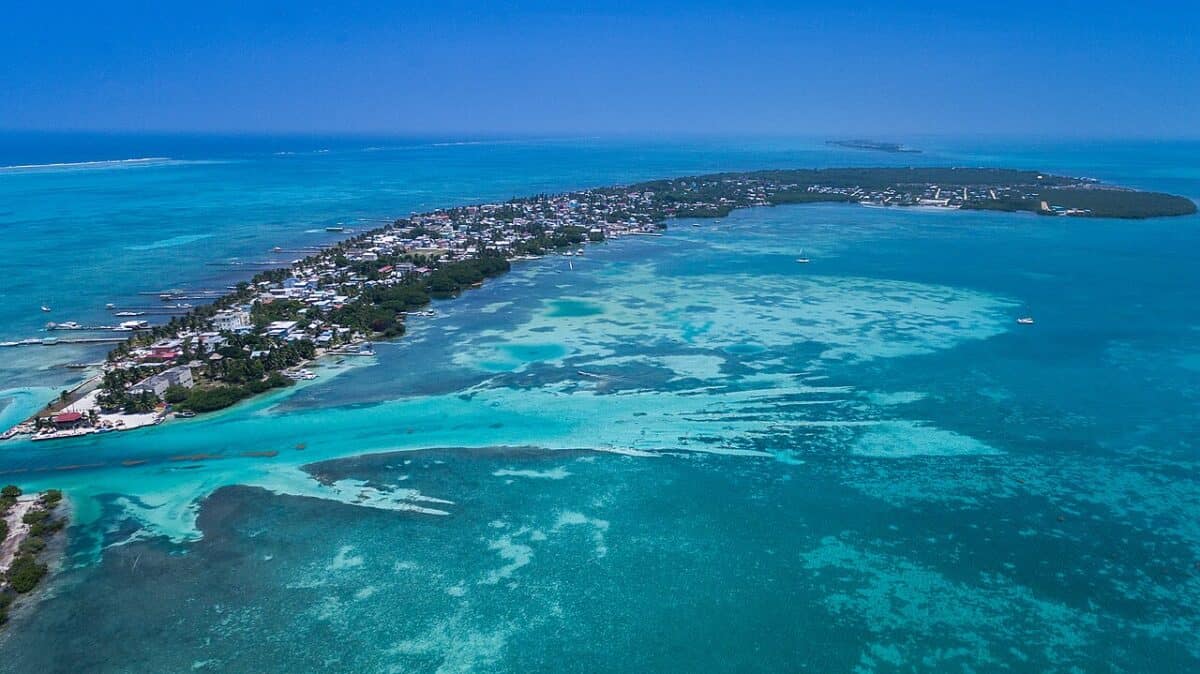
Belize offers exceptional opportunities to observe West Indian manatees in their natural Caribbean habitat. The coastal waters around Caye Caulker Marine Reserve and Swallow Caye Wildlife Sanctuary protect significant manatee populations year-round. Unlike Florida’s winter congregations, Belize’s constant tropical temperatures mean manatees remain dispersed throughout their range all year. Local conservation organizations like the Sea to Shore Alliance work with tour operators to ensure ethical viewing practices. Encounters typically involve boat-based observation followed by gentle snorkeling in areas where manatees frequently travel. The clear waters of Belize’s barrier reef system—the second largest in the world—provide excellent visibility for observing these endangered mammals. Summer months (May-September) coincide with calmer seas and better underwater visibility, though occasional tropical storms can interrupt activities. The country’s strong conservation ethos extends to its marine tourism, with guides emphasizing education about manatee biology, threats from boat strikes and habitat loss, and Belize’s pioneering protection efforts.
Sea Turtle Conservation Programs in Costa Rica
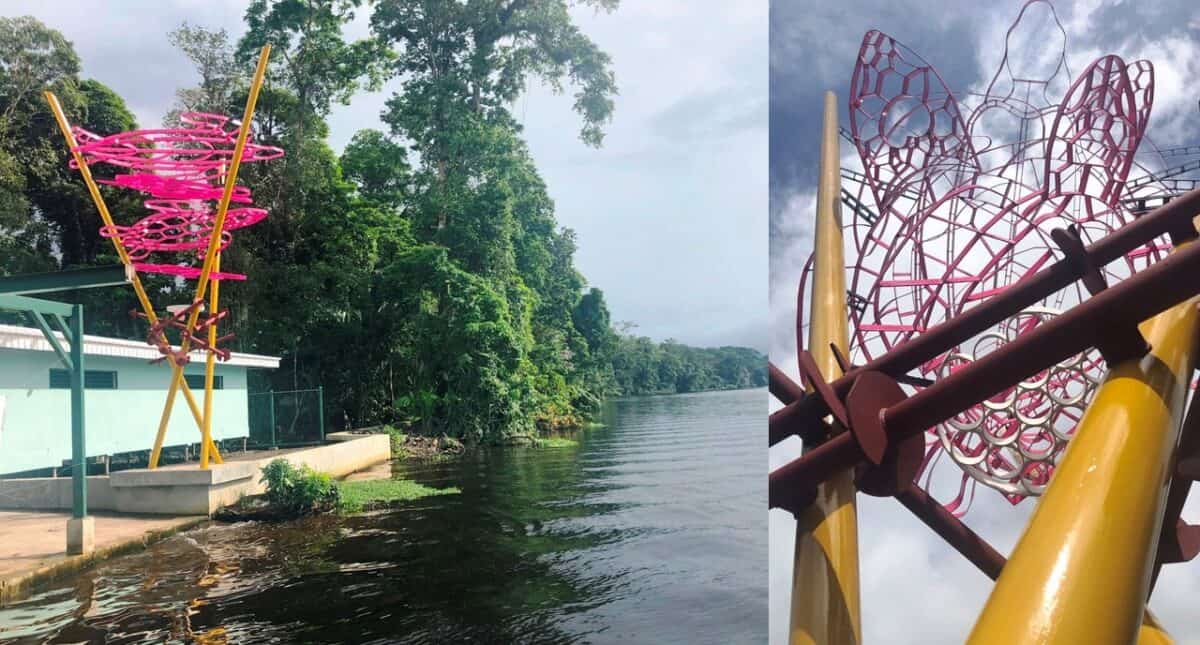
Costa Rica offers unique opportunities to combine sea turtle observation with active conservation participation. Tortuguero National Park on the Caribbean coast hosts one of the world’s most important green sea turtle nesting sites, while the Pacific coast beaches of Ostional and Playa Grande support olive ridley and leatherback turtle populations respectively. Summer months (June-August) coincide with peak nesting season for several species, allowing visitors to witness the spectacular arribada events when thousands of olive ridleys come ashore simultaneously. Conservation organizations like SEE Turtles offer programs where visitors can assist researchers with monitoring activities, often combining daytime snorkeling encounters with nighttime nesting observation. These programs maintain strict protocols to minimize disturbance, using red lights and maintaining safe distances from nesting females. Underwater encounters during snorkeling trips follow similar responsible guidelines, allowing observation without interference. Costa Rica’s established ecotourism infrastructure means these programs often include comprehensive education about sea turtle biology, threats from poaching and plastic pollution, and global conservation efforts.
Tulum’s Underwater World: Dolphins and Turtles
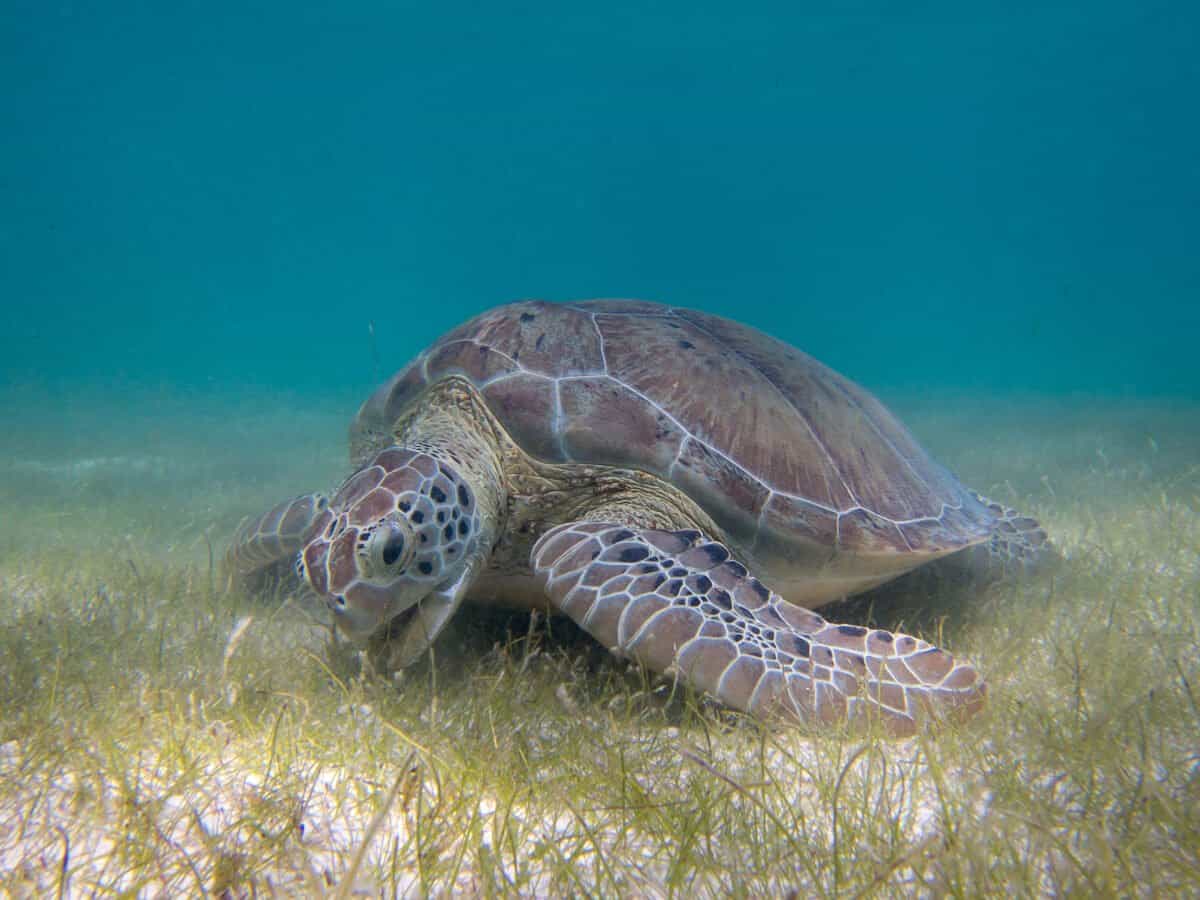
Mexico’s Riviera Maya, particularly around Tulum and Akumal, offers accessible opportunities to encounter both sea turtles and wild dolphins. Akumal Bay (“Place of the Turtle” in Mayan) hosts a resident population of green sea turtles that feed on seagrass meadows in shallow waters, making it ideal for beginning snorkelers. Recent regulations require visitors to hire local guides and limit daily numbers to protect the habitat from overtourism. Further offshore, the Mesoamerican Reef supports spotted and bottlenose dolphin populations frequently observed during boat excursions. Sian Ka’an Biosphere Reserve, just south of Tulum, offers more remote dolphin watching with fewer crowds. Mexico’s summer months bring calmer seas and excellent visibility, though water temperatures can reach 84°F (29°C), providing comfortable swimming conditions without wetsuits. Local conservation organizations like Centro Ecológico Akumal conduct ongoing research and monitoring, often sharing their findings during educational programs that complement wildlife encounters. The region’s combination of Mayan cultural history and marine biodiversity creates a multi-dimensional experience beyond simple wildlife viewing.
The Galapagos Islands: Ultimate Marine Wildlife Destination
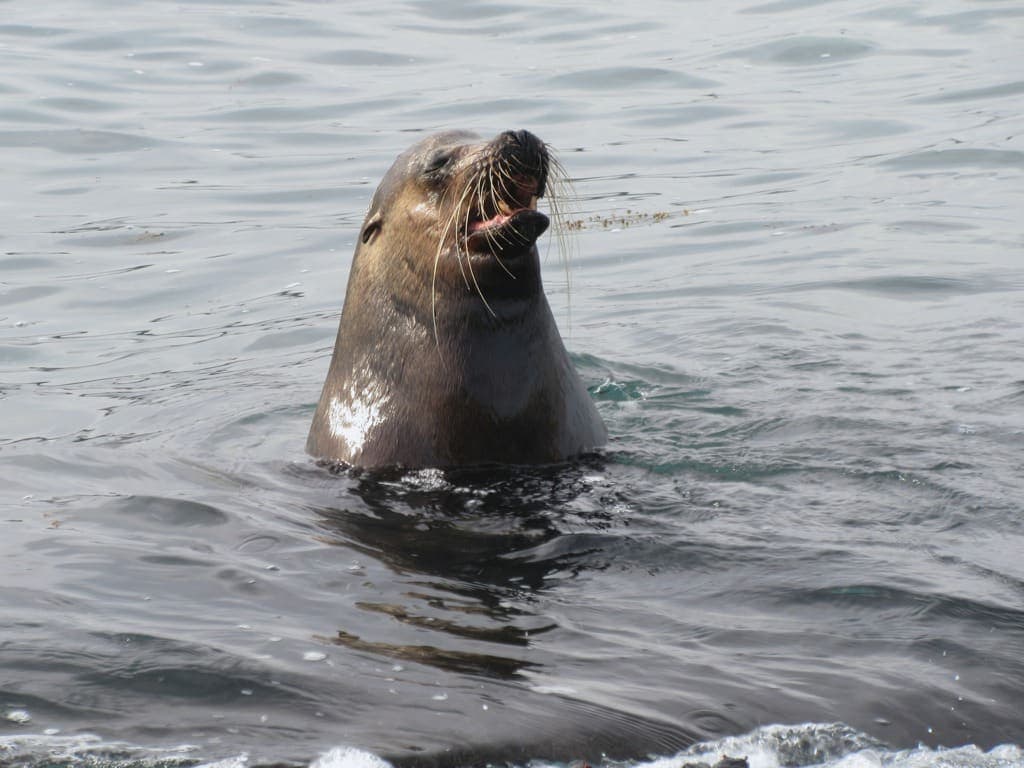
The Galapagos Islands offer perhaps the world’s most remarkable marine wildlife encounters, including opportunities to swim with green sea turtles, bottlenose dolphins, and occasionally manatee relatives known as sea lions. This UNESCO World Heritage site maintains strict visitor regulations enforced by the Galapagos National Park Service, ensuring minimal environmental impact. Marine sites like Kicker Rock, Tortuga Bay, and Las Tintoreras provide reliable year-round opportunities to observe sea turtles feeding and resting among coral formations. Dolphin encounters typically occur during boat transits between islands, with occasional opportunities for in-water observation when conditions permit. The islands’ protected status means wildlife shows little fear of humans, though the park’s “two-meter rule” ensures appropriate distance is maintained. The Galapagos experiences two main seasons: the warmer, calmer season from December to May (ideal for beginners) and the cooler, nutrient-rich season from June to November (preferred by experienced divers seeking larger marine life). All visitors must be accompanied by certified naturalist guides who provide science-based interpretation of the islands’ unique evolutionary significance.
Responsible Dolphin Programs in Portugal’s Algarve

Portugal’s Algarve region offers exceptional opportunities for responsible wild dolphin encounters in European waters. The coastal waters between Lagos and Faro host resident populations of bottlenose and common dolphins, with seasonal visits from striped and Risso’s dolphins. Local marine biologists operate research-based excursions that combine wildlife viewing with actual data collection for ongoing conservation studies. These programs strictly adhere to European wildlife protection regulations, maintaining appropriate distances and limiting interaction time. Unlike many commercial operations elsewhere, these research-focused programs prioritize natural behavior observation over guaranteed close encounters. Summer months provide optimal conditions with calmer seas and higher dolphin activity as they follow fish migrations into coastal waters. Water temperatures reach comfortable levels of 68-73°F (20-23°C) between June and September. The Algarve’s dramatic coastal geology of caves and grottoes adds scenic value to these excursions. Many operators incorporate citizen science elements, allowing visitors to contribute to photo-identification catalogs and behavioral studies while gaining deeper understanding of cetacean conservation in the Eastern Atlantic ecosystem.
Florida Keys: Diverse Marine Life Encounters
The Florida Keys archipelago offers exceptional opportunities to responsibly observe all three marine creatures—dolphins, manatees, and sea turtles—within a single destination. The protected waters of the Florida Keys National Marine Sanctuary support resident populations of bottlenose dolphins, particularly around Marathon and Key West. Licensed operators maintain appropriate viewing distances while providing educational commentary about local dolphin ecology. During summer months, loggerhead and green sea turtles nest on Keys beaches, with guided programs allowing responsible observation of nesting females and hatching events. Underwater encounters occur during snorkeling trips to coral reef sites like Looe Key and Sombrero Reef, where subadult turtles frequently feed. While less common than in Crystal River, winter manatee sightings occur in Key West’s backwaters and marina areas where warmer waters attract these temperature-sensitive mammals. The Keys’ long-established marine conservation culture means most operators emphasize education alongside wildlife viewing. Summer brings warmer waters ideal for extended snorkeling, though visibility sometimes decreases during seasonal algae blooms. The Keys’ unique position between the Gulf of Mexico and Atlantic Ocean creates diverse habitats supporting exceptional marine biodiversity beyond the featured species.
As we’ve explored destinations worldwide for swimming with dolphins, manatees, and sea turtles, certain principles emerge for creating truly meaningful experiences. Responsible wildlife encounters prioritize education over entertainment, observation over interaction, and conservation over exploitation. The most memorable experiences often come from patience—quietly floating as a curious sea turtle approaches, watching a mother dolphin teach hunting techniques to her calf, or observing a manatee gracefully navigate shallow waters. Prepare for these encounters by learning about the species beforehand, understanding appropriate behavior, and selecting operators with strong conservation credentials. Pack reef-safe sunscreen, underwater cameras (without flash), and appropriate swim gear including rash guards to avoid sunburn without harmful chemicals. Most importantly, approach these experiences with realistic expectations and respect for the wild nature of these animals. Their unpredictability is part of what makes these encounters so special—a gift of nature rather than a guaranteed tourist attraction. By choosing ethical operators and practicing responsible behavior, your marine wildlife experiences this summer can contribute to conservation efforts while creating profound connections to the ocean world that inspire long-term environmental stewardship.

- 30 Bizarre Creatures That Look Straight Out of a Sci-Fi Movie - June 11, 2026
- The Bizarre Way Sloths Digest Their Food - June 11, 2026
- 15 Most Resilient Bird Species Facing Climate Challenges - June 11, 2026