
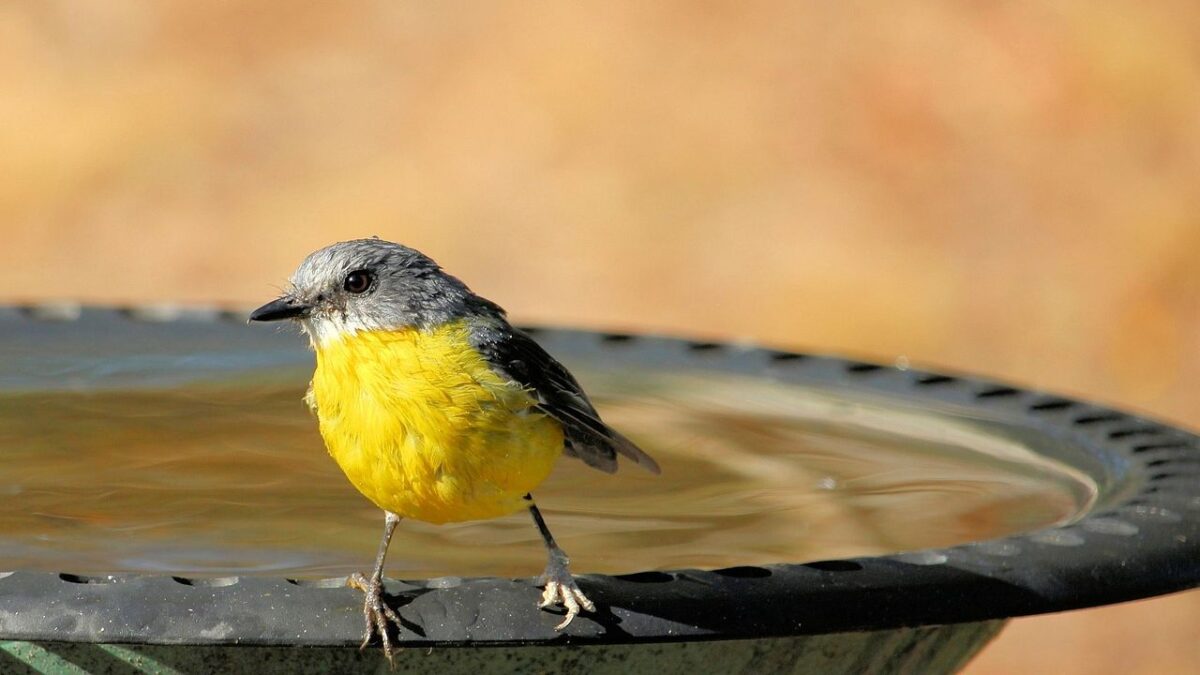
Most yards look perfectly fine on the surface. Tidy lawn, maybe some rose bushes, perhaps a birdbath in the corner. Yet for the birds, bees, butterflies, and other creatures trying to find shelter and food in increasingly fragmented landscapes, that kind of yard offers very little.
Over two million habitat acres are lost annually to development and agriculture. That number is hard to sit with. The good news is that backyards, patios, and even apartment balconies can become meaningful pieces of the solution. Doing so doesn’t even require a big yard. Small spaces, such as patios and balconies, can easily be transformed into havens for wildlife.
1. Make Native Plants the Foundation of Your Garden
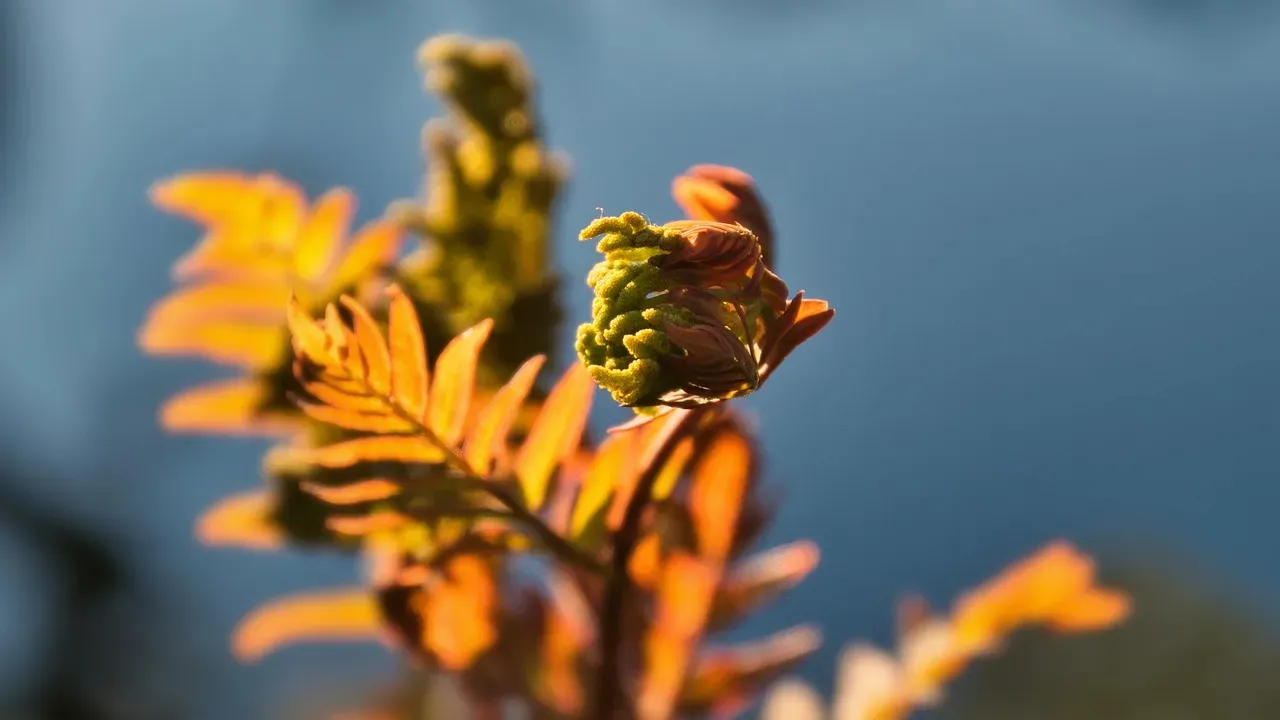
Nothing changes a yard’s ecological value faster than switching from ornamental exotics to native plants. A native plant is one that occurs naturally in a specific geographic region and was not brought there by humans. These plants have evolved alongside native wildlife and are adapted to local environmental conditions.
Native habitat gardens can support twice the amount of wildlife when compared to properties with primarily turf lawn. That’s a remarkable difference for a relatively simple shift in plant choices.
To transform your yard, start with native plants. Aim for a minimum of 70%, including flowers that bloom in various seasons, plus keystone species. A keystone plant is one that has a substantial impact on its local biodiversity by providing food and shelter to a large number of species. Depending on your location, this might include oaks, asters, sunflowers, alders, saguaros and others.
2. Provide a Reliable Water Source Year-Round
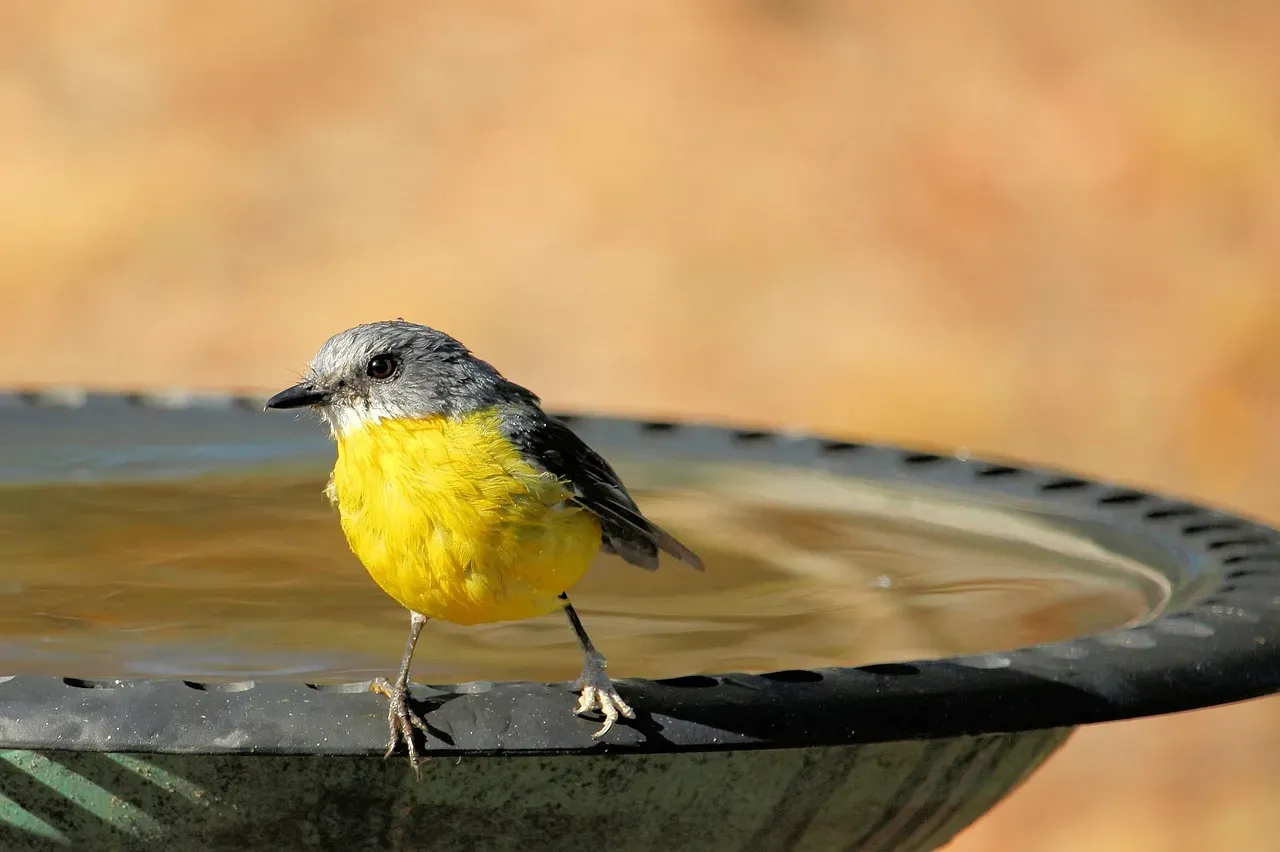
Whether it’s winter, summer or somewhere in between, wild animals need reliable sources of fresh water. It can be as simple as setting up a birdbath, or, if you have the room, you can create a small pond.
Furnish your garden with a simple birdbath such as a saucer, shallow basin, or even a trash can lid. A birdbath with a misting fountain will entice hummingbirds because they enjoy bathing by flying through a fine mist.
Pollinators prefer rainwater or slightly salty water, so leave out shallow dishes filled with pebbles to collect rainwater and help give pollinators, like bees, a perch to rest on while drinking. Floating plants, like lily pads in ponds, also provide safe drinking spots. Change birdbath water regularly to prevent mosquitoes from breeding.
3. Reduce Your Lawn and Let Wildflowers Take Over
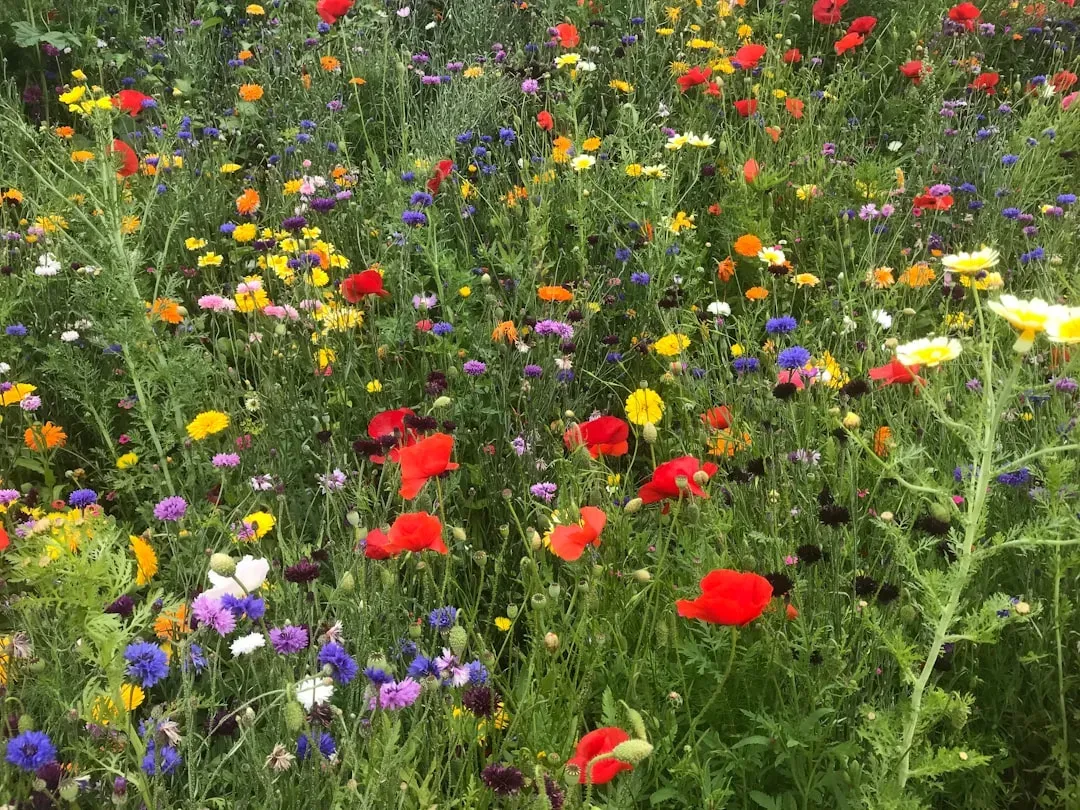
Limit the amount of lawn. Lawn offers very little food or cover to most animals while requiring a lot of maintenance. You may replace lawn grass with ground cover plants or perhaps make a butterfly garden.
Let wildflowers flourish by mowing less frequently, raising mower heights, or by planting a wildflower meadow. Even small changes, like leaving clover in your lawn, will benefit pollinators.
In the spring, avoid cutting your lawn for a couple of months to help provide pollinator food, or replace your lawn with native groundcover or pollinator plants. What looks “untidy” at first glance is actually thriving habitat in progress.
4. Create Shelter With Brush Piles, Logs, and Rock Stacks
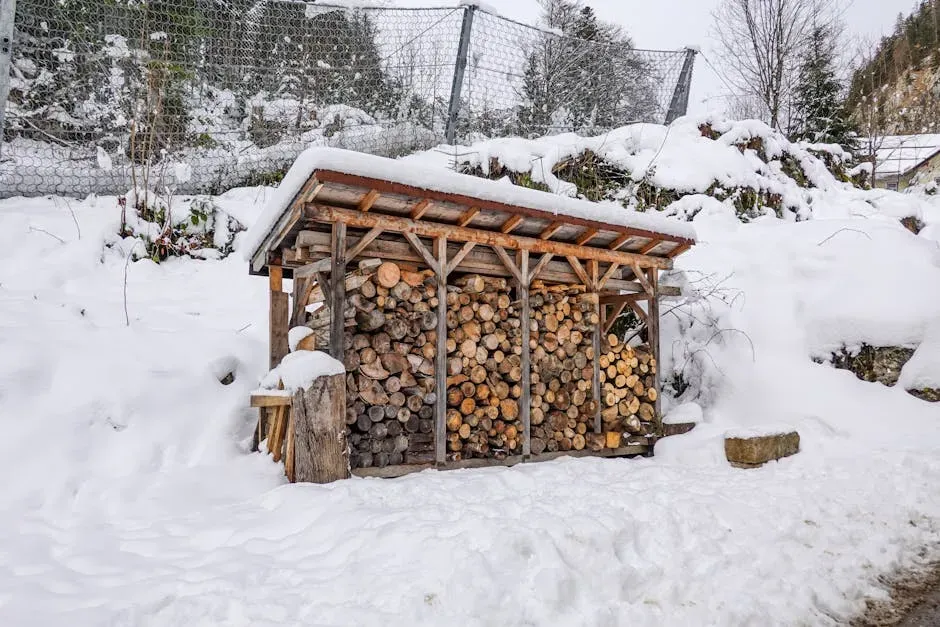
Provide shelter and create nesting areas by leaving brush piles, logs, rock stacks and standing plant stems. A “dead hedge,” a fence-like bundle of branches, offers excellent habitat.
Some pollinators and beneficial insects need the shelter provided by perennial plants growing in untilled areas, woody plant material such as unused firewood and dead branches, and undisturbed soil in areas that are not mowed or cultivated.
These structures aren’t just for insects. Small mammals, amphibians, and reptiles use brush piles and log stacks as overwintering sites and safe refuges from predators. A loosely piled corner of your yard can quietly shelter an entire community of creatures.
5. Install Nest Boxes for Birds and Bats
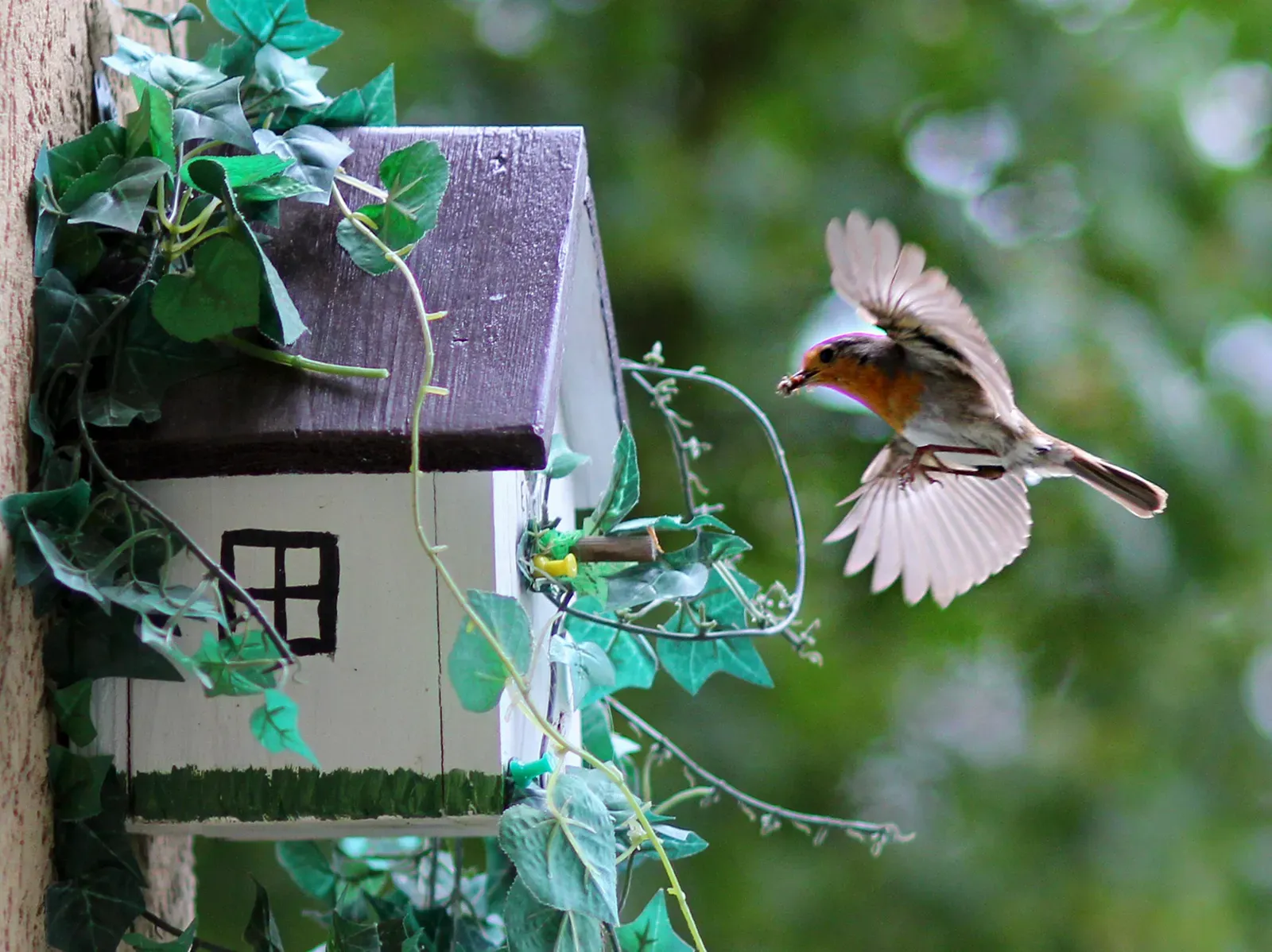
Building birdhouses provides nesting space to attract bluebirds, wrens, purple martins, chickadees and other species. These cavity-nesting birds often struggle to find suitable sites in modern, heavily managed landscapes.
Nest boxes not only provide habitat for native birds, but they also help keep your backyard ecosystem in balance. Cavity-nesting species like Eastern Bluebirds and Carolina Wrens love birdhouses and can help control insect populations, especially if you’re a gardener dealing with garden pests.
Bats pollinate plants, disperse seeds, and help keep the insect population in check. Return the favor by giving them a safe place to roost. A single bat can consume thousands of insects in a single night, making bat boxes one of the most quietly effective additions to any wildlife garden.
6. Leave the Leaves: Embrace Natural Mulch
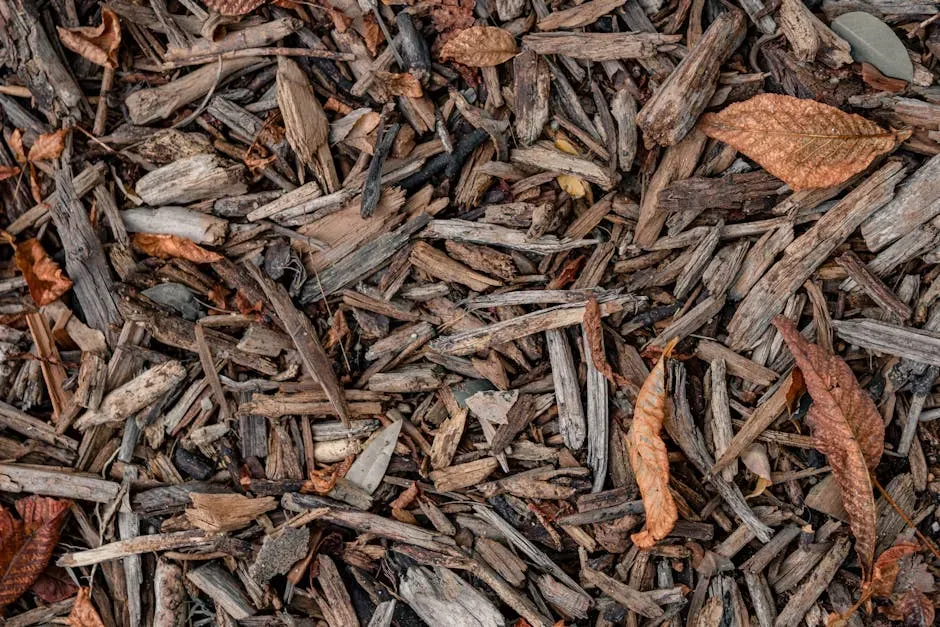
Autumn cleanup has a downside that most gardeners don’t consider. Snails, worms, spiders, and beetles also rely on leaf litter to survive the season. Most other animals rely on these invertebrates to survive, too. Birds, turtles, amphibians, chipmunks, and mice will feed on these critters throughout the year, but especially when vegetation to eat is scarce.
Use natural mulch by leaving the leaves in yards and only removing them from walkways. Place swept leaves at the base of trees to provide nutrients in the winter. Prune flower heads but leave the stems for insect habitat over the winter.
In the fall and winter, leaving the stalks and dried grass stems in place is recommended, as they are food and habitat for the eggs and larvae of the very pollinators you are trying to attract. That untouched corner of the garden is doing far more work than it appears.
7. Go Pesticide-Free and Choose Organic Alternatives
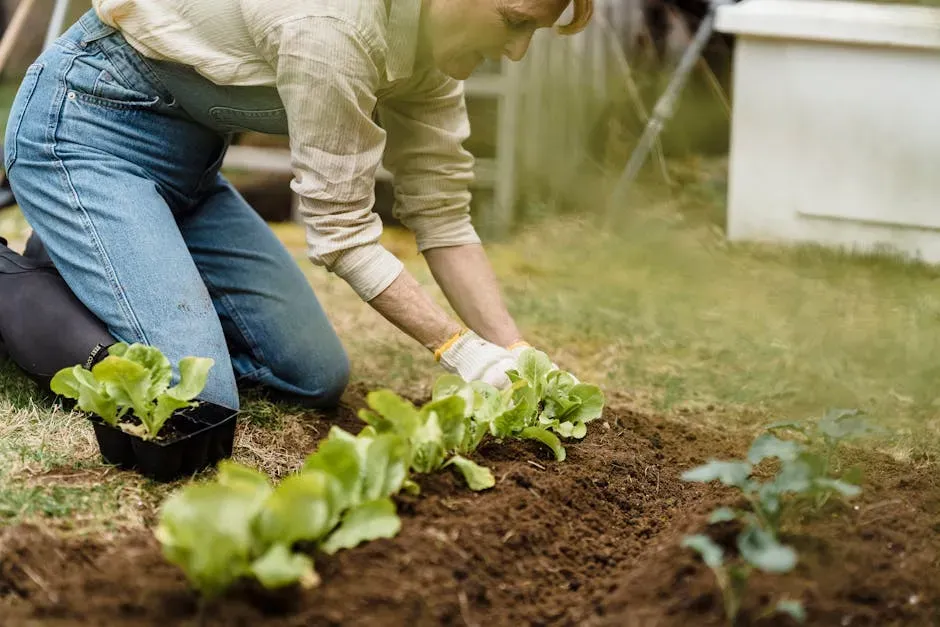
One of the most vital practices for creating a healthy habitat is avoiding pesticides and herbicides, including neonicotinoids. These chemicals don’t stay in one place. They move through soil, water, and up through the food chain.
Chemicals and pesticides quickly move up the food chain and impact far more than just the first animal that comes into contact with them. A single pesticide application targeting aphids, for example, can affect the birds that eat the insects, the foxes that eat the birds, and beyond.
Gardeners are encouraged to use organic fertilizers and treatments. Though humans can wash food thoroughly before enjoying it, wild animals don’t have that luxury. If you wouldn’t eat it, they shouldn’t be eating it either. Nature-based pest management, such as encouraging predatory insects and birds, is a more sustainable long-term strategy.
8. Plant for Year-Round Food and Seasonal Blooms
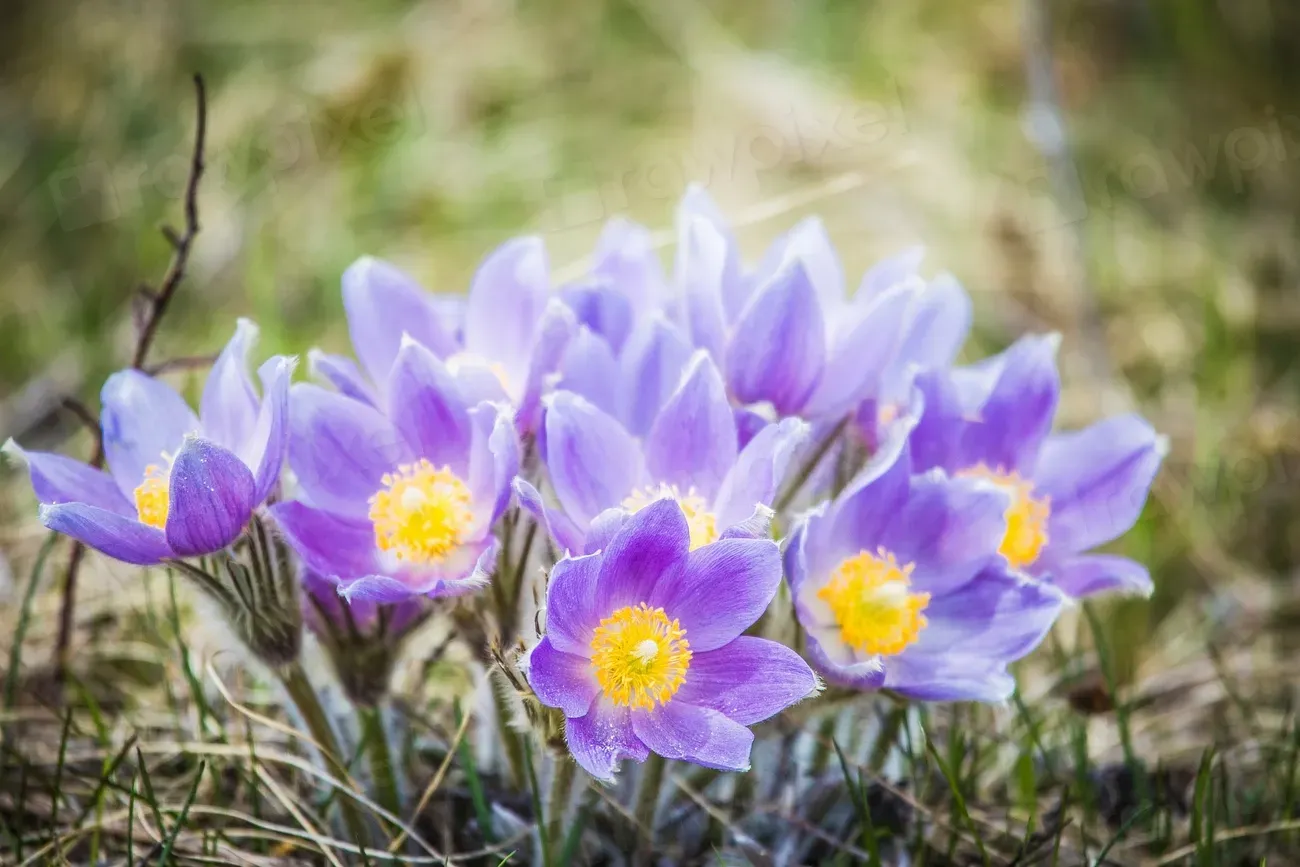
Consider a variety of plants that can provide food year-round for wildlife. A garden that only blooms in summer leaves a gap during the critical early spring and late autumn periods when natural food sources are scarce.
Aim to grow one to three plants that bloom at different times throughout the season. Flowering plants like asters, sunflowers, wild indigo, goldenrods, phlox, foxglove beardtongue, lobelias, and geranium can provide yellow, white, blue, red, and orange flowers from April to October.
Incorporating native wildflowers, shrubs, trees, vines, grasses, and more into any landscape helps a diversity of wildlife, and also provides benefits to soil, water, and air quality. Layering plant types, from ground cover to canopy, multiplies the habitat value of even a small space considerably.
9. Eliminate Invasive Plants and Replace Them Strategically
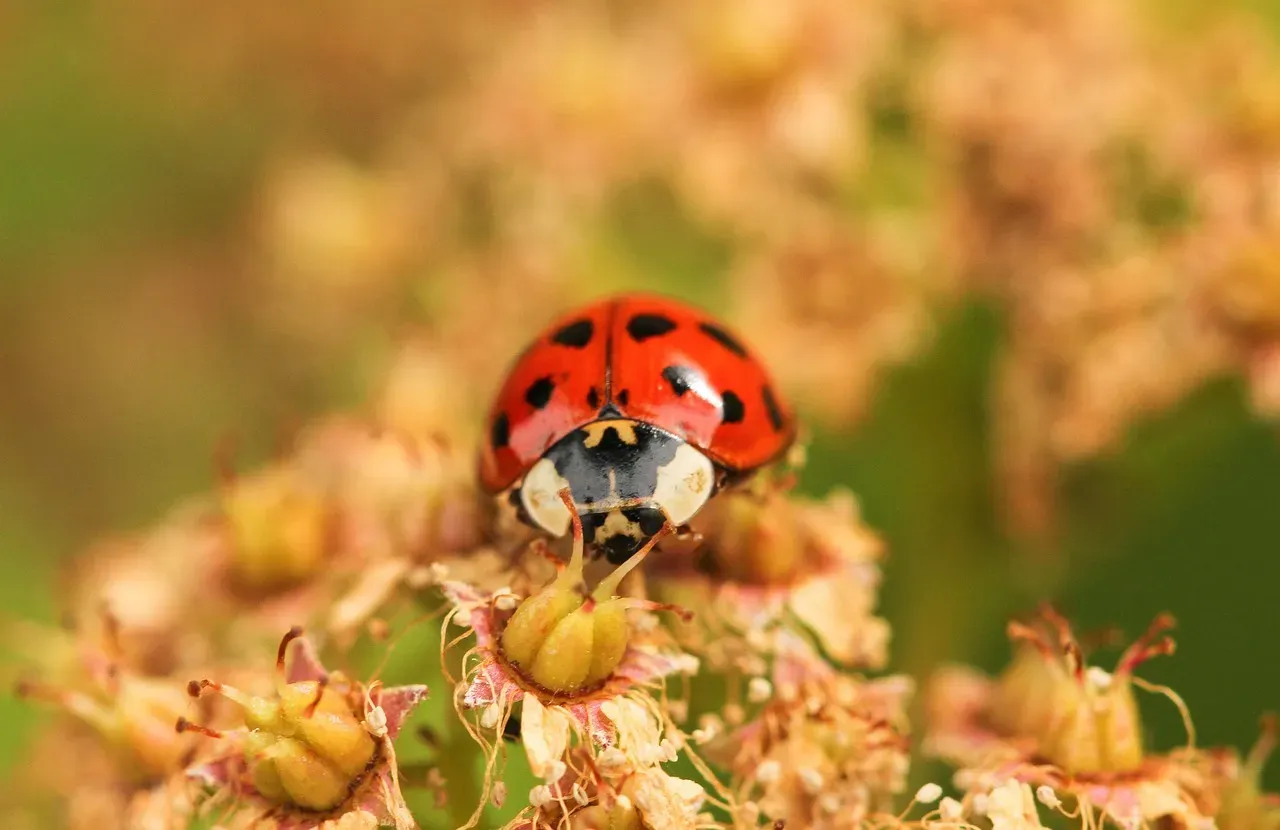
Remove invasive nonnative plants that aggressively take over natural habitat. Invasive species crowd out the native vegetation that local wildlife depends on, often creating what looks like a green, healthy garden but functions more like a biological desert.
The Homegrown National Park initiative asks landowners to remove invasives, plant natives, and add their property to a biodiversity map used by people across the globe. Every removal creates room for something more ecologically meaningful.
Avoid planting invasive species like butterfly bush. There are many alternatives like blazing star, New York ironweed, and butterfly weed to plant instead. These replacements are just as visually striking and infinitely more valuable to native pollinators and insects.
10. Think Layered Structure: Trees, Shrubs, and Ground Cover Together
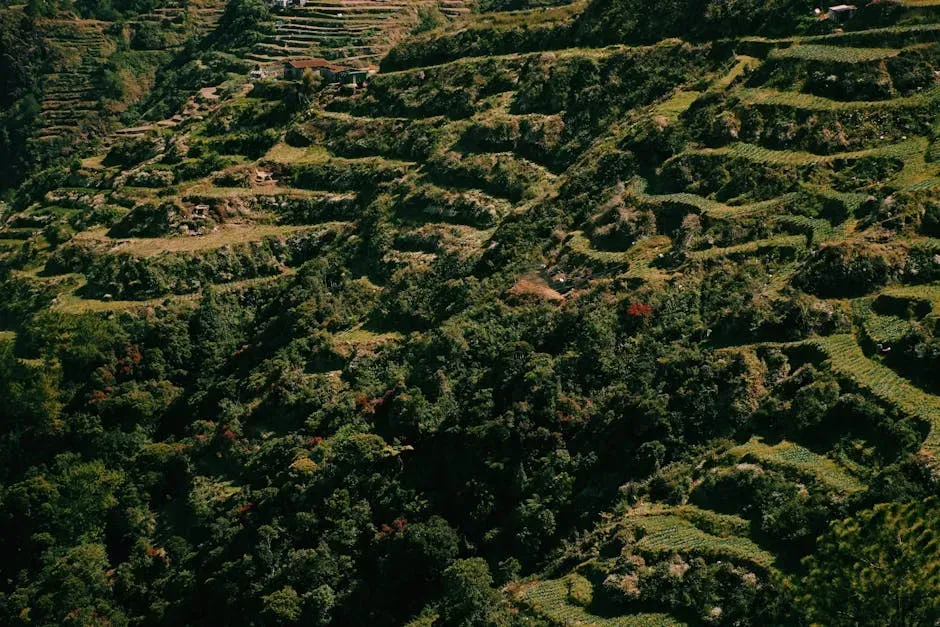
Planting and managing trees, shrubs, and herbaceous plants that are beneficial to wildlife is usually the most important thing you can do to improve habitat around your home landscape. A single layer of flowering plants is helpful. A layered, multi-story structure is transformative.
Native species are highly recommended because they are usually better adapted to the area, tend to be disease-resistant, and are preferred by many species of songbirds and other wildlife. Trees and shrubs are examples of an advanced stage of plant succession and provide important habitats for a variety of wildlife.
Native shrubs like pinxter azalea, buttonbush, black raspberry, blueberry, winterberry holly, and inkberry, and small trees like persimmon, pawpaw, and American holly can provide structure, winter color, and additional habitat, with the added benefit of edible fruits in some cases. Think of the yard not as a flat surface to decorate, but as a vertical ecosystem to build from the ground up.
Conclusion: Your Backyard Is Part of Something Bigger
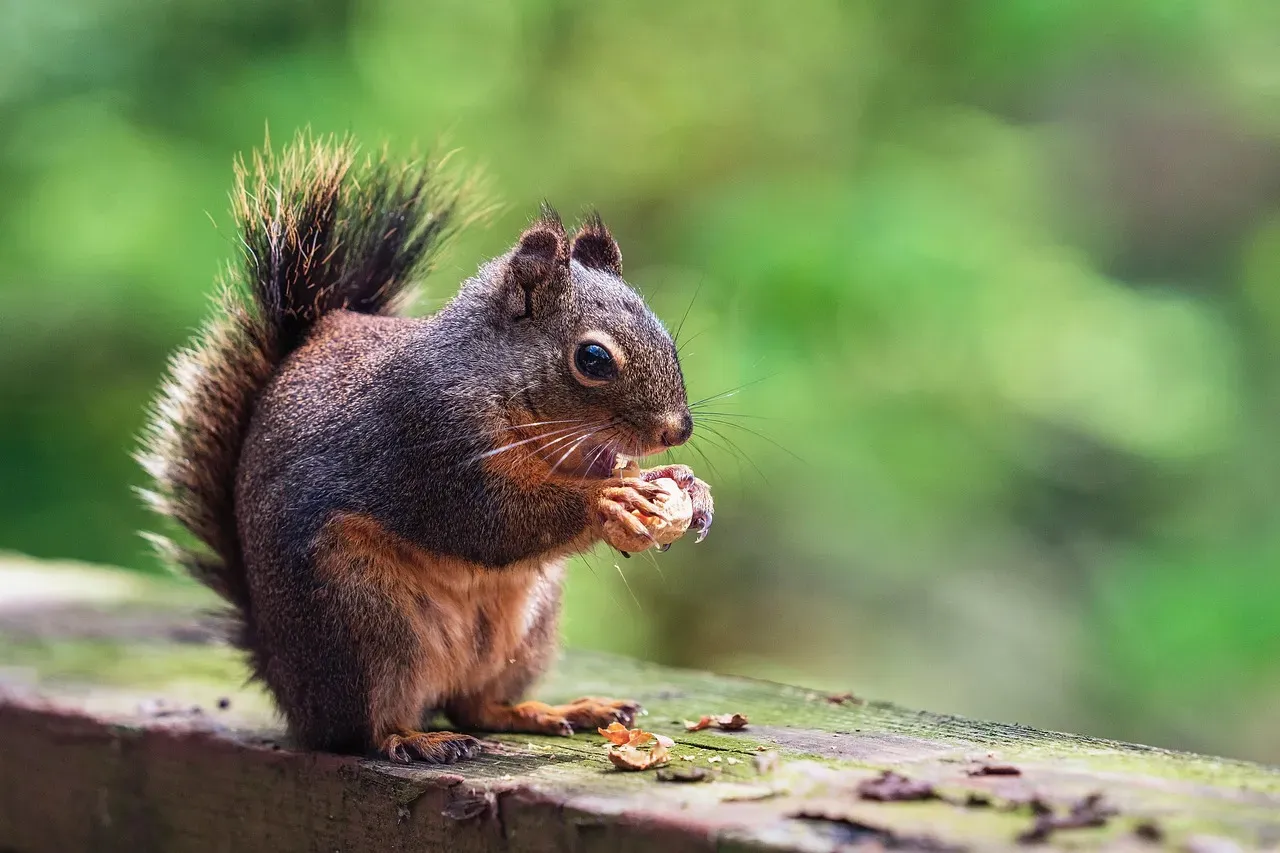
A wildlife-friendly backyard isn’t a single project you finish and walk away from. It’s a living system that shifts with the seasons and gradually grows richer over time. Some changes, like stopping pesticide use or leaving the leaves, cost nothing at all.
While any small space with native plants and a water source can qualify for habitat certification, if you have a larger area, consider incorporating a broader ecological landscaping approach. The scale truly doesn’t matter as much as the intention behind it.
What’s genuinely encouraging is how quickly wildlife responds. Add a birdbath, plant a patch of native asters, leave a brush pile in the corner, and within a season or two, you’ll notice the difference in what starts visiting. The habitat you build in your own backyard quietly connects to every other patch of wild space in your neighborhood, your town, and far beyond it.
