

If you’ve ever killed a bug in your house and just shrugged it off, you’re not alone. Most of us treat pests like a minor annoyance, something to swat, spray, or ignore until the next one shows up. But the uncomfortable reality is that some of the most ordinary-looking house pests can carry pathogens that cause genuinely serious illness, not just a little itching or sneezing.
I still remember the first time I learned that a simple house mouse could spread a virus capable of causing deadly lung problems. It completely changed how I thought about that soft scratching in the walls. This isn’t about panic or turning your home into a sterile lab. It’s about knowing which pests matter most, what they can carry, and the simple, practical steps that can keep you and your family safer.
1. House Mice: Cute Faces, Serious Viral Risks
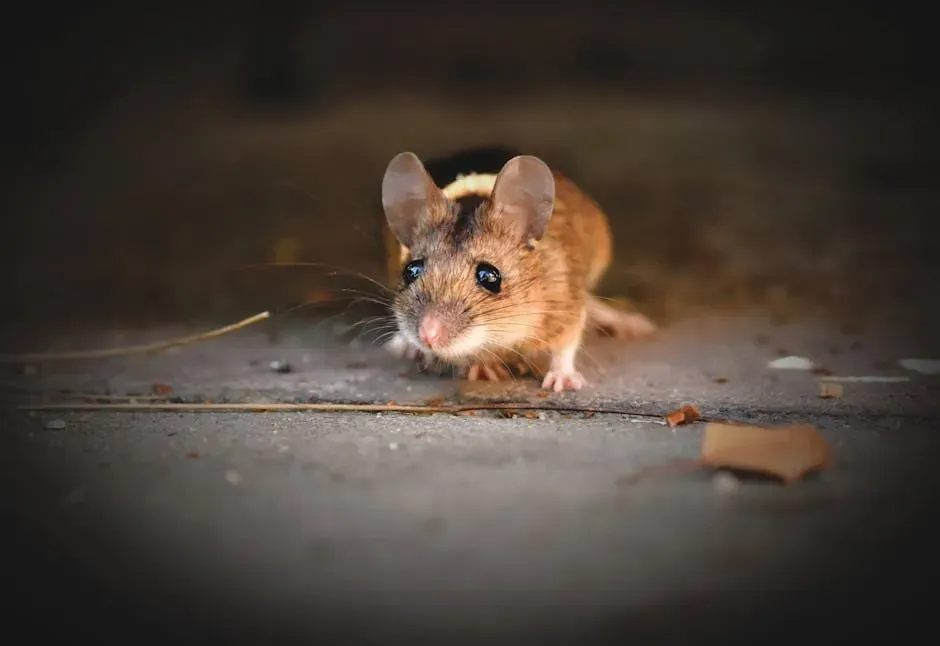
It’s strange how something so small and almost adorable can be such a health threat. House mice are one of the most common household pests in the United States, especially in cooler months when they sneak indoors for warmth and food. Yet they’re linked to serious diseases, including hantavirus and lymphocytic choriomeningitis virus, which can cause flu-like symptoms and, in rare cases, severe complications affecting the lungs or nervous system.
The real danger often comes from their droppings and urine, which can dry out, turn to dust, and become airborne when swept or vacuumed without precautions. Mice also contaminate food surfaces as they move through kitchens and pantries, potentially spreading bacteria like salmonella. Sealing entry points, storing food in containers, and using snap traps instead of glue boards are straightforward ways to cut down risks. It’s not dramatic, it’s just basic home hygiene with a strong health payoff.
2. Norway Rats: The Heavyweight Carriers in Your Walls

Rats trigger a more instinctive “nope” reaction in most people, and honestly, that reaction isn’t entirely wrong. Norway rats, the large brown rats common in US cities and suburbs, thrive in basements, crawlspaces, and garbage areas, and they can move into homes through tiny openings you’d never expect them to fit through. They’re associated with leptospirosis, which can cause anything from mild flu-like illness to liver and kidney problems, and with rat-bite fever, which can lead to fever, rash, and joint pain.
They also shed a cocktail of germs in their urine and droppings, which can contaminate food and surfaces, especially in cluttered or damp spaces. Beyond the direct disease risk, rats can trigger asthma and allergy symptoms in sensitive people, much like cockroaches and dust mites do. The best defense is a mix of exclusion and cleanliness: sealing cracks, repairing broken vents, decluttering storage areas, and never leaving pet food out overnight. If you see rat droppings or gnaw marks, it’s usually time to call a professional rather than trying to wing it alone.
3. Cockroaches: Allergens, Bacteria, and Hidden Asthma Triggers
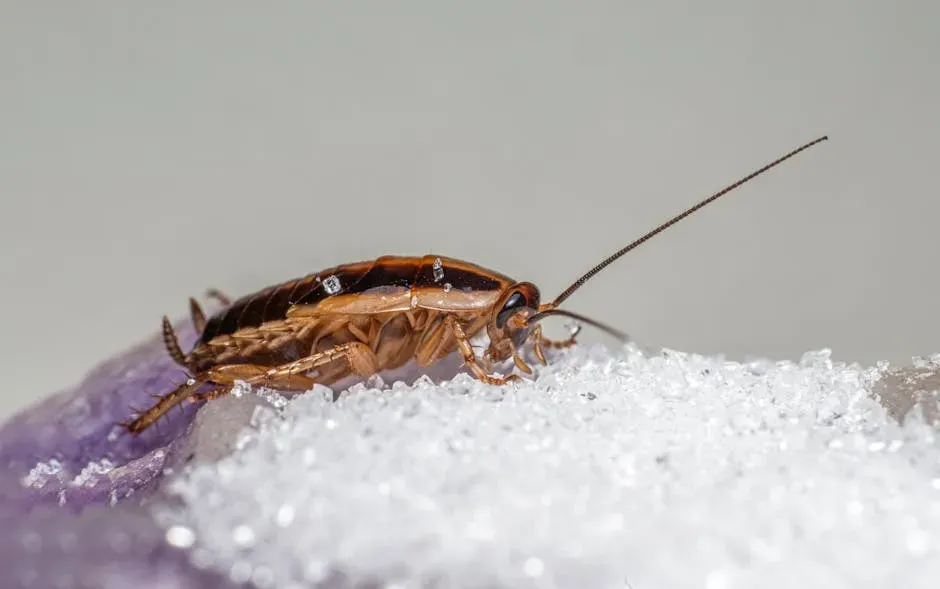
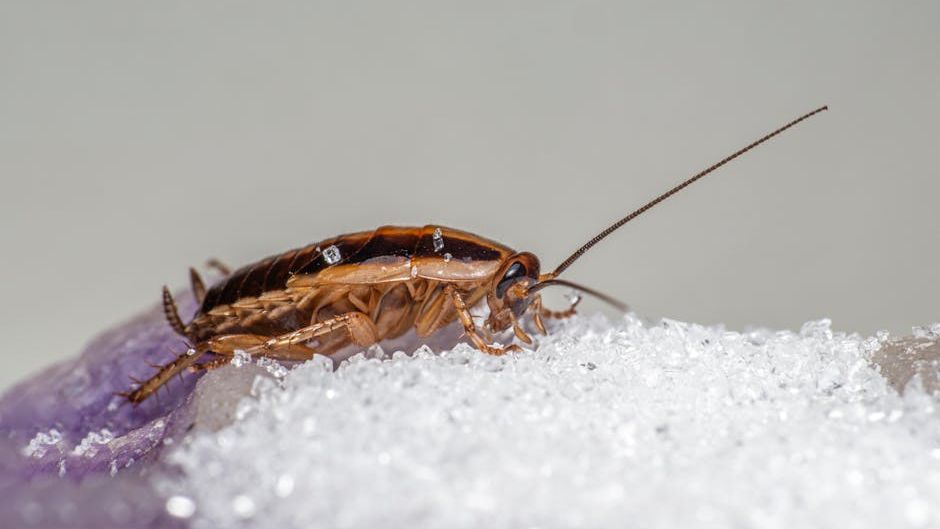
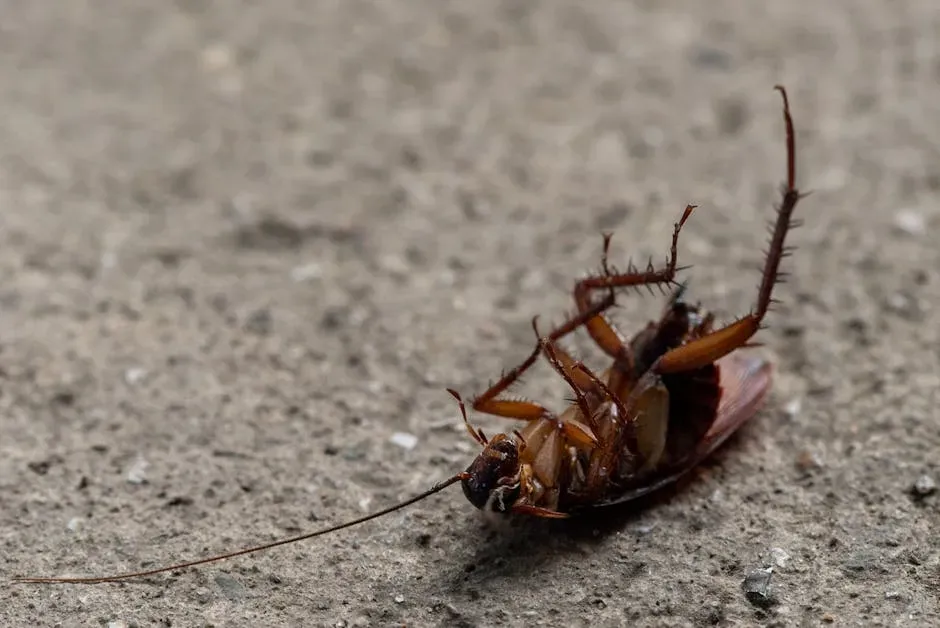
Cockroaches have an almost legendary reputation for being disgusting, and unfortunately their health risks live up to that image. Common species like German and American cockroaches can carry bacteria such as salmonella and E. coli on their bodies, picked up from drains, sewers, and trash. When they walk across countertops, dishes, or uncovered food, they can potentially transfer those germs and contribute to foodborne illness.
On top of that, cockroach droppings, shed skins, and even their saliva contain proteins that are powerful allergy and asthma triggers, especially in children living in densely populated or older housing. In some communities, cockroach exposure is considered a major environmental factor in childhood asthma attacks. Reducing moisture, fixing leaks, sealing cracks, and keeping food and garbage tightly covered can go a long way. If you’ve ever switched on a light and seen roaches scatter, that’s your sign the problem is already big enough to take seriously.
4. Ticks in the House: Tiny Invaders That Ride in on Pets and People
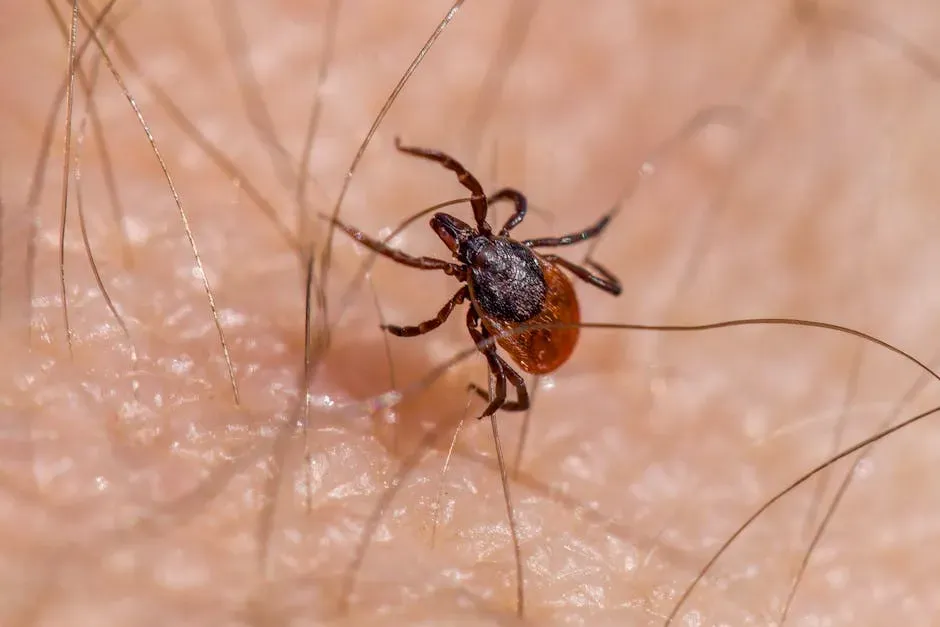
Ticks aren’t usually born in your living room, but they absolutely can end up there, and that’s where things get dangerous. These tiny arachnids hitchhike indoors on pets, clothing, and gear after time spent in yards, parks, fields, or wooded areas. Certain species in the US, like blacklegged (deer) ticks and lone star ticks, are known carriers of Lyme disease, anaplasmosis, babesiosis, and other infections that can cause fatigue, joint pain, fever, and more serious complications if left untreated.
Once indoors, ticks may crawl off a pet bed, couch, or rug and later attach to a person without being noticed right away. That’s one reason regular tick checks after outdoor activities are so important, even if you were “just in the yard.” Using veterinarian-recommended tick preventatives on pets, keeping grass trimmed, and creating a clear, low-brush barrier around your home can reduce the number of ticks that make it inside. If you find a tick attached to your skin, removing it promptly with fine-tipped tweezers lowers the risk of disease transmission a lot more than panicking about it.
5. House Flies: Filthy Little Shuttle Buses for Germs
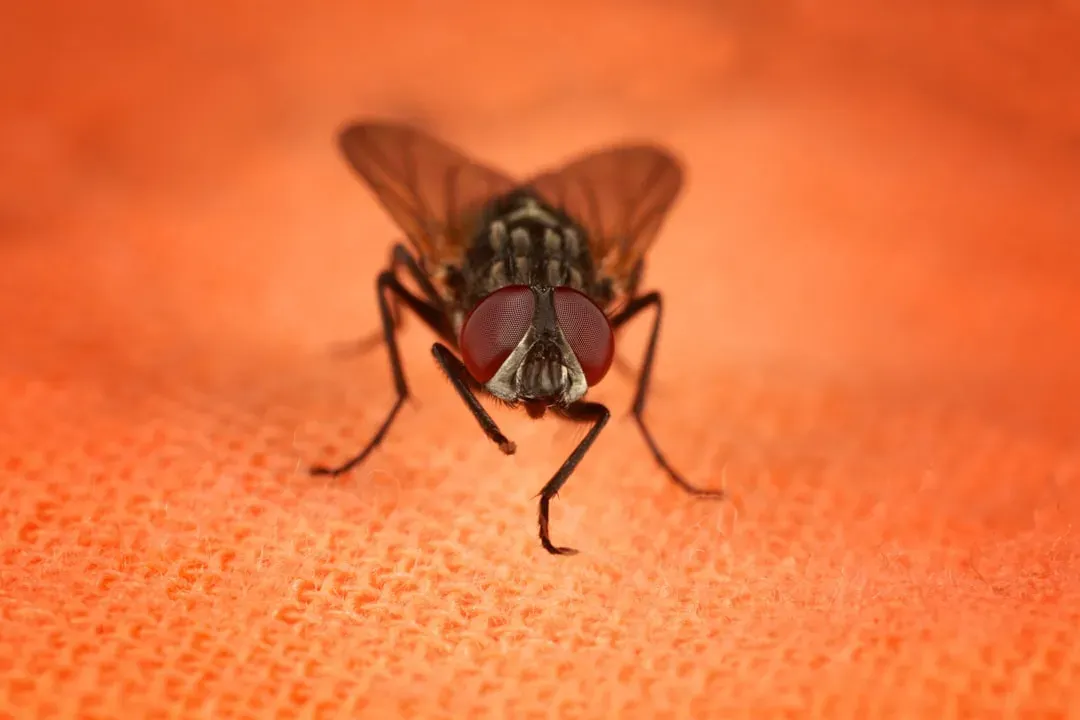
Flies feel so ordinary that it’s easy to forget how unsanitary they really are. Common house flies and blowflies spend part of their day on garbage, feces, and decaying matter, then happily land on your sandwich, your cutting board, or your toddler’s high chair. They don’t bite, but they mechanically carry and spread bacteria like salmonella, Shigella, and certain strains of E. coli that can cause gastrointestinal illness.
Flies don’t just land; they also regurgitate and defecate frequently, which is as gross as it sounds and a big part of how they spread microbes. A fly problem indoors often signals another issue like open trash, unclean drains, or pet waste that isn’t being handled promptly. Screens on windows and doors, covered trash cans, quick cleanup of food spills, and cleaning kitchen drains regularly can significantly reduce fly numbers. A single fly is annoying, but a handful buzzing around every time you cook is a sign your home ecosystem needs a reset.
6. Mosquitoes Breeding in and Around Your Home
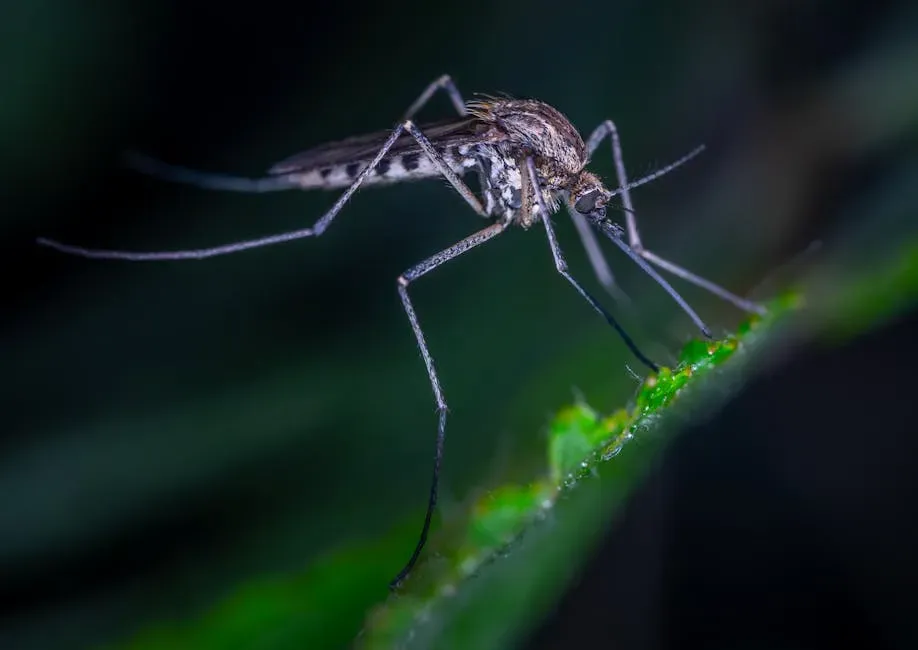
Most people connect mosquitoes with summer evenings outside, but indoor mosquitoes are more common than many realize, especially in warm, humid regions. They can fly in through open doors, come through poorly fitting screens, or even emerge from standing water in items like plant saucers, buckets, or clogged gutters right around your house. Certain mosquito species in the US have been known to transmit West Nile virus, and in some regions, they’ve also been linked to sporadic local transmission of dengue and other mosquito-borne viruses during favorable conditions.
Not every mosquito carries a virus, but when they do, the bite that feels like a minor itching nuisance can be the start of a more serious infection. The good news is that mosquitoes are heavily dependent on standing water, so you have real leverage in controlling them. Emptying or covering containers, fixing window screens, using fans and bed nets where needed, and applying EPA-registered repellents on skin when mosquitoes are active can drastically lower your risk. Think of it as pest control that starts with a walk around your yard and balcony, not just a can of spray.
7. Bed Bugs: More Than Just Bites and Lost Sleep
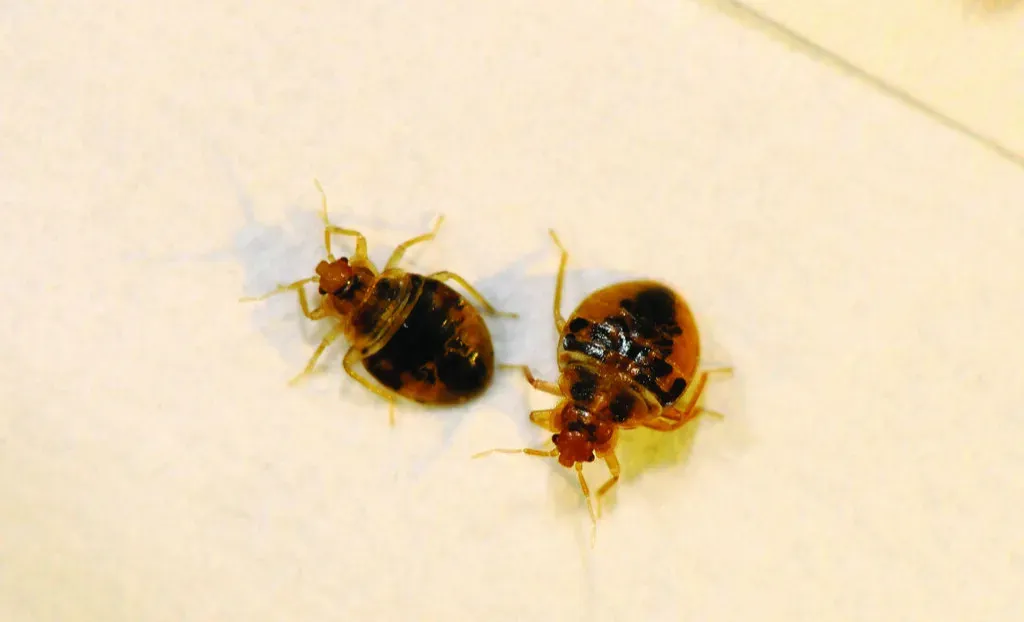
Bed bugs have become the stuff of modern horror stories, and for good reason: they’re hard to eliminate and astonishingly good at hiding. These small, flat insects feed on human blood, usually at night, leaving itchy welts for many but not all people. Unlike mosquitoes or ticks, bed bugs are not currently considered major proven transmitters of human disease in real-world settings, but their impact on health still isn’t trivial.
Infestations are linked to sleep disturbance, anxiety, embarrassment, and in some cases, worsening of existing mental health conditions. Repeated scratching of bites can also lead to skin infections, especially in children or older adults with fragile skin. Because they spread through luggage, used furniture, and even clothing, they’re a reminder that pests and health aren’t just about filth or neglect; they’re also about bad luck and modern travel. Early detection, reducing clutter, vacuuming regularly, and getting professional heat or chemical treatments when needed are far more effective than home remedies that promise miracles.
Personally, I think bed bugs are a perfect example of how health risks aren’t always about pathogens alone. The stress, the laundry mountains, the constant fear of “Did I just bring them back?” can take a real toll. If you’ve dealt with them, you know the emotional hit is as real as any bug bite.
8. Pharaoh Ants: Tiny Ants with a Surprisingly Big Medical Footprint
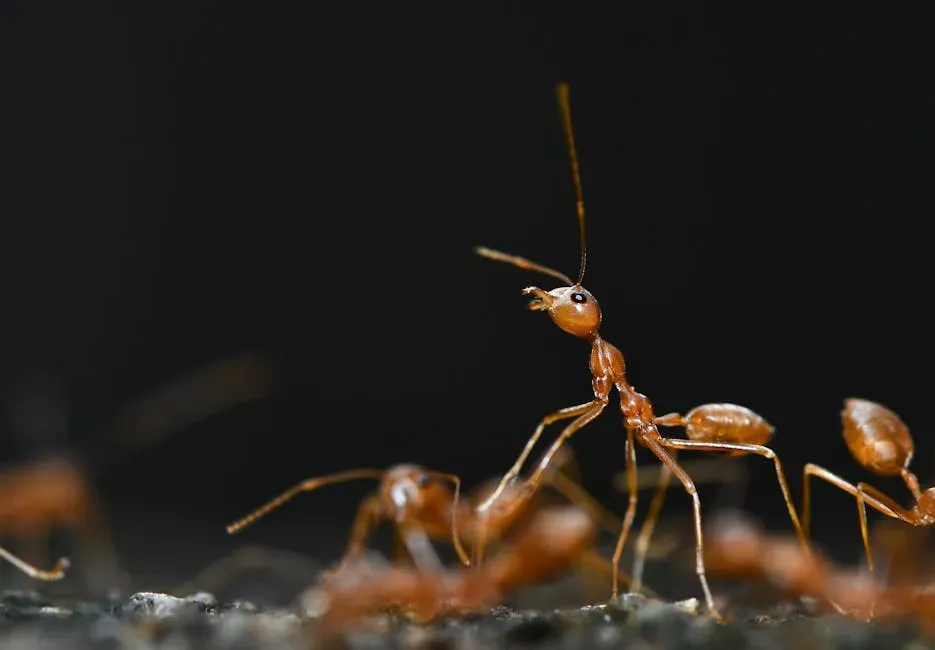
Of all the pests on this list, pharaoh ants are probably the least famous but quietly one of the most concerning in healthcare settings. These tiny, yellowish ants are notorious in hospitals and nursing homes, where they can invade wound dressings, IV lines, and medical equipment. They’ve been associated with the spread of bacteria like Staphylococcus and Pseudomonas in those environments, turning what looks like a harmless trail of ants into a potential infection risk.
In homes, they’re drawn to sweets, fats, and even toothpaste, and they nest in tiny, hard-to-reach spaces inside walls and cabinets. They can easily split their colonies when disturbed, making DIY spraying a recipe for an even bigger problem. While bacteria-carrying ants are a bigger documented issue in hospitals than in private houses, it’s still wise not to share your kitchen with them. Baiting strategies, cracks sealed with caulk, and avoiding leaving sugary foods uncovered are smarter approaches than chasing workers with a spray bottle.
9. Common Spiders: Not Just Scary, but Occasionally Medically Important
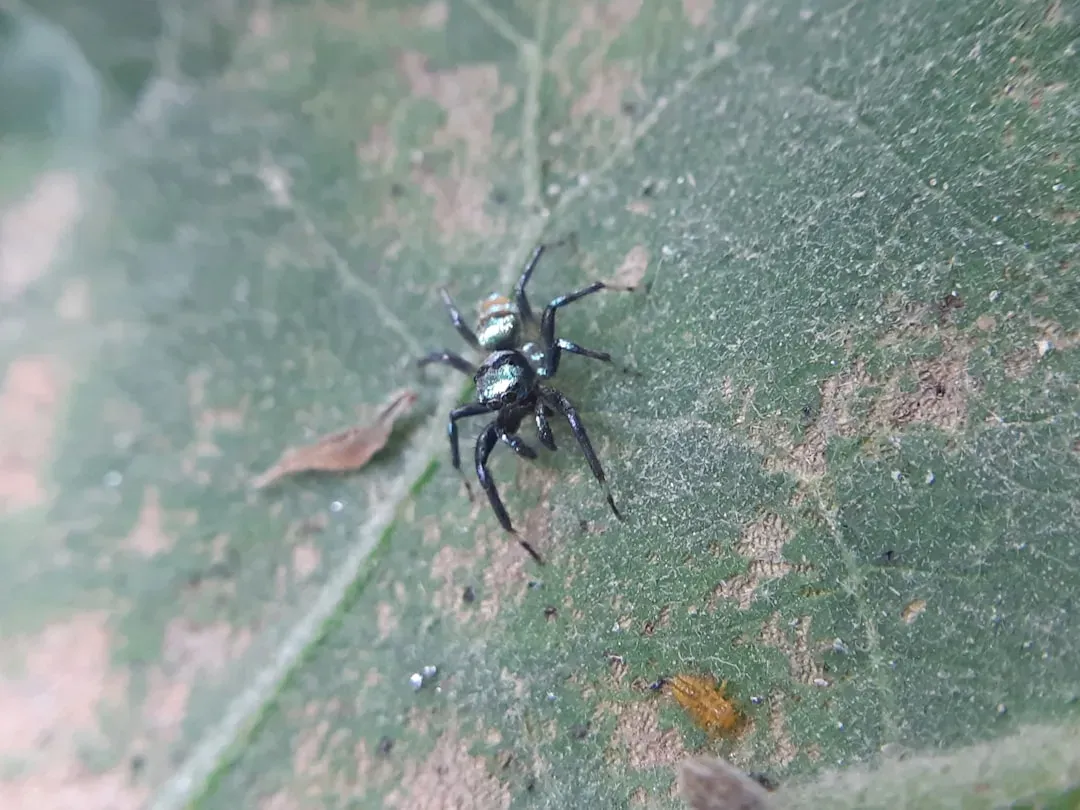
Spiders are technically beneficial predators, eating mosquitoes, flies, and other pests that you might dislike even more. Most house spiders in the US are harmless to humans and prefer to stay out of sight in corners, basements, and garages. However, a few species, such as brown recluse and black widow spiders in certain regions, can deliver venomous bites that cause significant local tissue damage or systemic symptoms in some people.
Spider bites capable of serious illness are relatively rare compared to the diseases carried by rodents or ticks, but they do happen, often when someone unintentionally presses a spider against their skin in clothing, shoes, or storage boxes. The key is balanced awareness: shake out items that have been stored in garages or sheds, wear gloves when reaching into dark, cluttered spaces, and don’t panic at every tiny web you see. If you suspect a bite from a medically important species and develop severe pain, spreading redness, or other concerning symptoms, seeking prompt medical care is much wiser than trying to tough it out.
Conclusion: Turning Fear into Smart, Quiet Prevention
Once you realize how many everyday household pests can carry or contribute to disease, it’s easy to feel a wave of unease. But the real takeaway isn’t that your home is secretly a horror movie; it’s that you have far more control than it first appears. Simple habits like sealing food, fixing leaks, closing up gaps, reducing clutter, checking pets for ticks, and dealing with infestations early can dramatically shrink your risk without turning your life upside down. Most of these steps are boring, unglamorous home maintenance routines that quietly protect your health in the background.
In a way, understanding these pests is like finally turning on the light in a dark room: what you see might be unsettling, but now you know where to step. You don’t need to be paranoid, just informed and a little more intentional about how you manage your space. The next time you see a roach dart under the stove or hear scratching in the wall, will you brush it off, or will you treat it as a small but real health signal worth responding to?

- South Texas Eyes U.S. Record for Hottest Winter Temperature With 106°F Inferno in February - May 9, 2026
- Bats Play a Crucial Role in Controlling Insect Populations Across the United States - April 30, 2026
- The Recovery of the California Condor Offers Hope for Other Critically Endangered Birds - April 30, 2026