

If you’ve ever had a dog nuzzle you when you’re sad or watched one animal stand guard over another, you’ve probably wondered whether animals actually feel empathy or if we’re just projecting human emotions onto them. Over the last couple of decades, biologists and psychologists have started taking that question very seriously, and the results are both tender and a little humbling. It turns out that many species seem wired to notice distress in others and to respond in ways that look a lot like caring.
Empathy in animals doesn’t look like a movie script. There are no dramatic speeches or teary confessions. Instead, it’s small, consistent behaviors that keep showing up across species and studies: comforting touch, shared vigilance, even giving up food for a friend. Some of these moments are so gentle and familiar that, honestly, they can make your own relationships feel a bit under review. Let’s walk through nine of the most surprising ways animals show empathy – and why they might reveal more about us than we expect.
1. Rats Who Free Their Trapped Friends (Even Before Eating)
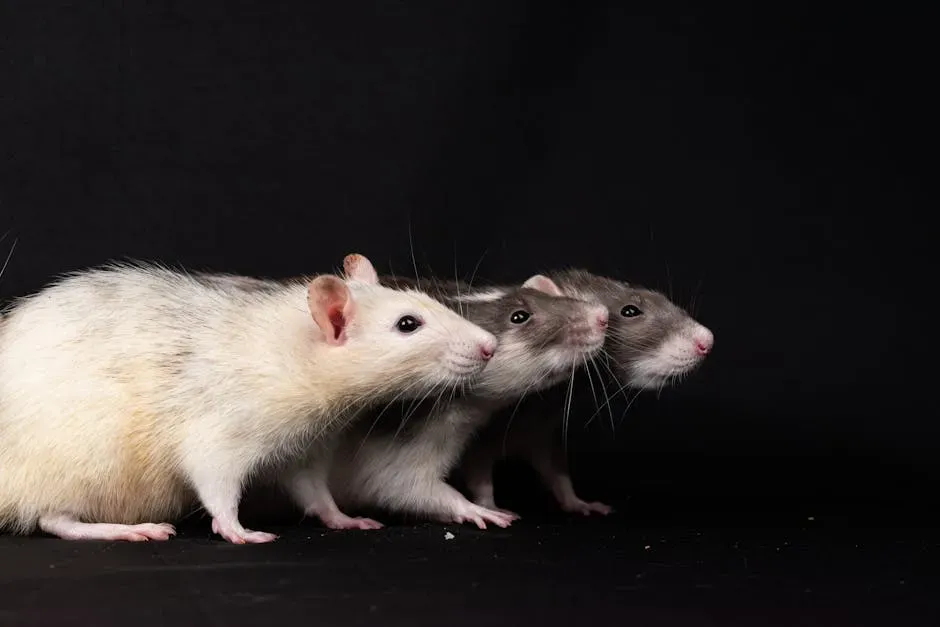
One of the most surprising findings in animal empathy research came from a series of experiments with rats, a species many people unfairly think of as cold or purely self-interested. In carefully controlled setups, a free rat was given the option to open a tiny door and release a trapped cage-mate, with no obvious reward for doing so. Time and again, the free rats worked to release their companions, even when it meant ignoring tempting treats that were easily within reach.
What’s powerful here is not just that the rats opened the door, but how they behaved while doing it. They often appeared agitated when another rat was trapped, pacing and repeatedly approaching the confined animal as if driven by discomfort at another’s distress. In some variations of the experiment, rats shared food with the individual they had just freed, despite having the option to keep it all. That kind of choice – helping first, eating later – looks uncannily like a basic form of empathy and challenges the idea that compassion is uniquely human.
2. Elephants Who Stand Vigil Over the Injured and Dead
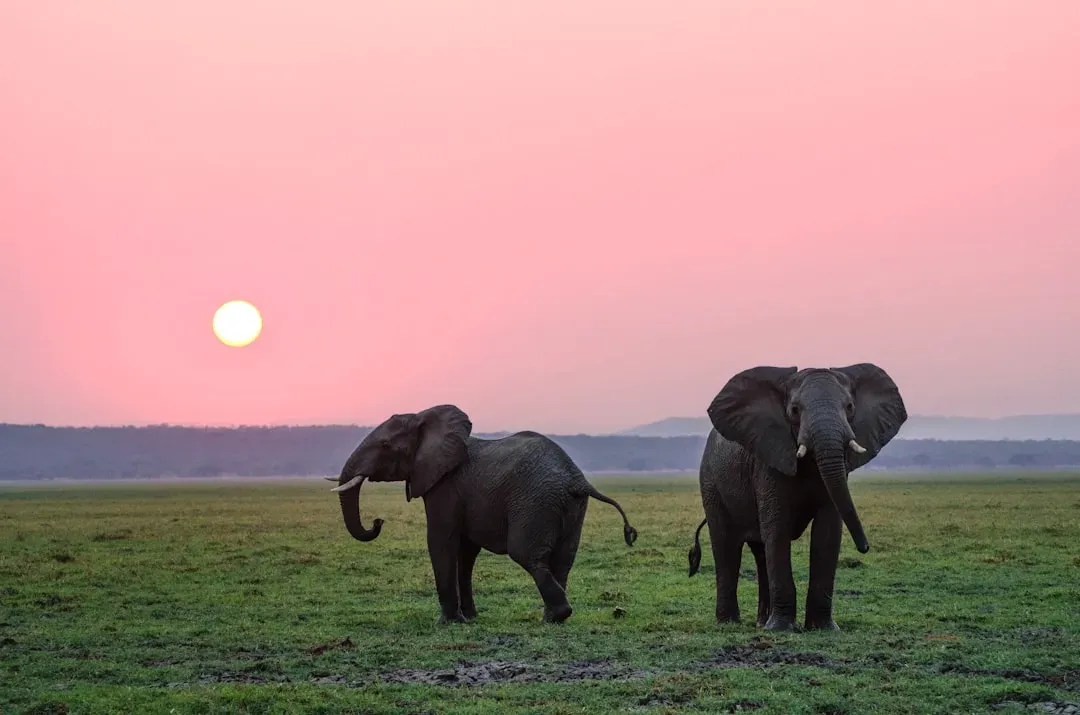
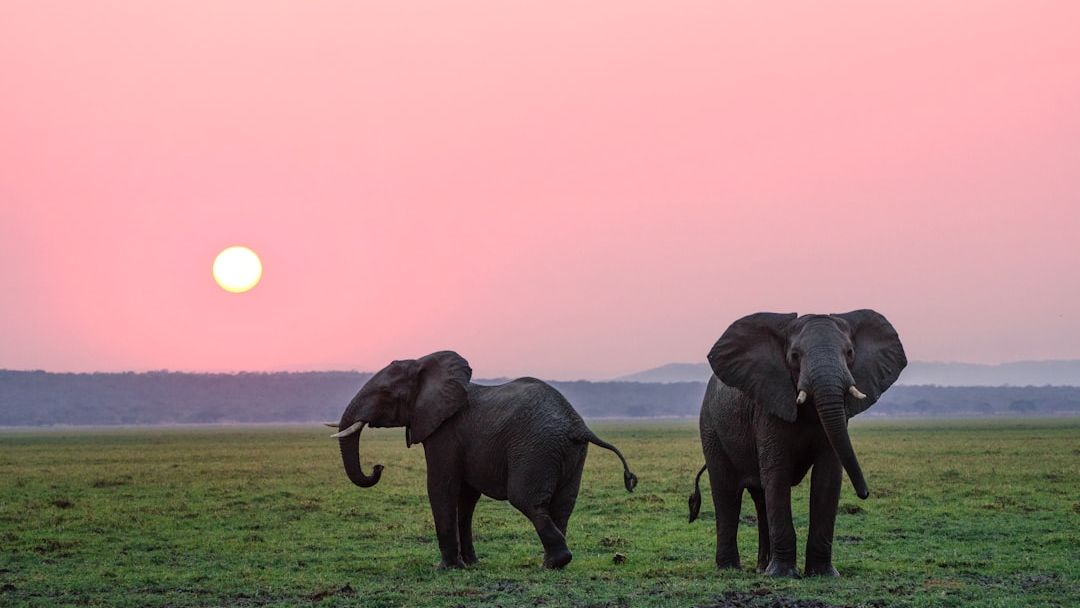
Elephants are often described as emotional heavyweights of the animal world, and their responses to distress and death are some of the most moving behaviors scientists have observed. When an elephant is injured, others frequently gather around, touching the wounded animal with their trunks, slowing their movements, and sometimes forming what looks almost like a protective circle. They have been seen trying to help injured individuals stand, or staying near them long after the herd could have moved on.
Their reactions to death are equally striking. Elephants will sometimes stop at the bones or body of a deceased elephant, gently touching the skull or tusks with their trunks and feet, and standing quietly for long stretches of time. They may show particular attention to the remains of relatives or calves, returning on more than one occasion. While scientists are careful not to label this as grief in the human sense without overreaching, the consistent, gentle attention to the dead and dying strongly suggests an emotional awareness of others’ suffering that goes far beyond simple curiosity.
3. Dogs Who Comfort Crying Humans (Even Strangers)

Many dog owners already suspect their pets can “read” them, and research has given some solid support to that feeling. In experiments where humans pretended to cry, even dogs who didn’t know the person often approached and gently made contact – nudging, pawing, or leaning in – far more frequently than when the person was humming or talking calmly. They didn’t just go to their owner; they went to whoever seemed upset, as if drawn in by the emotional tone rather than by habit.
What’s especially moving is how dogs seem to adjust their behavior in these moments. Even hyper, energetic dogs often become quiet and gentle around a crying person, making slow movements and prolonged eye contact in a way that looks remarkably similar to human comforting behavior. Having grown up with a dog who would silently rest his head on my knee whenever I got upset, this research felt less like a discovery and more like a confirmation: our bond with dogs is not just about food and walks but about an emotional attunement that’s been shaped over thousands of years of living side by side.
4. Primates Who Share Food and Soothe Each Other After Fights
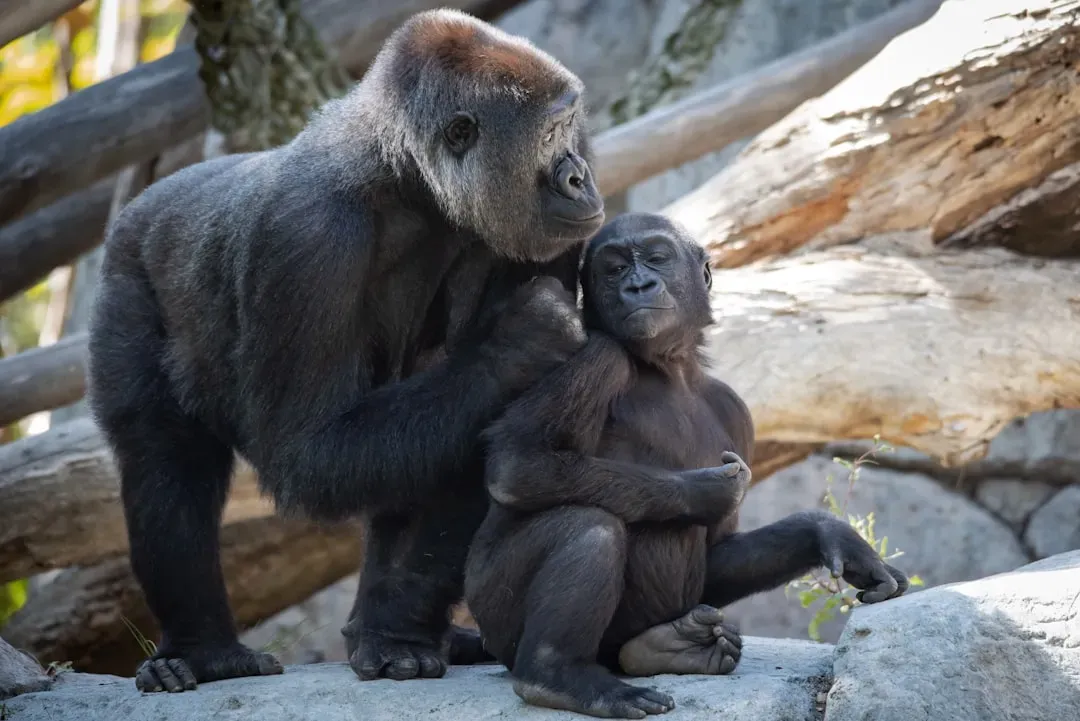
Great apes and monkeys have long been a window into the roots of human social life, and their capacity for empathy is one of the clearest links. After aggressive conflicts, chimpanzees, bonobos, and other primates often show what researchers call “consolation behaviors.” A bystander – who wasn’t part of the fight – will approach a distressed individual and offer a hug, a gentle touch, or grooming, and these interactions are associated with a visible reduction in the victim’s agitation.
Food sharing offers another lens into primate empathy. While food is a valuable resource, apes have been observed handing over pieces to others, particularly to younger individuals or close partners, even when there is no immediate benefit for them. In some carefully designed studies, apes chose options that rewarded both themselves and a partner, not just themselves alone. It’s not the same as human moral reasoning, but it does suggest that noticing the needs and emotional states of others – and acting in a way that helps – is part of an ancient social toolkit that we share with our primate cousins.
5. Dolphins Who Support the Sick and Injured in the Water

Dolphins live in a world where survival often depends on cooperation, and their responses to vulnerable group members reflect that. Observers have documented dolphins physically supporting sick or injured individuals at the surface, keeping their blowholes above water so they can breathe. This is not a quick bump or accidental contact; it can go on for long periods and often involves several dolphins working together, almost like a floating rescue team.
Similar behaviors have been seen when dolphins encounter struggling humans in the water. While not every dramatic story is scientifically documented, there are enough consistent observations of dolphins circling, nudging, or guiding exhausted swimmers toward safety to suggest that, at minimum, they can respond in ways that look protective and deliberate. Whether we label it full-blown empathy or a strong social instinct, it’s hard not to feel something when you picture a group of sleek, powerful animals taking the time to keep a weaker member afloat.
6. Mice Who Share Pain Through Emotional Contagion
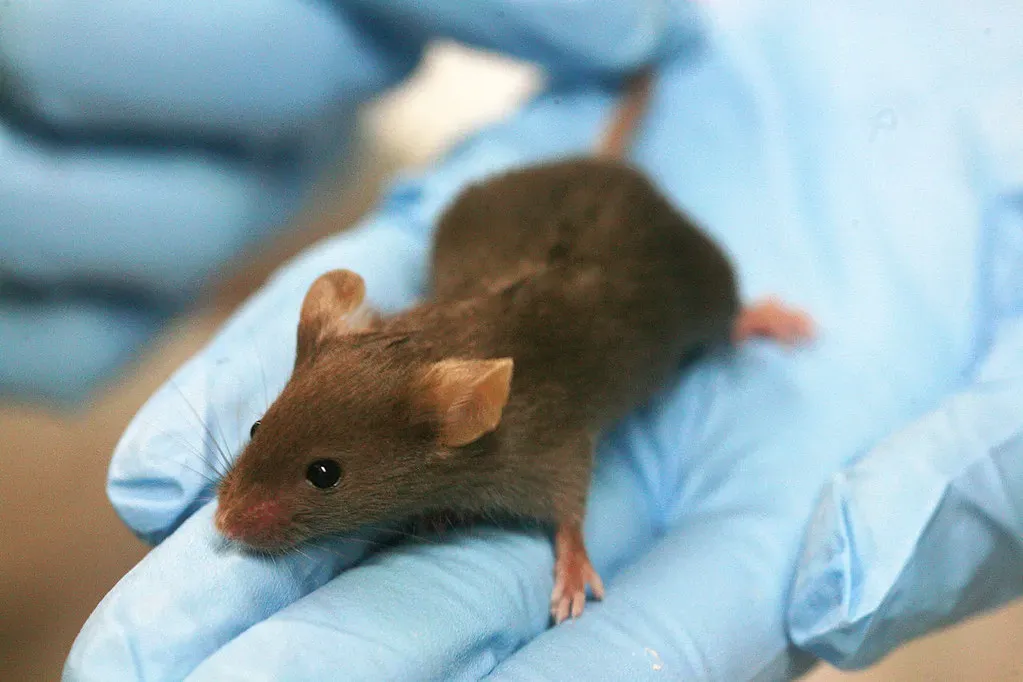
Empathy isn’t always about rushing in to help; sometimes it starts with simply feeling what someone else feels. In laboratory studies, mice housed together show a striking effect known as emotional contagion. When one mouse experiences pain – for example, after a mild, carefully controlled procedure – other mice who observe or are housed nearby become more sensitive to pain themselves, reacting more strongly to subsequent mild discomfort.
This is not just a random stress reaction. The effect tends to be stronger between familiar mice who know each other, and specific brain regions associated with processing both personal and observed pain appear to be involved. In a way, these studies show a bare-bones version of the same mechanism that might underlie human responses when we wince while watching someone get hurt. It’s empathy stripped down to its core: feeling another’s state in your own body, even when nothing physical has changed for you directly.
7. Birds Who Risk Themselves to Raise the Alarm
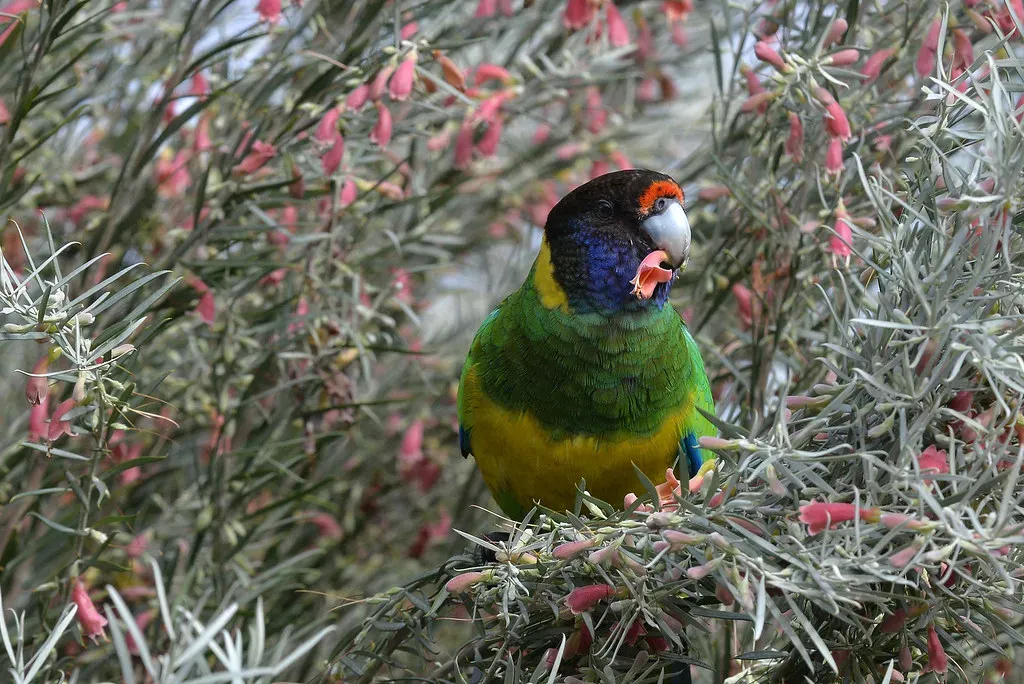
If you’ve ever watched a small bird repeatedly cry out when a predator is nearby, you’ve seen one of the most selfless-looking behaviors in the animal kingdom. Many bird species give loud alarm calls when they spot danger, drawing attention to themselves in order to warn others. This can be genuinely risky, since a noisy bird is easier for a predator to locate, yet the behavior persists across different environments and species.
Researchers have found that alarm calls often vary depending on the type of threat, which suggests birds are not simply panicking but sharing specific information that others can use. In some species, individuals call more frequently when close relatives or mates are nearby, hinting at an emotional or at least social dimension to the risk they’re willing to take. Even if this behavior evolved to protect shared genes, the lived reality is that one nervous, feathered lookout is putting itself on the line so that others might have time to escape.
8. Cats Who Offer Quiet, Subtle Comfort
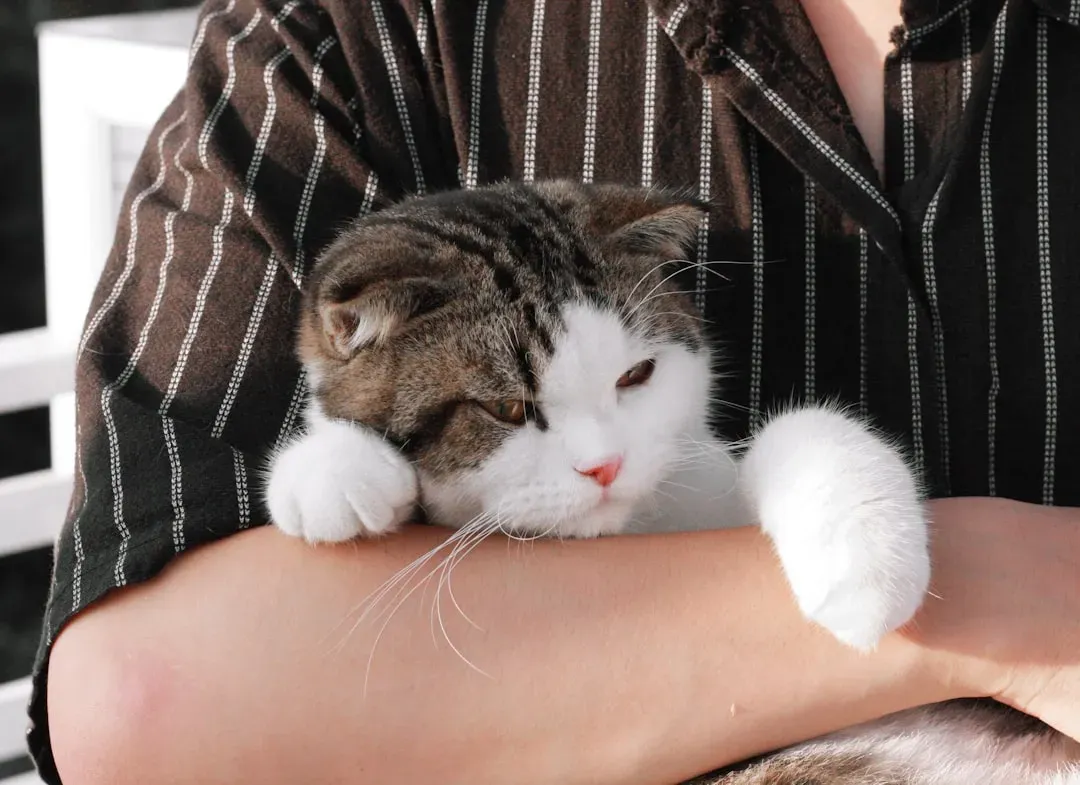
Cats get a bad reputation for being aloof, but anyone who has shared a home with a cat knows that’s only part of the story. While they’re less dramatically responsive than dogs, many cats alter their behavior when their humans are distressed. They may curl up closer than usual, follow someone from room to room, or gently tap with a paw in a way that seems oddly well-timed. Some studies suggest cats can distinguish their owner’s voice from others and may notice changes in tone that signal sadness or anxiety.
Their empathy just tends to be quieter and more on their own terms. I remember working through a rough patch where my usually independent cat suddenly started sleeping at my feet every night, like a tiny, furry anchor. It’s hard to prove scientifically that this was empathy rather than coincidence, but when you look at how cats read our cues, respond to our routines, and choose to be near us at vulnerable moments, it becomes difficult to dismiss the possibility that they are picking up on – and subtly responding to – our emotional states.
9. Farm Animals Who Show Concern and Comfort for Their Companions
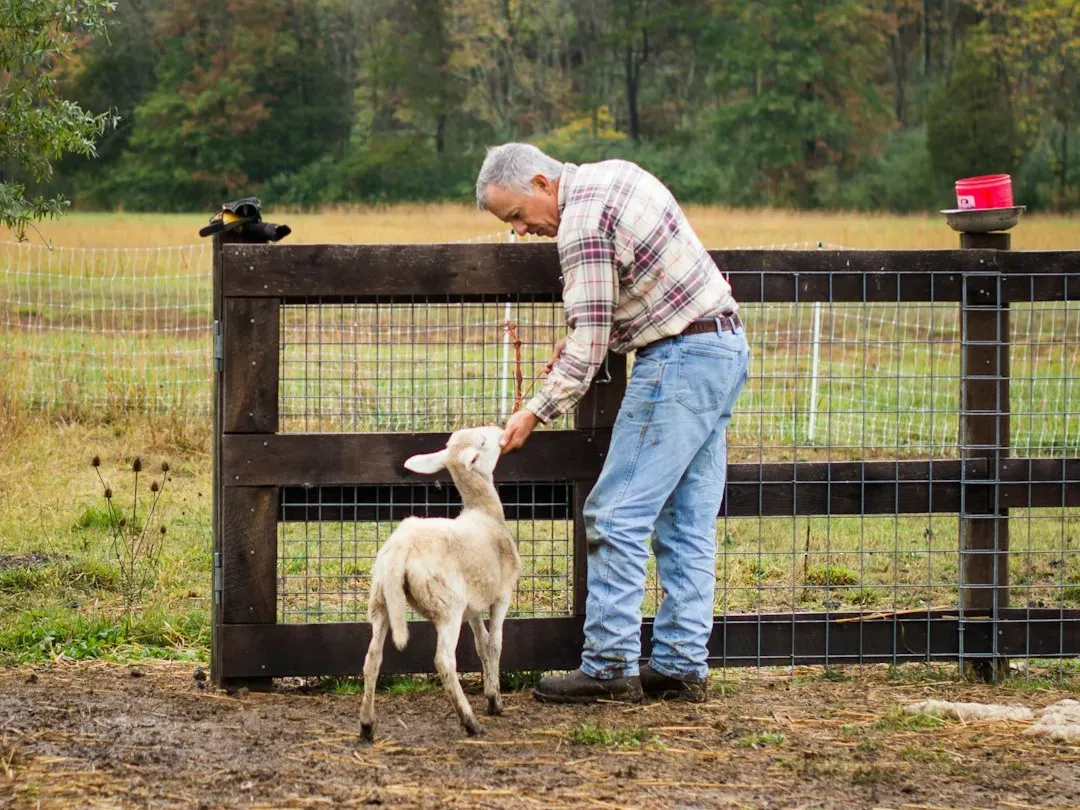
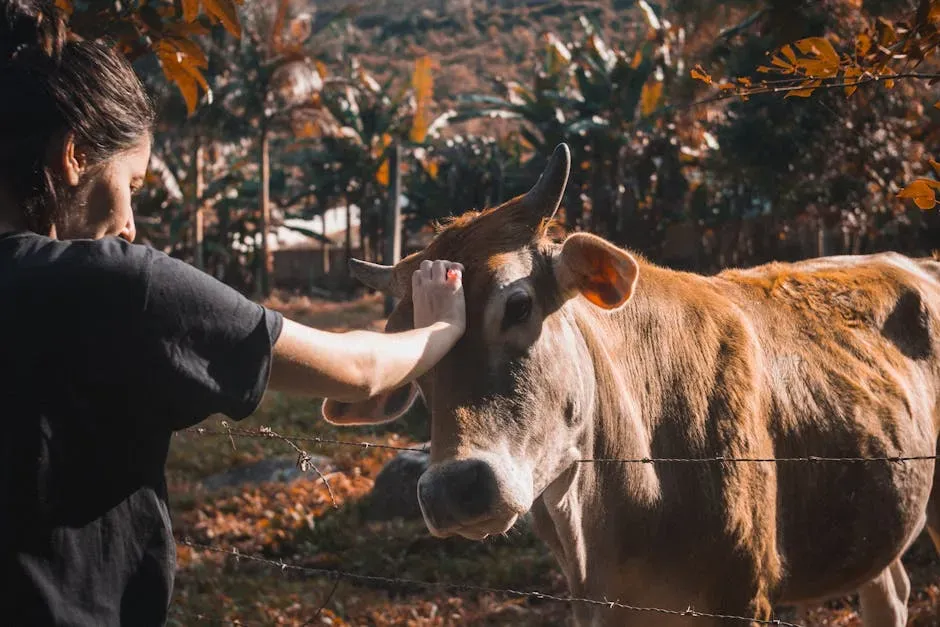
Farm animals are often overlooked in discussions about empathy, treated more as background scenery than as emotionally rich beings. Yet research on animals like cows, pigs, and sheep paints a more complicated picture. For example, cows can show signs of stress when they see a calf or companion in distress, with changes in heart rate and vocalizations that suggest they’re reacting emotionally to another’s state, not just to their own immediate circumstances.
Pigs raised together can form strong social bonds and have been observed approaching and staying near distressed companions, engaging in gentle contact that looks a lot like comforting. Sheep recognize familiar faces – both sheep and human – and respond differently to individuals they know. When you watch a herd where one animal lingers near another that’s unwell or recovering, it becomes harder to maintain the idea that empathy belongs only to pets and primates. Under all that mud, wool, or muscle, there may be a sensitivity to others’ suffering that deserves more respect than it usually gets.
Conclusion: What Animal Empathy Reveals About Us
Looking across rats freeing their friends, elephants standing vigil, dolphins supporting the weak, and birds risking themselves to sound the alarm, a pattern emerges: empathy is not a rare luxury, it’s a powerful survival tool that shows up again and again in social species. It helps groups stay cohesive, makes cooperation worthwhile, and nudges individuals to care about more than their next meal. In a sense, the tenderness we see in animals is a mirror held up to our own emotional wiring, reminding us that caring is not a strange add-on to life but part of its basic design.
At the same time, animal empathy is not perfect or magical. It’s usually stronger toward family, friends, and familiar companions than toward strangers, which sounds a lot like how humans naturally behave too. Maybe the real lesson here is not that animals are secretly just like us, but that we’re not as separate from the rest of life as we like to believe. If rats can choose to help before they eat and elephants can slow down for the vulnerable, what does that say about what we’re capable of, on our best days?

- Scientists Investigate Why Some Bearded Dragons Grow to Record Sizes - June 24, 2026
- What Research Reveals About a Cat’s So Called Sixth Sense - June 23, 2026
- 5 Essential Training Tricks to Quiet a Barking Dog - June 22, 2026