
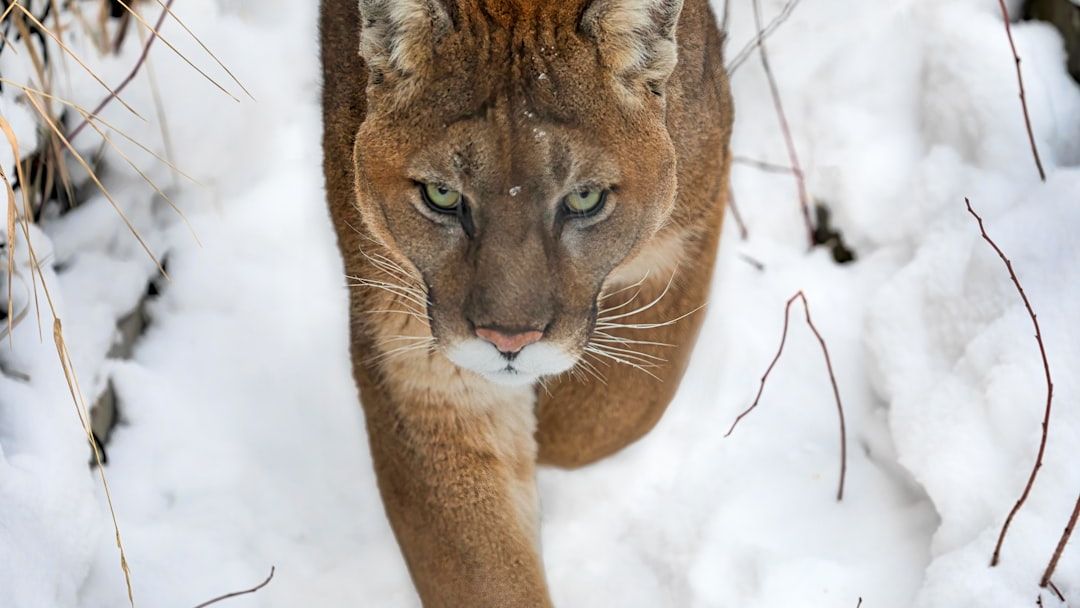
Few animals in North America occupy as large a shadow as the mountain lion. It moves through wilderness and, increasingly, through the edges of cities, yet most people will never see one in the wild. That invisibility is part of what makes this creature so fascinating.
Known by more names than almost any other animal on earth, this sleek predator has roamed the continent for thousands of years. The more you learn about it, the stranger and more impressive it becomes.
It Holds the World Record for the Most Names
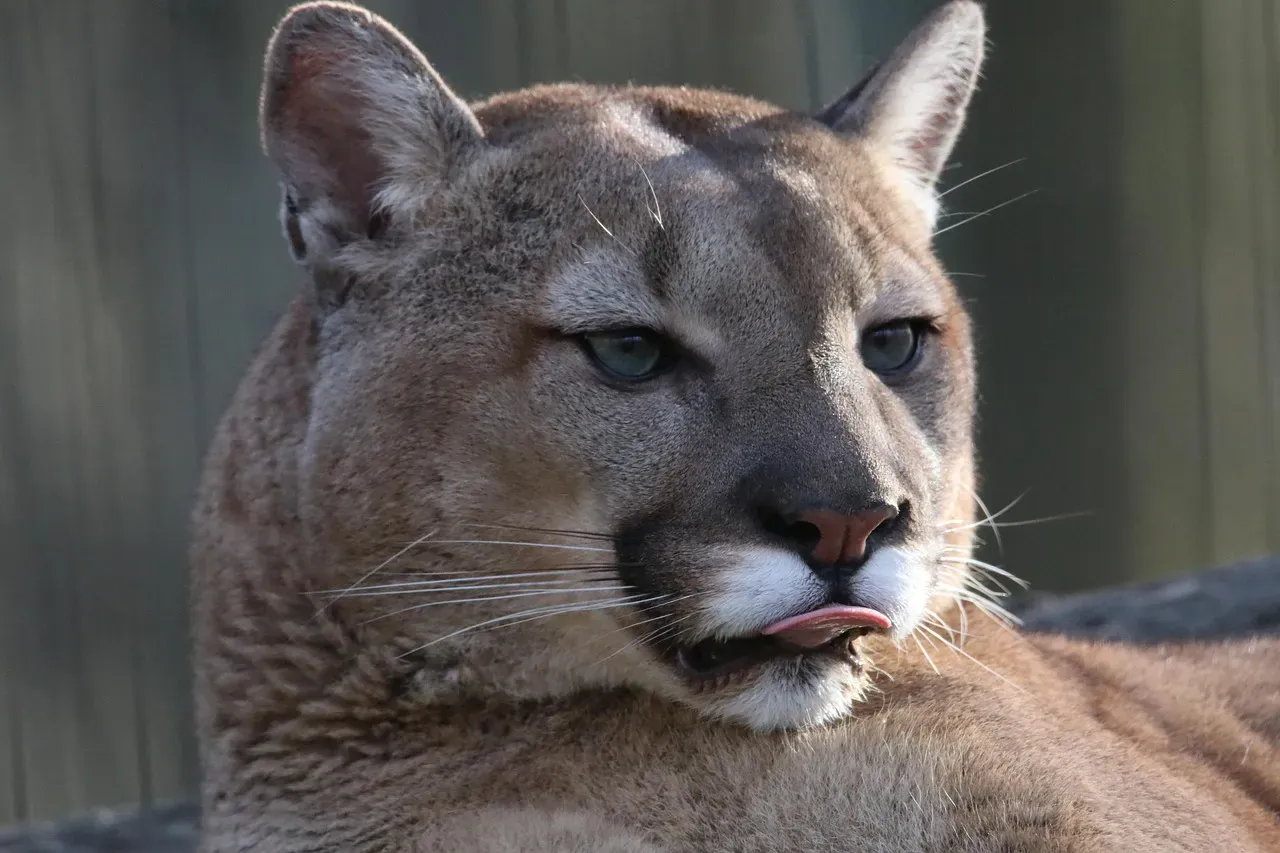
The cougar holds the Guinness record for the animal with the greatest number of names, with over 40 in English alone. That astonishing range of names reflects just how widely distributed and culturally significant this cat has been throughout history.
Writer Claude T. Barnes listed 18 native South American, 25 native North American, and 40 English names for the same animal. From “catamount” in New England to “panther” in Florida to “puma” across South America, it is all the same species.
Early Spanish explorers of North and South America called them leon and gato monte, from which we get “mountain lion.” “Puma” is the name the Incas gave these cats in their language. “Cougar” seems to have come from an old South American Indian word, cuguacuarana, which was shortened to “cuguar” and then spelled differently.
They Are Not Actually Big Cats
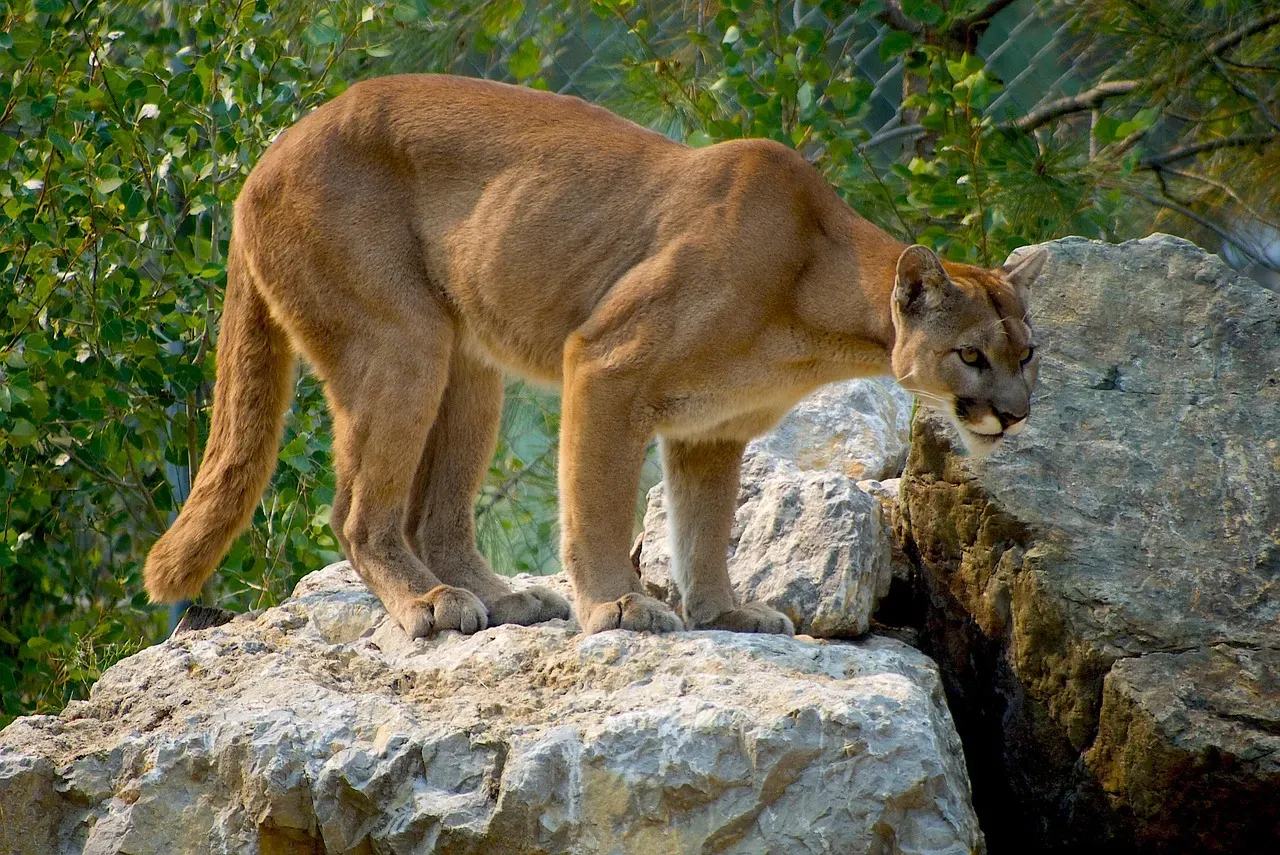
Puma concolor is not a true lion of the genus Panthera and cannot roar, nor is its habitat restricted to mountainous regions. Despite its impressive size and predatory power, it is technically classified among the smaller cats.
The cougar is most closely related to the jaguarundi and the cheetah. That last connection surprises a lot of people. A cheetah relative stalking deer in the Rocky Mountains is not the association most of us would make.
Mountain lions have a different larynx than most of the big cats you may be used to, such as tigers and lions. As a result, they communicate in different ways, such as chirping, growling, shrieking, and even purring. That purring, in particular, makes them feel remarkably close to an oversized house cat.
Their Range Is Wider Than Almost Any Other Land Animal
Mountain lions inhabit North, Central and South America, making them the most widely distributed wild, terrestrial mammal in the Western Hemisphere, and one of the most widespread in the world.
Mountain lions once ranged more extensively than any other mammal in the Western Hemisphere. Historically they could be found anywhere from the Canadian Yukon to the Straits of Magellan – over 110 degrees in latitude – and from the Atlantic seaboard to the Pacific Ocean.
The cougar lives in all forest types, lowland and mountainous deserts, and in open areas with little vegetation up to an elevation of 5,800 meters. That is nearly 19,000 feet – a range of habitat versatility that is genuinely hard to match in the animal kingdom.
Cubs Look Nothing Like Their Parents
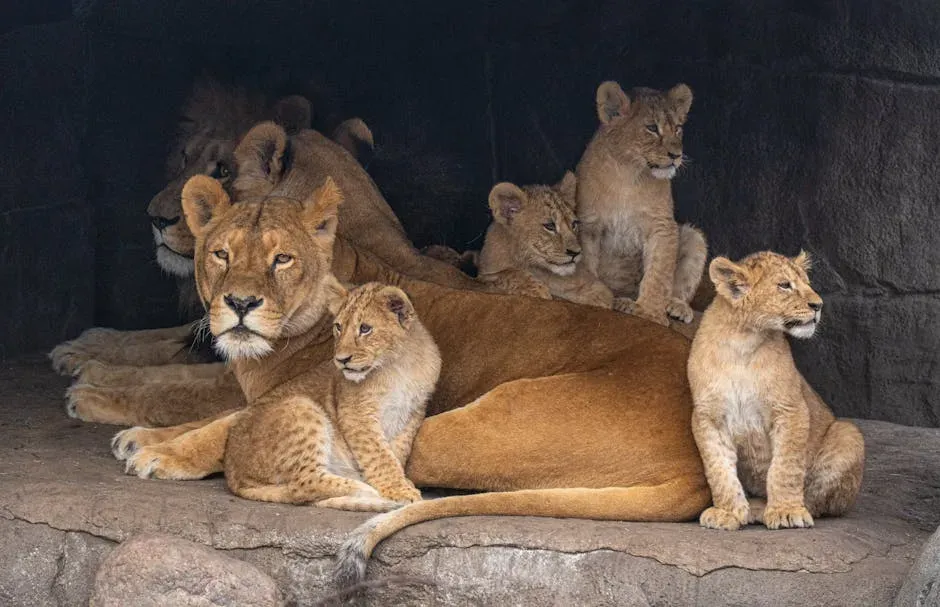
If you ever found a mountain lion cub out in the wild, you probably wouldn’t recognize it. When mountain lions are first born, and even while they’re growing up, they look vastly different to their adult counterparts.
The most noticeable differences are their blue eyes and dark spots on their fur. As they mature, their eyes will shift to yellow and their spots will fade into their iconic tawny coat, becoming almost unrecognizable over the course of just a few weeks.
Juvenile mountain lions remain with their mother for approximately 12 to 24 months, during which they learn to hunt and establish survival strategies. After this period, they disperse to find and establish their own territories. Males tend to disperse farther than females, often traveling significant distances to establish their own ranges.
Their Legs Are Proportionally the Largest of Any Cat
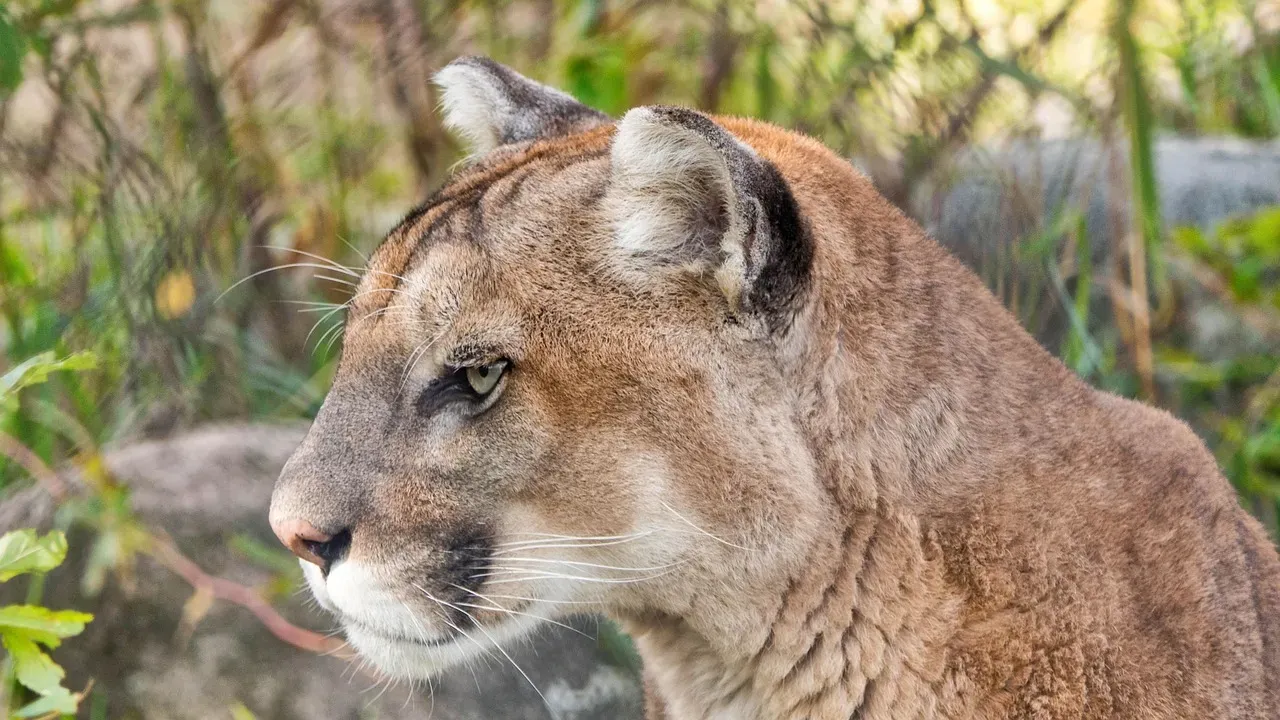
Proportionally, mountain lions have the largest legs out of all of the members of the feline family. This helps mountain lions adapt to a variety of situations and terrains. Those powerful limbs are not just for show.
Those proportionally large legs help them reach impressive speeds of up to 50 miles per hour. Even though they can only maintain this top speed for a short period of time, they are able to maintain speeds up to 10 mph for long-distance travel.
Their powerful hind legs enable them to jump as far as 40 to 45 feet. To put that in perspective, that is roughly the length of a school bus in a single bound.
A Single Male Can Roam Hundreds of Square Miles
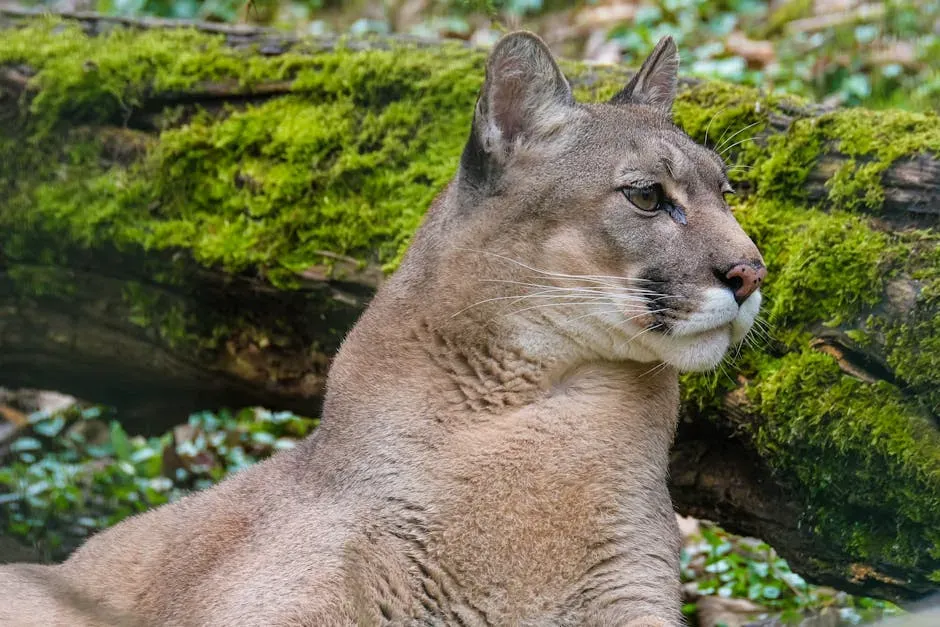
The male mountain lion’s home range can be 100 to 500 square miles – about the size of a small city or larger. Females usually have smaller ranges, often 25 to 100 square miles.
Individual lions range in areas varying in size from 10 to 370 square miles. Females with young kittens use the smallest areas; adult males occupy the largest areas. The size of the home range depends on the terrain and how much food is available.
Mountain lions use large areas and travel great distances. Results from Texas research show that on average a mountain lion may cross 25 or more private ranches. That kind of range makes managing and protecting them across political and property boundaries genuinely complicated.
They Are Ambush Hunters With a Precise Killing Technique
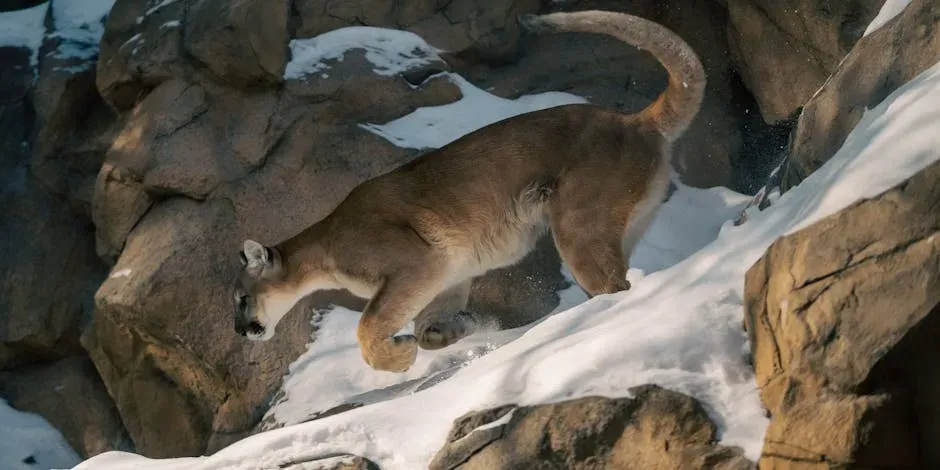
As ambush hunters, mountain lions stalk prey silently and wait for it to move within about 50 feet. Then they attack. The claws of mountain lions help grip prey, while their jaw muscles deliver a powerful strike to the neck.
Opportunistic hunters, mountain lions typically hunt alone from dusk to dawn, taking their prey primarily from behind. On average, a lion will kill a deer about once a week.
Mountain lions often bury part of their kill to save for a later meal, hiding the food with leaves, grass, dirt, or even snow, depending on the habitat and time of year. This caching behavior means a single kill can feed a lion for several days.
Eastern North America Lost Its Mountain Lions Over a Century Ago
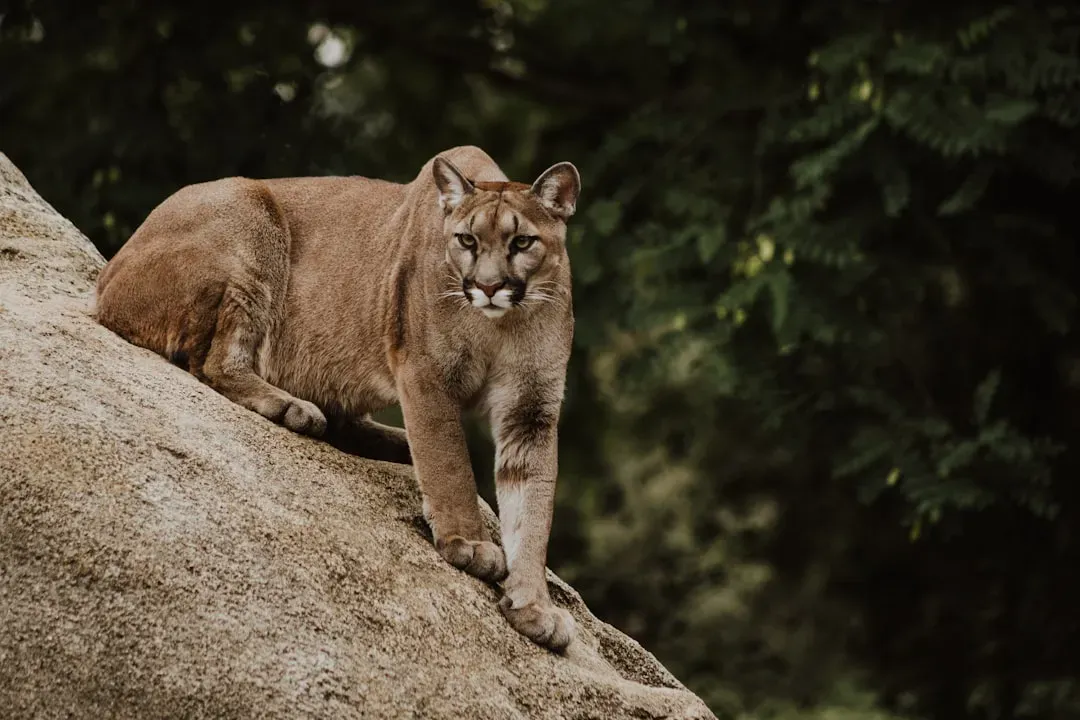
Mountain lions used to be found throughout the United States, but due to bounty hunts in the early 1900s and threats such as persecution, trophy hunting, poaching, retaliation in response to livestock depredation, kitten orphaning, poisoning and habitat loss and fragmentation, mountain lions are now only found in 15 western states, and the genetically isolated Florida panther remains in the East.
The Florida panther, a subspecies of the mountain lion, has been listed as endangered since 1967. This small and isolated population is one of the most intensely managed wildlife groups in North American conservation.
Ecologically, large parts of the East could support cougars again. The bigger challenge is not habitat or prey – it is people. Coexistence, attitudes, and policy will shape whether this animal ever reclaims any of its former eastern territory.
They Actively Adjust Their Behavior to Avoid Humans
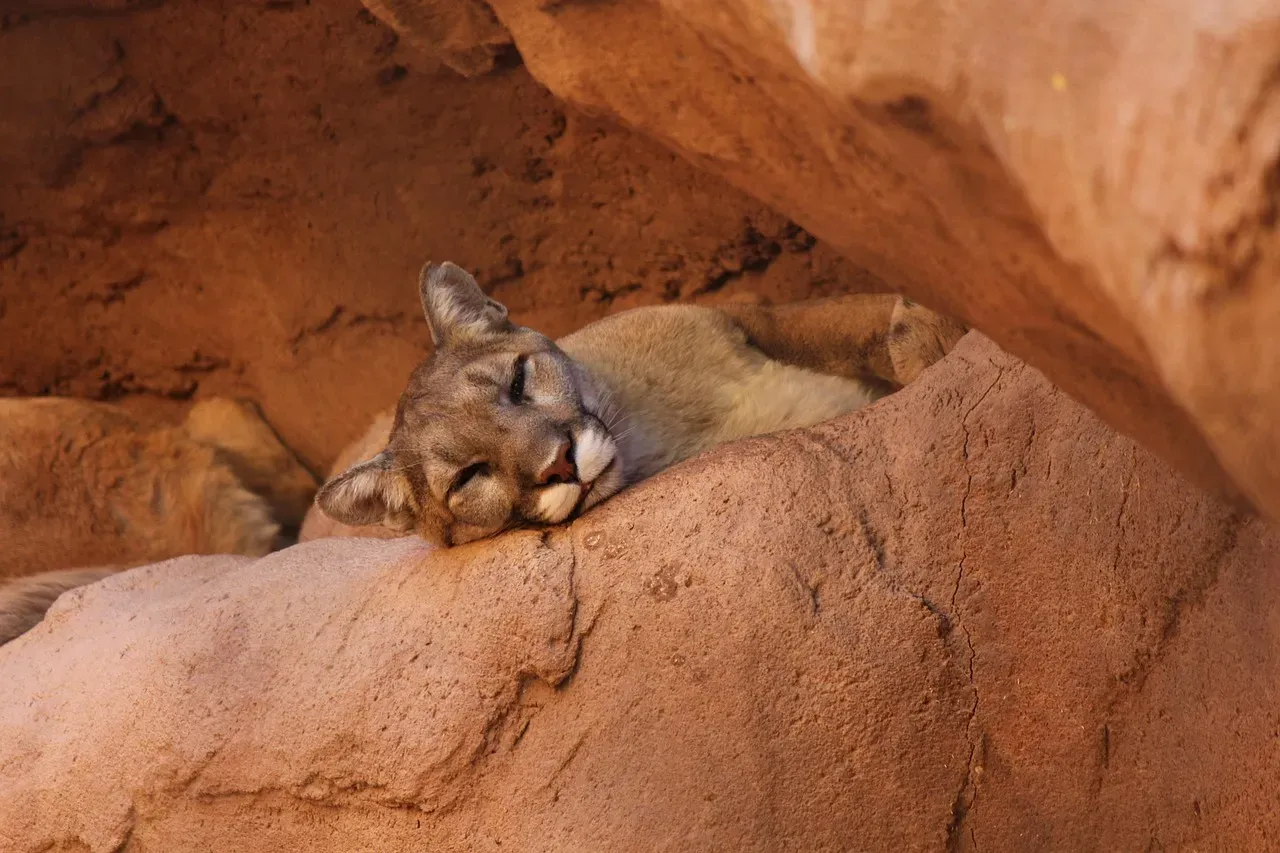
Research studying mountain lions persisting in greater Los Angeles adjusted their diel activity patterns in response to spatial and temporal variation in human recreation. Mountain lions reduced diurnal activity, shifted timing of dawn activity, and became more nocturnal in areas with high recreation.
Study results relating to puma behavior patterns indicate that pumas and people generally have opposite activity periods. Although pumas are least active during daylight hours when park visitors are most active, overlapping activity periods do occur around dusk and dawn. Pumas using parks also tend to avoid buildings and campgrounds but move closer to the extensive system of trails and fire roads as night falls.
This behavioral flexibility is one reason mountain lions can persist in fragmented urban landscapes. They are far more aware of human patterns than most people realize.
Young Mountain Lions Learn to Avoid Threats From Their Mothers
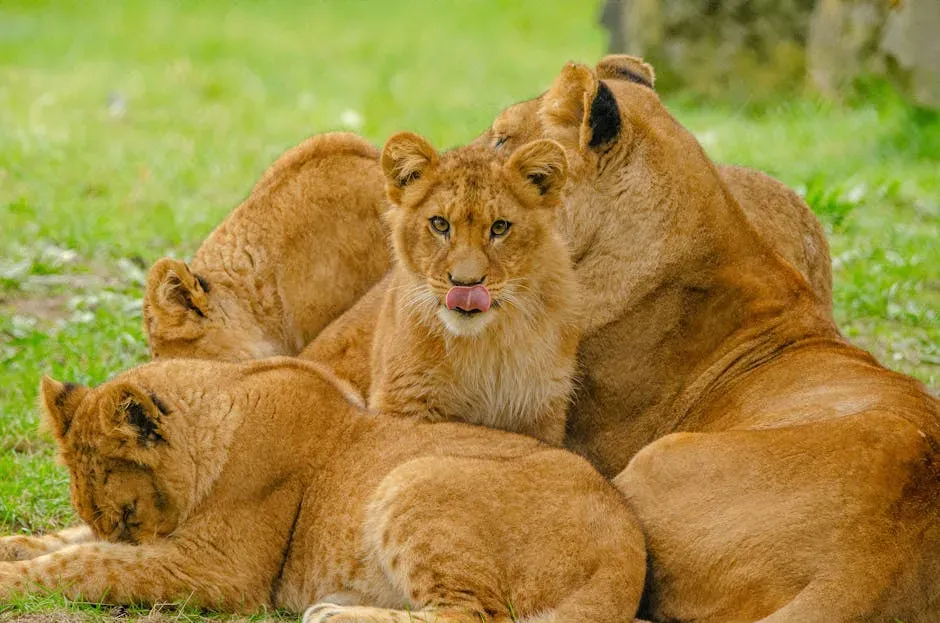
Avoidance behavior may be influenced by maternal experience, with young mountain lions learning avoidance tactics from their mothers. This learned behavior is a significant factor in how well populations adapt to human-dominated landscapes.
Juvenile dispersal, the act of moving from their natal range to the place where they eventually reproduce and establish an adult home range, is hazardous. Juveniles must travel and find food across unfamiliar landscapes, where they must also cross roads, avoid harvest, and navigate developed landscapes. Despite the inherent dangers of dispersal, this demographic process is important for finding suitable mates and reducing inbreeding depression.
A female with kittens will move to a new den site within her territory every few weeks to protect her kittens from predators and male lions. Motherhood in mountain lion society is a demanding and calculated affair.
They Are Sacred Animals in Many Indigenous Cultures
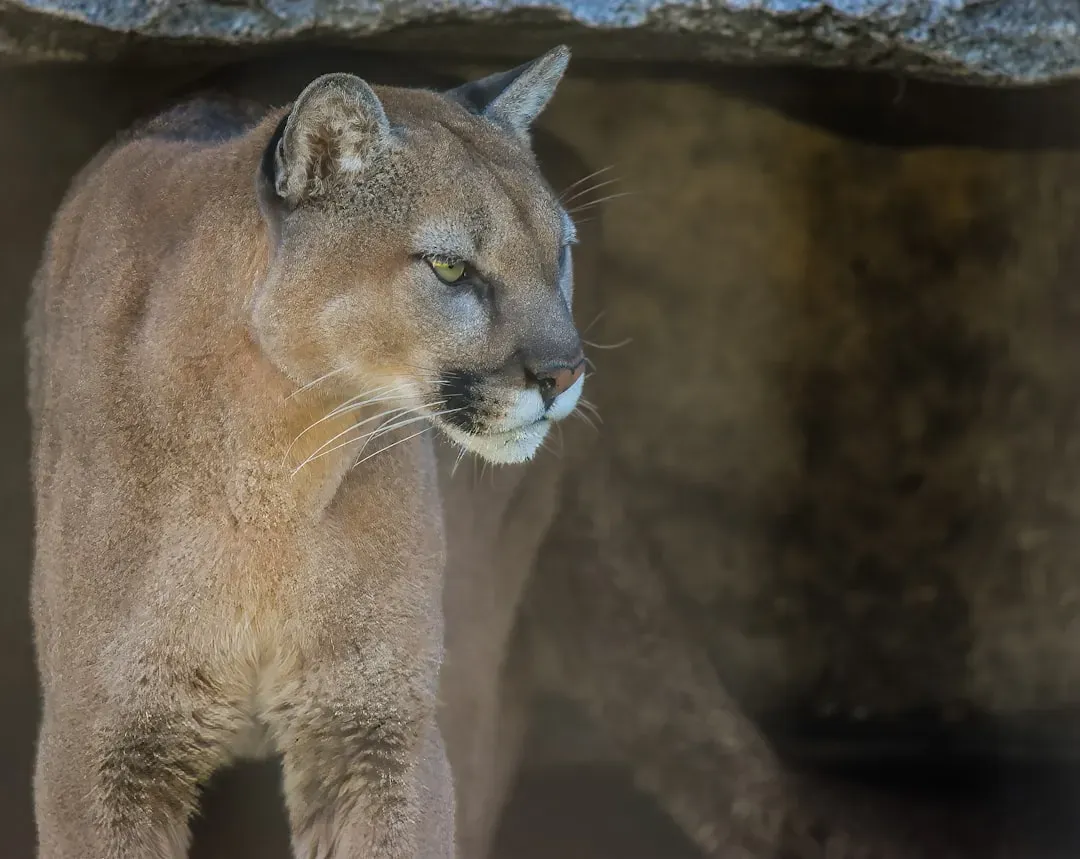
Known for their power and grace, mountain lions are common symbols in indigenous American culture, from mythology to art. While some indigenous peoples view mountain lions as symbols of bad omens, many see these apex predators as sacred and revered animals, such as the Inca people and the Cherokee people.
Vespucci, after whom the two American continents are named, was probing the coastline of Nicaragua when he saw what he described as lions, probably because of their similarity to the more familiar African lion. Two years later, on his fourth voyage to the New World, Christopher Columbus saw “lions” along the beaches of what are now Honduras and Nicaragua.
The long human relationship with this animal spans thousands of years of reverence, fear, and misunderstanding. That history is still playing out today in conservation debates across the American West.
Habitat Connectivity Is Now Critical to Their Survival
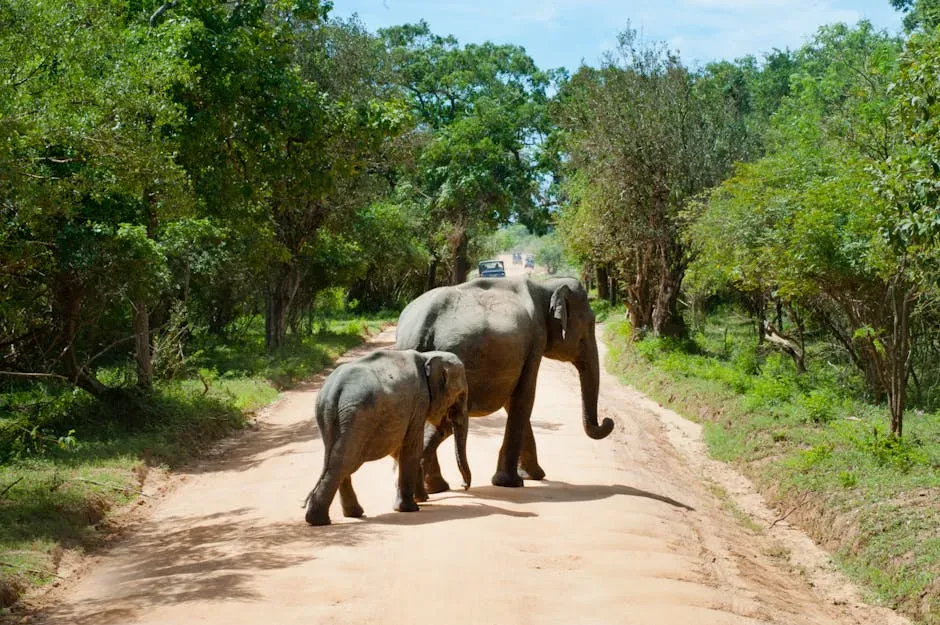
Connectivity, in the ecological sense, is less about individual animals moving around and more about how entire landscapes function as an integrated system. When habitats are linked, the natural mechanics of dispersal, gene flow, and population rescue operate as they were meant to in a fully functioning network. When linkages weaken or disappear altogether, populations are more vulnerable to the stressors of climate extremes, local disturbance, and the merciless pressures of infrastructure development.
Establishing wildlife corridors and protecting sufficient range areas are critical for the sustainability of cougar populations. Research simulations showed that the species faces a low extinction risk in areas larger than 850 square miles. Between one and four new individuals entering a population per decade markedly increases persistence, thus highlighting the importance of habitat corridors.
For a wide-ranging, low-density species like the puma, the integrity of these connections is often the difference between stable populations and the drift towards decline. How well humans design landscapes that allow for that movement will largely determine the future of the species in North America.
Conclusion
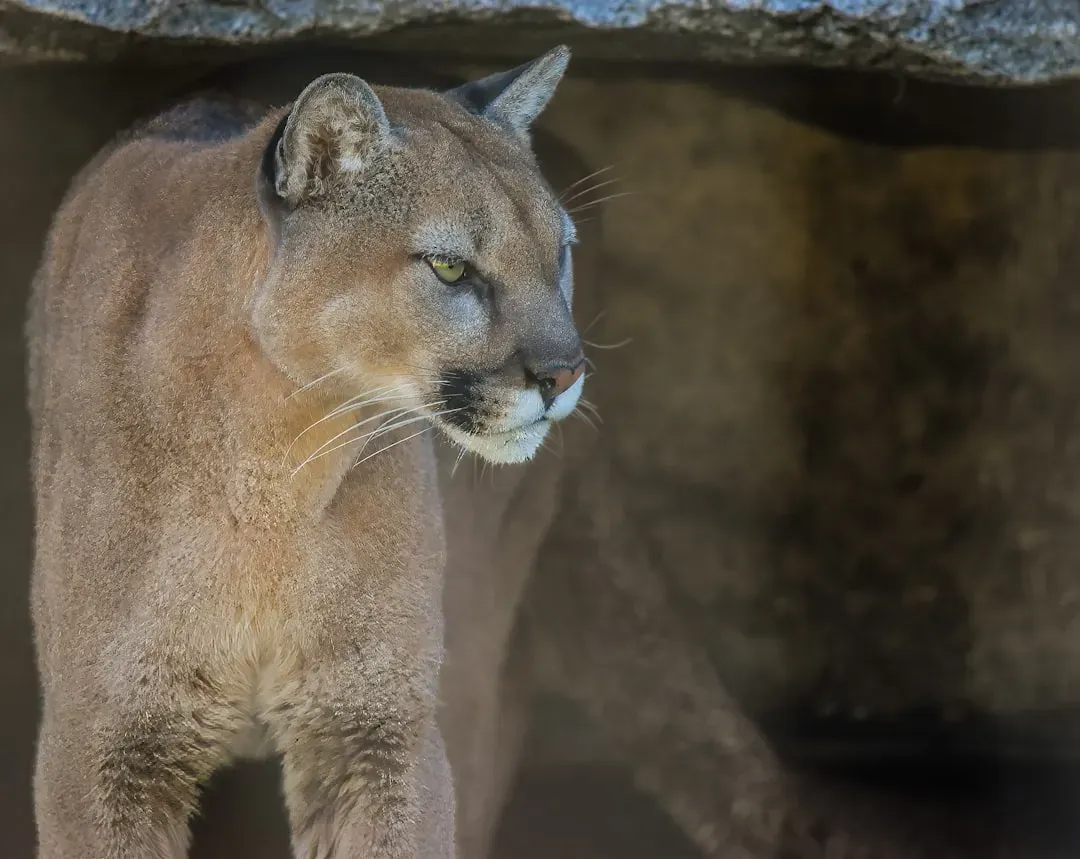
The mountain lion is one of North America’s most quietly remarkable animals. It has survived persecution, habitat loss, and centuries of mischaracterization – and it is still here, adapting, learning, and slipping through the night on the edges of our cities and deep in our wilderness.
What makes this animal so compelling is not just its physical power, but its intelligence and adaptability. It reads the landscape, adjusts its habits, and passes knowledge to its young. In many ways, it is a mirror of the pressure humans place on wild spaces.
Understanding the mountain lion better is not only a matter of appreciation. It is a matter of stewardship. The choices made about land use, wildlife corridors, and coexistence in the coming decades will determine whether this ancient, wide-ranging ghost of the western hills continues to thrive – or quietly disappears from more and more of the places it once called home.
