
Most people think attracting birds and butterflies requires a large, elaborate garden or years of horticultural experience. It doesn’t. A few deliberate choices, layered thoughtfully across your yard, can turn even a modest suburban space into a place that hums with life from early spring through late autumn.
Providing the four core components of habitat, which are food, water, cover, and places to raise young, is the foundation of any wildlife-friendly space. Get those four elements right, and the birds and butterflies will follow. Here’s how to approach each one, along with a few other practical upgrades that make a real difference.
Plant Native Species First and Foremost
Choose plants native to your specific area, and not only will they thrive in your yard, but they’re the most naturally suitable for native wildlife. This isn’t just good gardening advice. It’s ecological common sense.
Native plants are already adapted to your precipitation and soil conditions, and they don’t need artificial fertilizers or pesticides. That translates to less work for you and a healthier yard overall.
Insects have evolved alongside native plants, which means many pollinators depend on specific native species for survival. When you include more natives in your landscape, you naturally attract butterflies, bees, and beneficial insects that support the entire ecosystem.
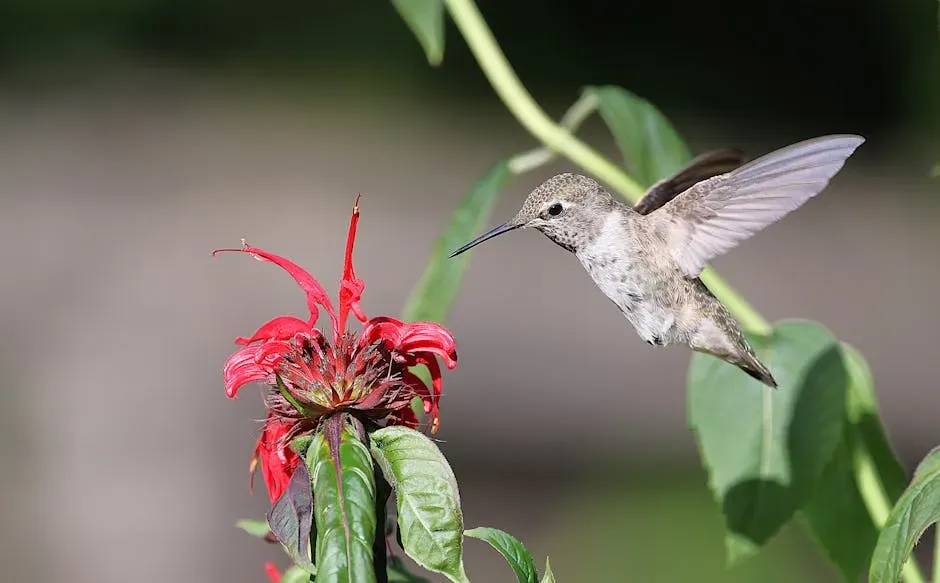
Native plants provide nectar for hummingbirds, butterflies, and bees. They also provide nourishing seeds and irresistible fruits for your feathered neighbors, and offer places to nest and shelter from harm. It’s difficult to overstate how much ecological weight a single well-chosen native plant can carry.
Design for Continuous Bloom Throughout the Seasons
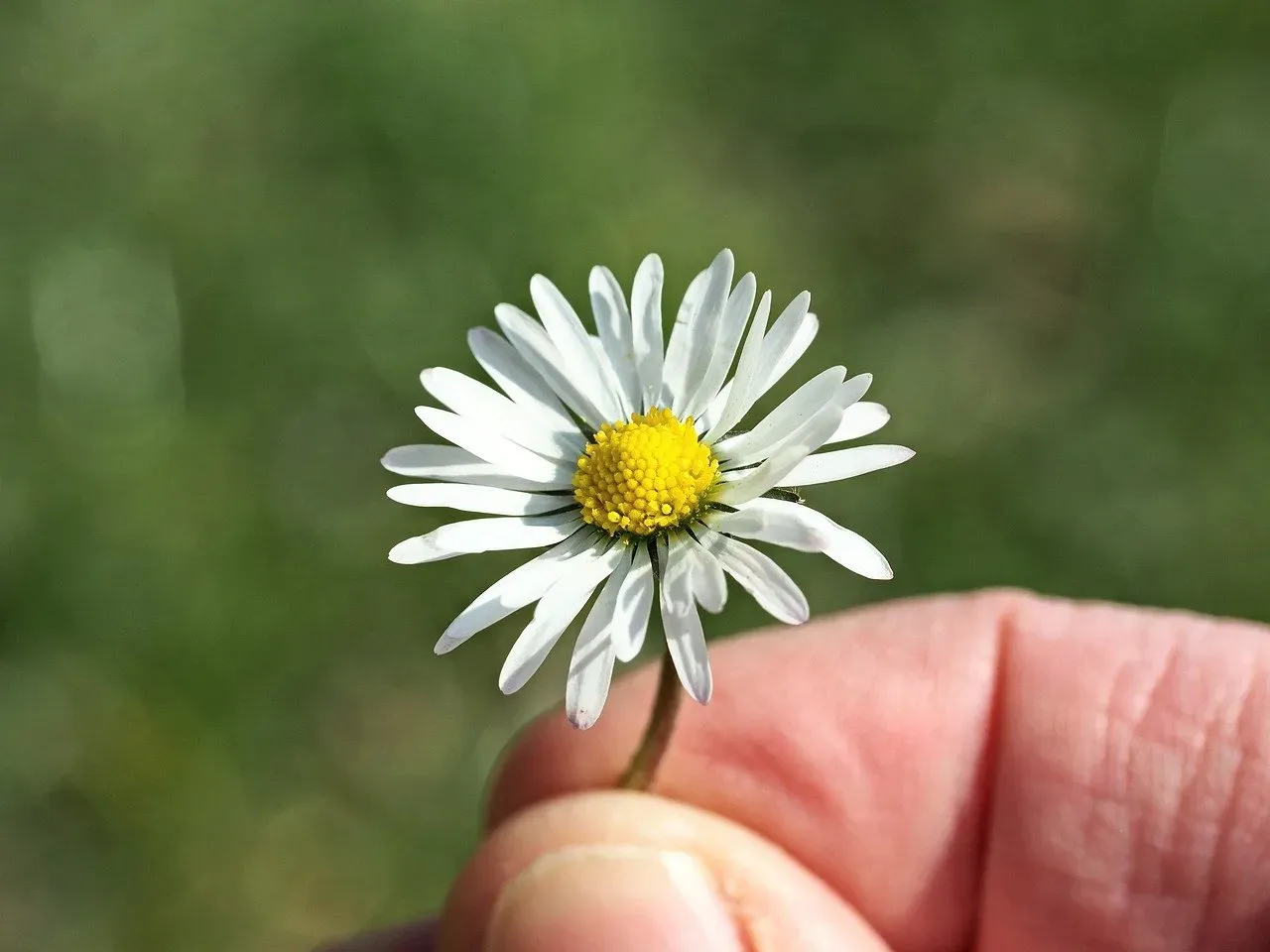
Consider planting for continuous bloom, meaning when one plant stops blooming, another begins, so birds and butterflies have a constant source of food. This is one of the most overlooked aspects of wildlife gardening.
Nectar-rich flowers like Echinacea, Salvia, Lavender, Asclepias, and Verbena bonariensis are excellent choices. Aim for overlapping bloom times so bees, butterflies, and hummingbirds always find food.
Many gardeners love a tidy winter landscape, but leaving seed heads standing can make a meaningful difference to backyard wildlife. Plants like coneflower, black-eyed Susan, and native grasses hold seeds that feed birds all winter long. Goldfinches, chickadees, sparrows, and juncos depend on these natural food sources in cold months when insects are scarce.
Add a Reliable Water Source
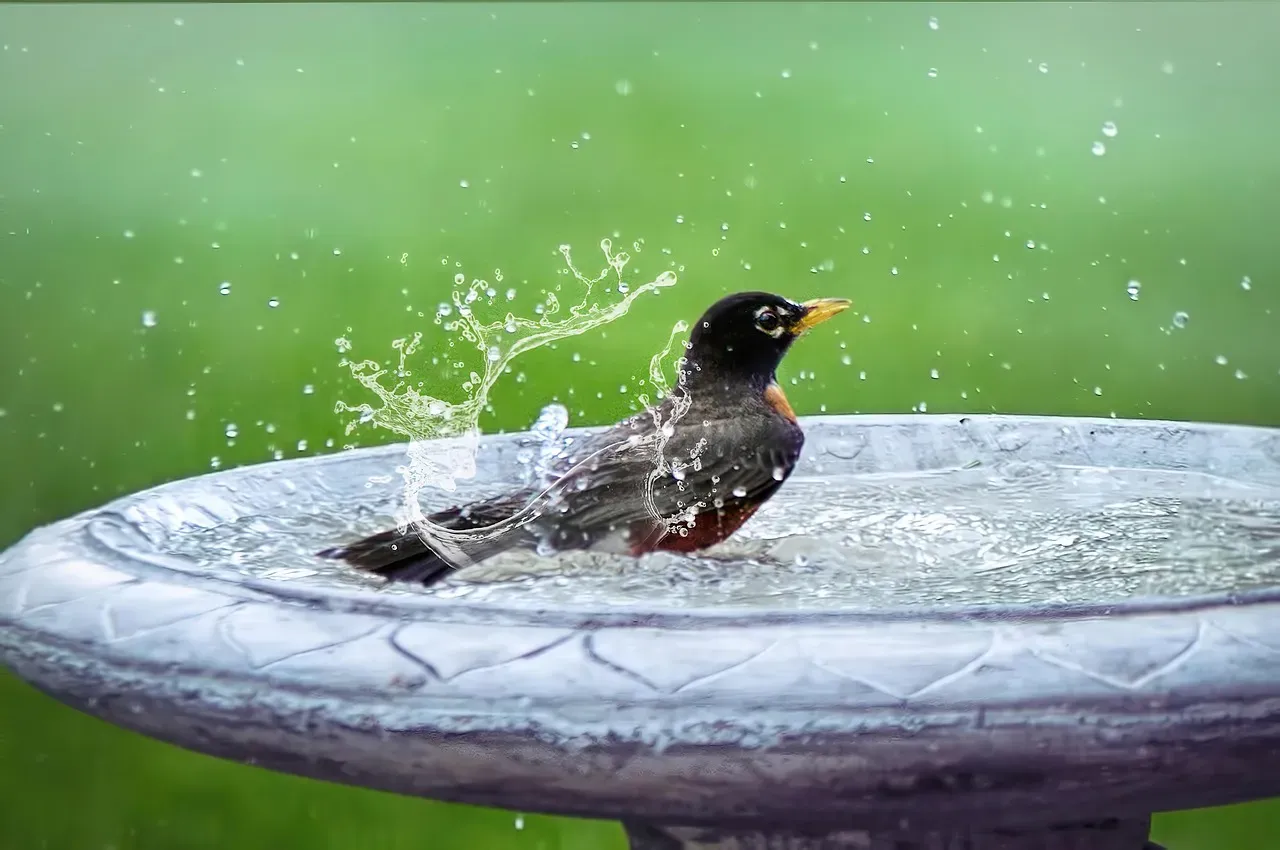
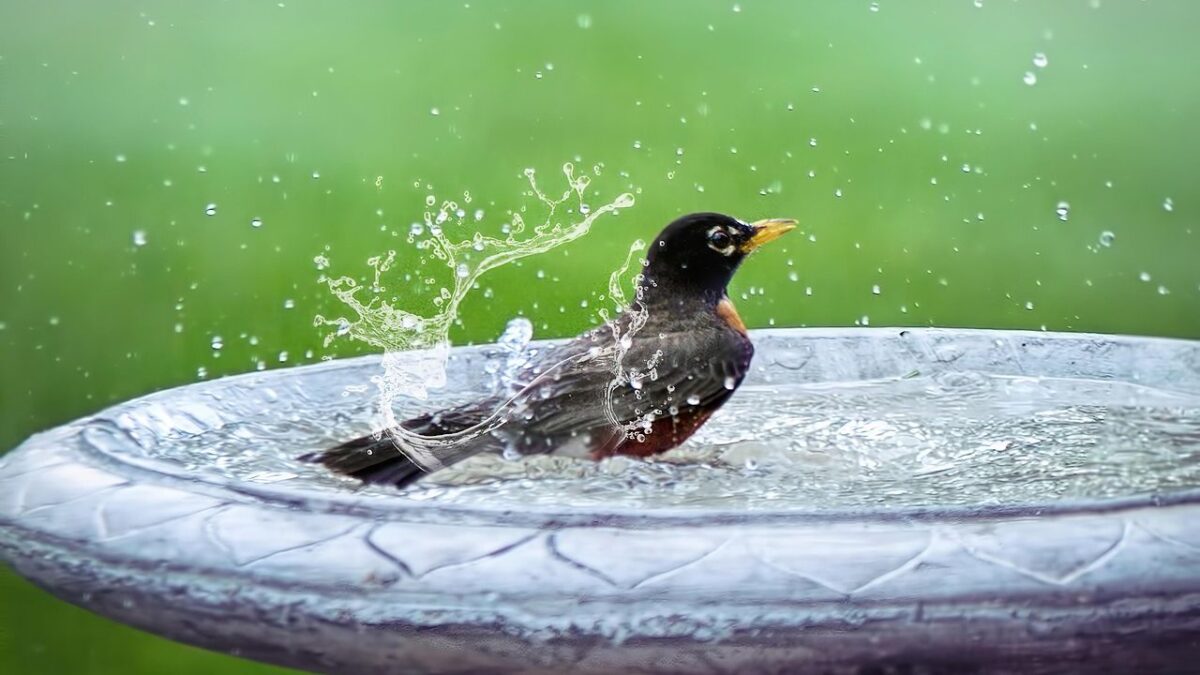
Wildlife needs clean drinking water to survive. Birds need to bathe to keep their feathers in good working order, while other species including some amphibians, insects, and other wildlife lay their eggs or live in water full time.
Setting up a birdbath or a shallow dish of clean water can make a big difference. Butterflies and bees prefer shallow water, so adding flat stones or gently sloping edges gives them a safe place to land while they drink.
Make birdbaths butterfly-friendly by creating places where butterflies can easily perch, such as a few rocks above water level. It’s a small detail that genuinely matters for smaller visitors.
Regularly clean and refill the water to keep it fresh and debris-free. Stagnant water not only loses its appeal to wildlife but can also become a breeding ground for mosquitoes.
Grow Host Plants for Butterflies, Not Just Nectar Plants
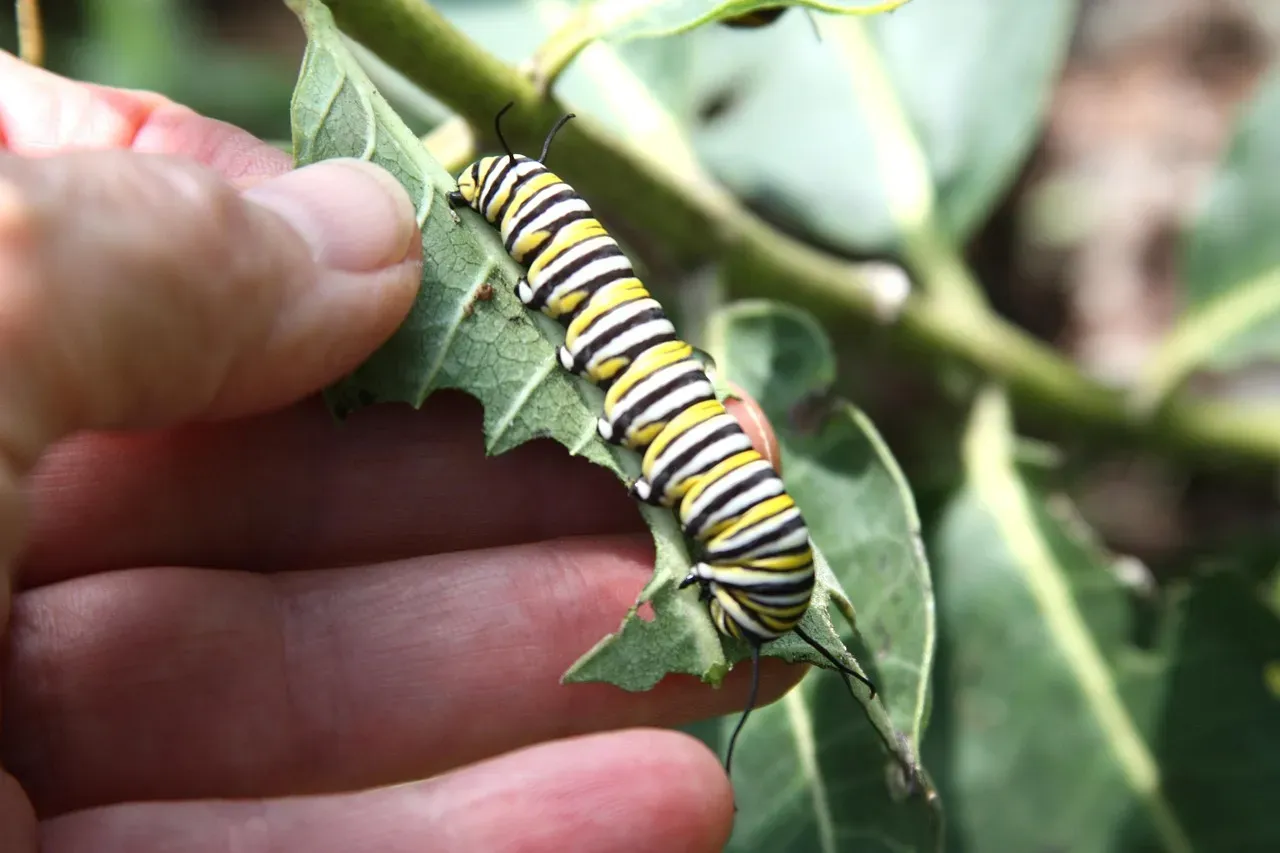
Butterflies bring joy to any garden, but you need nectar plants to feed the adults and host plants to feed the young caterpillars. Many gardeners focus only on nectar and wonder why butterfly populations don’t grow. Host plants are the missing half of the equation.
The caterpillars of monarch butterflies, for example, have evolved to only eat native milkweed. Without that specific plant, the monarch life cycle simply cannot complete itself in your yard.
Butterfly bushes are native to Asia and deemed invasive in many parts of North America. While the flowers do provide some nectar for butterflies when in bloom, butterfly bushes are not host plants for any North American butterflies. Replacing them with true native host plants gives you far more ecological value.
Be okay with some leaf-eating, since some leaves will get eaten by caterpillars. That’s a good sign that your garden is helping butterflies thrive. A slightly ragged plant here and there is a mark of a healthy garden, not a neglected one.
Create Layered Shelter and Cover
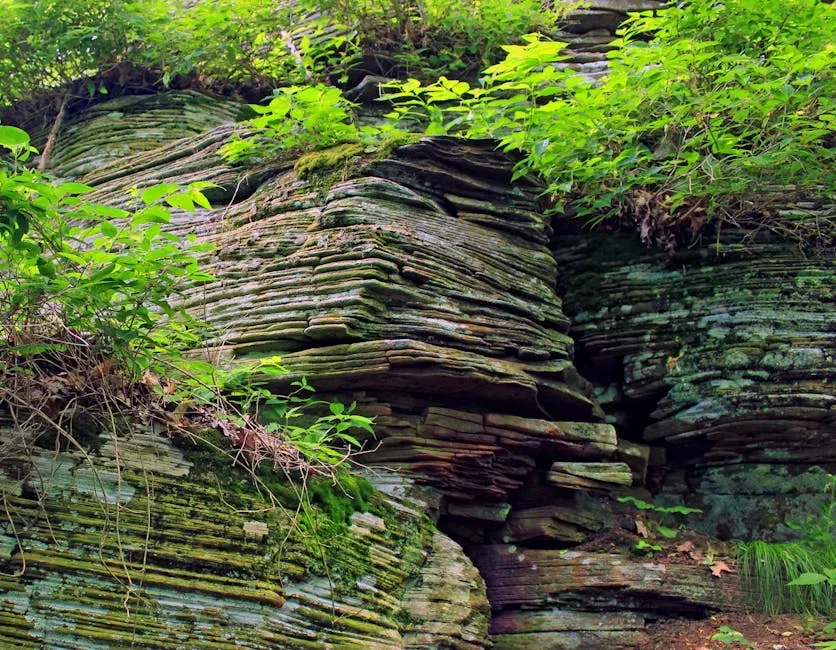
Wildlife need places to hide to feel safe from people, predators, and weather extremes. The same native plants that provide food will also provide this habitat element. Some plants offer extra cover and protection, such as evergreen or thorny plants, but the key is really planting densely.
Increasing plant structure between the ground and tree canopies with shrubs and non-woody plants is called vertical layering. By creating a multi-layered vegetation structure in your yard, you can provide cover for a variety of birds, other wildlife, and insects.
In nature, dead and dying trees called snags and the branches and logs of fallen trees provide excellent cover for birds and butterflies. If you have a tree snag on your property, keep it if it poses no danger of falling and damaging your home.
Set Up Bird Feeders and Nesting Boxes Strategically
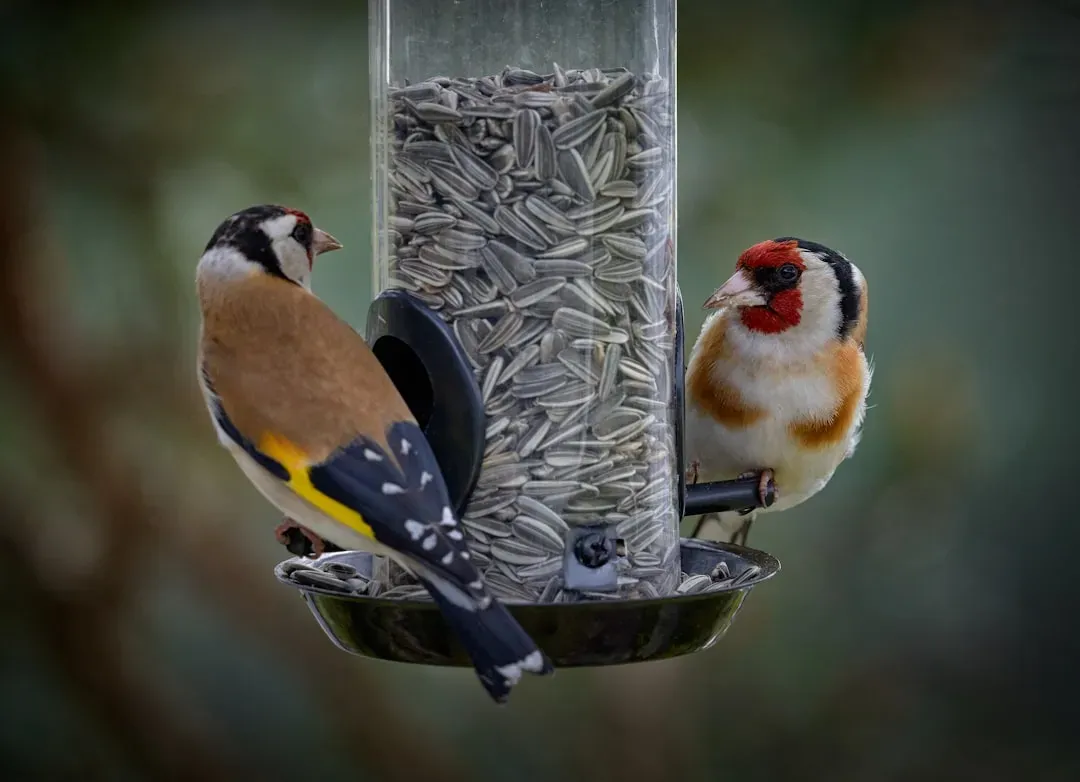
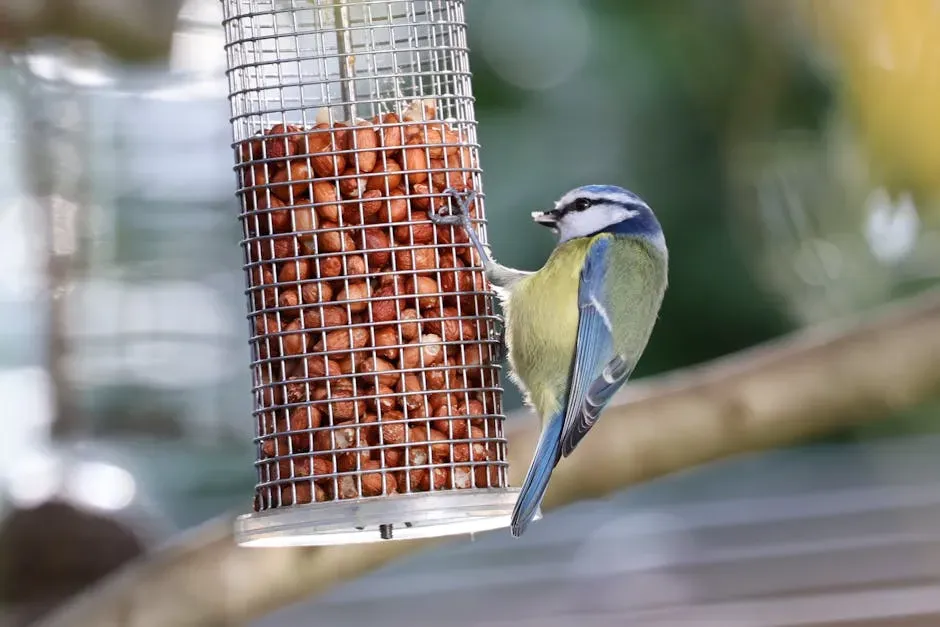
Bird feeders give feathered friends easy access to nutritious snacks, especially during seasons when natural food sources are scarce. Choose feeders that suit the types of birds in your area and fill them with high-quality seeds, suet, or nectar depending on the species. Place the feeder in a visible yet safe spot and clean it regularly to prevent illness.
You can ease some of the pressure on nesting species by placing birdhouses, bat boxes, or nest boxes in your yard. Woodpeckers, nuthatches, creepers, and wrens require cavities for nesting.
Butterflies and moths also require specific native host plants for their caterpillars, so nesting support for wildlife goes well beyond birdhouses alone. Think of the whole yard as a habitat system rather than a collection of separate features.
Skip the Pesticides and Let Nature Balance Itself
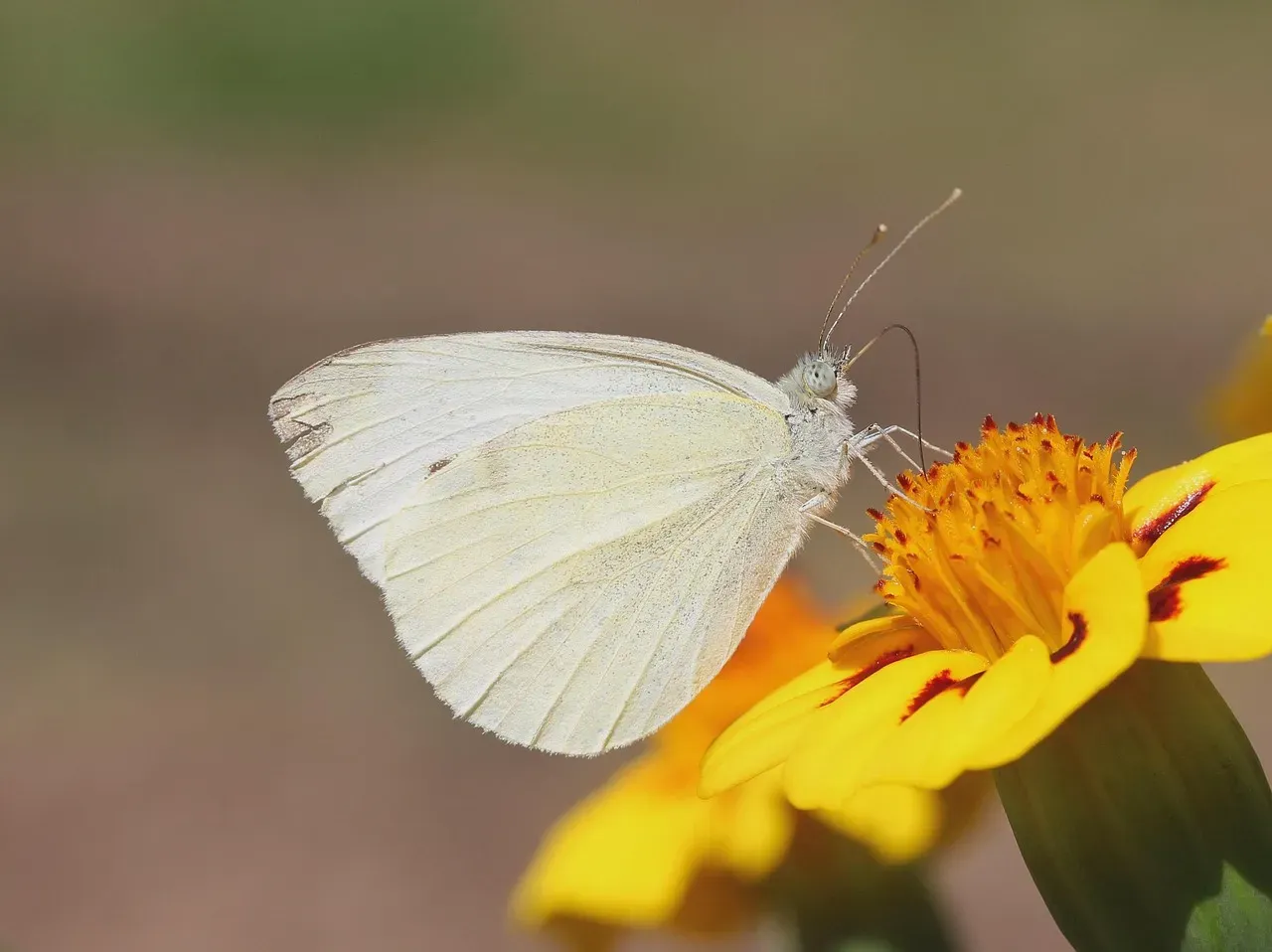
Many pesticides, even organic ones, can harm the birds, butterflies, and bees you want to invite. Choose natural alternatives like companion planting to manage pests and diseases. Encourage a natural balance in your yard by letting beneficial insects like ladybugs thrive, as they help control pests.
A thriving native garden isn’t just about what you plant. Pesticides and herbicides don’t just target weeds and pests; they wipe out essential food sources for birds, including caterpillars and insects. Without these, birds and any butterflies you’re hoping to attract won’t stick around.
Native insects evolved to feed on native plants, and backyard birds raise their young on insects. A single clutch of four to six Carolina Chickadee chicks will gobble up more than 9,000 caterpillars in the 16 days between when they hatch and when they leave the nest. So thriving insects mean thriving birds. Reaching for a spray bottle disrupts that entire chain.
Embrace a Little Wildness: Leave the Leaf Litter
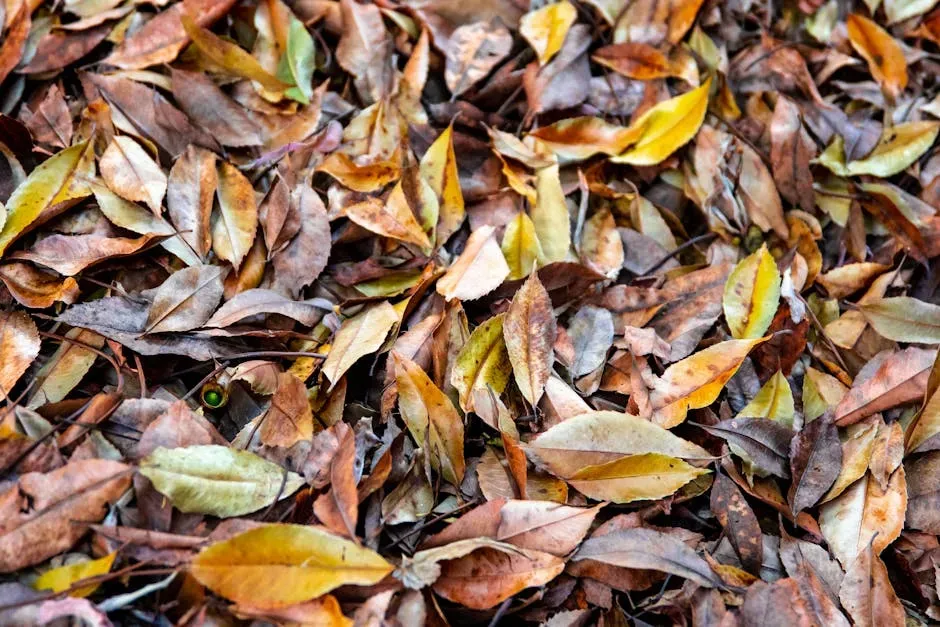
Avoid removing every leaf from your landscape, as doing so removes habitat for overwintering butterflies, moths, and other beneficial insects. Striking a balance keeps your yard beautiful and ecologically supportive.
Simple actions like leaving seed heads standing through winter, preserving leaf litter in beds, and planting more native species help sustain the wildlife that keeps your garden healthy and in balance. These are small concessions that cost you almost nothing.
Even dead plants, from hollow trees to brush piles to the natural layer of fallen leaves, provide excellent cover for a range of creatures. The yard that looks a little less groomed along its edges is often the one doing the most ecological good.
Conclusion
Transforming your yard into a haven for birds and butterflies doesn’t demand a complete overhaul. It rewards incremental, thoughtful choices: a native plant here, a water dish there, a patch of leaf litter left undisturbed through winter.
Creating a bird sanctuary in your yard does not need to be overwhelming. It can be as simple as starting with one plant. Over time, replace non-native plants with native species.
The deeper reward, beyond the color and movement that fills your mornings, is the knowledge that your small corner of land is quietly doing something that matters. Natural habitats are shrinking. Home gardens are picking up the slack. A yard shaped with wildlife in mind is, in its own modest way, a form of conservation.
