
Worried about unexpected vet bills?
Pet insurance can cover thousands in unexpected vet costs. Get a free quote from Lemonade in under 2 minutes.
Get My Free Quote →Sponsored · Opens Lemonade.com
There’s something quietly significant happening in the rivers of the Pacific Northwest. After more than a century of overharvesting, dam construction, and habitat loss, several wild salmon populations are showing real, measurable signs of recovery. It isn’t a complete triumph, and scientists are careful to say so, but the trajectory for many species has genuinely improved.
The story of Pacific salmon is bound up with the health of entire river systems, the culture of Indigenous nations, and the economic vitality of coastal communities. When the fish return, so does something larger than just the catch.
A Long Decline and the Turning Point
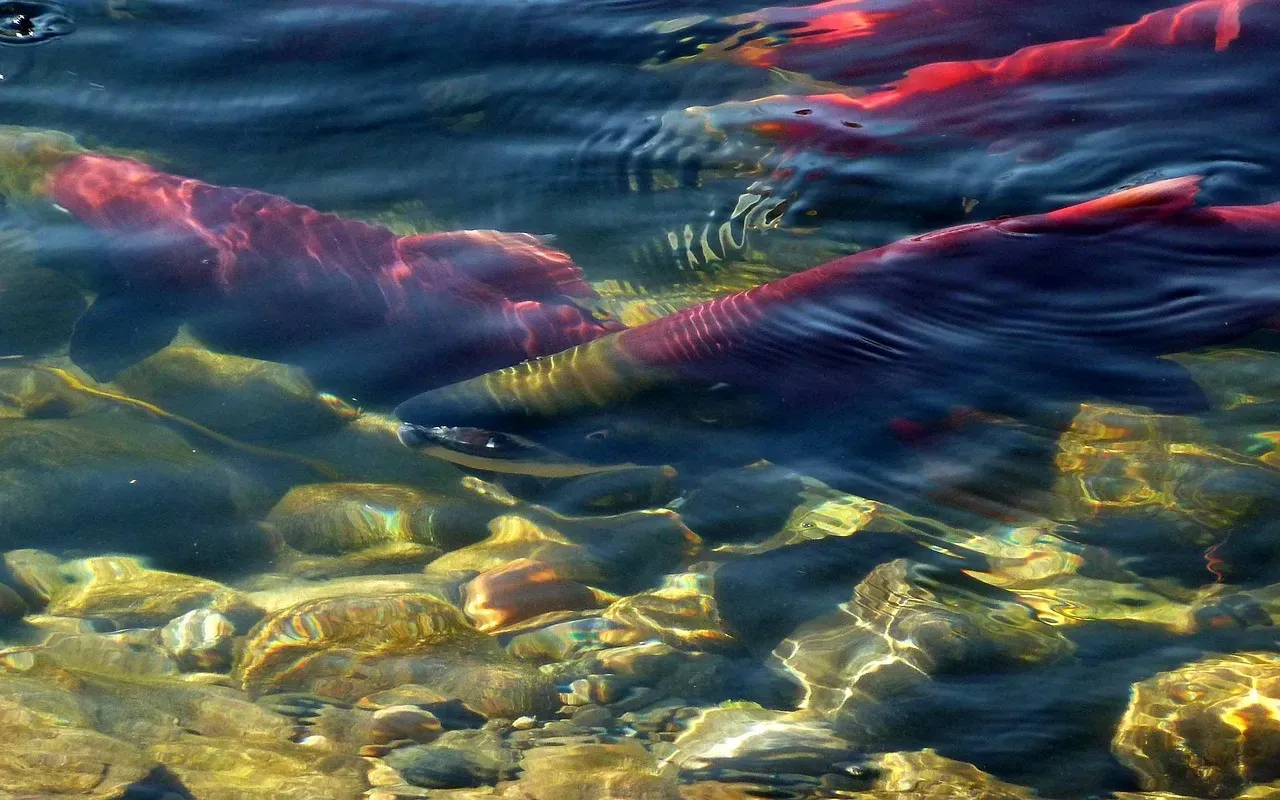
The scale of what was lost puts today’s partial recovery in sobering context. The Columbia Basin’s salmon and steelhead runs were once among the largest in the world, with an estimated average of between 10 and 16 million fish returning to the basin annually. That number has fallen to roughly a million in recent years.
In the mid to late 1800s, European settlers exploited salmon and steelhead in excess, and overharvest continued into the 1970s. The damage didn’t stop there. Industry, agriculture, mining, forestry, hydroelectric power, and urban development filled floodplains, dredged and channelized rivers, contaminated water, removed streamside forests, and created passage barriers to habitat that salmon and steelhead need to spawn and rear.
In 1991, the federal government declared the first species of salmon in the Pacific Northwest as endangered. By the end of that decade, salmon and steelhead listings covered three-quarters of Washington State. The listings, though alarming, became a catalyst for coordinated recovery work that has taken decades to show results.
What the Numbers Are Actually Saying
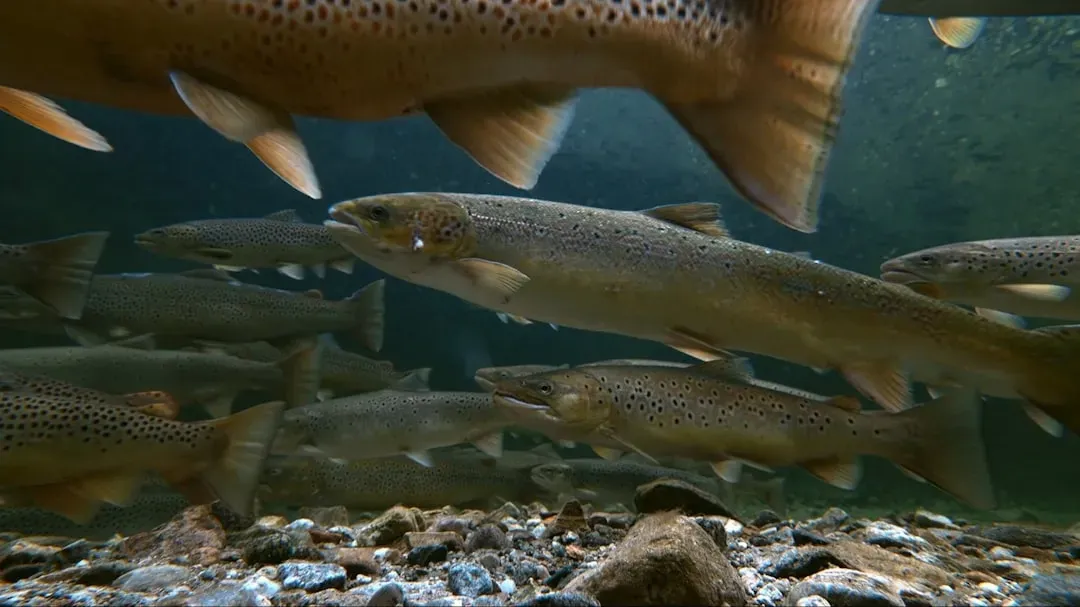
Most Pacific Coast salmon and steelhead listed under the Endangered Species Act have increased in abundance over the past 25 years, arresting earlier declines. These findings were published in research by NOAA Fisheries scientists who studied the species. That is a meaningful shift, even if it stops well short of full recovery.
Some species, such as Snake River fall-run Chinook, Hood Canal summer chum, and Oregon Coast coho, have increased dramatically since their listing. The regional picture, though, is uneven. Salmon in the Northwest averaged higher abundance trends than those in California. Salmon in California are closer to the southern edge of their range and exposed to greater climate stress.
In Puget Sound, the numbers for certain species have been particularly encouraging. The 2025 Puget Sound pink salmon forecast predicted a roughly 70 percent increase to 7.76 million fish, marking the third largest return on record. Daily limits for pink salmon were increased in most areas. Still, the listed population groups have yet to recover to the point where they no longer need protection.
Habitat Restoration: Where the Real Work Happens
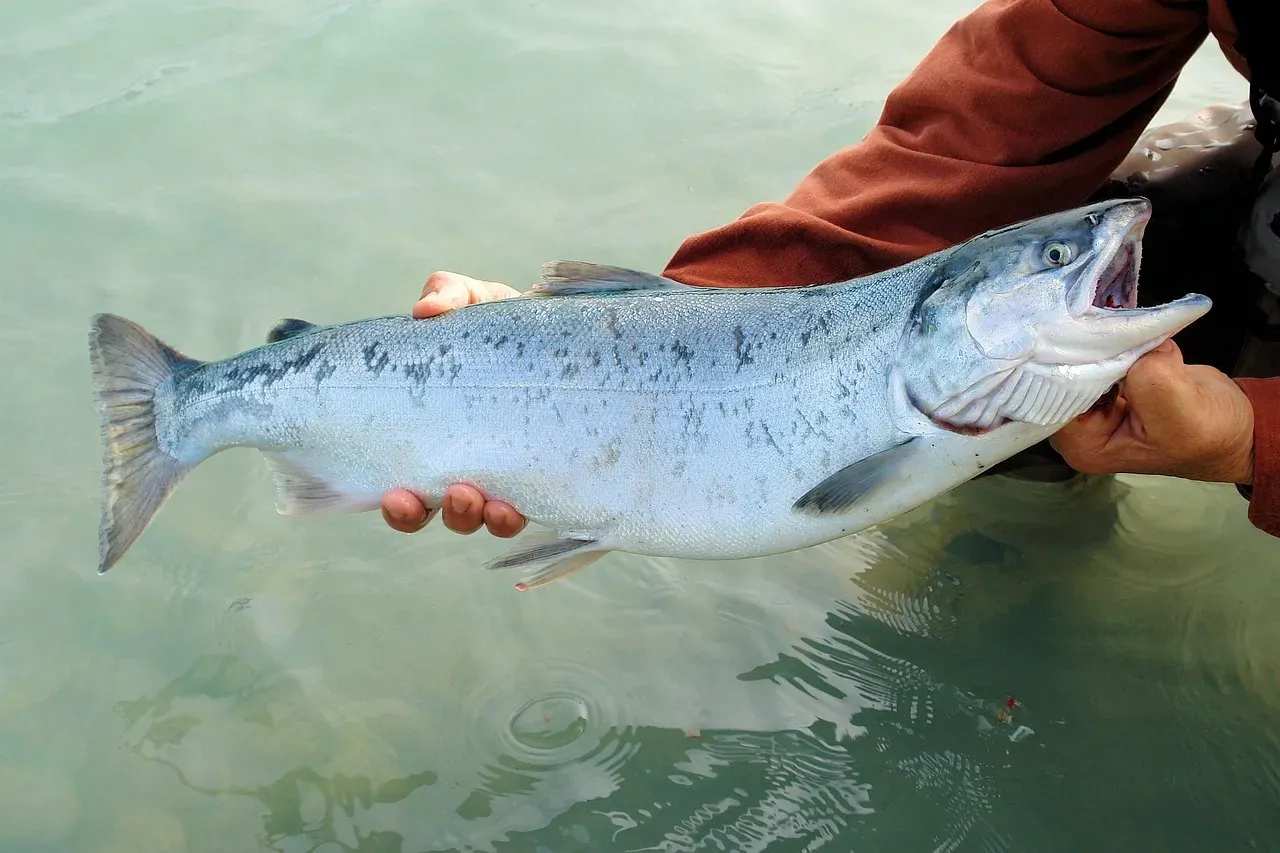
Numbers don’t improve without habitat. Across Washington, Oregon, and Idaho, a broad wave of river restoration projects has been quietly changing the physical conditions that salmon depend on. One year after completing the largest floodplain restoration project in King County’s history, ecologists reported young Chinook salmon are growing considerably well in the newly restored habitats along the Snoqualmie River.
The study’s results showed that restored habitats promoted considerable growth for young Chinook salmon, with fish gaining more than one-third of their body weight, and some gaining more than half their body weight, over a six-week study period. That kind of early growth directly improves survival odds on the long journey to the ocean.
Similar work is underway at a larger scale. In Sumner, Washington, 200 acres of floodplain will be reconnected to the White River for the first time in over 100 years. On the Oregon coast, a tidal wetland restoration project is restoring 217 acres of land, reestablishing natural linkages to the Siuslaw River Estuary and benefiting endangered Oregon Coast coho salmon. These projects share a common logic: give rivers room to move, and fish will follow.
The Role of Communities, Tribes, and Science
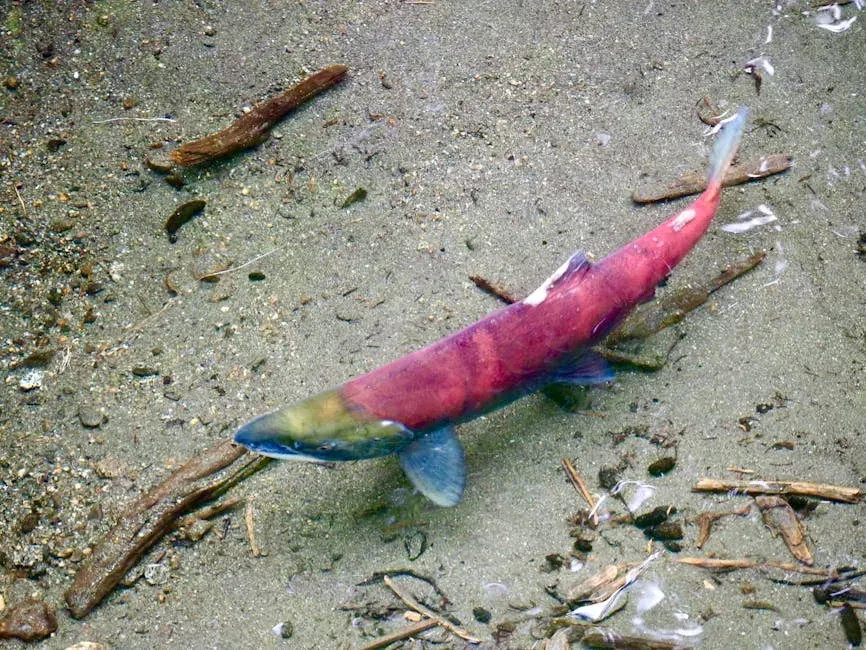
Salmon and steelhead have been central to the culture and economy of Indigenous people since time immemorial, and still are to this day. Tribal nations across the Pacific Northwest have not just been stakeholders in recovery efforts. They have been among the most active drivers of them. The Nez Perce, Confederated Tribes of the Umatilla, Stillaguamish, and others lead hands-on habitat work in their home watersheds.
The McKenzie River Trust is working with local tribes and groups to restore tidal wetlands that once supported coho, Chinook salmon, and steelhead along the Lower Siuslaw River in Oregon. The restoration of such habitat with community support has benefited salmon and steelhead listed under the Endangered Species Act.
Robust science is critical to adaptively monitor and manage Pacific salmon and steelhead populations, address uncertainties in a changing climate, and invest in the most effective solutions for each watershed along the West Coast. Researchers have refined monitoring indicators through decades of fieldwork to help fishery managers anticipate how many juvenile salmon are likely to survive and return as adults in future years. That long data record is the backbone of informed decision-making.
Serious Challenges That Remain
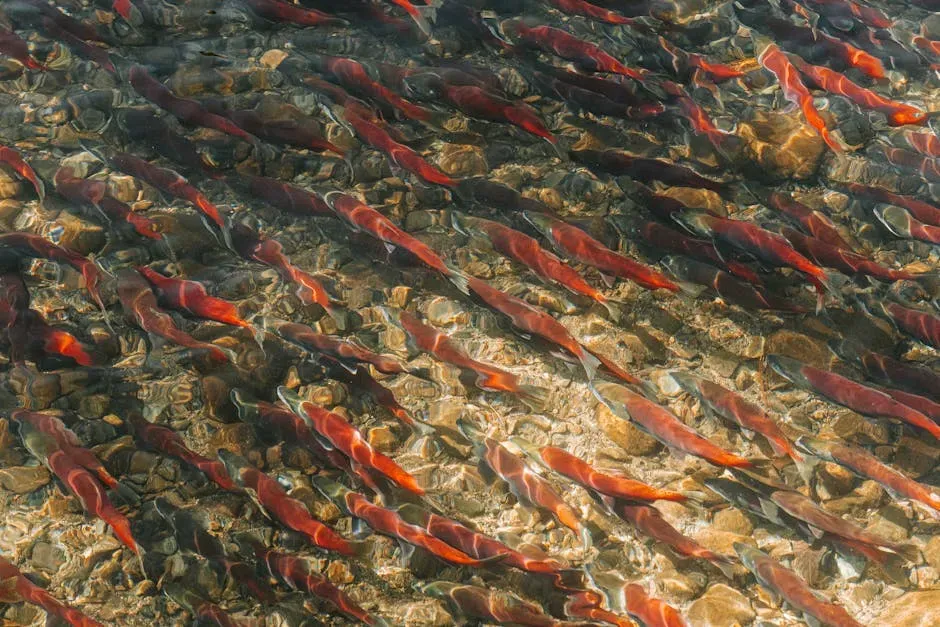
Caution is warranted. The recovery story, while real for certain populations, is not uniform. In 1987, the Northwest Power and Conservation Council set a goal of 5 million salmon returning annually to the Columbia Basin by 2025. Today, the number sits at about 2.3 million, of which roughly 80 percent are hatchery fish. That gap between aspiration and reality is wide.
Some populations face acute danger. Over nearly a quarter of Snake River spring and summer Chinook populations had fewer than 50 fish in 2024, a warning sign of functional extinction. The prognosis for 2025 was nearly identical. For these populations, the arc is still pointed in the wrong direction.
Ocean conditions add another layer of uncertainty. Juvenile salmon encountered a mixed bag of ocean conditions off the West Coast in 2025, based on an annual analysis by NOAA Fisheries and Oregon State University researchers. They examined 16 ocean indicators, from temperature and salinity to the quantity and quality of food available to juvenile salmon during their first months at sea. That is a crucial period for young fish as they search for prey. Meanwhile, the world’s oceans are heating due to human-caused climate change. Warmer ocean waters are bad news for salmon because their preferred food, larger zooplankton, is less abundant in these conditions.
Conclusion: Progress Worth Protecting
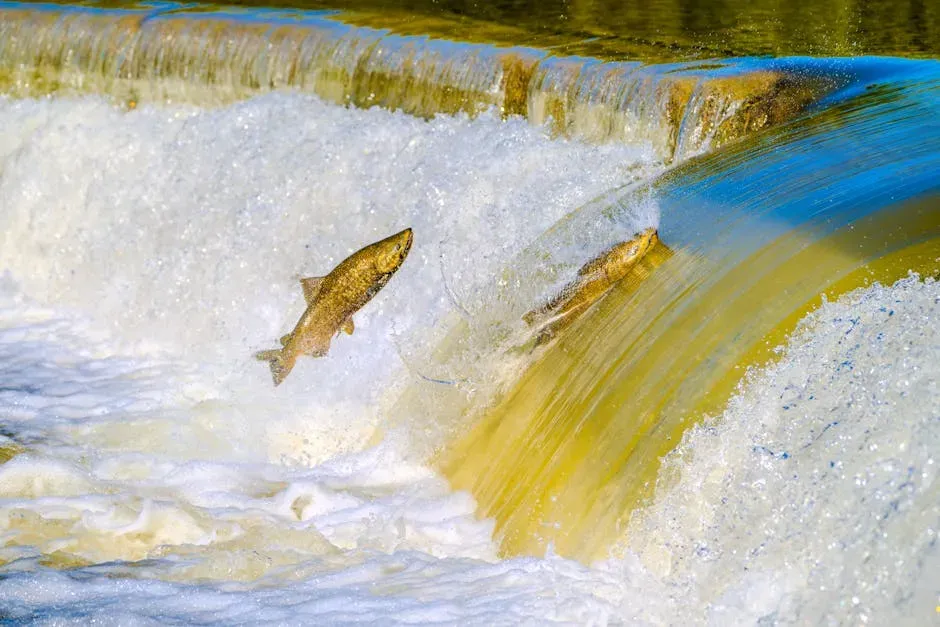
The picture emerging from Pacific Northwest rivers in 2026 is one of genuine but fragile progress. The region’s focus on improving habitat and involving communities in salmon recovery has proved successful, at least for a meaningful share of populations that once seemed headed toward oblivion. The question now is whether that momentum can be sustained and extended to the populations still in crisis.
Recovering salmon populations to self-sustaining levels is critical to restoring the great economic and environmental benefits they once provided, when millions surged up West Coast rivers every year. The rivers that support recovering salmon runs are, by most measures, healthier than they were 30 years ago. That matters beyond fishing seasons and population counts.
Salmon are not just fish. Numbers of returning salmon are not just about salmon. Salmon drive the whole ecology of that population’s geographic area. Every healthy run that returns to spawn is a river telling us it still has something to give. The work of keeping those rivers alive is, in the end, the work of keeping the whole ecosystem intact.
Worried about unexpected vet bills?
Pet insurance can cover thousands in unexpected vet costs. Get a free quote from Lemonade in under 2 minutes.
Get My Free Quote →Sponsored · Opens Lemonade.com

- The Ocean’s Deepest Creatures Hold Surprising Secrets to Longevity - June 10, 2026
- 6 Scents That Make Mosquitoes Target You First - June 10, 2026
- The Forgotten Deserts of America Where Wildlife Still Thrives - June 10, 2026