

Most backyards have more potential than their owners realize. A lawn that looks tidy and ordered from the outside can be, ecologically speaking, nearly empty – offering little to the birds, bees, butterflies, and small mammals that once moved through the same patch of land freely. The gap between what a yard looks like and what it actually supports for wildlife is wider than most people assume.
Suitable habitat for many species is declining, especially in urban and suburban areas. In addition to losing natural spaces to development, roads break up habitat and make travel more dangerous for wildlife as they search for necessities. The good news is that individual yards, when changed even modestly, can serve as genuine refuges. Here are eight practical ways to make yours one of them.
Plant Native Species That Actually Belong There
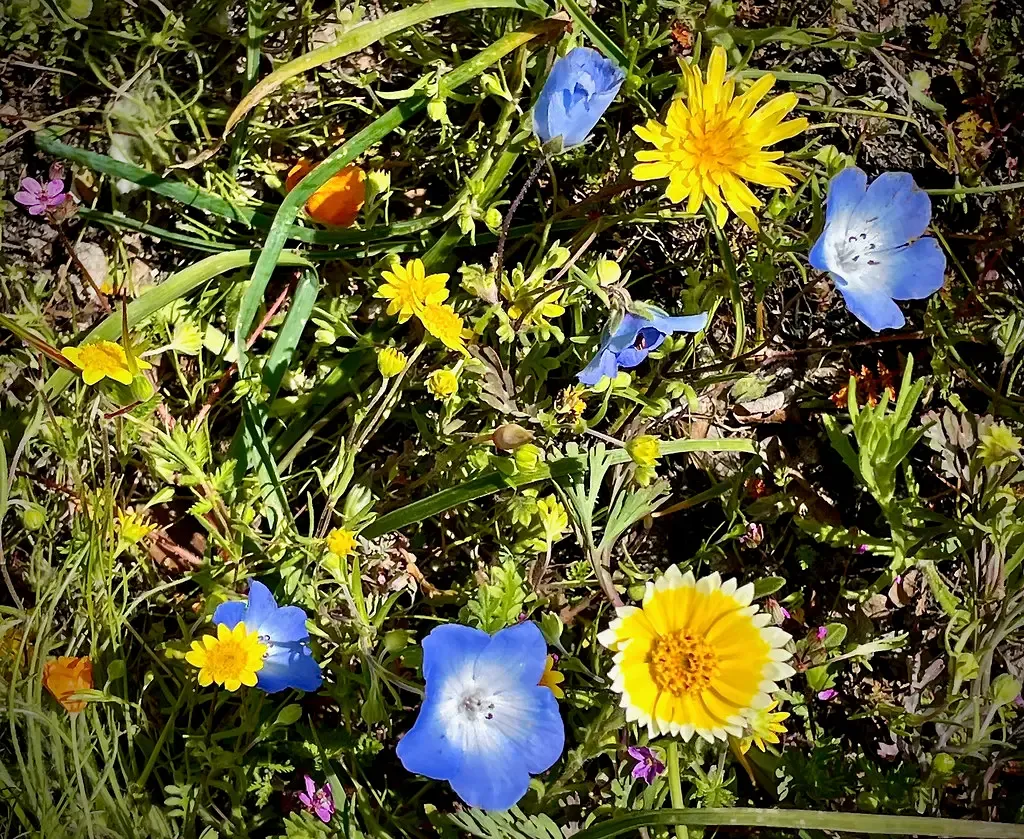
Native plants, which are indigenous to a specific geographic area and have evolved to thrive in local conditions, provide the best sources of pollen, fruit, and seeds for wildlife. That matters more than it might first appear. A non-native ornamental can look beautiful in bloom and still offer almost nothing to the local food web.
About roughly seven in ten wildlife species have a somewhat specialized relationship with one plant or a limited group of plants. Those relationships are what hold ecosystems together. When the plants disappear, so does everything that depended on them.
Native plants provide the best nutrition for wildlife. These plants produce nuts, fruit, seeds, or nectar wildlife use as a food source, and by planting certain native plants, you can attract specific wildlife species or groups, like songbirds, hummingbirds, butterflies, or insect-eating bats. Starting with even three or four native species can make a measurable difference in what visits your yard.
Add a Reliable Water Source
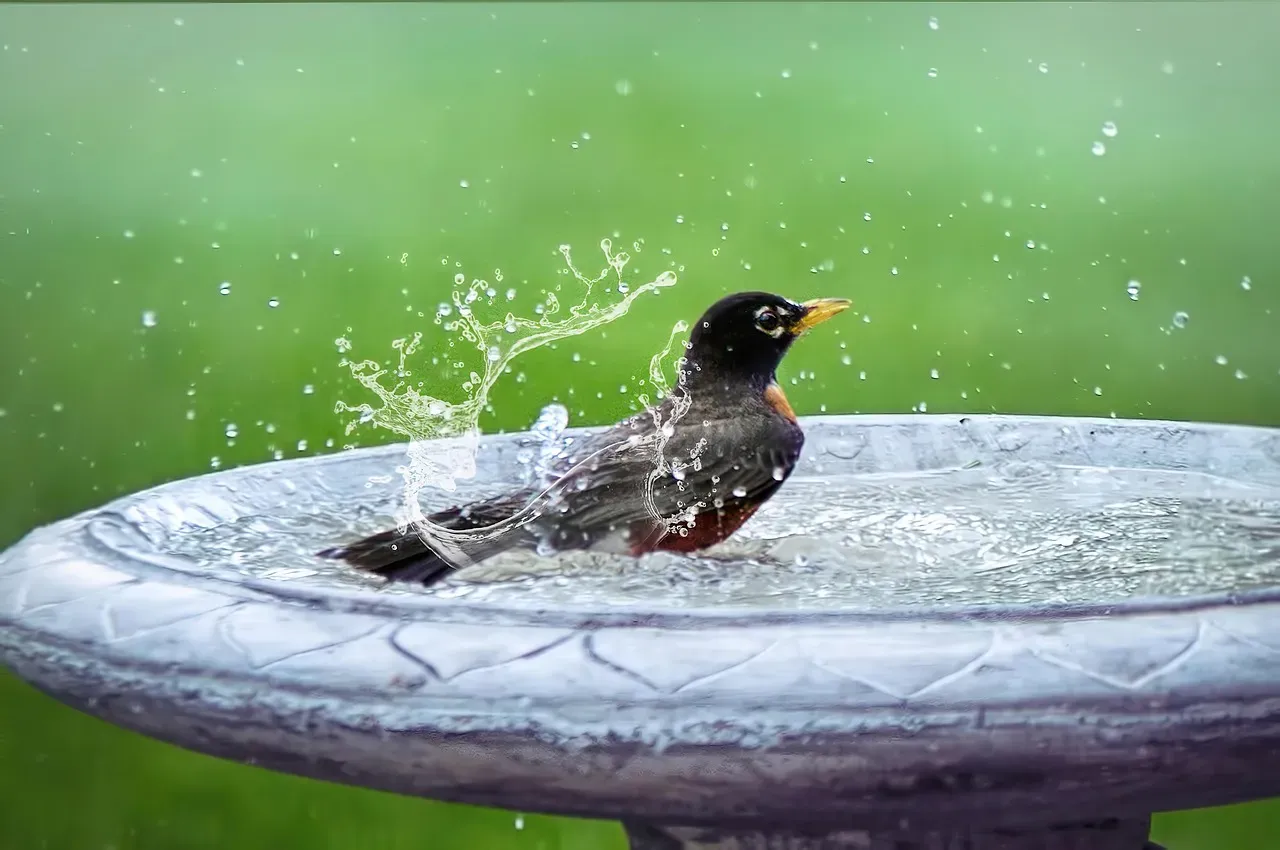
A clean source of drinking water is essential to support wildlife, but the water in a wildlife habitat is for more than sipping. Birds use shallow water for bathing while butterflies absorb nutrients from the soil and water combination found in natural puddles.
Fountains and birdbaths qualify as acceptable water sources. If you place the bowl of the birdbath on the ground instead of on a pedestal, turtles and rabbits will also be able to get a drink. That one small adjustment can open up your water feature to a wider range of visitors than you’d expect.
Bees and butterflies enjoy shallow puddles of water. Consider adding water and stones to a shallow bowl or investing in a dedicated bee waterer to create a place for them to rest and safely drink. Clean the basin regularly to keep it fresh and prevent stagnant water from becoming a mosquito breeding ground.
Reduce Lawn and Let Some Areas Go Wild
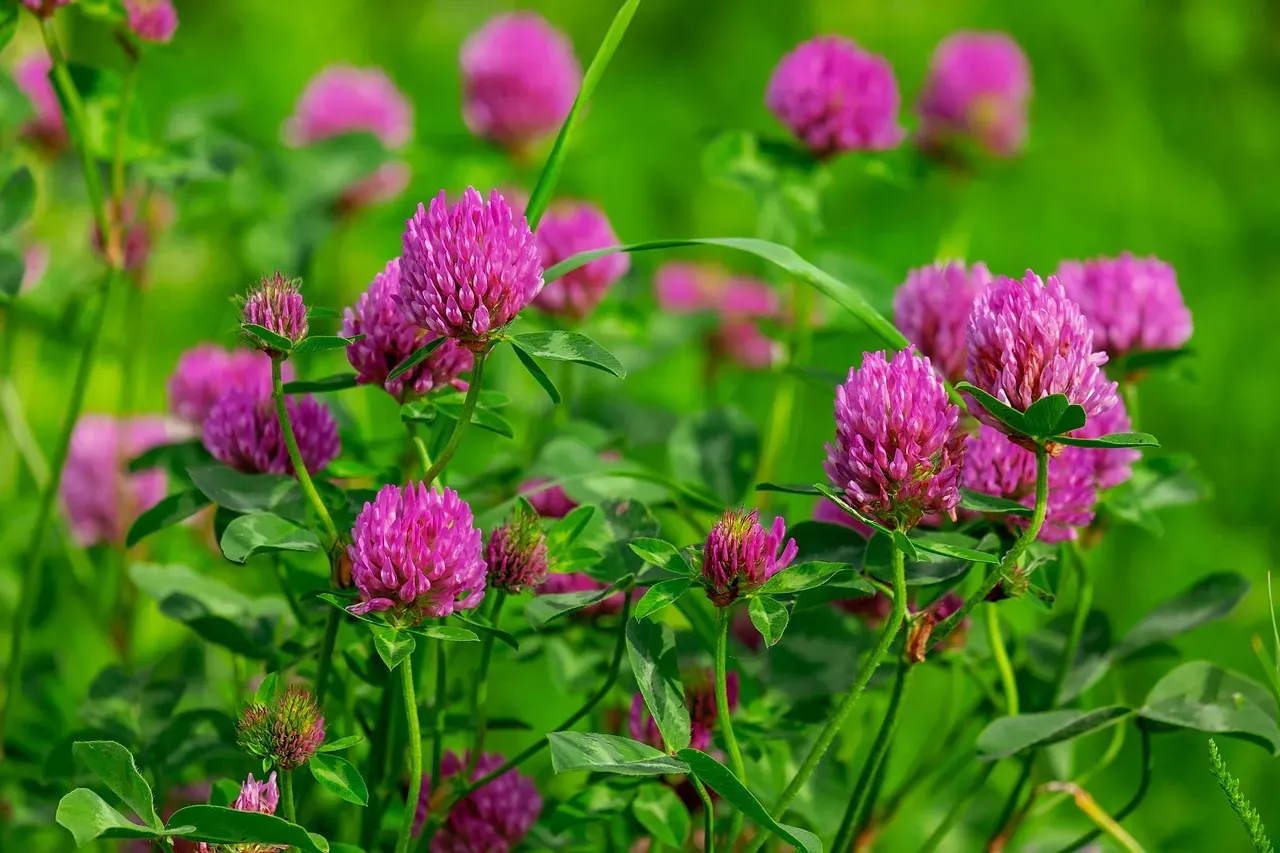
Traditional lawns are poor habitat for wildlife. A perfectly uniform grass carpet, while appealing to many homeowners, offers almost no food, shelter, or nesting material for local critters.
Limiting your lawn maintenance is one way to build a safer habitat. Despite the appealing look that so many homeowners go for, a clean-cut manicured lawn is actually harmful to wildlife. Loosening your lawn maintenance helps create a habitat for local critters and insects.
If you can take a small footprint of lawn and convert that into a grass and wildflower meadow, or plant a native shrub there, perhaps a native tree, then that represents a complex resource that wildlife can and will visit and actually depend upon for their survival. Even a single corner of the yard, left to grow more naturally, can become surprisingly active.
Leave the Leaves Where They Fall
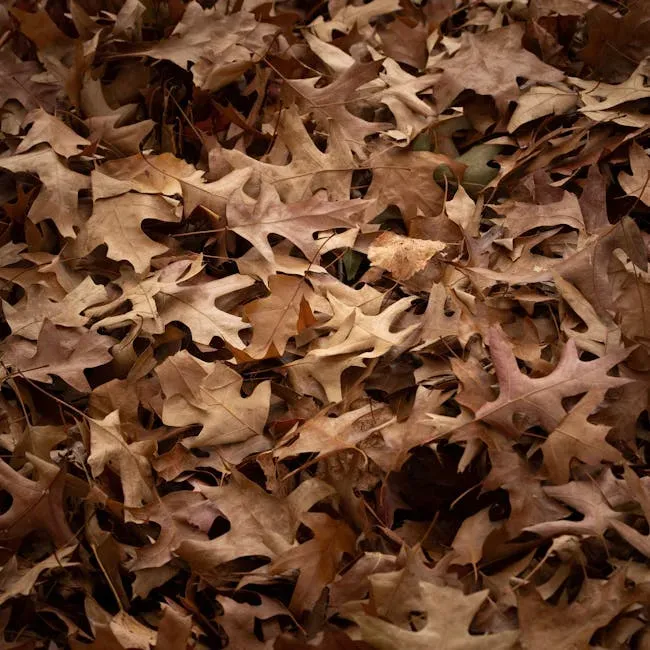
Insects in particular need leaf litter to survive the winter. Bees burrow to hibernate while moths and butterflies stay tucked into the leaves in various life cycle stages, awaiting the warmth of springtime to cue their development. Raking everything up removes more than just debris – it removes an entire overwintering ecosystem.
Leaves are excellent providers of nutrients for the soil and habitat for insects to lay their eggs. When leaves get taken away, so do the eggs, leaving fewer and fewer insects to survive next spring. The ripple effect runs all the way up the food chain.
Birds, turtles, amphibians, chipmunks, and mice will feed on the invertebrates living in leaf litter throughout the year, but especially when vegetation to eat is scarce. If a full-yard leaf layer isn’t practical where you live, even a single sheltered patch in the back corner makes a real contribution.
Provide Shelter and Nesting Spaces
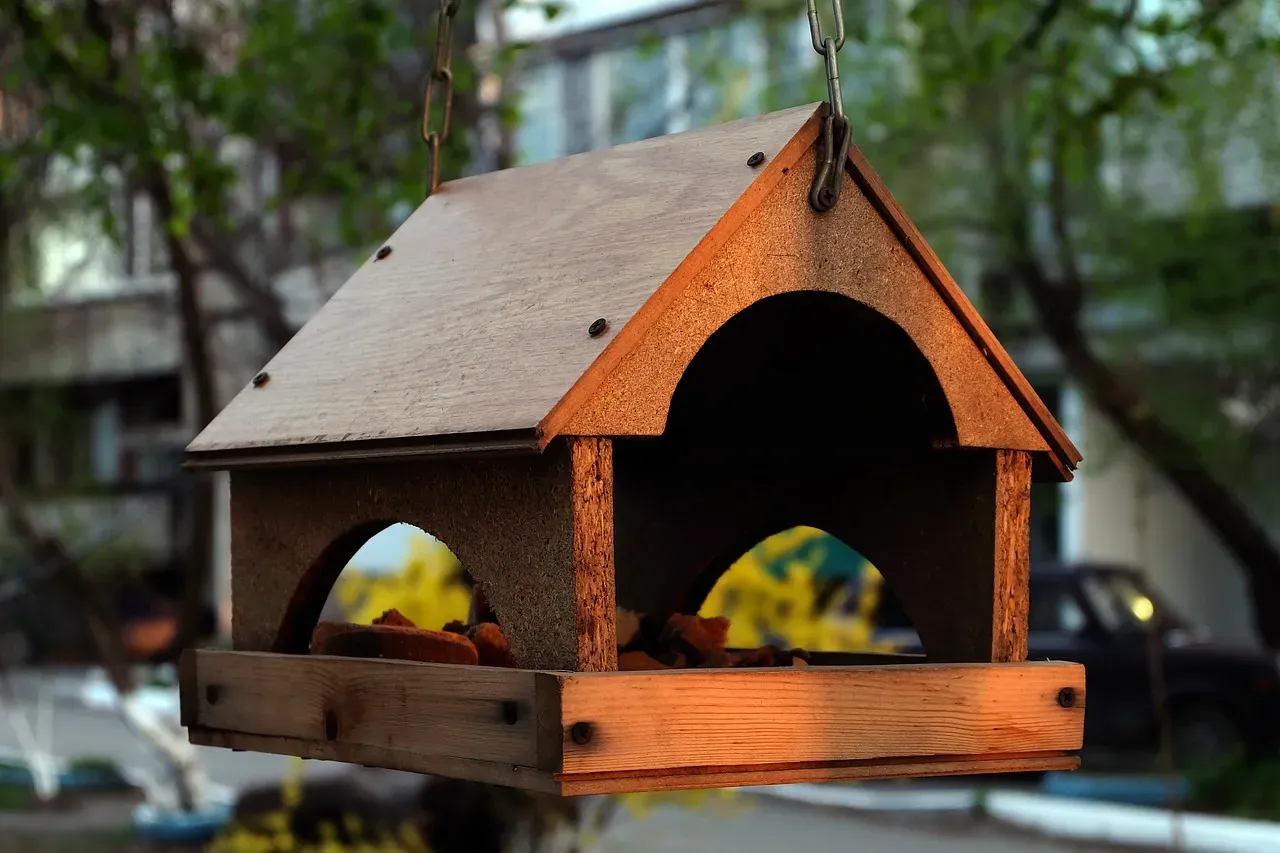
Wildlife need safe spaces to hide from predators or seek shelter from the elements. Man-made birdhouses and other nesting boxes can add to the shelter available in your yard. These don’t have to be elaborate or expensive to be effective.
Instead of planting one tree or bush, mimic nature and plant an entire shrub row. Dense plantings provide more cover and places for wildlife to hide. You can also consider adding a bird nest box, bat house, pollinator nesting box, or brush or rock pile to your backyard habitat.
Some pollinators and beneficial insects need the shelter provided by perennial plants growing in untilled areas, woody plant material such as unused firewood and dead branches, and undisturbed soil in areas that are not mowed or cultivated. Letting a corner of the yard stay a little rough around the edges isn’t neglect – it’s habitat design.
Install a Bat House for Natural Pest Control
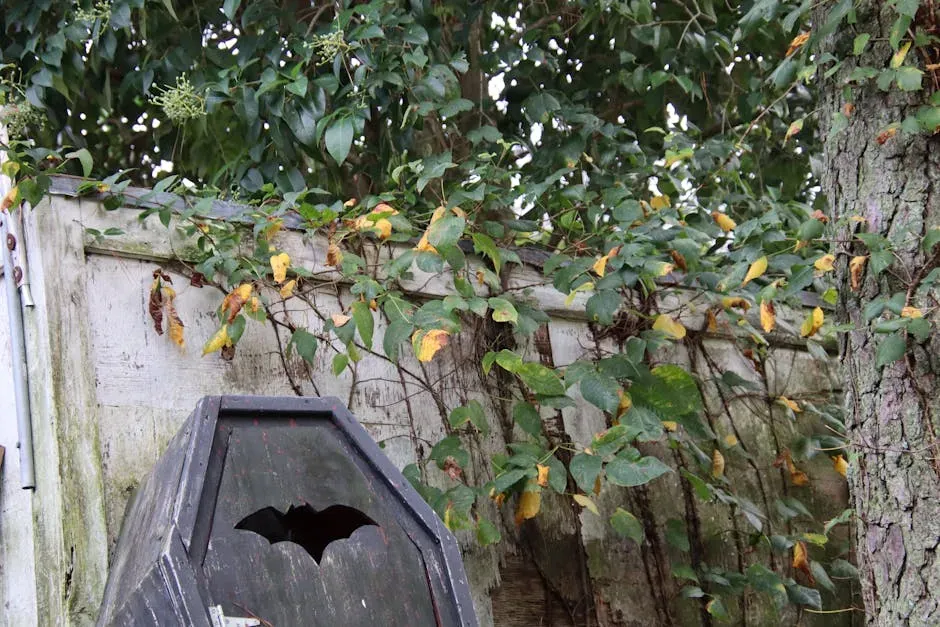
Installing a high-quality bat house can attract these bug-busting critters to spend more time around your home. One bat can eat its body weight in insects every single night. That’s a level of pest control no chemical product can realistically match, and it comes entirely free once the habitat is in place.
Bats can help control a variety of species, including mosquitoes and invasive insects like the spotted lanternfly. For homeowners dealing with summer mosquito pressure, that alone makes a bat house worth considering seriously.
Bat houses work best when positioned high on a south or southeast-facing surface where they receive good sun exposure through the day. Don’t be discouraged if you hang a bat box and don’t see any activity the first year, or even the first couple of years. Bats are cautious and take time to discover and accept new roost sites.
Ditch Chemical Pesticides and Go Organic
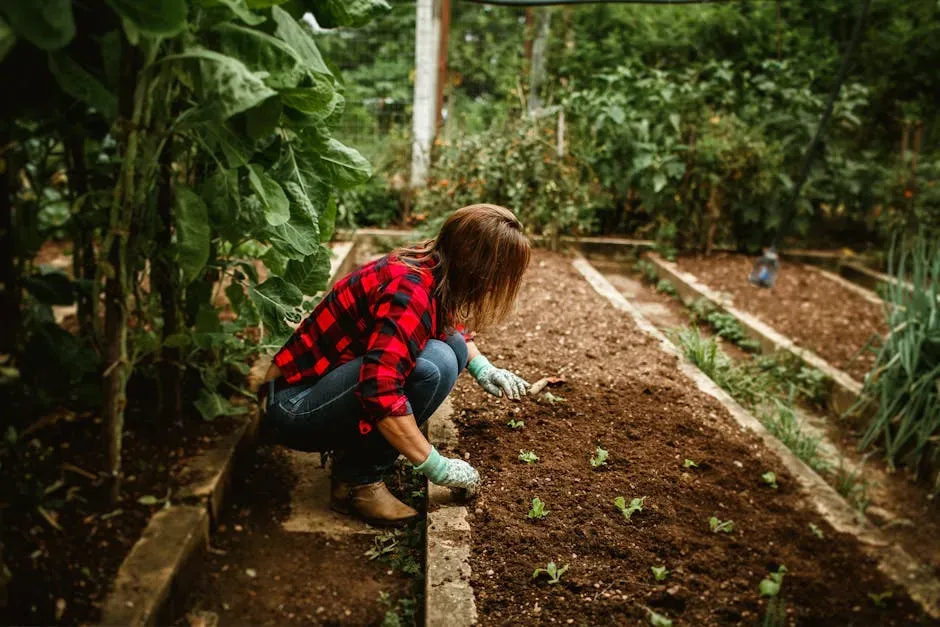
Harmful insecticides and herbicides do a lot of damage to the wildlife that live in your yard. Keep your yard safe by avoiding chemicals and utilizing limited, if any, natural lawn pesticides. The damage isn’t always visible, which makes it easy to underestimate.
Decaying wood, mulch, and leaf litter serve as food for insects, lichen, and fungi, which in turn feeds other wildlife. This is another significant reason to go organic and avoid using broad-spectrum pesticides. Critters who feed on insects will help keep the pest insect populations under control for you.
Habitat loss and pesticide poisoning appear to account for much of the population declines in pollinators. Removing chemicals from your yard removes one of the two biggest pressures these species face – which means your decision to go pesticide-free is a meaningful one, not just a symbolic gesture.
Remove Invasive Plants and Make Room for the Natives
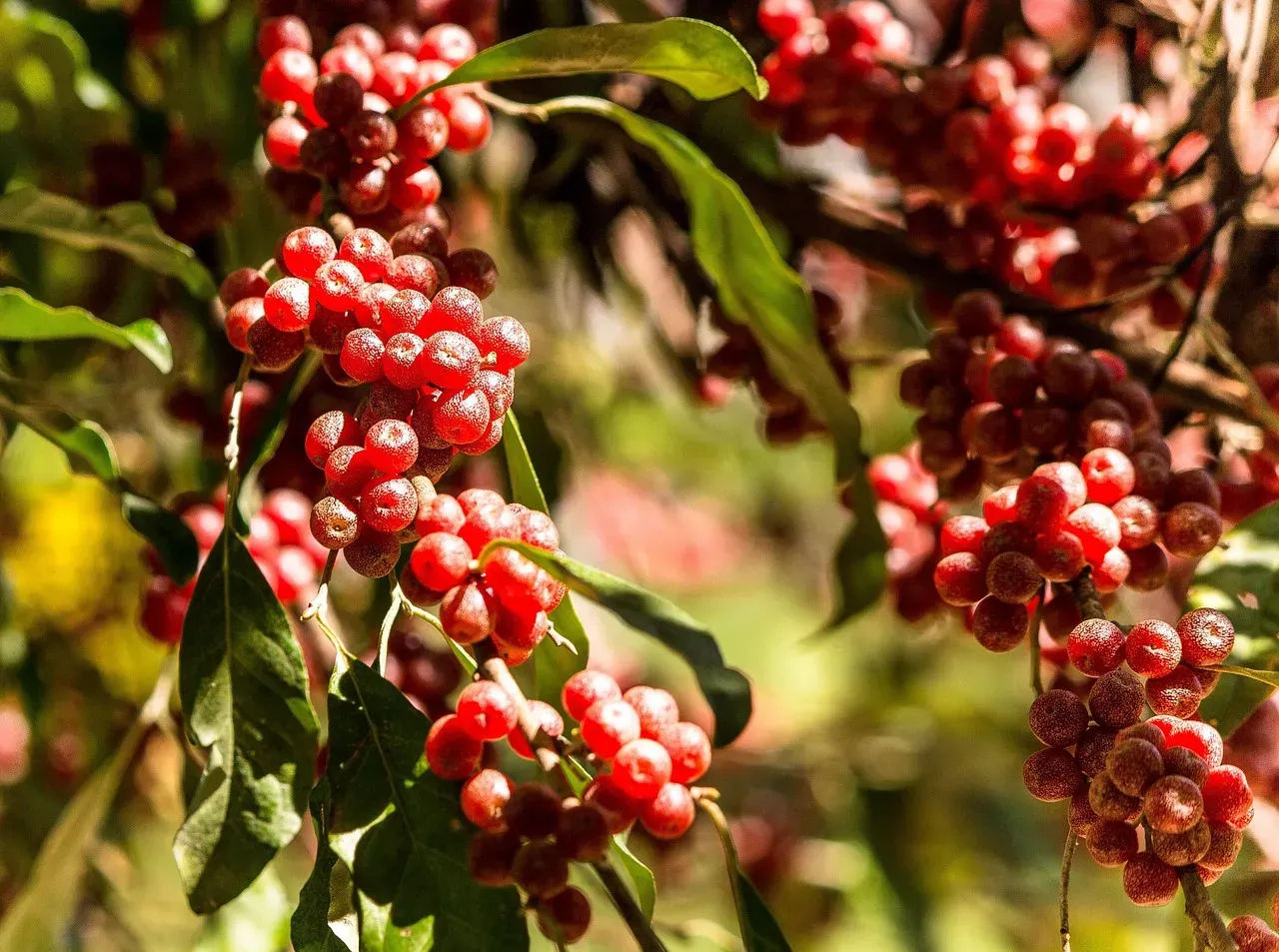
You can give space for existing native plants to grow by removing invasive, exotic vegetation like autumn olive, bamboo, Chinese privet, English ivy, mimosa, and nandina. Invasive exotic vegetation can outcompete native plants and does not provide quality nutrition for wildlife. Clearing even a small section and replanting it with regional natives can shift the ecological value of your yard considerably.
Because native vegetation has adapted to local conditions, it requires less maintenance than exotic plants once established. So the transition actually pays off over time in reduced upkeep as well. It’s a case where doing less in the long run starts with doing a bit more now.
Native plants, which are adapted to local soils and climates, are usually the best sources of food and shelter for native pollinators. Incorporating native wildflowers, shrubs, trees, vines, grasses, and more into any landscape helps a diversity of wildlife, and also provides benefits to soil, water, and air quality. The yard that supports the most life is rarely the most controlled one – it’s the one that works with the landscape rather than against it.
Conclusion
Turning a backyard into a genuine wildlife refuge doesn’t require a landscape overhaul or a large property. The changes that matter most are often the simplest ones: leaving fallen leaves, planting one native shrub, adding a shallow water dish, putting away the pesticides. Small decisions, compounded across a neighborhood or a community, add up to something real.
Even small habitat improvements can make a big difference for wildlife. When combined with the efforts of neighbors and others in your community, you can provide all the resources wildlife need to survive.
There’s something quietly satisfying about a yard that hums with actual life – a bee working through a patch of coneflowers, a bird pausing at the birdbath, a moth tucked into the leaf litter for winter. That kind of yard isn’t a compromise on beauty. It’s a different and more honest kind of it.

- What It Means When Your Cat Stares at the Same Empty Corner at the Same Time Every Night – and the Three Explanations Competing for It - July 19, 2026
- What It Means When a Snake Crosses Your Path From Left to Right According to Every Southern Appalachian Tradition That Recorded It - July 19, 2026
- What It Means When Deer Stop Coming to an Area They Have Visited for Years – and What Wildlife Biologists Say They Are Detecting - July 19, 2026