
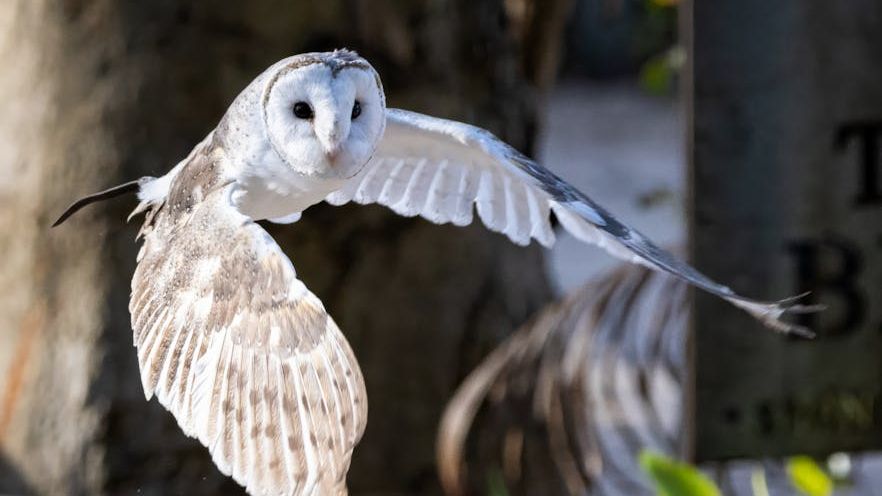
Most people have heard an owl before they’ve ever seen one. That low, resonant hoot drifting through the dark trees is often the only evidence these birds leave behind. Owls have a way of existing right alongside us, unseen and largely unknown, going about ancient routines that have changed very little for millions of years.
Owls are among the most fascinating and mysterious birds found across North America. Known for their silent flight, forward-facing eyes, and remarkable hunting skills, these nocturnal predators play an important role in ecosystems. There’s more going on beneath the surface than most people realize.
A Continent Full of Owls: The Surprising Diversity
There are 19 different owl species in North America to seek out and appreciate. That number alone tends to surprise people, who often picture just one or two generic “owl” types when the subject comes up.
The United States is home to 19 regularly occurring owl species ranging from year-round residents to seasonal migrants and occasional visitors. These raptors occupy nearly every habitat type across the continent, from Arctic tundra to desert scrublands.
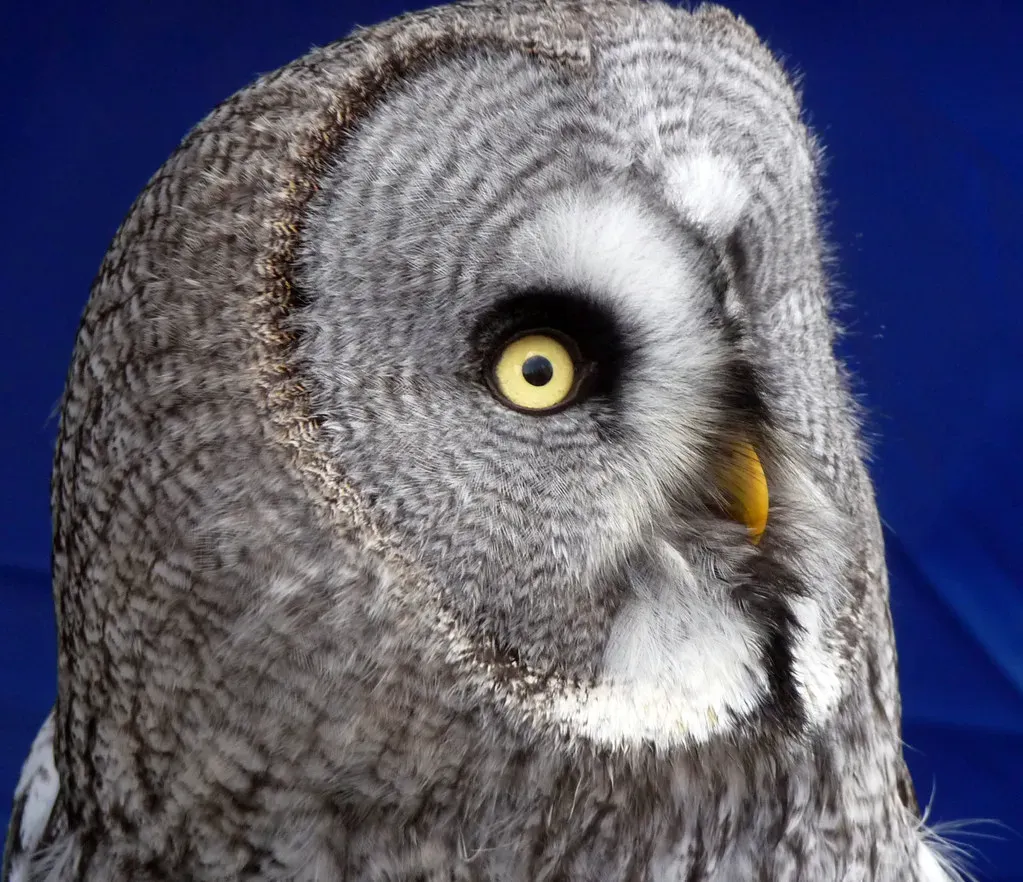
The largest species in the world is the Great Gray Owl of North America. It is nearly three feet long with a wingspan of almost four and a half feet, although the smaller Great Horned Owl outweighs it on average. The smallest is the Elf Owl of the southwestern United States. Less than six inches long with a wingspan of about one foot, Elf Owls are smaller than the familiar Northern Cardinal.
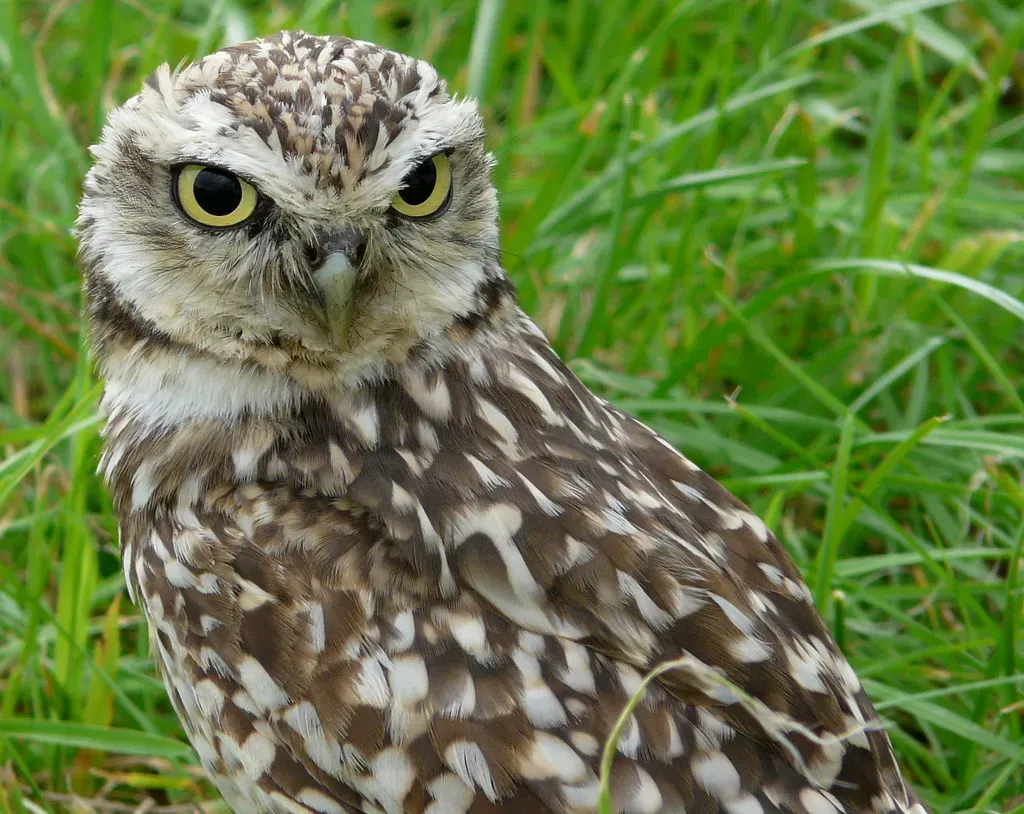
Although owls are often associated with woodlands and the night, not all species are nocturnal or reside exclusively in forests. Burrowing Owls, for example, are most active in the day and can be found in deserts and other open spaces. The variety of lifestyles across these species is genuinely striking.
The Engineering of Silent Flight
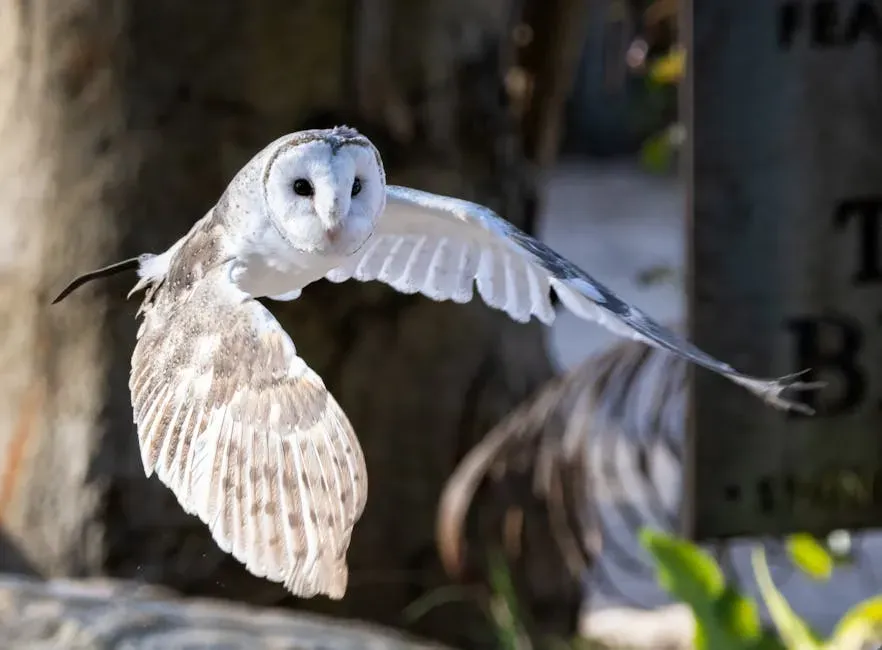
When most birds fly, the air turbulence created by wing flapping produces sound. Even large species like the Barn Owl or Great Horned Owl can fly virtually silently – a quality that has long fascinated scientists.
Aeronautical engineers have examined owl wings and found several features working together: the leading edge of the wing, called the comb, is finely serrated to break up the air flowing over it. The middle of the wing is covered in soft feathers called velvet, which dampen the high pitch of rushing air that would be audible to rodents and other prey. The trailing edge has a wispy fringe which further silences the moving air.
Measurements of owls in flight show that their wings mute only frequencies higher than 1,600 hertz. Since this is roughly where the range of rodent hearing begins, it’s the range that an owl would benefit most from suppressing as it hunts for a meal. The precision of that adaptation is quietly extraordinary.
Laboratory measurements have shown that the slight swoosh made by a Barn Owl is below the threshold of human hearing until the owl is about three feet away. If owls created noise while flying, this would not only alert potential prey but would also interfere with the owl’s own ability to hear tiny sounds. Evolutionary pressure has therefore shaped multiple adaptations that work in concert to eliminate flight noise.
Hunters of Extraordinary Skill
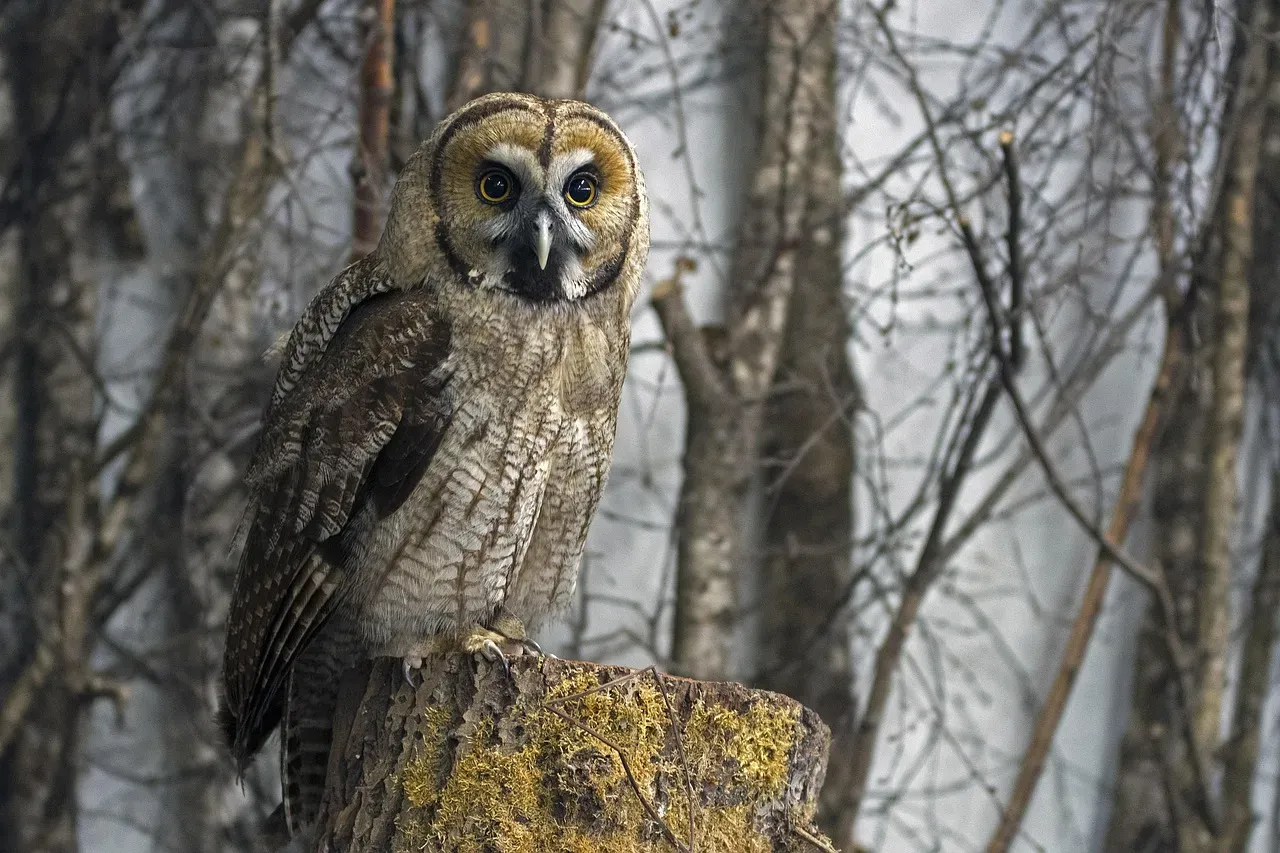
Many owls have asymmetrical ear openings, with one ear positioned higher than the other, creating a slight time difference in when sounds reach each ear. This remarkable adaptation allows owls to triangulate the precise location of prey, even when it’s hidden under snow or vegetation. The facial disc of feathers that gives owls their distinctive appearance functions as a satellite dish, collecting and directing sound waves toward their ear openings.
The Great Gray Owl has the remarkable ability to detect and capture prey beneath up to 18 inches of snow, plunging through the surface and emerging with a vole or mouse in its talons. That’s not luck. That’s a level of sensory refinement most predators can’t approach.
Owls hunt in various ways. One hunting technique is called perch and pounce, where owls perch comfortably until they see their prey, then glide down upon it. Northern Hawk Owls use this approach. Another approach, called quartering flight, involves searching for prey while flying, as utilized by the Barn Owl.
The Great Horned Owl has the most diverse prey profile of any raptor in the Americas. It will take down prey as diverse as rabbits, mice, voles, skunks, house cats, squirrels, ducks, and other owls. It has even been known to attack porcupines, though these encounters often do not end well for either animal.
Courtship, Nesting, and Raising Young
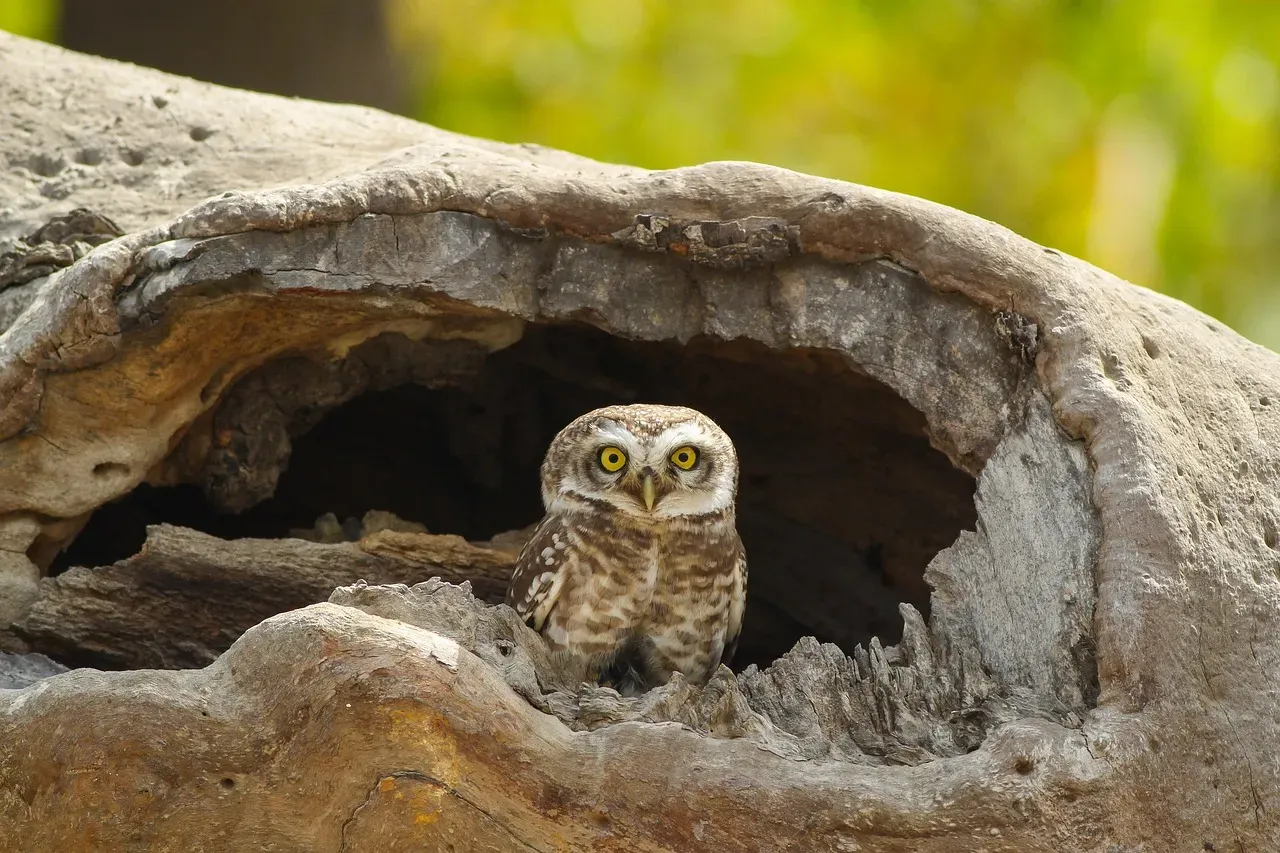
A female owl will listen for a call that interests her and will only respond to calls from males of the same species. Once a male owl gains the interest of a female, he starts performing. He might display his feathers by fluffing them out, or give the female gifts of food. Some males even sky dance: a male Short-eared Owl will circle high above the female he is courting and clap his wings under his belly several times during a dive.
Great Horned Owls are one of the earliest nesters, mating and laying eggs in the middle of winter. This allows adults more time for chick rearing and for young owls to learn to hunt a wide variety of prey.
Owls are talented hunters, but nest builders they are not. Many owls take advantage of the hard work performed by other animals instead of building their nests from scratch. Some owls, like Great Horned Owls, use vacant nests in trees or on cliffs that were built by hawks, crows, magpies, or other birds.
Short-eared Owlets develop faster than any other North American species. They start to venture outside the nest when they are just two weeks old and take their first flights after four to five weeks. That’s a remarkably compressed timeline for learning one of the most demanding skill sets in the animal kingdom.
Conservation Challenges and the Fight to Protect Owls
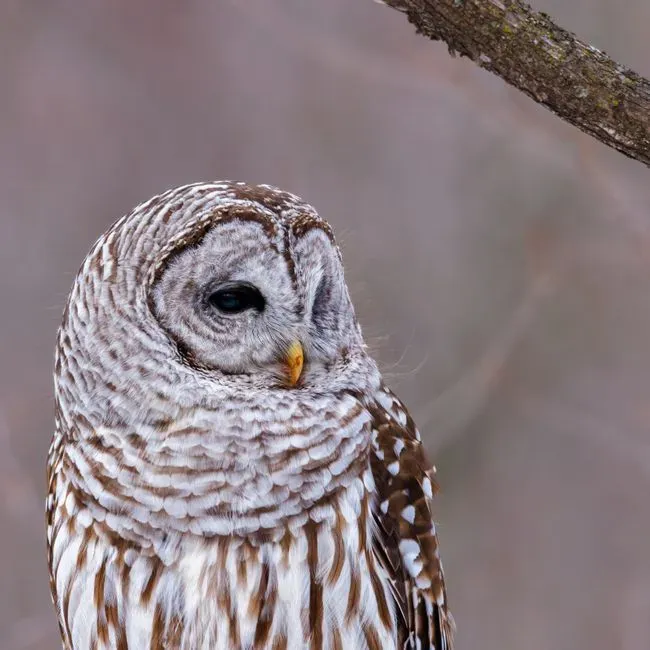
The U.S. Fish and Wildlife Service identified competition from non-native and invasive Barred Owls as one of two main threats to the Northern Spotted Owl’s continued survival, with habitat loss being the other.
Spotted owls have declined by more than three quarters in two decades in their northern range and continue to decline. The Barred Owl, a very common species, began expanding its range from eastern North America at the turn of the 20th century. Human-caused climate and land use change has allowed Barred Owls to outcompete the Spotted Owl for prey and habitat.
Removal of Barred Owls had a strong, positive effect on the survival of Northern Spotted Owls, stopping their long-term population declines. After removals, Northern Spotted Owl population declines stabilized in areas with removals but continued to decrease sharply in areas without removals.
Barred Owls are native to eastern North America but started moving west of the Mississippi River at the beginning of the 20th century. This expansion was likely due to human-induced changes in the Great Plains and northern boreal forest. It’s a reminder that even indirect human changes to the landscape can reshape the fate of species we never intended to harm.
Conclusion
North American owls are not simply birds of the night. They are finely engineered predators shaped by millions of years of pressure, running quietly on precision hearing, specialized feathers, and behavioral instincts that still puzzle scientists. They occupy deserts, old-growth forests, Arctic tundra, and suburban woodlands, each species carved into its niche with quiet efficiency.
What’s sobering is that some of the most capable hunters on the continent are now facing pressures they didn’t evolve to handle. Invasive competition, habitat loss, and climate-driven range shifts are forcing wildlife managers into difficult and sometimes controversial decisions.
The story of owls in North America is, in a meaningful way, also a story about how much the landscape we shape ripples outward into lives we rarely see. Paying attention to the birds we almost never hear might be one of the more honest forms of ecological awareness we have left.

- What It Means When Your Cat Stares at the Same Empty Corner at the Same Time Every Night – and the Three Explanations Competing for It - July 19, 2026
- What It Means When a Snake Crosses Your Path From Left to Right According to Every Southern Appalachian Tradition That Recorded It - July 19, 2026
- What It Means When Deer Stop Coming to an Area They Have Visited for Years – and What Wildlife Biologists Say They Are Detecting - July 19, 2026