

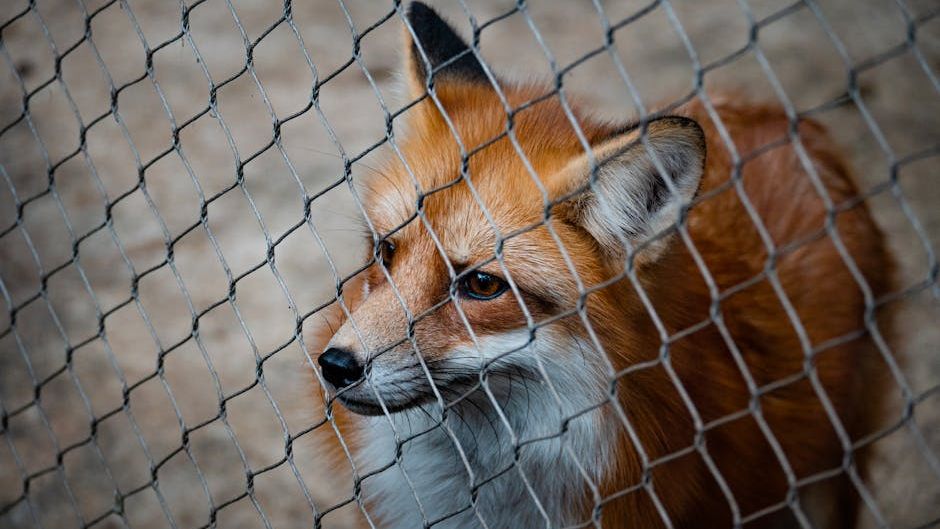
Colorado Chapter and Hunting, Trapping, and Conservation Working Group comments on petition to ban fur sales in Colorado – Image for illustrative purposes only (Image credits: Pexels)
The Colorado Parks and Wildlife Commission recently advanced a petition aimed at prohibiting the sale, trade, or barter of furs within the state, marking a pivotal moment in ongoing debates over wildlife management practices. This decision came despite advice from state biologists to dismiss the proposal outright. Now, prominent conservation organizations have stepped forward with detailed counterarguments, underscoring tensions between animal welfare advocacy and established conservation strategies. The development highlights broader questions about how Colorado balances trapping traditions with modern ecological priorities.
Commission Advances Petition Despite Expert Advice
In 2025, the Colorado Parks and Wildlife Commission received a formal petition calling for a statewide ban on fur-related commercial activities. Agency staff, including biologists from Colorado Parks and Wildlife (CPW), reviewed the submission and recommended rejection, citing insufficient scientific grounding. Nevertheless, commissioners voted earlier this year to move forward with the petition, initiating a formal review process.
This step opens the door to potential rulemaking, public hearings, and further analysis. Stakeholders on both sides now prepare for extended discussions, as the commission weighs economic, cultural, and biological factors. The decision reflects a commitment to thorough evaluation, even when internal experts urge caution.
CPW Biologists’ Role in Shaping the Debate
CPW biologists played a central role from the outset, conducting an initial assessment of the petition’s claims. Their recommendation emphasized the lack of compelling evidence supporting a ban, drawing on data about wildlife populations and management outcomes. Trapping and fur use, they argued, form integral parts of Colorado’s conservation framework, helping control overabundant species and fund habitat protection.
By aligning their analysis with long-standing agency practices, these experts provided a foundation for opposition. Their stance underscores a reliance on empirical research over policy driven by emotion. As the process unfolds, their input remains a key reference point for commissioners.
Wildlife Society Chapters Submit Targeted Comments
The Colorado Chapter of The Wildlife Society, alongside the Hunting, Trapping, and Conservation Working Group, collaborated on a letter to the commission. This document directly backed CPW biologists while dismantling elements of the original petition. Released in response to the commission’s vote, it offered scientific rebuttals and context on sustainable practices.
Representing professional wildlife managers and researchers, these groups emphasized evidence-based conservation. Their intervention aims to inform the rulemaking phase, potentially influencing public input and final outcomes. Such organized feedback from credible voices often carries significant weight in regulatory proceedings.
Stakeholders and Broader Implications
Several groups stand to feel the effects of any fur ban. Trappers and hunters rely on fur sales for income and motivation to participate in population control efforts. Conservation funding, partly derived from licenses and related activities, could face indirect pressure. Meanwhile, petitioners and animal rights advocates push for restrictions to address ethical concerns.
Colorado’s approach mirrors national trends where states grapple with similar proposals. A ban could reshape local economies tied to outdoor traditions while prompting shifts in how wildlife agencies manage predators and furbearers. The commission’s process now tests these dynamics against verifiable data.
What matters now: The ongoing review offers opportunities for public engagement, with CPW biologists’ analysis and Wildlife Society comments providing balanced perspectives. Outcomes could set precedents for future wildlife policies in the Rockies.
Ultimately, this episode reveals the challenges of aligning diverse interests in wildlife stewardship. As Colorado navigates the petition’s path forward, reliance on science positions the state to make informed choices that sustain both ecosystems and communities.

As a little kid, I fell in love with nature, wildlife, and animals. Living in the USA, South Africa, Italy, China and Germany gave me the opportunity to discover the world's Wildlife. My favorite animals are Mountain Gorillas, Siberian Tigers, and Great White Sharks.
I'm a certified PADI Open Water Diver, went to Everest Base Camp and Trekked Gorillas in Uganda. I hold a Master of Science in Economics and Finance.
Please send any feedback to feedback@animalsaroundtheglobe.com
- The Best Ways to Introduce New Fish to an Existing Aquarium - July 30, 2026
- 10 Creatures With the Strongest Jaws on Earth - July 30, 2026
- 14 Animals Endangered in the U.S. And Whats Being Done - July 30, 2026